Executive Summary:
US and partner nation forces sank two decommissioned vessels during the Balikatan 2026 exercise, showcasing allied maritime strike coordination in the Indo-Pacific. The live-fire drills highlighted expanding US-Philippine defense cooperation amid growing regional security tensions.
Balikatan 2026 Maritime Exercise Highlights Allied Naval Strike Capability
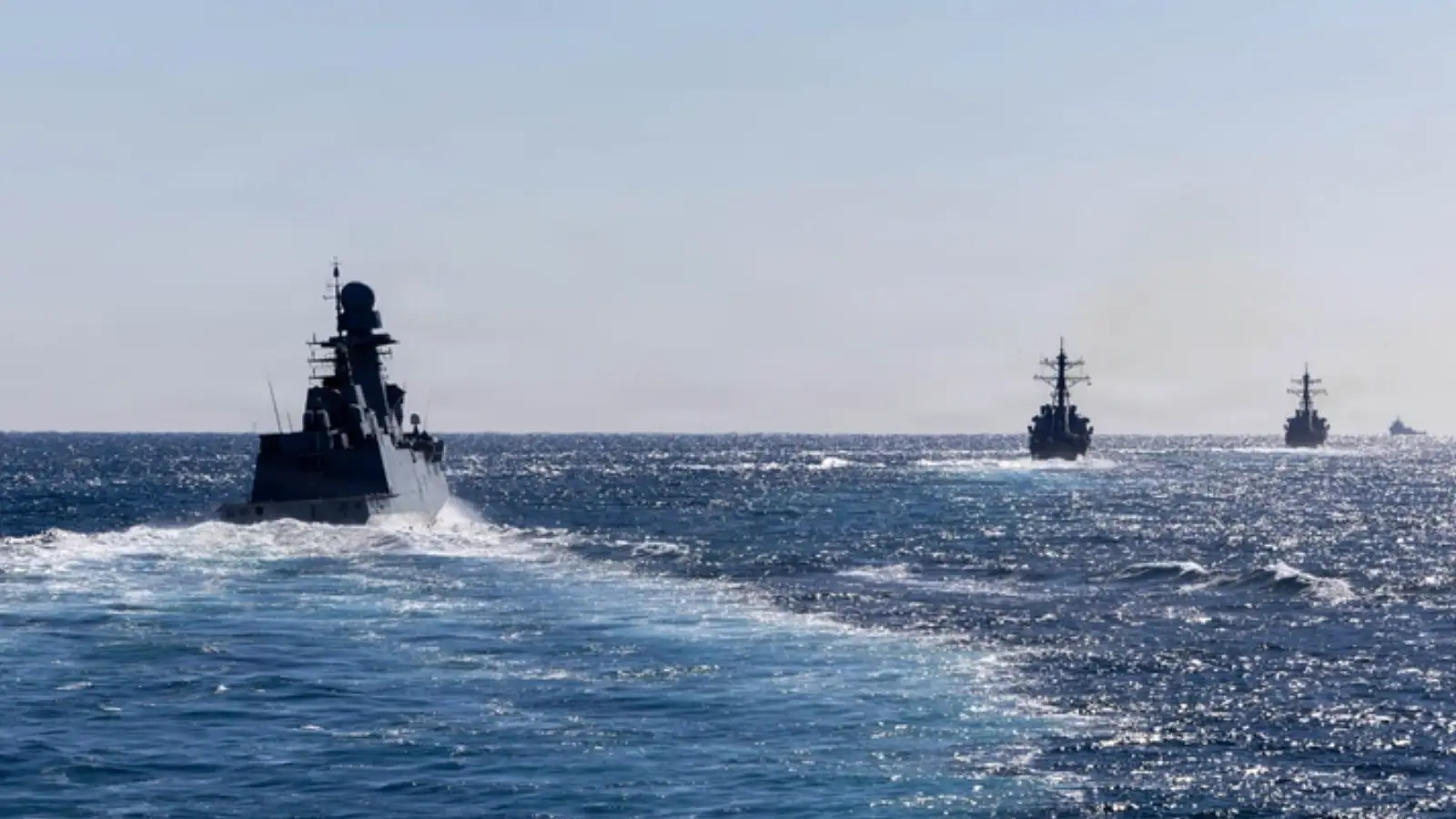
The Balikatan 2026 maritime exercise demonstrated a major display of allied naval firepower as US and partner nation forces successfully sank two decommissioned ships during coordinated live-fire operations in Philippine waters.
The annual Balikatan exercise, conducted primarily between the United States and the Philippines, has evolved into one of the Indo-Pacific region’s most closely watched multinational military drills. This year’s sinking exercise, commonly referred to as SINKEX, underscored the growing emphasis on maritime security, joint targeting operations, and combined deterrence missions.
According to US military officials, the exercise involved coordinated strikes from multiple military platforms, including naval vessels, aircraft, and missile systems. The operation targeted two retired ships that were intentionally positioned offshore for the live-fire event.
The drills are designed to improve interoperability between allied forces while testing real-world maritime engagement scenarios under combat-like conditions.
Allied Forces Expand Maritime Cooperation
Balikatan 2026 included participation from US treaty ally the Philippines alongside several partner nations observing or contributing to portions of the exercise. Defense officials said the maritime phase focused heavily on combined command-and-control operations and synchronized targeting procedures.
The sinking exercise demonstrated how allied forces can rapidly identify, track, and engage hostile maritime targets using integrated strike networks. Analysts note that these scenarios closely reflect operational challenges that could emerge in contested Indo-Pacific waters.
The United States has steadily increased its military cooperation with the Philippines over the past several years through expanded rotational deployments, infrastructure access agreements, and larger bilateral exercises.
Military planners increasingly view the Philippine archipelago as strategically important due to its location near major sea lanes and contested regional waters.
Live-Fire SINKEX Sends Strategic Message
The destruction of the decommissioned vessels carried operational and geopolitical significance beyond training value alone.
SINKEX operations allow naval forces to evaluate weapon effectiveness, targeting coordination, and battle damage assessment in realistic conditions. Unlike simulated engagements, live-fire sinking drills provide crews with practical experience against full-sized maritime targets.
Defense observers say Balikatan 2026 also served as a visible demonstration of allied readiness amid growing regional competition in the Indo-Pacific.
The exercise took place as regional militaries continue expanding naval modernization efforts, anti-ship missile deployments, and maritime surveillance operations across the Pacific theater.
US Indo-Pacific Command has repeatedly emphasized the importance of maintaining freedom of navigation, strengthening alliance structures, and improving distributed maritime operations.
Philippines Continues Defense Modernization Push
For the Philippines, participation in high-end maritime exercises supports broader military modernization goals.
The Armed Forces of the Philippines have accelerated efforts to improve coastal defense, maritime awareness, and naval strike capabilities in response to evolving regional security concerns. Manila has expanded defense procurement programs involving missile systems, patrol vessels, radar infrastructure, and joint training initiatives with allied nations.
Balikatan exercises increasingly incorporate advanced combat scenarios involving amphibious operations, air defense missions, cyber coordination, and maritime interdiction drills.
Military officials from both countries have stated that the exercise is intended to improve crisis response capabilities while enhancing interoperability across all military domains.
Strategic Importance Of Indo-Pacific Exercises
Large-scale multinational drills like Balikatan have become central to US defense strategy in the Indo-Pacific region.
The Pentagon continues to prioritize distributed force posture, allied integration, and rapid-response capabilities across the Pacific as regional competition intensifies. Exercises involving naval strike coordination and maritime denial operations are now regularly featured in allied training events.
Defense analysts believe these drills help strengthen deterrence by demonstrating that allied militaries can conduct coordinated operations across air, sea, and land domains under realistic operational conditions.
The live-fire sinking of the two vessels during Balikatan 2026 reinforced the increasing complexity and scale of Indo-Pacific military exercises.