

Executive Summary:
The United Kingdom has announced a major military contribution to a multinational mission aimed at protecting shipping through the Strait of Hormuz. The deployment includes Royal Navy destroyer HMS Dragon, Typhoon fighter jets, autonomous mine-hunting systems, and counter-drone capabilities as tensions in the Gulf continue to disrupt global trade and energy markets.
UK Expands Strait Of Hormuz Security Mission
The UK Strait of Hormuz mission marks one of Britain’s most significant recent military commitments in the Middle East, combining naval, air, and autonomous systems to protect one of the world’s most strategically important waterways.
During a virtual summit involving representatives from more than 40 nations, UK Defence Secretary John Healey confirmed Britain would contribute Typhoon fighter aircraft, advanced drone systems, mine-clearance specialists, and the Royal Navy destroyer HMS Dragon to a future multinational maritime security operation.
The Strait of Hormuz remains critical to global energy markets, with roughly one-fifth of the world’s oil shipments passing through the narrow maritime corridor. Continued regional instability and threats to commercial shipping have increased insurance costs, disrupted tanker routes, and intensified pressure on Western governments to guarantee freedom of navigation.
HMS Dragon And Typhoon Jets At The Center Of UK Deployment
The centerpiece of the British deployment is the Royal Navy Type 45 destroyer HMS Dragon, which is already moving toward the Middle East following additional mission preparation and systems calibration. The destroyer will be prepared for potential operations tied to maritime security in the Strait of Hormuz.
HMS Dragon carries the Sea Viper air defense system, designed to counter aircraft, missiles, and drone threats. Its deployment reflects growing concern over the use of unmanned systems and asymmetric maritime tactics in the Gulf region.
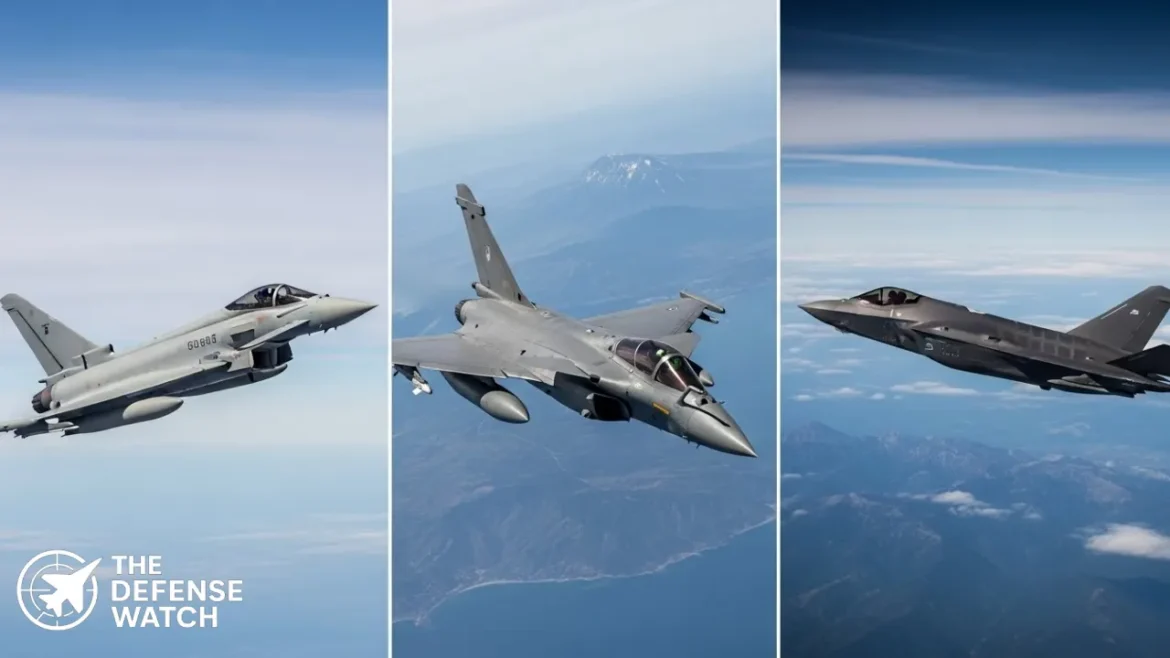
Alongside the destroyer, Britain is deploying Royal Air Force Typhoon fighter jets for air patrol operations over the strait. The aircraft have previously operated in Middle East missions and are expected to provide rapid-response air cover and surveillance support.
The UK government also confirmed new funding worth £115 million for autonomous mine-hunting and counter-drone systems. The package includes the Royal Navy’s Beehive modular system and Kraken autonomous drone boats designed to identify and neutralize maritime threats.
Why The Strait Of Hormuz Matters
The Strait of Hormuz remains one of the most contested maritime choke points in the world. Any prolonged disruption immediately affects global oil prices, shipping rates, and regional security calculations.
British officials described the upcoming multinational operation as defensive and focused solely on protecting commercial shipping. London also stressed the mission would operate independently while coordinating with allies and regional stakeholders.
The deployment also highlights how Western militaries are increasingly integrating autonomous technologies into naval operations. Mine-hunting drones, unmanned surface vessels, and counter-drone systems are becoming central tools for maritime security missions where traditional naval assets face persistent asymmetric threats.
From a strategic perspective, the mission demonstrates Britain’s continued effort to maintain relevance in Gulf security operations despite pressure on Royal Navy fleet numbers and defense resources. The use of unmanned systems allows the UK to expand operational capability without relying solely on larger surface combatants.
Growing Multinational Coordination
The UK and France have emerged as leading European contributors to the proposed maritime mission, while several allied nations are expected to provide surveillance, logistics, and naval support. Reuters reported that more than 1,000 British personnel are already stationed across the region supporting existing defensive operations, including counter-drone units and fast jet squadrons.
The British deployment comes as governments across Europe and the Gulf attempt to stabilize shipping lanes while avoiding further escalation in the wider regional conflict.
Defense analysts note that the operation could become an important test case for future coalition maritime security missions centered around unmanned systems, distributed surveillance, and integrated air defense networks.
Strategic Analysis
The UK Strait of Hormuz mission reflects a broader shift in modern naval strategy. Rather than relying only on large carrier groups or traditional mine countermeasure vessels, Britain is emphasizing hybrid naval operations built around drones, autonomous boats, and networked air defense systems.
That approach offers several operational advantages. Autonomous systems can remain deployed longer, reduce risks to personnel, and provide persistent surveillance in congested maritime environments. For the Royal Navy, the mission also provides an opportunity to validate new technologies under real-world operational conditions.
At the same time, the deployment underscores the continuing importance of the Gulf region to NATO-aligned maritime strategy. Even limited disruptions in the Strait of Hormuz can rapidly affect global energy markets, making freedom of navigation operations a strategic priority for Western governments.


UK Achieves Unprecedented Defence Export Performance
The United Kingdom secured over £20 billion in defence exports during 2025, marking the highest annual total since records began more than 40 years ago, according to official Ministry of Defence figures released in January 2026.
(adsbygoogle = window.adsbygoogle || []).push({});The record-breaking year demonstrates the UK’s strategic pivot toward making defence an engine for economic growth while simultaneously strengthening NATO alliances during a period of heightened global security concerns. These agreements are expected to support over 25,000 British jobs for decades to come, spanning shipbuilding, aerospace manufacturing, and advanced technology sectors across the United Kingdom.
The achievement represents the culmination of significant structural reforms within UK Defence, including the establishment of the National Armaments Director Group and the implementation of the Strategic Defence Review’s industrial strategy objectives.
Major Export Agreements Drive Historic Growth
Type 26 Frigate Programme
The flagship achievement was a £10 billion agreement with Norway to export at least five Type 26 frigates, supporting 4,000 jobs across the UK and involving more than 430 businesses of all sizes. This represents the largest warship export deal in British history.
The Type 26 frigates, developed by BAE Systems, are advanced anti-submarine warfare vessels that will enhance NATO’s collective maritime capabilities in the strategically critical North Atlantic region. The Norwegian procurement directly supports the UK’s broader alliance strategy focused on countering potential threats in northern European waters.

The programme extends beyond direct employment, with the contract sustaining a complex supply chain of small and medium-sized enterprises throughout Scotland, England, and Wales. Production work is centered at BAE Systems‘ Glasgow shipyards, with component manufacturing and systems integration distributed across hundreds of UK suppliers.
Typhoon Fighter Jet Sales
Britain secured an £8 billion contract to sell 20 Typhoon fighter jets to Türkiye, creating approximately 20,000 jobs and strengthening NATO’s southern defensive capabilities. The Eurofighter Typhoon, a multi-role combat aircraft produced by a consortium including BAE Systems, represents one of the most advanced fourth-generation fighters currently operational.
This deal is being characterized as the largest fighter jet export agreement for a generation, reflecting both the strategic importance of the partnership with Türkiye and the enduring operational relevance of the Typhoon platform.
(adsbygoogle = window.adsbygoogle || []).push({});The agreement supports high-skilled employment across Lancashire, Scotland, and additional regions throughout the UK, particularly in aerospace engineering and advanced manufacturing sectors. The contract includes provisions for technology transfer and long-term support arrangements that will sustain employment well into the next decade.
Additional Export Contracts
Complementing these major platforms, the UK exported 12 C-130J transport aircraft to Türkiye valued at over £550 million, safeguarding 1,400 skilled jobs in Cambridge. Marshall Aerospace and Defence Group serves as the prime contractor for this programme, which includes aircraft refurbishment, systems upgrades, and comprehensive maintenance support packages.
Devon-based manufacturer Supacat secured an export contract for 18 specialized military transporter vehicles destined for Czech armed forces. While smaller in monetary value compared to the major platform deals, this contract demonstrates the breadth of UK defence industrial capability and the competitive advantage of British small and medium enterprises in niche defence applications.
Institutional Reform Driving Export Success
National Armaments Director Group
The UK appointed Rupert Pearce as National Armaments Director in October 2025, a critical role designed to shape the future of UK Defence as part of the biggest defence reforms in more than 50 years. Pearce brings extensive private sector leadership experience, including 16 years at FTSE 100 satellite telecommunications company Inmarsat, where he served as CEO for nine years.
The NAD Group represents a fundamental restructuring of how the Ministry of Defence approaches capability development, procurement, and international collaboration. By consolidating previously fragmented procurement budgets and organizational structures, the NAD Group aims to accelerate decision-making, reduce waste, and improve outcomes for the UK Armed Forces.
Rupert Pearce emphasized that these export successes reflect the NAD Group’s mission to strengthen international partnerships while driving economic growth at home, positioning defence exports as a strategic tool rather than purely commercial transactions.
International Collaboration and Exports Team
The establishment of a dedicated International Collaboration and Exports team within the NAD Group structure marks a significant shift in institutional approach. Avril Jolliffe, Director General for International Collaboration and Exports, stated this initiative is about building defence partnerships that support collective security and UK economic objectives, not merely selling equipment.
(adsbygoogle = window.adsbygoogle || []).push({});This organizational evolution reflects lessons learned from successful defence exporters globally, where integrated approaches linking diplomatic, industrial, and military cooperation yield sustained competitive advantages.
Strategic Context and Alliance Implications
NATO Integration
The 2025 export agreements directly support NATO’s strategic objectives by enhancing alliance-wide interoperability and collective defence capabilities. Norway’s acquisition of Type 26 frigates addresses critical gaps in North Atlantic maritime security, particularly concerning submarine detection and tracking capabilities in Arctic and sub-Arctic waters.
Türkiye’s procurement of Typhoon fighters and C-130J transports reinforces NATO’s southern flank, providing enhanced air superiority and tactical airlift capabilities in a geographically strategic region facing multiple security challenges.
Luke Pollard, Minister for Defence Readiness and Industry, emphasized the dual nature of these agreements: economic growth domestically combined with enhanced security cooperation with key NATO allies.
AUKUS Framework
Beyond the immediate 2025 contracts, the UK signed a new AUKUS treaty with Australia earlier in the year, establishing a framework for deep defence industrial cooperation. Officials suggest this partnership could generate up to £20 billion in potential exports and support over 21,000 UK jobs, primarily focused on nuclear submarine technology and advanced capabilities development.
The AUKUS framework represents a long-term strategic investment in allied capability development, with implications extending well beyond traditional defence exports into technology sharing, joint development programmes, and integrated industrial base cooperation.
Regulatory Framework Developments
Agreement on Defence Export Controls
To strengthen the UK’s position as a leading defence exporter, Britain joined the Agreement on Defence Export Controls in 2025 alongside France, Germany, and Spain. This multilateral framework simplifies export procedures for participating nations when selling to partner countries, reducing administrative burdens and accelerating contract execution timelines.
(adsbygoogle = window.adsbygoogle || []).push({});The agreement represents a pragmatic response to increasing global competition in defence exports, where streamlined regulatory processes can provide decisive advantages in competitive bid situations. For UK industry, particularly small and medium enterprises, reduced regulatory complexity lowers barriers to international market access.
Economic Impact and Industrial Strategy
Employment Distribution
The 25,000 jobs supported by 2025 export agreements are distributed across multiple UK regions, with particularly significant concentrations in Scotland (shipbuilding), Lancashire (aerospace), Cambridge (aircraft maintenance and modification), and Devon (specialized vehicles). This geographic distribution aligns with the government’s levelling-up agenda, directing high-value employment to regions outside London and the Southeast.
Beyond direct employment, these contracts generate substantial multiplier effects through supply chain activation, with the Type 26 programme alone engaging over 430 businesses. Many of these suppliers are small and medium enterprises providing specialized components, engineering services, or advanced manufacturing capabilities.
Defence Industrial Strategy
The record export performance directly supports objectives outlined in the Defence Industrial Strategy, which emphasizes making defence a driver of economic growth while maintaining sovereign capability in critical technology areas. By securing long-term production contracts, the UK sustains industrial capabilities that might otherwise face viability challenges during peacetime.
The strategy explicitly links export success with national security objectives, arguing that robust export programmes sustain skilled workforces, maintain production facilities, and preserve institutional knowledge essential for surge capacity during crises.
Outlook for 2026 and Beyond
UK defence officials have signaled intentions to build on 2025’s success with additional export agreements planned for 2026. Priority areas include advanced aircraft systems, maritime technologies, and armoured transport vehicles such as the Boxer platform.
The Defence Investment Plan, expected to be published in early 2026, will provide the strategic blueprint for how defence resources will be prioritized to deliver cutting-edge capabilities to frontline forces while investing in UK economic growth. This document will establish the framework for procurement decisions that will shape both domestic capability development and export opportunities for the remainder of the decade.
(adsbygoogle = window.adsbygoogle || []).push({});The structural reforms implemented through the NAD Group, combined with simplified export control procedures and strengthened alliance relationships, position the UK to sustain increased defence export activity. However, maintaining this performance will require continued investment in research and development, sustained political support for defence industrial capabilities, and effective competition against established exporters including the United States, France, and emerging competitors.
The record-breaking 2025 performance establishes a new baseline for UK defence export ambitions, demonstrating that strategic alignment of industrial policy, alliance priorities, and procurement reform can yield substantial economic and security dividends. Whether this momentum can be sustained will depend on execution of planned reforms, continued investment in capability development, and the evolving global security environment.