Executive Summary:
The U.S. Air Force has awarded a $240.9 million production contract to Kongsberg Defence & Aerospace for additional Joint Strike Missiles (JSMs). The weapon enhances the F-35’s ability to strike heavily defended land and maritime targets while maintaining its stealth profile, supporting the Pentagon’s growing focus on long range precision warfare in contested environments.
U.S. Air Force Expands Joint Strike Missile Procurement For F-35 Fleet
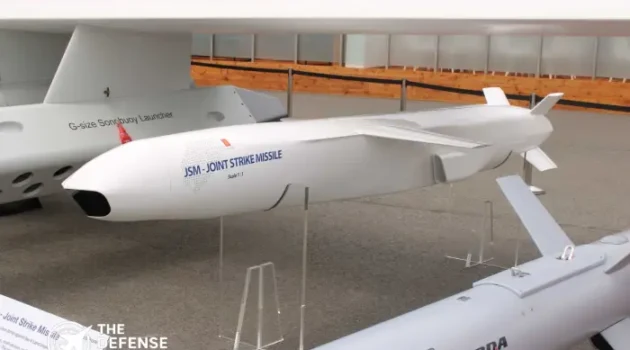
The Joint Strike Missile contract received a major boost after the U.S. Air Force awarded a $240.9 million Lot Two production contract to Kongsberg Defence & Aerospace for the AGM-184 Joint Strike Missile (JSM). The award covers operational missiles, launch containers, test hardware, and associated support equipment, with production scheduled to continue in Norway through November 2028.
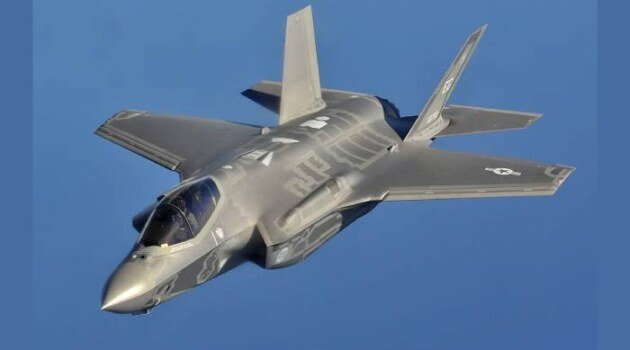
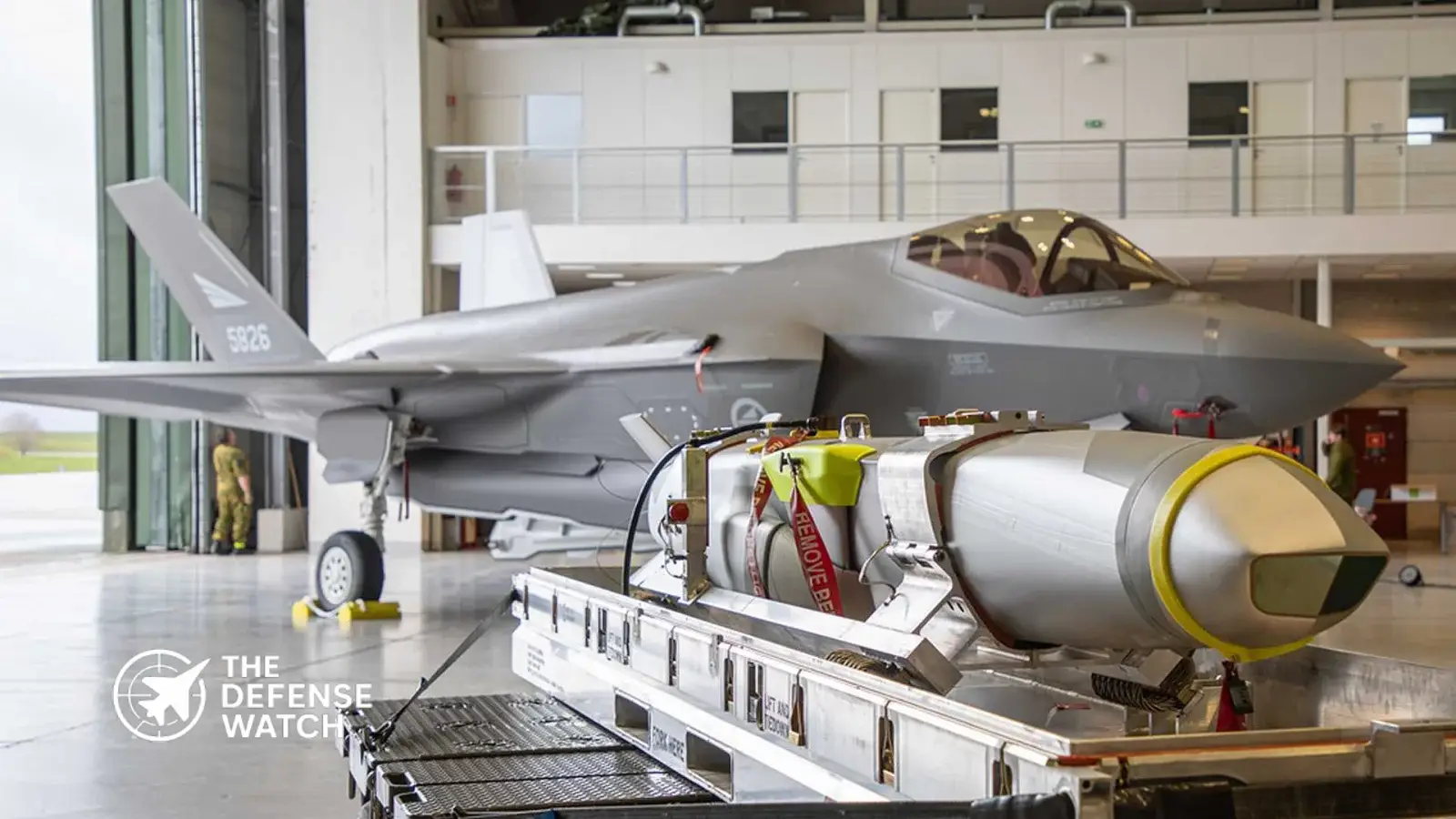
The contract represents another significant step in the Pentagon’s effort to equip its growing fleet of F-35 fighters with advanced stand off weapons capable of operating in highly contested battlespaces. Unlike many conventional cruise missiles, the Joint Strike Missile was specifically designed to fit inside the internal weapons bay of the F-35, allowing the aircraft to retain its low observable characteristics while carrying a powerful precision strike weapon.
Why The Joint Strike Missile Matters
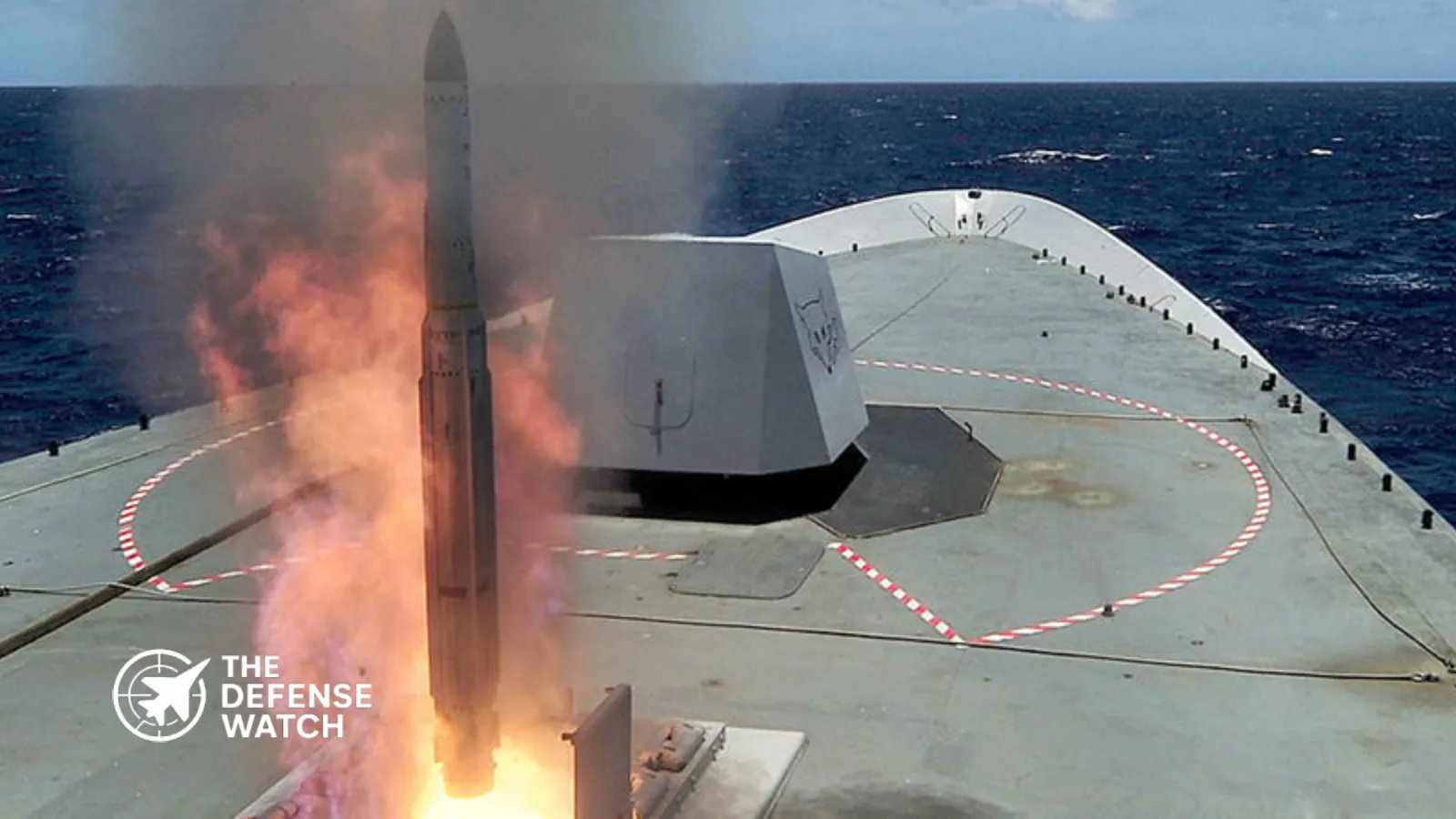
The Joint Strike Missile is one of the few long range precision weapons optimized specifically for the F-35 platform. Derived from Norway’s Naval Strike Missile family, the JSM provides multi mission capability against both land and maritime targets.
The missile combines advanced navigation systems, autonomous target recognition technology, terrain following flight profiles, and an imaging infrared seeker to improve survivability and effectiveness against modern air defense networks. It can engage targets from significant stand off distances while reducing the need for aircraft to penetrate the most heavily defended portions of enemy airspace.
For military planners, this capability has become increasingly important as potential adversaries continue deploying sophisticated radar systems, integrated air defense networks, and long range surface to air missile systems. The ability to strike from outside those defensive envelopes is now a central requirement for future air operations.
Strengthening U.S. And Allied F-35 Operations
The latest procurement also reflects the growing importance of the missile across the broader F-35 enterprise.
While the U.S. Air Force is leading integration efforts with the F-35A, the missile is also planned for use on the U.S. Navy’s F-35C and the U.S. Marine Corps‘ F-35B. A common missile across all three variants would improve interoperability and simplify logistics during joint operations.
The JSM is already attracting interest among F-35 operators worldwide. Several allied nations, including Norway, Germany, Japan, and other F-35 users, have selected or are evaluating the missile as part of broader efforts to enhance long range precision strike capabilities.
Strategic Significance For Future Conflict Scenarios
Beyond the contract value, the award highlights a broader shift in U.S. military strategy toward long range precision engagement.
The Pentagon increasingly expects future conflicts to occur in regions where adversaries possess extensive anti access and area denial capabilities. In such environments, survivability depends on combining stealth platforms with weapons that can engage targets from significant distances.
The F-35 and Joint Strike Missile combination directly addresses this challenge. By preserving the aircraft’s stealth profile while extending its strike reach, the weapon provides commanders with additional options for targeting critical infrastructure, air defense systems, command nodes, and hostile naval forces.
This capability is particularly relevant in the Indo-Pacific theater, where vast operating distances and sophisticated defense networks are expected to play a major role in any high intensity conflict. The missile’s anti ship capability also expands the number of U.S. Air Force assets that can contribute to maritime strike missions, a role traditionally associated with naval aviation and surface combatants.
Growing Production Through 2028
According to contract details, the award is a sole source acquisition managed by the Air Force Life Cycle Management Center at Eglin Air Force Base, Florida. Funding includes procurement appropriations from fiscal years 2024 and 2025, totaling approximately $240.9 million. Work will be completed by November 30, 2028.
The contract follows an earlier Lot One production award and demonstrates the Air Force’s commitment to expanding its inventory of advanced stand off weapons as F-35 fleet numbers continue to grow.
Conclusion
The new Joint Strike Missile contract marks another important milestone in the modernization of U.S. air power. By expanding production of a stealth compatible, long range precision weapon tailored for the F-35, the Air Force is strengthening its ability to operate against advanced threats while maintaining the survivability advantages of fifth generation aircraft.
As the Pentagon continues investing in capabilities designed for contested environments, the Joint Strike Missile is positioned to become a key component of America’s future precision strike arsenal.