Executive Summary:
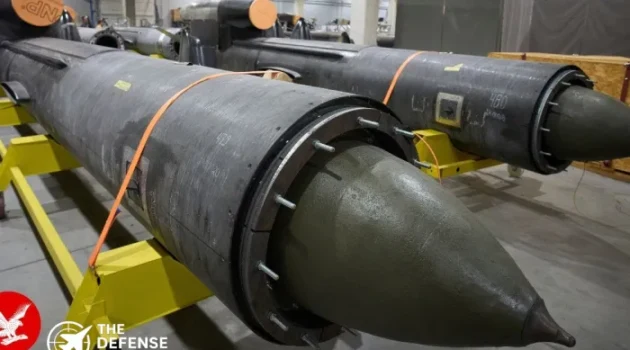
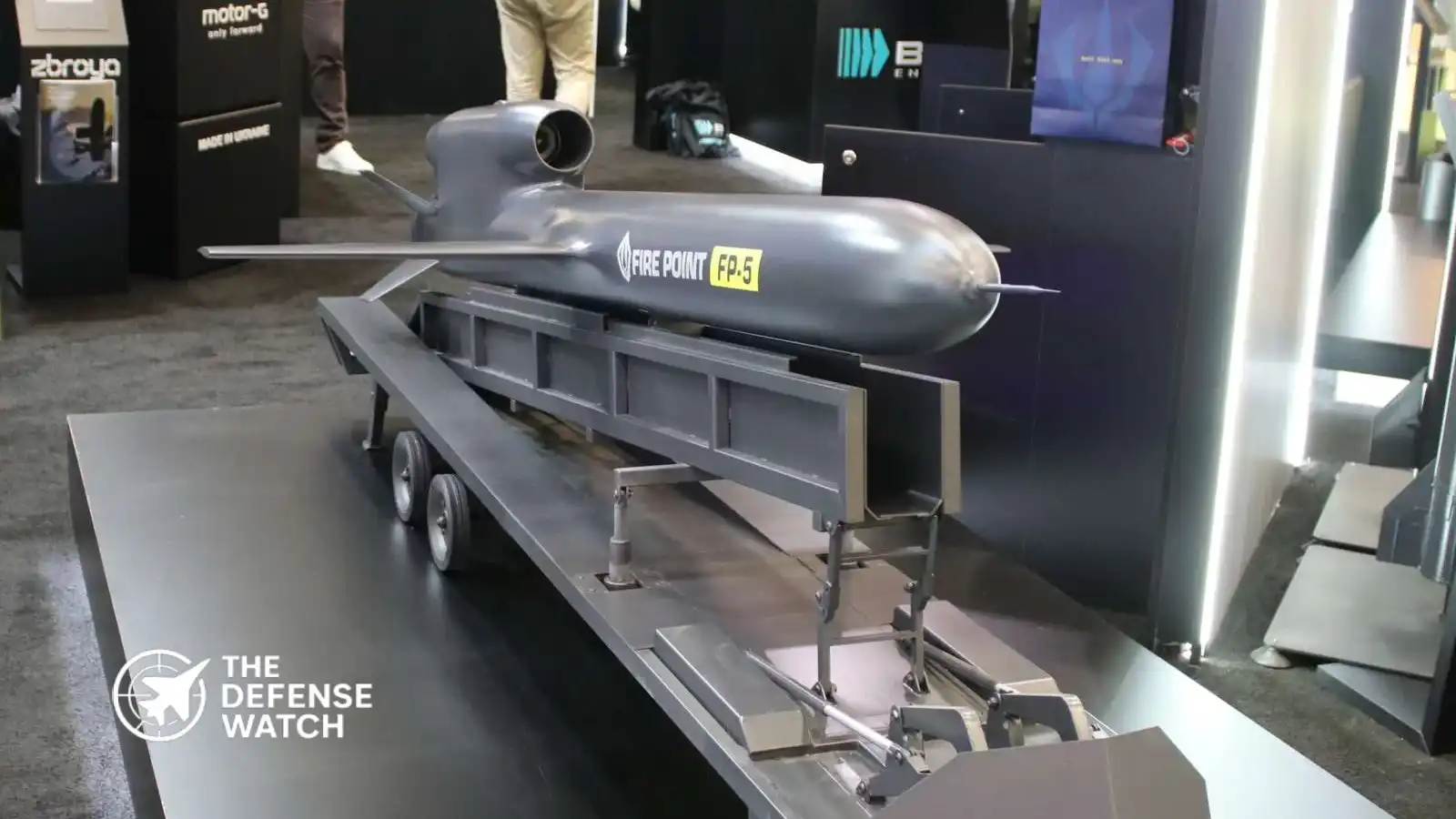
Ukraine has introduced the FP-5 Flamingo cruise missile, a new low-cost deep strike system showcased in Türkiye. The system reflects Kyiv’s push to expand precision strike capability while offering a potential model for NATO operations. Its design prioritizes affordability, flexibility, and scalable production.
Ukraine FP-5 Flamingo Cruise Missile Debuts With NATO Implications
The Ukraine FP-5 Flamingo cruise missile has made its public debut at a defense exhibition in Türkiye, highlighting Kyiv’s evolving approach to long-range precision strike capabilities. Developed amid ongoing conflict pressures, the system reflects Ukraine’s focus on cost-effective, adaptable weapons that can be produced at scale.
The FP-5 Flamingo is designed as a subsonic cruise missile capable of striking targets at extended ranges while maintaining a relatively low production cost compared to traditional Western systems.
The unveiling comes at a time when NATO allies are increasingly assessing how to sustain long-term strike capacity in high-intensity conflicts, particularly where industrial output and affordability are critical.
Designed For Scalable Deep Strike Operations
The FP-5 Flamingo cruise missile appears tailored for sustained operational use rather than limited high-value deployments. Its design emphasizes simplicity, modularity, and ease of production, aligning with lessons learned from the war in Ukraine.
Key characteristics reported include:
- Subsonic flight profile optimized for range and fuel efficiency
- Terrain-following capability for low-altitude penetration
- Flexible launch options, including potential ground-based platforms
- Precision guidance systems for targeting fixed infrastructure
This approach differs from more complex Western cruise missiles, which often prioritize advanced stealth and high-end electronics but come with higher costs and longer production timelines.
Ukraine’s model suggests a shift toward “quantity with precision,” where a larger number of affordable missiles can achieve operational effects traditionally reserved for smaller inventories of expensive systems.
Strategic Significance For NATO
The introduction of the FP-5 Flamingo cruise missile carries broader implications for NATO doctrine. The alliance has long relied on systems such as Tomahawk and Storm Shadow, which offer high performance but are expensive and produced in limited numbers.
Ukraine’s approach could influence future NATO thinking in several ways:
- Industrial scalability: The ability to mass-produce cruise missiles quickly during conflict
- Cost efficiency: Lower unit costs enabling sustained strike campaigns
- Operational flexibility: Integration with diverse launch platforms
This aligns with growing concerns among NATO planners about stockpile depletion in prolonged conflicts. The war in Ukraine has demonstrated that high-end munitions can be consumed at a faster rate than traditional defense planning anticipated.
By focusing on affordability and production speed, the FP-5 Flamingo represents a potential complement, rather than replacement, to existing Western systems.
Operational Context And Combat Lessons
Ukraine’s missile development efforts are shaped directly by battlefield requirements. The need to strike logistics hubs, command centers, and infrastructure deep behind enemy lines has driven innovation in long-range precision weapons.
The FP-5 Flamingo cruise missile reflects several key lessons:
- Sustained deep strike requires large inventories, not limited stocks
- Simpler systems can still achieve high operational impact
- Adaptability is critical in contested electronic warfare environments
Ukraine has increasingly relied on domestically developed systems to reduce dependence on foreign supply chains. This trend has accelerated innovation, particularly in unmanned systems and missile technology.
Türkiye Debut Signals Export And Cooperation Potential
The decision to unveil the FP-5 Flamingo in Türkiye is notable. Türkiye has emerged as a major player in defense exports, particularly in drones and missile systems, and maintains close defense ties with Ukraine.
Showcasing the missile at an international venue suggests potential future cooperation, co-production, or export opportunities. It also indicates Ukraine’s intent to position itself as a contributor to allied defense innovation, not just a recipient of military aid.
For NATO members, the system may offer a blueprint for developing complementary low-cost strike capabilities within their own defense industries.
Analysis: A Shift Toward Affordable Precision Warfare
The FP-5 Flamingo cruise missile highlights a broader in modern warfare, where affordability and scalability are becoming as important as technological superiority.
Western defense programs have traditionally focused on advanced, high-cost platforms. However, recent conflicts have exposed limitations in this model, particularly when facing prolonged engagements.
Ukraine’s approach suggests a hybrid model may be more effective:
- High-end systems for strategic targets
- Lower-cost, mass-produced systems for sustained operations
If adopted more widely, this could reshape procurement strategies across NATO, with greater emphasis on industrial resilience and rapid production.