The deployment marks one of Pakistan’s largest overseas military commitments in recent years and signals a deeper Saudi-Pakistani defense alignment amid regional instability.
Executive Summary:
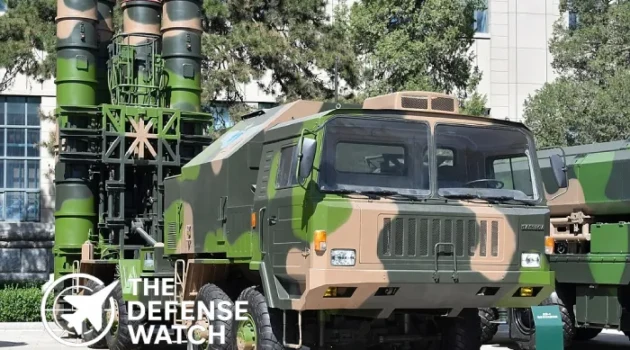
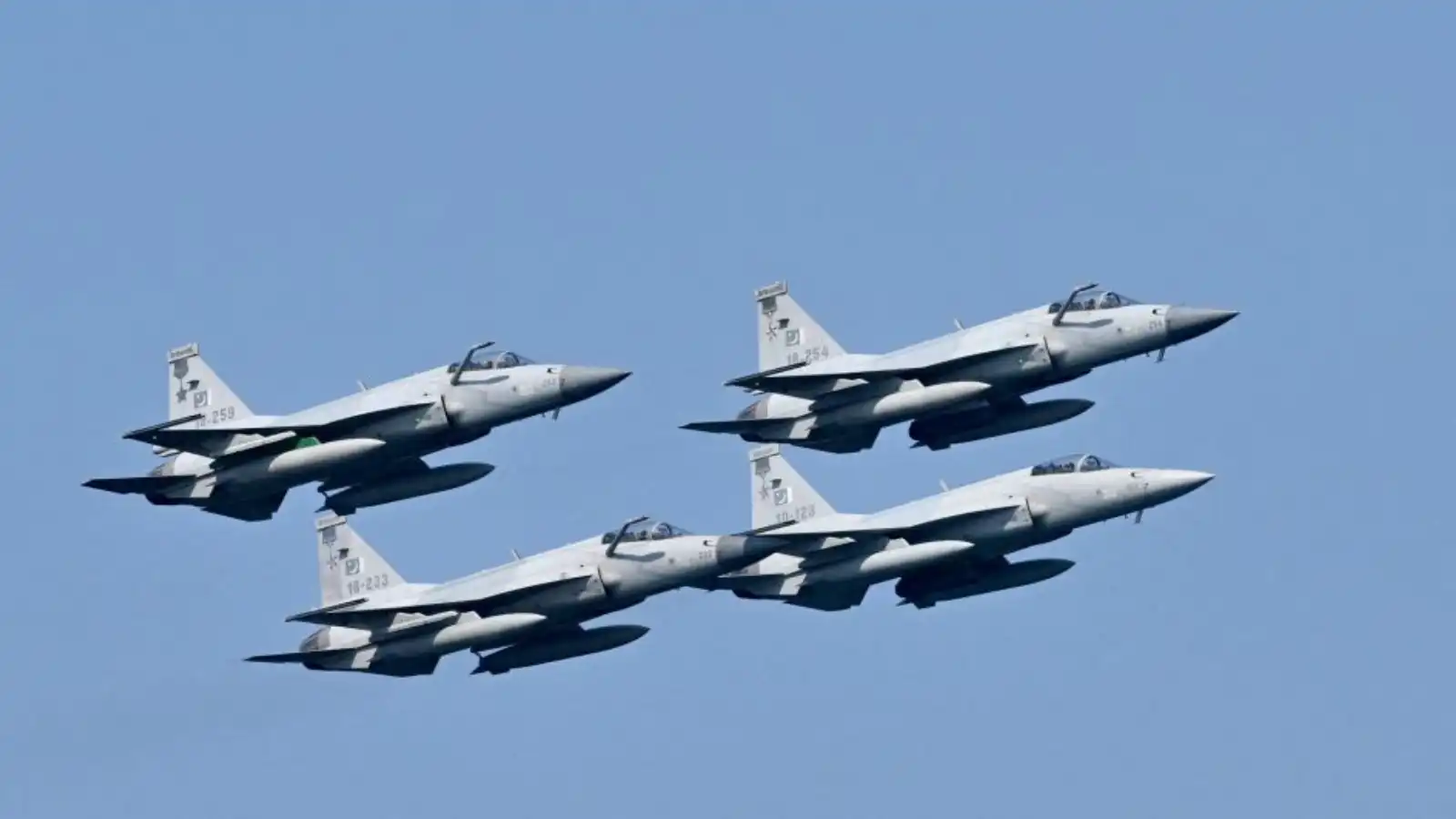
Pakistan has deployed thousands of troops, JF-17 fighter jets, drones, and a Chinese-made HQ-9 air defense system to Saudi Arabia under a confidential mutual defense agreement.
The move expands Islamabad’s military role in Gulf security while Pakistan simultaneously acts as a mediator in ongoing Iran-related peace negotiations.
Pakistan Deploys JF-17 Fighters To Saudi Arabia Amid Iran War
Pakistan deploys JF-17 fighters and thousands of military personnel to Saudi Arabia as the regional conflict linked to Iran continues to reshape Middle East security dynamics. The deployment includes combat aircraft, drones, air defense assets, and approximately 8,000 Pakistani troops.
The deployment was reportedly carried out under a confidential mutual defense pact signed between Islamabad and Riyadh last year. Security officials cited by Reuters described the force package as combat-capable and intended to reinforce Saudi defenses if the kingdom faces additional attacks connected to the wider Iran conflict.
Sources familiar with the agreement said Pakistan dispatched around 16 aircraft, primarily JF-17 Thunder fighters jointly produced by Pakistan and China. Two drone squadrons and a Chinese-built HQ-9 air defense system were also reportedly included in the deployment.
Strategic Shift In Pakistan-Saudi Military Relations
The scale of the deployment highlights a notable shift in Pakistan-Saudi military cooperation. Historically, Pakistan has maintained advisory and training missions inside Saudi Arabia, but the latest force package includes operational combat aircraft and integrated air defense systems.
Reuters reported that Saudi Arabia is financing the deployment while Pakistani personnel operate the equipment. The agreement reportedly allows for the potential deployment of up to 80,000 Pakistani troops if regional conditions deteriorate further.
The development also reflects Saudi Arabia’s increasing focus on layered air and missile defense following Iranian-linked attacks on Gulf infrastructure earlier this year. Riyadh has sought additional defensive capacity as drone and missile threats across the Gulf region continue to evolve.
Military analysts view the inclusion of the HQ-9 system as particularly significant. The Chinese-made platform provides long-range air defense coverage and strengthens Saudi Arabia’s ability to counter cruise missiles, drones, and aircraft threats. The deployment also demonstrates Pakistan’s growing role as an operator and exporter of Chinese-origin defense systems.
JF-17 Deployment Expands Pakistan’s Regional Airpower Role
The deployment of the JF-17 Thunder carries operational and geopolitical significance beyond the immediate Saudi mission.
Developed jointly by Pakistan Aeronautical Complex and China’s AVIC, the JF-17 has become the backbone of the Pakistan Air Force’s multirole fighter fleet. The aircraft is designed for air defense, strike missions, and beyond-visual-range combat operations at lower operating costs than many Western fighters.
By deploying JF-17 aircraft abroad in a live regional security environment, Pakistan is effectively demonstrating the fighter’s expeditionary utility and interoperability potential. Defense observers note that operational deployments can indirectly support export credibility for the aircraft in Middle Eastern, African, and Asian markets.
The deployment also underscores Pakistan’s balancing act between military commitments and diplomatic positioning. Islamabad has simultaneously served as a key intermediary in U.S.-Iran discussions and ceasefire negotiations linked to the broader conflict.
That dual-track approach allows Pakistan to maintain strategic ties with Saudi Arabia while preserving channels with Tehran and Washington.
Gulf Security Environment Continues To Evolve
The wider regional conflict has already pushed Gulf states into more direct military involvement. Reuters previously reported that Saudi Arabia conducted covert retaliatory strikes against Iranian targets after attacks inside the kingdom.
As tensions escalated, Gulf states accelerated efforts to harden critical infrastructure protection, particularly around oil production, petrochemical facilities, and maritime corridors.
Pakistan’s deployment appears designed to reinforce those defensive requirements while providing Saudi Arabia with additional operational flexibility.
The reported inclusion of drone squadrons also reflects how unmanned systems are increasingly central to regional deterrence strategies. Drone warfare has become a defining feature of Middle East conflicts over the past decade, forcing regional militaries to integrate both offensive UAV capabilities and layered counter-drone defenses.
Operational And Political Implications
Although Pakistani officials reportedly characterized parts of the mission as advisory and training-oriented, the presence of combat aircraft, drones, and integrated air defenses signals a far more substantial military role than previous deployments.
The deployment could also deepen scrutiny over Pakistan’s neutrality as a mediator in the Iran conflict. Islamabad has attempted to position itself as a diplomatic bridge between competing regional powers while avoiding direct involvement in hostilities.
At the same time, the move reinforces Saudi Arabia’s reliance on external security partnerships as Gulf states confront increasingly sophisticated missile and drone threats.
For Washington and regional allies, the deployment further illustrates the growing role Chinese defense systems are playing in Middle Eastern security architectures through partner nations such as Pakistan.