US Air Force Advances B-21 Raider Aerial Refueling Capability
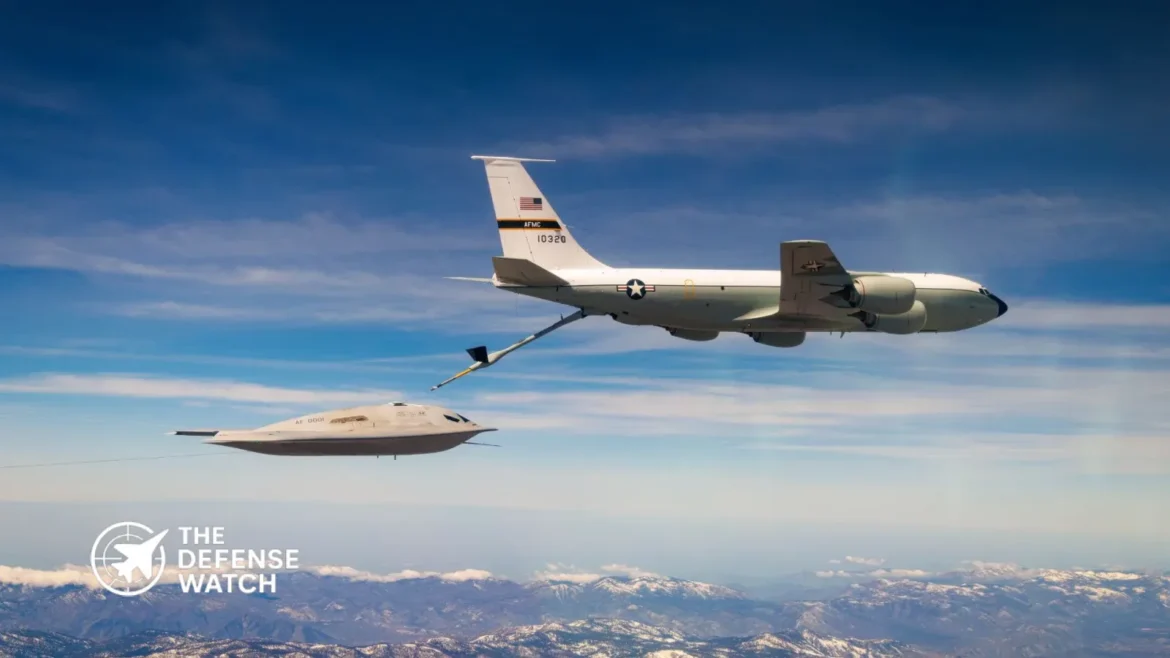
The B-21 Raider aerial refueling program has reached a critical milestone as the US Air Force completed its first in-flight refueling tests with the next-generation stealth bomber, significantly expanding its projected global strike reach.
The trials confirm that the B-21 can successfully integrate with existing aerial refueling infrastructure, a requirement for sustained long-range operations across contested theaters.
This development marks a key step toward operational readiness for the aircraft, which is expected to replace portions of the aging bomber fleet while enhancing survivability in high-threat environments.
- The US Air Force has conducted its first aerial refueling tests with the B-21 Raider stealth bomber.
- The tests validate the aircraft’s ability to extend range and endurance for global strike missions.
- The B-21 is designed to penetrate advanced air defenses and operate in contested environments.
- Aerial refueling integration is critical for the bomber’s operational deployment and nuclear mission readiness.
- The milestone supports the USAF’s broader modernization of its long-range strike and deterrence capabilities.
Extending Range for Global Strike Missions
Aerial refueling is central to the B-21’s mission profile. By enabling extended endurance, the bomber can conduct intercontinental missions without relying heavily on forward basing, a growing concern amid evolving geopolitical tensions.
The B-21 Raider aerial refueling capability allows the platform to remain airborne longer, increasing mission flexibility and reducing predictability, both critical in modern warfare scenarios.
The aircraft is designed to operate alongside tanker platforms such as the KC-46 Pegasus and KC-135 Stratotanker, ensuring compatibility with the Air Force’s existing logistics backbone.
From an operational standpoint, this integration enhances the United States’ ability to project power globally while maintaining a lower forward footprint, a strategic advantage in contested regions like the Indo-Pacific.
Supporting Stealth Penetration and Survivability
The B-21 Raider is engineered for deep penetration missions against advanced integrated air defense systems. Its stealth characteristics, combined with extended range through refueling, allow it to strike high-value targets without early detection.
The B-21 Raider aerial refueling milestone reinforces the aircraft’s role in penetrating heavily defended airspace, where access to forward bases may be limited or denied.
Unlike legacy bombers, the B-21 is expected to operate in highly contested environments from the outset, reflecting a shift in US doctrine toward survivability and resilience.
This also aligns with the Pentagon’s emphasis on distributed operations, where platforms must operate across vast distances while remaining adaptable to rapidly changing threat conditions.
Strategic Implications for Nuclear and Conventional Deterrence
The B-21 Raider will play a dual role in both conventional and nuclear missions, forming a core component of the US nuclear triad. Aerial refueling is essential for ensuring that the bomber can meet the endurance requirements of strategic deterrence patrols.
By validating the B-21 Raider aerial refueling capability, the Air Force moves closer to certifying the aircraft for nuclear operations, a process that requires rigorous testing and integration.
This capability also enhances deterrence credibility. A bomber that can reach targets globally without relying on vulnerable bases complicates adversary planning and increases strategic uncertainty.
In practical terms, it strengthens the United States’ ability to respond rapidly to crises while maintaining a persistent deterrent posture.
Program Progress and Modernization Context
The B-21 Raider program is one of the Air Force’s top modernization priorities, aimed at replacing older platforms such as the B-1B Lancer and B-2 Spirit over time.
The successful aerial refueling tests indicate steady progress in flight testing and system integration, suggesting that the program is moving closer to initial operational capability.
The B-21 Raider aerial refueling milestone also reflects broader efforts to modernize the US bomber fleet in response to evolving threats from near-peer competitors.
Defense analysts note that range, survivability, and flexibility are becoming increasingly important as adversaries invest in anti-access and area denial systems designed to limit US power projection.
Analysis: Why This Milestone Matters Now
This development is more than a routine test milestone. It highlights a broader shift in how the US Air Force plans to conduct long-range strike operations.
First, reliance on aerial refueling reduces dependence on overseas bases, many of which are within range of adversary missile systems. This lowers vulnerability and increases operational resilience.
Second, it reinforces the concept of dynamic force employment, where assets can be repositioned rapidly without fixed infrastructure constraints.
Third, it underscores the importance of integrating new platforms into existing support networks. The ability of the B-21 to seamlessly connect with current tanker fleets reduces the need for costly new infrastructure.
Finally, the timing is notable. As strategic competition intensifies, particularly in the Indo-Pacific and Europe, the ability to conduct long-range, survivable strike missions becomes a central pillar of deterrence.
US Clears High Energy Laser Counter Drone System For Domestic Airspace Defense
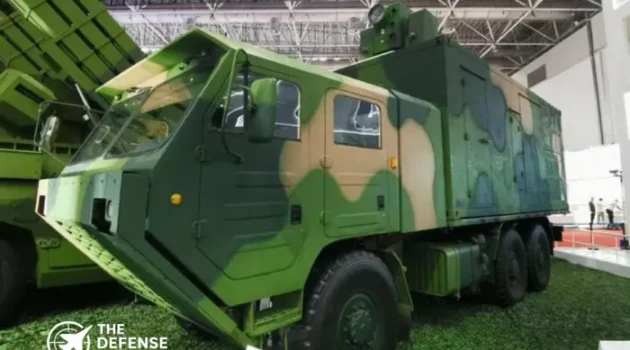
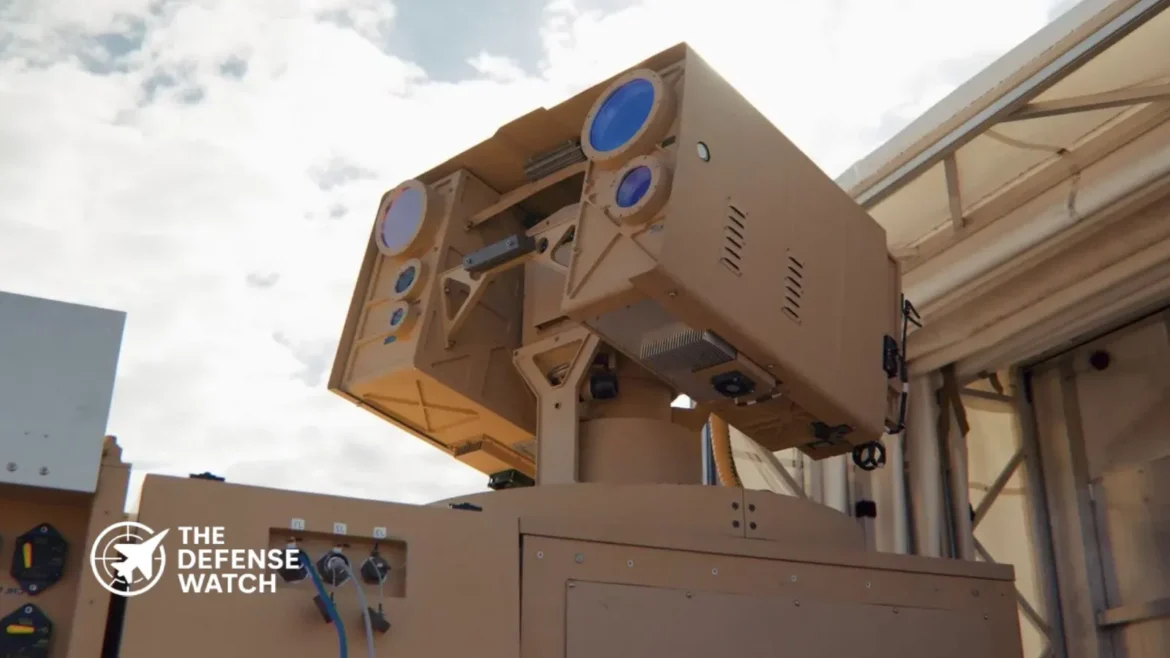
The high energy laser counter drone system has been cleared by US authorities for domestic airspace defense, marking a significant shift in how the United States plans to counter small unmanned aerial threats within its own borders.
The approval enables the deployment of directed energy systems designed to disable or destroy drones using focused laser beams rather than traditional kinetic interceptors. This development reflects both technological maturity and evolving threat perceptions tied to the rapid proliferation of commercial and military unmanned aerial systems.
- The US has cleared a high energy laser counter drone system for use in domestic airspace defense roles.
- The system is designed to neutralize small unmanned aerial systems using directed energy rather than kinetic interceptors.
- Approval marks a key regulatory milestone for deploying laser weapons within US territory.
- The move reflects growing concern over drone incursions near critical infrastructure and civilian airspace.
- Directed energy systems offer lower cost per engagement compared to traditional missile based defenses.
Regulatory Milestone Signals Shift In Domestic Defense Policy
The authorization of a high energy laser counter drone system for use in domestic airspace represents more than a technical achievement. It signals a policy shift in how the US approaches homeland defense against low altitude aerial threats.
Historically, the use of military grade weapons within US airspace has faced strict regulatory barriers, particularly where civilian safety and aviation integration are concerned. Directed energy systems introduce new considerations, including line of sight engagement, potential collateral effects, and coordination with aviation authorities.
The clearance suggests that US regulators now view laser based counter drone capabilities as sufficiently controlled and precise for limited domestic deployment. This reflects growing confidence in the system’s ability to engage targets without posing unacceptable risks to surrounding infrastructure or aircraft.
Why Counter Drone Capabilities Are Expanding
The push to operationalize a high energy laser counter drone system is closely tied to the rising frequency of drone incidents near sensitive sites. Airports, military bases, and critical infrastructure have all reported disruptions caused by unauthorized UAV activity.
Traditional countermeasures such as jamming or kinetic interception have limitations. Electronic warfare can be ineffective against autonomous drones, while missile or gun based systems carry higher costs and risk of debris.
Laser systems offer several advantages:
- Near instantaneous engagement
- Deep magazines limited primarily by power supply
- Reduced collateral damage compared to explosive interceptors
- Lower cost per shot
These characteristics make directed energy particularly attractive for countering swarms or repeated incursions, where conventional defenses may become economically or operationally strained.
Technology Overview And Operational Role
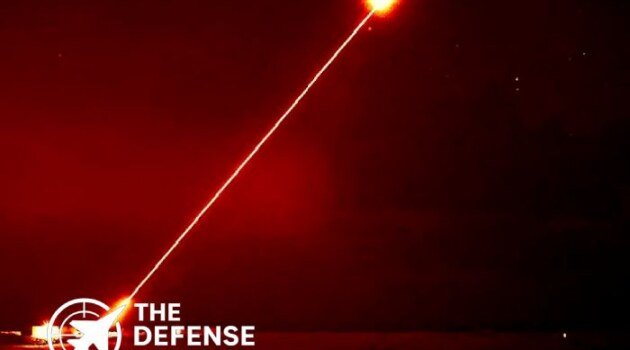
A typical high energy laser counter drone system operates by focusing a beam of energy onto a target, heating and damaging critical components such as sensors, propulsion systems, or structural elements.
Modern systems are increasingly integrated with advanced tracking and targeting sensors, allowing them to engage small, fast moving drones with high precision. The ability to scale power output also allows operators to tailor the level of force applied, from disabling electronics to causing structural failure.
In a domestic context, these systems are likely to be deployed in layered defense architectures. They could complement radar networks, electronic warfare systems, and conventional interceptors, forming part of a broader counter UAV ecosystem.
Strategic Implications For Homeland Defense
The clearance of the high energy laser counter drone system highlights a broader trend in US defense strategy. Homeland security is no longer limited to traditional threats such as aircraft or missiles. Instead, it now includes a wide spectrum of low cost, asymmetric aerial systems.
This shift mirrors developments observed in recent conflicts, where drones have demonstrated their effectiveness in surveillance, strike missions, and electronic warfare roles. The widespread availability of commercial drones further complicates the threat landscape, blurring the line between civilian and military use.
By enabling laser based countermeasures within US airspace, policymakers are effectively acknowledging that future threats may emerge closer to home and require rapid, scalable responses.
Industry And Defense Ecosystem Impact
The approval is also likely to accelerate investment in directed energy technologies across the US defense industry. Companies developing laser systems, power generation units, and advanced targeting solutions stand to benefit from expanded procurement opportunities.
In recent years, the US Department of Defense has increased funding for directed energy programs, including high energy lasers for ground vehicles, naval platforms, and airborne systems. The move toward domestic deployment could further drive innovation, particularly in areas such as:
- Power efficiency and thermal management
- Beam control and atmospheric compensation
- Integration with civilian air traffic systems
As these technologies mature, they may also find applications beyond military use, including law enforcement and critical infrastructure protection.
Challenges And Limitations
Despite its promise, the high energy laser counter drone system is not without limitations. Environmental factors such as weather, dust, and atmospheric conditions can affect beam quality and engagement range.
Additionally, line of sight requirements mean that obstacles or terrain can limit effectiveness in certain environments. Adversaries may also adapt by developing drones with reflective coatings, hardened components, or swarm tactics designed to overwhelm defenses.
These challenges underscore the need for a layered approach, where laser systems complement rather than replace existing counter drone measures.
Outlook
The clearance of the high energy laser counter drone system for domestic airspace defense marks a notable step in the evolution of US counter UAV capabilities. It reflects both technological progress and a changing threat environment that increasingly prioritizes protection against small, agile aerial systems.
As deployment begins, the effectiveness of these systems in real world conditions will likely shape future procurement decisions and regulatory frameworks. If successful, directed energy could become a cornerstone of both military and homeland air defense strategies in the years ahead.

Lebanon Israel Talks Begin In Washington Amid Rising Border Tensions
Lebanon Israel talks are set to begin in Washington, marking a renewed U.S. diplomatic push to ease escalating tensions between Lebanon and Israel along their volatile southern border.
The discussions, facilitated by U.S. officials, come after months of sustained cross-border exchanges involving Israeli forces and the Iran-backed militant group Hezbollah. According to reporting by Defense News, the talks aim to establish mechanisms to reduce the risk of further escalation and stabilize the frontier.
The initiative reflects growing concern in Washington that the Israel-Lebanon front could expand into a broader regional conflict, particularly as multiple flashpoints across the Middle East remain active.
¦ KEY FACTS AT A GLANCE- U.S.-mediated talks between Lebanon and Israel are set to begin in Washington in April 2026.
- The discussions aim to reduce escalating cross-border tensions involving Hezbollah and Israeli forces.
- Washington is seeking confidence-building measures to prevent further military escalation.
- The talks follow months of near-daily exchanges of fire along the Israel-Lebanon border.
- The outcome could shape broader regional stability amid ongoing Middle East conflicts.
U.S. Pushes De-Escalation Framework
The United States is positioning itself as a central mediator in the Lebanon Israel talks, focusing on practical, incremental steps rather than sweeping political agreements. Officials are expected to prioritize confidence-building measures, including communication channels, deconfliction protocols, and potential adjustments to military postures along the border.
This approach mirrors previous U.S.-brokered efforts in the region, where limited technical agreements have sometimes succeeded in reducing immediate risks even when broader political disputes remain unresolved.
From a defense perspective, the urgency is clear. The Israel-Lebanon border has seen a steady increase in rocket fire, drone activity, and artillery exchanges. These incidents raise the risk of miscalculation, particularly given Hezbollah’s expanding arsenal and Israel’s heightened readiness.
Strategic Context: A Fragile Northern Front
The Lebanon Israel talks take place against a complex strategic backdrop. Since late 2025, cross-border hostilities have intensified, with both sides demonstrating a willingness to operate closer to escalation thresholds.
For Israel, the northern front represents a critical security challenge. The Israeli military has been forced to allocate significant resources to monitor and respond to threats from Lebanon, even as it manages other operational commitments.
For Lebanon, the situation is equally precarious. The country’s economic crisis limits its ability to absorb further instability, while Hezbollah’s role complicates state-level diplomacy. Beirut’s participation in the talks highlights an effort to prevent further deterioration, even as control over armed actors remains fragmented.
Military Implications And Risk Calculus
The Lebanon Israel talks are not occurring in a vacuum. They are directly tied to evolving military dynamics on the ground.
Hezbollah’s capabilities, including precision-guided munitions, drones, and anti-tank systems, have significantly improved over the past decade. This has altered the deterrence balance, increasing the potential cost of any large-scale confrontation.
Israel, for its part, continues to refine its layered defense systems and offensive capabilities. The Israeli Defense Forces maintain a high level of readiness in the north, supported by intelligence, surveillance, and rapid-response assets.
The talks in Washington could influence how both sides calibrate their military posture. Even limited agreements on rules of engagement or geographic constraints could reduce the likelihood of rapid escalation.
Diplomatic Significance Beyond The Border
While the immediate focus is on the Israel-Lebanon frontier, the implications of the Lebanon Israel talks extend further.
The United States is seeking to reinforce its role as a stabilizing actor in the Middle East at a time of shifting alliances and persistent conflict. Successful mediation, even at a limited level, could strengthen Washington’s credibility and provide a model for managing other regional disputes.
At the same time, failure to achieve tangible outcomes could reinforce perceptions of diplomatic stagnation, increasing the likelihood that military dynamics will dominate the situation.
Outlook: Limited Gains, High Stakes
Expectations for the Lebanon Israel talks remain cautious. Analysts note that deep-rooted political and security issues are unlikely to be resolved in a single round of discussions.
However, even modest progress, such as reducing the frequency of cross-border incidents or establishing clearer communication channels, could have a meaningful impact on regional stability.
From a defense and security standpoint, the talks represent a critical effort to manage escalation risks in one of the Middle East’s most sensitive theaters. With both sides operating under heightened tension, the margin for error remains narrow.
Dynetics IFPC Contract Advances U.S. Army Air Defense Modernization
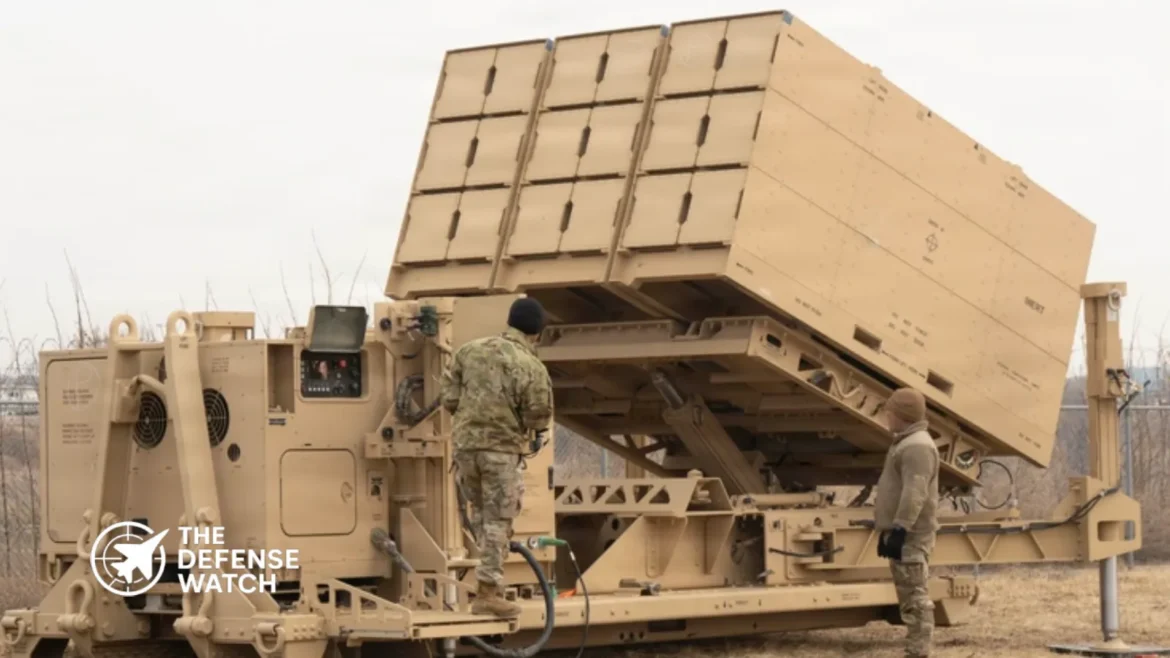
The Indirect Fire Protection Capability (IFPC) Increment Two contract awarded to Dynetics marks a significant step in strengthening U.S. Army air defense against evolving threats such as drones, cruise missiles, and rockets.
The $617.1 million contract, issued by the U.S. Army, covers fiscal 2026 production requirements for IFPC Inc 2 systems. The award combines cost-plus-fixed-fee and firm-fixed-price elements, reflecting both development support and production scale-up.
Work will be executed under task orders, with locations and funding determined incrementally. The overall program is scheduled for completion by November 2029.
¦ KEY FACTS AT A GLANCE- Dynetics awarded $617.1 million contract for IFPC Increment Two system production.
- Contract includes launchers, training systems, logistics support, and engineering services.
- Work will be assigned per order, with completion expected by November 30, 2029.
- Procurement supports U.S. Army modernization of layered air and missile defense.
- Contract managed by :contentReference[oaicite:1]{index=1} at Redstone Arsenal.
What The IFPC Increment Two System Delivers
The IFPC Inc 2 program is designed to fill a critical gap in the Army’s layered air defense architecture, sitting between short-range air defense systems and high-end missile defense assets.
Under this contract, Dynetics will deliver:
- Launcher systems capable of intercepting aerial threats
- Retrofit prototype launchers for capability upgrades
- All-up-round missile magazines
- Soldier training systems and weight-representative devices
- Contractor logistics support and initial spare parts
- Engineering services to sustain and refine system performance
The system is expected to integrate interceptors such as the AIM-9X Sidewinder and future missiles, enabling flexible responses to a wide range of airborne threats.
Strategic Context: Countering Drones And Cruise Missiles
The IFPC Inc 2 contract reflects a broader shift in U.S. defense priorities. The Army is increasingly focused on countering low-cost, high-volume threats, including unmanned aerial systems and cruise missiles.
Recent conflicts have shown that traditional air defense systems can be strained by saturation attacks. IFPC aims to address this by providing:
- Rapid response against maneuvering targets
- Scalable defense against swarm attacks
- Integration with existing radar and command networks
This layered approach is central to the Army’s modernization strategy, particularly in contested environments where adversaries deploy mixed threat packages.
Acquisition Details And Industrial Base Implications
The contract was awarded through an online solicitation process, with no competing bids received. This underscores Dynetics’ position as a primary integrator for the IFPC Inc 2 system.
The program is managed by Army Contracting Command at Redstone Arsenal, Alabama, a hub for missile and air defense development.
From an industrial standpoint, the award supports:
- Sustained production capacity for air defense systems
- Expansion of supply chains tied to missile defense components
- Continued engineering development alongside production
The hybrid contract structure also allows flexibility as the system evolves, particularly as new interceptors and technologies are integrated.
Operational Impact And Future Outlook
Once fielded at scale, IFPC Inc 2 is expected to enhance protection for fixed and semi-fixed assets, including bases, logistics hubs, and critical infrastructure.
Its deployment aligns with the Army’s goal of creating a more resilient and adaptable air defense network, capable of responding to both near-peer and asymmetric threats.
Looking ahead, the program could serve as a foundation for future upgrades, including:
- Integration of directed energy systems
- Expanded interceptor options
- Enhanced sensor fusion and targeting capabilities
The Dynetics contract signals continued momentum in U.S. efforts to close capability gaps in short- to mid-range air defense.
US Navy Awards $183M USS Truxtun Repair Contract After Collision
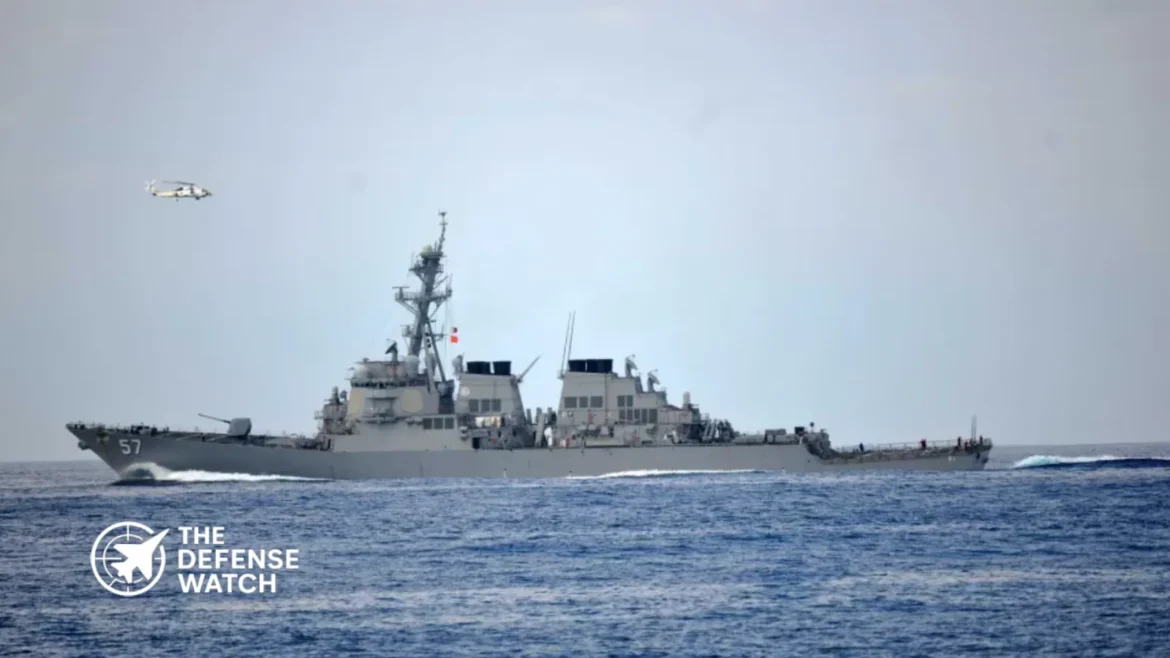
The USS Truxtun repair contract marks a significant step in restoring a frontline US Navy destroyer damaged in a recent Caribbean collision, highlighting the service’s ongoing push to sustain fleet readiness under operational strain.
The US Navy has awarded a $183 million contract to carry out repairs on the guided-missile destroyer USS Truxtun (DDG-103), an Arleigh Burke-class vessel that sustained damage during a collision while operating in the Caribbean. According to reporting by Army Recognition, the work will involve structural repairs, system restoration, and a full return to mission-capable status.
¦ KEY FACTS AT A GLANCE- The US Navy awarded a $183 million contract to repair USS Truxtun following a collision in the Caribbean.
- The Arleigh Burke-class destroyer sustained structural damage requiring extensive shipyard work.
- Repairs will focus on hull integrity, onboard systems, and restoring full combat capability.
- The contract reflects ongoing US Navy efforts to maintain fleet readiness amid high operational demand.
- USS Truxtun is a key asset in US naval operations, including missile defense and maritime security missions.
Damage Assessment And Repair Scope
Initial assessments indicate the destroyer suffered notable structural damage, particularly to its hull and possibly topside systems. While the Navy has not disclosed full technical details, such repair contracts typically include hull reconstruction, inspection of propulsion components, and recalibration of combat systems.
The USS Truxtun repair contract is expected to cover both visible and latent damage, ensuring that no hidden structural weaknesses compromise future operations. This reflects a broader Navy approach that prioritizes long-term survivability over rapid but incomplete fixes.
Arleigh Burke-class destroyers like USS Truxtun are equipped with the Aegis Combat System, making them central to ballistic missile defense, air warfare, and surface strike missions. Any degradation in these systems would directly affect regional force posture.
Operational Impact On Fleet Readiness
The temporary loss of USS Truxtun underscores the pressure on the US Navy’s surface fleet, which is already operating at a high tempo across multiple theaters. Destroyers are among the most heavily tasked assets, supporting missions from the Indo-Pacific to the Middle East.
From an operational standpoint, the USS Truxtun repair contract helps mitigate a capability gap, but it also highlights the fragility of fleet availability. Even a single collision can remove a critical asset from deployment cycles for months or longer.
This incident follows a pattern seen in previous years, where collisions involving US Navy destroyers led to extended maintenance periods and broader reviews of training and navigation protocols. While no systemic issue has been confirmed in this case, the Navy continues to emphasize seamanship and operational discipline.
Strategic Context: Sustaining A High-Demand Fleet
The contract reflects a wider trend in US naval strategy, where maintenance and sustainment are becoming as critical as procurement. With shipbuilding timelines stretching years into the future, keeping existing platforms operational is essential.
The USS Truxtun repair contract also signals the Navy’s reliance on industrial base capacity to rapidly address damage and return ships to service. Shipyards capable of handling complex destroyer repairs remain a strategic asset in their own right.
In recent budget cycles, the US Department of Defense has increased funding for maintenance and modernization, recognizing that readiness gaps can emerge not only from adversary threats but also from wear, accidents, and deferred upkeep.
Broader Implications For Naval Operations
Beyond the immediate repair effort, the incident raises questions about fleet resilience and redundancy. As geopolitical tensions persist, particularly in contested maritime regions, the availability of multi-mission destroyers remains a cornerstone of US naval power.
The USS Truxtun repair contract demonstrates how quickly operational realities can shift. A single incident can force adjustments in deployment schedules, task group composition, and regional coverage.
At the same time, the Navy’s rapid response in awarding the contract suggests a maturing approach to incident recovery, with streamlined processes aimed at minimizing downtime.
Conclusion
The $183 million USS Truxtun repair contract highlights both the challenges and priorities facing the US Navy today. While collisions remain relatively rare, their impact on fleet readiness is significant.
Restoring USS Truxtun to full operational capability will not only return a critical asset to the fleet but also reinforce the Navy’s broader effort to sustain combat power in an increasingly demanding global environment.
Germany Ukraine Defense Data Agreement Expands Digital Battlefield Integration
The Germany Ukraine defense data agreement marks a significant step toward deeper military integration, with both countries committing to share defense data and expand cooperation in artificial intelligence and advanced weapons systems.
Announced through a memorandum of understanding, the deal reflects a shift in how modern conflicts are fought. Instead of focusing only on hardware, both sides are prioritizing data, software, and real time information flow as core elements of combat effectiveness.
The agreement will enable closer collaboration on digital technologies that support battlefield awareness, targeting, and operational coordination.
¦ KEY FACTS AT A GLANCE- Germany and Ukraine signed a memorandum to exchange defense data and expand cooperation on AI and weapons systems.
- The agreement focuses on digital battlefield integration, including data sharing for real time military decision making.
- Cooperation includes artificial intelligence applications for targeting, logistics, and operational planning.
- The move reflects Europe’s growing emphasis on networked warfare and interoperability amid the Ukraine conflict.
- The pact strengthens long term defense ties between Berlin and Kyiv beyond immediate military aid.
A Shift Toward Data Driven Warfare
The agreement underscores a broader transition toward data centric warfare, where the speed and accuracy of information can outweigh traditional force size.
For Ukraine, access to German defense data systems and expertise could improve how quickly battlefield intelligence is processed and acted upon. This includes integrating sensor data, reconnaissance inputs, and targeting systems into a unified operational picture.
Germany, in turn, gains insights from Ukraine’s combat experience against a near peer adversary. Kyiv has been operating under sustained high intensity conditions, offering real world data on how systems perform under pressure.
This exchange creates a feedback loop. Ukraine benefits from advanced European technology, while Germany refines its systems based on battlefield lessons.
AI Integration Across Weapons Systems
A central pillar of the Germany Ukraine defense data agreement is artificial intelligence.
AI is expected to play a role in several areas:
- Target recognition and prioritization
- Autonomous or semi autonomous systems
- Logistics optimization and predictive maintenance
- Decision support for commanders
These capabilities are increasingly seen as critical in modern warfare, especially in environments saturated with drones, electronic warfare, and precision munitions.
By aligning AI development efforts, Germany and Ukraine aim to shorten the time between data collection and action. That speed can directly influence battlefield outcomes.
Interoperability And NATO Alignment
Another key aspect of the agreement is interoperability.
Ukraine has been steadily aligning its military systems with NATO standards. Data sharing agreements like this one help bridge technical gaps, ensuring that systems from different countries can operate together seamlessly.
For Germany, this supports broader alliance goals. A more interoperable Ukrainian military strengthens collective defense planning and improves coordination with NATO partners.
It also reflects a growing European push to standardize digital military infrastructure, particularly as cross border operations become more complex.
Strategic Implications For Europe
The Germany Ukraine defense data agreement signals a deeper transformation in European defense strategy.
Traditionally, military cooperation focused on equipment transfers or joint exercises. Now, the emphasis is shifting toward shared digital ecosystems.
This has several implications:
First, it accelerates the development of networked warfare capabilities across Europe. Countries are increasingly linking sensors, platforms, and command systems into unified networks.
Second, it reduces reliance on purely national systems. Shared data frameworks encourage multinational integration, which is essential for coalition operations.
Third, it raises questions about data security and sovereignty. Sharing sensitive defense data requires robust safeguards to prevent breaches or misuse.
Operational Impact On The Ukraine Conflict
In the near term, the agreement could enhance Ukraine’s operational effectiveness.
Improved data sharing can lead to:
- Faster targeting cycles
- Better coordination between units
- More efficient use of limited resources
In a conflict where timing and precision are critical, even incremental improvements can have outsized effects.
At the same time, the integration of AI into combat systems may help Ukraine counter evolving threats, including electronic warfare and drone swarms.
Long Term Defense Cooperation
Beyond the current conflict, the Germany Ukraine defense data agreement lays the groundwork for sustained cooperation.
It positions Ukraine as a key partner in Europe’s defense innovation ecosystem. Rather than being only a recipient of aid, Ukraine becomes a contributor of operational knowledge and technological development.
For Germany, this aligns with efforts to modernize its armed forces and adapt to new forms of warfare.
The partnership also reflects a broader trend. Defense relationships are becoming more collaborative and technology driven, with shared development and data exchange replacing traditional supplier customer models.
UK Arms Brokers Trial Highlights Risks In Global Defense Supply Chains
The UK arms brokers trial has brought renewed attention to the risks of illicit weapons transfers, following allegations that two individuals attempted to broker missile and fighter jet deals with Libya and Sudan in violation of export laws, according to Reuters.
The case, unfolding in a UK court, centers on claims that the accused sought to arrange the supply of controlled military equipment, including missiles and combat aircraft, to regions subject to international sanctions and arms embargoes.
Prosecutors argue the activities breached strict UK export control regulations designed to prevent destabilizing weapons flows into conflict zones.
¦ KEY FACTS AT A GLANCE- Two UK-based arms brokers are on trial over alleged illegal missile and fighter jet deals with Libya and Sudan.
- Prosecutors say the deals violated UK export controls and international sanctions regimes.
- The case involves attempts to supply military hardware, including missiles and aircraft, to conflict-affected regions.
- Authorities allege the defendants used intermediaries and covert arrangements to bypass regulations.
- The trial highlights growing scrutiny of illicit arms networks and enforcement of export compliance laws.
Allegations Of Covert Missile And Aircraft Deals
According to court proceedings, the defendants allegedly acted as intermediaries in negotiations involving military hardware destined for Libya and Sudan. Both countries have faced long-standing international scrutiny due to ongoing conflicts and political instability.
Libya, still fractured since the aftermath of the Libyan Civil War, remains under a UN arms embargo. Sudan has also faced sanctions linked to internal conflict and governance concerns.
Authorities claim the accused attempted to bypass regulatory oversight through indirect channels, including third-party brokers and offshore arrangements. These tactics are consistent with known patterns in illicit arms trafficking networks, where intermediaries obscure the origin and destination of weapons.
Legal Framework And Export Control Violations
The UK maintains one of the world’s most stringent arms export control regimes, requiring government authorization for the sale or transfer of military equipment abroad. These controls align with international frameworks such as the United Nations arms embargo system.
In this case, prosecutors allege that no such approvals were obtained, making the transactions illegal under UK law.
The UK arms brokers trial underscores how export control enforcement has evolved in response to increasingly complex global supply chains. Modern arms deals often involve multiple jurisdictions, financial intermediaries, and layered contractual structures, complicating detection and enforcement.
Strategic Context: Why This Case Matters Now
The timing of the trial reflects broader geopolitical pressures. Conflict zones like Libya and Sudan remain active theaters where external arms flows can shift the balance of power.
From a defense policy perspective, unauthorized transfers of missiles or aircraft can have immediate operational impact. Even limited quantities of advanced weapons systems can alter local air defense capabilities or extend strike reach.
This raises concerns not only for regional stability but also for global non-proliferation efforts.
The UK arms brokers trial also highlights a key vulnerability. While major defense exports are tightly regulated, smaller networks of brokers and intermediaries can exploit gaps, especially when operating across borders.
Growing Focus On Enforcement And Accountability
Western governments have increased enforcement actions against illicit arms trading in recent years. The UK, in particular, has expanded investigative capabilities and legal tools to target individuals involved in unauthorized defense transactions.
This case signals a willingness to pursue prosecution even when deals do not fully materialize. Attempted violations, especially involving sensitive systems like missiles or combat aircraft, are treated as serious offenses.
It also reflects coordination between law enforcement and intelligence agencies to track suspicious activity across financial and logistics networks.
Implications For Defense Industry And Compliance
For legitimate defense contractors and exporters, the case serves as a reminder of the importance of compliance systems and due diligence.
Companies operating in the global defense market must navigate a complex web of regulations, including export licensing, end-user verification, and sanctions screening.
Failure to comply can result in severe legal and reputational consequences.
The UK arms brokers trial reinforces that accountability extends beyond manufacturers to include brokers, consultants, and intermediaries involved in facilitating deals.
Outlook: Tightening Controls In A Fragmented Security Environment
As geopolitical tensions persist, demand for military equipment in unstable regions is likely to remain high. This creates ongoing incentives for illicit networks to operate outside legal frameworks.
The outcome of the trial could set an important precedent for how aggressively authorities pursue similar cases in the future.
It may also influence policy discussions around strengthening export controls, improving international coordination, and closing loopholes exploited by non-state actors.
In a fragmented global security environment, enforcement actions like this are becoming a central tool in managing the risks associated with uncontrolled arms proliferation.
¦ KEY FACTS AT A GLANCE- Italian Prime Minister Giorgia Meloni announced on April 14, 2026 that Rome is suspending the automatic renewal of its bilateral defense cooperation agreement with Israel.
- The agreement — originally signed in 2003 and ratified in 2005 — covers military equipment transfers, technology research, joint training, and defense industrial cooperation.
- The suspension follows an April 8, 2026 incident in which Israeli forces fired warning shots at a convoy of Italian UNIFIL peacekeepers in southern Lebanon, damaging at least one vehicle.
- Italy had already halted new arms export licenses to Israel in October 2024, while continuing to fulfill pre-war approved orders.
- The move signals a broader European strategic repositioning on Israel, with France and Spain also reporting UNIFIL incidents involving their peacekeeping contingents.
Italy Freezes Israel Defense Pact as UNIFIL Incidents Push Rome Toward Strategic Break
Italy’s suspension of its defense cooperation agreement with Israel marks one of the most significant diplomatic ruptures between Rome and Tel Aviv in decades — and it reflects a broader, accelerating fracture between Israel and its European partners over the conduct of military operations in Lebanon.
Italian Prime Minister Giorgia Meloni announced the freeze on Tuesday, stating that her government had decided to suspend the automatic renewal of the defense cooperation deal with Israel, citing ongoing conflicts in the Middle East. The announcement was made on the sidelines of the Vinitaly wine industry event in Verona, an understated venue for a decision carrying significant geopolitical weight.
A Two-Decade Framework — Now on Hold
The memorandum was originally signed in 2003 and ratified by the Italian parliament in 2005, renewing automatically every five years since. The pact provided a framework for cooperation in military equipment and technology research, as well as the import, export, and transit of military material. It also covered armed forces training, defense procurement policy, and military agreements between private companies in both countries, subject to government authorization.
In practical terms, the agreement enabled significant reciprocal procurement. Under a 2020 deal finalized within this framework, the Israeli Air Force purchased Italian-made AW119Kx training helicopters from Leonardo, while Italy acquired Spike missile launchers and missiles from Rafael, along with helicopter simulators from Elbit Systems.
A defense ministry source confirmed that one immediate consequence of the suspension is that Italy will no longer cooperate with Israel on military training. However, the suspension does not affect existing contracts or deliveries already underway.
The UNIFIL Trigger
The diplomatic deterioration did not occur in a vacuum. On April 8, 2026, Israeli forces fired warning shots at a convoy of Italian UNIFIL peacekeepers traveling from Shama to Beirut, damaging at least one vehicle. No injuries were reported, but the incident prompted Rome to summon Israel’s ambassador.
The response from Rome was swift and unambiguous. Foreign Minister Antonio Tajani sharply criticized Israeli attacks on Lebanese civilians, and the Italian government accused Israeli forces of firing on the UN convoy. On April 13, 2026, Israel summoned Italy’s ambassador in response, after Tajani condemned what he called unacceptable attacks on civilians during a visit to Beirut.
The UNIFIL incident was not isolated. The episode came amid a broader deterioration in relations between Israel and European troop contributors in southern Lebanon. The incident with Italian peacekeepers followed Israeli forces briefly detaining a Spanish peacekeeper during the stop of a UNIFIL logistics convoy in southern Lebanon. France had also condemned what it described as absolutely unacceptable intimidation of its UNIFIL contingent following three separate incidents involving French peacekeepers on March 28, 2026.
Rome’s Gradual Pivot Away From Tel Aviv
Italy’s move should be read against a longer arc of policy recalibration, not as a sudden reversal. Italy had already halted new arms export licenses to Israel in October 2024, while continuing to execute orders approved before the Gaza war. The defense agreement suspension is thus the latest — and most consequential — step in a deliberate, step-by-step distancing from Israeli military cooperation.
Meloni’s right-wing government had previously been one of Israel’s closest allies in Europe, but in recent weeks it has criticized Israeli attacks on Lebanon, particularly as those attacks have affected Italian troops serving under a UN mandate.
Meloni’s statement in Verona also reflected broader economic anxieties tied to regional instability. She called for efforts to stabilize the situation and reopen the Strait of Hormuz, describing it as a critical lifeline for Italy not only for fuel but also for fertilizer supplies vital to the agricultural sector.
European Consensus Forming Against Israeli Military Conduct
Italy’s suspension fits squarely into a pattern of European governments reassessing their defense relationships with Israel in response to operations in Gaza and Lebanon.
At the end of March 2026, Israel also said it would reduce defense procurement from France to zero, a move with limited practical effect given the relatively small scale of arms sales between the two countries. Nevertheless, the symbolic dimension of these mutual pullbacks is significant — Israel is simultaneously losing ground with several NATO-member governments that had previously been sympathetic to its security concerns.
From a strategic analysis standpoint, the cumulative effect of these European posture shifts — from arms licensing freezes to outright suspension of bilateral defense frameworks — is beginning to reshape the diplomatic landscape in which Israel operates. While the U.S. remains Israel’s primary strategic patron and arms supplier, the erosion of European political cover carries real costs: diplomatically at the UN, operationally in Lebanon where European UNIFIL contingents provide a stabilizing presence, and industrially as defense-industrial cooperation pipelines are interrupted.
For NATO cohesion, the incidents involving UNIFIL peacekeepers from Italy, France, and Spain represent a stress point that alliance managers in Brussels and Washington will need to address directly. Firing warning shots at allied peacekeepers — regardless of the operational rationale — creates friction that is difficult to contain once it reaches the level of government-to-government confrontation.
What Comes Next
The suspension of the Italy–Israel defense cooperation agreement is formally a freeze on automatic renewal, not a permanent termination. Rome has left the door open for normalization if conditions change. However, given the trajectory of Israeli military operations in Lebanon and the hardening of public and political opinion across Europe, a near-term restoration appears unlikely.
Italy maintains approximately 1,000 troops in Lebanon as part of the UNIFIL mission, making it one of the largest European contributors. That force presence creates a direct and ongoing pressure point in the bilateral relationship — and a guarantee that any future incidents involving Italian personnel will produce immediate political consequences.
Defense industrial ties built over two decades, including Leonardo’s helicopter sales and Italy’s Spike missile procurement from Rafael, are now operating in an uncertain environment. Companies on both sides will need to assess the durability of existing contracts and the prospects for future cooperation under the current political climate.
France Begins Serial Production Of VAMPIRE 4×4 SHORAD System
France has launched serial production of the VAMPIRE 4×4 SHORAD system, marking a significant step in strengthening its short-range air defense network against evolving aerial threats.
The VAMPIRE 4×4 SHORAD system is equipped with Mistral 3 missiles and mounted on a highly mobile 4×4 platform, designed to provide rapid, flexible protection against drones, helicopters, and low-flying aircraft.
The move comes as European militaries accelerate investments in layered air defense systems following lessons learned from recent conflicts, particularly the widespread use of unmanned aerial systems and loitering munitions.
¦ KEY FACTS AT A GLANCE- France has started serial production of the VAMPIRE 4×4 SHORAD system to strengthen short-range air defense capabilities.
- The system is equipped with Mistral 3 missiles designed to counter drones, helicopters, and low-flying aircraft.
- VAMPIRE integrates a lightweight turret mounted on a high-mobility 4×4 vehicle platform.
- The system reflects growing demand for mobile air defense amid increased drone warfare threats.
- Production aligns with broader European efforts to close short-range air defense capability gaps.
A Mobile Response To Modern Air Threats
The VAMPIRE 4×4 SHORAD system reflects a shift toward mobility and rapid deployment in air defense doctrine. Unlike legacy static systems, VAMPIRE is designed to move with maneuver units, providing protection on the front lines rather than relying solely on fixed installations.
At its core is a lightweight turret integrating the Mistral 3 missile, a combat-proven infrared-guided system capable of engaging targets at short range with high accuracy. The missile is optimized to defeat low-signature threats, including small drones and cruise missiles operating at low altitude.
This capability is increasingly critical. Conflicts in Ukraine and the Middle East have shown that low-cost drones can overwhelm traditional air defense networks if not countered by agile, distributed systems.
France’s decision to scale production suggests a recognition that short-range air defense is no longer a niche capability, but a central pillar of battlefield survivability.
Mistral 3: Backbone Of The System
The effectiveness of the VAMPIRE 4×4 SHORAD system depends heavily on the Mistral 3 missile. Developed by MBDA, the missile features an advanced infrared seeker with improved resistance to countermeasures.
It can engage a wide range of targets, including fast jets, helicopters, and unmanned systems, even in cluttered environments. The fire-and-forget capability allows operators to relocate immediately after launch, reducing vulnerability to counterfire.
This aligns with modern shoot-and-scoot tactics, which are essential in high-intensity conflicts where air defense units are prime targets.
From an operational standpoint, pairing Mistral 3 with a mobile 4×4 platform creates a flexible defense layer that can be deployed quickly across dispersed units.
Industrial And Strategic Implications
The launch of serial production signals more than just a procurement milestone. It highlights the growing emphasis on defense industrial readiness across Europe.
France’s move mirrors broader NATO efforts to rebuild stockpiles and expand manufacturing capacity for critical systems. Short-range air defense, in particular, has emerged as a bottleneck capability, with demand outpacing supply.
By scaling production of the VAMPIRE 4×4 SHORAD system, France positions itself to not only equip its own forces but potentially support allied nations facing similar capability gaps.
This also strengthens the role of domestic defense companies such as MBDA in the European security architecture, reinforcing supply chain resilience amid geopolitical uncertainty.
Closing The SHORAD Capability Gap
One of the key drivers behind the VAMPIRE program is the recognized gap in short-range air defense across Western militaries.
For years, focus shifted toward high-end missile defense systems designed to counter ballistic threats. However, recent conflicts have demonstrated that the most immediate danger often comes from low-cost, low-altitude systems such as drones and loitering munitions.
The VAMPIRE 4×4 SHORAD system directly addresses this gap by providing a cost-effective, scalable solution that can be deployed in large numbers.
Its modular design also allows integration with broader air defense networks, contributing to a layered defense approach that combines long-range, medium-range, and short-range systems.
Operational Impact On Future Battlefields
The deployment of the VAMPIRE 4×4 SHORAD system is likely to have a tangible impact on battlefield dynamics.
By increasing the density of short-range air defenses, forces can better protect critical assets such as armored units, logistics convoys, and command posts from aerial threats.
This is particularly important in contested environments where air superiority cannot be guaranteed.
Moreover, the system’s mobility ensures that protection can be extended to rapidly changing operational areas, supporting maneuver warfare concepts that rely on speed and flexibility.
In practical terms, this means fewer vulnerabilities to drone swarms and greater resilience against surprise aerial attacks.
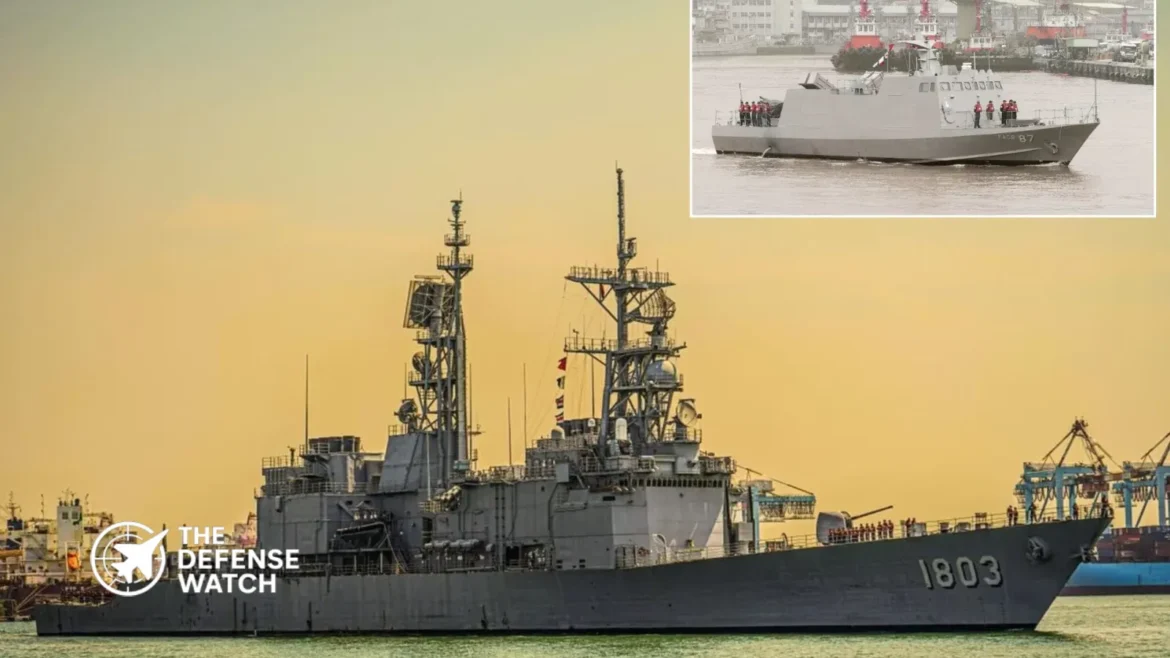
Taiwan Military Drills Focus On Energy Supply Security
Taiwan military drills aimed at securing energy supply routes are underway as concerns grow over a potential Chinese blockade. The exercises reflect Taipei’s increasing focus on safeguarding critical maritime lifelines that sustain its economy and military operations.
The drills are designed to test Taiwan’s ability to maintain uninterrupted energy imports under crisis conditions. The island imports the vast majority of its fuel, making maritime access a strategic vulnerability.
These exercises involve coordinated operations between the navy, air force, and coastal defense units. Scenarios include escorting fuel tankers, countering maritime interdiction attempts, and maintaining control of key sea lanes.
¦ KEY FACTS AT A GLANCE- Taiwan launched military drills focused on protecting critical energy supply routes against a potential Chinese blockade scenario.
- Exercises include naval escort operations, maritime surveillance, and coordination with air and coastal defense units.
- Taiwan relies heavily on imported energy, making sea lane security a strategic priority during crisis scenarios.
- The drills simulate disruption of shipping lanes and test rapid response to ensure continuity of fuel supplies.
- The move reflects growing concern over China’s ability to impose a maritime blockade in a future conflict.
Strategic Vulnerability Drives Operational Focus
Taiwan’s dependence on seaborne energy imports shapes its defense planning. Oil and liquefied natural gas shipments are essential for power generation, industry, and military readiness.
A blockade, even if limited, could quickly disrupt supply chains and place pressure on civilian infrastructure. This risk has pushed Taiwan to prioritize resilience in maritime logistics.
The current Taiwan military drills simulate contested environments where shipping routes are threatened or partially cut off. By rehearsing escort missions and rapid response tactics, Taiwan is attempting to reduce the operational impact of such disruptions.
This reflects a broader shift from traditional territorial defense toward protecting economic and logistical nodes that sustain national power.
Naval And Air Integration Key To Defense Strategy
The drills highlight the growing importance of joint operations. Naval vessels are tasked with escorting commercial ships, while air assets provide surveillance and early warning.
Coastal missile systems and radar networks also play a role in detecting and deterring hostile activity near critical shipping lanes.
This integrated approach aligns with modern maritime security concepts seen across the Indo Pacific. Rather than relying solely on fleet strength, Taiwan is building layered defenses that combine mobility, surveillance, and rapid response.
China Blockade Scenario Gains Prominence
The Taiwan military drills come amid increasing discussion of blockade scenarios in regional security analysis. Rather than a full scale invasion, a blockade is often viewed as a lower risk option for applying pressure.
China’s expanding naval capabilities, including surface combatants and maritime patrol assets, have improved its ability to control key sea routes around Taiwan.
In this context, Taiwan’s focus on energy supply security is both practical and strategic. Ensuring continued access to fuel reduces vulnerability and strengthens deterrence by signaling preparedness.
Operational Readiness And Deterrence Value
Beyond immediate training objectives, the drills serve a signaling function. Demonstrating the ability to protect energy supply routes reinforces Taiwan’s commitment to maintaining operational continuity under pressure.
It also reassures partners and markets that contingency planning is in place. Stability in energy supply is closely tied to economic confidence, particularly in a region critical to global trade.
From a military standpoint, the ability to sustain fuel flows directly impacts force readiness. Air operations, naval deployments, and ground mobility all depend on reliable energy access.
Broader Indo Pacific Implications
Taiwan’s focus on maritime supply security reflects a wider regional trend. Countries across the Indo Pacific are investing in protecting sea lines of communication as strategic competition intensifies.
Energy security is increasingly viewed as part of national defense, not just economic policy. The Taiwan military drills illustrate how this concept is being operationalized in real world scenarios.
As tensions continue, such exercises are likely to become more frequent and complex. They represent a shift toward preparing for gray zone and hybrid conflict conditions, where disruption rather than direct confrontation may be the primary tactic.