
Executive Summary:
MBDA has introduced a new mobile counter drone air defense system that combines its combat proven ASRAAM missile with a CMI Defense turret to address the rapidly growing threat posed by unmanned aerial systems and other low altitude targets. The new solution reflects increasing demand among NATO and allied militaries for highly mobile short range air defense capabilities that can protect maneuver forces against evolving aerial threats.
MBDA Unveils Mobile Counter Drone Air Defense System With ASRAAM Missiles
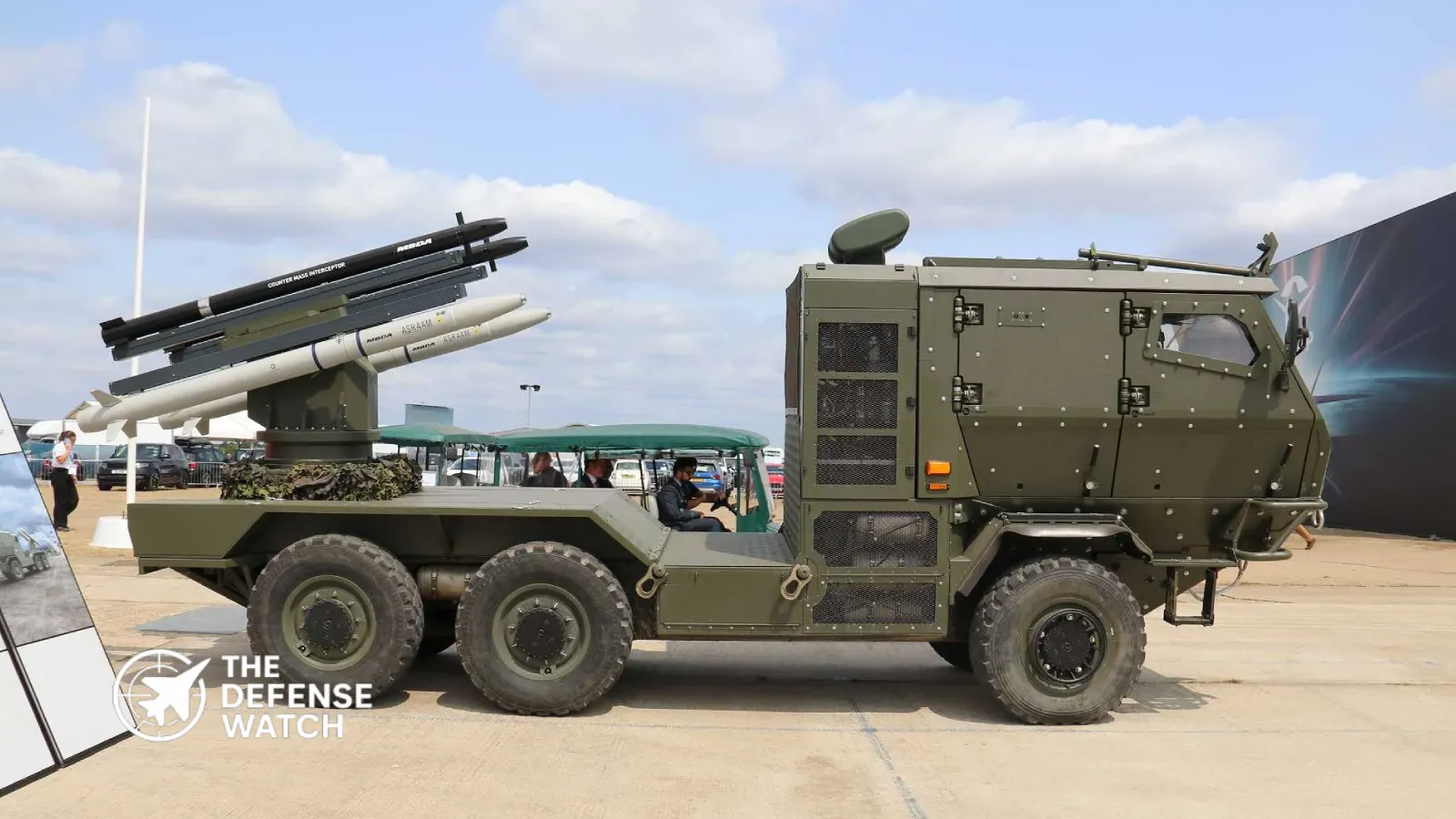
European missile manufacturer MBDA has unveiled a new mobile counter drone air defense system developed in partnership with Belgium based CMI Defense. The new short range air defense solution integrates MBDA’s Advanced Short Range Air to Air Missile (ASRAAM) with a mobile armored turret, creating a highly mobile platform capable of engaging drones, helicopters, cruise missiles, and low flying aircraft.
The system was presented during ongoing defense industry exhibitions in 2026 as armed forces worldwide accelerate investments in layered air defense against increasingly sophisticated unmanned aerial threats.
A New Mobile SHORAD Capability
The new system combines two mature technologies into a single integrated platform.
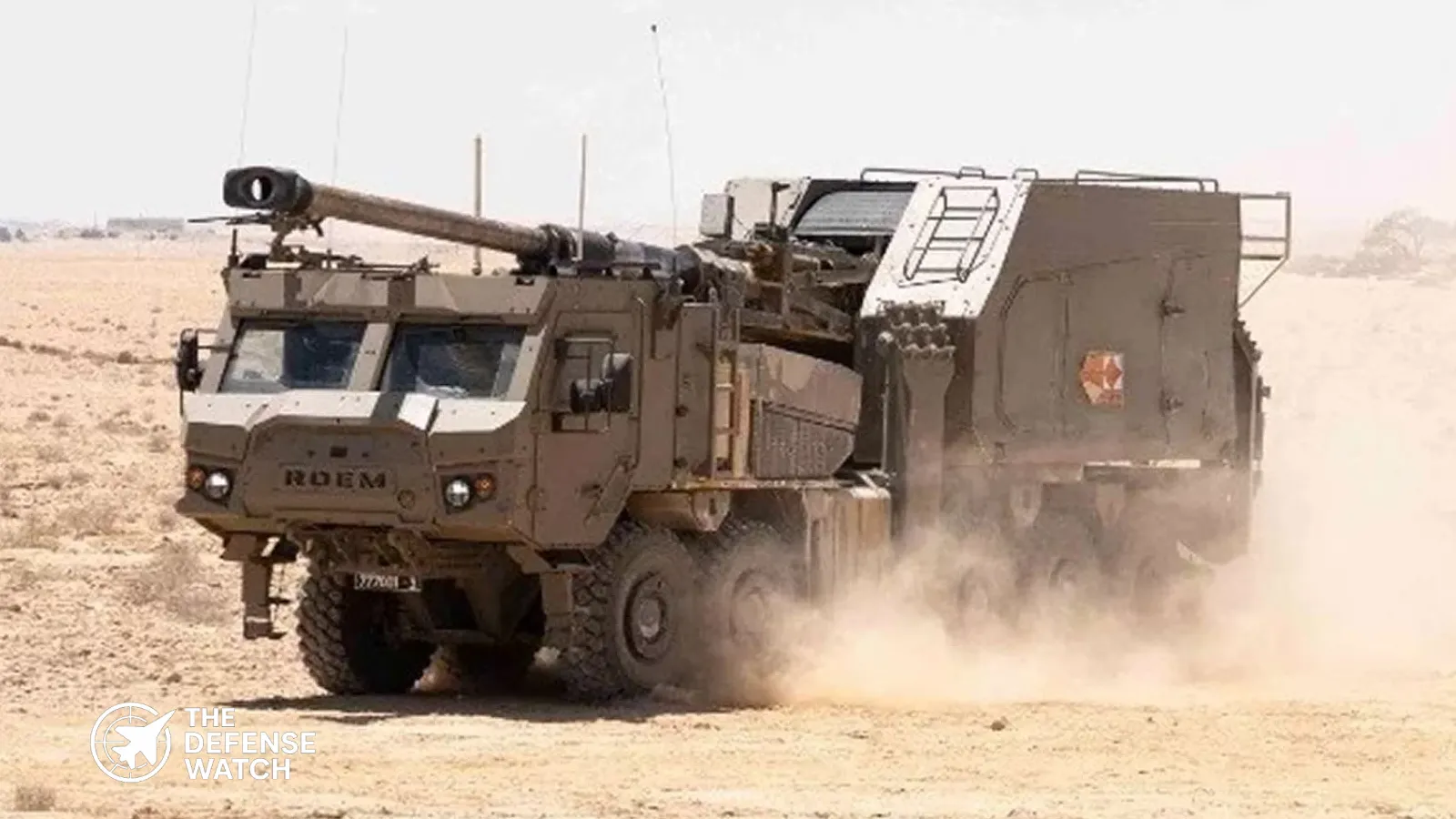
MBDA provides the ASRAAM missile, while CMI Defense contributes its combat proven armored turret technology. Mounted on a wheeled armored vehicle, the system is intended to accompany maneuver formations and deliver rapid air defense wherever ground forces operate.
Unlike traditional fixed air defense batteries, the platform is designed to remain mobile during military operations, allowing commanders to reposition defenses quickly as battlefield conditions change.
The combination offers protection against multiple categories of aerial threats, including:
| Capability | Details |
|---|---|
| Primary Missile | ASRAAM |
| Mission | Mobile Short Range Air Defense (SHORAD) |
| Targets | Drones, helicopters, aircraft, cruise missiles |
| Platform | Armored wheeled vehicle with CMI Defense turret |
| Role | Protection of maneuver forces and critical infrastructure |
ASRAAM Brings Proven Combat Capability
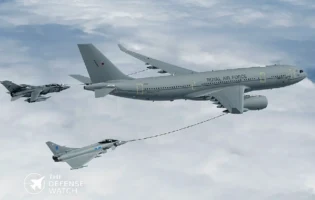
The ASRAAM missile is already operational with several air forces, including the United Kingdom’s Royal Air Force, where it equips aircraft such as the Eurofighter Typhoon and F-35B Lightning II.
Originally designed as an advanced air to air missile, ASRAAM features:
- High off boresight engagement capability
- Imaging infrared seeker
- High speed interception
- Fire and forget guidance
- Excellent performance against maneuvering targets
Adapting the missile for ground launch allows MBDA to leverage an existing production line rather than developing an entirely new interceptor. This approach can reduce procurement risk while accelerating deployment for interested customers.
Designed For The Expanding Drone Threat
Military operations in Ukraine, the Middle East, and other conflict zones have demonstrated that inexpensive drones can threaten armored formations, logistics hubs, command posts, and critical infrastructure.
Many conventional air defense systems were originally optimized to defeat fast aircraft rather than small unmanned systems flying at low altitude.
MBDA’s new mobile solution addresses this evolving operational challenge by combining mobility, rapid engagement capability, and modern missile technology within a compact platform.
The system is expected to complement larger layered air defense architectures instead of replacing long range missile systems.
Partnership With CMI Defense
CMI Defense contributes its experience in stabilized weapon stations and armored vehicle turrets.
Its modular turret architecture enables integration on multiple wheeled or tracked platforms depending on customer requirements.
The open architecture also provides opportunities to integrate additional sensors, battlefield management systems, and networked command and control capabilities already used by NATO members.
This flexibility could simplify integration into existing military vehicle fleets while reducing training and logistical requirements.
Why This Development Matters
The unveiling reflects a broader transformation underway across global air defense programs.
For decades, many Western militaries focused air defense investments on defeating advanced combat aircraft. Recent conflicts have shifted priorities toward defending against mass drone attacks, loitering munitions, and low cost cruise missiles.
The United States, NATO allies, and Indo Pacific partners are all expanding investments in mobile SHORAD capabilities capable of protecting forward deployed forces.
Rather than relying exclusively on expensive long range interceptors, armed forces increasingly seek layered solutions in which different systems engage threats according to range, altitude, and target type.
MBDA’s approach fits this trend by adapting an already fielded missile into a ground launched configuration, potentially reducing development timelines while improving interoperability among allied users already operating ASRAAM.
Operational Implications
The mobility of the new platform could provide several operational advantages:
- Protection for advancing armored units
- Rapid deployment around airfields and military bases
- Defense of logistics hubs
- Counter UAV coverage for expeditionary operations
- Integration into layered NATO air defense networks
Because the platform is vehicle mounted, it can relocate after firing, reducing vulnerability to counterbattery attacks or drone surveillance.
Strategic Context
The counter drone market has become one of the fastest growing segments of the global defense industry.
Governments are increasing procurement of radar systems, electronic warfare, directed energy weapons, and kinetic interceptors as drone attacks become more frequent and more complex.
MBDA’s latest system demonstrates how established missile technologies can be adapted to meet new operational requirements without requiring entirely new weapons programs.
For NATO members already operating ASRAAM inventories, the system may also offer logistical efficiencies by using an existing missile already supported within allied supply chains.
As drone warfare continues to evolve, mobile short range air defense platforms capable of protecting maneuver forces are expected to become an increasingly important component of future battlefield operations.