

Executive Summary: U.S. Central Command (CENTCOM) has officially initiated Project Freedom as of May 4, 2026, a large-scale defensive operation designed to ensure the uninterrupted transit of commercial shipping through the Strait of Hormuz. Directed by the President, the mission integrates 15,000 service members and advanced multi-domain platforms to safeguard a corridor responsible for 25% of the world’s seaborne oil trade.
Strategic Deployment and Mission Objectives
The activation of Project Freedom marks a significant escalation in U.S. maritime posture within the Strait of Hormuz. The primary objective is the restoration of “freedom of navigation” amid rising regional tensions and ongoing naval blockades. According to Adm. Brad Cooper, Commander of CENTCOM, the mission is a defensive necessity to protect the global economy from volatility caused by the disruption of fuel and fertilizer shipments.
The mission operates under the broader Maritime Freedom Construct, a joint initiative between the U.S. Department of State and the Department of War. This framework seeks to synchronize diplomatic pressure with kinetic and non-kinetic military coordination, ensuring that international partners are integrated into a unified information-sharing network.
Force Composition and Technical Assets
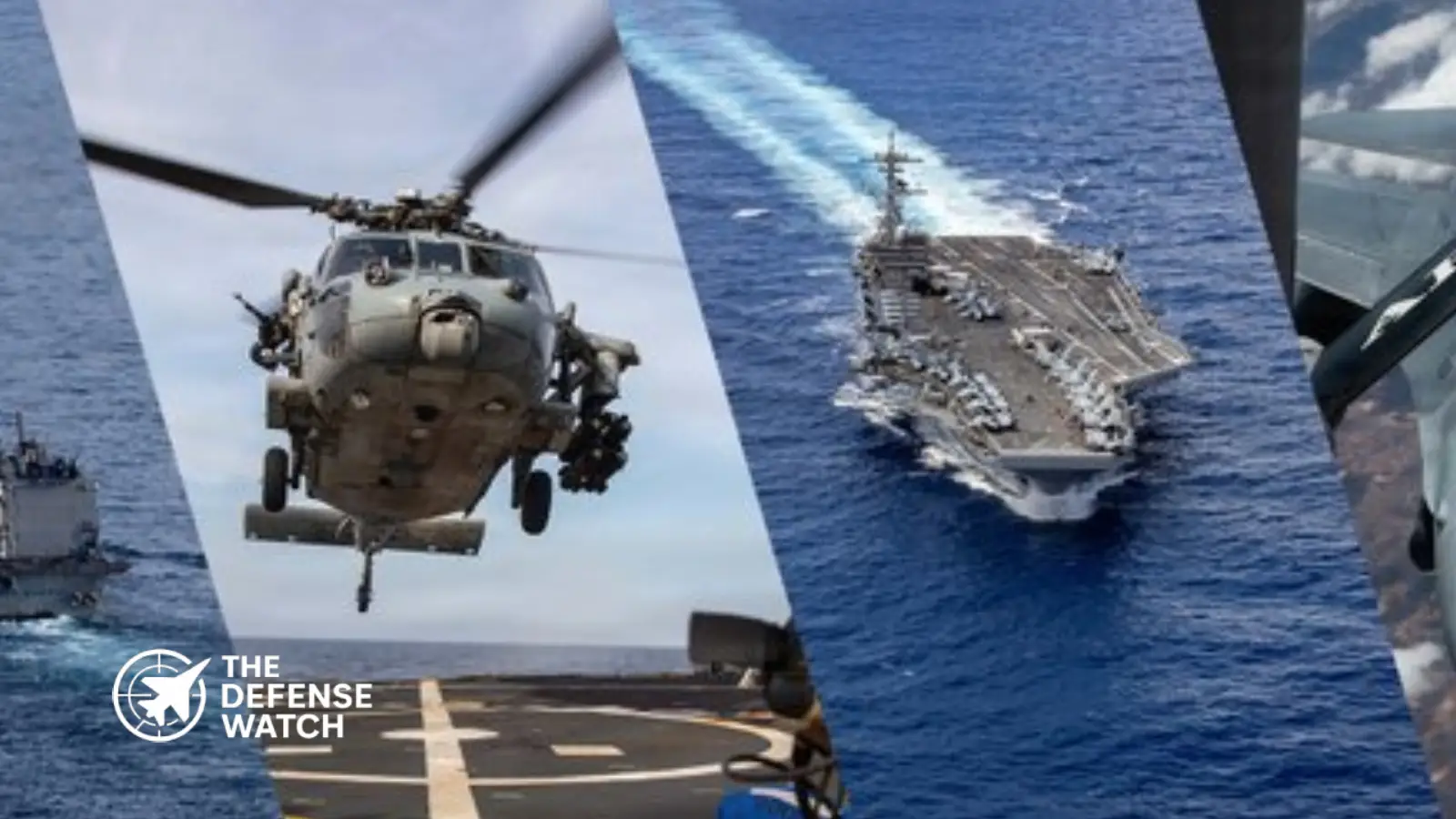
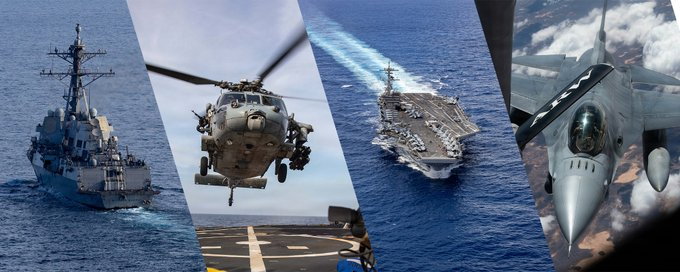
CENTCOM has authorized a robust force package to achieve the mission’s goals. The deployment is characterized by its “multi-domain” approach, utilizing traditional naval power alongside emerging autonomous technologies.
- Naval Surface Assets: Multiple guided-missile destroyers (DDGs) providing Aegis-based integrated air and missile defense.
- Aviation Component: Over 100 land and sea-based aircraft, including strike fighters and electronic warfare platforms.
- Unmanned Systems: Integration of multi-domain unmanned platforms (USVs and UAVs) for persistent Intelligence, Surveillance, and Reconnaissance (ISR).
- Personnel: 15,000 U.S. service members deployed to support logistics, security, and operational command.
Platform Comparison: Maritime Security Capabilities
The following table compares the current multi-domain approach of Project Freedom against the legacy International Maritime Security Construct (IMSC) protocols used in previous years.
| Feature | Project Freedom (2026) | Legacy IMSC (Sentinel) |
| Operational Range | Full-spectrum multi-domain (Sea, Air, Cyber) | Primarily surface-vessel focused |
| Payload/Capacity | 100+ Aircraft; 15,000 Personnel | Limited regional task forces |
| Status | Active (as of May 4) | Phased transition |
| Key Technology | Multi-domain unmanned platforms & AI-ISR | Traditional manned radar & patrols |
Geopolitical Implications and Security Context
The Strait of Hormuz remains the world’s most sensitive chokepoint. The decision to maintain a naval blockade while simultaneously escorting merchant vessels suggests a dual-track strategy: denying freedom of movement to hostile actors while guaranteeing it for global commerce.
Technical Advantages of the New Construct
The transition to the Maritime Freedom Construct offers several tactical improvements over traditional patrol methods:
- Enhanced Interoperability: Real-time data fusion between the Department of State and military command centers reduces the “sensor-to-shooter” timeline.
- Autonomous Persistence: The use of unmanned platforms allows for 24/7 monitoring of the strait without the fatigue associated with manned crews.
- Scalable Deterrence: The presence of guided-missile destroyers provides a tiered response capability, ranging from non-lethal electronic interference to high-end kinetic engagement.
As Project Freedom unfolds, the emphasis remains on regional stability. However, the scale of the deployment—specifically the 15,000-strong personnel count—signals to regional adversaries that the U.S. is prepared for a sustained presence to prevent any further degradation of international maritime law.
