

China NI-HP1000 High-Power Microwave System Highlights Counter-Drone Push
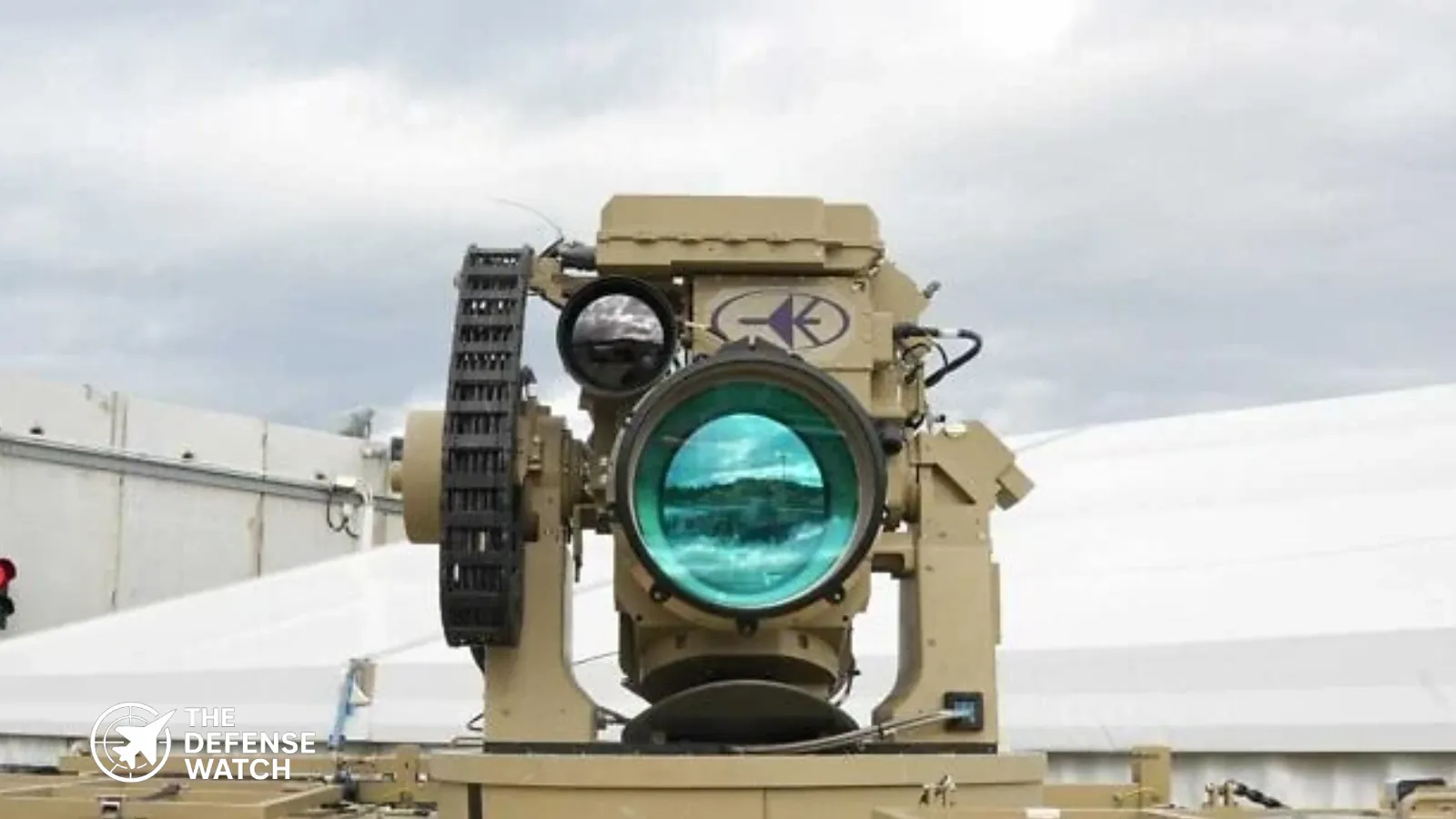
The China NI-HP1000 high-power microwave system reflects Beijing’s growing focus on defeating drone swarms with directed-energy weapons. Coverage of DSA 2026, Chinese industry is presenting the NI-HP1000 as a mobile system built to neutralize unmanned aerial threats by attacking onboard electronics rather than relying on conventional interceptors.
- China is promoting the NI-HP1000 high-power microwave system as a counter-drone solution at DSA 2026.
- The system is designed to disable drone electronics using directed microwave energy rather than missiles.
- High-power microwave weapons are seen as useful against multiple drones in a single engagement.
- China is expanding exports of non-kinetic air defense systems alongside laser weapons.
- Global militaries are accelerating similar programs to counter low-cost drone swarms.
That matters because low-cost drones have changed battlefield economics. Small unmanned aircraft can be produced cheaply, launched in large numbers, and used to overwhelm expensive missile defenses. Militaries worldwide are now searching for lower-cost counters that can engage many targets quickly.
What The NI-HP1000 Is Designed To Do
High-power microwave weapons emit concentrated electromagnetic energy intended to disrupt or damage electronic components. In counter-drone missions, that can include flight controls, communications links, navigation systems, or payload electronics.
Unlike a missile that destroys one target at a time, microwave systems are often marketed as area-effect defenses. If several drones enter the engagement zone, multiple systems may be affected at once. That makes them especially relevant against swarm tactics.
China has already publicized similar systems. Earlier reporting on the Chinese Hurricane 3000 said it could engage light drones and swarms beyond 3 kilometers, suggesting sustained Chinese investment in this technology field.
Why China Is Showing It Now
The NI-HP1000 appears as countries reassess air defense after conflicts in Ukraine, the Middle East, and the Red Sea demonstrated the scale of drone threats. Cheap one-way attack drones and quadcopters have forced militaries to spend costly interceptors on low-value targets.
That creates a clear demand for systems with:
- Lower cost per shot
- Fast repeat engagement cycles
- Deeper magazines than missile launchers
- Ability to counter grouped targets
- Mobility for base and field defense
China’s defense industry likely sees export potential in that market, particularly among states seeking affordable layered air defense options.
How It Compares With U.S. Efforts
The United States is also investing heavily in microwave counter-drone systems. Recent reporting highlighted accelerated U.S. work on high-powered microwave and laser weapons to defeat mass drone attacks over the next several years.
This shows a wider trend: major powers increasingly agree that traditional missile-only air defense is too expensive for persistent drone warfare.
Where missiles remain essential against aircraft and ballistic threats, microwave systems may fill the lower tier by handling smaller unmanned targets.
Limits And Real Battlefield Questions
Despite the promise, directed-energy systems still face real constraints:
- Power generation requirements
- Weather and environmental effects
- Line-of-sight limitations
- Integration with radar and command networks
- Effectiveness against hardened electronics
Those factors mean the NI-HP1000 is more likely to complement existing air defenses than replace them.
Strategic Takeaway
The China NI-HP1000 high-power microwave system signals that counter-drone warfare is entering a new phase. Instead of firing expensive missiles at every low-cost UAV, militaries are moving toward scalable electronic defeat systems.
For China, showcasing the NI-HP1000 is about more than one product. It demonstrates that Beijing wants a larger role in the future market for directed-energy air defense, where demand is rising fast and battlefield lessons are reshaping procurement priorities.