

U.S. Designates Venezuela’s Cartel de los Soles as Foreign Terrorist Organization
The U.S. State Department announced that it will formally designate Venezuela’s Cartel de los Soles (Cartel of the Suns) as a Foreign Terrorist Organization (FTO), effective November 24, 2025. This designation marks a significant escalation in Washington’s legal and military posture toward the Maduro regime and its alleged criminal enterprises.
Background: What Is the Cartel de los Soles?
The Cartel de los Soles is a loosely organized network within the Venezuelan state apparatus, allegedly composed of high-ranking military and government officials. The name “Suns” refers to the sun insignias worn on some Venezuelan military uniforms.
Previously, in July 2025, the U.S. Treasury’s Office of Foreign Assets Control (OFAC) sanctioned the cartel as a Specially Designated Global Terrorist (SDGT) entity, citing its role in supporting other terrorist-designated organizations like Venezuela’s Tren de Aragua and Mexico’s Sinaloa Cartel.
Designation Details & Legal Implications
U.S. Government Rationale
According to the State Department, the Cartel de los Soles is “headed by Nicolás Maduro and other high-ranking individuals of the illegitimate Maduro regime,” who have allegedly corrupted Venezuela’s military, intelligence, legislature, and judiciary.
Secretary of State Marco Rubio stated that, in concert with other FTOs — specifically Tren de Aragua and the Sinaloa Cartel — the Cartel de los Soles “is responsible for terrorist violence throughout our hemisphere as well as for trafficking drugs into the United States and Europe.”
Expanded Legal Tools
The shift from an SDGT to an FTO has important consequences:
- Material support becomes a federal crime: Once the FTO designation is effective, providing financial or logistical support to Cartel de los Soles will be criminalized under U.S. law.
- Sanctions & asset freezes: The U.S. Treasury can now more aggressively freeze assets, target financial facilitators, and coordinate internationally to isolate the group financially.
- Military options: As noted by U.S. Defense Secretary Pete Hegseth, the FTO label “brings a whole bunch of new options” for U.S. military and intelligence operations.
Military Context & Regional Build-Up
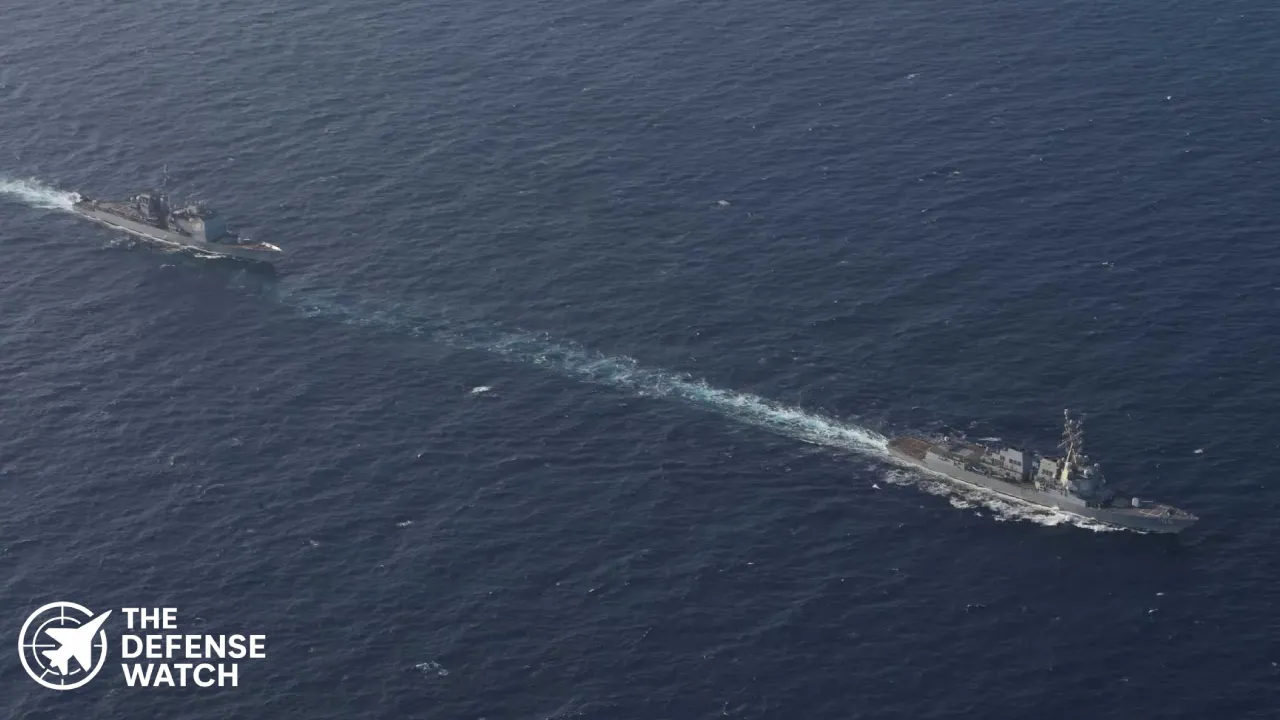
The terrorist designation comes amid a substantial U.S. military build-up in the Caribbean region. According to CBS News, the USS Gerald R. Ford aircraft carrier strike group has arrived, joining other assets deployed as part of what has been described as Operation Southern Spear.
Defense analysts interpret this as part of a broader U.S. campaign against narco-terrorism, leveraging the FTO designation to apply counterterrorism authorities—including Title 10 military powers—for direct action and interdiction.
Expert & Policy Perspectives
Legal and policy experts note that this designation is unprecedented: the Cartel de los Soles is not a typical vertically integrated criminal cartel, but rather a shadow governance structure within the Venezuelan state.
By branding it a terrorist organization, the U.S. aligns its approach with its long-standing counterterrorism framework, rather than purely criminal-law enforcement. This may justify more aggressive military and financial measures, while also complicating any diplomatic engagement with the current Venezuelan government.
However, analysts also warn that this escalates risk: Venezuela, already wary of U.S. intentions, may respond with greater military readiness. According to CiberCuba, Venezuelan authorities have signaled increased patrols and heightened alert in coastal zones.
Impact & What’s Next
Regional dynamics: U.S. partners in Latin America may face pressure to clamp down on transnational narco-terror networks.
Legal isolation: The FTO designation will likely freeze many of the cartel’s financial networks, complicating its international operations.
Military posture: The U.S. could intensify its military operations in the region, including maritime interdiction and potential direct-action missions.
Diplomatic fallout: The move further strains U.S.–Venezuela relations, making dialogue more difficult and raising the specter of deeper confrontation.

4 comments
[…] groups — including illicit cartels — thereby framing the operations within the context of counterterrorism rather than traditional law […]
[…] where widespread protests have been met with lethal force by security services. The review includes military options but also actions aimed at undermining regime capacity without direct combat […]
[…] The so-called shadow fleet consists of vessels that transport Russian oil and related products while seeking to avoid Western sanctions. Many are uninsured or use deceptive practices to bypass international restrictions. Western governments including the UK have expanded sanctions packages targeting these ships, with the UK barring dozens of vessels from UK ports and maritime services under its sanctions regime. […]
[…] Nations conducting these operations cite the UN Convention on the Law of the Sea and domestic sanction regimes to justify actions against vessels believed to be violating international measures. France’s […]