Executive Summary:
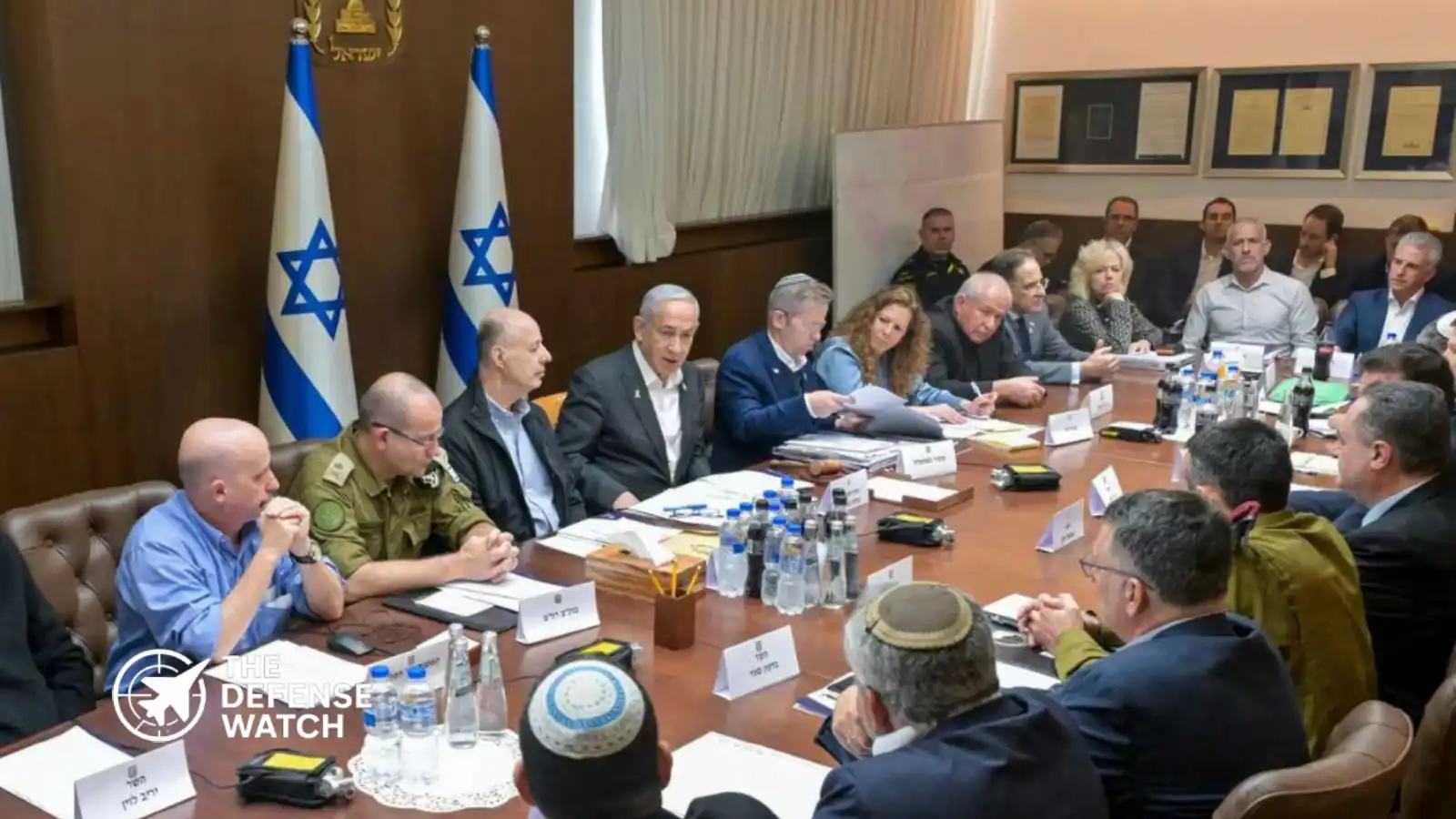
Israeli Prime Minister Benjamin Netanyahu has ordered an expanded ground operation in southern Lebanon following renewed Hezbollah rocket and drone attacks on northern Israel. The move signals a significant escalation despite an existing ceasefire and highlights Israel’s determination to push Hezbollah farther from its northern border.
Israeli Lebanon Offensive Expands As Hezbollah Attacks Continue
The Israeli Lebanon offensive entered a new phase after Prime Minister Benjamin Netanyahu directed the Israel Defense Forces (IDF) to deepen their ground operations in southern Lebanon, citing continued attacks by Hezbollah despite a ceasefire that has been in place for more than six weeks.
The decision follows one of the most intense days of Hezbollah rocket and drone launches since the ceasefire agreement took effect in April. The attacks triggered security restrictions across northern Israel, including school closures and movement limitations in several communities near the border.
According to Israeli officials, the latest military advance included the seizure of the historic Beaufort Castle and control of a strategic ridgeline in southern Lebanon. Israeli military leaders view these locations as important terrain that could support future operations against Hezbollah positions.
Netanyahu Signals Broader Military Objectives
In a public statement, Netanyahu said he had instructed the military to expand its ground maneuver in Lebanon and deepen Israel’s control over areas previously used by Hezbollah.
Israeli officials argue that the objective is to reduce Hezbollah’s ability to launch rockets, drones, and cross-border attacks against northern Israel. Since the conflict expanded earlier this year, Israeli authorities have repeatedly stated that restoring security for displaced communities near the Lebanese border remains a primary national security goal.
The latest orders suggest Israel is no longer focused solely on defensive operations but is seeking to establish a broader security buffer against Hezbollah activity.
This development represents a notable strategic shift. Rather than limiting operations to immediate border areas, Israeli forces appear increasingly focused on denying Hezbollah freedom of movement deeper inside southern Lebanon.
Hezbollah Continues To Adapt Tactics
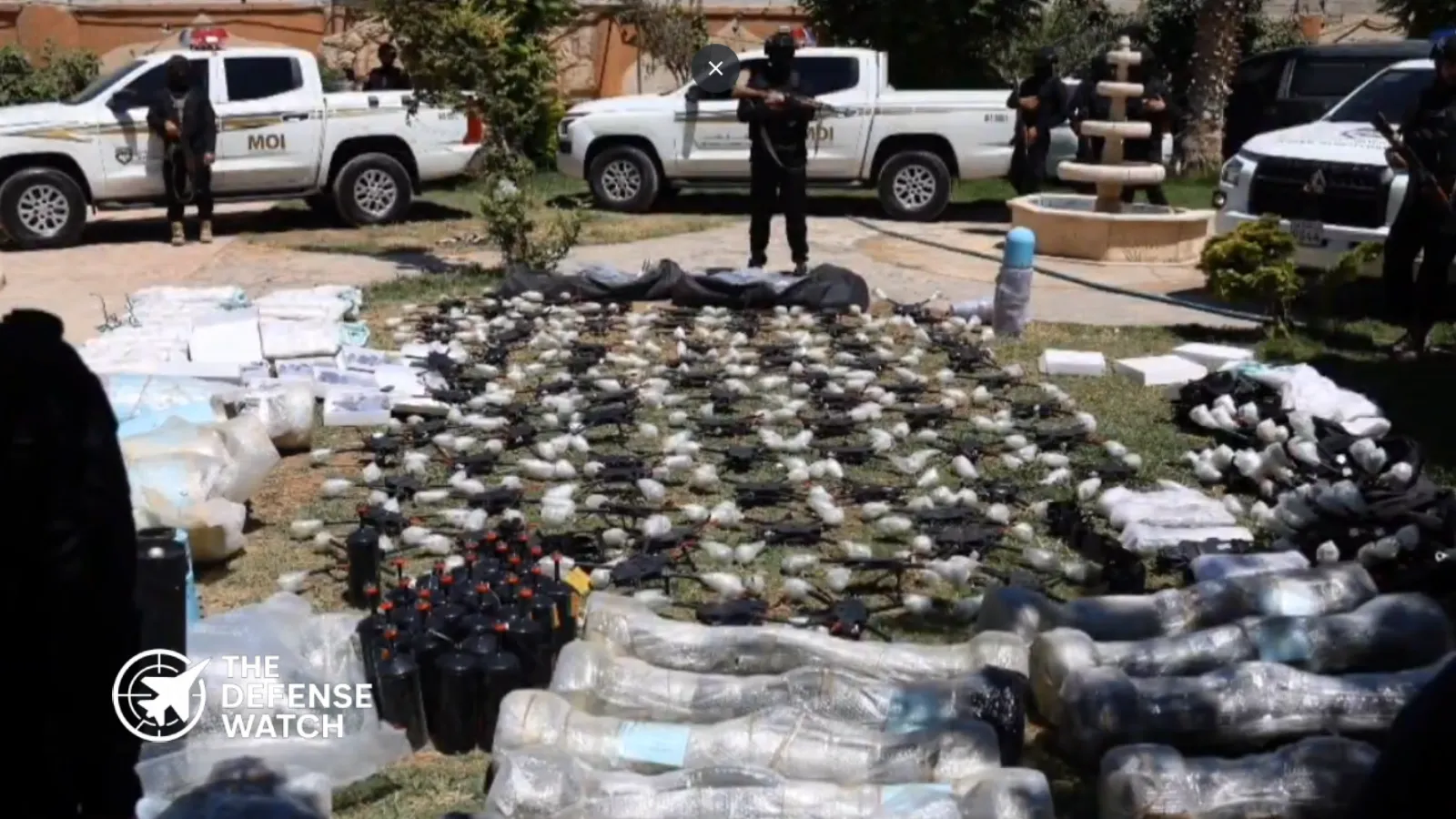
A major challenge for Israeli forces has been Hezbollah’s growing use of low-cost one-way attack drones.
Military analysts note that these systems are inexpensive, difficult to detect, and capable of bypassing traditional air defense networks under certain conditions. Several Israeli military casualties in southern Lebanon have been linked to such drone attacks in recent months.
The continued effectiveness of these systems reflects a broader trend in modern warfare, where relatively inexpensive unmanned platforms can create disproportionate operational challenges for technologically advanced militaries.
For Israel, the Hezbollah drone threat has reinforced the need for layered air defense systems, electronic warfare capabilities, and forward ground operations designed to disrupt launch sites before attacks occur.
Strategic Importance Of Southern Lebanon
Israeli military forces reportedly already controlled territory extending to Lebanon’s Litani River. Current operations indicate a push toward the Zaharani River, roughly 10 kilometers farther north.
The geography is significant.
For decades, southern Lebanon has served as Hezbollah’s primary operating area along Israel’s northern frontier. Control of elevated terrain and transportation routes provides military advantages for surveillance, logistics, and missile deployment.
By expanding its presence deeper into the region, Israel appears to be attempting to increase operational pressure on Hezbollah while creating greater standoff distance between Israeli population centers and militant launch zones.
However, maintaining control over larger areas of Lebanese territory could also increase operational demands and raise the risk of prolonged military engagement.
Regional And International Concerns Grow
The escalation has prompted renewed international attention.
France called for an emergency meeting of the United Nations Security Council, citing concerns about the deteriorating security situation and the risk of broader regional instability.
The conflict has already produced significant humanitarian consequences. Lebanese authorities report that more than 3,300 people have been killed since fighting intensified earlier this year, while over one million civilians have reportedly been displaced by military operations, airstrikes, and evacuation orders.
Israel has also faced substantial disruption. Tens of thousands of residents from northern communities have been displaced due to ongoing Hezbollah rocket and drone attacks.
The continued exchange of fire despite a ceasefire highlights the fragility of current diplomatic efforts and underscores the difficulty of achieving a durable security arrangement along the Israel-Lebanon border.
Analysis: A Conflict Moving Beyond Containment
The latest Israeli Lebanon offensive suggests that Israeli leadership increasingly views Hezbollah’s military infrastructure as a long-term strategic threat rather than a temporary security challenge.
From a military perspective, pushing deeper into southern Lebanon may provide short-term tactical advantages by disrupting launch sites and command networks. However, history shows that operations against entrenched militant organizations often become more complex as forces move farther from their logistical bases.
For Hezbollah, continued drone and rocket attacks demonstrate its ability to sustain pressure despite Israeli military operations. The group’s adaptation toward low-cost unmanned systems reflects broader lessons observed in conflicts across the Middle East and Eastern Europe.
The coming weeks will likely determine whether the expanded Israeli campaign achieves its intended security objectives or contributes to a wider regional confrontation involving Iran-backed groups across the Middle East.