Executive Summary:
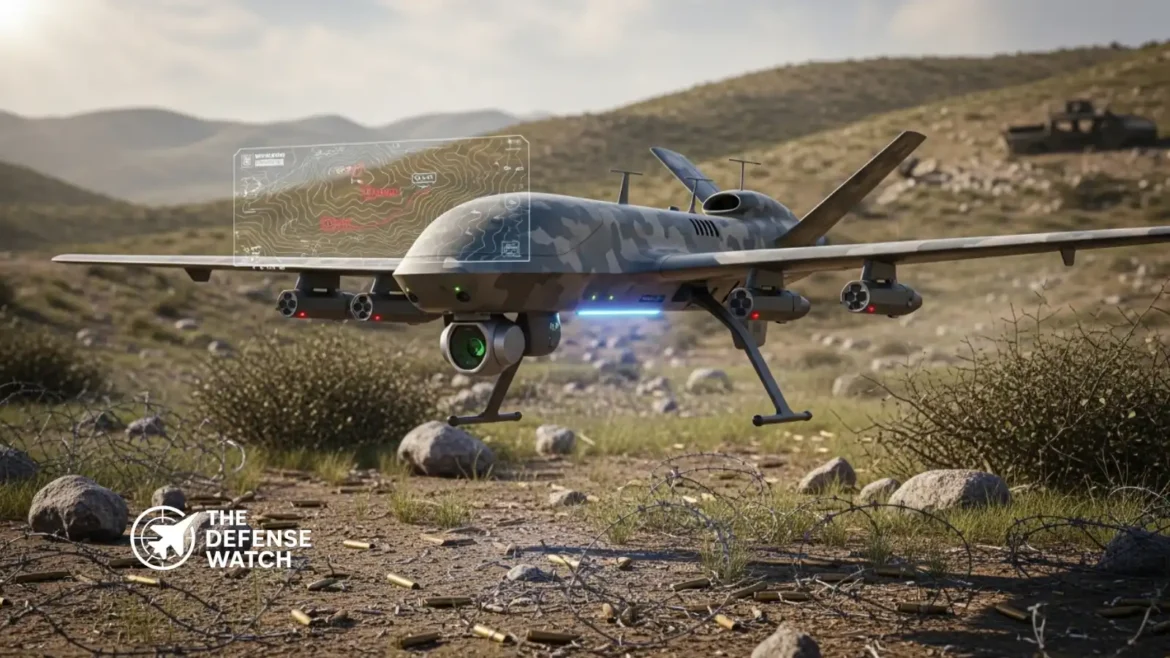
The British Army is restructuring its military presence in Estonia by reducing its deployment of Challenger 2 main battle tanks and introducing a larger fleet of tactical drones. The move reflects the UK’s wider modernization strategy, emphasizing intelligence, surveillance, precision targeting, and autonomous systems while maintaining its commitment to NATO’s eastern flank.
British Army Replaces Tanks With Drones In Estonia
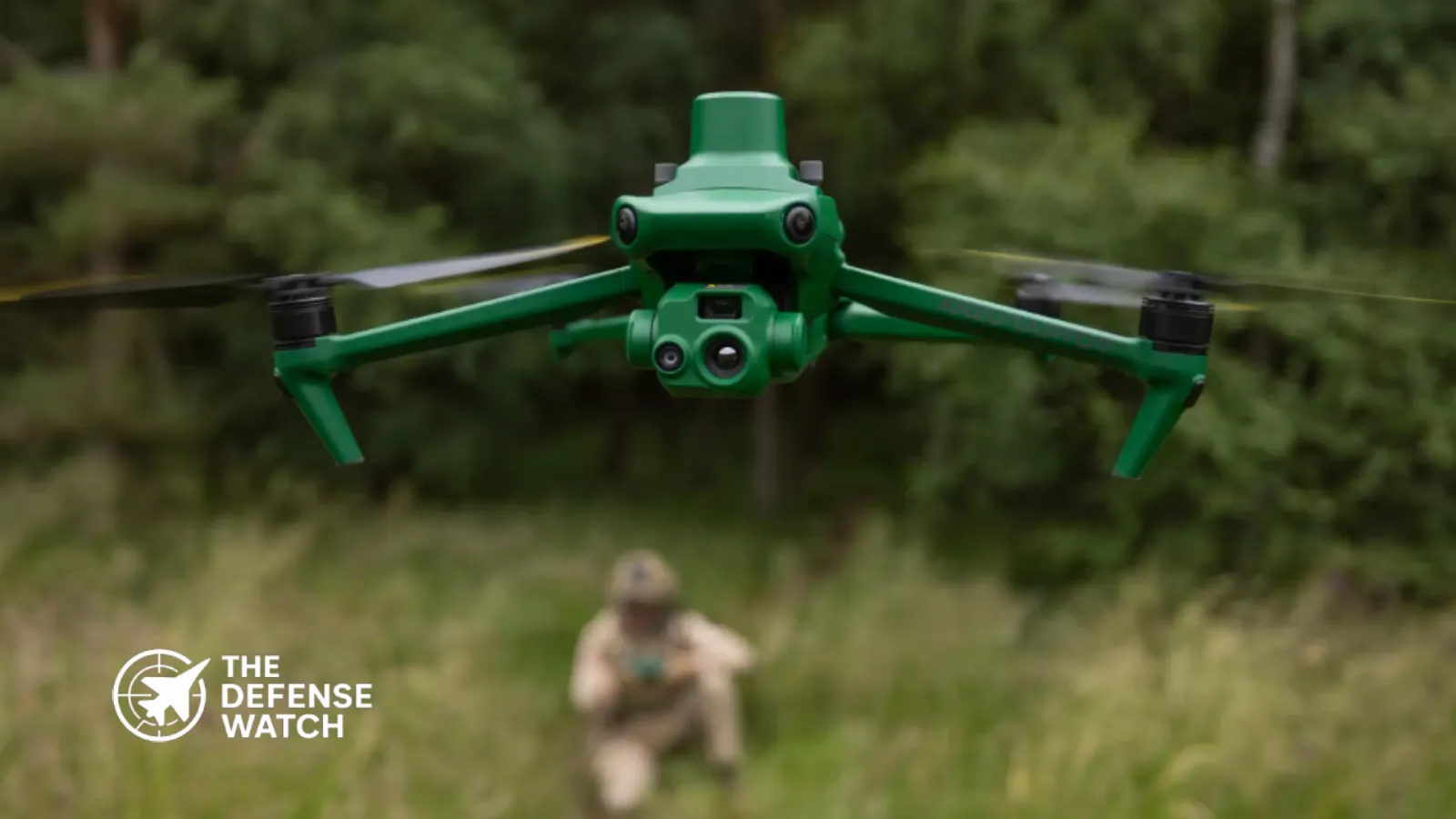
The British Army replacing tanks with drones in Estonia marks a significant shift in how the United Kingdom intends to contribute to NATO’s forward deterrence mission. British defense officials confirmed that future deployments will rely less on heavy armored formations and increasingly on unmanned aerial systems capable of providing persistent surveillance and battlefield awareness.
The changes are part of the British Army’s ongoing transformation under the Future Soldier program and align with lessons drawn from recent conflicts, particularly the extensive use of drones in Ukraine. The UK Ministry of Defence has repeatedly emphasized that future land warfare will combine armored forces with autonomous and remotely operated systems rather than relying exclusively on traditional heavy platforms.
Why The UK Is Changing Its Force Structure
The British Army currently leads NATO’s forward land forces in Estonia under the Alliance’s Forward Land Forces framework.
Rather than eliminating armored capability altogether, the UK is adjusting the composition of its deployed force. Fewer Challenger 2 tanks will be stationed in Estonia while additional unmanned aerial systems will support reconnaissance, target acquisition, force protection, and command decision making.
British officials describe the change as an effort to create a more agile and information driven force capable of responding quickly to evolving battlefield conditions.
The shift reflects broader trends across NATO, where armed forces are investing heavily in drones, loitering munitions, electronic warfare, and networked command systems.
Drones Have Become Essential On Modern Battlefields
Recent conflicts have demonstrated that drones now perform missions once reserved for larger, more expensive platforms.
Modern tactical UAVs provide capabilities including:
Capability Operational Benefit Intelligence, Surveillance and Reconnaissance (ISR) Continuous battlefield monitoring Target Identification Faster precision engagement Force Protection Early warning against enemy movement Battle Damage Assessment Immediate post-strike evaluation Communications Support Improved situational awareness Small drones can remain airborne for extended periods, operate at relatively low cost, and deliver real time imagery directly to commanders.
For NATO forces operating near Russia’s western military district, persistent surveillance significantly improves operational awareness without requiring constant armored patrols.
Challenger Tanks Remain An Important Capability
The restructuring does not signal the end of Britain’s armored forces.
The UK continues upgrading its heavy armor through the Challenger 3 program, which introduces:
- New 120 mm smoothbore main gun
- Improved modular armor
- Digital battlefield architecture
- Enhanced sensors
- Greater interoperability with NATO allies
Heavy tanks remain essential for high intensity combat, breaching operations, and direct fire support.
Instead, British planners increasingly view drones and armored vehicles as complementary capabilities rather than alternatives.
Lessons From Ukraine Continue To Shape NATO Planning
Military planners across Europe have closely studied the war in Ukraine, where inexpensive drones have dramatically influenced battlefield tactics.
Commercial quadcopters, military reconnaissance UAVs, loitering munitions, and first person view (FPV) drones have proven capable of:
- Detecting armored formations
- Directing artillery fire
- Destroying individual vehicles
- Conducting precision strikes
- Supporting infantry operations
These developments have accelerated drone procurement programs throughout NATO.
The British Army has expanded investments in tactical UAVs, autonomous logistics, electronic warfare, and counter drone technologies to address emerging operational requirements.
What This Means For NATO’s Eastern Flank
Estonia occupies one of NATO’s most strategically important positions, sharing a border with Russia.
The UK’s forward deployment serves as part of NATO’s collective deterrence posture designed to reassure allies and complicate any potential aggression against Alliance territory.
Replacing some tanks with drones allows British forces to:
- Increase battlefield awareness
- Improve reconnaissance coverage
- Detect threats earlier
- Reduce logistical demands
- Integrate more closely with NATO’s digital command networks
Rather than reducing combat power, the adjustment seeks to improve the effectiveness of deployed forces by expanding their ability to observe and understand the operational environment.
Analysis: A Shift Toward Information Dominance
The decision illustrates a broader evolution in land warfare rather than a rejection of armored forces.
Modern military operations increasingly prioritize information superiority. Commanders who can detect threats first, share targeting data rapidly, and coordinate precision fires often gain significant tactical advantages before heavy units even engage.
Drones provide continuous surveillance at a fraction of the cost of manned aircraft and can operate alongside satellites, ground sensors, and electronic intelligence systems.
For the British Army, integrating unmanned systems into forward deployments enhances reconnaissance while reducing the logistical footprint associated with maintaining larger armored formations overseas.
At the same time, tanks remain indispensable during high intensity combat. Protected mobility, direct firepower, and survivability cannot currently be replicated by unmanned aerial systems. The UK’s modernization effort therefore reflects a balanced approach that combines heavy armor with advanced sensing and autonomous capabilities.
For NATO, the move also demonstrates how alliance members are adapting force structures based on operational lessons from contemporary conflicts. Similar investments in drones, artificial intelligence, electronic warfare, and networked command systems are underway across multiple allied militaries, suggesting that Estonia will continue serving as a testing ground for the next generation of integrated land operations.
Executive Summary:
The United Kingdom has committed £190 million ($254 million) to join the U.S. and Australia led Precision Strike Missile (PrSM) program, marking a significant expansion of the British Army’s long range precision strike capability. The investment supports NATO’s conventional deterrence strategy while positioning the UK to receive its first PrSM missiles as early as 2027 and potentially participate in future missile development.
UK Invests In Precision Strike Missile Program To Strengthen NATO Deterrence
The UK Precision Strike Missile program received a major boost on July 7 after the British government announced a £190 million ($254 million) investment to acquire the Precision Strike Missile (PrSM) for the British Army. The announcement was made by the UK Ministry of Defence alongside the NATO Summit in Ankara, where Britain highlighted its continued commitment to strengthening NATO’s conventional deterrence capabilities.
The investment makes the United Kingdom the newest international participant in the PrSM program, a collaborative effort led by the United States and Australia and developed by Lockheed Martin.
Britain Adds A 500 Kilometer Precision Strike Capability
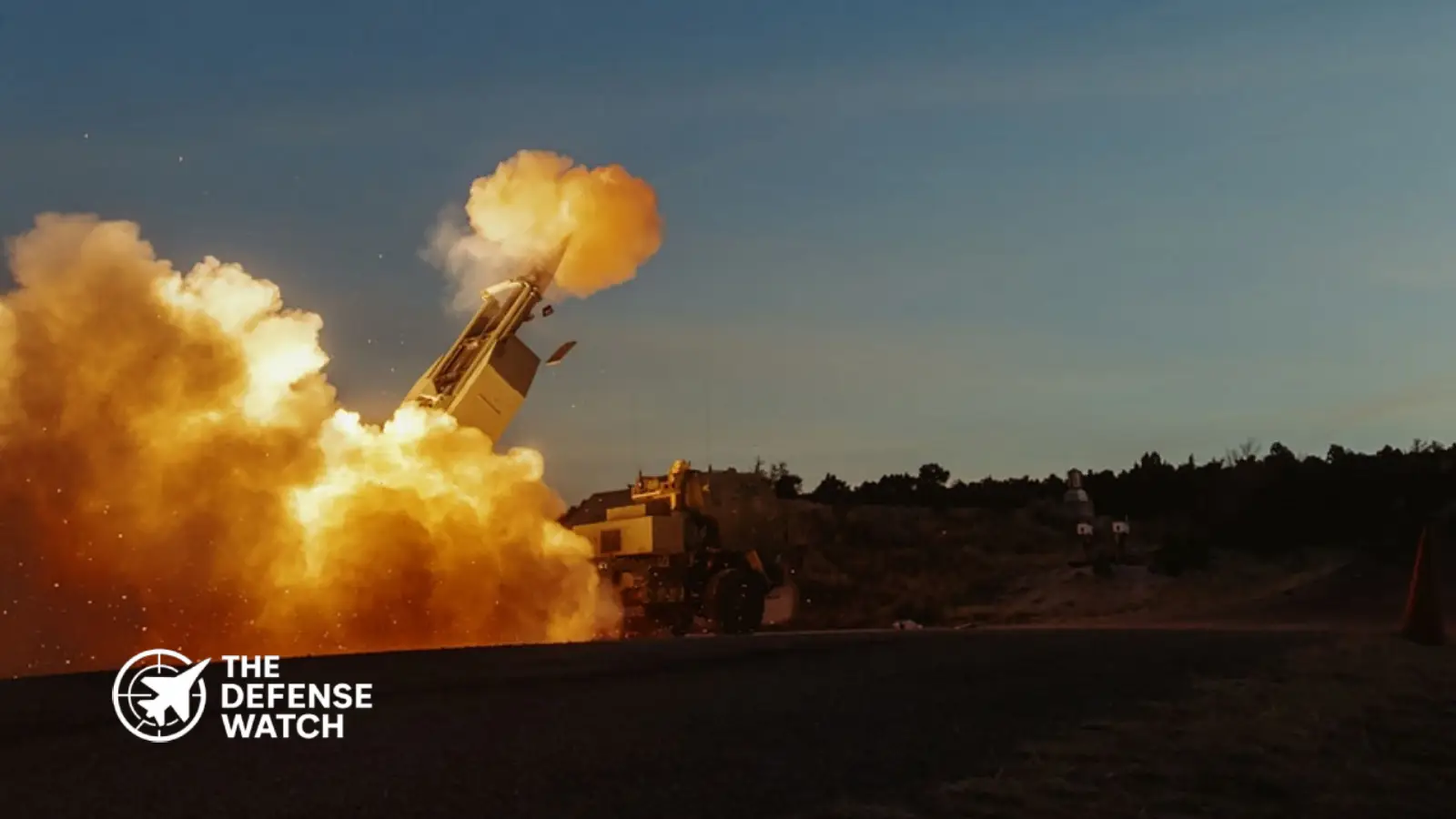
The Precision Strike Missile is designed to replace the aging Army Tactical Missile System (ATACMS) with a faster, more accurate, and longer range weapon.
According to the UK Ministry of Defence, PrSM will allow British land forces to engage enemy headquarters, logistics hubs, air defense systems, and other high value targets at ranges of up to 500 kilometers, significantly extending the Army’s deep strike capability.
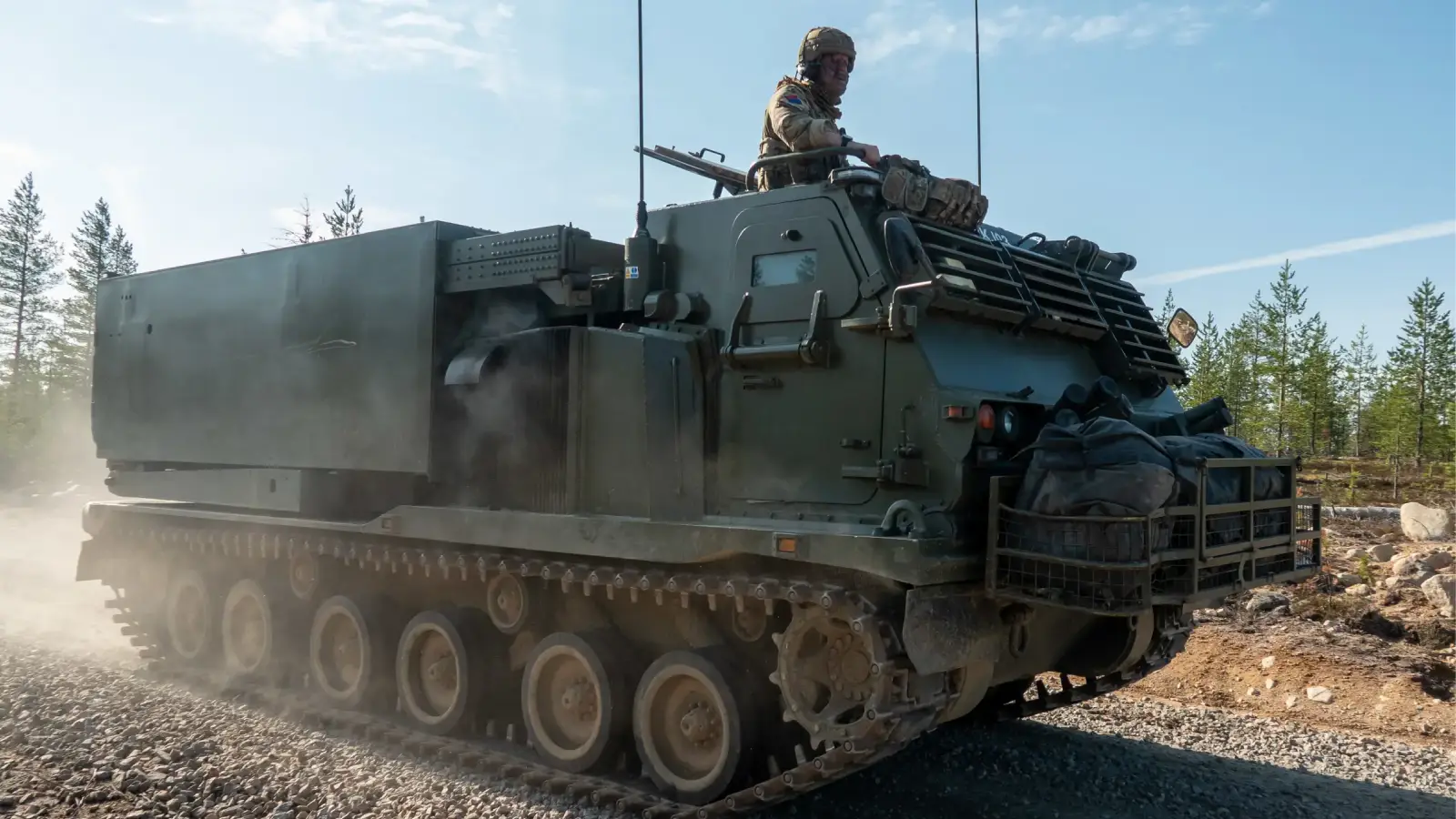
The missile will be integrated with Britain’s existing M270 Multiple Launch Rocket System (MLRS) fleet, minimizing additional infrastructure requirements while rapidly expanding operational reach.
Program Overview
| Category | Details |
|---|---|
| Program | Precision Strike Missile (PrSM) |
| Investment | £190 million ($254 million) |
| Developer | Lockheed Martin |
| Partners | United States, Australia, United Kingdom |
| Maximum Range | Up to 500 km |
| Launch Platform | M270 MLRS |
| Expected UK Deliveries | 2027 (subject to agreement) |
| Primary Mission | Long range precision surface strike |
Why The Investment Matters For NATO
The announcement comes as NATO members continue increasing investments in long range conventional strike systems following evolving security challenges across Europe.
The British Ministry of Defence said PrSM will strengthen Britain’s contribution to NATO deterrence by enabling forces to strike hostile command centers, logistics routes, and missile launch sites before they threaten allied forces.
Unlike legacy battlefield rockets, PrSM is designed for modern sensor driven operations, allowing commanders to rapidly identify, track, and engage targets across extended distances.
This capability aligns closely with NATO’s emphasis on multi domain operations, where long range precision fires complement intelligence, surveillance, cyber capabilities, and air power.
Part Of Britain’s Broader Defense Modernization
The PrSM acquisition is funded through the UK’s wider Defence Investment Plan, which includes substantial spending on ammunition production, air and missile defense, autonomous systems, digital targeting networks, and advanced combat aircraft.
Although Britain’s defense spending roadmap has faced criticism over the pace toward NATO’s 3.5 percent GDP target, officials describe the PrSM purchase as an immediate capability enhancement rather than a long term development project.
The Ministry of Defence also emphasized that joining PrSM does not replace Britain’s ongoing participation in European missile initiatives, including:
- Deep Precision Strike (DPS)
- European Long Range Strike Approach (ELSA)
Instead, PrSM fills a near term operational requirement while European collaborative missile programs continue development.
Strategic Analysis: Why PrSM Is Important Beyond Britain
The UK’s decision carries broader implications than simply purchasing a new missile.
First, it demonstrates that NATO members increasingly value immediately available capabilities over waiting for future indigenous systems. PrSM has already undergone extensive testing and offers compatibility with launchers already operated by several allied armies.
Second, the move strengthens interoperability between U.S., Australian, and British land forces. Using a common missile family simplifies logistics, training, mission planning, and combined operations during coalition deployments.
Third, Britain’s participation could open opportunities for domestic industry involvement in future development phases. The UK government stated it intends to work with U.S. and Australian partners on future missile improvements, potentially creating industrial workshare opportunities while supporting AUKUS Pillar 2 technology cooperation.
For the United States, expanding the PrSM user community also reinforces the missile’s position as NATO’s emerging standard for long range ground based precision fires.
Looking Ahead
Subject to agreements with Washington and Canberra, Britain expects to begin receiving Precision Strike Missiles in 2027.
The investment represents an important step toward modernizing British Army fires while complementing broader NATO efforts to improve long range conventional strike capabilities across Europe.
As NATO continues adapting to evolving security requirements, systems like PrSM are expected to play an increasingly central role in providing rapid, accurate, and survivable deep strike options capable of supporting joint operations across multiple theaters.
Executive Summary:
The United Kingdom plans to invest £190 million in the Precision Strike Missile (PrSM) as part of its 2026 Defence Investment Plan, significantly extending the British Army’s long range precision strike capability. The procurement aligns Britain with the United States and Australia while supporting a broader modernization effort centered on networked warfare, digital targeting, and NATO collective deterrence.
UK Precision Strike Missile Procurement Marks Major Expansion Of British Army Firepower
The UK Precision Strike Missile procurement represents one of the British Army’s most significant investments in long range land fires in decades. Announced within the government’s 2026 Defence Investment Plan, the proposal allocates £190 million to acquire the U.S.-developed Precision Strike Missile (PrSM), manufactured by Lockheed Martin, giving the Army substantially greater reach than its current guided rocket inventory.
The investment forms part of the UK’s nearly £300 billion four year defence modernization program, which implements recommendations from the 2025 Strategic Defence Review. Alongside expanded spending on drones, munitions, digital networks, and armored vehicles, the missile purchase reflects London’s increasing emphasis on long range precision strike as a core element of future warfare.
Why Britain Is Buying The Precision Strike Missile
The Precision Strike Missile will significantly extend the range of British Army ground based fires compared with the Guided Multiple Launch Rocket System currently fielded on the upgraded M270 launcher fleet.
According to the Defence Investment Plan, Britain intends to join the existing PrSM partnership alongside the United States and Australia, improving interoperability across allied land forces while simplifying logistics and future capability development.
The missile investment also supports NATO’s renewed emphasis on deep precision fires following lessons observed during the war in Ukraine, where long range strike systems have become central to disrupting command posts, logistics hubs, and air defense networks.
Planned Investment
| Program | Investment |
|---|---|
| Precision Strike Missile (PrSM) | £190 million |
| Total Weapons & Munitions Investment | £11.1 billion |
| UK Defence Investment Plan | Nearly £300 billion (2026 to 2030) |
Source: UK Defence Investment Plan.
PrSM Supports Britain’s Shift Toward Networked Warfare
The missile procurement is not an isolated acquisition.
Instead, it fits into a broader modernization effort that links sensors, artificial intelligence, cyber capabilities, space assets, artillery, drones, and missiles into a single digital targeting architecture.
Central to that effort is Project ASGARD, the British Army’s digital targeting initiative designed to shorten the time between detecting a target and engaging it. The program seeks to integrate surveillance platforms with long range fires across multiple domains, enabling commanders to identify, prioritize, and strike targets faster than potential adversaries.
The Defence Investment Plan describes this as a transition toward recce-strike warfare, where reconnaissance assets continuously feed targeting data into connected strike systems.
Long Range Fires Are Becoming A Core NATO Priority
Britain’s PrSM procurement reflects a wider trend across NATO.
Since Russia’s full scale invasion of Ukraine, allied militaries have accelerated investments in deep precision strike capabilities capable of engaging high value targets well beyond the front line.
The UK has simultaneously expanded several complementary long range strike programs, including:
- £770 million for the Deep Precision Strike initiative with Germany.
- £1.4 billion for the trilateral STRATUS missile program with France and Italy.
- Investment in low cost cruise missiles and one way attack systems.
- Expanded stockpiles of advanced precision munitions.
Together, these initiatives demonstrate that Britain’s modernization strategy extends beyond replacing legacy weapons. Instead, it seeks to build a layered portfolio of strike options across land, air, and maritime domains.
Analysis: Why PrSM Matters Beyond The Missile Itself
The strategic importance of the Precision Strike Missile lies as much in its integration as in its range.
Modern land warfare increasingly depends on rapidly connecting sensors, command networks, and precision weapons. A missile capable of striking targets hundreds of kilometers away provides limited value unless supported by resilient communications, intelligence collection, electronic warfare protection, and real time targeting data.
Britain’s Defence Investment Plan acknowledges this reality by pairing missile procurement with investments in digital command networks, artificial intelligence, autonomous systems, and space enabled surveillance. Rather than treating PrSM as a standalone capability, the Ministry of Defence is positioning it as one component within an integrated kill chain designed to accelerate decision making and improve operational effectiveness.
The decision also strengthens interoperability with key allies. Operating the same missile family as the United States and Australia simplifies training, logistics, software development, and future upgrades while supporting NATO’s growing emphasis on multinational operations.
Operationally, longer range precision fires provide commanders with additional options for suppressing enemy air defenses, striking logistics infrastructure, disrupting command nodes, and supporting maneuver forces without relying exclusively on tactical aviation.
Broader Defence Investment Context
The PrSM acquisition is one element of a comprehensive modernization package unveiled through the UK’s Defence Investment Plan.
Other priorities include:
- More than £5 billion for drones and autonomous systems.
- Expanded domestic weapons production.
- Increased investment in digital command networks.
- Additional funding for air and missile defense.
- Modernization of armored vehicles and artillery.
- Continued support for next generation combat aircraft and naval capabilities.
Taken together, these investments are intended to improve military readiness while implementing recommendations from the Strategic Defence Review and supporting NATO’s evolving deterrence posture.
Conclusion
Britain’s planned £190 million Precision Strike Missile procurement marks a significant step in rebuilding the British Army’s long range precision strike capability. Beyond extending engagement distances, the investment reflects a broader shift toward integrated, network enabled land warfare that combines precision weapons, digital targeting, autonomous systems, and multinational interoperability.
As the Defence Investment Plan moves into implementation, PrSM is expected to become an important component of Britain’s future deep fires capability while reinforcing cooperation with the United States, Australia, and other NATO partners.
Executive Summary:
Britain will procure 72 RCH 155 wheeled artillery systems under a nearly £1 billion ($1.35 billion) modernization program for the British Army. The move restores long range artillery capability after the UK transferred AS90 self propelled guns to Ukraine and deepens industrial defense cooperation with Germany.
Britain Orders 72 RCH 155 Artillery Systems For British Army
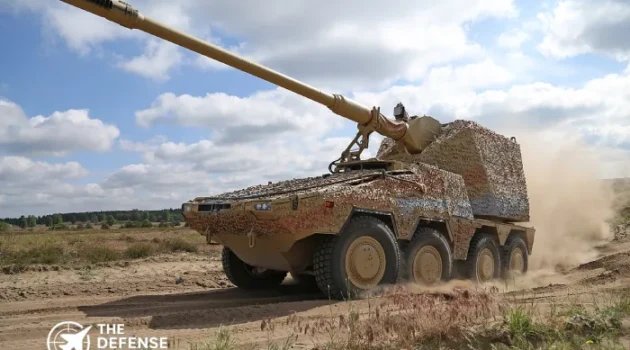
The British government has confirmed plans to acquire 72 RCH 155 remote controlled howitzers as part of a major British Army artillery modernization effort designed to restore long range firepower and improve battlefield mobility. The nearly £1 billion procurement program will replace the aging AS90 artillery fleet that Britain previously donated to Ukraine.
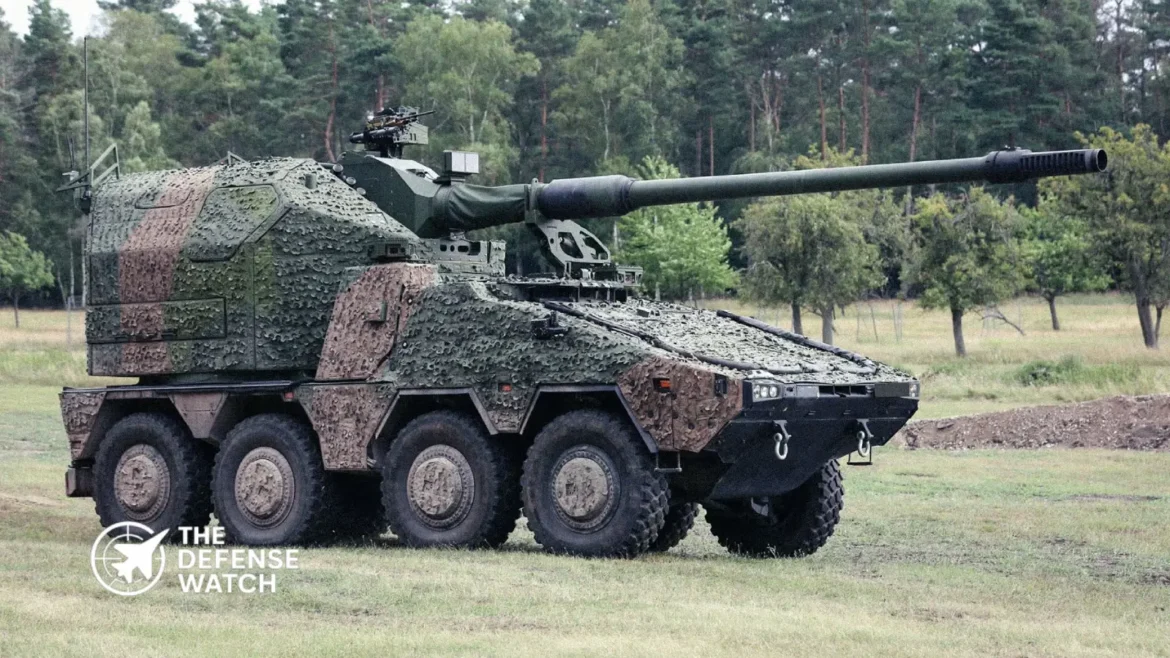
The contract was awarded through the Organisation for Joint Armament Cooperation (OCCAR) to ARTEC GmbH, a joint venture between Rheinmetall and KNDS. The RCH 155 system combines a remotely operated 155 mm artillery gun module with the Boxer 8×8 armored vehicle platform.
British Defence Secretary John Healey described the purchase as both a battlefield and industrial investment, with production expected to support more than 500 jobs across the United Kingdom.
Why The British Army Needs New Artillery
The procurement reflects growing concern inside NATO over artillery shortages and long range fires capability after more than two years of high intensity combat lessons from Ukraine.
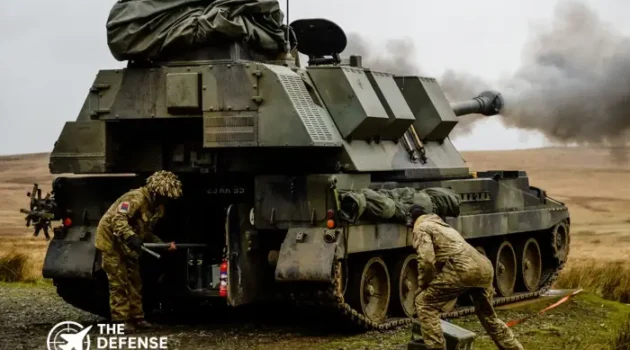
Britain transferred much of its AS90 self propelled artillery inventory to Ukrainian forces, creating a significant capability gap in British Army heavy fires units. The RCH 155 acquisition is intended to close that gap while introducing a more survivable and mobile artillery platform.
The RCH 155 can reportedly fire targets up to 70 kilometers away, deliver eight rounds per minute, and move at speeds exceeding 100 km/h. Unlike older artillery systems that must stop before firing, the RCH 155 is designed to conduct rapid shoot and scoot operations that reduce exposure to counter battery fire.
The system also operates with a reduced crew because of its automated loading and fire control architecture. Analysts increasingly view automation and mobility as essential for survivability on modern battlefields dominated by drones, precision strike systems, and electronic surveillance.
UK Germany Defense Cooperation Expands
The program also highlights expanding UK Germany defense cooperation under the Trinity House Agreement, a bilateral framework intended to improve European defense integration and industrial collaboration.
Under the arrangement, Rheinmetall will manufacture major weapon system components at its Telford facility in England, while KNDS UK will produce Boxer chassis and engines in Stockport. British steel supplier Sheffield Forgemasters is also expected to contribute materials for the project.
The deal strengthens Britain’s effort to rebuild sovereign industrial capacity in large caliber artillery manufacturing, an area that many NATO countries reduced after the Cold War. The Ukraine conflict exposed how quickly ammunition stockpiles and artillery inventories can be depleted during prolonged conventional warfare.
The British government has increasingly emphasized domestic defense production as part of a broader rearmament strategy tied to rising tensions in Europe and concerns over long term deterrence against Russia.
Mobile Fires Platform Program Gains Momentum
The RCH 155 forms the centerpiece of the British Army’s Mobile Fires Platform program, which aims to replace legacy artillery systems with highly mobile, networked, and longer range platforms.
Britain had temporarily acquired Swedish Archer artillery systems as an interim solution after donating AS90 platforms to Ukraine. However, the RCH 155 is expected to become the Army’s enduring artillery capability through the 2030s.
First deliveries are expected in 2028, with British officials aiming to achieve an initial deployable capability before the end of the decade.
The procurement aligns with wider NATO efforts to rebuild artillery inventories and increase readiness levels following repeated warnings from military planners about ammunition shortages and insufficient heavy firepower capacity across Europe.
Strategic Implications For NATO
The British Army artillery modernization program carries significance beyond the UK itself. NATO planners increasingly see long range artillery as one of the alliance’s most critical battlefield requirements in any potential high intensity conflict.
Russia’s extensive use of artillery in Ukraine has reinforced the importance of deep fires, rapid targeting, and survivable mobile gun systems. European militaries are now accelerating procurement programs for self propelled artillery, rocket systems, and precision guided munitions.
For Britain, the RCH 155 purchase signals a shift toward rebuilding warfighting readiness after years of force reductions and underinvestment. It also demonstrates how European defense industrial cooperation is becoming more central to NATO modernization plans.
While Britain has pledged the largest defense spending increase since World War II, analysts note that many modernization programs still depend on sustained long term funding and faster procurement timelines.
Executive Summary:
British paratroopers carried out a rapid island insertion exercise as part of a simulated hantavirus response scenario. The drill tested airborne deployment, medical coordination, and expeditionary logistics in a contested environment, reflecting the UK military’s focus on rapid crisis response operations.
British Paratroopers Conduct Island Hantavirus Response Exercise
British paratroopers conducted a rapid airborne assault exercise onto a remote island during a UK military training operation centered on a simulated hantavirus outbreak, according to reporting by UK Defence Journal.
The exercise involved troops from the British Army’s airborne forces deploying by parachute to secure territory, establish operational control, and support a coordinated biological hazard response mission. The scenario combined elements of expeditionary warfare, humanitarian support, and military medical planning.
The operation reflects a broader trend among NATO militaries toward preparing for multi-domain crisis response missions that combine conventional military capabilities with disaster and health emergency management.
Airborne Forces Practice Rapid Island Seizure
During the exercise, British paratroopers executed an airborne insertion onto the island before securing key positions and establishing support zones for follow-on operations. The deployment reportedly simulated conditions where access to isolated territory was restricted because of a viral outbreak.
The training highlighted the British Army’s emphasis on maintaining rapid reaction capabilities through airborne forces. Such units are designed to deploy quickly with limited warning, particularly in scenarios involving remote territories or contested operational environments.
The use of parachute infantry in the exercise also demonstrated the UK’s continuing investment in expeditionary warfare concepts. Airborne operations remain a core capability for NATO forces because they allow troops to enter areas where ports, airfields, or ground routes may be unavailable or compromised.
Military planners increasingly view these operations as relevant not only in wartime scenarios, but also during disaster response and regional stabilization missions.
Hantavirus Scenario Adds Biosecurity Dimension
The simulated hantavirus outbreak added a biological hazard component to the exercise. Hantavirus is a family of viruses primarily transmitted through rodents and can cause severe respiratory illness in humans.
While the training scenario was fictional, it mirrors growing military concern about biological threats, infectious disease response, and operational resilience during health emergencies.
Since the COVID-19 pandemic, armed forces across Europe and North America have expanded planning for biosecurity-related contingencies. These include quarantine operations, medical evacuation procedures, logistics support during outbreaks, and maintaining operational readiness under biological threat conditions.
The British military has increasingly integrated medical response planning into large-scale exercises, particularly for deployments involving isolated or austere locations.
Expeditionary Logistics And Joint Coordination
The island deployment exercise also tested logistics and command coordination under demanding conditions. Airborne units typically operate with limited supplies during initial insertion phases, making rapid sustainment and communication critical.
According to the report, the drill involved coordination between combat forces, medical personnel, and support elements. Such integration is essential during real-world contingency operations where military units may be required to assist civilian authorities or secure infrastructure during emergencies.
The exercise demonstrated how modern military operations increasingly require forces to operate across multiple mission sets simultaneously, including combat readiness, humanitarian assistance, and public health support.
For the British Army, this type of training supports wider modernization goals focused on agility, rapid deployment, and interoperability with allied forces.
UK Focuses On High-Readiness Crisis Response
The British paratroopers exercise comes as the UK continues adapting its armed forces for rapid response missions across Europe and overseas territories.
Recent British defense planning has emphasized high-readiness units capable of deploying quickly to emerging crises, particularly in regions where infrastructure may be degraded or contested.
Airborne forces remain central to that strategy because of their ability to establish an immediate military presence without relying on extensive forward basing.
The exercise also reflects a broader NATO focus on resilience against non-traditional threats, including pandemics, biological incidents, and hybrid crisis scenarios that combine military and civil emergencies.
Analysts note that such drills are increasingly important as defense organizations prepare for complex operating environments where conventional military threats can overlap with health, environmental, or infrastructure crises.
Strategic Relevance Beyond Combat Operations
Although the exercise centered on a simulated disease outbreak, the operational lessons extend well beyond medical emergencies.
Rapid island seizure and sustainment operations are strategically important in several regions where NATO members maintain overseas territories or face contested maritime environments.
Training for austere deployments also improves readiness for evacuation missions, disaster relief operations, and crisis stabilization efforts.
For the UK military, exercises involving airborne insertion and expeditionary response help reinforce deterrence and demonstrate operational flexibility at a time of increasing geopolitical uncertainty.
The integration of biological hazard response into military planning further reflects how modern armed forces are adapting to a broader range of security challenges beyond traditional battlefield operations.
Executive Summary:
The British Army has conducted a live demonstration integrating drones with armored units to enhance battlefield awareness and combat effectiveness. The exercise highlights a shift toward networked warfare, where unmanned systems support traditional platforms. The effort aims to improve survivability and decision-making in contested environments.
British Army Advances Drone–Armor Integration
The British Army has demonstrated a combined operational concept that integrates unmanned aerial systems with armored vehicles during a recent field exercise. The trial reflects a broader push toward digitized and network-enabled warfare, where real-time data sharing improves combat performance.
The demonstration featured drones working in coordination with armored platforms to identify targets, relay intelligence, and support maneuver operations. This approach reduces reliance on line-of-sight engagements and enhances situational awareness across the battlefield.
Key Capabilities Demonstrated
Real-Time Battlefield Awareness
Drones provided live surveillance feeds directly to armored crews, allowing faster identification of threats and targets.
Enhanced Target Acquisition
Unmanned systems enabled beyond-line-of-sight targeting, reducing exposure of armored units to enemy fire.
Coordinated Strike Operations
The integration allowed for synchronized movement between reconnaissance drones and ground forces.
Technical Advantages of Integrated Systems
- Improved ISR (Intelligence, Surveillance, Reconnaissance) coverage
- Reduced reaction time to emerging threats
- Increased survivability of armored units
- Ability to operate in contested and urban environments
- Scalable integration with future AI-driven systems
Comparison: Integrated Drone–Armor vs Legacy Armored Operations
| Capability | Integrated Drone–Armor System | Legacy Armored System |
|---|---|---|
| Range | Extended via UAV ISR | Limited to line-of-sight |
| Payload | Modular UAV sensors | Fixed onboard optics |
| Status | Under active development (2026) | Operational but evolving |
| Key Technology | Networked drones, data links | Traditional targeting systems |
Strategic Context: Adapting to Modern Threats
The British Army’s initiative reflects a broader NATO trend toward integrating unmanned systems into conventional forces. Modern battlefields, particularly in regions such as Eastern Europe and the Middle East, have shown the effectiveness of drones in both reconnaissance and strike roles.
Conflicts in recent years have demonstrated that armored units operating without drone support are increasingly vulnerable to precision-guided munitions and loitering munitions. By integrating UAVs, armies can detect threats earlier and respond more effectively.
Implications for Future Warfare
The demonstration signals a transition toward multi-domain operations, where land forces operate in close coordination with aerial and digital assets. The British Army is expected to continue refining these capabilities, potentially incorporating autonomous systems and AI-assisted targeting in future trials.
As military forces adapt to increasingly complex threat environments, the fusion of drones and armored vehicles is likely to become a standard feature of modern land warfare.
UK Ajax Armored Vehicle Program Survives Another Major Test
The Ajax armored vehicle program will continue after the British government decided to restart limited vehicle acceptance despite renewed safety concerns and years of delays. The move keeps one of the United Kingdom’s largest land modernization efforts alive at a time when European militaries are under pressure to rebuild combat readiness.
Britain’s Defence Readiness Minister Luke Pollard said acceptance of Ajax vehicles from General Dynamics would resume under strict controls aimed at improving conditions for soldiers using the platform.
- Britain will continue the Ajax armored vehicle program after a new safety review.
- Limited acceptance of Ajax vehicles will restart under tighter controls.
- Officials said noise and vibration were found within legal exposure limits.
- Upgrades will focus on air filtration, heating, and electrical power systems.
- The Ajax fleet remains central to British Army reconnaissance modernization.
That decision matters well beyond one vehicle program. It signals that London sees no easy replacement for Ajax in the near term.
Why Ajax Has Been So Controversial
The Ajax armored vehicle program has faced repeated criticism since the original order was placed in 2014. Technical faults, production delays, and crew safety concerns turned the fleet into one of Britain’s most troubled procurement efforts.
Trials were paused after soldiers reported vomiting, hearing loss, and shaking linked to noise and vibration during exercises. Those incidents intensified calls to cancel the project entirely.
For many defense planners, Ajax became a case study in how ambitious customization can create cost and schedule risk. Modern armored vehicles increasingly rely on advanced sensors, digital architecture, and power-hungry electronics. Integrating all three without compromising crew comfort and reliability is harder than many procurement programs initially assume.
What The New Safety Review Found
According to the British government, investigators found no evidence that current noise and vibration levels exceeded legal exposure limits. Officials instead pointed to a mix of factors that may have contributed to earlier incidents.
The Ministry of Defence said further improvements will now be made to:
- Air filtration systems
- Heating performance
- Electrical power generation
- Soldier operating conditions
Those upgrades are expected to be delivered within the existing program budget and scope, according to officials.
That budget discipline is notable. With defense spending under pressure across Europe, governments are increasingly choosing to repair troubled programs rather than start over with expensive replacements.
Why Britain Still Needs Ajax
The Ajax armored vehicle is intended to provide the British Army with a modern tracked reconnaissance platform equipped with sensors, protected mobility, and battlefield networking tools.
In practical terms, Ajax is meant to find threats before heavier formations engage them. That mission is becoming more important as European armies study lessons from the war in Ukraine, where rapid detection, targeting, and mobility often determine survival.
Canceling Ajax now would likely create a multi-year capability gap. Britain would need to either extend older fleets longer than planned or launch a costly new competition.
That strategic reality likely helped drive the decision to continue.
Industrial Impact And Jobs
Ajax vehicles are produced in South Wales, where General Dynamics facilities employ around 700 workers, according to Reuters.
Ending the program would not only affect military readiness, it would also hit the UK defense industrial base. Governments increasingly weigh sovereign manufacturing capacity alongside battlefield capability when making procurement choices.
What Comes Next
The next phase for the Ajax armored vehicle program will be closely watched. Restarting limited acceptance is not the same as full operational confidence.
British officials must now prove three things:
- Safety issues are fully controlled
- Vehicles can be delivered reliably
- Troops trust the platform in field conditions
If those goals are met, Ajax could still become the reconnaissance backbone Britain originally intended. If not, political pressure will return quickly.
Bottom Line
The UK decision to retain the Ajax armored vehicle program reflects a hard defense reality: replacing troubled systems is often slower and more expensive than fixing them. Britain is betting Ajax can still deliver operational value after years of setbacks.
Whether that gamble succeeds will depend on performance in the field, not statements in London.
UK AI Drones For Mine Detection Enter Critical Testing Phase
The UK AI drones for mine detection are now being actively tested to improve how British troops identify and avoid hidden explosives in combat zones.
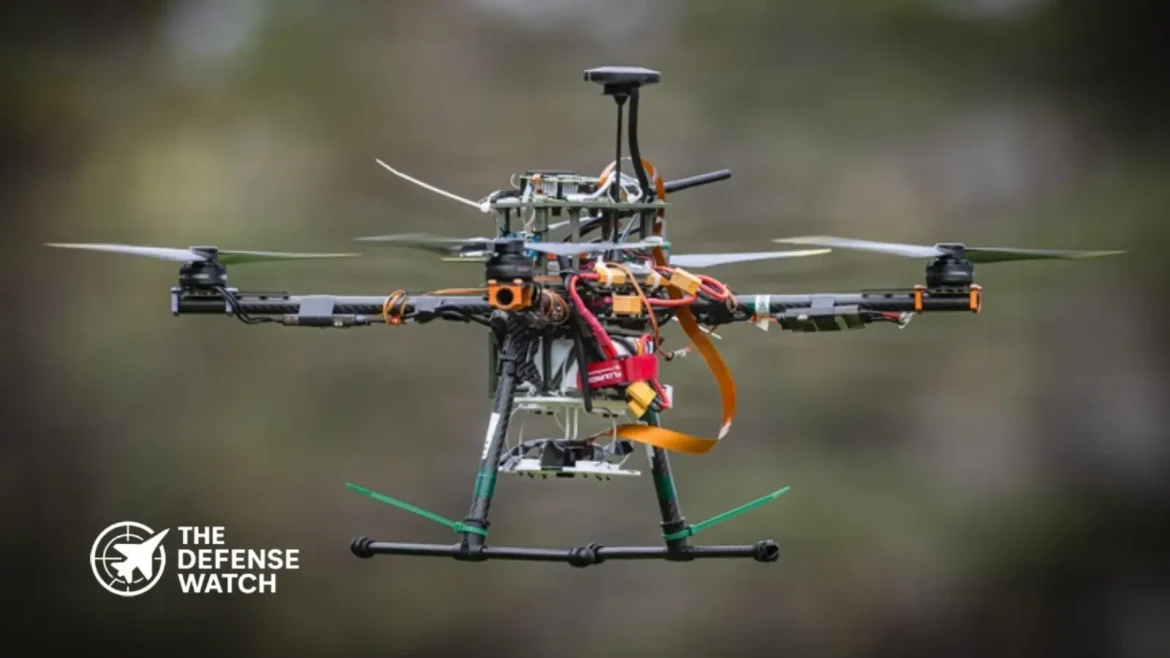
The trials focus on unmanned aerial systems equipped with artificial intelligence and advanced sensing tools capable of scanning terrain for landmines and unexploded ordnance. These threats remain one of the most persistent dangers in modern conflicts, especially in areas with legacy minefields or recent combat activity.
Unlike traditional clearance methods, which often rely on manual probing or ground-based vehicles, these drones operate from above, reducing direct exposure for soldiers.
- The UK is trialing AI-powered drones to detect landmines and unexploded ordnance on the battlefield.
- The system uses advanced sensors and machine learning to identify threats from the air.
- Trials aim to reduce risk to soldiers by minimizing the need for manual mine clearance.
- The technology is being tested in realistic combat scenarios to validate operational use.
- The effort reflects growing investment in AI-driven battlefield systems by Western militaries.
How The AI System Works
The UK AI drones for mine detection combine aerial imaging with machine learning algorithms trained to recognize patterns linked to buried explosives.
Sensors mounted on the drones can detect subtle disturbances in soil, heat variations, or other indicators that may signal the presence of mines. The AI then processes this data in near real time, flagging potential threats for further investigation.
This approach offers two key advantages. First, it speeds up the detection process across large areas. Second, it reduces false positives by improving identification accuracy over time as the system learns from new data.
According to defense analysts, integrating AI into reconnaissance platforms is becoming standard practice across NATO forces, particularly in high-risk environments.
Operational Impact On Battlefield Safety
The introduction of UK AI drones for mine detection could significantly change how military units approach mobility in contested areas.
Minefields have long been used to deny terrain and slow advancing forces. Clearing them is time-consuming and dangerous. By shifting detection to unmanned systems, commanders gain faster route clearance and better situational awareness.
This capability is especially relevant in conflicts where improvised explosive devices and hidden mines are widely used. The ability to scan roads, supply routes, and defensive positions from the air can reduce casualties and maintain operational tempo.
From a tactical standpoint, these drones could support both offensive and defensive operations. They enable safer maneuvering for advancing troops and help secure newly captured territory.
Broader Trend In AI-Driven Warfare
The development of UK AI drones for mine detection reflects a wider shift toward autonomous and semi-autonomous systems in modern militaries.
The United States, European allies, and other advanced forces are investing heavily in AI for surveillance, targeting, logistics, and threat detection. Mine detection is a logical application due to the repetitive and hazardous nature of the task.
What sets this effort apart is the integration of multiple technologies, including computer vision, sensor fusion, and autonomous navigation, into a single platform.
However, experts caution that AI systems still require human oversight, particularly in high-stakes environments. Misidentification or system errors could have serious consequences, making validation and testing critical before full deployment.
Challenges And Limitations
While promising, the UK AI drones for mine detection face several operational challenges.
Environmental factors such as dense vegetation, uneven terrain, and weather conditions can affect sensor performance. Mines that are deeply buried or constructed with minimal metal content may also be harder to detect.
In addition, electronic warfare threats, including jamming or spoofing, could disrupt drone operations in contested environments.
To address these issues, ongoing trials are focused on refining algorithms and improving sensor resilience. Real-world testing is essential to ensure the system performs reliably under battlefield conditions.
Strategic Implications
The adoption of UK AI drones for mine detection highlights the increasing role of automation in reducing human risk while maintaining combat effectiveness.
As militaries prepare for high-intensity conflicts, the ability to move safely and quickly across contested terrain becomes a decisive factor. Technologies that enhance survivability without slowing operations are likely to see rapid adoption.
For the UK, this initiative also reinforces its commitment to modernizing land forces through innovation and partnerships with defense technology firms.
Conclusion
The ongoing trials of UK AI drones for mine detection mark a significant step toward safer and more efficient battlefield operations.
By combining AI with unmanned aerial systems, the British military is addressing a long-standing threat with a modern solution. While challenges remain, the potential to reduce casualties and accelerate mission timelines makes this technology a key area to watch.
- The British Army conducted its largest parachute jump exercise in over a decade.
- Hundreds of airborne troops were deployed in a coordinated mass drop operation.
- The exercise tested rapid deployment, coordination, and operational readiness.
- Aircraft and airborne units operated jointly to simulate real-world combat insertion.
- The drill reflects renewed emphasis on high-readiness forces amid evolving security challenges.
British Army Parachute Jump Signals Renewed Focus On Rapid Deployment
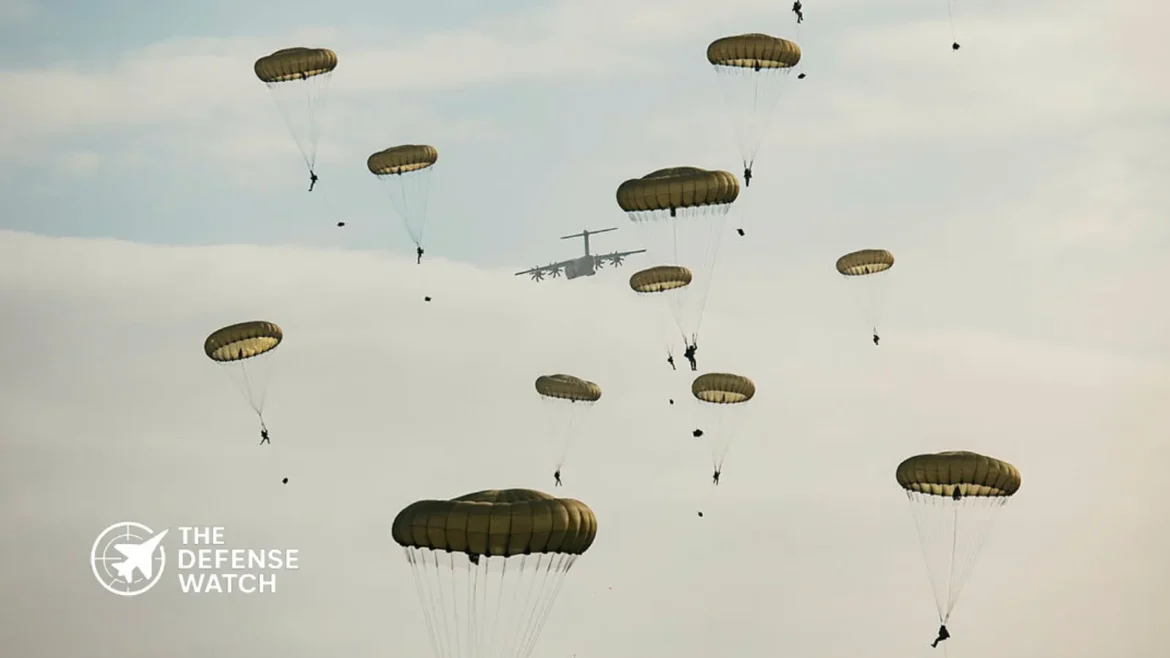
The British Army parachute jump conducted recently marks the largest airborne operation by the British Army in more than a decade, underscoring a renewed emphasis on rapid deployment capabilities and high-readiness forces.
Hundreds of paratroopers took part in a coordinated mass drop, designed to simulate real-world combat insertion scenarios. The exercise brought together airborne infantry, transport aircraft, and support elements in a synchronized operation aimed at testing operational readiness under realistic conditions.
This large-scale British Army parachute jump reflects a broader shift within UK defense planning, where speed, flexibility, and expeditionary capability are becoming increasingly central.
Scale And Coordination Highlight Operational Readiness
The exercise involved a complex airborne assault scenario, with troops deploying from military transport aircraft in rapid succession. Such operations require precise timing, coordination between air and ground elements, and the ability to establish a foothold immediately upon landing.
Airborne forces are typically among the first units deployed in a crisis. Their ability to insert behind enemy lines or secure key terrain quickly makes them a critical component of modern military strategy.
By conducting its largest British Army parachute jump in years, the UK is demonstrating that it retains the capability to deploy significant combat power at short notice. This is particularly relevant in scenarios where forward basing is limited or access is contested.
Strategic Context: Why Airborne Forces Matter Again
The renewed focus on airborne operations comes amid shifting geopolitical dynamics and increased emphasis on rapid response forces across NATO. Countries are investing more in units that can deploy quickly without relying on established infrastructure.
For the UK, airborne forces serve as a key element of its global response posture. They can be deployed independently or as part of a larger coalition force, supporting missions ranging from deterrence to high-intensity conflict.
The scale of this British Army parachute jump suggests that planners are preparing for scenarios where early entry forces must operate in contested environments. This includes potential operations in Eastern Europe, the High North, or other regions where rapid insertion could be decisive.
Operational Lessons And Capability Development
Large-scale exercises like this are not just demonstrations. They are critical for identifying gaps in capability and improving coordination across units.
Key areas likely assessed during the operation include:
- Aircraft loading and deployment efficiency
- Paratrooper dispersion and landing accuracy
- Communication between airborne and ground units
- Speed of assembling combat-ready formations after landing
These lessons feed directly into future doctrine and training cycles, ensuring that airborne units remain effective in modern combat environments.
The British Army parachute jump also highlights the importance of maintaining interoperability with allies. Airborne operations often involve multinational forces, particularly within NATO frameworks.
Air Mobility And Force Projection
Airborne operations depend heavily on transport aircraft and logistical support. While the exercise details did not specify all platforms involved, such operations typically rely on assets from the Royal Air Force, including heavy-lift and tactical transport aircraft.
This integration of air and land forces is essential for force projection. It allows the UK to respond quickly to emerging threats without the need for prolonged deployment timelines.
In practical terms, the ability to conduct a large British Army parachute jump enhances the UK’s credibility as a rapid reaction force contributor within NATO and other alliances.
What This Means For Future Operations
The scale and execution of this operation indicate that airborne forces remain a priority within UK defense strategy. While modern warfare increasingly includes cyber and space domains, traditional capabilities like airborne insertion continue to play a vital role.
This exercise sends a clear signal that the UK is investing in readiness and operational flexibility. It also demonstrates the continued relevance of airborne forces in scenarios where speed and surprise are critical.
As global security challenges evolve, the ability to deploy forces quickly and effectively will remain a key determinant of military effectiveness. The British Army parachute jump serves as a reminder that even long-established capabilities are being adapted to meet modern demands.
- ► UK Nightfall procurement plans have not been formally confirmed by the British government.
- ► Parliamentary questions sought clarity on timelines and funding for Nightfall.
- ► Ministers reiterated that UK air defense capabilities are under continuous review.
- ► The debate comes amid heightened focus on integrated air and missile defense across NATO.
- ► No contract award, production schedule, or delivery timeline has been disclosed.
UK Nightfall Procurement Plans Under Scrutiny
UK Nightfall procurement plans are drawing renewed attention after the British government declined to provide detailed answers on whether it intends to move forward with the program. The issue surfaced in Parliament, where ministers were asked to clarify the status of Nightfall and the broader modernization of the United Kingdom’s ground based air defense network.
The government response offered no firm commitment, instead reiterating that air defense capabilities are kept under constant review as part of defense planning processes. No procurement timeline, contract award, or budget allocation was confirmed.
The lack of clarity comes at a time when European security dynamics remain tense following Russia’s full scale invasion of Ukraine and sustained missile and drone campaigns targeting critical infrastructure. NATO members, including the United Kingdom, have increased focus on integrated air and missile defense in response.
Parliamentary Pressure And Strategic Context
Members of Parliament raised concerns about the future of the UK Nightfall procurement plans, seeking transparency on whether the program remains active or has been delayed. The Ministry of Defence has not publicly defined Nightfall’s full technical scope, but it is understood to be associated with modernizing the British Army’s ground based air defense capabilities.
At present, the British Army fields systems such as Sky Sabre, designed to intercept aircraft, drones, and certain missile threats. However, evolving battlefield trends, particularly the widespread use of low cost drones and cruise missiles, have prompted calls for layered and scalable air defense networks.
The government’s response emphasized that capability decisions are aligned with the Integrated Review and subsequent defense updates. Yet the absence of firm statements on UK Nightfall procurement plans leaves open questions about prioritization and funding.
From an analytical standpoint, ambiguity in procurement messaging can reflect several realities. Programs may be in early assessment phases, awaiting spending review outcomes, or subject to classified capability considerations. However, in a high threat environment, delayed clarity can also complicate industry planning and allied coordination.
Air Defense Modernization And NATO Commitments
The United Kingdom is a core NATO member and contributes to alliance air policing and missile defense missions. Integrated air and missile defense has become central to NATO planning, especially after the war in Ukraine demonstrated the scale and persistence of modern aerial threats.
Across Europe, several nations have accelerated procurement of ground based air defense systems. Germany’s European Sky Shield Initiative and Poland’s missile defense expansion underscore a regional shift toward layered protection.
In this context, UK Nightfall procurement plans carry broader strategic weight. If Nightfall represents a next generation air defense capability, delays or uncertainty could affect the United Kingdom’s ability to align with allied architecture and shared defense frameworks.
Defense analysts note that air defense modernization requires long lead times, including radar integration, interceptor procurement, training pipelines, and command and control networks. Clear policy signals help sustain industrial capacity and interoperability planning.
Budget Pressures And Policy Signals
Defense procurement decisions in the United Kingdom are shaped by fiscal constraints and competing modernization priorities, including naval expansion, combat air development, and nuclear deterrent sustainment.
The Ministry of Defence has repeatedly stated that it must balance readiness with long term transformation. In that context, UK Nightfall procurement plans may be weighed against other capital intensive programs.
Still, ground based air defense has gained renewed prominence across NATO. The experience of Ukraine has reinforced that even advanced air forces require resilient, layered surface based defenses to protect infrastructure and deployed forces.
Without confirmed funding lines or contractual milestones, it remains unclear whether Nightfall is a near term acquisition, a mid term concept, or a placeholder for future capability evolution.
What Comes Next
For now, UK Nightfall procurement plans remain undefined in public documentation. Parliamentary scrutiny suggests that lawmakers are seeking greater transparency on timelines and investment levels.
Future defense spending reviews and formal procurement announcements will likely determine whether Nightfall becomes a central pillar of British air defense modernization or remains an aspirational framework.
Until then, the government’s silence underscores the tension between operational security, fiscal discipline, and the growing demand for credible air and missile defense in Europe’s evolving threat environment.