Estonia Advances Critical Missile Defense Procurement Amid Regional Security Concerns
Estonia is approaching a final decision on acquiring a missile defense system, marking a significant step in the Baltic nation’s military modernization efforts as regional security concerns intensify. The Estonian Defense Forces are evaluating multiple platforms from Israeli, American, and European manufacturers to establish a comprehensive air defense capability.
According to reports from Defense News, the procurement decision comes as Estonia and fellow Baltic states Lithuania and Latvia accelerate defense investments in response to Russia’s continued military activities near NATO’s eastern border. The missile defense system acquisition represents one of Estonia’s most substantial defense procurements in recent years, reflecting the nation’s commitment to territorial defense and NATO interoperability.
Competing Systems Under Evaluation
Estonia’s Ministry of Defense has narrowed its selection to several leading air and missile defense platforms currently deployed by NATO allies and partner nations. While specific system designations remain under evaluation, defense industry sources indicate the competition includes:
Israeli Systems: Rafael Advanced Defense Systems’ Iron Dome and potentially the David’s Sling medium-to-long-range system have emerged as strong contenders. Iron Dome’s proven combat record intercepting rockets, artillery, and short-range threats makes it attractive for Estonia’s operational requirements. The system has demonstrated over 90% interception success rates in Israeli Defense Forces operations.
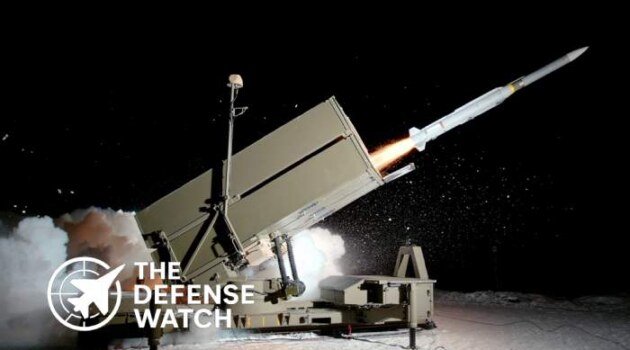
American Options: U.S. defense contractors have presented variants of the Patriot Advanced Capability (PAC-3) system and potentially the National Advanced Surface-to-Air Missile System (NASAMS), currently protecting Washington, D.C. Both platforms offer deep integration with NATO command and control infrastructure.
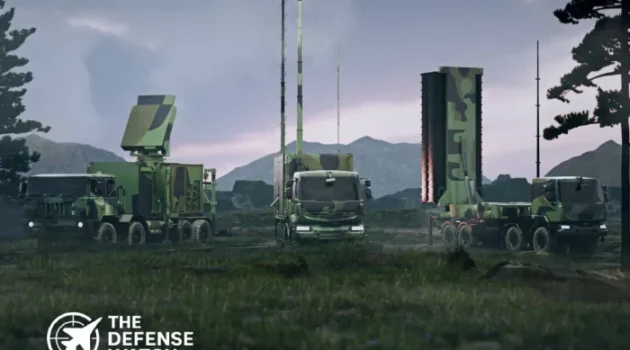
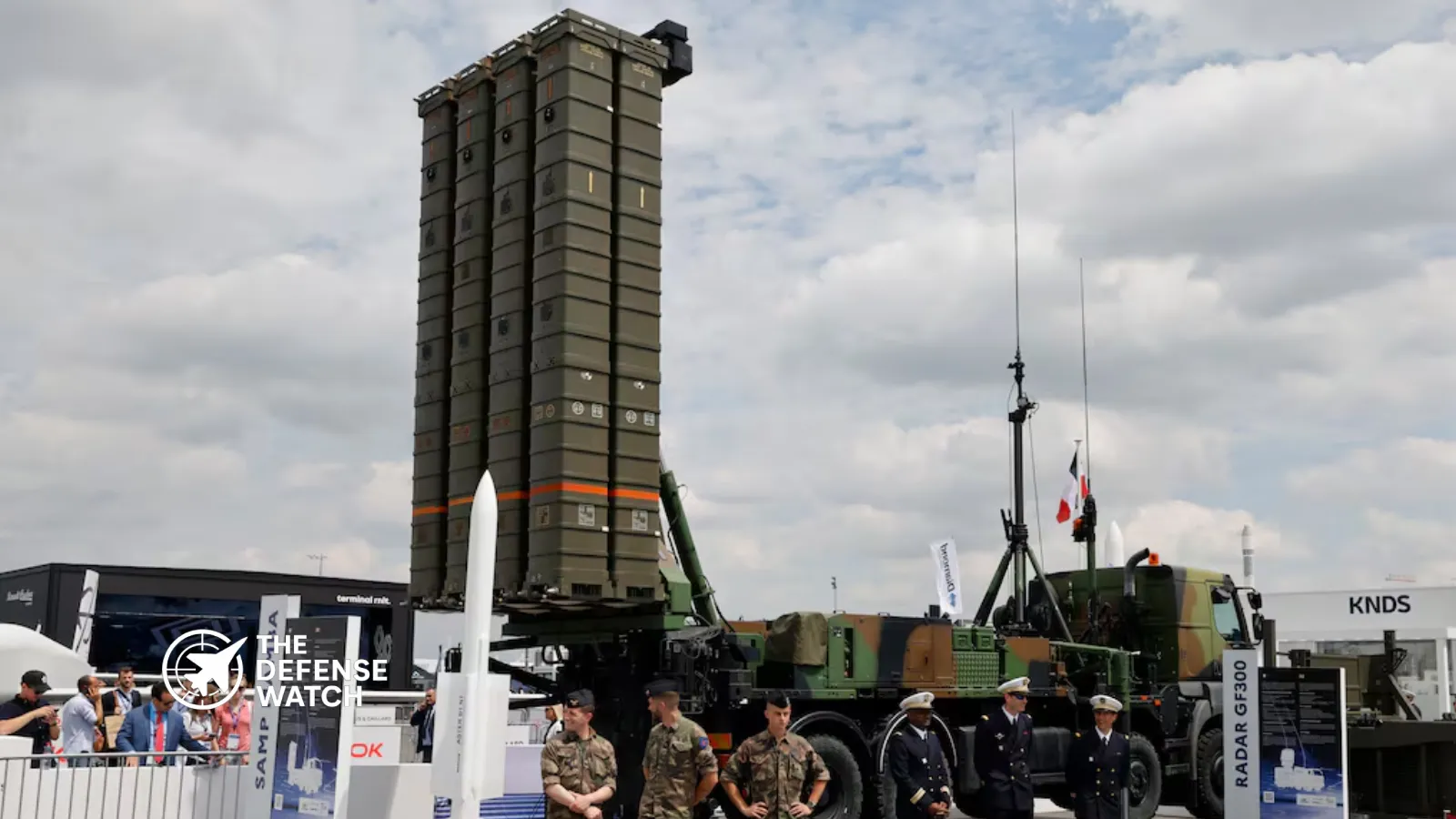
European Alternatives: European defense manufacturers are competing with systems including the Franco-Italian SAMP/T (Surface-to-Air Missile Platform/Terrain) and potentially German-Norwegian developments. These options emphasize European defense industrial base cooperation and reduced dependency on non-EU suppliers.
Strategic Context Driving Procurement
The timing of Estonia’s missile defense decision reflects broader Baltic security dynamics following Russia’s full-scale invasion of Ukraine in February 2022. Estonia, with a population of approximately 1.3 million and sharing a 183-mile border with Russia, has consistently maintained one of NATO’s highest defense spending ratios relative to GDP.
Estonian defense officials have emphasized the need for layered air defense capabilities to protect critical infrastructure, military installations, and population centers from potential missile and drone threats. The system must integrate with NATO’s Integrated Air and Missile Defense (IAMD) architecture while providing autonomous defensive capabilities.
(adsbygoogle = window.adsbygoogle || []).push({});Lithuania and Latvia are pursuing parallel air defense modernization programs, creating potential opportunities for coordinated procurement and joint training initiatives among the Baltic states. Such cooperation could enhance regional defense effectiveness while achieving economies of scale in acquisition and sustainment costs.
Technical Requirements and Operational Capabilities
Estonia’s technical specifications reportedly prioritize several key capabilities:
Rapid Deployment: Mobile systems capable of repositioning across Estonia’s compact territory to protect high-value assets and respond to evolving threat scenarios.
Multi-Domain Integration: Seamless connectivity with NATO early warning systems, including airborne surveillance platforms and ground-based radars positioned throughout the Baltic region.
Counter-Precision Strike: Ability to intercept cruise missiles, ballistic missiles, and unmanned aerial systems that could target Estonian defense infrastructure or NATO forces stationed in the country.
Sustainability: Long-term supportability with reliable supply chains for interceptor missiles, maintenance, and system upgrades throughout the platform’s operational lifecycle.
Defense analysts note that Estonia’s choice will likely influence neighboring Baltic procurement decisions, potentially establishing a regional standard for air defense architecture. Interoperability between Estonian, Latvian, and Lithuanian systems would strengthen collective defense capabilities across NATO’s northeastern frontier.
Budget Allocation and Timeline
While Estonian defense officials have not publicly disclosed the specific budget allocation for the missile defense acquisition, the procurement represents a multi-hundred-million-euro investment spread across several fiscal years. Estonia’s defense budget for 2026 exceeds €1.3 billion, with significant portions dedicated to capability development and modernization.
The procurement timeline suggests a contract decision could be announced within the first half of 2026, with initial system deliveries potentially beginning in 2027-2028. Training Estonian personnel on complex air defense operations typically requires 12-18 months, indicating full operational capability may be achieved by 2029.
NATO Support and Allied Cooperation
Estonia’s missile defense procurement aligns with NATO’s broader efforts to strengthen the alliance’s eastern flank following the 2022 NATO Summit in Madrid, where allies committed to enhanced forward defense posture. The United States and other NATO members have increased rotational force deployments to the Baltic states, including air defense assets.
NATO’s Air Policing mission over the Baltic states, conducted continuously since 2004, provides airspace surveillance and quick reaction alert capabilities. However, Estonian officials have emphasized the need for sovereign air defense capabilities that complement rather than replace allied contributions.
(adsbygoogle = window.adsbygoogle || []).push({});The alliance’s Defense Investment Pledge, requiring members to spend at least 2% of GDP on defense with 20% allocated to major equipment procurement, provides the framework supporting Estonia’s acquisition. Estonia has consistently exceeded both thresholds, demonstrating sustained commitment to alliance burden-sharing principles.
Regional Security Implications
Estonia’s missile defense decision carries significant implications for Baltic security architecture and NATO deterrence posture. The deployment of advanced air defense systems in Estonia would complicate potential Russian military planning while demonstrating allied resolve to defend every inch of NATO territory.
Defense experts observe that credible air and missile defense capabilities reduce vulnerabilities that adversaries might exploit during crisis situations. For Estonia, positioned on NATO’s frontier, such capabilities contribute to both deterrence and defense across the spectrum of potential contingencies.
The procurement also reflects broader European defense trends toward increased self-reliance and enhanced territorial defense capabilities. As European nations navigate evolving security environments, investments in air and missile defense represent foundational elements of credible national defense strategies.
Industry Competition and Economic Considerations
The competition among Israeli, American, and European defense contractors involves not only technical performance but also industrial cooperation commitments, technology transfer opportunities, and long-term partnership arrangements. Estonia has emphasized the importance of offset agreements that contribute to domestic defense industrial development.
Successful bidders may commit to establishing maintenance facilities, training centers, or research partnerships within Estonia, creating economic opportunities while building national defense capabilities. Such arrangements align with broader NATO Smart Defence initiatives promoting multinational cooperation and efficient resource allocation.
(adsbygoogle = window.adsbygoogle || []).push({});The final selection will likely balance operational effectiveness, lifecycle costs, alliance interoperability, and strategic partnership considerations. Estonia’s decision-making process reflects the complex calculus facing smaller NATO members seeking to maximize defense capabilities within fiscal constraints.
Conclusion
Estonia’s approaching decision on missile defense system acquisition represents a pivotal moment in Baltic security development. As the nation evaluates Israeli, American, and European platforms, the procurement will establish critical air defense capabilities while reinforcing NATO’s eastern flank defensive posture.
The chosen system will serve Estonian defense requirements for decades while contributing to regional deterrence and alliance collective defense. With a decision expected in coming months, defense industry observers and allied defense planners closely monitor Estonia’s selection process as a bellwether for Baltic air defense modernization.