• Home
  • About
  • Defense Systems
  • Manufacturer
  • Comparisons
  • Compare 
  • Tools
TheDefenseWatch.com
  • Aerospace & Aviation
  • Military & Ordnance
  • Naval & Maritime
  • Cyber & Space Defense
  • Policy & Strategy
  • Global News
  • Tools Library
    • Smart Calculator
    • Drone Flight Time Calculator
    • Drone Range Calculator
    • Counter-Drone Jammer Effective Range Calculator
    • Counter-Battery Radar Detection Calculator
    • Artillery Fire Correction Calculator
    • Thermal Camera Detection Range Calculator
    • Missile Range & Time-of-Flight Calculator
    • Radar Detection Range Calculator
    • FPV Strike Drone Payload vs Range Calculator
    • Loitering Munition Endurance Calculator
    • Sniper Ballistic Drop & Windage Calculator
    • Bullet Drop Calculator
    • U.S. Army Combat Fitness Test (ACFT) Calculator
    • Military Pension Calculator
    • Military Retirement Calculator
    • Military Pension Calculator
    • Large Number Calculator
Font ResizerAa

TheDefenseWatch.com

The Defense Watch | U.S. & Global Defense News, Analysis & Military Updates

Search
  • Home
  • About
  • Defense Systems
  • Manufacturer
  • Comparisons
  • Compare 
  • Tools

Stay Updated

Get the latest update

Subscribe

Explore

  • Drone
  • Fighter Jets & Military Aircraft
  • Hypersonic Weapons
  • Aircraft Carriers
  • Strategic History & Missions
  • Tools Library
Home » Israel Seeks US Operational Freedom to Strike Iran Amid Nuclear and Missile Dispute
Middle East Defense & Security

Israel Seeks US Operational Freedom to Strike Iran Amid Nuclear and Missile Dispute

Daniel Mercer / Defense & Aerospace Analyst
Last updated: February 4, 2026 12:56 am
Daniel Mercer / Defense & Aerospace Analyst
Share
2 Min Read
Israel operational freedom Iran
SHARE

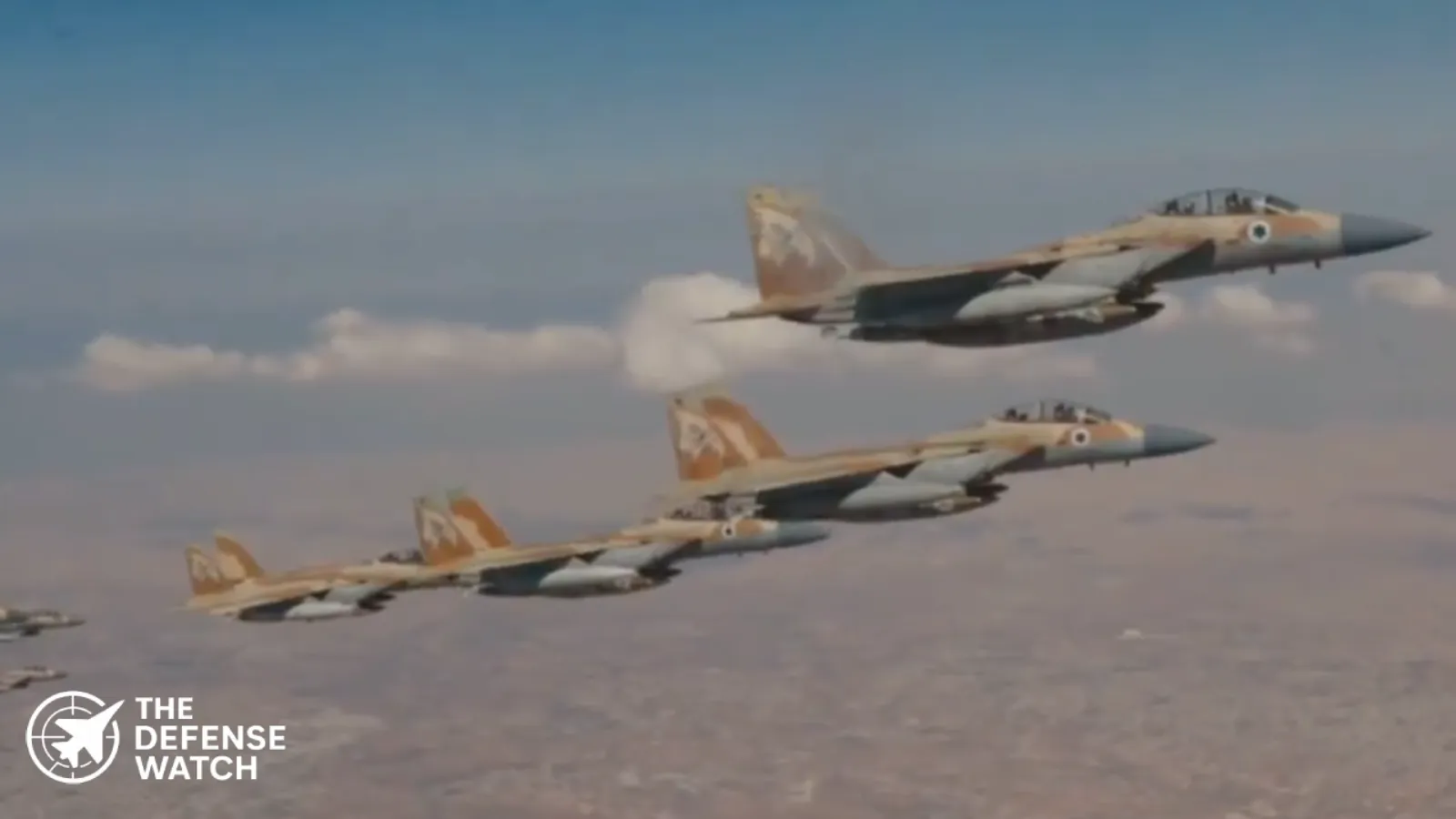
Israel has formally requested operational freedom from the United States to conduct potential independent military action against Iran’s ballistic missile and nuclear infrastructure as negotiations between Washington and Tehran continue.

Contents
  • Israel’s Request for Operational Freedom
  • US‑Iran Diplomatic Context
  • Divergence Between Tel Aviv and Washington
  • Iranian Reactions and Regional Risks
  • What This Means for US‑Israel Policy

Israel’s Request for Operational Freedom

Israeli officials have asked the US for greater latitude to act independently in responding to what Tel Aviv views as urgent threats from Iran, notably its ballistic missile buildup and nuclear program. According to coverage by Israel’s public broadcaster, the request seeks assurances that Israel can conduct unilateral strikes on Iranian strategic targets if necessary, without restrictions from Washington.

This push comes as US‑Iran talks on nuclear and missile issues advance, with unresolved gaps between Israeli and American priorities. Israeli military analysts say that ongoing negotiations may not sufficiently address Tehran’s missile arsenal, which Israel views as a core threat.

At the same time, Israeli forces remain on alert, anticipating that diplomatic engagement might not deter a regional conflict or halt Iranian programs seen as destabilizing.

- Advertisement -

US‑Iran Diplomatic Context

President Donald Trump’s administration is engaged in revived diplomatic outreach with Tehran aiming to rein in uranium enrichment and limit Iran’s missile capabilities. Iranian leadership has signaled willingness to pursue talks, framing them as fair and balanced, even as military tensions persist.

In Washington, analysts see limited US and Israeli coordinated actions on Iran that aim to pressure Tehran without sparking a larger war. Financial markets have reflected the risk with recent shifts in oil pricing.

Separately, the US State Department authorized significant arms sales to key regional partners, including Israel and Saudi Arabia, to boost defensive capabilities amid rising tensions.

Divergence Between Tel Aviv and Washington

The request for operational freedom underscores a strategic divergence. Israel wants assurances that it can strike core Iranian systems if diplomacy fails, particularly targeting missile production and launch infrastructure. Tel Aviv sees these as immediate dangers that could overwhelm defenses in any future confrontation.

Washington, for its part, publicly stresses that direct US involvement in strikes against Tehran is not its stated position, and has repeatedly placed emphasis on diplomacy backed by credible defensive forces. In past similar events, senior US officials denied involvement in unilateral Israeli actions and framed their priority as protecting American forces in the region rather than joining offensive operations.

Iranian Reactions and Regional Risks

Iran’s leadership has warned that any direct military attack could lead to wider conflict, framing such actions as provocations that would ignite multiple fronts across the Middle East. Supreme Leader Ayatollah Ali Khamenei and other officials have emphasized a resolute defense posture while signaling readiness to negotiate.

Tehran’s diplomatic strategy appears to be focused on keeping talks alive while resisting what it views as excessive demands, particularly on its missile program, which it claims are for defensive purposes.

What This Means for US‑Israel Policy

Israel’s push for operational freedom reflects continuing frustration in Jerusalem over perceived limits on military options and the pace or scope of US‑led diplomacy. If Washington declines to provide broad assurances, Israeli planners may prepare for independent action at some point. This could place additional strain on the US‑Israel partnership, even as both governments share core strategic goals in countering Tehran.

- Advertisement -

At the same time, the US seeks to balance deterrence, defense cooperation, and diplomatic engagement to avoid wider conflict. How Washington responds to Israel’s request will likely shape regional security dynamics and the broader approach to Iran’s long‑standing nuclear and missile programs.


TAGGED:IranIsraelMiddle East securityUnited StatesUS‑Israel relations
Share This Article
Facebook Copy Link Print
ByDaniel Mercer / Defense & Aerospace Analyst
Follow:
Daniel Mercer is a defense and aerospace analyst at TheDefenseWatch.com covering military aviation, aerospace technology, unmanned systems, air warfare, and defense procurement. His reporting uses official documents, government and military statements, company announcements, and other public sources.
Leave a Comment

Leave a Reply Cancel reply

Your email address will not be published. Required fields are marked *

Latest Defense Systems

  • RUTA B1 Cruise Missile RUTA B1 Cruise Missile
  • XQ-67A Drone XQ-67A Drone
  • B-25 Mitchell Bomber B-25 Mitchell Bomber
  • F-100 Super Sabre F-100 Super Sabre
  • North American F-86 Sabre North American F-86 Sabre
  • North American XB-70 Valkyrie North American XB-70 Valkyrie
  • Northrop YF-23 Fighter Northrop YF-23 Fighter
  • P-51 Mustang Fighter Aircraft P-51 Mustang Fighter Aircraft
  • Rafale F5 Fighter Rafale F5 Fighter

Recent Compares

  • J-10C vs JF-17 Thunder: Which Fighter Is More Capable? J-10C vs JF-17 Thunder: Which Fighter Is More Capable? View Comparison →
  • Tejas vs Gripen: Key Differences and Capabilities Tejas vs Gripen: Key Differences and Capabilities View Comparison →
  • Tejas vs MiG-21 Bison: How India Replaced Its Iconic Supersonic Fighter Tejas vs MiG-21 Bison: How India Replaced Its Iconic Supersonic Fighter View Comparison →
  • F-35 vs F-16: Stealth, Sensors and Combat Roles F-35 vs F-16: Stealth, Sensors and Combat Roles View Comparison →
  • Tejas Fighter Jet vs F-16 Fighting Falcon: Capability Compared Tejas Fighter Jet vs F-16 Fighting Falcon: Capability Compared View Comparison →
  • Rafale Fighter Jet vs F-16 Fighting Falcon : Which Fighter Has the Edge? Rafale Fighter Jet vs F-16 Fighting Falcon : Which Fighter Has the Edge? View Comparison →
  • Su-57 Fighter Jet vs J-20 Fighter Jet: Stealth and Air Combat Compared Su-57 Fighter Jet vs J-20 Fighter Jet: Stealth and Air Combat Compared View Comparison →
  • Mirage 2000 vs Tejas Mk1A: Legacy Combat Power vs Indigenous Modernization Mirage 2000 vs Tejas Mk1A: Legacy Combat Power vs Indigenous Modernization View Comparison →
  • Rafale Fighter Jet vs F-22 Raptor: Which Air Dominance Fighter Has the Edge? Rafale Fighter Jet vs F-22 Raptor: Which Air Dominance Fighter Has the Edge? View Comparison →
  • Tejas Fighter Jet vs. Rafale Fighter Jet: India’s Indigenous Fighter Meets France’s Proven Multirole Combat Aircraft Tejas Fighter Jet vs. Rafale Fighter Jet: India’s Indigenous Fighter Meets France’s Proven Multirole Combat Aircraft View Comparison →

Recent Posts

  • Iran Releases Footage of Underground Missile Tunnels Amid Rising US Military Tensions
  • China Says HQ Missile Systems Intercepted Two New Missile Types in PLA Drill
  • Phoenix Defense Ventures Wins $310.5 Million HH-60W Training Contract
  • Rolls-Royce Showcases Naval Engines and Automation Systems at Euronaval 2026
  • North Korea Tests Cruise Missile With Dispersal Warhead, KCNA Says

You Might Also Like

UAE Yemen counter-terrorism withdrawal
Middle East Defense & Security

UAE Ends Yemen Counter-Terrorism Mission, Withdraws Remaining Forces

December 31, 2025
France Saudi Arabia Yanbu air defense
Middle East Defense & Security

France to Deploy Troops, Radar and Air Defense to Protect Saudi Yanbu Oil Hub

September 25, 2026
Israel Iran missile exchanges
Middle East Defense & Security

Israel Moves To Halt Missile Exchanges As Iran Retaliates After Beirut Strike

September 7, 2026
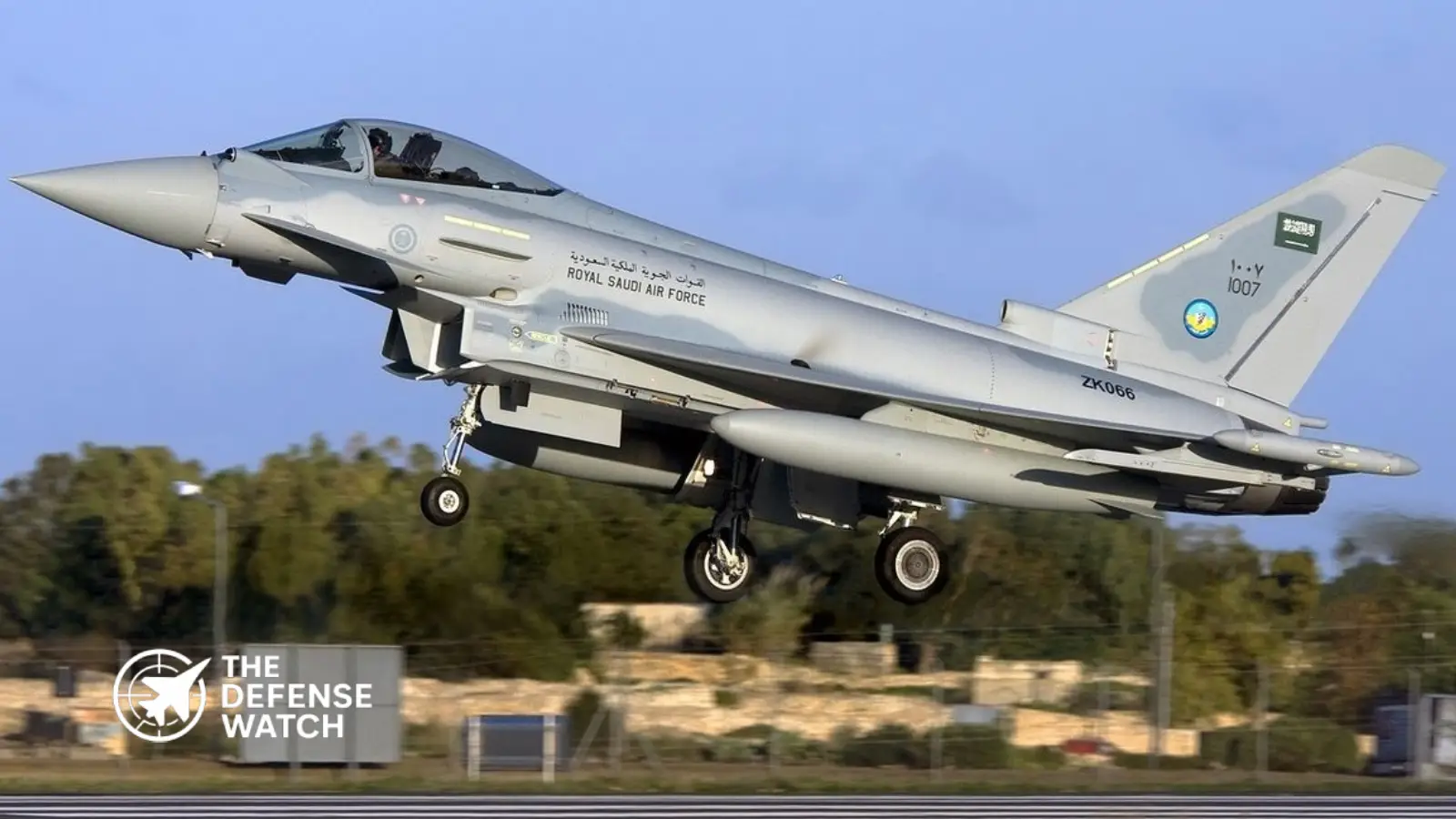
Saudi fighter jets flying during heightened Middle East tensions after reported covert strikes on Iran
Middle East Defense & Security

Saudi Arabia Launches Covert Strikes On Iran As Gulf Conflict Deepens

September 7, 2026

Logo

Copyright © 2026 TheDefenseWatch.com

Helpful Links

  • Home
  • About Us
  • Privacy Policy
  • Terms of Use / Disclaimer
  • U.S. Privacy Notice – CCPA Compliance

Defense Systems

  • Defense Systems
  • Comparisons 
  • Manufacturer
  • Tactical Calculators

Popuplar

Which 5 Air Forces Possess the Costliest Fighter Jet Fleets in the World
Evolving Strategic Value: Carrier Strike Groups in the Indo-Pacific’s Future Security Architecture
Autonomous Weapon Systems Spark U.S. Ethics Debate Amid Rapid Military AI Integration

We report on developments involving military forces, governments, defense companies, research organizations, and security institutions around the world. 

Welcome Back!

Sign in to your account

Username or Email Address
Password

Lost your password?