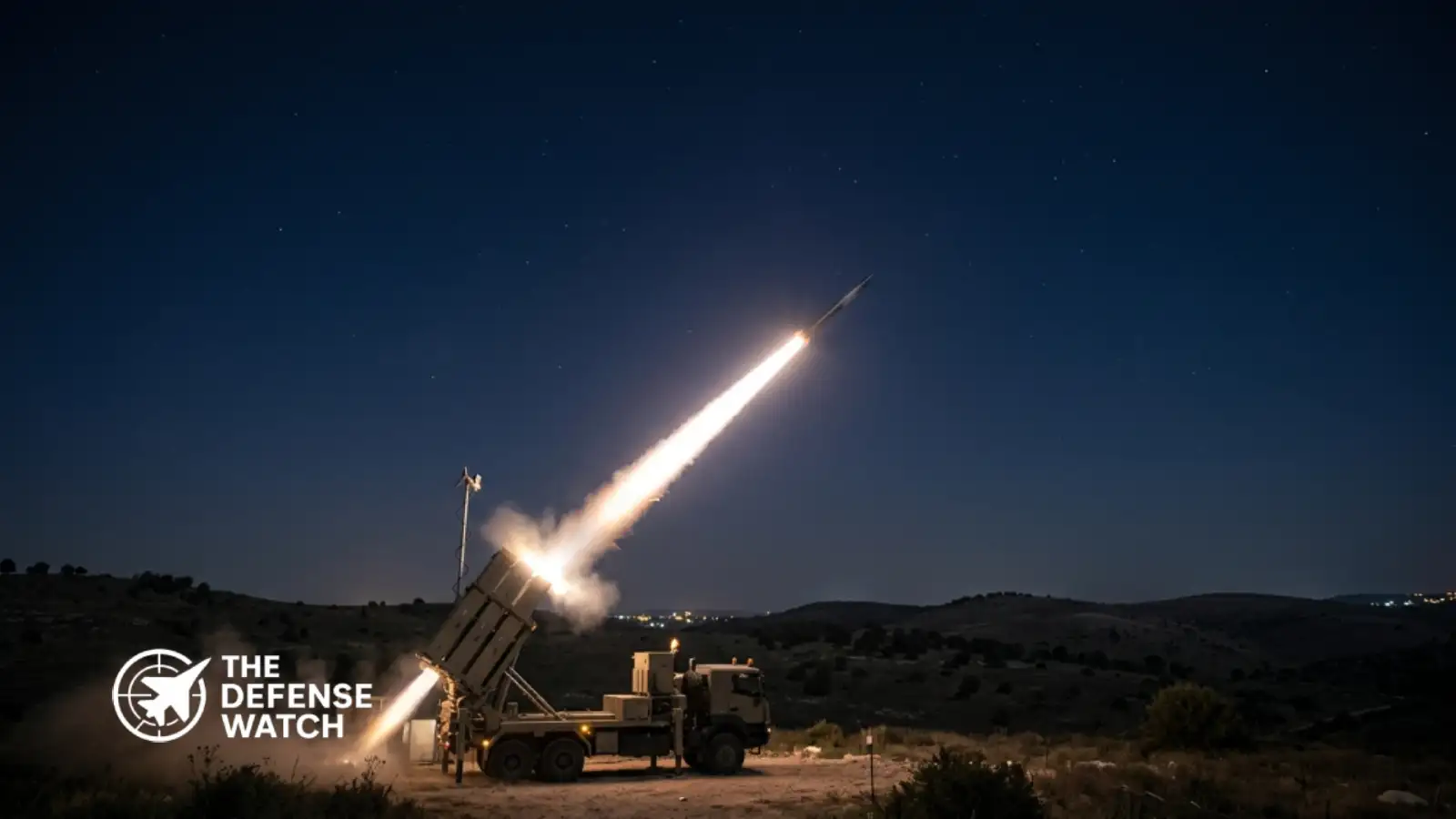
(adsbygoogle = window.adsbygoogle || []).push({});Executive Summary:
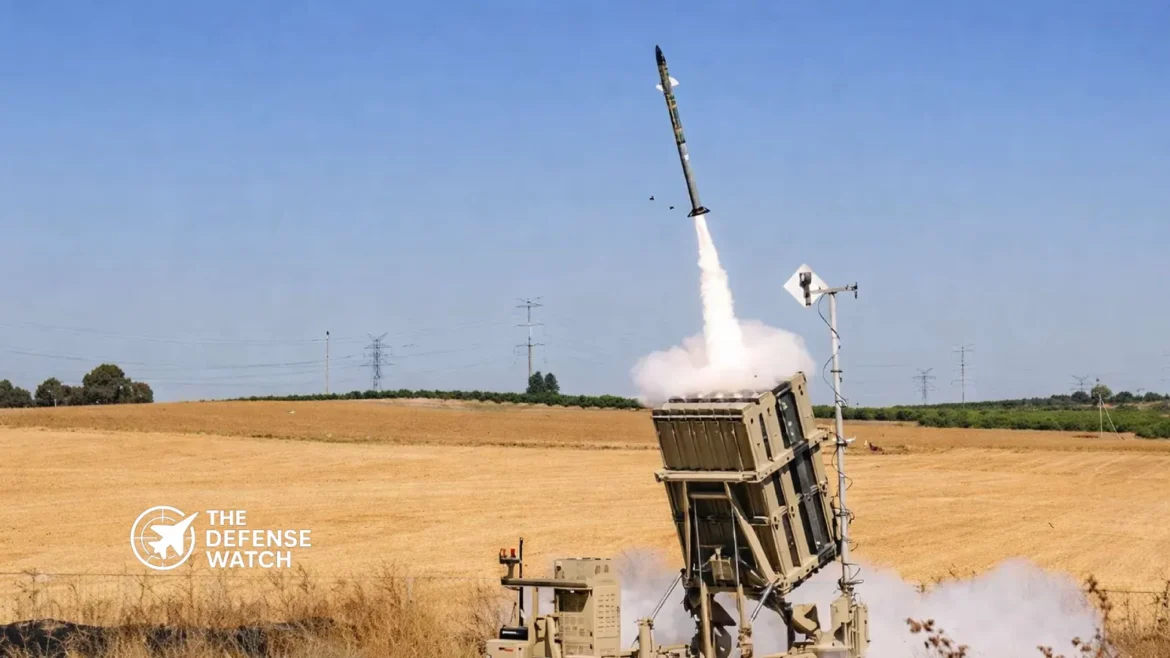
Iron Dome is Israel’s short-range air defense system, built by Rafael and Israel Aerospace Industries to shoot down rockets, mortars, and drones before they hit populated areas. Since 2011 it has fired thousands of Tamir interceptors at a claimed success rate above 90%, but the math has always been brutal: each interceptor can cost more than a hundred times what the rocket it destroys costs to build. In 2026, cheap fiber-optic FPV drones are exposing the one gap that math never accounted for.
The $100,000 Answer to a $300 Problem
A Qassam rocket costs Hamas roughly $300 to $800 to build. The Tamir interceptor Israel fires to stop it costs somewhere between $40,000 and $100,000, and batteries frequently fire two per target to guarantee a kill, given Tamir interceptor costs ranging from $40,000 to $100,000 depending on production batch and variant, against Hamas rockets costing as little as $300. That’s not a rounding error in a defense budget. It’s a structural weakness written into the system on day one, and it’s the central tension that defines everything Iron Dome does.
Since its first live intercept on April 7, 2011, near Beersheba, Iron Dome has become the busiest missile defense system on Earth, having engaged and destroyed thousands of incoming rockets, mortar rounds, and short-range missiles since that first intercept, fundamentally changing the calculus of the Israeli-Palestinian conflict. It was never built to stop an army. It was built to buy Israeli civilians fifteen seconds of warning and a fighting chance.
atOptions = { ‘key’ : ‘e7d18db8b7513fb2a224cf4c3f18bbf0’, ‘format’ : ‘iframe’, ‘height’ : 90, ‘width’ : 728, ‘params’ : {} };Key Facts at a Glance
- Built by: Rafael Advanced Defense Systems and Israel Aerospace Industries, with Raytheon co-production support
- Operational since: March 27, 2011 (first intercept April 7, 2011)
- Interceptor: Tamir missile, ~3m long, 90kg at launch
- Engagement range: 4 to 70 km
- Interceptor cost: ~$40,000–$100,000 per unit
- Battery cost: ~$100 million (2012/13 estimate)
- Claimed success rate: Above 90% against threats heading for populated areas
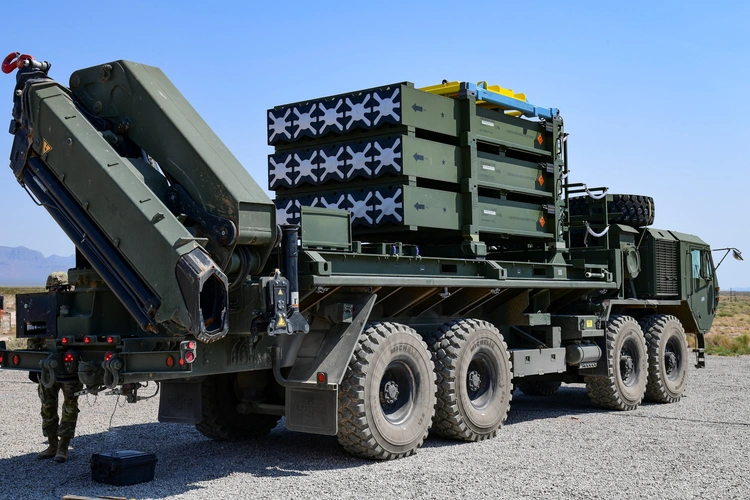
The Deep Dive: How Iron Dome Actually Works
Every Iron Dome battery runs on three components working in sequence. First, the EL/M-2084 radar — an S-band active electronically scanned array built by Elta — picks up a launch and starts tracking it, detecting incoming targets and providing midcourse guidance for the Tamir interceptor. That radar can track threats out to 4 to 70 km, giving the system enough lead time to make a decision before the projectile becomes unstoppable.
That decision is the part competitors don’t talk about enough. A battle management computer — built for Rafael by mPrest Systems — takes the radar track and runs a trajectory projection, determining whether the incoming rocket or missile will land in an inhabited area, disregarding the projectile if it will not. Roughly a third to nearly half of all incoming fire gets ignored on purpose, because engaging it would waste a $50,000 missile on an empty field.
(adsbygoogle = window.adsbygoogle || []).push({});Only after that filter does a Tamir interceptor leave the launcher. Each launcher holds up to 20 Tamir missiles, and a full battery runs three to four launchers plus the radar and command post, with each Iron Dome battery covering up to 150 square kilometers against short-range missiles, mortars, and rockets. The Tamir itself closes using a datalink plus an onboard active radar seeker, detonating a blast-fragmentation warhead close enough to shred the incoming threat mid-air rather than needing a direct hit.
Cost has always shaped the design as much as physics has. Early Tamir estimates ran near $100,000 per unit; more recent figures from missile-defense trackers put it closer to $40,000 to $50,000 each, though estimates still vary by production batch, generally landing in the $40,000 to $100,000 range, compared with $2 million to $3 million for a Patriot interceptor. Either way, it’s the cheapest tier in Israel’s layered shield — Arrow 2 and Arrow 3 interceptors run into the millions of dollars apiece, reserved for genuine ballistic missile threats.
Data Block: Iron Dome vs. the Layer Above It
Metric Iron Dome (Tamir) Arrow 3 Primary role Rockets, mortars, short-range threats, drones Exo-atmospheric ballistic missile intercept Engagement range 4–70 km Hundreds of km, upper atmosphere/space Cost per interceptor ~$40,000–$100,000 ~$3–4 million Battery cost ~$100 million Significantly higher, program-classified Manufacturer Rafael / IAI, Raytheon co-production IAI, Boeing partnership Notable 2026 use UAE deployment, Iron Beam joint drills 12-Day War against Iranian ballistic salvos The layering matters more than either system alone. During the June 2025 12-Day War, Iran launched more than 500 ballistic missiles at Israel, and Arrow carried most of that load — but Iron Dome has since started doing work it was never designed for. Trackers posted footage of several possible Iron Dome missile interceptions during the day and night of March 11 in the 2026 conflict, suggesting the system has some ad hoc capability against ballistic debris and short-range missiles well outside its original spec sheet.
That improvisation is being stress-tested from a different direction, too. Half of Iran’s 2026 ballistic warheads reportedly carried cluster submunitions rather than a single payload, a tactic that exposed a vulnerability in Israeli defenses, forcing defenders to either ignore the dispersing bomblets or burn expensive interceptors engaging each one individually. Every workaround like this pulls Iron Dome further from its original job description — and further from its original economics.

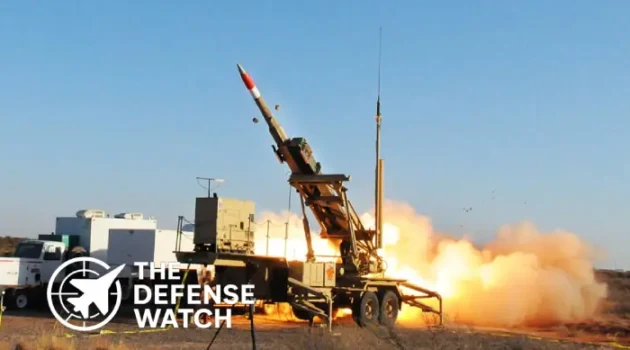
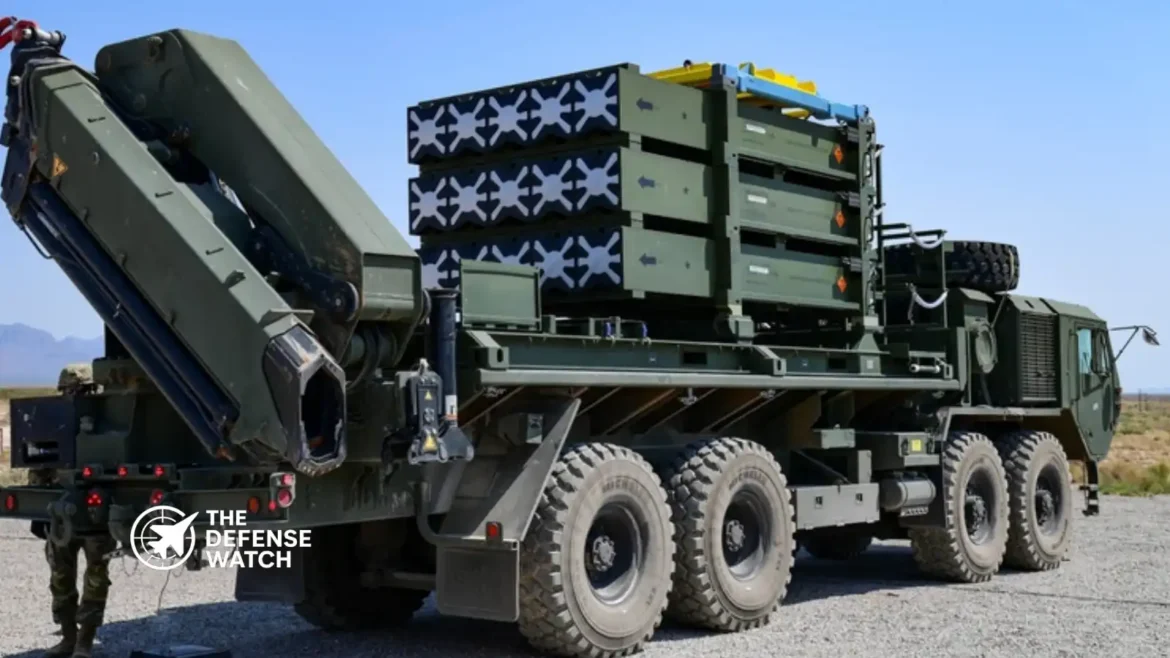
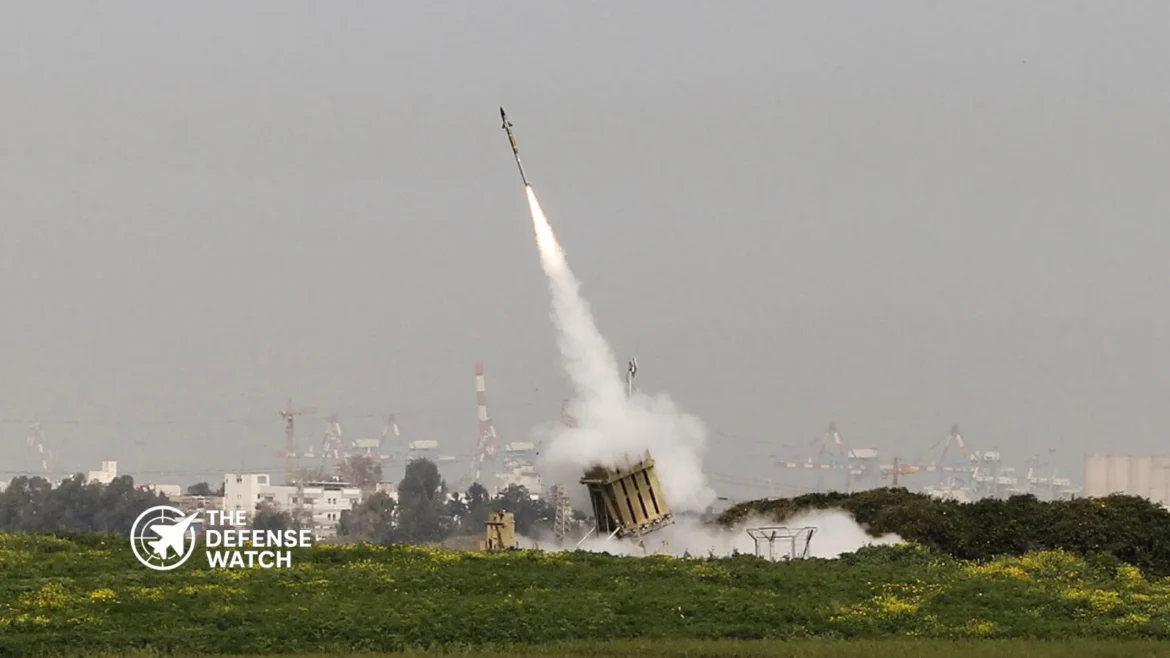
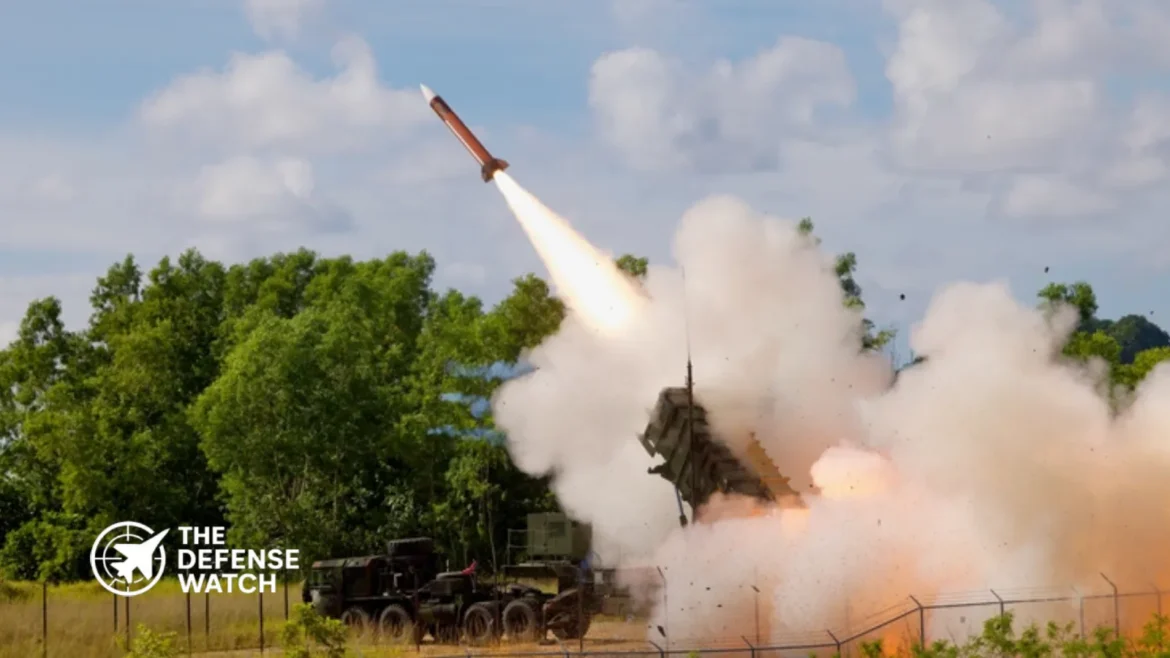
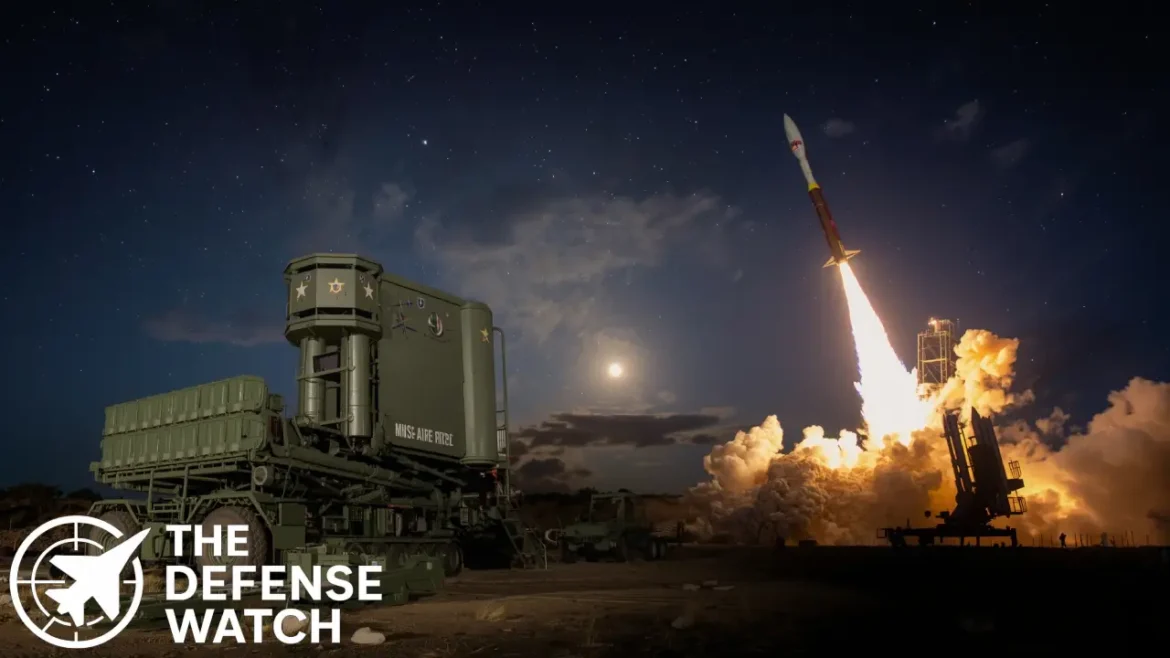
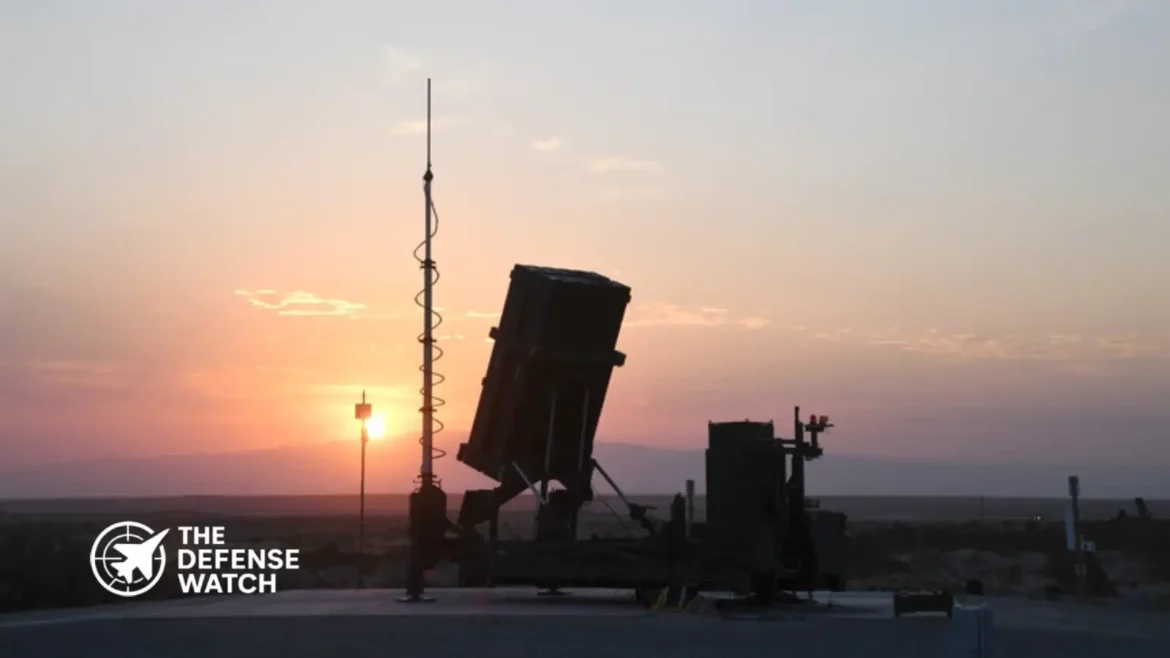
Image : Iron Dome missile defense system The Insight: Iron Dome Plays the “Anchor” Role, and Anchors Get Flanked
In tactical shooters, the anchor doesn’t chase kills — they hold a chokepoint, deny an angle, and let everyone else play around that certainty. Iron Dome has been Israel’s anchor since 2011: a fixed, reliable stop on the most common threat vector, freeing Arrow and David’s Sling to specialize against harder targets. That division of labor is exactly why Israel’s air defense has functioned as a system instead of a single point of failure.
But anchors lose to flanks, not to frontal assault. Iron Dome’s radar and battle-management logic were built to read ballistic arcs — predictable parabolas from unguided rockets. Hezbollah’s fiber-optic FPV drones don’t fly that profile at all, flying low and connected via fiber-optic cable rather than radio, so jamming doesn’t disrupt them, and they don’t climb high enough to register on radar built for ballistic threats. It’s the exact same lesson competitive shooter rosters relearn every patch cycle: a strategy optimized to counter one threat pattern creates a blind spot for anything that refuses to move the way the model expects.
(adsbygoogle = window.adsbygoogle || []).push({});The results are already visible in northern Israel. The IDF has logged 645 Hezbollah FPV drone attacks on military and civilian targets in northern Israel and southern Lebanon since a partial ceasefire took effect in April 2026, and Hezbollah has circulated footage claiming direct hits on Iron Dome launchers. Independent visual analysis of some of that footage found the “hits” actually struck decoys, lacking the hydraulic struts and structural components a real launcher requires — which cuts both ways: Israel is fielding decoys because the drone threat is real enough to warrant them.
The lesson that matters: No air defense architecture is threat-agnostic. Iron Dome solved the ballistic-arc problem so completely that it became a symbol of Israeli technological superiority — and that same specialization is what an adversary studies to find the gap. The system that wins today’s meta gets flanked by tomorrow’s off-meta pick.
Why This Still Matters
Israel is already answering the flank. Iron Beam, the directed-energy laser system meant to kill drones for pennies instead of tens of thousands of dollars, completed a joint drill with Iron Dome in late June 2026, with the Defense Ministry running a multi-threat scenario combining the laser and interceptor-based systems, focused mainly on drones but also covering rockets and cruise missiles. Production of Tamir interceptors is also scaling internationally: a $1.25 billion Raytheon-Rafael joint venture began building Tamir interceptors in Arkansas in November 2025, and Rafael is now in early talks to add an Indian production line aimed at export markets, as global demand for the Iron Dome system continues to outpace existing manufacturing capacity in Israel and the US.
None of that fixes the underlying cost-exchange problem — a $40,000 interceptor against a $300 rocket was never sustainable at scale, and a laser only closes that gap if it can survive the same electronic and physical threats the radar-guided system struggles with. What Iron Dome proves, fifteen years and thousands of intercepts in, is that a defense built around one threat profile buys real time — right up until an adversary stops attacking the way you built your system to expect.
FAQ
What is the Iron Dome?Iron Dome is Israel’s short-range, mobile air defense system, designed to detect and shoot down rockets, artillery shells, mortars, and some drones before they reach populated areas.
How much does an Iron Dome interceptor cost?Each Tamir interceptor is generally estimated at $40,000 to $100,000, though batteries often fire two per target to raise kill probability.
What is Iron Dome’s success rate?Israel states a success rate above 90% against threats it classifies as heading for populated areas; independent estimates vary and tend to drop during large, saturated barrages.
Who makes the Iron Dome system?Rafael Advanced Defense Systems and Israel Aerospace Industries developed it, with Raytheon as a co-production partner on the Tamir interceptor.
Can Iron Dome stop drones?Yes, against drones flying at altitude on radar-visible profiles. Low-flying, fiber-optic-guided FPV drones have proven far harder to detect and intercept.

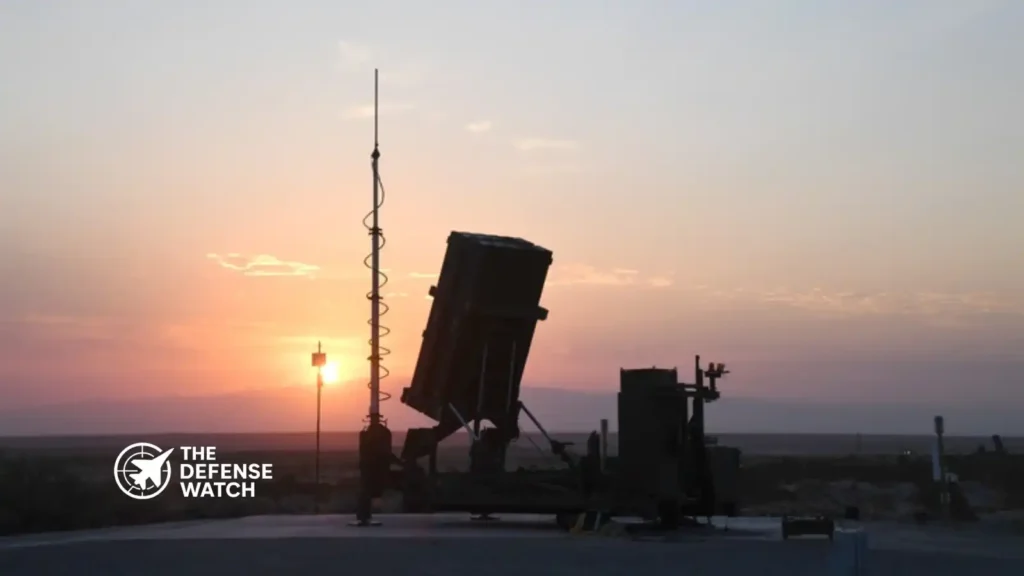
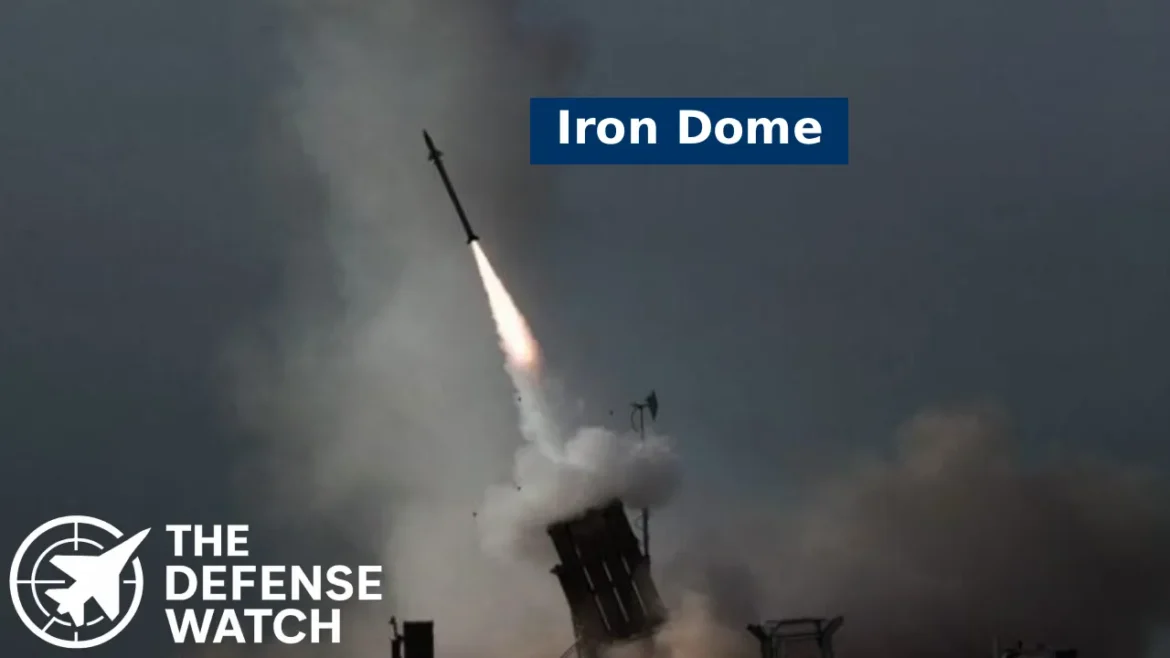
(adsbygoogle = window.adsbygoogle || []).push({});Executive Summary:
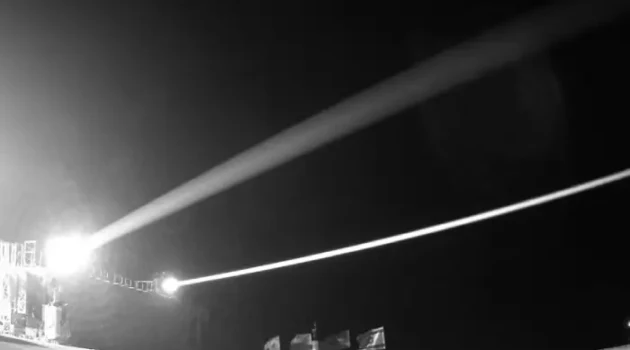
The Israeli Ministry of Defense (MoD) announced on June 30, 2026, the successful completion of a comprehensive test series validating upgrades to the Iron Dome air defense system. The enhancements focus on improving performance against high volumes of fire from rockets, cruise missiles, and unmanned aerial vehicles (UAVs), incorporating lessons from recent operations. Tests also demonstrated integration of the Iron Beam high-power laser system into the Iron Dome battle management center, marking a step toward layered kinetic and directed-energy defense.
Iron Dome Upgrade Enhances Counter-Saturation Capabilities
The Israeli MoD, in coordination with the Israel Missile Defense Organization (IMDO) and prime contractor Rafael Advanced Defense Systems, completed the test series that evaluated multiple upgrades to the combat-proven Iron Dome system. These improvements specifically target the system’s capacity to manage saturation attacks—scenarios involving large salvos of incoming threats.
Iron Dome, operational since 2011, has achieved a success rate exceeding 90% across more than 10,000 interceptions, primarily against short-range rockets, artillery, mortars, and increasingly diverse threats like UAVs and cruise missiles. The latest upgrades build directly on operational experience to expand this performance envelope.
Technical Enhancements and Test Scope
According to the MoD, the upgrades include technological improvements that boost the system’s ability to contend with high rates and volumes of fire. Tests simulated existing and future threats across multiple domains, validating enhanced detection, tracking, and interception algorithms within the battle management system.
atOptions = { ‘key’ : ‘3d48d603f906e3fe9f205be3c4433835’, ‘format’ : ‘iframe’, ‘height’ : 250, ‘width’ : 300, ‘params’ : {} };Key elements tested:
- Improved salvo handling: Better discrimination and prioritization of threats in dense attack environments.
- Multi-threat engagement: Simultaneous operations against rockets, cruise missiles, and UAVs.
- Battle management integration: Seamless incorporation of the Iron Beam laser into the existing Iron Dome command-and-control architecture.
Yoav Tourgeman, CEO of Rafael Advanced Defense Systems, described the tests as representing a “further expansion of the system’s capability envelope.
Iron Beam Integration Marks Layered Defense Evolution
A notable aspect of the trials was the operational integration of the Iron Beam high-power laser weapon system. Iron Beam, which entered initial service with the Israeli Air Force in late 2025, serves as a cost-effective complement to kinetic interceptors like the Tamir missile.
Iron Dome vs. Iron Beam Comparison (Key Attributes):
System Interceptor Type Primary Advantage Cost per Engagement Status (2026) Iron Dome Tamir missile All-weather, proven multi-threat ~$40,000–$100,000 Operational, upgraded Iron Beam High-energy laser Low-cost for drones/rockets ~$3–$10 Initial integration This hybrid approach allows commanders to allocate expensive missiles for higher-value or longer-range threats while using the laser for closer-in, high-volume targets, potentially extending magazine depth during prolonged engagements.
Operational and Strategic Context
Israel’s multi-layered air and missile defense architecture—comprising Iron Dome for short-range threats, David’s Sling for medium-range, and Arrow systems for ballistic missiles—has been repeatedly tested in recent regional conflicts. The upgrades reflect ongoing adaptation to evolving tactics, such as massed drone swarms and coordinated rocket barrages employed by various adversaries.
Analysis: Implications for U.S. Defense Strategy and Global Modernization
For the United States, which has provided significant funding for Iron Dome development and co-production with Raytheon (RTX), these advancements hold direct relevance. U.S. forces face similar challenges in potential high-intensity conflicts against peer adversaries capable of saturation attacks using drones, cruise missiles, and ballistic systems. The Israeli experience offers valuable data on real-world performance and integration of directed-energy weapons.
Technically, integrating lasers like Iron Beam addresses a core hurdle of traditional missile defense: finite and expensive munitions. In a protracted conflict, the ability to supplement kinetic interceptors with near-unlimited “magazine” depth from power-generated lasers could prove decisive for protecting forward bases, carrier strike groups, or allied territory.
Operationally, the upgrades underscore the importance of battle management systems capable of orchestrating mixed interceptor types. This mirrors U.S. efforts in programs like the Army’s Indirect Fires Protection Capability and Navy’s directed-energy initiatives. Lessons from Iron Dome’s evolution will likely inform American system-of-systems approaches to integrated air and missile defense (IAMD).
Geopolitically, Israel’s continued investment in defensive capabilities, even amid active operations, signals a long-term strategy emphasizing resilience and technological superiority in a volatile region. For U.S. policymakers, this reinforces the value of bilateral defense cooperation, where Israeli innovations—often battle-tested—accelerate American modernization.
Challenges and Future Outlook
While the tests represent a significant leap, challenges remain. Directed-energy systems like Iron Beam are weather-sensitive and require substantial power infrastructure, limiting mobility in some scenarios. Full integration across land, sea (via C-Dome variants), and potentially air domains will demand further development.
The MoD indicated that upgrades to Iron Dome and Iron Beam will continue across multiple platforms, reflecting a commitment to iterative improvement based on operational feedback.
(adsbygoogle = window.adsbygoogle || []).push({});Executive Summary: On May 11, 2026, Rafael Advanced Defense Systems chairman Yuval Steinitz publicly confirmed that Israel’s Iron Dome missile defense system achieved an interception rate of approximately 98–99% against rockets fired by Hamas and Hezbollah since the October 2023 Hamas attack. Speaking at a Jerusalem security conference, Steinitz also disclosed that Iran fired roughly 1,500 ballistic missiles at Israel across two separate escalations since 2024, with only “several dozens” reaching their targets. The disclosure offers the most authoritative public accounting of Iron Dome’s wartime performance to date — and carries direct implications for U.S. defense planning and allied air defense procurement.
Iron Dome’s Near-Perfect Record: Rafael Chairman Puts Numbers on the System’s Wartime Performance
In the fog of an ongoing multi-front conflict, hard performance data from active defense systems is rare. On May 11, 2026, that changed. Yuval Steinitz, chairman of state-owned Israeli defense company Rafael Advanced Defense Systems — the manufacturer of the Iron Dome missile defense system — publicly disclosed a near-complete battlefield accounting of the system’s performance since October 2023.
Speaking at a conference hosted by the Jerusalem Center for Security and Foreign Affairs, Steinitz confirmed that since the Hamas raid of October 7, 2023, Hamas in Gaza and Hezbollah in Lebanon have collectively launched approximately 40,000 rockets toward Israel — and that Iron Dome intercepted the vast majority of them at a success rate of “around 98%, even 99%.
“It’s not perfect, but almost,” Steinitz said, according to Reuters.
That single figure — 99% — is not marketing language. Coming from the chairman of the system’s state-owned manufacturer, it represents the most authoritative public benchmark released on Iron Dome’s sustained combat performance across a multi-year, multi-front war.
What the Numbers Actually Mean
To understand the operational weight of a 99% intercept rate, consider the scale: 40,000 rockets fired by Hamas and Hezbollah since October 2023. A 1% failure rate across that volume still means roughly 400 projectiles were not intercepted. That number, while significant in human terms, represents an extraordinary outcome for any missile defense system operating under sustained, high-tempo saturation conditions.

Iron Dome is optimized for short-range threats — including unguided rockets, artillery shells, mortars, drones, and low-flying aircraft — precisely the categories of weapons used most extensively by Hamas and Hezbollah. The system’s architecture is purpose-built for this threat environment, and the performance data now confirms it is delivering at or near its theoretical maximum.
(adsbygoogle = window.adsbygoogle || []).push({});Rafael also confirmed there is no shortage of Tamir interceptor missiles — the munitions Iron Dome fires — despite a sustained high operational tempo across multiple active fronts. That supply-chain assurance is itself strategically significant, dispelling earlier concerns about interceptor depletion during extended conflict cycles.
Iran’s Ballistic Missile Campaigns: A Different Challenge
The Iran threat picture tells a more complex story. Steinitz disclosed that Iran has fired approximately 1,500 ballistic missiles at Israel across two rounds of direct military confrontation since 2024, with only “several dozens” not intercepted.
This outcome, however, was not Iron Dome’s achievement alone. Arrow — Israel’s highest-tier air defense layer, developed in cooperation with the U.S. Missile Defense Agency over more than four decades — is specifically designed to intercept ballistic threats at exo-atmospheric and upper-atmospheric altitudes, defending Israel against long-range strategic threats. Israel’s Ministry of Defense has separately confirmed that Arrow proved its capabilities by successfully intercepting numerous ballistic missiles launched from both Iran and Yemen.
Iron Dome, alongside David’s Sling, Arrow 3, and the newly operational Iron Beam laser system, forms a tiered national air defense architecture. During Iran’s direct ballistic missile campaigns, longer-range threats were primarily handled by Arrow 3 and David’s Sling, while Iron Dome focused on the short-range rocket threat from Hezbollah and Iranian proxies. AJC
Israel’s Layered Defense: Architecture Built for Volume
The layered structure of Israeli air defense is not incidental — it is the product of decades of iterative development shaped by real combat experience.
Iron Dome was developed by Rafael Advanced Defense Systems and the Israeli Ministry of Defense, with significant U.S. funding, and operates as part of Israel’s layered air defense network alongside Iron Beam (laser air defense), David’s Sling (medium-range threats), and Arrow (long-range ballistic missile defense).
Rafael Advanced Defense Systems produces both Iron Dome and David’s Sling, while Israel Aerospace Industries serves as the main contractor for the Arrow system. Israel’s multi-layered defenses now also include a laser air defense system, also produced by Rafael, which was supplied to the Israel Defense Forces in December 2025.
(adsbygoogle = window.adsbygoogle || []).push({});This integration is the key insight often lost in single-system performance discussions. No single platform accounts for the 99% figure Steinitz cited in isolation — the full architecture, functioning as a coordinated network, is what produces near-total coverage.
The U.S. Stake: Funding, Technology, and Strategic Interest
American policymakers and defense planners have a direct and material stake in these performance figures. Iron Dome was developed by Rafael Advanced Defense Systems and Israel Aerospace Industries with significant funding and technology sharing from the United States. The financial relationship between Washington and the Iron Dome program spans more than a decade of Congressional appropriations.
Systems such as Iron Dome, David’s Sling, and Arrow are jointly developed by Israel and the United States, with American companies working alongside Israeli firms to produce the interceptors. Even though the systems are Israeli, they incorporate substantial U.S. technology.
(adsbygoogle = window.adsbygoogle || []).push({});The FY2026 National Defense Authorization Act authorizes procurement of the Iron Dome short-range rocket defense system, the David’s Sling Weapon System, and the Arrow 3 Upper Tier Interceptor Program, reflecting continued Congressional commitment to the joint defense architecture.
For U.S. defense planners assessing homeland missile defense requirements — particularly as adversaries like China, Russia, North Korea, and Iran expand their long-range strike inventories — the Israeli experience offers the most relevant real-world data available on layered air defense performance under sustained combat conditions.
Analytical Context: What the 99% Figure Doesn’t Capture
Steinitz’s disclosure, while significant, does not exist in an analytical vacuum. Defense analysts have noted that saturation attack tactics — in which adversaries fire large simultaneous salvos to overwhelm defense systems — remain a persistent vulnerability that high intercept rates alone do not address.
Additionally, the 99% figure applies specifically to Iron Dome’s performance against short-range, unguided rockets — the system’s designed threat category. Precision-guided munitions, hypersonic glide vehicles, and multi-warhead ballistic missiles present fundamentally different interception challenges that require higher-tier systems and present greater difficulty even for advanced radar and fire-control architectures.
There is also the issue of physical vulnerability. Hezbollah drones have physically destroyed Iron Dome launchers on the ground, exposing a dimension of the system’s survivability that intercept rate statistics do not capture. Protecting the launchers themselves — not just the interceptors — is an operational requirement that the 99% figure does not address.
Global Implications: The Export Conversation
Iron Dome’s confirmed battlefield record at scale will accelerate existing international interest in the platform. The system has attracted international attention from countries including the United Kingdom, Romania, Turkey, South Korea, Canada, and the United States.
For allied nations facing short-range rocket threats — from state proxies in the Middle East to North Korean artillery systems in East Asia — the real-world performance data now available from Israel’s sustained multi-front conflict provides a procurement-grade evidence base that no test program could replicate.
Bottom Line
The Iron Dome missile defense system has now logged more sustained, high-tempo combat data against real adversaries than any comparable platform in history. Rafael chairman Yuval Steinitz’s May 11 disclosure puts the intercept rate at 98–99% against roughly 40,000 rockets, and confirms that interceptor supply constraints did not materialize despite years of active engagement.
For U.S. defense stakeholders — from Capitol Hill appropriators to Pacific Command planners — these are not merely Israeli numbers. They are the most current, credible benchmark available for what a layered, well-resourced air defense architecture can realistically achieve in sustained combat. The conversation about what that means for American missile defense investment has only begun.
Israel Iron Dome UAE Deployment Signals New Phase In Regional Defense
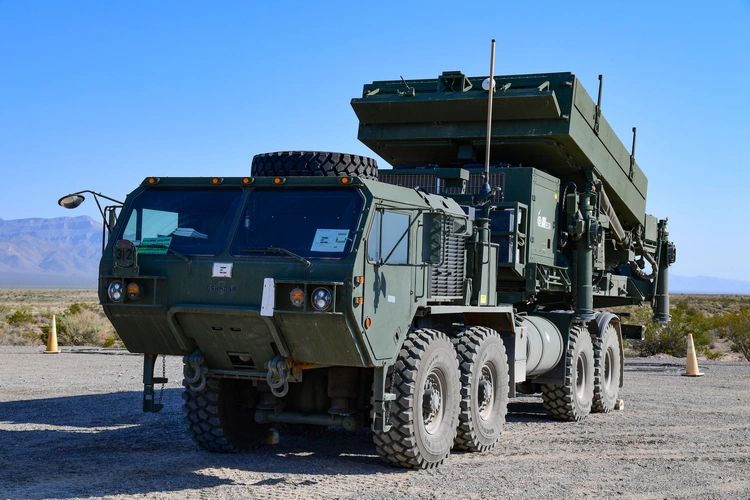
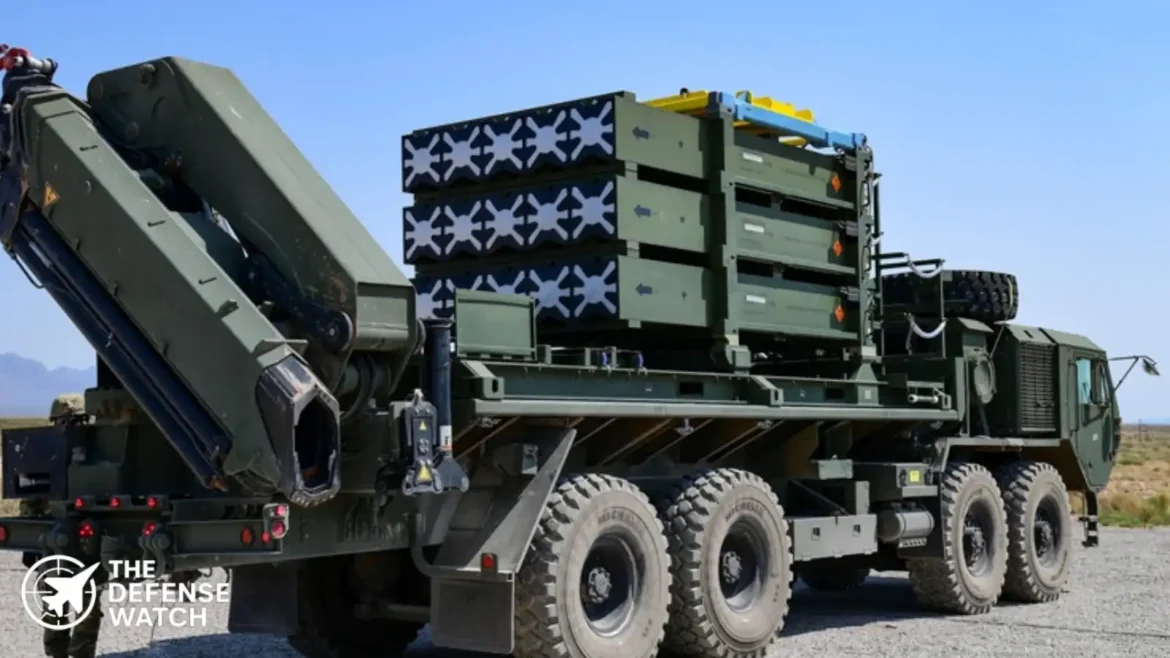
Israel Iron Dome UAE cooperation appears to have entered a new stage after reports that Israel deployed one of its Iron Dome air defense batteries to the United Arab Emirates during the recent conflict with Iran.
According to Axios and follow-on regional reporting, the deployment included Tamir interceptors and Israeli operators, with the system used to help defend the UAE from incoming Iranian missile and drone attacks. Israeli and U.S. officials cited by Axios said the move came after consultations between Israeli Prime Minister Benjamin Netanyahu and UAE President Mohammed bin Zayed.
- Israel reportedly deployed an Iron Dome battery to the UAE during the 2026 conflict with Iran.
- Several dozen Israeli personnel were said to accompany the system to operate it on Emirati soil.
- The battery reportedly intercepted multiple Iranian missiles and drones targeting the UAE.
- The move marks the first known foreign combat deployment of Iron Dome.
- The deployment signals deeper Israel-UAE military coordination under the Abraham Accords.
If confirmed in full detail, this would be the first known operational use of Iron Dome on foreign territory during active combat.
Why Iron Dome Matters In The Gulf
Iron Dome air defense system was originally designed to defeat short-range rockets, artillery rounds, and drones. It has since evolved into a flexible lower-tier air defense layer capable of engaging cruise missiles and some aerial threats when integrated into broader networks.
That matters in the Gulf, where states such as the UAE already field advanced systems including THAAD and Patriot PAC-3. Those systems are optimized for higher-end ballistic missile defense, while Iron Dome can add magazine depth and cheaper intercept options against drones or lower-flying threats.
In practical terms, layered defense is critical during saturation attacks, where a mix of ballistic missiles, cruise missiles, and drones are launched simultaneously.
Strategic Meaning Beyond The Hardware
The more important story may be political rather than technical.
Since the 2020 Abraham Accords, Israel and the UAE have expanded diplomatic, economic, and security ties. A wartime deployment of Israeli military personnel and a sensitive air defense asset onto Emirati territory suggests a level of trust and urgency that would have been difficult to imagine only a few years ago.
It also indicates that Gulf states increasingly view integrated regional defense as necessary against missile and drone threats from Iran and aligned groups.
For Washington, which has long encouraged regional missile defense cooperation among partners, such a move aligns with broader U.S. strategic goals of burden-sharing and networked security architecture.
Operational Lessons From The Conflict
The reported attacks on the UAE underscore how modern air campaigns are changing. Precision missiles alone are no longer the sole challenge. Large numbers of low-cost drones can force defenders to expend expensive interceptors or overwhelm radars.
That dynamic has driven demand for multi-layered systems where each threat is matched with the most efficient response.
If Iron Dome performed successfully in the UAE, it could strengthen export interest in Israeli short-range air defense technology and accelerate additional Gulf procurement or joint integration programs.
What Comes Next
Neither Israel nor the UAE has publicly released full operational details. That is common for sensitive wartime air defense missions. But the reported deployment itself is significant.
It shows that missile defense is no longer just a national shield. It is becoming a coalition capability, rapidly moved where threats emerge.
For the Middle East, that may be one of the most important military lessons of the 2026 conflict.

Iron Dome Turns 15: 10,000 Intercepts & Counting
Iron Dome missile defense system has crossed a milestone that few weapons platforms in modern history can claim: fifteen uninterrupted years of combat-proven performance, more than 10,000 confirmed intercepts, and an operational record that has fundamentally altered how militaries worldwide think about short-to-medium-range air defense. On April 9, 2026, Rafael Advanced Defense Systems formally marked the anniversary, underscoring the system’s evolution from a domestic Israeli solution into one of the most replicated and studied air defense concepts on the planet.
¦ KEY FACTS AT A GLANCE- Iron Dome conducted its first successful operational intercept on April 7, 2011, neutralizing a rocket launched from the Gaza Strip.
- The system has surpassed 10,000 combat intercepts over 15 years of active service with a reported success rate exceeding 90 percent.
- Iron Dome was developed in approximately two and a half years and is capable of engaging rockets, cruise missiles, UAVs, and other aerial threats.
- The naval variant, C-Dome, became operational in 2017 and recorded its first at-sea intercept in April 2024 aboard an Israeli Sa’ar 6 corvette.
- The United States Marine Corps has selected Iron Dome to bolster its own ground-based short-range air defense capabilities.
The Shot That Changed Everything: April 7, 2011
The clock started on April 7, 2011, when an Iron Dome battery neutralized a rocket fired from the Gaza Strip — the system’s first confirmed operational intercept. The moment was more than a technical proof of concept. It signaled a deliberate shift in Israeli national security strategy: rather than relying solely on deterrence and ground operations to suppress rocket fire, Israel would field a persistent, high-volume intercept capability designed to protect its civilian population in near-real time.
That first intercept marked a shift in Israel’s defensive approach to countering aerial threats, and the system has since been deployed across multiple large-scale operations including Protective Edge, Guardian of the Walls, Breaking Dawn, Shield and Arrow, the Swords of Iron War, and Operation Roaring Lion.
The speed of development was equally remarkable. Iron Dome was built in approximately two and a half years — an extraordinarily compressed timeline for a platform of this complexity, reflecting both the urgency of the threat environment and the depth of Israeli defense-industrial capacity.
A System Built for the Modern Threat Landscape
Iron Dome is not a single-mission interceptor. It is a short- to medium-range system designed to engage a wide range of targets, including rockets, cruise missiles, unmanned aerial vehicles, and other aerial threats under various operational conditions — capable of functioning independently or as part of an integrated, layered air defense network.
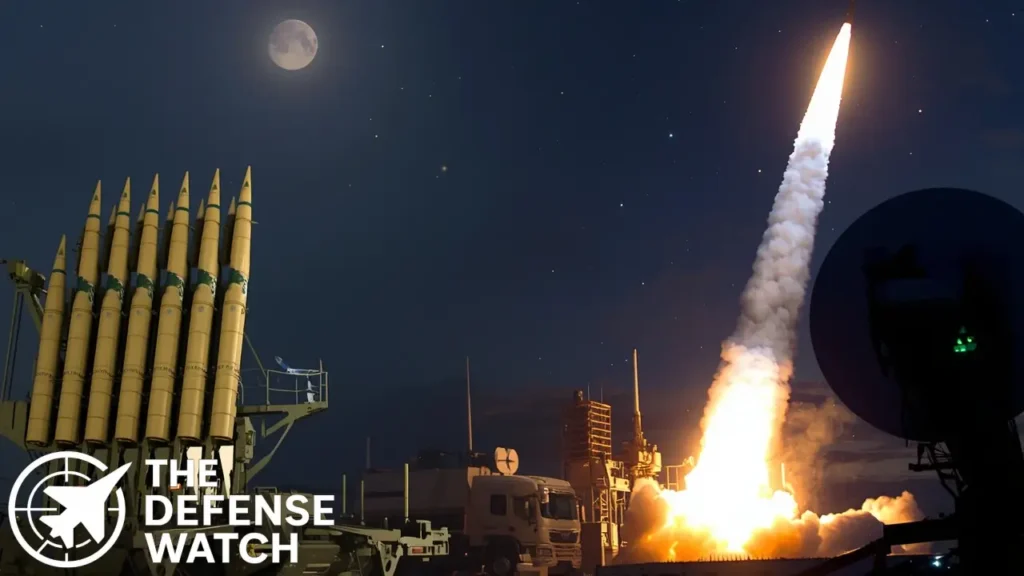
Image : Iron Dome missile defense system That multi-threat adaptability has proven decisive. In today’s conflict environment, where adversaries routinely saturate defenses with mixed salvos of unguided rockets, precision cruise missiles, and low-cost kamikaze drones, a system that can discriminate between threat types and engage selectively represents a significant operational advantage. Iron Dome’s battle management component calculates probable impact points and prioritizes intercepts against threats aimed at populated or strategically critical areas — a feature that directly contributes to its cost efficiency in high-volume engagements.
Over 15 years of service, the system has maintained a reported success rate exceeding 90 percent across more than 10,000 combat intercepts.
Leadership Voices: Confidence Backed by Battlefield Data
Rafael’s leadership did not mince words when assessing the system’s legacy.
Yuval Steinitz, chairman of Rafael, framed Iron Dome’s significance in both strategic and economic terms. He described it as “the only system capable of engaging rockets and missiles across short and medium ranges — and doing so at a cost that makes large-scale deployment feasible,” adding that it reflects the scientific and technological superiority of Israel and of Rafael’s engineers in particular.
Yoav Tourgeman, Rafael’s chief executive, pointed to the system’s continuous performance improvement as its defining characteristic. He stated that ongoing upgrades have significantly enhanced capabilities, noting that what the system can do today across the full spectrum of threats it faces exceeds what it could do at initial delivery by “an order of magnitude.” Tourgeman also credited the system with saving tens of thousands of Israeli lives over the course of its operational service.
Both statements reflect a broader truth about Iron Dome: it is not the same system it was in 2011. Iterative upgrades based on operational feedback — a process conducted in close coordination with the Israel Air Force and the Directorate of Defense Research and Development — have kept the platform ahead of an evolving threat curve that now includes precision-guided rockets, loitering munitions, and salvo tactics designed to overwhelm point defenses.
Expanding to Sea: The C-Dome Naval Variant
One of the clearest indicators of Iron Dome’s strategic staying power is the decision to extend the platform into the maritime domain. The C-Dome naval variant became operational in 2017 and conducted its first combat intercept in April 2024, aboard an Israeli Sa’ar 6 corvette.
The significance of that intercept extends well beyond Israel’s territorial waters. Naval forces globally are grappling with a rapidly deteriorating threat environment driven by cheap, proliferating anti-ship missiles and drone swarms. C-Dome’s integration aboard surface combatants offers a potential model for navies seeking affordable, high-rate intercept capability without the footprint of larger shipborne air defense systems. Its operational debut in a live conflict environment will inevitably draw close scrutiny from allied naval planners.
U.S. Adoption and International Demand
Perhaps the most telling endorsement of Iron Dome’s standing is its adoption by the United States military. The U.S. Marine Corps selected Iron Dome to enhance its own short-range air defense capabilities — a choice that reflects both the system’s combat credibility and Washington’s broader effort to address gaps in ground-based air defense following years of neglect during the counter-insurgency era.
The USMC selection also carries significant implications for allied interoperability. Iron Dome batteries operating alongside U.S. forces in a contested theater would need to integrate with American command-and-control networks, a requirement that accelerates technical cooperation between Rafael and U.S. defense industry partners and potentially opens doors to further foreign military sales.
Analysis: What Iron Dome’s 15-Year Record Reveals About the Future of Air Defense
Iron Dome’s anniversary arrives at a moment when the global air defense market is experiencing its most significant surge in demand since the Cold War. The wars in Ukraine and the Middle East have demonstrated that aerial threats — from crude artillery rockets to sophisticated cruise missiles and drone swarms — are now a fixture of modern combined-arms warfare, not an exception.
Several lessons from Iron Dome’s operational history are already shaping procurement decisions worldwide. First, the value of layered defense architecture is now empirically validated rather than theoretically argued. Iron Dome was never designed to operate alone; it functions as the lower tier of a network that includes David’s Sling and the Arrow systems for medium and long-range threats. That integrated approach, once primarily an Israeli concept, is now being adopted as a template by NATO members accelerating their own air defense investments.
Second, the cost-per-intercept question — long a vulnerability in Iron Dome’s economic case — has become less acute as adversaries increasingly deploy more expensive offensive systems. When the incoming threat is a $50,000 precision rocket rather than a $500 unguided projectile, the calculus of using a multi-thousand-dollar interceptor becomes considerably more defensible. And as Rafael continues to reduce production costs through scale and manufacturing efficiency, the system’s economics improve further.
Third, Iron Dome’s journey from a domestic emergency response to a global export product underscores how battlefield validation accelerates international adoption. No amount of laboratory testing or simulation replicates the persuasive power of a 90-plus percent success rate accumulated over 15 years and across multiple high-intensity conflicts. That record is Rafael’s most effective sales tool — and the reason allied defense ministries continue to study it closely.
What comes next will likely involve deeper integration of artificial intelligence into threat discrimination and intercept sequencing, expanded cooperation with U.S. and European partners on next-generation interceptors, and continued development of the C-Dome naval platform as maritime air defense becomes a priority concern across multiple allied navies.
Iron Dome did not just defend a country. It helped define what effective short-range air defense looks like in the 21st century — and fifteen years on, that definition is still being written.
FAQs
How many intercepts has Iron Dome made in 15 years?Iron Dome has recorded more than 10,000 combat intercepts since its first operational engagement in April 2011, maintaining a reported success rate above 90 percent.
What types of threats can Iron Dome intercept?The system is designed to engage short- to medium-range rockets, cruise missiles, and unmanned aerial vehicles. It can operate across all weather conditions and in dense threat environments.
Has the U.S. military adopted Iron Dome?Yes. The United States Marine Corps selected Iron Dome to strengthen its short-range air defense capabilities, marking a significant international endorsement of the platform.
What is C-Dome?C-Dome is the naval variant of Iron Dome developed by Rafael. It became operational in 2017 and conducted its first live combat intercept in April 2024 aboard an Israeli Sa’ar 6 corvette.
How long did it take to develop Iron Dome?Rafael developed Iron Dome in approximately two and a half years, an unusually compressed timeline for a system of its complexity and capability.
Is Iron Dome still being upgraded?Yes. Rafael conducts continuous capability upgrades based on operational experience, and company leadership has stated that the system’s current performance substantially exceeds its original specifications at the time of delivery.
KEY FACTS AT A GLANCE- Volkswagen is in talks to produce components for the Iron Dome system at a German facility.
- The plan involves repurposing an underutilized auto plant to support missile defense production.
- The move reflects Europe’s effort to expand domestic defense manufacturing capacity.
- Discussions are ongoing, with no finalized contract or production timeline confirmed.
- The initiative highlights growing civil military industrial integration across NATO economies.
Volkswagen Iron Dome Production Talks Signal Industrial Shift
Volkswagen Iron Dome production discussions highlight a potential shift in Europe’s defense industrial base, as the German automaker explores manufacturing missile defense components at a struggling domestic plant.
According to reporting by Defense News, the talks involve repurposing existing automotive manufacturing capacity to support production linked to Israel’s Iron Dome air defense system, widely used for intercepting short range rockets and artillery threats.
The initiative reflects both economic and strategic pressures facing Europe, as governments seek to expand defense output while stabilizing key industrial sectors.
The Big Picture
European governments are accelerating efforts to strengthen defense production capacity amid rising security concerns following the Russia Ukraine War.
Germany in particular has committed to rebuilding its defense industrial base after decades of underinvestment. Berlin’s €100 billion special defense fund and NATO obligations have driven demand for faster procurement and localized manufacturing.
At the same time, Europe’s automotive sector faces declining demand, high energy costs, and increasing competition from electric vehicle producers, especially from China. This overlap has created a strategic opportunity to redirect industrial capacity toward defense production.
Volkswagen’s potential entry into missile defense manufacturing sits at the intersection of these trends.
What’s Happening
Volkswagen is reportedly in early stage discussions to produce components for the Iron Dome, originally developed by Rafael Advanced Defense Systems in partnership with Israel Aerospace Industries.
The plan would involve converting a German auto plant that is currently underutilized due to slowing vehicle demand. While specific locations and components have not been officially confirmed, the concept centers on leveraging Volkswagen’s advanced manufacturing capabilities for precision defense production.
No formal agreement has been signed, and discussions remain exploratory.
Why It Matters
Iron Dome has become one of the most combat proven short range air defense systems in the world. It has demonstrated high interception rates against rockets and drones, particularly in operational use by Israel.
European countries are increasingly interested in layered air and missile defense systems, especially as drone and rocket threats proliferate in modern conflict environments.
By participating in Iron Dome production, Germany could:
- Shorten supply chains for critical defense systems
- Reduce reliance on external suppliers
- Accelerate deployment timelines for European customers
For Volkswagen, the move offers a pathway to diversify revenue and stabilize production capacity during a challenging period for the automotive sector.
Strategic Implications
The integration of civilian industrial giants like Volkswagen into defense production signals a broader transformation across NATO economies.
This shift enhances surge capacity, allowing countries to scale production rapidly during crises. It also strengthens resilience against supply chain disruptions, which have proven critical in recent conflicts.
Germany’s potential role in Iron Dome manufacturing could position it as a key node in Europe’s air defense ecosystem, complementing existing systems such as Patriot and future initiatives like the European Sky Shield.
At a structural level, this reflects a return to dual use industrial strategies, where civilian manufacturing supports military readiness.
Competitor View
Russia is likely to interpret expanded European missile defense production as a direct challenge to its ability to project conventional power near NATO borders.
China may view the development as part of a broader Western effort to integrate industrial and defense capabilities, particularly in response to long term strategic competition.
Iran, which has invested heavily in missile and drone capabilities, could see wider Iron Dome adoption as reducing the effectiveness of its proxy warfare model in the Middle East and potentially beyond.
These reactions align with existing geopolitical dynamics rather than representing new escalatory steps.
What To Watch Next
Key developments to monitor include:
- Formal confirmation of any Volkswagen defense manufacturing agreements
- Identification of the specific German facility involved
- Clarification on which Iron Dome components would be produced
- Potential expansion of similar partnerships across Europe
Observers should also watch whether other automotive manufacturers follow a similar path into defense production.
Capability Gap
Europe faces a growing gap in short range air defense coverage, particularly against drones, rockets, and loitering munitions.
Iron Dome addresses this gap effectively, but scaling deployment requires increased production capacity. Current manufacturing remains concentrated outside Europe, limiting rapid availability.
However, integrating automotive production lines into defense manufacturing presents challenges:
- Certification and quality standards differ significantly
- Workforce retraining is required
- Supply chains must adapt to defense grade materials
These constraints mean any transition will take time before reaching full operational impact.
The Bottom Line
Volkswagen Iron Dome production talks reflect a deeper shift as Europe mobilizes its industrial base to meet rising air defense demands.
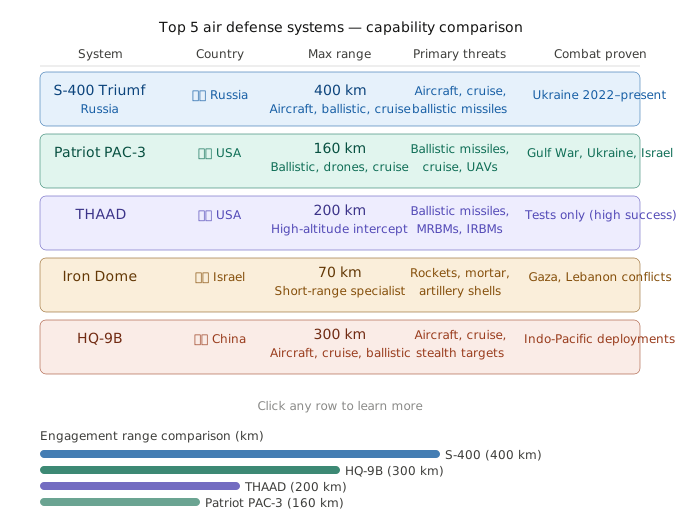
¦ KEY FACTS AT A GLANCE- 🎯 The S-400 Triumf remains the world’s most widely exported advanced air defense system, deployed by Russia, China, India, and Turkey.
- 🎯 THAAD (Terminal High Altitude Area Defense) is the only U.S. system proven to intercept ballistic missiles in their terminal phase at high altitude.
- 🎯 Israel’s Iron Dome has achieved an interception rate exceeding 90% against short-range rockets and artillery shells in live combat conditions.
- 🎯 The Patriot PAC-3 system, operated by over 17 nations, has evolved into a layered multi-threat interceptor capable of targeting cruise missiles, drones, and ballistic threats.
- 🎯 China’s HQ-9B, the domestic challenger to the S-400, extends engagement range to approximately 300 km and is actively deployed across the Indo-Pacific.

Top 5 Air Defense Systems in the World: The Most Powerful Shield Technologies of 2026
As aerial threats evolve from supersonic fighters to swarms of autonomous drones, the race to field the most capable air defense systems in the world has never been more consequential.
Why Air Defense Defines Modern Warfare
The battlefields of Ukraine, the Middle East, and the South China Sea have delivered a sobering lesson to defense planners worldwide: air superiority alone no longer guarantees victory. The ability to deny an adversary access to your airspace — and protect critical infrastructure, forward forces, and civilian populations from aerial attack — has emerged as a decisive factor in 21st-century conflict.
The top 5 air defense systems in the world represent the pinnacle of ground-based air defense technology. From Russia’s export-dominant S-400 to Israel’s battle-tested Iron Dome, each system reflects a distinct strategic philosophy and threat environment. Understanding how they compare is essential for anyone tracking the balance of military power in 2025.
1. S-400 Triumf (Russia) — The Global Benchmark
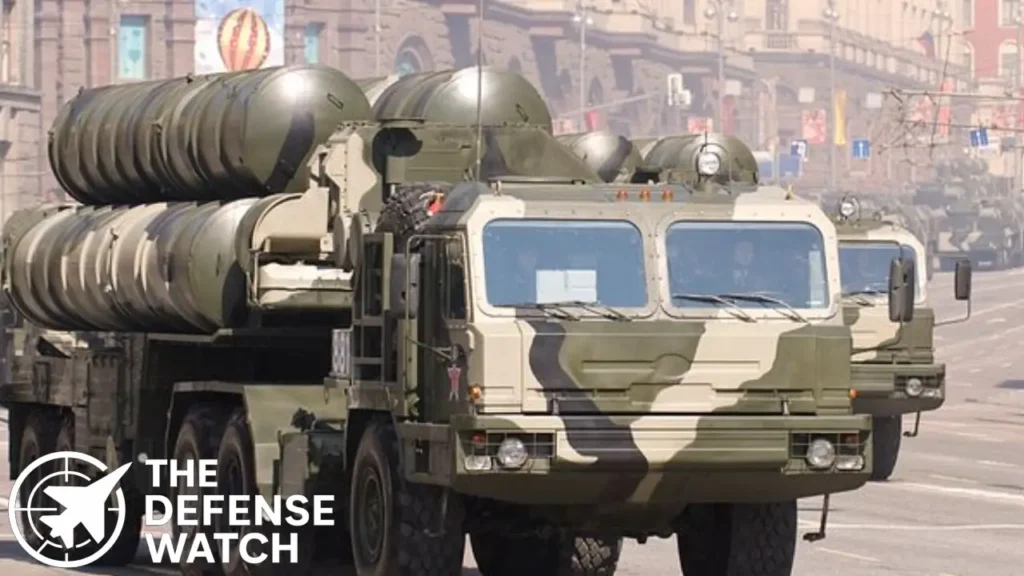
Russia’s S-400 Triumf (NATO reporting name: SA-21 Growler) remains the most widely discussed and diplomatically contested air defense platform on the planet. Developed by Almaz-Antey and entering service with the Russian Armed Forces in 2007, the S-400 is designed to engage virtually every class of aerial threat simultaneously — from low-flying cruise missiles to manned aircraft and intermediate-range ballistic missiles.
The system’s headline specification is an engagement range of up to 400 kilometers, supported by the 40N6E very-long-range missile. It can simultaneously track up to 160 targets and engage 80 of them at once, using a layered combination of the 40N6, 48N6, and 9M96 missile family to cover low-, medium-, and high-altitude threats.
What has made the S-400 geopolitically explosive is its export success. India, China, and Turkey — all significant U.S. partners or allies — have purchased or received the system, triggering sanctions disputes and alliance tensions. Turkey’s acquisition in 2019 resulted in its expulsion from the F-35 program. The system’s ongoing deployment in Russia’s war against Ukraine has provided real-world data on both its capabilities and its vulnerabilities, particularly against Western-supplied counter-drone and standoff strike weapons.
The S-400’s operational record in Ukraine has been mixed. While it has successfully engaged several Ukrainian aircraft and cruise missiles, Ukraine’s use of Neptune anti-ship missiles, Storm Shadow cruise missiles, and ATACMS has exposed gaps in the system’s ability to counter low-observable, terrain-hugging threats. Russia has reportedly lost multiple S-400 batteries to Ukrainian strikes, suggesting that even sophisticated systems are vulnerable when persistently targeted by intelligent standoff munitions.
2. Patriot PAC-3 (USA) — The West’s Most Proven Defender
The Patriot Advanced Capability-3 (PAC-3) is America’s most combat-tested long-range air defense system and the backbone of NATO’s integrated air defense architecture. First fielded in the early 1980s and continuously upgraded, the PAC-3 MSE (Missile Segment Enhancement) variant now represents a genuinely multi-role interceptor capable of engaging ballistic missiles, cruise missiles, tactical aircraft, and — increasingly — large-format drones.
Unlike the S-400, which relies primarily on fragmentation warheads, the PAC-3 uses a hit-to-kill intercept technology, colliding directly with incoming threats at closing speeds exceeding Mach 5. With a maximum engagement range of approximately 160 kilometers and ceiling exceeding 24 kilometers, the system is less capable of engaging long-range strategic threats than the S-400 but significantly more reliable in a dense, multi-threat environment.
More than 17 nations currently operate Patriot variants, including Germany, the Netherlands, Japan, Saudi Arabia, Ukraine, and Israel. The transfer of Patriot batteries to Ukraine in 2023 marked a strategic watershed — the system has since claimed multiple Russian cruise missiles, hypersonic Kinzhal missiles, and aircraft. Its engagement of the Kh-47M2 Kinzhal — previously described by Russian officials as “unstoppable” — was a particularly significant operational milestone.
3. THAAD — Terminal High Altitude Area Defense (USA)
THAAD occupies a unique niche in the global air defense hierarchy: it is explicitly designed to intercept ballistic missiles during their terminal phase at high altitudes of 40 to 150 kilometers, filling a critical gap between the lower-tier Patriot system and the upper-tier, space-based layers of the U.S. Missile Defense Architecture.
Developed by Lockheed Martin and deployed by the U.S. Army since 2008, THAAD uses a purely kinetic interceptor — no warhead, just a 900-kilogram kill vehicle guided by an advanced infrared seeker. With a defended footprint of approximately 200 kilometers, each THAAD battery includes six launchers, 48 interceptors, a powerful AN/TPY-2 X-band radar, and a command suite. The AN/TPY-2 is itself a strategic asset — its forward deployment in South Korea, Israel, and Turkey provides early warning data shared across the broader U.S. missile defense network.
THAAD has achieved a 17-for-17 perfect intercept record in controlled flight tests, though it has not been used in live combat. Its deployment to South Korea in 2017 triggered a major diplomatic crisis with China, underscoring how air defense systems have become instruments of geopolitical signaling as much as military protection.
Analyst Note: THAAD’s Achilles’ heel is cost and capacity. Each interceptor costs approximately $10 million, and each battery carries only 48 rounds. Against a saturation attack employing dozens or hundreds of ballistic missiles — the scenario China or North Korea might employ — THAAD’s magazine depth is a serious constraint. This has driven investment in lower-cost interceptors and directed-energy alternatives under the Next Generation Interceptor program.
4. Iron Dome (Israel) — Combat’s Most Tested Shield
Israel’s Iron Dome is unlike any other system on this list: it was designed for a specific, persistent, and operationally demanding threat — the mass employment of short-range unguided rockets, mortars, and artillery shells by non-state actors operating across contested urban terrain.
Developed by Rafael Advanced Defense Systems and IAI, Iron Dome entered service in 2011 and has since participated in every major Gaza and Lebanon conflict, accumulating what is arguably the most extensive live-combat air defense record in history. The system uses a Tamir interceptor missile with a proximity-fuzed fragmentation warhead and is guided by the ELM-2084 multi-mission radar, which continuously calculates whether an incoming projectile will land in a populated area before authorizing an intercept — an economically critical algorithm that prevents wasteful engagement of harmless rural impacts.
With a maximum engagement range of approximately 70 kilometers and proven intercept rates above 90% in operational conditions, Iron Dome has saved thousands of lives. The United States has purchased two Iron Dome batteries under a co-production agreement with Raytheon, reflecting serious interest in short-range air defense for U.S. forward bases.
Analyst Note: The October 7, 2023 Hamas attack, while primarily a ground infiltration operation, demonstrated that Iron Dome can be numerically overwhelmed if a mass salvo is launched at a precise timing window. The system’s success rate, while extraordinary, is not absolute — and Israel’s subsequent investment in multi-layer defense integration (Arrow-3, David’s Sling, Iron Dome working in concert) reflects the understanding that no single layer is sufficient.
5. HQ-9B (China) — The Indo-Pacific Challenger
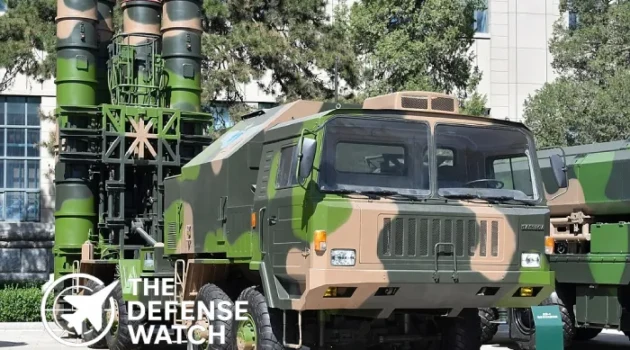
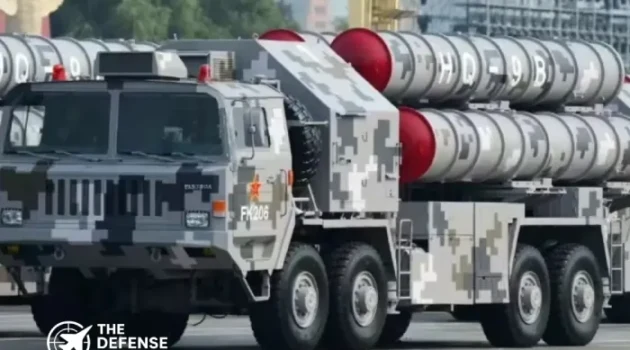
China’s HQ-9B (Red Flag-9B) is the People’s Liberation Army Air Force’s most capable ground-based long-range surface-to-air missile system and Beijing’s direct answer to both the S-400 and the Patriot. Developed by CASIC (China Aerospace Science and Industry Corporation), the HQ-9B is an evolution of the original HQ-9, which itself was developed with significant study of the Russian S-300 architecture.
The HQ-9B boasts an engagement range of approximately 300 kilometers, capable of targeting aircraft, cruise missiles, ballistic missiles, and stealth platforms. Its phased-array radar and multi-channel engagement capability allow simultaneous tracking of over 100 targets. China has deployed the system extensively across the South China Sea, including its artificial island network, and has exported variants (FD-2000) to Uzbekistan, Turkmenistan, and other regional partners.
Unlike the S-400 or Patriot, the HQ-9B has not been tested in major live-combat conditions, which makes independent performance assessment difficult. Its integration into China’s broader Integrated Air Defense System (IADS) — combining long-range sensors, datalinks, and multi-layer missile batteries — is the more significant operational development. In any Taiwan Strait contingency, the HQ-9B network would be one of the most complex air defense environments U.S. and allied forces have ever faced.
The Broader Picture: Layered Defense Is the New Standard
The five systems profiled here are rarely deployed in isolation. Modern air defense doctrine — whether in Israel, Russia, the United States, or China — is built around layered integration: multiple systems covering different altitude bands, ranges, and threat types, networked together through common command-and-control architecture.
Israel’s three-layer system (Iron Dome for short range, David’s Sling for medium range, Arrow-3 for exo-atmospheric threats) is the most mature example. The U.S. Army’s emerging Integrated Air and Missile Defense (IAMD) architecture seeks to replicate this layering globally, connecting Patriot, THAAD, and future interceptors through a common battle management system.
What the Ukraine conflict has confirmed above all is that magazine depth, supply chain resilience, and interceptor cost are as important as raw performance specifications. A system that runs out of missiles — or one that costs $3 million per shot to defeat a $50,000 drone — is a system with a fundamental strategic problem. This calculus is now driving investment in directed-energy weapons, high-energy laser systems, and hypervelocity railgun interceptors as cost-competitive complements to traditional missile defense.
FAQs
Which is the best air defense system in the world in 2026?There is no single “best” system — each excels in its design role. The S-400 offers the greatest range and export reach; THAAD is unmatched for high-altitude ballistic intercept; Iron Dome holds the most combat-proven record in live operations against high-volume short-range threats.
Does the U.S. have a better air defense system than Russia’s S-400?The U.S. does not have a direct S-400 equivalent but operates a layered architecture that, in combination, exceeds the S-400’s capability. THAAD, Patriot PAC-3, and the Ground-Based Midcourse Defense (GMD) system together cover short-, medium-, and strategic-range ballistic threats.
How many countries operate the S-400?Russia, China, India, Turkey, and Belarus operate the S-400. Its export has been a significant source of U.S.-Russia and U.S.-ally diplomatic tension, particularly with Turkey’s acquisition in 2019.
Can Iron Dome stop ballistic missiles?Iron Dome is not designed for ballistic missile defense. That role in Israel’s layered architecture is handled by the Arrow-2 and Arrow-3 systems. Iron Dome is optimized for short-range rockets, mortars, and artillery.
What is the difference between THAAD and Patriot?Patriot PAC-3 intercepts threats at lower altitudes (up to approximately 24 km) and shorter ranges, making it suitable for theater air defense against aircraft, cruise missiles, and short-range ballistic missiles. THAAD engages ballistic missiles at high altitudes (40–150 km) during terminal phase flight, covering a much wider geographical area per battery.
The U S Army has selected an Israeli Tamir interceptor concept for Phase 1 of its Indirect Fire Protection Capability Increment 2 (IFPC INC 2) second interceptor effort, broadening options for defending fixed and forward sites against cruise missiles, drones, and other aerial threats.
(adsbygoogle = window.adsbygoogle || []).push({});IFPC INC 2 Cruise Missile Defense Gets New Competitor
Rafael Systems Global Sustainment confirmed it has been chosen by the Army’s SHIELD Project Office to propose an Iron Dome derived Tamir interceptor for the IFPC INC 2 second interceptor competition. The program seeks a missile that can operate in an integrated Army air and missile defense architecture to defeat subsonic and low-altitude cruise missiles and unmanned aircraft systems.
The Tamir based design stems from the Iron Dome’s battle-proven interceptor family, known for all-weather performance, electro-optical guidance, and a proximity fused blast warhead. In U S Army use the concept will be adapted to connect with the Integrated Air and Missile Defense Battle Command System and the Sentinel radar under IFPC INC 2’s open architecture.
IFPC INC 2 Context And Mission
IFPC INC 2 is the Army’s mobile ground-based system intended to fill a mid-tier defense gap between short range systems and higher tier long range assets like Patriot and THAAD. The IFPC INC 2 launcher design integrates with IBCS and Sentinel sensors to allow multiple interceptors and provide 360 degree coverage against cruise missiles, UAVs, rockets, artillery, and mortars.
The first interceptor fielded under IFPC INC 2 has been the ground-launched AIM-9X Sidewinder paired with the Enduring Shield launcher. That combination offers a rapid deployable option but is not optimized for higher-performance cruise missile threats. The addition of a second interceptor aimed at tougher mission sets is a key program driver.
- (adsbygoogle = window.adsbygoogle || []).push({});
Why Tamir Matters To The Army
The decision to select a Tamir based design for Phase 1 reflects the Army’s interest in leveraging a mature missile family with in service combat data. The Iron Dome system’s Tamir interceptor has been produced at scale and fired in operational environments, giving it a known performance profile against small fast targets.
While Rafael’s Phase 1 pick does not preclude U S industry competitors from future awards, it brings a potentially faster path to prototype interceptor development and testing. Lockheed Martin and others have disclosed separate efforts to develop IFPC INC 2 compliant interceptors under other agreements.
Industrial And Supply Chain Considerations
A key factor in the Army’s assessment is expanding U S production and supply chain options. A Raytheon-Rafael joint venture in the United States is already producing Tamir based missiles and the U S variant known as SkyHunter, which shares lineage with Tamir and is targeted at medium range threats including cruise missiles and rockets.
(adsbygoogle = window.adsbygoogle || []).push({});This presence of domestic missile production can help support scale up if the Army moves ahead with a Tamir derived interceptor for IFPC INC 2, adding resilience to supply and sustainment planning.
Next Steps And Program Timeline
Phase 1 selection is focused on early concept development, systems integration checks, and laying groundwork for prototype deliveries. The Army plans further competitive steps to refine requirements and push toward demonstration and potential production decisions later in the decade.
Further details on schedules and awards have not been publicly released, but IFPC INC 2 remains a priority within Army integrated air and missile defense modernization to address evolving cruise missile threats.
- (adsbygoogle = window.adsbygoogle || []).push({});
Jerusalem — Israel is rapidly scaling up production of its Iron Dome missile defense system utilizing billions of dollars in U.S. aid, the Israeli Defense Ministry announced on Nov. 20, 2025. The move comes amid heightened security concerns and the need to replenish interceptor stockpiles that were heavily used over the past two years.
Background: A Strategic Surge in Air-Defense Funding
The acceleration in Iron Dome production is being financed through a special U.S. aid package approved by the U.S. Congress in April 2024, totaling $8.7 billion. Of that amount, $5.2 billion is earmarked specifically for strengthening Israel’s air- and missile-defense capabilities — including systems like Iron Dome, David’s Sling, and the emerging Iron Beam laser system.
This is not the first time Israel has tapped into U.S. funds for Iron Dome production. Earlier in January 2025, the Defense Ministry signed a contract with Rafael Advanced Defense Systems to boost serial production of Iron Dome interceptors.
What’s Driving the Acceleration
Officials in Jerusalem pointed to the intensive use of Iron Dome interceptors during the two-year “Iron Swords” war, when thousands of rockets were launched at Israel from Gaza and Lebanon. They noted that replenishing these missile stocks is a top priority to ensure readiness for potential future conflicts.
The expanded contract with Rafael reflects this urgency. The Israeli Ministry of Defense (IMOD) said that the procurement is part of a broader push to reinforce air-defense infrastructure — not only for Iron Dome but also for other systems in its multi-layered architecture, such as David’s Sling and the high-powered Iron Beam.
Rafael leads production, working in coordination with ELTA Systems (an Israel Aerospace Industries unit) and mPrest Systems. Meanwhile, U.S. involvement has deepened: a significant portion of the manufacturing is now taking place in the United States through co-production agreements.
Official Statements and Contract Details
According to the Israeli Defense Ministry’s press release, the production expansion will include both interceptor missiles and the test infrastructure required for sustained output.
In January’s signing ceremony, IMOD’s then–Director General, Maj. Gen. (res.) Eyal Zamir, characterized the boost in Iron Dome manufacturing as “a central component in an unprecedented scope of effort … for force build-up and strengthening while fighting.” Meanwhile, Rafael’s CEO Yoav Tourgeman expressed confidence in the enduring value of both Iron Dome and David’s Sling, pledging commitment to future developments.
Strategic and Policy Implications
Experts see several key implications in this accelerated production:
- Stockpile Restoration and Deterrence: The rapid build-up ensures that Israel’s Iron Dome interceptor inventory can recover from intensive wartime use, enhancing strategic deterrence.
- Industrial Integration: The U.S.-Israel co-production model strengthens bilateral industrial ties. Under the agreement, a larger share of Iron Dome component manufacturing has shifted to U.S. firms — a requirement tied to the aid package.
- Layered Defense Future: The funding supports not just traditional interceptors, but also the maturation of newer technologies like the Iron Beam directed-energy system, which may provide a cost-efficient complement to missile-based layers.
- Geopolitical Signaling: The move underlines the depth of the U.S.–Israel strategic partnership, particularly in air defense — a critical area as regional threats evolve.
What’s Next
- Production Pace: With funding secured, the Ministry of Defense will likely continue to monitor production performance to ensure that interceptor build capacity meets projected demand.
- Deployment Scaling: Israel may deploy more Iron Dome batteries or increase readiness across its territories to match perceived threat trajectories.
- Technological Advancement: The co-investment in Iron Beam could lead to accelerated deployment of the laser-based system, potentially starting in 2026, according to Israeli officials.
- Export Opportunities: Given rising global interest, particularly in Europe, Israel may explore export paths for its Iron Dome technology, potentially leveraging U.S.-supported capacity to meet demand.
What Is an Air Defense System?
An air defense system is a network of radars, missile interceptors, anti-aircraft guns, and command centers designed to detect, track, and neutralize hostile aerial threats. These threats may include enemy aircraft, helicopters, drones, cruise missiles, or ballistic missiles. In modern warfare, air defense is no longer a secondary requirement—it is one of the primary layers of national defense.
Why Nations Need Air Defense Systems
The increasing reliance on drones, long-range missiles, and stealth aircraft has made air defense systems essential. Without them, military bases, cities, and critical infrastructure remain highly vulnerable to aerial strikes. From Ukraine’s urgent reliance on Western missile defenses to Israel’s Iron Dome protecting against rocket attacks, the strategic value of air defense has become evident in both conventional and hybrid warfare.
Modern conflicts highlight three key reasons why air defense is critical:
- Survivability – Protecting armed forces, command centers, and logistics.
- Deterrence – Strong air defense discourages adversaries from launching attacks.
- Strategic Depth – Ensures civilian protection and national resilience during war.
List of Major Air Defense Systems Worldwide
Several countries have developed advanced air defense technologies to protect against evolving threats. Below is a list of notable systems:
- Patriot Missile Defense System (USA) – Operated by multiple NATO members, designed to intercept aircraft, drones, and short to medium-range ballistic missiles.
- THAAD (Terminal High Altitude Area Defense, USA) – Provides high-altitude interception of ballistic missiles outside the Earth’s atmosphere.
- S-400 Triumf (Russia) – Known for its long-range detection and interception, widely deployed and exported, including to India and Turkey.
- Iron Dome (Israel) – Highly effective against short-range rockets and artillery shells, with an interception rate exceeding 90% in recent conflicts.
- HQ-9 (China) – A Chinese long-range surface-to-air missile system comparable to the Patriot, integrated with radar and command networks.
- NASAMS (Norwegian Advanced Surface-to-Air Missile System) – A joint U.S.-Norwegian system used for defending high-value assets, including in Ukraine.
- Barak-8 (India/Israel) – Medium-range defense system widely deployed by the Indian Navy and Air Force.
- Aegis Combat System (USA/Japan/South Korea) – Ship-based radar and missile defense system capable of tracking and intercepting ballistic missiles.
Modern Trends in Air Defense
Air defense systems are evolving to counter hypersonic missiles, stealth aircraft, and drone swarms. Artificial intelligence is increasingly integrated into radar and fire-control systems, enabling faster threat recognition and automated responses. Nations are also combining layered defense strategies, where long-range, medium-range, and short-range interceptors operate together for maximum coverage.
Strategic Context
The war in Ukraine has underscored the decisive role of air defense. Russian missile barrages have tested Kyiv’s ability to maintain critical infrastructure, while Western-supplied Patriot and NASAMS systems have provided a protective shield. Similarly, in the Indo-Pacific, the deployment of THAAD in South Korea has reshaped regional security calculations.
Air defense systems are no longer just military assets; they are geopolitical tools that influence alliances, defense spending, and deterrence postures.
FAQs
What is an air defense system in simple terms?An air defense system is a defensive shield that uses radars, missiles, and guns to protect against enemy aircraft, drones, or missiles.
Why is an air defense system important?It ensures protection of cities, military bases, and critical infrastructure from aerial threats, increasing national security and deterrence.
Which is the best air defense system in the world?There is no single “best” system—Patriot, S-400, THAAD, and Iron Dome each specialize in different threat environments.
How many countries use Patriot air defense?At least 17 countries, including the U.S., Germany, Japan, and Saudi Arabia, operate Patriot systems.
What is the future of air defense?Future systems will integrate AI, directed-energy weapons (lasers), and hypersonic missile defenses for enhanced effectiveness.