Executive Summary:
Israel Aerospace Industries is set to present a range of advanced defense technologies at ILA Berlin 2026, reflecting deepening defense cooperation between Germany and Israel. The display will focus on integrated air defense, unmanned systems, and electronic warfare capabilities. The event underscores growing European interest in Israeli defense solutions amid shifting security demands.
Israel Aerospace Industries showcase of next generation defense systems at ILA Berlin 2026 comes as Germany and Israel expand defense industrial cooperation across air defense, unmanned platforms, and sensor based warfare systems.
The presence of IAI at the aerospace exhibition in Berlin highlights a broader European shift toward layered air defense modernization and increased reliance on interoperable systems developed with Israeli industry support. According to reporting on the upcoming exhibition, the focus extends beyond platform display toward long term industrial alignment between the two countries.
Expanding Germany Israel Defense Cooperation
Defense ties between Germany and Israel have steadily broadened over the past decade, moving from procurement relationships into deeper industrial collaboration. The ILA Berlin 2026 appearance reflects this trajectory, particularly in areas linked to integrated air and missile defense.
Germany has prioritized reinforcement of its air defense architecture following increased regional security pressures in Europe. Israel, through companies like IAI, has positioned itself as a key supplier of operationally proven systems in this domain.
The cooperation trend is not limited to hardware. It increasingly includes joint development frameworks, sensor integration work, and shared approaches to multi domain battlefield awareness.
IAI System Portfolio Focus Areas at ILA Berlin
IAI is expected to highlight a broad set of systems aligned with current European defense requirements. While full technical disclosure at exhibitions is limited, several categories define its expected presentation.
Integrated Air and Missile Defense
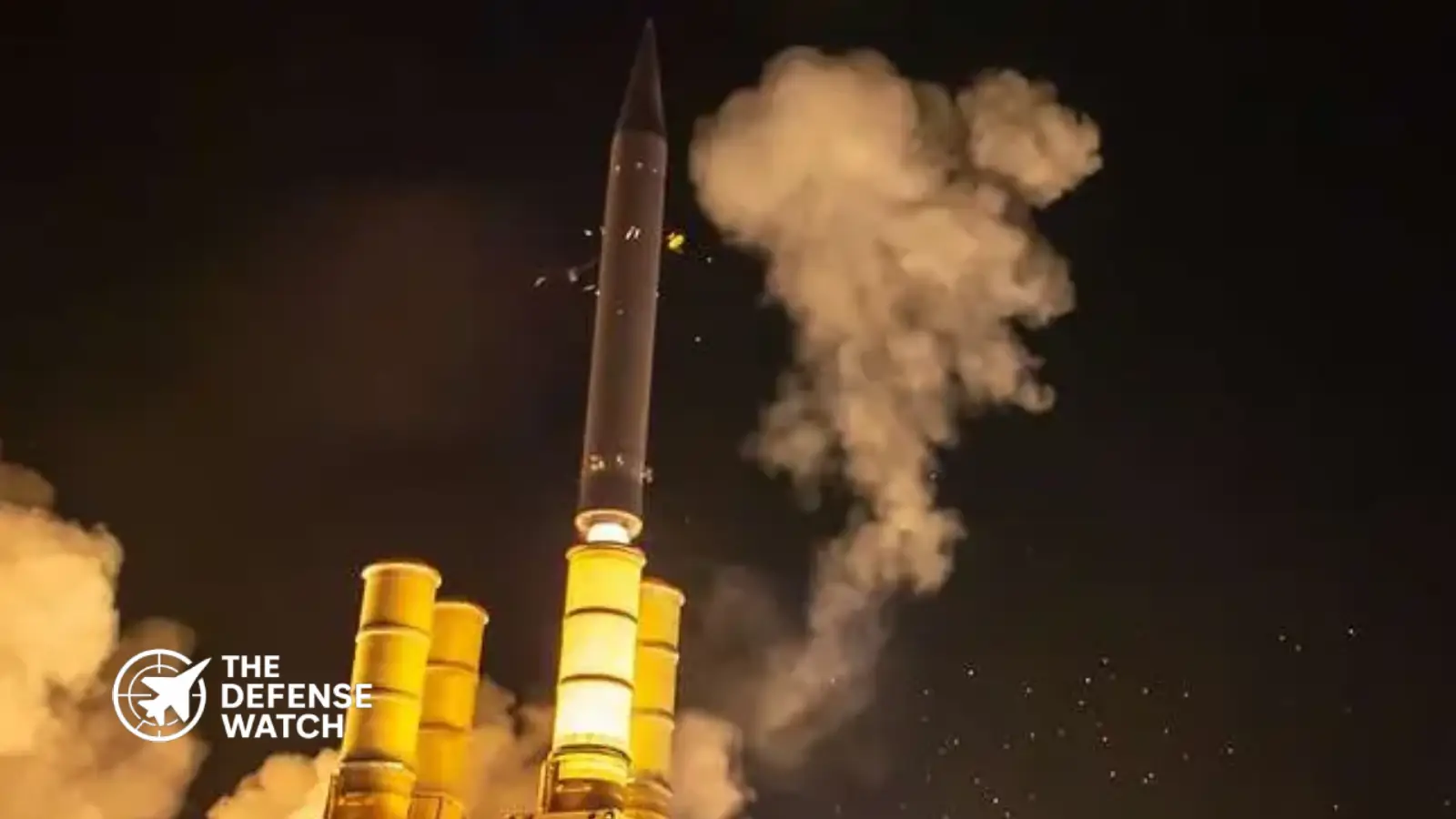
IAI has long been associated with layered air defense solutions that combine radar, interceptor missiles, and command systems. These architectures are designed to counter saturation attacks involving drones, cruise missiles, and ballistic threats.
Key operational emphasis areas include:
- Networked radar fusion for early detection
- Multi layer interception coordination
- Rapid response command integration
These systems are increasingly relevant in Europe where threat complexity has expanded significantly.
Unmanned Aerial Systems
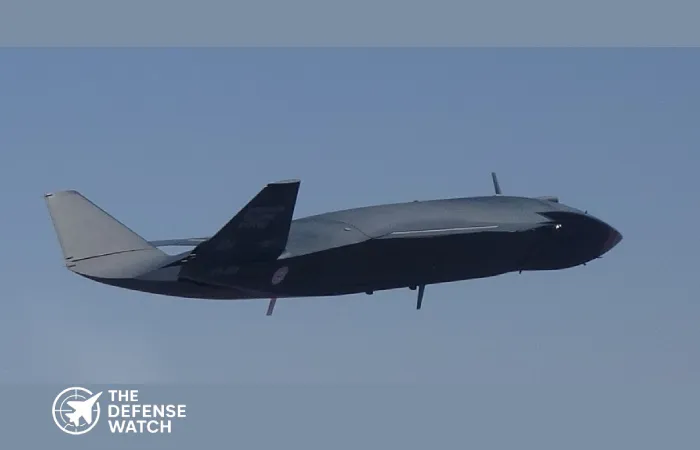
Unmanned systems remain a central component of IAI exports. The company’s portfolio spans reconnaissance platforms and multi role UAVs designed for persistent surveillance and tactical support.
Operational value is driven by:
- Long endurance surveillance capability
- Real time intelligence transmission
- Modular payload integration
European militaries continue to expand UAV adoption for both border monitoring and battlefield awareness.
Electronic Warfare and Sensor Systems
Electronic warfare is becoming a defining layer in modern conflict environments. IAI systems focus on signal disruption, spectrum awareness, and defensive countermeasures against guided threats.
This category includes:
- Signal intelligence collection systems
- Electronic countermeasure suites
- Integrated battlefield sensing networks
The growing use of unmanned and precision guided weapons has increased demand for robust electronic warfare coverage.
Strategic Context Behind the Exhibition
The timing of IAI’s presence at ILA Berlin reflects several converging defense trends in Europe.
First, European NATO members are increasing investment in integrated air defense following heightened concerns over missile and drone threats. Second, defense procurement strategies are shifting toward systems that can be rapidly integrated into existing command networks.
From a geopolitical perspective, Israel remains a key non European partner for several NATO states seeking operationally tested technologies. Germany in particular has expanded defense collaboration in missile defense and surveillance technologies.
This environment creates a feedback loop where operational experience from Israeli systems influences European procurement priorities, while European industrial capacity supports scaling and integration.
Analysis: What This Signals for European Defense Posture
The IAI showcase is less about individual platforms and more about structural alignment in defense procurement.
Three key implications stand out.
First, Europe is moving toward distributed air defense ecosystems rather than single layer national systems. This increases demand for interoperable sensor and interceptor networks, an area where Israeli systems are already widely deployed.
Second, unmanned systems are transitioning from support tools to core battlefield assets. The integration of UAV data into air defense and command networks suggests a shift toward sensor driven warfare architectures.
Third, electronic warfare is becoming a baseline requirement rather than a specialized capability. This reflects lessons from recent conflicts where spectrum dominance directly affects survivability and targeting accuracy.
For Germany, cooperation with Israel offers access to mature operational systems without the long development timelines associated with indigenous programs. For Israel, European partnerships expand production scale and long term industrial resilience.
Overall, the relationship points toward a more interconnected defense industrial base between Europe and Israel, particularly in air defense and unmanned systems domains.
Technical and Operational Considerations
While exhibition presentations are often high level, the underlying systems raise several technical considerations relevant to defense planners:
- Integration complexity across NATO command structures
- Data fusion requirements for multi sensor networks
- Cybersecurity resilience in connected defense architectures
- Sustainment and lifecycle support for distributed systems
These factors are increasingly shaping procurement decisions as militaries prioritize interoperability and network resilience over standalone platform performance.
Conclusion
IAI participation at ILA Berlin 2026 reflects more than a product showcase. It signals continued expansion of Germany Israel defense cooperation at a time when European security requirements are shifting toward integrated air defense, unmanned systems, and electronic warfare centric operations.
As defense environments become more network dependent, partnerships focused on system integration and operational experience are likely to remain central to procurement strategies across Europe.