Executive Summary: Northrop Grumman has invested more than $2 billion in facilities and technology supporting the LGM-35A Sentinel ICBM, while the company has hired more than 5,000 people for strategic deterrence and related aerospace programs. The investment comes as the U.S. Air Force restructures Sentinel following a major cost breach and works toward a first flight in 2027 and initial capability in the early 2030s.
Sentinel ICBM Program Moves Into a New Development Phase
The Sentinel ICBM program is receiving more than $2 billion in Northrop Grumman investment as the U.S. Air Force pushes to replace the aging Minuteman III and rebuild the land based component of the U.S. nuclear triad.
Northrop Grumman says its investment covers facilities, technology and workforce expansion supporting Sentinel and other strategic aerospace missions. The company has expanded its Roy Innovation Center in Utah, which serves as a major development hub for the program.
The Air Force currently targets initial Sentinel capability for the early 2030s. The service also plans to complete the program restructuring process during 2026 and pursue a new Milestone B decision before moving into the next stage of development.
Northrop Grumman and the Air Force are targeting a first missile launch in 2027. That schedule is more aggressive than the February 2026 Government Accountability Office assessment, which identified March 2028 as the planned first flight at the time.
More Than $2 Billion in Industrial Capacity
Northrop Grumman says it has invested more than $2 billion in facilities and technology for Sentinel and has hired more than 5,000 people to date across the strategic deterrence effort.
The company is expanding its Roy Innovation Center, which now encompasses more than 1.1 million square feet of office space across six buildings. A new facility announced in July is intended to provide additional capacity for Sentinel and other national security programs.
This investment is significant because Sentinel is not simply a missile replacement project. The program involves the replacement and modernization of missiles, launch systems, command and control infrastructure, communications equipment and supporting facilities across the existing Minuteman III missile fields.
The Air Force Nuclear Weapons Center describes Sentinel as a full modernization of the land based leg of the nuclear triad. The system is being designed around a modular, open architecture intended to allow future technology upgrades as threats and requirements change.
Sentinel Replaces the Minuteman III
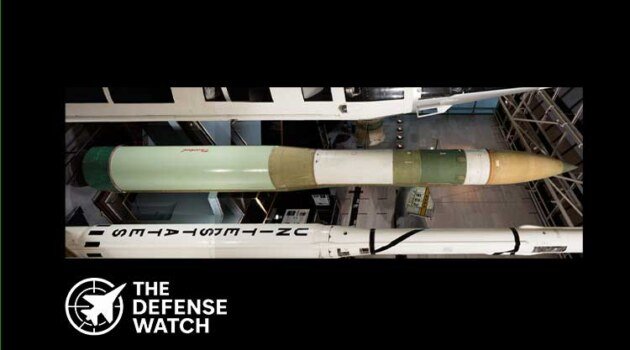
The LGM-35A Sentinel is intended to replace the LGM-30G Minuteman III, which has formed the land based component of the U.S. nuclear triad since 1970.
The triad combines land based ICBMs, submarine launched ballistic missiles and nuclear capable bombers. The Air Force considers the land based component important because it provides a persistent, geographically distributed strategic force that complicates an adversary’s planning.
The current Sentinel force is planned to include 400 deployed missiles. The Air Force lists a range of more than 6,000 miles, a burnout speed of approximately Mach 23 and a three stage solid propellant propulsion system.
Sentinel Program Element Current Public Information Designation LGM-35A Sentinel Mission Intercontinental ballistic missile Prime contractor Northrop Grumman Propulsion Three solid propellant rocket motors Planned deployed inventory 400 missiles Publicly listed range More than 6,000 miles Approximate burnout speed Mach 23 Initial capability Early 2030s First launch target 2027 The system will operate from the three existing ICBM bases at F.E. Warren Air Force Base in Wyoming, Malmstrom Air Force Base in Montana and Minot Air Force Base in North Dakota.
Program Cost Remains a Major Issue
The investment by Northrop Grumman comes against a difficult acquisition history.
In January 2024, the Air Force reported that Sentinel had breached the Nunn-McCurdy cost threshold. The breach resulted from a projected unit cost increase of at least 37 percent compared with the program’s earlier baseline.
Following a statutory review, the Department of Defense determined that a modified Sentinel program remained essential to national security and that no lower cost alternative could provide the required capability.
The Pentagon subsequently estimated total acquisition costs for the modified program at approximately $140.9 billion, an 81 percent increase over the previous Milestone B estimate. The department also rescinded the program’s earlier Milestone B approval and directed a restructuring intended to address the causes of the cost growth.
That history makes the current industrial investment more than a routine expansion. The new facilities, prototypes and manufacturing capacity are being developed while the government is simultaneously trying to establish a more controlled cost and schedule baseline.
Infrastructure Is as Important as the Missile
One of the central challenges for Sentinel is the scale of infrastructure required to field it.
The program involves hundreds of missile facilities and command infrastructure spread across multiple states. The Government Accountability Office described the transition as a highly complex project and warned that the Air Force needs stronger risk management to protect the Minuteman III to Sentinel transition.
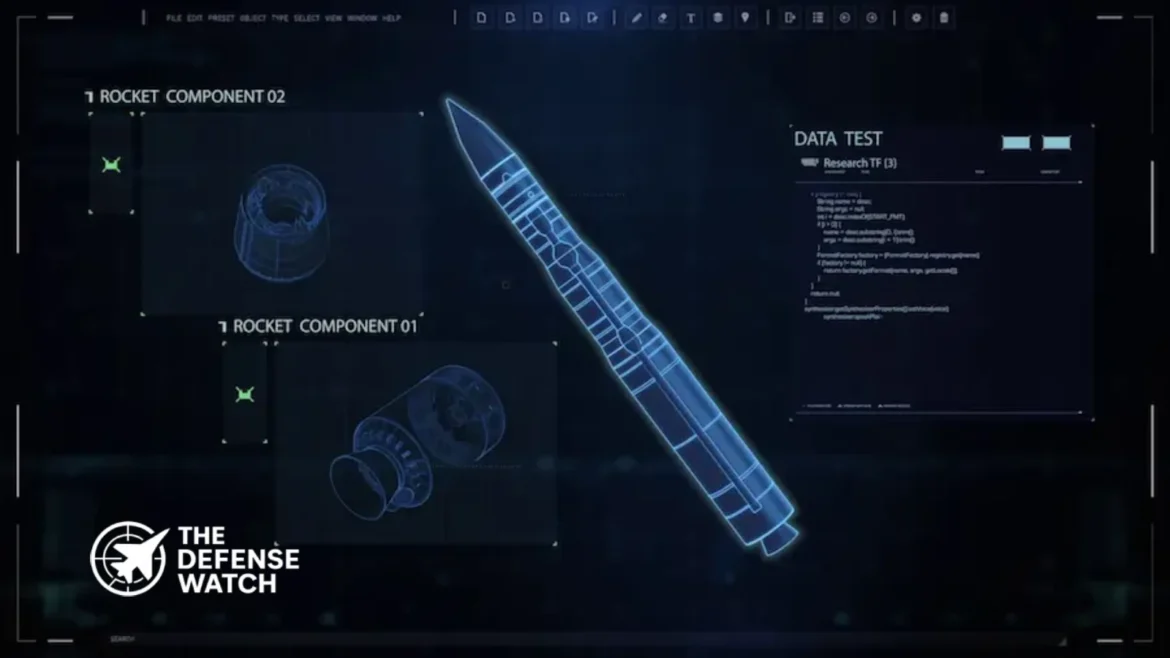
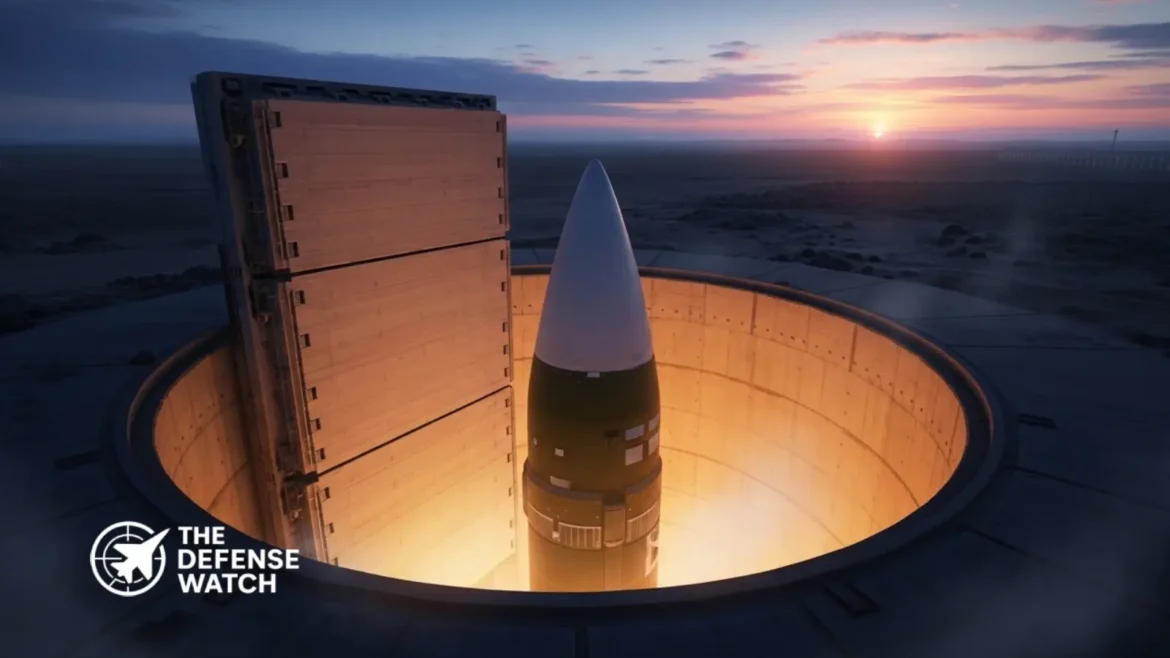
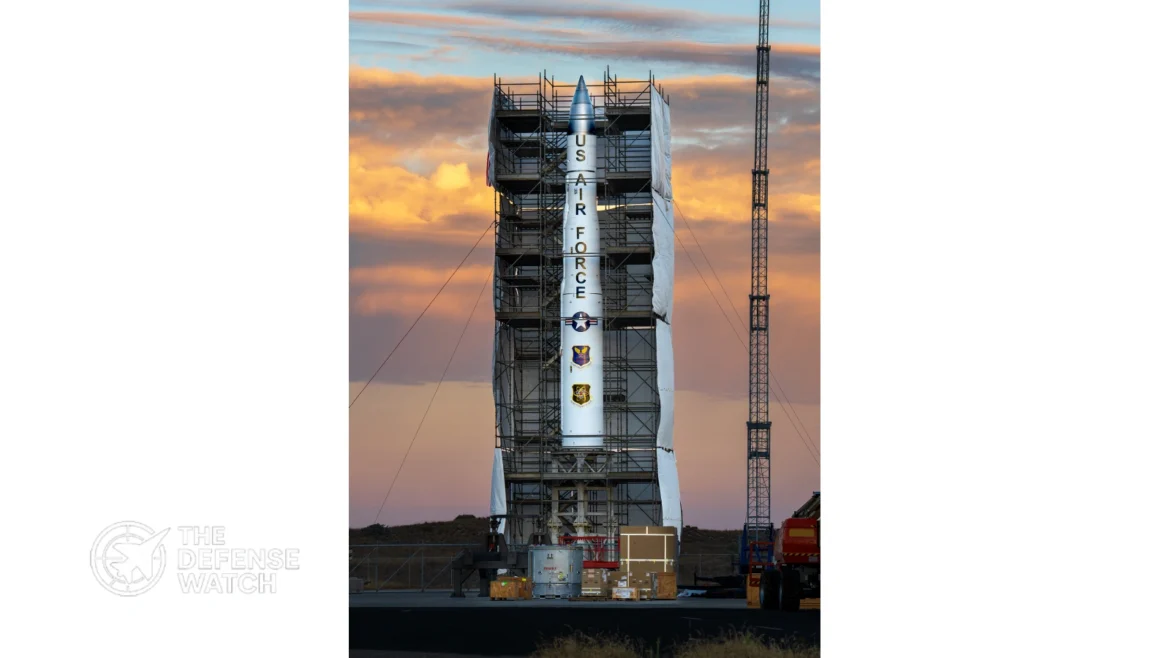
The Air Force and Northrop Grumman are therefore developing prototype launch infrastructure before full scale construction. A Sentinel launch silo tube prototype is being used to validate structural designs and construction methods.
The approach is intended to reduce uncertainty before the service commits to large scale deployment work. It also reflects a broader change in the acquisition strategy following the Nunn-McCurdy review.
The Air Force has also begun work on new Wing Command Centers and supporting infrastructure. At F.E. Warren Air Force Base, construction and prototyping activities are intended to establish methods that can later be applied across the missile fields.
Software and Systems Engineering Remain Key Risks
Sentinel’s modernization challenge extends beyond hardware.
The Government Accountability Office has identified software development as a significant program risk. Earlier assessments found that software progress was slower than expected and that the program needed to improve software development metrics and cybersecurity planning.
A 2026 GAO assessment also reported that the program was refining its software requirements, cybersecurity approach and development processes as part of the broader restructuring effort. The program is pursuing digital engineering methods, modular architecture and a digital twin to support development and future upgrades.
This matters because Sentinel is a weapon system rather than simply a new missile. Its operational effectiveness depends on the integration of the missile, launch facilities, command and control systems, communications architecture, software and security systems.
A delay in any one of these areas can affect the broader fielding schedule.
Why the Early 2030s Timeline Matters
The Air Force’s accelerated timeline is intended to prevent a prolonged gap between the existing Minuteman III force and Sentinel.
The Air Force says the Sentinel program is now targeting a first launch in 2027 and initial capability in the early 2030s. Northrop Grumman has publicly aligned its development schedule with those objectives.
At the same time, GAO has highlighted the need for caution because Sentinel has already experienced major cost and schedule problems. The February 2026 GAO assessment said the program’s first flight had slipped roughly four years from its original estimate and identified unresolved software, infrastructure and program management challenges.
The difference between the Air Force’s accelerated 2027 objective and GAO’s earlier 2028 assessment illustrates the importance of the remaining test and development milestones.
The Air Force has attempted to reduce this risk by changing the flight test strategy. According to GAO’s 2026 assessment, the program planned to conduct its first several flights from an above ground pad before moving to a silo based launch later in development.
That approach allows engineers to obtain flight data earlier without waiting for the entire operational silo infrastructure to be ready.
Strategic Importance to the U.S. Nuclear Triad
Sentinel represents the long term replacement of one of the three pillars of the U.S. nuclear deterrent.
The Department of Defense has argued that the land based component provides a persistent strategic capability and complicates adversary calculations. The department’s 2024 Nunn-McCurdy review concluded that alternatives such as extending Minuteman III or pursuing different basing concepts would not provide the required capability at lower cost.
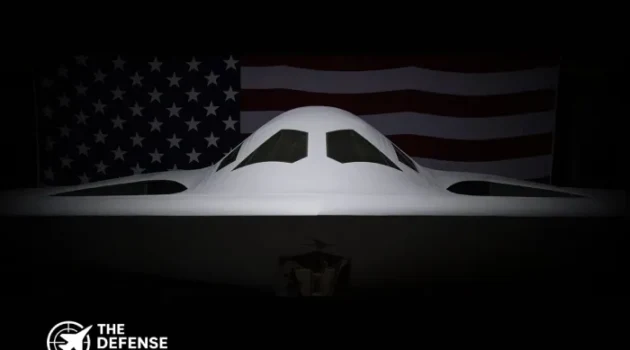
The modernization also takes place against a broader U.S. effort to replace aging nuclear delivery systems. The Columbia class ballistic missile submarine, B-21 Raider and Sentinel are central elements of that modernization effort.
For Sentinel, the strategic requirement is therefore tied to both deterrence and continuity. The system must remain operationally credible while the United States transitions from a missile design that has been in service for more than five decades.
Northrop Grumman’s Investment Supports a Long Term Program
The more than $2 billion Northrop Grumman investment demonstrates the industrial scale of the Sentinel effort, but it does not by itself resolve the program’s acquisition challenges.
The most important milestones ahead are the completion of the restructuring process, the new Milestone B decision, continued qualification testing, the first flight campaign and maturation of the launch infrastructure.
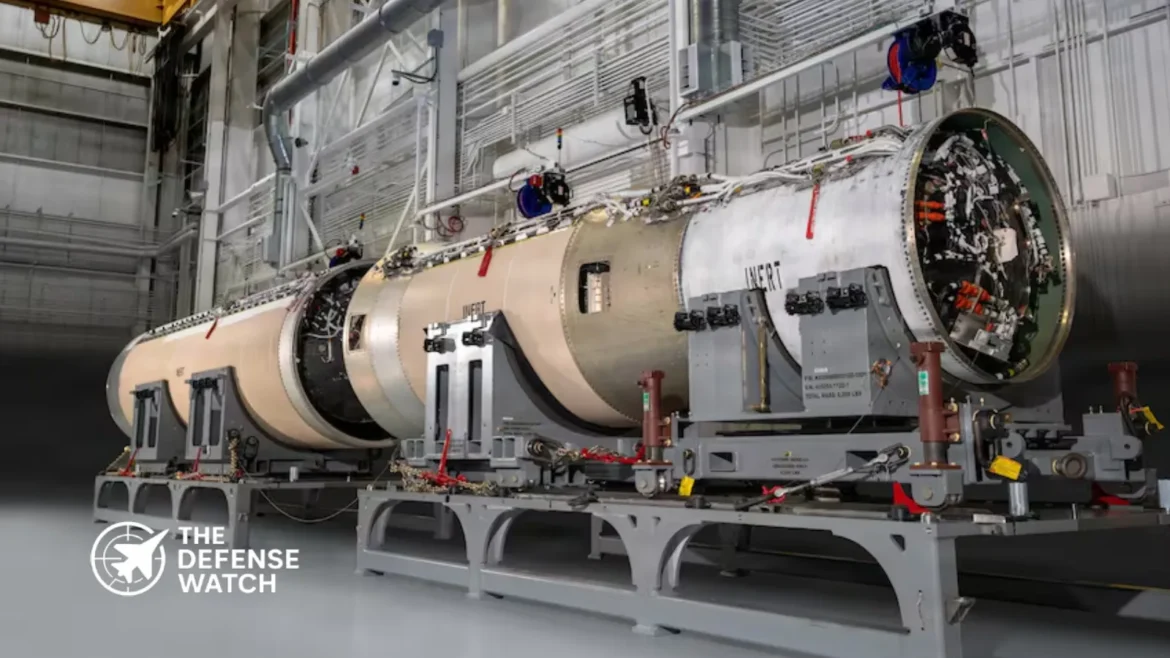
The Air Force and Northrop Grumman have already demonstrated progress on several technical elements. The program completed qualification testing of the Stage 1 and Stage 2 solid rocket motors, assembled a complete three stage ground test missile and advanced the design of the Launch Support System.
The central test for the program will be whether these technical advances translate into predictable cost, schedule and performance outcomes.
If the current plan holds, Sentinel will begin flight testing in 2027 and move toward initial capability in the early 2030s. That would place the United States on a path to replace the Minuteman III while establishing a new infrastructure architecture intended to support the land based nuclear deterrent for decades.
Key Takeaways
- Northrop Grumman has invested more than $2 billion in Sentinel facilities and technology.
- The company says it has hired more than 5,000 people supporting strategic deterrence and related programs.
- Sentinel is designed to replace the Minuteman III as the land based leg of the U.S. nuclear triad.
- The Air Force plans to deploy 400 Sentinel missiles.
- The current Air Force target calls for first launch in 2027 and initial capability in the early 2030s.
- The program’s estimated acquisition cost rose to about $140.9 billion after the Nunn-McCurdy review.
- Infrastructure, software, systems engineering and cost control remain major program management priorities.
- GAO continues to identify schedule and technical risks that could affect the transition from Minuteman III to Sentinel.
Executive Summary:
Northrop Grumman has begun expanding its Roy Innovation Center in Utah with a new facility dedicated to supporting the U.S. Air Force’s Sentinel intercontinental ballistic missile program. The investment increases engineering and production capacity as the United States continues modernizing the land based leg of its nuclear triad for long term strategic deterrence.
Northrop Grumman Expands Sentinel ICBM Infrastructure In Utah
Northrop Grumman’s Sentinel ICBM program reached another milestone after the company broke ground on a major expansion of its Roy Innovation Center in Utah. The announcement marks another step in the U.S. Air Force’s effort to replace the aging LGM 30G Minuteman III with the next generation LGM 35A Sentinel strategic missile system.
According to Northrop Grumman, the new Legacy Building will become the sixth structure on the Roy campus, bringing the site to more than 1.1 million square feet of office and engineering space. Construction is scheduled to begin this summer and conclude in 2028.
The Roy Innovation Center sits near Hill Air Force Base, positioning engineers and program teams close to one of the Air Force’s principal centers for ICBM sustainment and modernization.
New Facility Supports Long Term Sentinel Development
Northrop Grumman said the expansion is designed to support Sentinel and other advanced defense programs while creating hundreds of additional high skilled jobs.
The company currently employs more than 11,000 people in Utah, making it the state’s largest defense contractor. Across the United States, nearly 5,000 employees are working directly on Sentinel development as the Air Force targets initial operational capability in the early 2030s.
Utah Governor Spencer Cox described Northrop Grumman as a cornerstone of the state’s aerospace industry, highlighting its contribution to advanced manufacturing and national security.
Northrop Grumman Defense Systems President Ben Davies said Utah’s engineering workforce, proximity to Hill Air Force Base, and long standing defense ecosystem made the expansion a logical investment for future strategic missions.
Sentinel Replaces The Aging Minuteman III Fleet
The Sentinel weapon system represents the most comprehensive modernization of the land based component of America’s nuclear triad in more than five decades.
The program replaces the Minuteman III, which first entered service during the early 1970s and has undergone multiple life extension efforts to remain operational. According to Northrop Grumman, many core missile components, including propulsion, guidance, communications, and launch infrastructure, have reached the limits of economical modernization.
Unlike a simple missile replacement, Sentinel includes:
Program Element Description New ICBM LGM 35A Sentinel strategic missile Launch Infrastructure Modernized silos and launch facilities Command & Control Updated communications and battle management systems Security Systems Enhanced cyber resilience and physical security Support Infrastructure New engineering, maintenance, and logistics facilities The Air Force describes Sentinel as an integrated weapon system rather than simply a new missile, requiring modernization across hundreds of launch facilities and supporting infrastructure spread across multiple states.
Infrastructure Expansion Reflects Industrial Base Investment
The Utah construction project also highlights a broader trend within the U.S. defense industrial base.
Northrop Grumman stated it has invested approximately $13.5 billion in infrastructure and research and development during the past five years. That investment includes roughly $2 billion dedicated to expanding solid rocket motor manufacturing capacity, a critical capability supporting Sentinel as well as national security space launch programs.
Increasing production capacity has become a priority across the U.S. defense sector as multiple modernization programs compete for highly specialized manufacturing resources, engineering talent, and advanced propulsion systems.
Why The Expansion Matters
Although the new Utah facility does not directly increase missile inventory, it strengthens one of the most important elements behind long term strategic deterrence: industrial capacity.
Modern nuclear modernization programs extend far beyond missile assembly. They require secure software development, digital engineering, systems integration, cybersecurity, advanced manufacturing, testing, and long term sustainment planning. Expanding engineering facilities today helps reduce future production bottlenecks as Sentinel moves toward full scale deployment.
The Roy Innovation Center has become one of the principal engineering hubs supporting this effort. Its continued growth reflects the increasing complexity of strategic weapons programs, where digital design environments, model based systems engineering, and integrated manufacturing play as important a role as missile production itself.
The expansion also demonstrates how large defense modernization programs generate long term investment beyond military installations. New facilities support regional supply chains, specialized manufacturing, workforce development, and research partnerships that can benefit multiple national security programs over several decades.
Program Continues Despite Cost And Schedule Challenges
Sentinel remains one of the Pentagon’s largest modernization efforts. The program has experienced significant cost growth and schedule adjustments as the Air Force restructured portions of the effort after determining that much of the legacy Minuteman infrastructure required more extensive replacement than originally planned.
Despite those challenges, the Department of Defense continues to identify Sentinel as a central component of maintaining a safe, secure, and credible U.S. nuclear deterrent alongside strategic bombers and ballistic missile submarines.
U.S. Funds $4.6 Billion Sentinel ICBM Program
The Sentinel ICBM program has received a new $4.6 billion funding boost, underlining Washington’s commitment to replace the aging LGM-30G Minuteman III missile force with the next-generation LGM-35A Sentinel system.
- The United States is allocating $4.6 billion for the Sentinel ICBM program in the latest defense budget cycle.
- Sentinel is designed to replace the aging Minuteman III missile force first deployed in 1970.
- The program is led by :contentReference[oaicite:0]{index=0} and includes missile, launch control, and silo infrastructure upgrades.
- Initial operational capability is now expected in the early 2030s after delays and restructuring.
- Sentinel remains central to the land-based leg of the U.S. nuclear triad.
The funding, highlighted in recent defense reporting, comes as the Pentagon works to stabilize one of its most complex modernization efforts. Sentinel is intended to renew the ground-based component of the U.S. nuclear triad, alongside ballistic missile submarines and strategic bombers.
For U.S. planners, replacing Minuteman III is no longer optional. The missile entered service in 1970 and has remained operational through repeated life-extension efforts. Many of its core support systems, launch facilities, and command networks date back decades.
Why Sentinel Matters
Unlike a simple missile swap, Sentinel is a full system rebuild. It includes:
- New solid-fuel intercontinental ballistic missiles
- Modernized launch control centers
- Refreshed underground silos and support sites
- Updated communications and command links
- Cyber-resilient digital architecture
Congressional research notes the existing Minuteman III infrastructure includes facilities originating in the 1960s, which adds urgency to replacement timelines.
That broader scope explains why Sentinel has become one of the Pentagon’s most expensive strategic programs.
Delays And Rising Costs
The Sentinel program has faced schedule pressure and major cost growth. In 2024, the Pentagon acknowledged the effort was significantly over budget, triggering a Nunn-McCurdy review process for troubled acquisition programs. Reuters previously reported total program estimates above $140 billion.
More recently, the U.S. Government Accountability Office said the first missile flight has slipped roughly four years from earlier plans, with testing now expected in 2028.
Still, the Air Force says initial capability is targeted for the early 2030s.
Strategic Analysis
The latest $4.6 billion Sentinel ICBM allocation suggests the U.S. government has chosen continuity over delay despite mounting costs.
That matters for three reasons:
First, Washington sees land-based missiles as a core deterrent against peer nuclear rivals such as Russia and China.
Second, abandoning Sentinel would likely require another expensive life-extension for Minuteman III, itself an aging system with shrinking industrial support.
Third, the program supports a specialized industrial base tied to solid rocket motors, hardened infrastructure, and nuclear command systems.
In short, Sentinel is costly, but cancellation would also carry strategic and financial risks.
What Comes Next
The next milestones to watch include:
- Completion of program restructuring
- New acquisition baseline approval
- First pad launch testing
- 2028 flight test progress
- Infrastructure construction across missile fields
If these steps hold, the Sentinel ICBM could begin replacing Minuteman III during the next decade.
- â–º The LGM-35A Sentinel ICBM is expected to reach initial operational capability in the early 2030s, the U.S. Air Force confirmed on February 17, 2026.
- â–º The Sentinel program restructure is projected to be complete by the end of 2026, along with a new Milestone B acquisition decision.
- â–º Original program cost was estimated at $77.7 billion; it ballooned to approximately $160 billion before a critical Nunn-McCurdy breach was declared in January 2024.
- â–º The Pentagon’s revised cost estimate with a restructured acquisition strategy stands at approximately $140.9 billion.
- â–º Gen. Dale White was appointed as Direct Reporting Portfolio Manager (DRPM) to cut bureaucracy and accelerate delivery of the Sentinel and other major Air Force programs.
- â–º Sentinel is intended to replace the Cold War-era LGM-30G Minuteman III, which has been in service for over 50 years and is well past its designed service life.
- â–º The original IOC target of 2029 slipped first to 2030, and is now pushed further into the early 2030s.
U.S. Air Force Sets Early 2030s Rollout For LGM-35A Sentinel Nuclear Missile After Major Overhaul
The U.S. Air Force confirmed on February 17, 2026, that its next-generation LGM-35A Sentinel nuclear missile is now projected to reach initial operational capability in the early 2030s — a further delay from earlier targets, but one the service says reflects a more credible, data-driven acquisition path following a sweeping program restructure.
The announcement marks the latest chapter in the troubled development of the Northrop Grumman-built intercontinental ballistic missile, which is central to America’s ground-based nuclear deterrent and designed to replace the aging LGM-30G Minuteman III — a system first fielded more than 50 years ago.
A Program Mired in Cost Overruns
When the Pentagon first awarded Northrop Grumman the Sentinel contract, the program carried a projected price tag of roughly $77.7 billion. That figure subsequently ballooned to an estimated $160 billion — more than double the original estimate — driven primarily by the enormous cost of constructing a new network of missile silos and launch control centers spread across thousands of miles of Great Plains terrain.
The cost spiral triggered a formal Nunn-McCurdy critical breach declaration in January 2024, a threshold that under federal law requires the Pentagon to notify Congress and justify whether the program should continue. After a detailed review, the Defense Department concluded in July 2024 that the Sentinel was too critical to national security to cancel — but ordered the Air Force to restructure the program and put it on a sustainable financial footing.
As part of that restructure, the original Milestone B approval — granted in September 2020 to authorize entry into engineering and manufacturing development — was formally revoked, requiring the program to re-earn that authorization under a revised acquisition framework.
Restructure on Track, New Milestone B Expected This Year
The Air Force said Tuesday that the Sentinel program restructure is now expected to conclude by the end of 2026, at which point the service anticipates receiving a new Milestone B decision. Officials described the program as having “leveraged considerable progress over the last 12 to 18 months” and said a “transformed acquisition strategy” is enabling the team to move with greater speed and discipline.
Air Force Secretary Troy Meink underscored the strategic urgency of the program. “Modernizing our nuclear deterrent is a critical priority,” Meink wrote on X. “The Sentinel program is on a data-driven path to deliver this capability, replacing a 1970s-era system to guarantee Peace through Strength for decades to come.”
A final updated cost figure for the restructured program was not immediately released. However, a U.S. official confirmed to Defense News that the Milestone B process will include an independent cost estimate from the Pentagon’s Office of Cost Assessment and Program Evaluation (CAPE). The Pentagon’s 2024 revised estimate, conducted under the restructured acquisition approach, put the program’s total cost at approximately $140.9 billion.
New Leadership Mechanism Designed to Cut Bureaucracy
A significant structural change behind the renewed confidence in Sentinel’s trajectory is the appointment of Gen. Dale White as the Air Force’s Direct Reporting Portfolio Manager (DRPM) — a role created by Defense Secretary Pete Hegseth in August 2025 specifically to oversee the service’s most consequential major acquisition programs.
Beyond the LGM-35A Sentinel and the legacy Minuteman III, White’s portfolio includes the F-47 sixth-generation fighter and the B-21 Raider stealth bomber — programs that collectively represent the backbone of future U.S. air and nuclear power.
The DRPM has the direct authority to make decisions, informed by integrated inputs across the enterprise and in alignment with the mission priorities set by the Secretary of War and the Secretary for the Air Force,” White stated. “That construct allows us to resolve tradeoffs quickly and move with the speed required to deliver credible deterrence, while preserving the discipline this mission demands.”
Following his appointment, White and his team conducted a comprehensive review of the Sentinel program before arriving at the current early 2030s IOC projection.
Why Sentinel Matters for U.S. Nuclear Strategy
The LGM-35A Sentinel nuclear missile is not simply a modernization effort — it is a foundational pillar of the U.S. strategic triad, which also includes submarine-launched ballistic missiles and nuclear-capable bombers. The ground-based leg of the triad, housed in hardened silos across Montana, Wyoming, North Dakota, Colorado, and Nebraska, provides a survivable and promptly responsive deterrent.
The Minuteman III missiles currently occupying those silos were designed in the 1960s and have been extended and upgraded well beyond their original design lives. The Air Force has maintained that the aging airframes and electronics cannot be reliably sustained indefinitely, and that a clean-sheet replacement — rather than further life extension — is the appropriate path forward.
The Sentinel program, despite its well-documented cost and schedule challenges, remains the only program of record for that replacement. There is no credible alternative currently in development.
Timeline Slip Raises Questions, But Program Survives
The IOC target for Sentinel has now shifted three times. The original goal of 2029 slipped to 2030, and the Air Force’s latest statement pushes it further — into a range described only as the “early 2030s.” While the service did not specify a single target year, the phrasing suggests a window of 2031 to 2033.
Defense analysts and congressional observers have previously raised concerns about the compounding schedule and cost risks inherent in the program, particularly given the complexity of silo construction and the technical requirements of fielding a new ICBM. The Air Force’s decision to require new silos — rather than reuse existing Minuteman III infrastructure — added significantly to both cost and construction timelines, though officials have maintained that new silos are necessary for reliability and safety.
The revised acquisition strategy, the DRPM oversight structure, and the expected new Milestone B decision by end of 2026 represent the Air Force’s attempt to demonstrate to Congress and the Pentagon that the program is being managed with greater rigor than before.
What Comes Next
With the restructuring phase expected to close out this year, attention will turn to the Milestone B re-authorization process and the accompanying independent cost estimate from CAPE. That estimate will be closely scrutinized by both the Office of the Secretary of Defense and Capitol Hill.
Beyond that, the Air Force will need to demonstrate sustained execution against a revised schedule and cost baseline — a challenge that has proved elusive for the program to date. Northrop Grumman’s performance in the engineering and manufacturing development phase, once officially re-authorized, will be the critical variable in determining whether the early 2030s IOC target holds.
For now, the U.S. Air Force is projecting cautious confidence: the LGM-35A Sentinel nuclear missile is moving forward, with a cleaner acquisition structure and more direct oversight than at any point in its turbulent history.