(adsbygoogle = window.adsbygoogle || []).push({});Executive Summary:
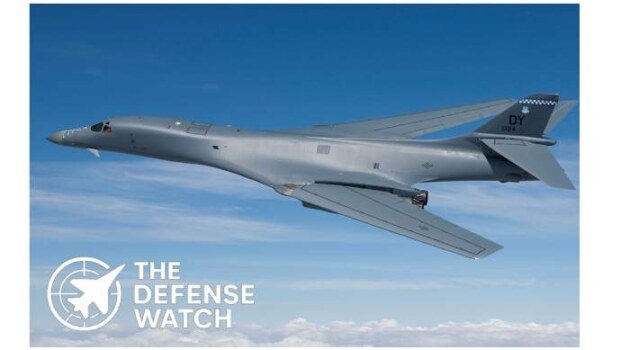
The U.S. Air Force has awarded Top Flight Aerostructures a potential $53.1 million contract to manufacture B-1 aircraft trailing edge components through June 2029. Managed by Defense Logistics Agency Weapon Support, the award supports the long-term sustainment of one of the Air Force’s most heavily utilized long-range strike platforms.
According to the Defense Logistics Agency (DLA) Weapon Support office in Oklahoma City, Georgia-based Top Flight Aerostructures Inc. has secured a maximum-value $53,078,535 firm-fixed-price, indefinite-delivery/indefinite-quantity (IDIQ) contract for B-1 aircraft trailing edge assemblies. The award follows a competitive procurement process that attracted two bids and will remain in effect through June 17, 2029.
The contract is funded through Fiscal Year 2026 through Fiscal Year 2029 Defense Working Capital Funds and supports the U.S. Air Force’s ongoing effort to maintain operational readiness across the B-1B Lancer fleet while modernization and force structure decisions continue to shape the bomber enterprise.
Deep Technical & Strategic Context Analysis
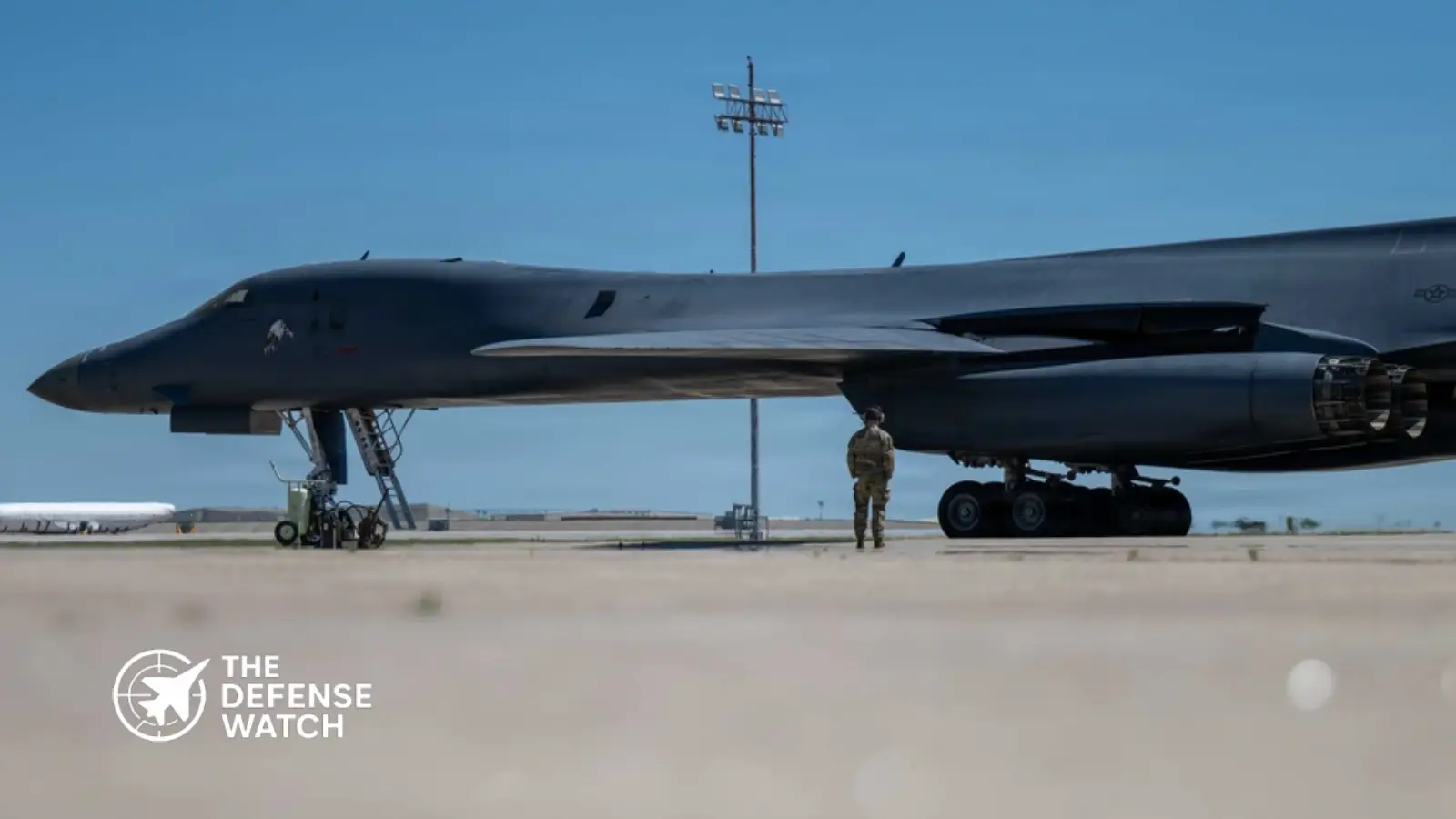
The B-1B Lancer remains one of the U.S. military’s most important conventional long-range strike assets despite its age. Originally developed as a supersonic strategic bomber, the aircraft has evolved into a high-capacity conventional strike platform capable of carrying the largest payload of guided and unguided munitions in the Air Force inventory. The bomber continues to support global deterrence missions, Indo-Pacific force projection operations, and strategic bomber task force deployments across Europe and the Middle East.
Trailing edge structures are critical aerodynamic components located along the rear section of the wing. These assemblies incorporate movable flight control surfaces that directly affect lift, stability, maneuverability, and overall flight performance. On the B-1, which features variable-sweep wings that change geometry during flight, maintaining structural integrity in trailing edge components is particularly important due to the high mechanical loads generated during supersonic and low-level flight profiles.
The contract’s firm-fixed-price structure transfers much of the cost risk to the contractor, providing the government with predictable procurement expenses. The IDIQ format allows the Air Force and DLA to place orders as requirements emerge rather than purchasing all components upfront. This approach is commonly used for sustainment programs supporting aging aircraft fleets where replacement demand can fluctuate based on operational tempo, maintenance findings, and depot-level inspections.
The award also reflects a broader trend across the Air Force’s bomber force. While the next-generation B-21 Raider enters service, the B-1B fleet is expected to remain operational for years, requiring continuous investment in structural components, avionics upgrades, and maintenance support to preserve mission readiness.
(adsbygoogle = window.adsbygoogle || []).push({});Contract Breakdown & Details
Contract Overview
- Contractor: Top Flight Aerostructures Inc.
- Location: Dallas, Georgia
- Contract Value: Up to $53,078,535
- Contract Type: Firm-Fixed-Price IDIQ
- Customer: United States Air Force
- Contracting Activity: Defense Logistics Agency Weapon Support, Oklahoma City, Oklahoma
- Contract Number: SPRTA1-26-D-0005
Scope of Work
- Production of B-1 aircraft trailing edge assemblies
- Support for fleet sustainment and readiness requirements
- Long-term replacement of critical aerodynamic structures
- Supply chain support for Air Force bomber maintenance operations
Contract Structure
- Award Type: Firm-fixed-price
- Procurement Method: Competitive acquisition
- Number of Offers Received: Two
- Contract Duration: Three-year base period
- Options: None
Funding Details
- Funding Source: Defense Working Capital Funds
- Fiscal Years Covered: FY2026 through FY2029
- Military Service Supported: U.S. Air Force
Performance Timeline
Item Details Award Date June 2026 Completion Date June 17, 2029 Contract Length 3 Years Option Periods None Why This Contract Matters
Although trailing edge assemblies may appear to be relatively small airframe components compared with engines or mission systems, they directly influence aircraft performance, safety, and availability. For aging strategic platforms such as the B-1B, structural sustainment contracts are essential to extending service life and preventing maintenance-related downtime.
The award demonstrates the Air Force’s continued commitment to maintaining a credible bomber force during the transition toward the B-21 era. Sustaining legacy bombers while introducing next-generation aircraft remains a central element of U.S. long-range strike strategy, ensuring combatant commanders retain global conventional strike capacity throughout the modernization process.