Executive Summary:
Parker Hannifin Corp. has received an $11.57 million U.S. Navy contract to overhaul 583 Secondary Bleed Air Pressure Regulating Valves used on F/A-18 aircraft. The effort supports long-term sustainment and operational readiness of the Navy’s carrier-based fighter fleet through December 2028.
Parker Hannifin Wins U.S. Navy F/A-18 Sustainment Contract
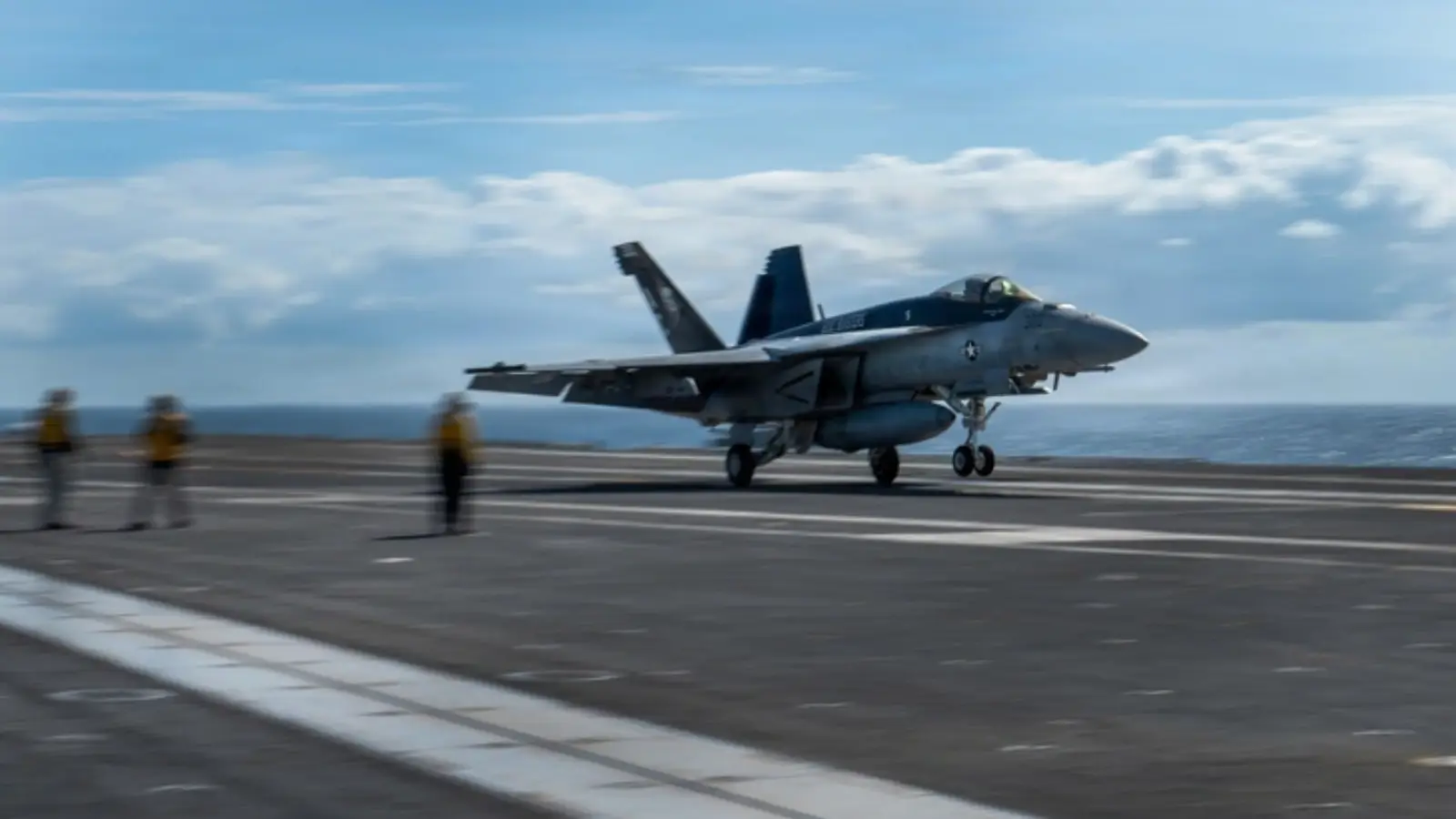
Parker Hannifin has secured an $11,567,431 firm-fixed-price delivery order from the U.S. Navy for the overhaul of critical valve systems used aboard the Boeing F/A-18 Super Hornet fleet.
The contract covers the overhaul of 583 Secondary Bleed Air Pressure Regulating Valves, a key subsystem supporting aircraft pneumatic and environmental control functions. The award was issued under a previously established basic ordering agreement identified as N00383-24-G-BN01.
According to the Department of Defense announcement, all work will be conducted in Irvine, California, with project completion scheduled for December 2028.
Why The F/A-18 Valve Overhaul Matters
The Secondary Bleed Air Pressure Regulating Valve plays an important role within the F/A-18 aircraft’s bleed air management system. Bleed air systems are used to support several onboard functions, including cabin pressurization, environmental controls, engine-related pneumatic operations, and anti-icing systems.
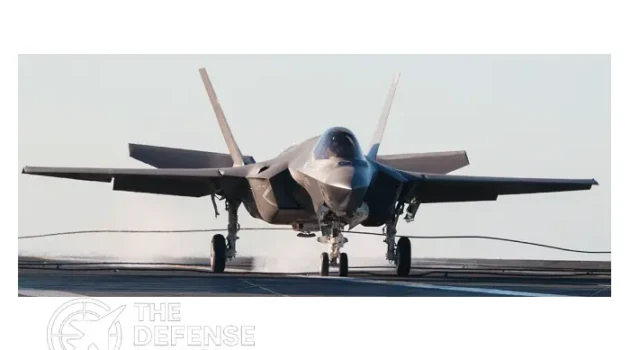
Sustainment contracts of this type are often less visible than new aircraft procurement deals, but they are critical to maintaining fleet readiness and operational availability. The U.S. Navy continues to rely heavily on the F/A-18 platform for carrier air wing operations while newer aircraft such as the Lockheed Martin F-35C Lightning II are introduced in limited numbers.
The latest award highlights how the Navy is investing not only in next-generation systems, but also in maintaining the reliability and service life of existing combat aircraft already deployed worldwide.
Sole-Source Award Reflects Specialized Sustainment Requirements
The contract was awarded on a sole-source basis under the authority of 10 U.S. Code 3204(a)(1), which permits federal agencies to proceed without full competition when only one responsible source is capable of fulfilling requirements.
Only one company was solicited and one offer was received for the requirement.
This arrangement reflects the highly specialized nature of aviation sustainment components, particularly for systems tied to certified aircraft safety and performance standards. Companies already integrated into military aviation supply chains often possess proprietary engineering data, tooling, and certification expertise required for overhaul work.
The contracting activity for the award is the Naval Supply Systems Command Weapon Systems Support in Philadelphia, Pennsylvania.
Broader Context In Naval Aviation Sustainment
The F/A-18 remains one of the Navy’s most heavily utilized tactical aircraft families despite ongoing modernization efforts across naval aviation. Carrier strike groups continue to depend on both legacy Hornets and Super Hornets for air superiority, strike missions, maritime security, and close air support operations.
As operational tempos remain high across the Indo-Pacific, Middle East, and European theaters, sustainment programs are increasingly central to maintaining combat readiness. Maintenance and overhaul contracts help reduce aircraft downtime and ensure mission-capable rates remain stable.
The Navy has also faced ongoing pressure to improve aircraft availability rates amid supply chain challenges and aging fleet concerns. Investments in component overhaul programs, including valves, avionics, landing gear systems, and engine support equipment, are part of a broader readiness strategy.
While the $11.5 million award is relatively modest compared to major aircraft procurement programs, it represents another example of how sustainment funding underpins long-term naval aviation operations.
Funding And Contract Details
Fiscal 2026 Navy working capital funds totaling the full contract value were obligated at the time of award. According to the announcement, those funds will not expire at the end of the current fiscal year.
The firm-fixed-price structure provides cost certainty for the government while placing performance responsibility on the contractor.
Industry analysts continue to note that sustainment spending across U.S. military aviation remains a major segment of the defense market, especially as platforms remain operational for decades beyond initial production.