A-10 Warthog Service Extended To 2030
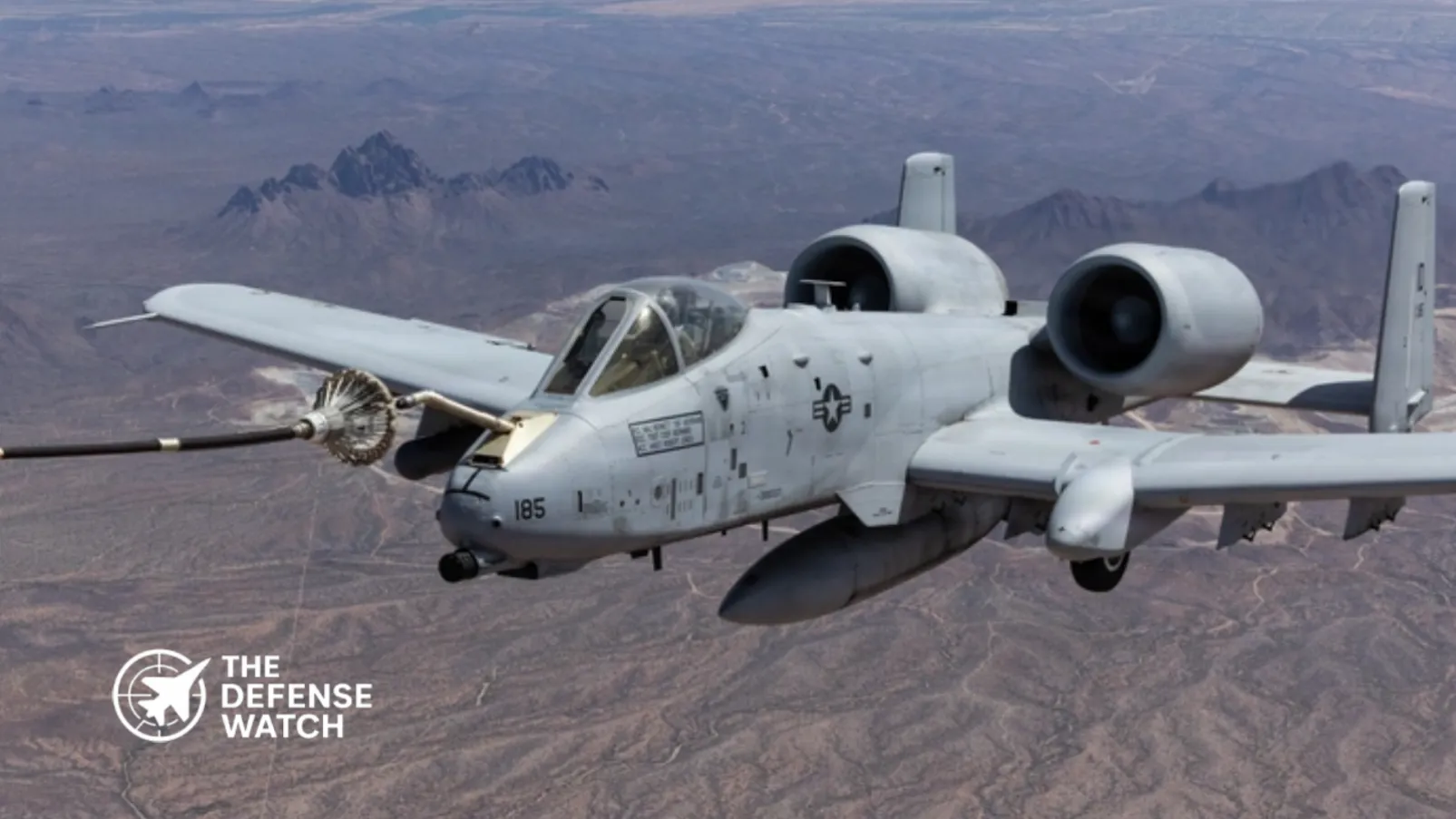
The A-10 Warthog service extended decision marks a major reversal in long-running U.S. Air Force plans to retire the iconic close air support aircraft. Air Force Secretary Troy Meink announced that the A-10 Thunderbolt II fleet will remain in service through 2030, citing the need to preserve combat power while the U.S. defense industrial base increases production of newer aircraft.
- The U.S. Air Force has extended A-10 Warthog service life to 2030.
- The aircraft had previously faced retirement as early as 2026 under earlier plans.
- Officials said the move preserves combat power while aircraft production ramps up.
- A-10 aircraft were recently used in operations linked to the Iran conflict.
- The decision highlights continuing demand for close air support capability.
The move follows renewed operational use of the aircraft during the current Iran conflict, where U.S. Central Command-linked reporting indicated A-10 aircraft were employed in combat missions.
Why The Pentagon Changed Course
For years, the U.S. Air Force argued that the A-10 was aging, costly to maintain, and increasingly vulnerable in highly contested airspace. Service leaders repeatedly sought to retire the aircraft and redirect funding toward newer platforms such as the Lockheed Martin F-35 Lightning II and Boeing F-15EX Eagle II.
But combat realities often shape procurement timelines more than planning documents.
The latest extension suggests the Pentagon still sees value in aircraft that can loiter for long periods, carry heavy ordnance, and provide direct support to ground forces. In lower-to-medium threat environments, the A-10 remains a practical tool even if it is no longer considered ideal for high-end peer conflict.
That distinction matters. The aircraft may not be central to a Pacific war scenario, but it can still be useful in regional conflicts, maritime security operations, convoy protection, and rapid response missions.
Why The A-10 Still Matters
The Fairchild Republic A-10 Thunderbolt II first entered service in the 1970s and was built around its powerful 30mm GAU-8/A cannon. It became famous during the Gulf War and later saw action in Afghanistan, Iraq, and operations against ISIS.
Its strengths remain clear:
- Long loiter time over the battlefield
- Heavy weapons load
- Rugged design and battle damage tolerance
- Strong close air support performance
- Lower operating complexity than some advanced fighters
Critics, however, note that survivability against modern integrated air defense systems remains a serious concern.
Strategic Meaning Behind The 2030 Extension
The extension is also a signal about industrial capacity. U.S. officials specifically tied the move to the need for more combat aircraft production. That implies replacement fleets are not arriving fast enough to fully absorb the A-10 mission set.
In practical terms, Washington appears to be choosing available combat mass over a cleaner retirement schedule.
That is a broader lesson across many air forces today. Legacy aircraft once marked for retirement are staying in service longer because new production, pilot training pipelines, and maintenance transitions take time.
What Comes Next
The A-10 Warthog service extended announcement does not guarantee the aircraft survives beyond 2030. Instead, it likely creates a bridge period while newer aircraft numbers grow and force structure decisions mature.
For now, the Warthog has won another reprieve.
And once again, a combat-tested legacy aircraft has outlasted retirement plans.
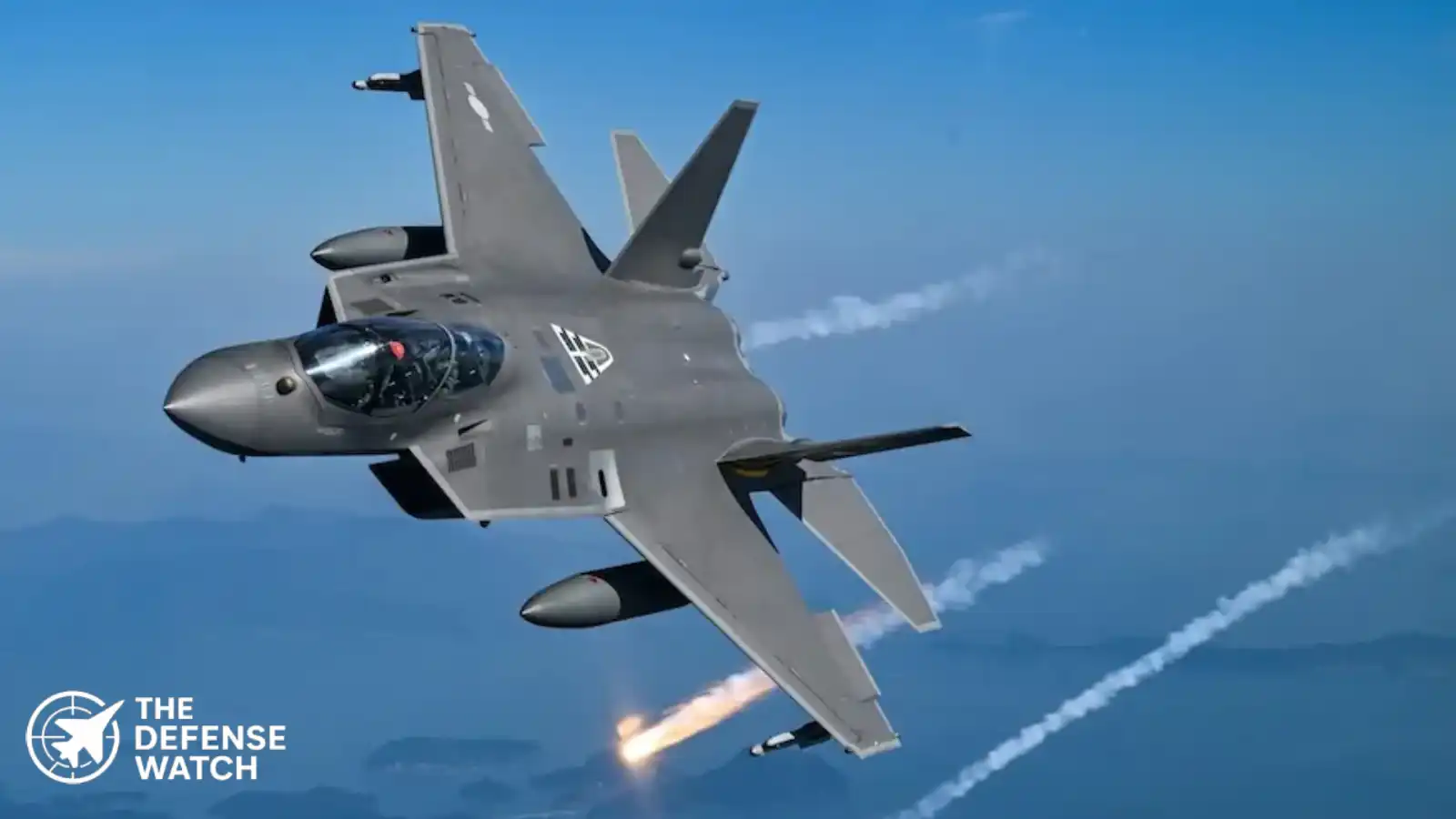
KF-21 Boramae Reaches First Production Flight Milestone
The KF-21 Boramae has entered a critical new phase after the first production aircraft successfully completed its maiden flight in South Korea, according to reporting by Defence Industry Europe citing program developments from Korea Aerospace Industries (KAI).
The successful test marks the transition from prototype development into serial production, one of the most important steps for any modern fighter aircraft program. It also signals that South Korea remains on track to begin delivering the new combat jet to the Republic of Korea Air Force later this year.
- First KF-21 Boramae production aircraft completed its maiden flight in South Korea.
- The milestone comes ahead of initial deliveries scheduled later in 2026.
- KF-21 is being developed by Korea Aerospace Industries for the Republic of Korea Air Force.
- The aircraft is intended to replace older F-4 and F-5 fighter fleets.
- The program supports South Korea’s drive for greater defense self-reliance and export growth.
For Seoul, the event is more than symbolic. It reflects years of investment aimed at reducing dependence on foreign fighter imports while strengthening domestic aerospace manufacturing capacity.
Why The KF-21 Boramae Matters
The KF-21 Boramae was designed as a next-generation multirole fighter positioned between legacy fourth-generation aircraft and more expensive fifth-generation stealth platforms.
That makes the aircraft strategically important. Many air forces need modern sensors, advanced avionics, networked warfare capability, and lower radar signature, but cannot afford or access top-tier stealth fleets in large numbers.
South Korea appears to be targeting that gap.
The KF-21 is expected to replace aging F-4 Phantom II and F-5 aircraft while operating alongside existing advanced fleets such as the F-35. This mixed-force model gives South Korea both high-end stealth capability and larger affordable fighter mass.
Production Milestone Shows Program Confidence
Moving a prototype into production is where many aerospace programs face delays, cost growth, or redesign pressure. Completing a maiden flight with the first production-standard aircraft suggests that engineering maturity is improving and manufacturing systems are stabilizing.
That matters for future customers as much as for South Korea itself.
Export buyers typically watch three indicators closely:
- Has the aircraft entered production
- Are deliveries happening on schedule
- Is the home nation fully committed
The KF-21 Boramae now strengthens its position on all three points.
Regional Security Context
The timing is notable. Indo-Pacific airpower competition continues to intensify as regional states modernize fleets and expand missile defense networks.
South Korea faces persistent threats from North Korea while also navigating a broader environment shaped by Chinese military expansion and increased great-power rivalry across Asia.
A credible domestically built fighter gives Seoul more flexibility in sustainment, upgrades, weapons integration, and long-term fleet planning.
What Comes Next
The next major benchmarks for the KF-21 Boramae program are expected to include:
- Delivery of first operational aircraft
- Continued flight testing and weapons integration
- Expanded production output
- Potential export negotiations with partner nations
If these stages proceed smoothly, the KF-21 could become one of the most significant non-U.S. fighter programs of the decade.
Bottom Line
The maiden flight of the first production KF-21 Boramae is a meaningful achievement for South Korea’s defense industry. It demonstrates growing industrial confidence, strengthens national airpower modernization, and could open future export opportunities in a highly competitive fighter market.
For Washington and allied planners, the rise of capable partner-built combat aircraft also adds resilience to broader regional security networks.
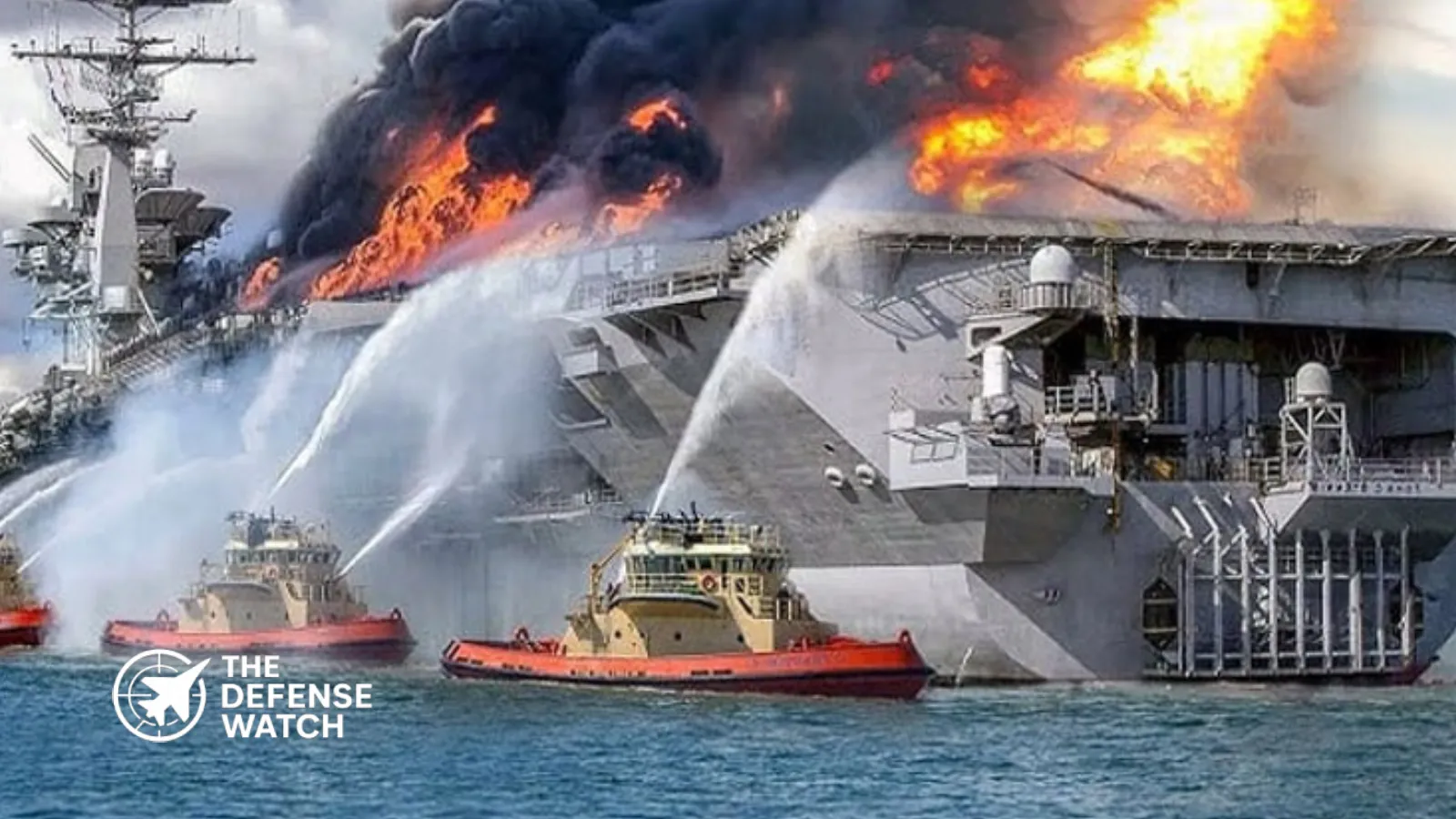
- Fire aboard USS Gerald R. Ford lasted nearly 30 hours before being contained.
- Over 600 crew members lost access to normal living spaces during the incident.
- Extended deployment of 10 months contributed to operational strain on personnel.
- Dozens of sailors reported smoke inhalation related health issues.
- Incident may temporarily impact US Navy carrier readiness and maintenance cycles.
USS Gerald R. Ford Fire Incident
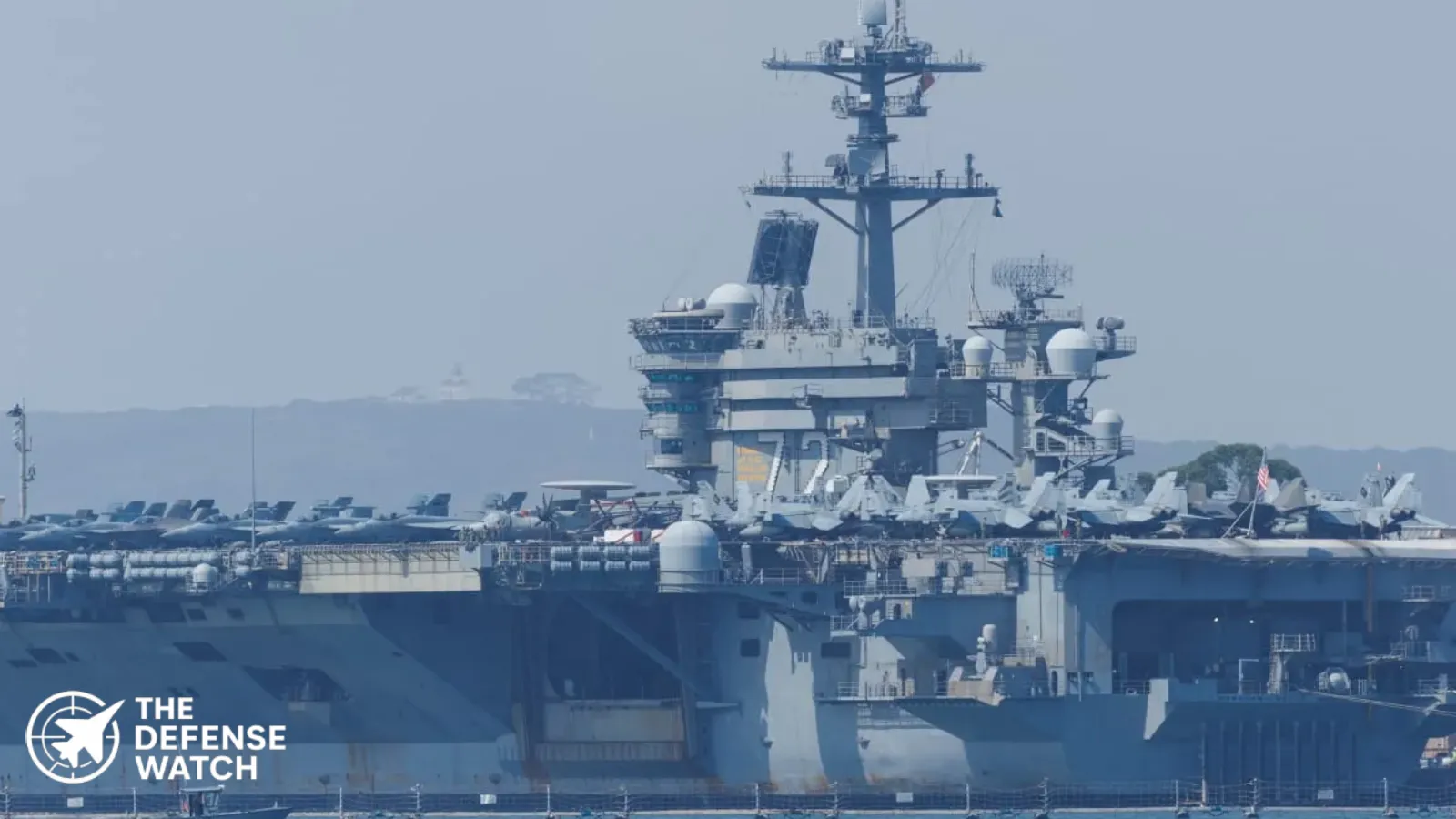
The USS Gerald R. Ford fire incident underscores the risks faced by deployed US Navy carriers, after a prolonged onboard blaze disrupted operations and affected hundreds of sailors.
The Big Picture
The US Navy aircraft carrier fleet remains central to American power projection, particularly in contested regions such as the Indo Pacific and the Middle East. The USS Gerald R. Ford, the lead ship of its class, represents the most advanced carrier design, incorporating electromagnetic aircraft launch systems, advanced radar, and improved sortie generation capabilities.
Sustained deployments have become more common as the US Navy balances global commitments with a limited number of available carriers. This operational tempo places increasing pressure on both platforms and personnel.
The incident highlights a persistent challenge. Even the most advanced platforms remain vulnerable to onboard hazards such as fires, especially during extended deployments where maintenance cycles are compressed.
What’s Happening
Reports from major US outlets, including The New York Times, indicate that a significant fire broke out aboard the USS Gerald R. Ford during ongoing operations at sea.
The fire lasted approximately 30 hours before crews brought it under control. During that period:
- More than 600 sailors lost access to their berthing areas
- Crew members were forced to sleep on floors and workspaces
- Dozens experienced breathing issues due to smoke exposure
The carrier had reportedly been deployed for nearly 10 months, conducting missions and training activities. US Navy officials confirmed that once the fire was extinguished, safety checks and repair efforts began immediately.
No fatalities have been reported, but the scale and duration of the fire indicate a serious onboard emergency.
Why It Matters
The USS Gerald R. Ford fire incident matters because it directly affects operational readiness at a time when US carrier presence is in high demand.
Aircraft carriers function as mobile airbases. Any disruption, especially one lasting more than a day, can degrade sortie generation rates, delay missions, and reduce overall combat effectiveness.
Crew fatigue adds another layer of concern. Sailors operating under sleep deprivation and stress are more likely to face reduced performance, increasing risks during flight operations and damage control scenarios.
The incident also raises questions about maintenance intervals. Extended deployments often delay routine inspections, which can increase the likelihood of technical failures or onboard hazards.
Strategic Implications
The US Navy relies on a limited number of carriers to maintain global presence. A temporary reduction in availability, even from a single ship, can ripple across multiple theaters.
The USS Gerald R. Ford fire incident may force adjustments in deployment schedules or require other carriers to fill operational gaps. This could strain the broader fleet, particularly as older Nimitz class carriers approach retirement.
The event also highlights the importance of damage control training. US Navy crews are known for strong firefighting capabilities, and successfully containing a 30 hour fire demonstrates resilience. However, the duration suggests the complexity of the incident and the challenges posed by modern carrier systems.
Competitor View
China and Russia closely monitor US carrier operations as indicators of American naval readiness.
China, in particular, is expanding its own carrier fleet and may view such incidents as evidence of operational strain within the US Navy. Beijing continues to invest in anti access and area denial systems designed to challenge US carriers in the Western Pacific.
Russia may interpret the event through a different lens, focusing on maintenance and deployment sustainability issues within the US fleet.
While a single incident does not alter the balance of power, repeated operational disruptions could influence perceptions of US naval reliability.
What To Watch Next
The immediate focus will remain on damage assessment and repair timelines aboard the USS Gerald R. Ford.
Key developments to monitor include:
- Official US Navy investigation into the cause of the fire
- Duration of repairs and any required port visits
- Impact on the carrier’s deployment schedule
- Crew recovery and rotation measures
The Navy may also review safety protocols and maintenance procedures, particularly for carriers on extended deployments.
Capability Gap
The USS Gerald R. Ford fire incident highlights a broader capability gap related to sustained operations at sea.
The US Navy aims to maintain continuous global presence, but limited carrier numbers force longer deployments. This increases wear on systems and personnel.
Modern carriers are highly complex platforms. While advanced systems improve combat capability, they also introduce new maintenance challenges. Fires remain one of the most dangerous onboard threats, capable of disrupting operations regardless of technological sophistication.
The incident reinforces the need for balanced deployment cycles, adequate maintenance windows, and continued investment in crew resilience.
The Bottom Line
The USS Gerald R. Ford fire incident reveals how even advanced US Navy carriers face operational strain during extended deployments, with direct implications for readiness and global naval posture.
Eurofighter Typhoon One Million Flying Hours
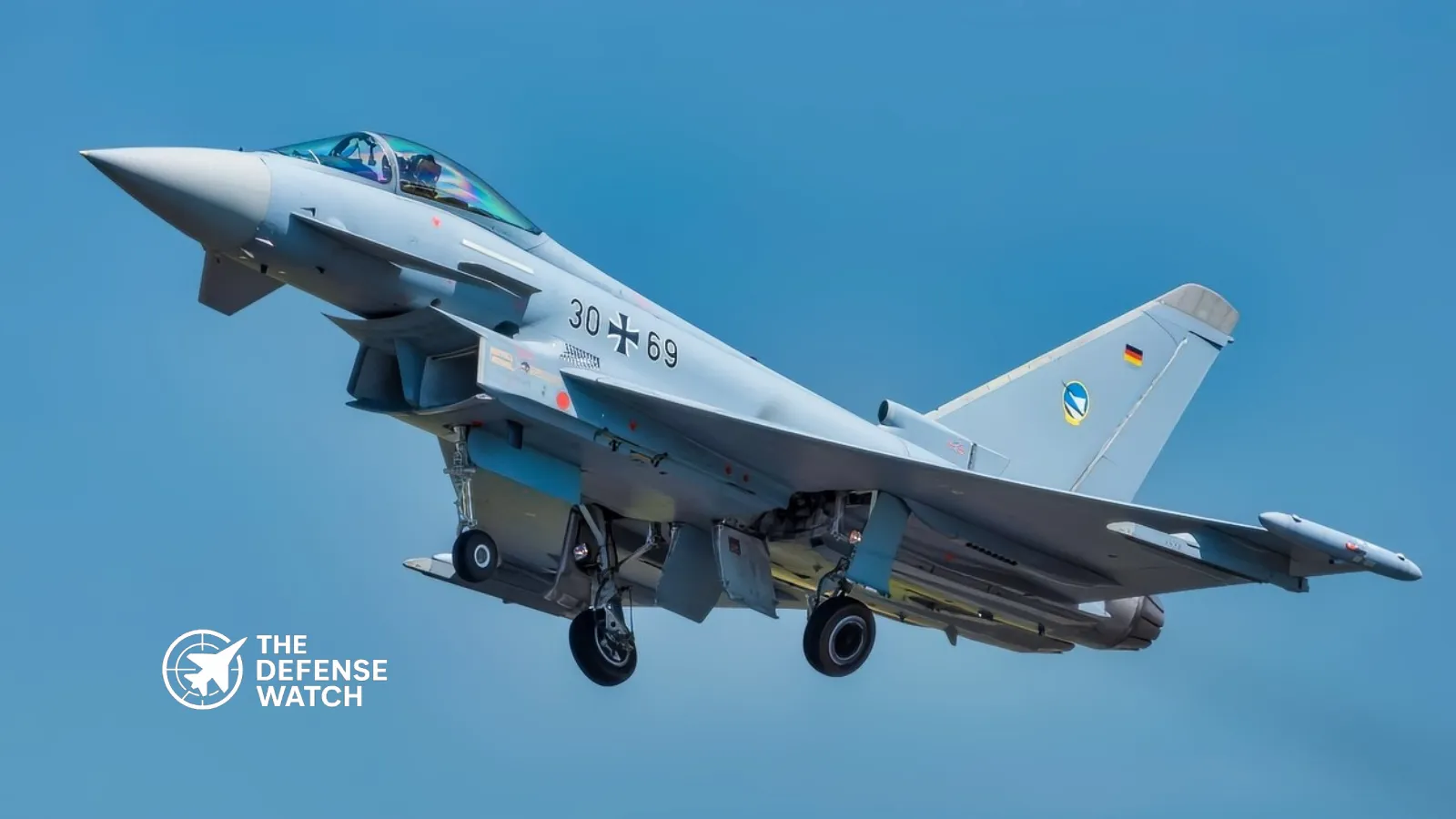
The Eurofighter Typhoon fleet officially surpassed one million flying hours, a milestone that highlights the long-term service and broad operational use of the European multirole combat aircraft across allied air forces. The achievement was confirmed by Eurofighter Jagdflugzeug GmbH and reflects more than two decades of continuous flight operations.
Operational Record and Scope
The global Typhoon fleet, in service with nine nations, has steadily increased flight hours through air policing, quick reaction alert duties, joint patrols, and combat missions. The milestone coincides with the EJ200 engine reaching two million engine flying hours, a direct result of Typhoons operating with twin-engine powerplants on every sortie.
Officials emphasize this tally as a sign of the aircraft’s operational reliability and adaptability in diverse mission sets. Fleet commanders and industry partners note the combined contribution of pilots, maintenance crews, and support networks across partner nations.
What One Million Hours Means
Reaching one million flying hours places the Typhoon among a select group of modern fighters with long histories of sustained operations. The aircraft’s usage covers routine peacetime missions as well as higher-intensity activities for NATO and coalition partners. Its multirole design supports both air superiority and ground attack tasks.
About 80 percent of the core nations’ operational air missions are now flown by Typhoons, underscoring its central role in European and allied defense postures.
Aircraft and Engine Performance
The Typhoon’s twin-engine configuration powered by the EJ200 turboshaft has now doubled the flying hours of the airframe itself. This engine milestone reinforces confidence in the aircraft’s propulsion system under varied operational demands.
Manufacturers and military stakeholders have pointed to this record as evidence of sustained industrial cooperation and technical performance across multiple decades of service.
Broader Context
The Typhoon program started deliveries in the early 2000s and has since become one of Europe’s largest defense collaborations. Partner countries include the United Kingdom, Germany, Italy, and Spain, with additional export customers extending its global footprint.
This milestone comes as allied air forces adapt to shifting security demands and pursue air defense modernization programs, balancing legacy systems with fifth-generation platforms and future combat air systems. For context, other major fighter fleets like the U.S. F-35 Lightning II have also surpassed one million flight hours globally.
What’s Next for the Typhoon
Beyond flight hours, the Eurofighter consortium is advancing modernization efforts, including updated sensors, electronic warfare systems, and weapon integration. Partner nations are investing in enhancements to keep the platform operationally relevant through the 2030s and beyond.
The US military buildup in the Middle East continues with a sharpened focus on Iran strike options as tensions rise between Washington and Tehran, according to recent defense reports.
US Military Buildup in the Region
The United States is reinforcing its military footprint in the Middle East in response to escalating tensions with Iran, deploying carrier strike assets and additional airpower to enhance deterrence and readiness.
Aircraft carrier USS Abraham Lincoln and its strike group, including destroyers USS Spruance and USS Michael Murphy, are moving toward the US Central Command’s area of responsibility after transiting the Strait of Malacca.
In the past 24 hours, 12 F-15 fighter jets arrived in Jordan, with more air assets heading to the region, while strategic airlift has landed at the US base on Diego Garcia.
US defense officials told The Jerusalem Post that all options are under consideration, a phrasing that underscores Washington’s intent to maintain flexible military choices should Iranian actions escalate.
Regional Diplomatic and Strategic Context
Reports indicate that previous plans for a strike were postponed due in part to limited US operational capacity in the region after deployments elsewhere. Some Arab states have also signaled they would not grant access for strike missions from their territory.
Expert Views on Strategic Options
Former US ambassador and defense official Dan Shapiro said the renewed force posture gives the US presidency a broad range of military options. Shapiro noted that deliberate pressure on Iran could include targeting senior leadership, though such moves carry significant risk and strategic cost.
Iranian leadership denounced such targeting, warning that strikes on top Iranian figures would trigger full-scale conflict.
Domestic Pressures in Iran
Separately, analysts highlight that internal unrest in Iran is being suppressed by the regime, deepening societal hostilities. Iran’s response to domestic protests adds complexity to Tehran’s calculus amid external pressure.
Implications for US Defense Strategy
The expanded presence of US naval and air assets signals a shift toward robust deterrence. This posture aligns with broader CENTCOM objectives to reassure partners and deter Iranian action against US and allied interests in the region.
Russia fired a hypersonic missile at Ukraine near the European Union and NATO border overnight, marking only the second known combat use of its Oreshnik weapon and prompting strong condemnations from Kyiv and Western officials.
Strike Details and Context
In the early hours of January 9, Russian forces used an Oreshnik hypersonic missile to strike targets in Ukraine’s Lviv region, roughly 40 miles from the Polish border. Moscow said the attack was in retaliation for an alleged Ukrainian drone strike on a Russian presidential residence, a claim Kyiv and the United States have rejected.
The Russian Defence Ministry said the Oreshnik missile and a suite of drones and long-range weapons hit what it described as drone production facilities and energy infrastructure. Ukraine reported unspecified infrastructure damages and power outages in the Lviv area.
Wider Overnight Assault
The hypersonic strike was part of a broader Russian air assault that Ukrainian authorities said involved 242 drones and 36 missiles targeting infrastructure in Lviv and Kyiv. At least four people were killed and more than 20 wounded in Kyiv, with extensive power cuts amid freezing conditions. Damage to the Qatari embassy was also reported.
Oreshnik Missile Profile
The Oreshnik is an intermediate-range hypersonic ballistic missile Russia has touted for its speed and maneuverability. Designed to travel at velocities exceeding 10 times the speed of sound and potentially carry nuclear or conventional warheads, this strike marks its second operational use in the Ukraine war.
Russian officials assert the system is difficult to intercept, although Western analysts have expressed skepticism about its battlefield impact.
Reactions and Security Concerns
Kyiv labeled the strike close to the EU and NATO frontier a “grave threat” to European security, urging stronger international responses and diplomatic action through NATO, the United Nations, and European institutions.
The United States has dismissed Russian claims of a Ukrainian attack on Putin’s residence, with U.S. leadership stating that such an event did not occur.
Peace Talks and Strategic Impact
The attack comes amid ongoing diplomatic efforts in Paris and heightened tensions over peace negotiations. Russia’s use of advanced hypersonic systems near alliance borders may influence strategic calculations and military support discussions among Western partners.
Philippine Army to Field Thousands of DSAR-15 5.56mm Carbines
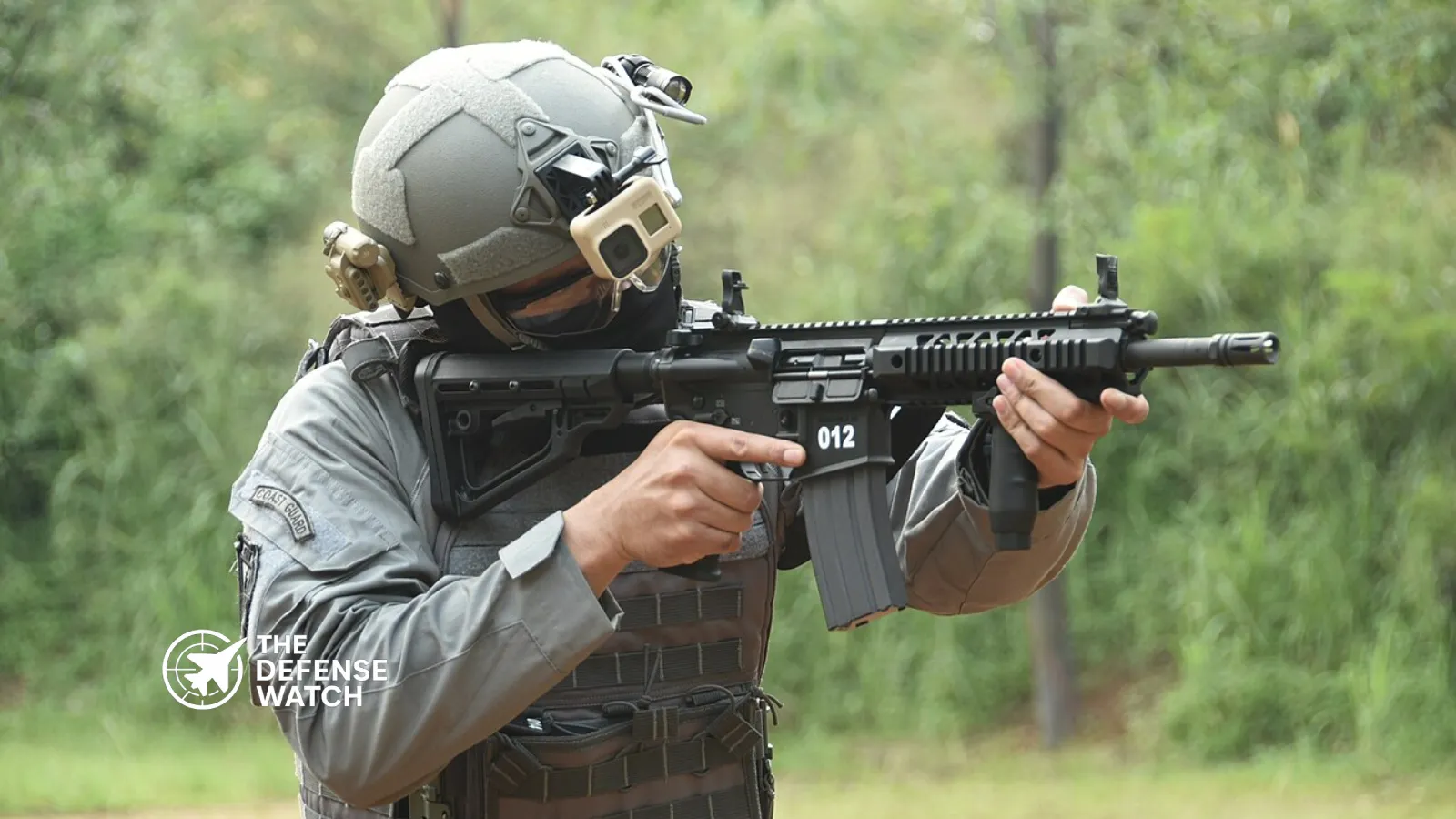
The Philippine Army has awarded a contract to South Korea’s Dasan Machineries Co. Ltd. to supply 15,626 DSAR-15 5.56x45mm carbines, a move that nearly doubles the original rifle requirement and expands the service’s standard infantry weapons inventory.
The contract, valued at about Php752 million (about $12.7 million), was secured through a public tender evaluated under the Most Economically Advantageous Bid method, which weighed cost against delivery schedule and warranty terms. The final quantity remains under the approved budget ceiling of Php806.9 million.
Contract and Procurement Details
The public tender, opened in October 2025, initially called for 8,234 carbines but concluded with a delivery order for 15,626 units. The award was formalized in late 2025 with Dasan Machineries selected ahead of competitors including Brazil’s Taurus Armas and a joint Nashe/Mertsav bid.
Funding for the purchase was drawn from the Philippine Army’s General Appropriations Act allocations for Fiscal Year 2024 despite execution in 2025, a step taken to ensure funds would not lapse.
DSAR-15 Platform Overview
The DSAR-15 family is a 5.56x45mm NATO carbine series built on a conventional AR-15 platform with aluminum receivers and a rotating bolt. Variants include a standard direct gas impingement model and others with short-stroke gas piston systems. The rifles are compatible with STANAG 30-round magazines and support a range of barrel lengths for varied roles.
Typical performance figures indicate effective ranges up to 500–550 meters and unloaded weights near 3.0 kg, depending on configuration. Rails for optics and accessories are standard, simplifying integration with existing Philippine Army gear and training.
The platform benefits from established use within Philippine forces, with the Philippine National Police having received thousands of DSAR-15 rifles in earlier procurements.
Broader Context
This procurement follows broader Philippine efforts to modernize its armed forces, drawing on South Korean defense industry products in recent years. Manila has previously acquired South Korean combat aircraft and other military equipment as part of capability upgrades.
M1E3 Abrams Tank Prototype First Images Published
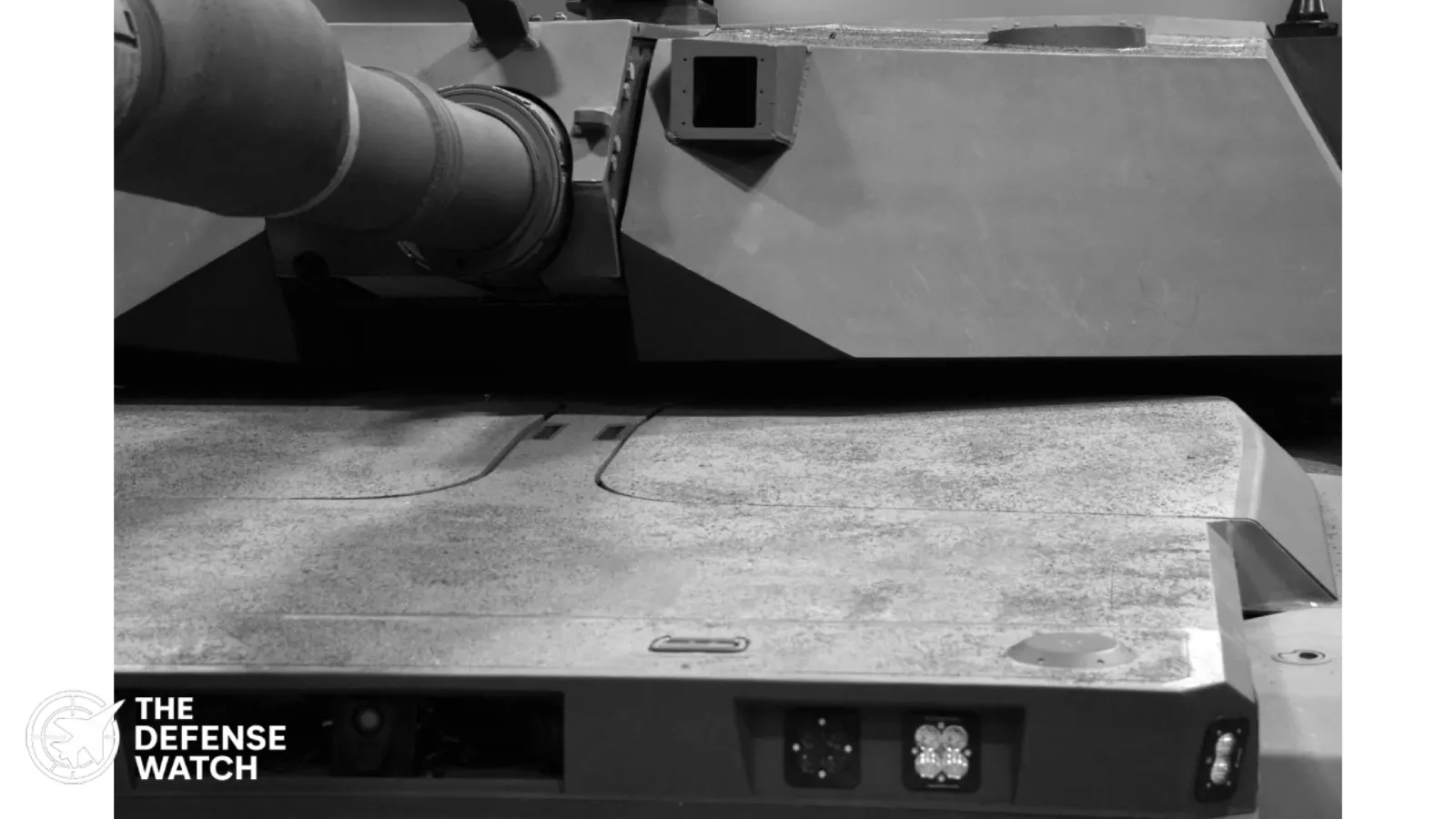
Early images of the US Army’s future M1E3 Abrams tank prototype show the vehicle’s evolving design as testing approaches in early 2026, according to photos shared on social media by the Army’s Speed to Delivery account.
Images posted on January 6, 2026 show what appears to be an early M1E3 Abrams tank prototype delivered by General Dynamics Land Systems to the Army in December 2025.
The photos reflect a demonstration vehicle rather than a finished production model, with a redesigned turret, new sensor systems and other visible changes compared with current Abrams variants.
Prototype Highlights
Published imagery suggests a lower profile turret and a prominent sensor suite not seen on earlier Abrams models.
Visible systems include distributed vision cameras, updated lighting and additional sensors that could support assisted driving or automation.
The main gun remains the familiar 120 millimeter M256 smoothbore, though Army officials have said future armament options remain under review.
The hull shows two forward crew hatches, suggesting a different internal layout from legacy Abrams tanks.
What the Army Has Said
The Army has confirmed the first M1E3 Abrams prototype was delivered by General Dynamics late in 2025 with follow-on testing planned in early 2026.
Service leadership has said the M1E3 program will accelerate armored modernization and field multiple prototypes to Army units during 2026 for hands-on evaluation.
The M1E3 initiative replaced the incremental M1A2 SEPv4 upgrade path and is aimed at addressing future battlefield requirements with lighter weight and advanced systems.
Why This Matters
The M1E3 Abrams tank modernization is a significant shift in the Army’s armored vehicle strategy, with plans to make the next-generation tank lighter, more modular and easier to upgrade over time.
Early testing in 2026 will give crews and developers feedback on vehicle ergonomics, systems integration and combat potential well before a final configuration is selected.
The U.S. Department of Defense has increased the Lockheed Martin C-130J contract ceiling by 10 billion, raising its total value to approximately 25 billion, the Pentagon confirmed on Monday.
The contract covers production, development, and engineering support for the C-130J Super Hercules military transport aircraft. No additional funds were obligated as part of the modification.
Key Details
- Program: C-130J Super Hercules
- Contract increase: 10 billion
- New ceiling: About 25 billion
- Managing office: Air Force Life Cycle Management Center
- Primary work location: Marietta, Georgia
- Contract period: Through July 2035
Why It Matters
The C-130J is a core tactical airlift aircraft for the U.S. Air Force and allied militaries. It supports cargo transport, troop movement, medical evacuation, and humanitarian missions, including operations from short and unprepared runways.
The higher contract ceiling allows the Pentagon to place future aircraft and support orders without renegotiating the base agreement, ensuring production continuity and long-term fleet sustainment.
Foreign Military Sales
The contract also supports Foreign Military Sales customers, including Australia, Egypt, France, Germany, Norway, New Zealand, and the Philippines. These sales strengthen interoperability with U.S. forces and maintain shared logistics standards.
What Comes Next
Future funding will be announced through separate procurement actions tied to U.S. defense budgets and allied orders. Additional C-130J deliveries and sustainment work are expected over the next decade.
Construction Begins on First MILDEN Submarine
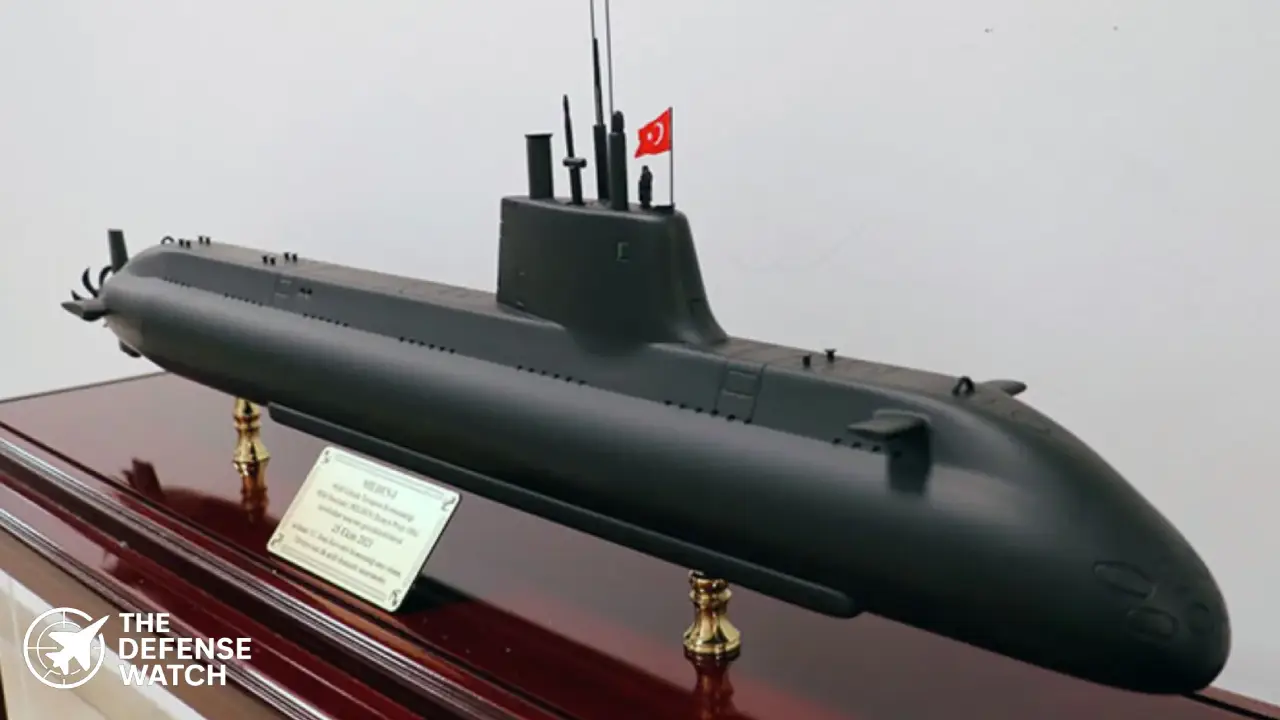
The government of Türkiye officially announced the start of construction on the first submarine under the MİLDEN Project (National Submarine Project). The first weld — marking the creation of the initial test block — was laid down at the Gölcük Naval Shipyard, as confirmed during a weekly press briefing by the Ministry of National Defense.
This event transitions MILDEN from design and planning into manufacturing, setting the stage for delivery to the Turkish Naval Forces in the early 2030s.
Background: Why MILDEN Matters
For decades, Türkiye’s submarine fleet has largely depended on foreign-designed platforms. Under MILDEN, Ankara aims to change that. The project was formally launched in 2010 under the coordination of the Turkish Naval Research Center Command (ARMERKOM).
The conceptual design phase completed in 2022, after which detailed design work began. The MILDEN class represents the country’s first fully indigenous submarine platform — with Turkish-designed hull, propulsion, weapon systems, sensors, electronics, and combat systems.
Technical Details: What MILDEN Will Bring
According to official and defense-industry sources, MILDEN is planned as follows:
- Displacement and size: Approximately 2,700 tons on the surface; hull length exceeding 80 meters.
- Propulsion: A diesel-electric configuration enhanced by an Air‑Independent Propulsion (AIP) system. Reportedly the AIP setup will include six PEM (proton exchange membrane) fuel-cell modules, methanol-reformers, and high-capacity lithium-ion batteries — enabling extended submerged operations without surfacing.
- Stealth features: Hull construction will use domestically produced HY-100 steel coated with anechoic materials to limit sonar detection. The submarine will also carry a modern sensor suite including bow sonar, low-frequency flank arrays, and towed-array sonar systems for improved underwater situational awareness.
- Armament: MILDEN will have eight 533 mm torpedo tubes. Weapons slated include the domestically developed AKYA heavy torpedo, submarine-launched variants of the ATMACA anti‑ship missile and the future GEZGİN cruise missile. The integration of a vertical launch system is also planned through the indigenous MİDLAS vertical launch system.
Strategic Implications: What This Means for Türkiye’s Navy
The move to build MILDEN submarines signals a shift toward greater self-reliance in Turkish naval capabilities. By building a submarine from the hull up using domestic design and systems, Türkiye reduces dependency on foreign suppliers — a strategic advantage given recent arms embargoes and sanctions by some supplier nations.
AIP-equipped submarines like MILDEN offer enhanced stealth and underwater endurance. That means greater deterrence and improved ability to patrol strategic areas such as the Mediterranean, Aegean, and Black Seas — without the need to surface frequently. This could afford Türkiye more secrecy and flexibility in operations.
Moreover, the planned armament — torpedoes, anti-ship missiles, land-attack cruise missiles, and vertical-launch launch capability — would allow MILDEN to play multiple roles: anti-surface warfare, anti-submarine warfare, and land-strike operations.
The MILDEN program also reflects a broader naval modernization drive. The launch of MILDEN construction comes alongside work on the indigenous TF‑2000 Destroyer Project and the MUGEM National Aircraft Carrier Project — pointing to Turkey’s ambition to build a more balanced and capable fleet for the coming decades.
In a broader sense, a fully domestic submarine platform can become an export product for friendly or allied nations, according to comments from senior Turkish naval leadership.
What Comes Next: Timeline and Challenges
Construction of the first test block marks the start of a multi-year process. The completed submarine is expected to join the Turkish fleet by around 2031.
But the road ahead involves rigorous trials and validation. Integrating AIP, weapons, sensors and combat systems — all domestically developed — will require extensive testing under sea conditions. Stealth, endurance, reliability, and systems integration all will be scrutinized before MILDEN can be certified.
If successful, MILDEN could serve as the foundation for a new class of submarines, reducing the need for foreign imports and allowing Türkiye to meet regional maritime challenges with a home-grown fleet.