(adsbygoogle = window.adsbygoogle || []).push({});Executive Summary:
Canada is evaluating a major expansion of its future combat air fleet, potentially combining Lockheed Martin F-35 stealth fighters with Saab Gripen aircraft. The review reflects Ottawa’s effort to balance military capability, Arctic security requirements, industrial benefits, and long-term defense autonomy.
Canada Fighter Fleet Review Signals Major Strategic Shift
Canada fighter fleet modernization plans are entering a critical phase as Ottawa examines options that could significantly expand the Royal Canadian Air Force’s future combat aviation inventory.
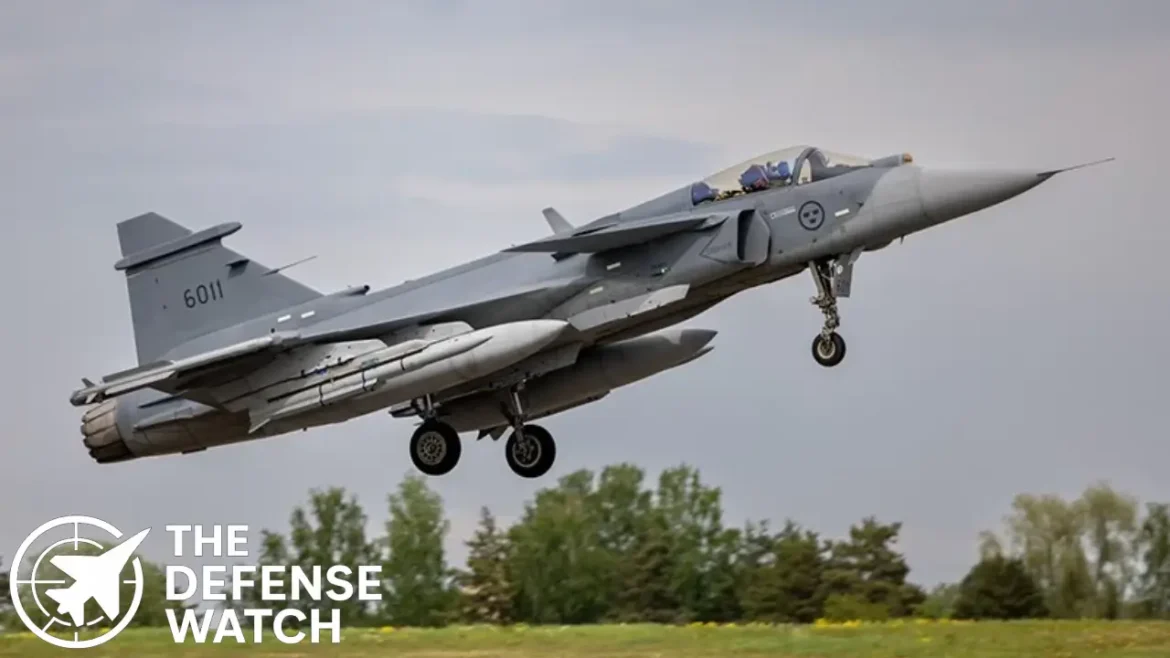
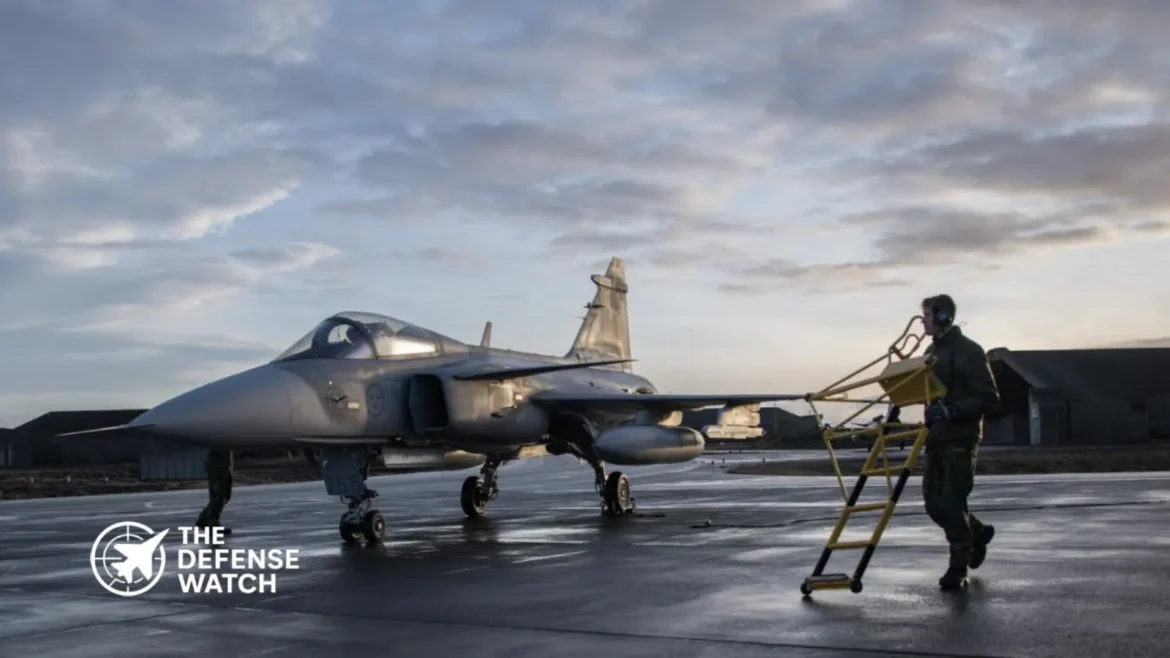
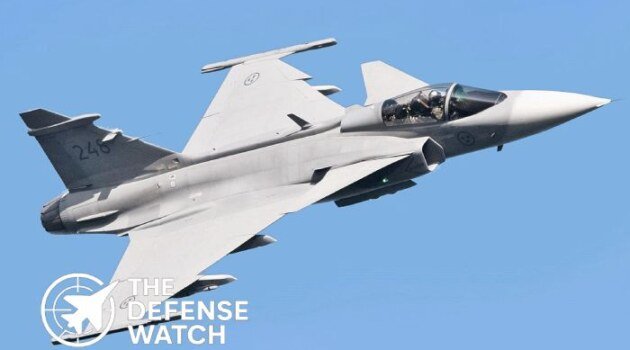
According to Canadian media sources, government officials are evaluating a mixed-fleet approach that could combine U.S.-built F-35A Lightning II stealth fighters with Swedish Saab Gripen E aircraft. The proposal would represent one of the most significant changes to Canadian airpower planning in decades.
The review comes as Canada seeks to replace its aging CF-18 Hornet fleet while strengthening its ability to support both North American Aerospace Defense Command (NORAD) and NATO operations. At the same time, policymakers are increasingly weighing industrial and supply-chain considerations alongside traditional military requirements.
Mixed Fleet Concept Could Expand Total Aircraft Numbers
Recent reports indicate that Canadian officials are studying options that could result in a force of approximately 140 fighter aircraft, substantially larger than the original plan centered on 88 F-35s. Under some scenarios being discussed, Canada could retain between 72 and 88 F-35 fighters while also adding as many as 72 Gripen aircraft assembled in Canada.
Other reports suggest Ottawa has also examined a smaller mixed fleet model involving roughly 30 F-35As and approximately 60 Gripen aircraft. No final government decision has been announced.
The expanded fleet concept would allow Canada to maintain advanced fifth-generation capabilities while increasing overall fighter numbers for homeland defense, Arctic patrols, and expeditionary missions.
(adsbygoogle = window.adsbygoogle || []).push({});Why Ottawa Is Reassessing Its Fighter Procurement Strategy
The review extends beyond aircraft performance.
Canadian policymakers are increasingly focused on defense industrial resilience, technology transfer opportunities, and reducing dependence on a single foreign supplier. Recent tensions in trade and defense relations between Ottawa and Washington have added political attention to the issue.
Prime Minister Mark Carney’s broader defense industrial strategy emphasizes greater domestic participation in major military programs. A Gripen acquisition could potentially include local assembly, maintenance, software development, and long-term industrial partnerships within Canada’s aerospace sector.
This trend became more visible following Canada’s decision to pursue Saab’s GlobalEye airborne early warning aircraft rather than Boeing’s E-7 Wedgetail. Analysts view that decision as evidence that industrial participation and sovereign capability are becoming increasingly important factors in Canadian defense procurement.
F-35 Versus Gripen: Different Strengths For Different Missions
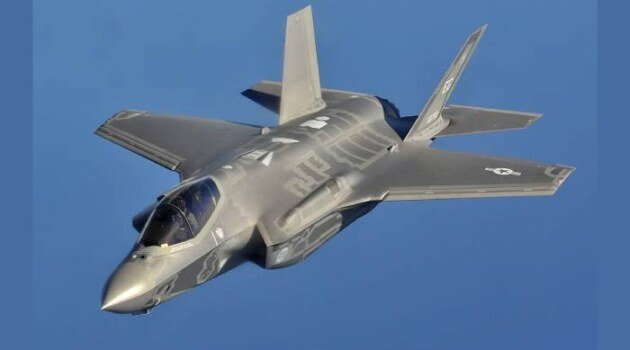
The Lockheed Martin F-35A remains one of the world’s most advanced combat aircraft, offering stealth characteristics, sensor fusion, network-centric warfare capabilities, and interoperability with key NATO allies.
For NORAD and coalition operations, the F-35 provides capabilities that many defense planners consider essential for future high-threat environments. Canada has participated in the Joint Strike Fighter program for years, and Canadian companies remain integrated into the broader F-35 industrial ecosystem.
The Saab Gripen E, meanwhile, offers a different value proposition. The aircraft is designed for lower operating costs, rapid turnaround times, dispersed operations, and high availability. Saab has also emphasized extensive technology transfer and domestic production opportunities for Canada.
A mixed fleet would potentially allow Canada to combine the F-35’s advanced combat capabilities with the Gripen’s affordability and industrial advantages.
(adsbygoogle = window.adsbygoogle || []).push({});Analysis: What This Means For Canada’s Future Airpower
The fighter review highlights a broader evolution in defense procurement across many Western nations.
Military capability remains the primary requirement, but governments are increasingly evaluating whether major acquisitions can also strengthen domestic industries, create skilled jobs, and reduce supply-chain vulnerabilities.
For Canada, geography remains a defining factor. The country must defend vast Arctic and northern regions while contributing to NATO operations abroad. A larger fighter fleet could improve operational flexibility, increase aircraft availability, and provide greater resilience during extended crises.
However, operating two fighter types would also introduce additional training, maintenance, logistics, and sustainment costs. Historically, air forces often favor fleet commonality to simplify long-term operations.
The final decision will therefore reflect more than a simple aircraft competition. It will serve as a test of how Canada balances military effectiveness, alliance commitments, industrial policy, and national sovereignty in an increasingly complex security environment.
(adsbygoogle = window.adsbygoogle || []).push({});Looking Ahead
Canadian officials have not announced a final decision on the future composition of the Royal Canadian Air Force fighter fleet. However, ongoing discussions involving both the F-35 and Gripen indicate that Ottawa is considering options far beyond its original procurement framework.
Whatever path is chosen, the outcome will shape Canadian airpower, aerospace industry development, and defense partnerships for decades to come.
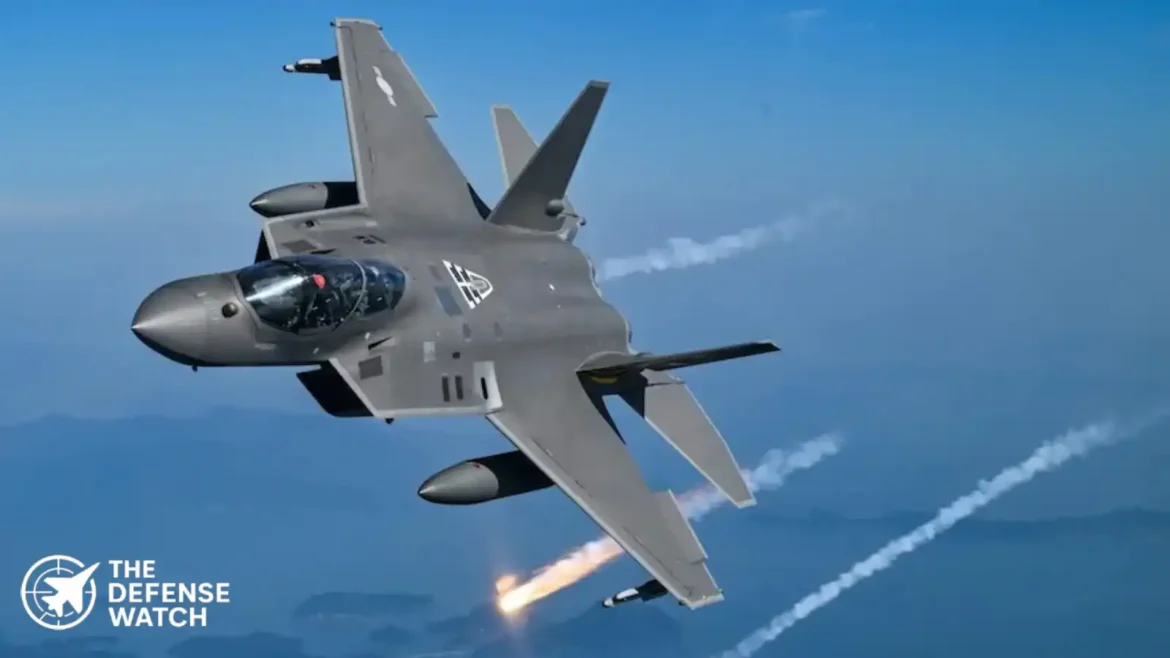
KF-21 Boramae Reaches First Production Flight Milestone
The KF-21 Boramae has entered a critical new phase after the first production aircraft successfully completed its maiden flight in South Korea, according to reporting by Defence Industry Europe citing program developments from Korea Aerospace Industries (KAI).
The successful test marks the transition from prototype development into serial production, one of the most important steps for any modern fighter aircraft program. It also signals that South Korea remains on track to begin delivering the new combat jet to the Republic of Korea Air Force later this year.
- First KF-21 Boramae production aircraft completed its maiden flight in South Korea.
- The milestone comes ahead of initial deliveries scheduled later in 2026.
- KF-21 is being developed by Korea Aerospace Industries for the Republic of Korea Air Force.
- The aircraft is intended to replace older F-4 and F-5 fighter fleets.
- The program supports South Korea’s drive for greater defense self-reliance and export growth.
For Seoul, the event is more than symbolic. It reflects years of investment aimed at reducing dependence on foreign fighter imports while strengthening domestic aerospace manufacturing capacity.
Why The KF-21 Boramae Matters
The KF-21 Boramae was designed as a next-generation multirole fighter positioned between legacy fourth-generation aircraft and more expensive fifth-generation stealth platforms.
That makes the aircraft strategically important. Many air forces need modern sensors, advanced avionics, networked warfare capability, and lower radar signature, but cannot afford or access top-tier stealth fleets in large numbers.
South Korea appears to be targeting that gap.
The KF-21 is expected to replace aging F-4 Phantom II and F-5 aircraft while operating alongside existing advanced fleets such as the F-35. This mixed-force model gives South Korea both high-end stealth capability and larger affordable fighter mass.
Production Milestone Shows Program Confidence
Moving a prototype into production is where many aerospace programs face delays, cost growth, or redesign pressure. Completing a maiden flight with the first production-standard aircraft suggests that engineering maturity is improving and manufacturing systems are stabilizing.
That matters for future customers as much as for South Korea itself.
Export buyers typically watch three indicators closely:
- Has the aircraft entered production
- Are deliveries happening on schedule
- Is the home nation fully committed
The KF-21 Boramae now strengthens its position on all three points.
Regional Security Context
The timing is notable. Indo-Pacific airpower competition continues to intensify as regional states modernize fleets and expand missile defense networks.
South Korea faces persistent threats from North Korea while also navigating a broader environment shaped by Chinese military expansion and increased great-power rivalry across Asia.
A credible domestically built fighter gives Seoul more flexibility in sustainment, upgrades, weapons integration, and long-term fleet planning.
What Comes Next
The next major benchmarks for the KF-21 Boramae program are expected to include:
- Delivery of first operational aircraft
- Continued flight testing and weapons integration
- Expanded production output
- Potential export negotiations with partner nations
If these stages proceed smoothly, the KF-21 could become one of the most significant non-U.S. fighter programs of the decade.
Bottom Line
The maiden flight of the first production KF-21 Boramae is a meaningful achievement for South Korea’s defense industry. It demonstrates growing industrial confidence, strengthens national airpower modernization, and could open future export opportunities in a highly competitive fighter market.
For Washington and allied planners, the rise of capable partner-built combat aircraft also adds resilience to broader regional security networks.

U.S. Air Force F-16 Integration Expands Strike Flexibility
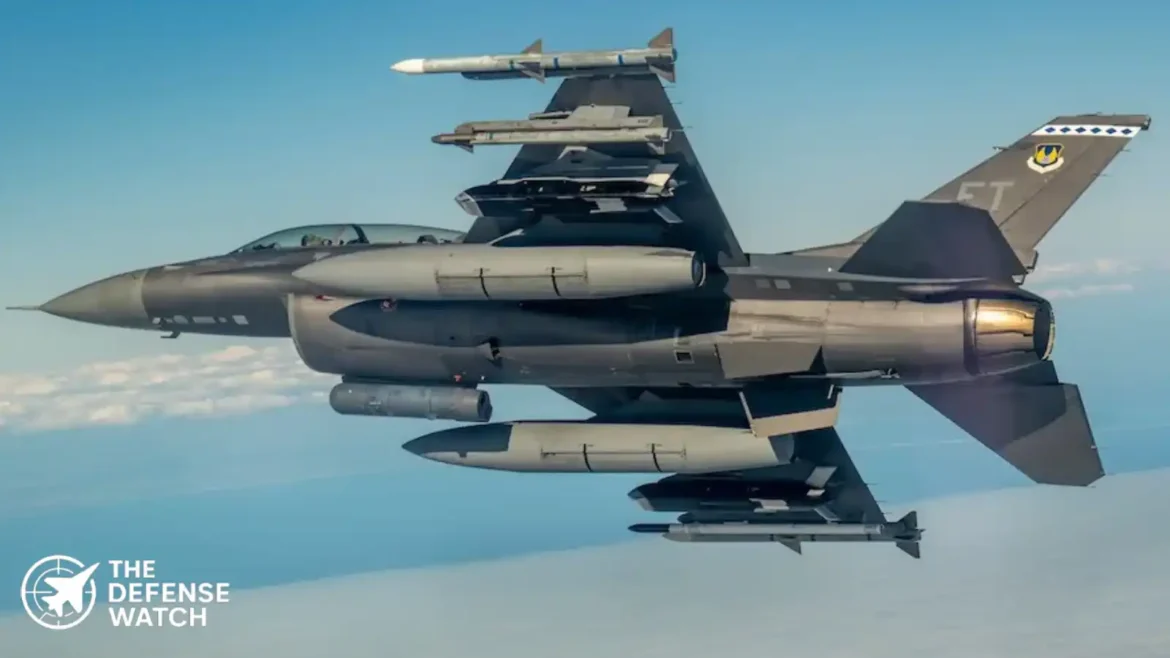
The U.S. Air Force F-16 has successfully undergone rapid integration work for a new munition, according to reporting from Defence Industry Europe. The effort underscores how the service continues to modernize proven fighter fleets through accelerated weapons testing rather than relying only on new aircraft procurement.
- U.S. Air Force test teams rapidly integrated a new munition onto the F-16 platform.
- Work focused on software, carriage, release, and compatibility testing.
- Faster integration improves combat flexibility during high demand operations.
- F-16 remains one of the most widely used U.S. and allied fighter aircraft.
- Upgrade shows legacy fighters can gain new capability without waiting for new airframes.
The Big Picture
The U.S. military faces simultaneous pressure to sustain readiness in Europe, the Middle East, and the Indo-Pacific. That environment has increased demand for adaptable aircraft that can carry multiple weapon types with minimal delay.
The F-16 remains central to that strategy. While fifth-generation fighters receive most public attention, large numbers of F-16s still perform air defense, close air support, suppression of enemy air defenses, and precision strike missions. Rapidly adding new munitions gives commanders more options at lower cost.
What’s Happening
The source report states that a U.S. Air Force test team completed fast-paced work to integrate a new munition with the F-16. Such programs usually involve several stages:
- Aircraft software updates
- Flight safety certification
- Carriage and separation testing
- Weapon guidance interface checks
- Live or simulated release trials
- Operational suitability reviews
These steps are essential because even capable weapons require platform-specific validation before frontline use.
The Air Force often conducts this work through developmental test units in partnership with industry and operational squadrons.
Why It Matters
Weapons integration speed can matter as much as aircraft performance. A fighter with an open, adaptable architecture can adopt new weapons faster than one requiring long redesign cycles.
That gives the F-16 three major advantages:
1. Lower-cost modernization
Adding weapons can extend service life without buying entirely new aircraft.2. Mission flexibility
Units can tailor loadouts for air defense, bunker strike, maritime attack, or battlefield interdiction.3. Allied interoperability
Many partner nations operate F-16 fleets. Once a weapon is integrated and approved, export users may eventually pursue similar upgrades.Strategic Implications
The F-16 still serves in U.S. Air National Guard units, active-duty formations, aggressor roles, and foreign military fleets. Any new munition integrated onto the aircraft potentially strengthens coalition airpower.
In Europe, upgraded F-16 fleets improve NATO depth and readiness. In the Middle East, they offer responsive strike capability with established logistics chains. In the Indo-Pacific, dispersed air operations favor aircraft with broad weapons compatibility and mature sustainment networks.
Rapid integration also signals that the Pentagon wants shorter acquisition cycles. That trend reflects lessons learned from recent conflicts where battlefield needs evolve faster than traditional procurement timelines.
Competitor View
China and Russia closely monitor U.S. efforts to improve legacy aircraft lethality. Both countries invest in layered air defenses, electronic warfare, and long-range missiles designed to complicate Western air operations.
A more flexible F-16 armed with modern stand-off or precision munitions complicates that planning. It means adversaries must account not only for stealth aircraft, but also for large fleets of upgraded fourth-generation fighters carrying effective weapons.
Regional rivals in other theaters may draw the same conclusion.
What To Watch Next
Several next steps will determine the program’s long-term value:
- Operational squadron fielding timelines
- Whether allied F-16 users adopt the same weapon
- Additional software block upgrades
- Integration with targeting pods and data links
- Production rates for the munition itself
If rollout occurs quickly, the F-16 could gain near-term combat relevance beyond previously planned timelines.
Capability Gap
The core weakness this kind of program addresses is inventory lag. Aircraft often remain in service longer than their original weapons architecture anticipated.
Rapid integration closes the gap between available aircraft and emerging weapons. It also helps offset limited numbers of newer fighters such as the F-35.
A realistic limitation remains survivability in heavily defended airspace. Even with advanced weapons, non-stealth aircraft still require tactics, escort support, electronic warfare, or stand-off employment.
The Bottom Line
Rapidly arming the F-16 with new munitions shows the U.S. Air Force can generate meaningful combat power now, not years from now.
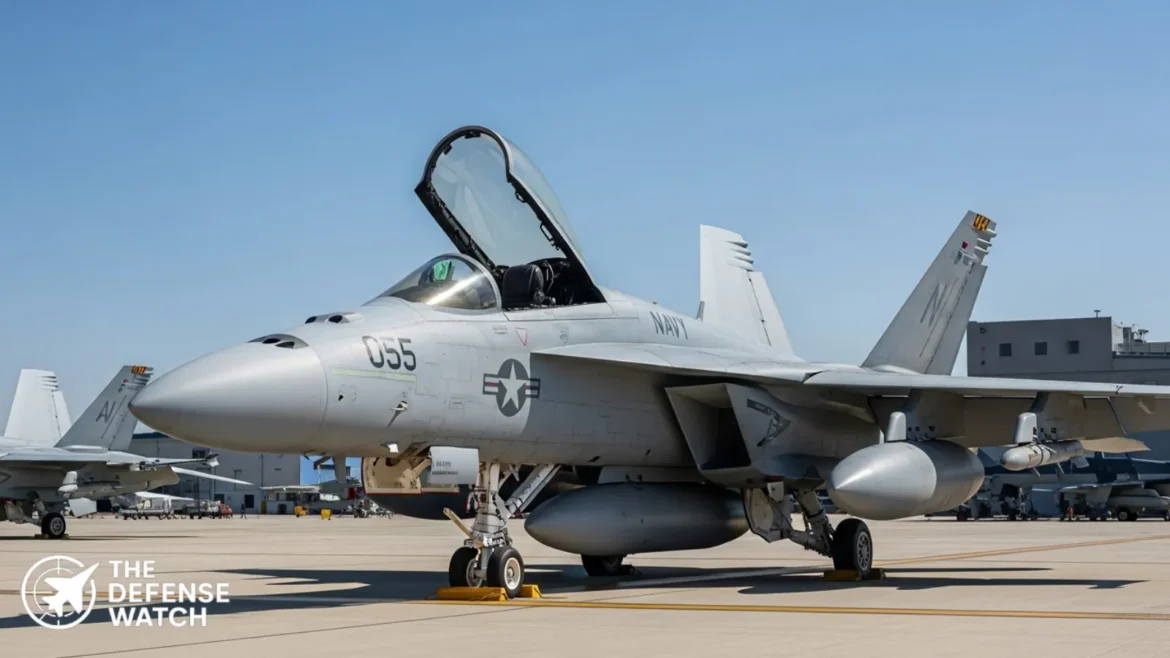
BAE Systems RF countermeasures are set to expand across US and allied fighter fleets after the US Navy awarded the company a $73.8 million contract modification for electronic warfare equipment.
Naval Air Systems Command, based in Patuxent River, Maryland, confirmed the award to BAE Systems Information and Electronic Systems Integration Inc., located in Nashua, New Hampshire. The action supports both US military aircraft and Foreign Military Sales customers, reinforcing ongoing efforts to modernize airborne self protection systems.
Contract scope and value
The $73,798,992 modification, identified as P00006, applies to an existing firm fixed price contract originally awarded under contract number N0001924C0003. The modification exercises an option to procure 1,248 radio frequency countermeasures used to protect fighter aircraft against radar guided threats.
According to the Navy, the contract was not competed, a common approach for follow on electronic warfare buys where system design, integration, and sustainment are already tied to a single qualified supplier. BAE Systems is a long standing provider of RF countermeasure technology for US tactical aircraft and allied platforms.
The work is expected to be completed by February 2029, indicating a multi year production and delivery schedule aligned with fighter fleet sustainment and upgrade timelines.
Funding breakdown
Funding for the contract comes from several procurement accounts across fiscal years 2025 and 2026. At the time of award, the Navy obligated funds as follows:
Fiscal 2025 procurement of ammunition, Navy and Marine Corps, totaling $3,551,657
Fiscal 2026 procurement of ammunition, Navy and Marine Corps, totaling $9,441,486
Fiscal 2026 aircraft procurement, Air Force, totaling $19,355,045
Foreign Military Sales funds totaling $41,450,803
The Department of Defense noted that none of these funds will expire at the end of the current fiscal year, ensuring continuity for production and delivery activities.
Workshare and industrial footprint
BAE Systems will carry out contract work across a wide US industrial footprint, reflecting the distributed nature of modern defense electronics manufacturing. Work locations and shares include:
Nashua, New Hampshire, 40 percent
Elkton, Maryland, 16 percent
Chatsworth, California, 7 percent
Rosamond, California, 4 percent
Dover, New Hampshire, 4 percent
Rochester, New York, 4 percent
Topsfield, Massachusetts, 3 percent
Poughkeepsie, New York, 1 percent
Other continental US locations, 21 percent
This spread highlights the role of multiple specialized facilities in producing and integrating RF countermeasure systems, from design and testing to final assembly and support.
Role of RF countermeasures in fighter survivability
Radio frequency countermeasures are a core element of modern fighter aircraft self defense suites. These systems detect, analyze, and disrupt hostile radar and missile guidance signals, reducing the probability of successful engagement by surface to air and air to air threats.
BAE Systems RF countermeasures are typically integrated with radar warning receivers, electronic support measures, and onboard mission computers. Together, these systems allow aircraft to respond in real time to evolving threat environments.
As potential adversaries field more capable radar systems and networked air defenses, the US military and its partners continue to prioritize electronic warfare upgrades alongside kinetic weapons and sensors.
Support for Foreign Military Sales partners
More than half of the contract value is tied to Foreign Military Sales funding, underscoring strong demand from allied air forces operating US built or US integrated fighter aircraft.
FMS customers often rely on US approved electronic warfare systems to ensure interoperability, shared threat libraries, and access to long term sustainment. By procuring the same RF countermeasure systems used by US forces, partner nations can maintain common standards and benefit from ongoing upgrades.
The Defense Security Cooperation Agency oversees FMS cases, while program execution for aviation systems typically falls to Naval Air Systems Command or the US Air Force Life Cycle Management Center.
Contracting authority and oversight
Naval Air Systems Command serves as the contracting activity for this award. NAVAIR manages research, development, acquisition, and sustainment for Navy and Marine Corps aviation platforms, including fixed wing aircraft, rotary wing aircraft, and associated mission systems.
The command frequently handles electronic warfare and self protection procurements for joint and allied programs, reflecting its role as a central authority for naval aviation technology.
Industry context
BAE Systems remains one of the leading suppliers of electronic warfare systems to the US Department of Defense. Its portfolio includes radar warning receivers, digital RF memory jammers, electronic attack pods, and integrated self protection suites.
Recent Pentagon budget documents and contract announcements show sustained investment in electronic warfare as a response to increasingly dense and capable air defense environments. Programs tied to fighter survivability continue to receive steady funding even as broader defense priorities shift.
Authoritative reporting on US defense contracts is routinely published by the Department of Defense, Naval Air Systems Command, and outlets such as Defense News, Janes, and Aviation Week.
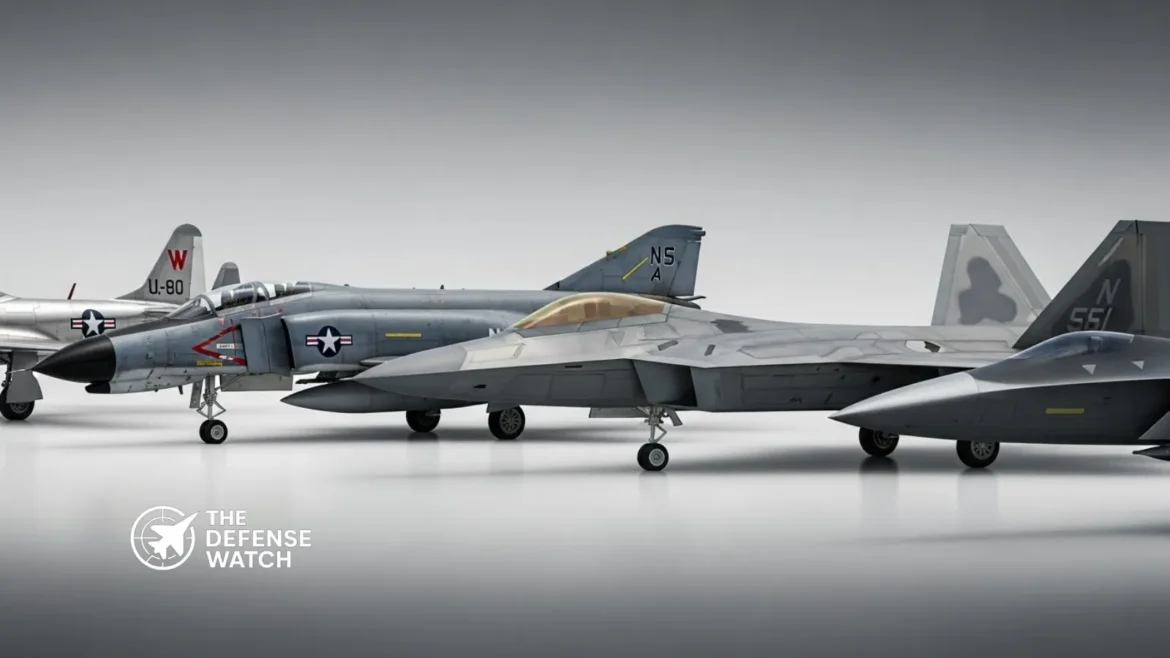
Fighter jet generations explained is a common way military analysts describe how combat aircraft have evolved over time. The system groups fighter aircraft by shared design features, mission roles, and technology levels. While not an official U.S. military standard, the generational model is widely used by defense planners, aerospace engineers, and analysts to compare airpower capabilities across countries.
From early gun armed jets of the Cold War to stealthy networked platforms now entering service, fighter aircraft have changed how air forces fight, deter, and project power. This explainer outlines the defining characteristics of fighter jets from the first generation through the emerging sixth generation, with examples and operational context.
What Defines a Fighter Jet Generation
Fighter generations are shaped by major leaps in technology rather than strict timelines. Key factors include propulsion, avionics, sensors, weapons, stealth, and how aircraft operate within a broader combat network.
Not all countries agree on exact boundaries. Some aircraft blur generational lines due to upgrades or hybrid designs. Still, the framework remains useful for understanding capability gaps and modernization trends.
First Generation Fighter Jets
Early Jet Age and Subsonic Combat
First generation fighters emerged in the mid nineteen forties and early nineteen fifties. These aircraft were often direct adaptations of late World War Two designs, replacing propellers with jet engines.
Key traits included straight wings, limited radar or none at all, and reliance on guns rather than guided weapons. Flight performance improved over prop aircraft, but endurance and reliability were limited.
Examples
Notable first generation fighters include the Messerschmitt Me 262, Gloster Meteor, Lockheed P 80 Shooting Star, and Mikoyan Gurevich MiG 9.
These jets established the foundation for jet air combat but were quickly outpaced by faster and more capable designs.
Second Generation Fighter Jets
Supersonic Flight and Early Missiles
Second generation fighters entered service in the mid nineteen fifties. Swept wings and more powerful engines allowed sustained supersonic flight. Radar began to appear, though early systems were basic and unreliable.
This generation marked the introduction of air to air missiles, driven by the belief that dogfighting would become obsolete. Combat experience later challenged that assumption.
Examples
Representative aircraft include the MiG 21, F 104 Starfighter, English Electric Lightning, and Dassault Mirage III.
Many second generation fighters were produced in large numbers and exported globally, shaping Cold War air forces for decades.
Third Generation Fighter Jets
Multirole Capability and Improved Avionics
Third generation fighters arrived in the nineteen sixties and seventies. Lessons from Vietnam and Middle East conflicts led to renewed emphasis on maneuverability, guns, and pilot situational awareness.
Radar systems improved, beyond visual range missiles became more credible, and aircraft began to adopt true multirole designs capable of both air combat and ground attack.
Examples
Key third generation fighters include the F 4 Phantom II, MiG 23, MiG 25, Saab Viggen, and early variants of the Mirage F1.
These aircraft formed the backbone of many air forces well into the late Cold War.
Fourth Generation Fighter Jets
Agility, Sensors, and Digital Flight Control
Fourth generation fighters represent a major leap in capability. Entering service from the late nineteen seventies onward, they emphasized energy maneuverability, relaxed static stability, and fly by wire flight controls.
Advanced pulse Doppler radars, modern electronic warfare systems, and high off bore sight missiles transformed air combat.
Examples
Prominent fourth generation fighters include the F 15 Eagle, F 16 Fighting Falcon, F A 18 Hornet, Su 27 Flanker, and Mirage 2000.
Many remain in frontline service today after extensive upgrades.
Fourth Generation Plus Fighters
Incremental Advances Without Full Stealth
Fourth generation plus fighters build on earlier designs with improved avionics, active electronically scanned array radar, reduced radar signature, and better data links.
While not stealth aircraft, they are more survivable and capable in contested airspace.
Examples
Examples include the F A 18E F Super Hornet, Rafale, Eurofighter Typhoon, Su 30SM, Su 35, and JAS 39E Gripen.
These aircraft continue to dominate global fighter procurement due to lower cost and export availability.
Fifth Generation Fighter Jets
Stealth and Networked Warfare
Fifth generation fighters are defined by low observable design, internal weapons carriage, sensor fusion, and secure data sharing. Stealth allows them to operate in heavily defended airspace while gathering and distributing targeting data.
These aircraft are designed as part of a system rather than standalone platforms.
Examples
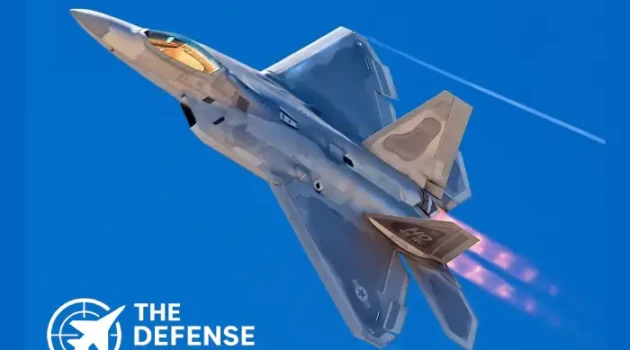
Operational fifth generation fighters include the F 22 Raptor, F 35 Lightning II, J 20 Mighty Dragon, and Su 57 Felon.
Each reflects different national approaches to stealth, propulsion, and mission priorities.
Sixth Generation Fighter Jets
Next Step in Air Dominance
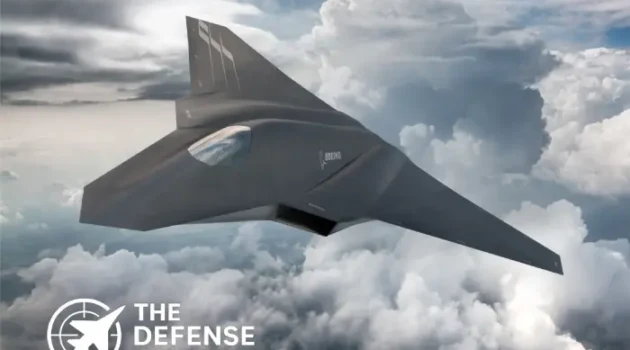
Sixth generation fighters remain under development, with programs in the United States, Europe, and Asia. These aircraft are expected to enter service in the mid twenty thirties or later.
Planned features include optionally crewed operation, integration with unmanned wingmen, advanced electronic warfare, adaptive engines, and expanded use of artificial intelligence.
Current Programs
Major efforts include the U.S. Next Generation Air Dominance program, the British Italian Japanese Global Combat Air Programme, and the Franco German Spanish Future Combat Air System.
Specific performance details remain classified or unconfirmed.
Analysis: Why Fighter Jet Generations Still Matter
Understanding fighter jet generations explained in clear terms helps frame debates about airpower balance and defense spending. While generational labels can oversimplify reality, they highlight where technology gaps may exist.
Modern air combat depends as much on sensors, networks, and support assets as on raw aircraft performance. A fourth generation plus fighter paired with strong intelligence and electronic warfare may outperform a fifth generation jet used in isolation.
As sixth generation programs advance, the focus is shifting from individual platforms to integrated air combat systems. This trend will shape procurement choices and alliance cooperation for decades.
FAQs
Are fighter generations officially defined by the U.S. military?No. Generational labels are analytical tools used by industry and analysts rather than formal doctrine.
Can older fighters compete with newer generations?Yes, when upgraded and used with strong support systems, though survivability may be limited in high threat environments.
Is stealth the main factor separating generations?Stealth is central to fifth generation fighters, but sensors, data fusion, and networking are equally important.
Will sixth generation fighters replace fifth generation aircraft?They are expected to complement rather than fully replace existing fleets for many years.
Do all countries follow the same generational model?No. Some nations define generations differently based on doctrine and industrial priorities.

On 20 October 2025, Swedish Air Force (SwAF) formally accepted into operational service the first of its ordered Saab JAS 39 Gripen E multirole fighter aircraft. The hand-over ceremony took place at the Skaraborg Wing (F 7) at Såtenäs air base, with officials from the Swedish Defence Materiel Administration (FMV), SwAF leadership and manufacturer Saab AB in attendance.
The aircraft marks the first new-build generation of this type for Sweden: although Brazil has previously received Gripen E jets, this is the first operational delivery to the country of origin.
Sweden has ordered 60 Gripen E units, though it will retain a portion of its older Gripen C/D fleet in parallel for a “relatively long period of time”.Technological Advancements and Capabilities
The Gripen E represents what Swedish authorities describe as “in all essential respects a completely new aircraft”. Compared to the earlier C/D variants, major upgrades include:
- A more powerful engine: the GE F414-GE-39E afterburning turbofan, giving increased thrust.
- An AESA (active electronically scanned array) radar and IRST (infrared search and track) system, improving sensor suite and situational awareness.
- Ten hardpoints for weapon carriage (increased from earlier versions) and expanded fuel capacity (~30 % more) for longer range.
- Advanced electronic warfare/self-protection systems and an open mission system architecture enabling future upgrades.
SwAF noted that the platform is designed for operations in a “contested environment” — one where the airspace cannot be fully controlled. SwAF also emphasized that despite the upgrades, the Gripen E retains the “easy to fly and maneuver” qualities of the earlier variants, assisting pilot transition.
Strategic Context for Sweden
The induction of the Gripen E underpins Sweden’s broader shift in defense posture in the face of growing regional tensions, especially in the Baltic and Northern European theatre. With its 2024 accession to NATO and an intensified focus on territorial defence and air sovereignty, the Swedish Air Force is modernizing at pace.
In addition, Sweden is already studying the next generation of fighter systems, including options for manned/unmanned systems, with industrial concepts underway.Analysis: Meaning for U.S. Defense and Global Security
For U.S. defense observers, the Swedish induction of the Gripen E offers several meaningful insights:
1. Alliance air-power interoperability and burden-sharing
As Sweden integrates more capable combat aircraft alongside NATO operations, U.S. and allied forces benefit from stronger northern flank deterrence. Enhanced Swedish capabilities mean less burden on U.S. or allied assets in the Nordic/Baltic region.
2. Emergence of “4.5-generation” flexible fighters
The Gripen E is not stealth-fifth-generation, but represents a cost-effective, advanced air-superiority and multirole fighter with modern sensors and networked capabilities. For U.S. technology trend watchers, it underscores that smaller nations are opting for modern yet more affordable platforms rather than solely relying on U.S. fifth-generation jets.
3. Export dynamics and industrial base competition
With Sweden positioning Gripen E for export (recent orders by Brazil, Thailand, Colombia; LoI with Ukraine) U.S. defense firms and policymakers should monitor how this platform competes in global markets, influences supply-chain partnerships, and affects U.S. export strategy.
4. Contested-environment mindset in air operations
Sweden’s emphasis that the new jet is built for a “contested environment” speaks to broader shift in air warfare doctrine—dispersed operations, degraded control of airspace, contested ISR and EW. For U.S. planners, this reflects an environment increasingly shared by peer adversaries and allied air forces.Conclusion: What’s Next?
The delivery of the first Gripen E marks a significant step for Swedish air-power. Over the coming years Sweden will ramp production and integrate the fleet, concurrently operating the earlier C/D variants. On the export front, potential deals (notably with Ukraine) could elevate the Gripen line’s global footprint. For the U.S., Swedish capability enhancement bolsters allied deterrence, presents competitive industrial dynamics, and underscores evolving fighter-force design concepts that imply the next moves in air-systems architecture. Observers should watch subsequent Gripen E deliveries, how Sweden fields them operationally (possible Arctic/ Baltic scenarios), and how this intersects with U.S. air-power strategy through 2030.