Executive Summary:
Germany is seeking to acquire 400 Tomahawk cruise missiles and three Typhon launcher systems from the United States following Washington’s decision to cancel a planned missile deployment in Germany. The move reflects Berlin’s growing focus on long-range strike capabilities and NATO deterrence in Europe.
Germany Pursues Tomahawk Missile Capability After US Policy Shift
Germany is moving to acquire 400 Tomahawk cruise missiles and three Typhon launcher systems from the United States after the Pentagon reportedly canceled plans to deploy long-range US missiles on German territory.
German Defence Minister Boris Pistorius is expected to raise the issue during meetings in Washington, where discussions could include US Defense Secretary Pete Hegseth. The proposed acquisition would mark one of Germany’s most significant efforts in decades to expand its long-range conventional strike capability.
The potential deal comes amid continued NATO concerns over Russia’s military posture in Europe and the growing importance of land-based precision strike systems in modern deterrence strategies.
Why Germany Wants Tomahawk Missiles
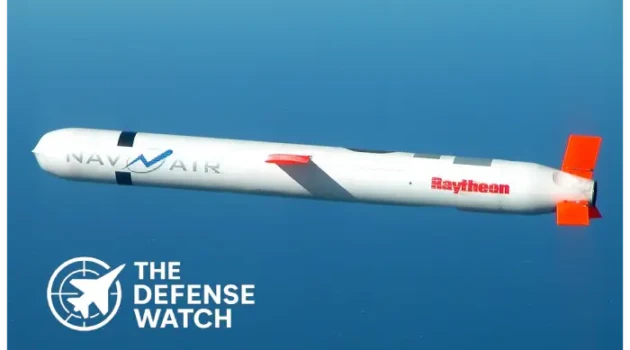
The Tomahawk is a long-range, precision-guided cruise missile developed for deep strike missions against high-value targets. The missile has been widely used by the US military and allied forces in multiple operational theaters over the past three decades.
Germany’s interest in the missile appears closely tied to uncertainty surrounding US forward deployments in Europe. Washington had previously discussed stationing long-range fires capabilities in Germany as part of broader NATO deterrence efforts. However, reports indicate those deployment plans have now been canceled or delayed.
Berlin is now seeking an independent capability rather than relying entirely on rotational US deployments.
The proposed package also includes the Typhon Weapon System, a ground-based launcher developed by the US Army capable of firing both Tomahawk cruise missiles and SM-6 missiles. The system is part of the US Army’s Mid-Range Capability program designed to close long-range strike gaps in the Indo-Pacific and Europe.
Strategic Importance For NATO
The possible acquisition highlights a broader shift in European defense planning since Russia’s invasion of Ukraine. NATO members are increasingly investing in long-range strike systems, integrated air defense, and precision-guided munitions.
For Germany, acquiring Tomahawk missiles would represent a substantial expansion of conventional deterrence options. The country has historically maintained a more limited land-based strike profile compared with France or the United Kingdom.
The move could also strengthen NATO’s ability to hold critical targets at risk across extended ranges without relying exclusively on airpower.
Military analysts have noted that systems like Typhon provide operational flexibility because they can be rapidly relocated and integrated into alliance operations. The launcher’s compatibility with multiple missile types also offers future modernization potential.
Typhon System Expands Operational Reach
The Typhon system has gained increasing attention since the US Army began fielding the capability. Unlike traditional artillery systems, Typhon is designed to engage targets at significantly greater ranges using precision-guided missiles.
The launcher bridges the gap between short-range tactical fires and strategic strike systems.
The US Army previously deployed Typhon during exercises in the Indo-Pacific region, reflecting Washington’s emphasis on distributed long-range strike operations. Germany’s interest suggests European allies are now evaluating similar capabilities for continental defense.
If approved, the deal could deepen US-German defense industrial cooperation while accelerating NATO modernization efforts.
Political And Procurement Challenges Remain
Despite growing momentum, the proposed purchase would still require US government approval under the Foreign Military Sales process. Funding, delivery timelines, and industrial integration details also remain unclear.
The acquisition could generate debate within Germany over escalation risks and the role of long-range strike systems in European security policy. Berlin has traditionally approached missile deployments cautiously due to historical and political sensitivities.
However, the changing European security environment has already pushed Germany toward major defense modernization initiatives, including increased military spending and procurement of advanced US-made systems such as the F-35 Lightning II.
Broader European Missile Modernization Trend
Germany’s pursuit of Tomahawk missiles aligns with a wider European trend toward strengthening conventional deterrence capabilities. Several NATO states are expanding missile inventories, investing in integrated air and missile defense, and increasing defense spending targets.
The development also underscores the growing role of land-based strike systems in alliance planning after the collapse of the Intermediate-Range Nuclear Forces Treaty reshaped the strategic environment in Europe.
Should the deal proceed, Germany would become one of the few European operators of the Tomahawk system, significantly enhancing its long-range precision strike reach within NATO’s collective defense framework.