Executive Summary:
Türkiye is reportedly examining the sale of its Russian built S-400 air defense system to a Gulf nation as Ankara attempts to remove one of the main obstacles preventing its return to the U.S. led F-35 Joint Strike Fighter program. The reported discussions highlight Türkiye’s broader effort to restore defense cooperation with Washington while balancing regional security partnerships and its existing military capabilities.
Türkiye Explores S-400 Sale As It Seeks Return To F-35 Program
Türkiye’s reported effort to sell its Russian made S-400 air defense system marks one of the clearest indications that Ankara is looking for a long term solution to one of its most contentious defense disputes with the United States.
According to reporting by Army Recognition, Turkish officials are exploring the possibility of transferring the S-400 system to a Gulf country, potentially removing the issue that led Washington to suspend Türkiye from the multinational F-35 Joint Strike Fighter program.
The report comes as relations between Ankara and Washington have gradually improved through expanded defense dialogue, NATO cooperation, and negotiations over other military procurement programs.
Why The S-400 Became A Major Issue
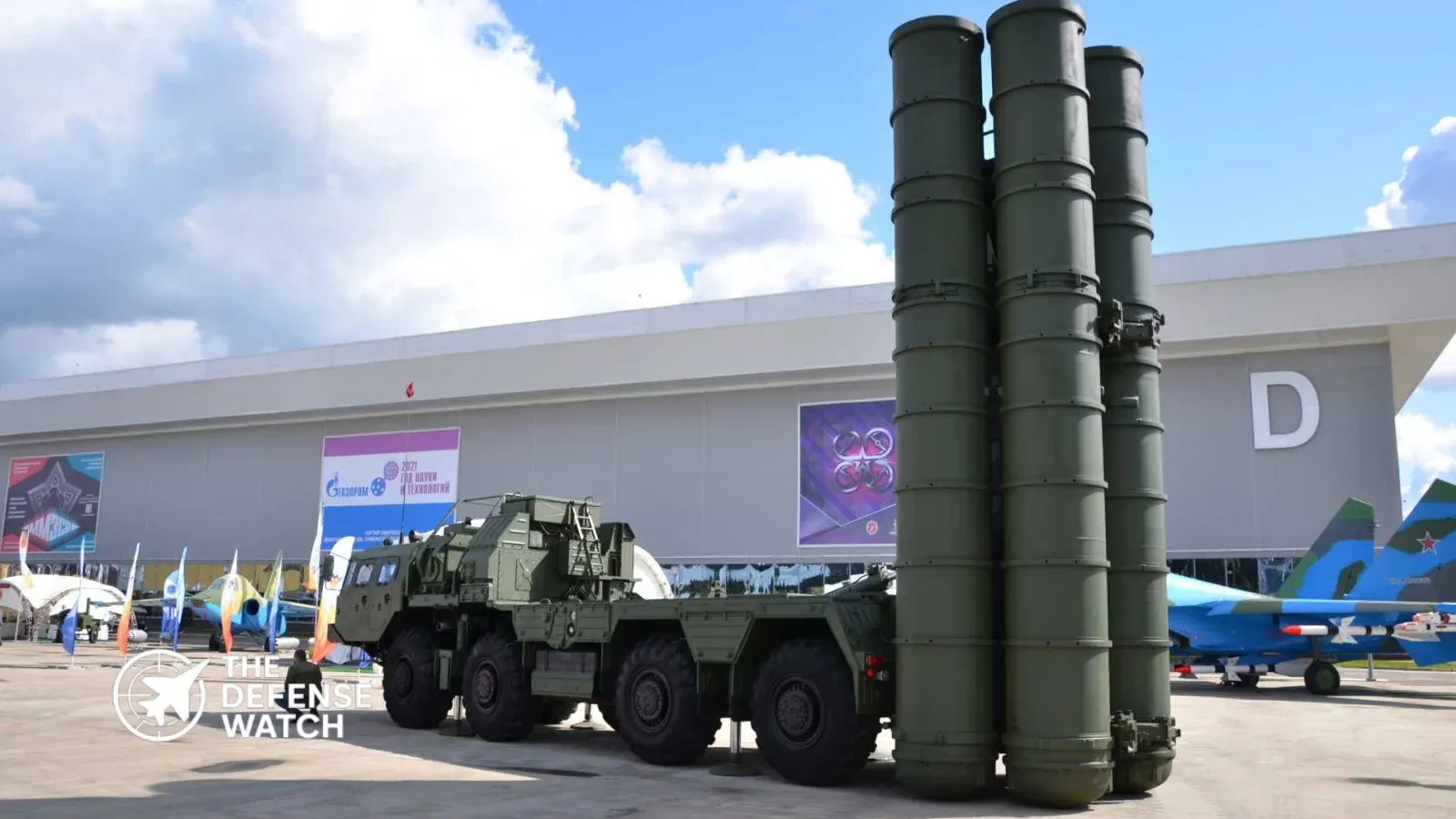
Türkiye signed its agreement with Russia to purchase the S-400 Triumf long range air defense system in 2017, with deliveries beginning in 2019.
The acquisition immediately raised concerns within NATO because the advanced Russian radar system could potentially collect sensitive electronic data on Western combat aircraft, particularly the stealth characteristics of the F-35 Lightning II.
The United States argued that operating both systems together would create unacceptable intelligence risks. As a result, Washington removed Türkiye from the multinational F-35 production and acquisition program in 2019.
Additional measures followed under the Countering America’s Adversaries Through Sanctions Act (CAATSA), which imposed sanctions on Türkiye’s Presidency of Defense Industries (SSB) and limited future defense cooperation.
Potential Gulf Transfer Could Change The Strategic Landscape
Although no agreement has been officially announced, transferring the S-400 system to a Gulf nation could represent a significant diplomatic breakthrough if accepted by all parties involved.
Several Gulf countries continue to modernize their integrated air and missile defense networks as regional missile and drone threats evolve. However, any transfer would likely require Russian approval because export agreements for advanced military systems generally contain end user restrictions.
The United States has not publicly indicated whether removing the S-400 from Turkish service alone would automatically restore Türkiye’s eligibility for the F-35 program.
Why The F-35 Still Matters To Türkiye
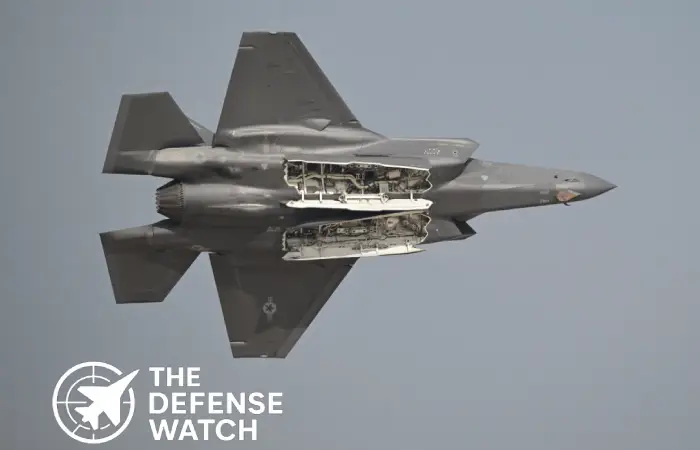
The F-35 remains one of the world’s most advanced fifth generation multirole fighters, combining stealth, sensor fusion, advanced networking, and precision strike capabilities.
Before its removal, Türkiye was both a development partner and industrial participant in the program.
Turkish aerospace companies manufactured hundreds of aircraft components, including structural assemblies, landing gear elements, and engine parts, before production responsibilities were redistributed among other suppliers following Ankara’s suspension.
A return to the program would provide several strategic benefits.
Capability Strategic Value Fifth generation stealth Enhanced survivability against advanced air defenses NATO interoperability Improved coalition operations Industrial participation High value aerospace manufacturing opportunities Long term fleet modernization Replacement for aging fighter aircraft Technical And Political Challenges Remain
Even if Türkiye ultimately transfers the S-400 system, several political and legal hurdles would remain before rejoining the F-35 enterprise.
Among the major issues are:
- U.S. congressional approval for any policy reversal.
- Resolution of CAATSA related restrictions.
- Security verification regarding previous S-400 operations.
- Agreement among existing F-35 partner nations.
- Potential Russian objections to transferring the system.
Each factor would require extensive diplomatic negotiations extending beyond the physical removal of the missile system.
Analysis: Why This Matters Beyond Türkiye
The reported proposal reflects a broader transformation in regional defense relationships rather than a simple arms transaction.
For Washington, restoring closer defense ties with Türkiye would strengthen NATO’s southern flank at a time when the alliance faces simultaneous security challenges from Russia, instability across the Middle East, and increasing military competition in the Black Sea region.
Türkiye occupies one of NATO’s most strategically important geographic positions, controlling access to the Black Sea through the Turkish Straits while maintaining military operations across Europe, the Eastern Mediterranean, the Middle East, and the Caucasus.
From an operational perspective, reintroducing Türkiye into advanced Western defense programs could improve alliance interoperability, logistics, and collective deterrence. Turkish industry has also expanded significantly since its removal from the F-35 supply chain, making future industrial cooperation potentially valuable for both NATO and U.S. defense manufacturing.
At the same time, any decision involving the S-400 would remain politically sensitive. The system has become a symbol of Ankara’s effort to pursue a more independent defense procurement policy while maintaining NATO membership. A transfer would therefore represent not only a military decision but also a strategic signal regarding Türkiye’s future alignment with Western defense structures.
For Gulf states, acquiring such a system would also require careful consideration of existing U.S. supplied missile defense architectures, including Patriot and THAAD batteries, interoperability requirements, sustainment costs, and the broader political implications of introducing Russian equipment into predominantly Western defense networks.
Outlook
No official announcement has confirmed that an S-400 transfer agreement has been finalized, and neither U.S. nor Turkish authorities have publicly outlined a roadmap for Türkiye’s possible return to the F-35 program.
Nevertheless, the reported discussions indicate that Ankara continues exploring options to resolve one of the most significant disputes affecting U.S. Türkiye defense relations. Whether those efforts ultimately lead to renewed participation in the F-35 program will depend on diplomatic negotiations, congressional decisions in Washington, and broader NATO security considerations.
RTX F135 propulsion system contract supports F-35 Lot 20 production
RTX Corp. has been awarded a not to exceed $230.6 million F135 propulsion system contract to protect the F-35 Lot 20 engine delivery schedule, according to a U.S. Department of Defense contract announcement. The agreement funds long lead time materials and components needed to sustain production of 138 F135 engines for the U.S. Air Force, Marine Corps, Navy, international partners, and Foreign Military Sales customers.
The contract was issued by Naval Air Systems Command at Patuxent River, Maryland, and was not competitively awarded.
Contract scope and structure
The RTX F135 propulsion system contract is structured as a combination fixed price incentive, firm target, cost plus incentive fee, advanced acquisition, undefinitized contract. Its primary purpose is to secure critical materials, parts, and manufacturing efforts required to prevent schedule disruptions in the F-35 Lot 20 production cycle.
Long lead items are essential for the F135 engine due to its complex global supply chain, specialized materials, and extended manufacturing timelines. Funding these elements early helps stabilize production and reduce downstream risks as full-rate manufacturing ramps up.
The effort supports 138 propulsion systems across multiple customers, reflecting the multinational nature of the F-35 program and the shared reliance on the F135 engine as its sole powerplant.
Production locations across the United States
Work under the RTX F135 propulsion system contract will be performed across a broad U.S. industrial base, underscoring the engine program’s economic and strategic footprint.
Key workshare locations include:
East Hartford, Connecticut, 17 percent
Indianapolis, Indiana, 10 percent
Middletown, Connecticut, 8 percent
Kent, Washington, 7 percent
North Berwick, Maine, 4 percent
El Cajon, California, 3 percent
Cromwell, Connecticut, 3 percent
Whitehall, Michigan, 3 percent
Portland, Oregon, 2 percent
San Diego, California, 2 percent
South Bend, Indiana, 2 percent
Columbus, Georgia, 1 percent
Hampton, Virginia, 1 percent
Manchester, Connecticut, 1 percent
Cheshire, Connecticut, 1 percent
Elmwood Park, New Jersey, 1 percent
Various locations across the continental United States, 34 percentThe contract is scheduled for completion in May 2031.
Funding breakdown and fiscal details
Funding for the RTX F135 propulsion system contract comes from multiple sources tied to both U.S. and international F-35 procurement.
At the time of award, the following funds will be obligated:
$35.22 million from fiscal 2025 Air Force aircraft procurement funds
$26.63 million from fiscal 2025 Navy aircraft procurement funds
$42.68 million from non U.S. Department of Defense partner Navy funds
$126.03 million from Foreign Military Sales fundsNone of the obligated funds will expire at the end of the current fiscal year, providing budget stability for the long lead procurement effort.
Importance of the F135 engine to the F-35 program
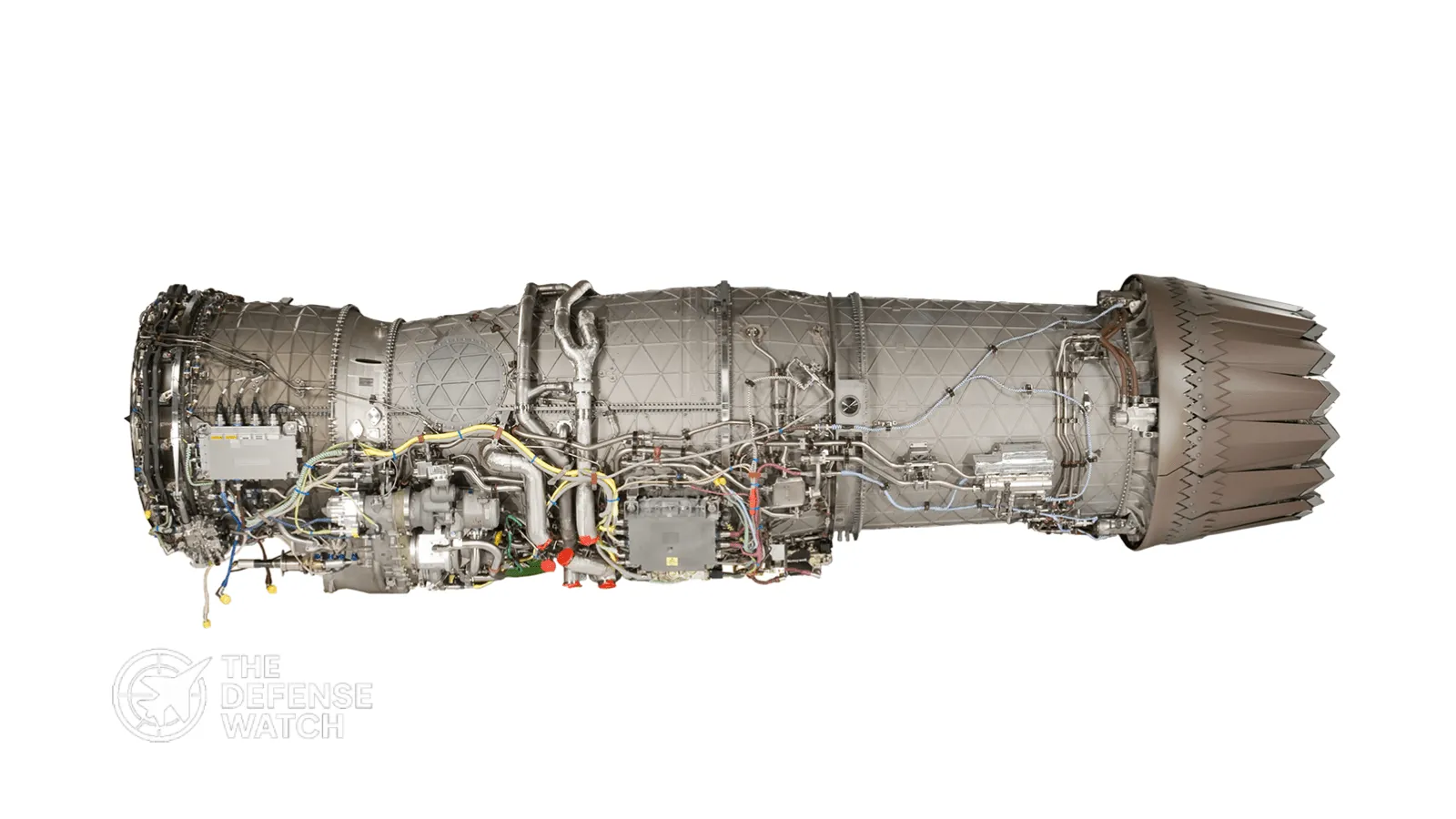
The Pratt and Whitney F135, produced by RTX, is the most powerful fighter engine currently in operational service. It powers all three variants of the F-35 Lightning II, including the conventional takeoff and landing F-35A, the short takeoff and vertical landing F-35B, and the carrier-capable F-35C.
Ensuring on-time delivery of F135 engines is critical to meeting aircraft production targets set by the U.S. services and international customers. Engine delays can cascade across final assembly lines, pilot training pipelines, and operational unit stand-ups.
The Lot 20 production phase comes as the F-35 program continues to recover from earlier supply chain disruptions and modernization challenges, making early investment in long lead items a priority for program managers.
Strategic implications for allies and partners
A significant portion of the contract funding is tied to non U.S. Department of Defense partners and Foreign Military Sales customers. This reflects continued demand for the F-35 among allied air forces and the importance of maintaining a predictable delivery schedule.
Stable F135 engine production supports partner confidence in the F-35 enterprise and helps align multinational fleet growth with shared training, sustainment, and operational planning efforts.
By securing long lead materials now, the U.S. Navy and its partners aim to reduce risk as international F-35 fleets expand through the late 2020s and early 2030s.
Oversight and contracting authority
Naval Air Systems Command is the contracting activity for the RTX F135 propulsion system contract. NAVAIR manages naval aviation acquisition programs and plays a central role in coordinating engine procurement for both Navy and Marine Corps F-35 variants, while also supporting joint and international stakeholders.
The contract is identified under reference number N0001926C0118.
Lockheed Martin Achieves Strong 2025 Performance Amid Defense Modernization Surge
BETHESDA, Md. – January 29, 2026 – Lockheed Martin Corporation reported fourth-quarter 2025 sales of $20.3 billion and full-year revenue of $75.0 billion, representing 6% year-over-year growth, the company announced today. The defense contractor’s backlog reached a record $194 billion, driven by sustained global demand for signature platforms including the F-35 fighter jet and integrated air defense systems.
The Bethesda-based aerospace and defense manufacturer posted net earnings of $5.0 billion for 2025, or $21.49 per share, which included a $479 million pension settlement charge. Excluding this charge, earnings totaled $5.4 billion. Free cash flow reached $6.9 billion for the year, exceeding prior company guidance, despite an $860 million pension contribution that satisfied 2026 obligations.
“With a record $194 billion backlog, 6% year-over-year sales growth, and free cash flow generation above our prior expectation, 2025 marked a year of unprecedented demand for Lockheed Martin capabilities,” said Chairman, President and CEO Jim Taiclet during the earnings call. “This escalating demand for our signature programs and systems has been driven by combat-proven performance over recent years.”
Fourth Quarter Performance Highlights Strong Momentum
Fourth-quarter sales of $20.3 billion represented a 9% increase compared to $18.6 billion in Q4 2024. Net earnings for the quarter totaled $1.3 billion, or $5.80 per share, compared to $527 million in the year-ago period. The quarter’s performance reflected recovery from classified program losses recognized in 2024, which had impacted $1.7 billion in operating profit.
Cash from operations reached $3.2 billion in Q4 2025, up from $1.0 billion in Q4 2024, with free cash flow of $2.8 billion compared to $441 million in the prior-year quarter. The company attributed improved cash generation to favorable working capital timing, particularly in accounts payable and contract liabilities at its Rotary and Mission Systems division.
Business Segment Performance Demonstrates Mixed Results
Aeronautics Division: The division posted sales of $30.3 billion for 2025, up 6% from $28.6 billion in 2024, driven primarily by F-35 program growth. Fourth-quarter sales reached $8.5 billion, a 6% increase year-over-year. However, operating profit for the year declined 17% to $2.1 billion due to a $950 million loss on a classified program recognized in Q2 2025 and $140 million in unfavorable adjustments on the C-130 program. Operating margin for 2025 stood at 6.9%, down from 8.8% in 2024.
Missiles and Fire Control: This segment delivered the strongest performance with 14% sales growth to $14.5 billion in 2025, up from $12.7 billion in 2024. Operating profit surged 382% to $2.0 billion from $413 million in 2024, reflecting recovery from a $1.4 billion classified program loss in the prior year. The segment benefited from production ramp-up on tactical and strike missile programs including JASSM, LRASM, and precision fires, as well as increased PAC-3 missile production. Operating margin reached 13.8% compared to 3.3% in 2024.
Rotary and Mission Systems: Sales remained relatively flat at $17.3 billion compared to $17.3 billion in 2024. Operating profit decreased 31% to $1.3 billion from $1.9 billion, primarily due to $665 million in combined losses on the Canadian Maritime Helicopter Program (CMHP) and Turkish Utility Helicopter Program (TUHP) recognized in Q2 2025. Operating margin declined to 7.6% from 11.1% in 2024. Despite program challenges, the segment saw increased Black Hawk helicopter production and growth in the River Class Destroyer program.
Space Division: Sales increased 4% to $13.0 billion from $12.5 billion in 2024, driven by Next Generation Interceptor (NGI), Fleet Ballistic Missile (FBM), and Orion programs. Operating profit grew 10% to $1.3 billion, with operating margin improving to 10.3% from 9.8% in 2024. The segment’s joint venture, United Launch Alliance, contributed minimal equity earnings compared to $45 million in 2024.
F-35 Production Acceleration Drives Aeronautics Growth
The F-35 Joint Strike Fighter program remained a significant revenue driver for Lockheed Martin in 2025. The company delivered 191 F-35 aircraft during the year, a substantial increase from 110 deliveries in 2024. Fourth-quarter deliveries totaled 48 aircraft, down from 62 in Q4 2024, reflecting normal quarterly production variations.
F-35 sales contributed approximately $1.9 billion in increased revenue for the Aeronautics segment in 2025, attributed to higher production volume and sustainment contract activity. The program accounted for the majority of Aeronautics’ 6% year-over-year sales growth despite headwinds from classified program performance.
PAC-3 Framework Agreement Signals Acquisition Reform Alignment
Taiclet highlighted the company’s landmark seven-year framework agreement for PAC-3 missiles as evidence of alignment with the Department of War’s Acquisition Transformation Strategy. We are well positioned to perform under the Department of War’s Acquisition Transformation Strategy, as evidenced by our landmark, seven-year framework agreement for PAC-3 missiles early in the first quarter,” Taiclet stated.
The framework agreement represents a departure from traditional year-by-year contracting approaches, potentially enabling more efficient production planning and economies of scale. However, the company noted the agreement has not yet been definitized into a firm contract. PAC-3 missile production contributed $450 million to the Missiles and Fire Control segment’s 14% revenue growth in 2025.
Industry analysts view multi-year framework agreements as a potential catalyst for improved defense industrial base efficiency, though execution risks remain until contracts are fully negotiated. The agreement’s structure may serve as a template for future large-scale weapons acquisitions if successfully implemented.
Program Losses Impact Profitability Metrics
Lockheed Martin’s 2025 financial performance was significantly affected by $1.6 billion in program losses recognized during the second quarter. The losses included:
- $950 million on an undisclosed classified program at Aeronautics
- $570 million on the Canadian Maritime Helicopter Program (CMHP) at Rotary and Mission Systems
- $95 million on the Turkish Utility Helicopter Program (TUHP) at Rotary and Mission Systems
- $140 million in unfavorable adjustments on C-130 programs
These charges reduced diluted earnings per share by approximately $7.03 for the full year. The company also recorded a $479 million non-operational pension settlement charge in Q4 2025 related to transferring $943 million in gross defined benefit pension obligations to insurance companies, reducing earnings per share by an additional $1.63.
Excluding program losses and one-time charges, the company’s underlying operational performance showed improvement, with business segment operating profit increasing 11% to $6.7 billion from $6.1 billion in 2024.
Capital Allocation Prioritizes Shareholder Returns and Capacity Investment
Lockheed Martin returned $6.1 billion to shareholders during 2025 through $3.1 billion in dividends and $3.0 billion in share repurchases. The company repurchased 6.6 million shares at an average price of approximately $455 per share, reducing outstanding shares to 229 million from 234 million at year-end 2024.
Capital expenditures totaled $1.6 billion in 2025, down slightly from $1.7 billion in 2024. The company emphasized that total investment in production capacity and next-generation technologies exceeded $3.5 billion during the year when including research and development spending of $2.0 billion.
The capital allocation strategy reflects confidence in sustained defense spending and positions the company to meet growing international and domestic demand for advanced weapons systems. Management indicated 2026 capital expenditures will increase to $2.5-$2.8 billion to support production expansion.
2026 Financial Outlook Projects Continued Growth
Lockheed Martin provided 2026 financial guidance projecting continued revenue and earnings growth:
- Sales: $77.5 billion to $80.0 billion (approximately 5% midpoint growth)
- Business segment operating profit: $8.4 billion to $8.7 billion (approximately 25% midpoint growth)
- Diluted earnings per share: $29.35 to $30.25 (approximately 38% midpoint growth)
- Free cash flow: $6.5 billion to $6.8 billion
- Capital expenditures: $2.5 billion to $2.8 billion
The significant projected increase in operating profit and earnings per share reflects the absence of 2025’s $1.6 billion in program losses and improved operational performance across all business segments. Management emphasized the guidance does not incorporate potential impacts from government shutdowns or recently issued executive orders.
The 2026 outlook assumes approximately $1.4 billion in total FAS/CAS pension adjustments and benefits from tax provisions in the “One Big Beautiful Bill Act” passed in late 2025. The company expects effective tax rates to remain in the mid-teens percentage range.
Backlog Growth Indicates Strong Future Revenue Pipeline
Lockheed Martin’s total backlog increased 10% to $193.6 billion at December 31, 2025, compared to $176.0 billion at year-end 2024. Backlog growth was distributed across all four business segments:
- Aeronautics: $59.4 billion (down from $62.8 billion, reflecting F-35 production execution)
- Missiles and Fire Control: $46.7 billion (up 20% from $38.8 billion)
- Rotary and Mission Systems: $47.7 billion (up 25% from $38.1 billion)
- Space: $39.8 billion (up 9% from $36.4 billion)
The Missiles and Fire Control backlog increase reflects strong international and domestic orders for air defense systems, tactical missiles, and precision munitions. Rotary and Mission Systems backlog growth was driven by multi-year helicopter contracts and increased sensor and radar program awards.
Management expects the backlog to continue growing in 2026 as allied nations accelerate defense modernization efforts in response to evolving global security threats. The record backlog provides revenue visibility extending multiple years into the future for most major programs.
Operational Excellence Initiatives Target Cost Efficiency
During the earnings call, management emphasized ongoing initiatives to improve operational efficiency and product affordability across all business segments. The company’s digital transformation efforts aim to reduce production costs and accelerate delivery timelines for key platforms.
Lockheed Martin invested heavily in advanced manufacturing technologies during 2025, including expanded use of automation, additive manufacturing, and digital twin capabilities. These investments are expected to yield cost savings and quality improvements as production volumes increase on programs like F-35, PAC-3, and Black Hawk helicopters.
The company also highlighted supply chain resilience efforts, working with suppliers to secure critical components and materials needed for increased production rates. Raw material availability, particularly for rare earth minerals used in advanced electronics, remains a focus area for risk mitigation.
International Sales Remain Strong Revenue Component
International military sales contributed significantly to Lockheed Martin’s 2025 performance, though the company does not break out specific percentages. F-35 Foreign Military Sales (FMS) and direct commercial sales to partner nations accounted for a substantial portion of the 191 aircraft delivered in 2025.
The company delivered 16 F-16 Fighting Falcon aircraft during 2025, primarily to international customers including several Middle Eastern nations. Black Hawk international deliveries totaled 17 helicopters, while the company delivered 2 C-130J Super Hercules airlifters for the year, down from 21 in 2024 due to production sequencing.
International demand for integrated air and missile defense systems, particularly PAC-3 missiles, contributed to the Missiles and Fire Control segment’s strong backlog growth. European nations have significantly increased orders for air defense capabilities following escalating regional security concerns.
Defense Industry Implications and Market Position
Lockheed Martin’s strong 2025 performance and record backlog underscore the company’s dominant position in the U.S. defense industrial base. The company remains the world’s largest defense contractor by revenue, maintaining leadership positions in tactical aircraft, rotorcraft, missile systems, and space technologies.
The financial results reflect broader trends in global defense spending, with allied nations prioritizing modernization of air defense, precision strike, and advanced aircraft capabilities. Lockheed Martin’s portfolio directly addresses these priority areas, positioning the company to capture significant share of increased defense budgets.
Competition remains intense in most market segments, with companies like RTX Corporation, Northrop Grumman, and Boeing competing for major program awards. However, Lockheed Martin’s incumbency on flagship programs like F-35, PAC-3, and Sikorsky helicopters provides competitive advantages in sustainment and follow-on orders.
Forward-Looking Considerations and Risk Factors
While Lockheed Martin’s 2025 results demonstrated strong underlying business performance, several factors could impact future financial outcomes:
Program Execution Risk: The $1.6 billion in losses on classified and international helicopter programs in 2025 illustrates ongoing risks in fixed-price development contracts. Management emphasized improved risk management processes, but complex programs inherently carry execution uncertainty.
Government Budget Environment: The 2026 outlook does not incorporate potential impacts from government shutdowns or changing administration priorities. Extended continuing resolutions or budget cuts could delay program funding and affect revenue timing.
Acquisition Reform Implementation: The Department of War’s Acquisition Transformation Strategy and framework contracting approach present both opportunities and risks. Successful implementation could improve margins and cash flow, but transitional challenges may arise as new processes are adopted.
Supply Chain Constraints: Accelerating production rates on multiple programs simultaneously could strain supplier capacity for critical components. The company’s ability to meet delivery commitments depends partly on supply chain health beyond its direct control.
International Trade Policy: Changes in export controls, foreign military sales approval processes, or trade restrictions could affect international order flow and revenue mix. The company’s global customer base provides diversification but also exposes it to geopolitical uncertainties.
Industry Expert Analysis
Defense industry analysts generally viewed Lockheed Martin’s 2025 results positively, noting the company’s ability to generate strong cash flow despite significant program charges. The record backlog and 2026 guidance suggesting 25% operating profit growth were cited as indicators of improving business fundamentals.
Analysts emphasized that absent the discrete $1.6 billion in program losses, Lockheed Martin’s underlying earnings growth would have been substantially higher in 2025. The projected 2026 earnings per share of $29.35-$30.25 represents approximately 38% growth from 2025’s $21.49, primarily reflecting absence of prior-year charges rather than pure operational improvement.
The company’s share repurchase activity during 2025 was characterized as prudent capital allocation given the strong backlog visibility and cash generation capability. With $4.1 billion in cash and cash equivalents at year-end and $20.5 billion in long-term debt, the balance sheet was assessed as appropriately leveraged for the defense sector.
About Lockheed Martin Corporation
Lockheed Martin Corporation is a global aerospace and defense technology company headquartered in Bethesda, Maryland. The company operates through four business segments: Aeronautics, Missiles and Fire Control, Rotary and Mission Systems, and Space. Major products and programs include the F-35 Lightning II, F-16 Fighting Falcon, C-130 Hercules, Sikorsky helicopters, PAC-3 missiles, THAAD missile defense, and numerous classified space and intelligence systems.
The company employs approximately 122,000 people worldwide and derives the majority of revenue from contracts with the U.S. Department of Defense and allied foreign governments. Lockheed Martin stock trades on the New York Stock Exchange under ticker symbol LMT.
Turkey Renewed Push for F-35 Program Return
Turkey has urged reentry into the US-led F-35 fighter jet program, saying its return would bolster NATO security and help mend ties with the United States. Turkish President Recep Tayyip Erdogan framed the proposal as both strategic and necessary, underscoring that Ankara has already paid for jets that were never delivered.
Erdogan told Bloomberg in written comments that Turkey’s exclusion from the F-35 consortium over its 2019 purchase of Russian S-400 air defense systems was unjust. He cited recent meetings with US President Donald Trump as opening an opportunity to reset ties and revisit the issue.
Reintegration Seen as NATO Security Contributor
Erdogan emphasized that delivering the F-35s Turkey has paid for and reintegrating Ankara into the program would strengthen NATO’s southern flank and overall alliance defense. He said this outcome would be “important and necessary” for both NATO and bilateral US-Turkey relations.
Turkey was removed from the F-35 program after it accepted delivery of the Russian S-400 system, which Washington and NATO officials have said poses security risks to F-35 technology. The Turkish president has repeatedly called the decision unfair and voiced a desire to resolve outstanding issues.
Broader Strategic Context
In his remarks, Erdogan also touched on broader defense and diplomatic priorities, including talks with the US over energy partnerships and legal disputes involving Turkey’s state bank. He said Ankara is balancing its energy security needs and acting in line with national interests.
The push to rejoin the F-35 program comes amid ongoing discussions between Ankara and Washington about defense cooperation, and reports that resolving the S-400 dispute remains a key sticking point under US law.
Canada Reviews Gripen Fighter Jets as Alternative to U.S. F-35 Program
Canada is reassessing its long-term combat aircraft modernization path, with government sources indicating renewed interest in the Swedish-built Gripen fighter jets as an alternative to the U.S.-made F-35. The development surfaced this week following reporting from Newsweek, suggesting growing discussions within Ottawa regarding potential procurement diversification amid cost, operational suitability, and industrial partnership considerations.
The review comes as Canada continues to modernize its air capabilities under national defense commitments, including participation in NORAD and NATO missions. While Ottawa previously committed to acquiring F-35 aircraft to replace aging CF-18 Hornets, the emergence of Sweden’s Gripen fighter jets as a serious option marks a notable shift in the procurement narrative.
Background: Canada’s Search for a Next-Generation Fighter
Canada’s effort to replace its legacy fleet has spanned more than a decade, with multiple governments debating cost, industrial benefits, and strategic alignment. The F-35 program, led by the United States, attracted Canadian participation through interoperability advantages and alliance standardization.
However, Gripen fighter jets have continued to feature in comparative evaluations due to lower lifecycle costs, simplified maintenance, and suitability for harsh climate operations—attributes of interest for Royal Canadian Air Force basing in Arctic regions.
Saab, the Swedish manufacturer, has positioned Gripen as a flexible and cost-efficient platform for nations seeking advanced capability without the financial scale of fifth-generation fighter procurement.
Details and Emerging Policy Signals
According to Newsweek’s reporting, unnamed officials referenced renewed evaluation discussions, suggesting the government is examining procurement structures and defense industry implications. No formal announcement has been made, and Canadian defense authorities have not issued confirmation or public comment on the extent of the review.
The Gripen fighter jets offer several features relevant to Canada’s operational landscape, including:
- Short runway requirements
- Ease of serviceability in remote regions
- Modular avionics architecture
- Potential domestic industrial participation
In contrast, the F-35 remains the standard platform within key Western defense alliances, offering stealth characteristics, integrated sensor fusion, and deep interoperability—factors particularly relevant to NATO joint operations.
Economic considerations also continue to influence deliberations. The cost of the F-35 program, including maintenance and sustainment pathways, has been a recurring topic in parliamentary discussions. Gripen fighter jets, by comparison, carry lower estimated lifecycle expenditures, making them a point of interest in national budget planning.
Expert and Policy Perspectives
Defense analysts note that a shift toward Gripen fighter jets would represent a geopolitical and strategic signal, potentially affecting U.S.–Canada defense alignment. Interoperability within NORAD, a core bilateral defense structure, remains a critical factor in aircraft selection.
Industry experts have also referenced potential domestic production offsets—a long-standing priority in Canadian defense procurement policy. Sweden has historically offered industrial cooperation packages as part of international Gripen proposals, a model attractive to nations seeking domestic aerospace development.
However, specialists emphasize that any transition away from the F-35 would require extensive evaluation, coordination across alliance frameworks, and renegotiation of existing procurement alignments.
What Comes Next
While no immediate policy shift has been announced, the emergence of Gripen fighter jets in Canada’s ongoing defense discussions suggests a period of continued evaluation. The government is expected to review cost analyses, capability assessments, and strategic partnership implications before issuing formal direction.
Future updates may align with upcoming defense budget cycles, NORAD modernization milestones, or parliamentary defense committee hearings. Observers expect increased attention on procurement transparency, industrial participation models, and operational suitability of aircraft platforms for Arctic sovereignty missions.
The U.S. aerospace sector continues to face significant supply chain vulnerabilities in 2025, industry leaders warned this week, despite strong economic recovery and increasing global demand. The Aerospace Industries Association (AIA), in its newly released 2025 Facts & Figures report, highlighted persistent bottlenecks affecting flagship defense and commercial programs, including F-35 fighter jet production and critical missile component manufacturing.
Background
The aerospace supply chain has been under stress since the COVID-19 pandemic disrupted global logistics, diminished manufacturing capacity, and triggered labor shortages across multiple tiers of suppliers. While demand for aircraft, space systems, and defense equipment has surged—driven by geopolitical tensions and fleet modernization efforts—the industrial base has struggled to support consistent output levels.
According to AIA, the U.S. aerospace and defense sector contributed over $1 trillion to the national economy in 2024, reaffirming its status as one of the country’s most strategically vital industries. Yet, the report stresses that this economic strength masks ongoing fragility beneath the surface.
Persistent Bottlenecks Across Key Programs
F-35 Production
One of the most affected programs remains the Lockheed Martin F-35 Lightning II. Sub-tier suppliers continue to face shortages in specialized parts such as engine components, composite structures, microelectronics, and thermal management systems. These shortages have led to longer lead times and disrupted delivery schedules for several partner nations.
An industry official familiar with the program noted that even minor component delays can stall assembly lines:
“The F-35 has thousands of unique parts sourced from hundreds of suppliers. If a single microelectronic part lags behind, the entire delivery timeline is impacted.”
Missile and Precision Weapons Components
U.S. missile production—including JASSM, Patriot, and various air-to-air and air-to-ground munitions—has also been affected. Increased global demand, partly driven by ongoing conflicts and supply transfers to allies, has strained a system already under pressure.
Manufacturers cite shortages in rocket motors, guidance sensors, energetic materials, and specialized machining capacity, with many components lacking secondary suppliers.
Why Supply Chains Remain Fragile
1. Workforce Shortages
Despite rising employment numbers, the industry faces a structural gap in skilled technicians, machinists, and systems engineers. Many small and medium-tier suppliers reduced workforce levels during the pandemic and have struggled to rebuild capacity.
2. Overdependence on Single-Source Suppliers
AIA’s report warns of heavy reliance on sole-source providers for critical components. In many cases, the cost of certifying alternate suppliers is high, slowing diversification.
3. Global Competition for Materials
Specialty metals, advanced composites, and rare-earth elements remain in global short supply. Rising international demand—especially from Asia and Europe—intensifies procurement challenges for U.S. producers.
4. Financial Strain on Small Suppliers
Many Tier-3 and Tier-4 suppliers continue to face tight liquidity positions, making it difficult to invest in expansion or modernization. Late payments from larger OEMs further exacerbate financial instability.
Industry and Policy Perspectives
AIA President and CEO Eric Fanning emphasized that while the sector’s economic output is robust, its supply chain still requires strategic reinforcement:
“Our industrial base remains resilient, but resilience is not the same as invulnerability. We must invest in supplier diversification, workforce development, and manufacturing modernization to meet growing global demands.”
Defense analysts argue that supply chain risks pose a direct challenge to U.S. military readiness. Delays in aircraft, munitions, and space systems could limit the Pentagon’s ability to sustain long-term operations or adequately support allies.
Congressional leaders have called for increased funding to strengthen critical manufacturing, including incentives for new suppliers, onshoring of sensitive materials, and expanded workforce training initiatives.
What’s Next for the Aerospace Sector
The industry is expected to continue navigating supply chain instability through 2026. While major manufacturers are expanding production lines and implementing advanced digital tracking systems, experts caution that meaningful stability will require multi-year investments and stronger government-industry coordination.
AIA’s report concludes that without structural reforms, persistent bottlenecks could slow modernization programs across the U.S. Air Force, Navy, and Army, complicating strategic response efforts amid rising global tensions.