

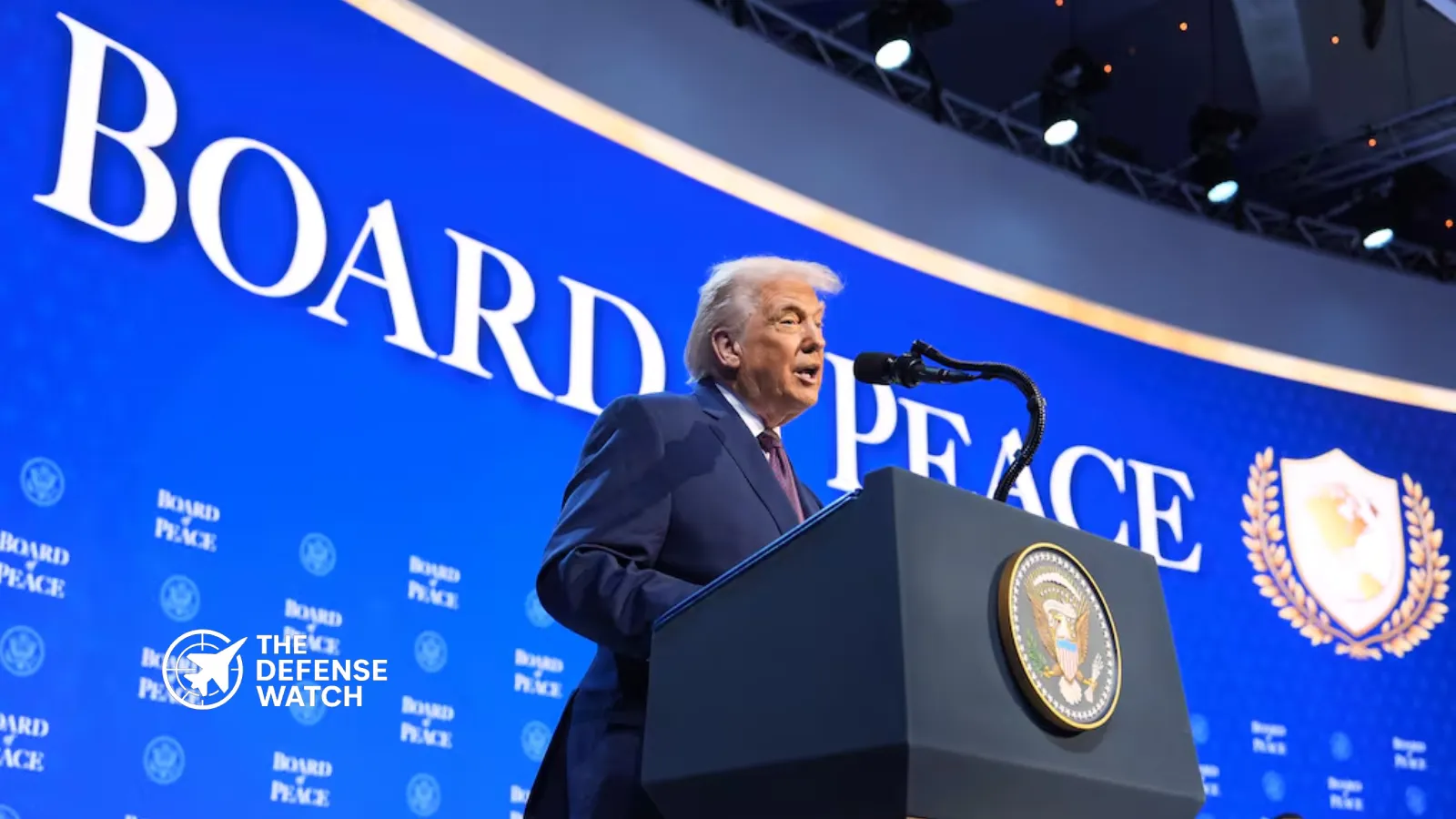
Trump Remarks on NATO Troops in Afghanistan Raise Diplomatic Tensions
Trump remarks on NATO troops in Afghanistan have sparked widespread condemnation from allied governments, defense officials, and policy experts, reigniting debate over the legacy of the two decade long military mission and the future of the transatlantic alliance.
Speaking during a public appearance this week, former US President Donald Trump criticized the presence and role of NATO forces in Afghanistan, characterizing the mission as a strategic failure and questioning the value of allied troop contributions. The comments quickly reverberated across Europe and beyond, prompting firm responses from NATO member states that fought alongside US forces for more than twenty years.
Allied Governments Respond
Senior officials from multiple NATO countries rejected Trump remarks on NATO troops in Afghanistan, emphasizing that the mission was conducted under collective defense principles and approved by all member governments.
German and British defense officials stressed that allied forces deployed at the request of the United States following the September 11 attacks and operated under NATO command structures aimed at counterterrorism, training Afghan forces, and regional stabilization. Several governments noted that thousands of non US service members were killed or wounded during the mission.
NATO Secretary General Jens Stoltenberg reiterated that the Afghanistan operation was the alliance’s largest and most complex mission, carried out with unanimous political backing and shared risk.
Pentagon and US Policy Reaction
Current US defense officials distanced the Department of Defense from Trump remarks on NATO troops in Afghanistan, underscoring that alliance cooperation remains central to US national security strategy.
Pentagon spokespeople emphasized that NATO continues to play a critical role in deterrence, crisis response, and collective defense, particularly as European security challenges grow following Russia’s actions in Ukraine and heightened instability in the Middle East.
Congressional leaders from both parties also pushed back, warning that rhetoric undermining allied sacrifices could weaken US credibility and strain operational cooperation.
Afghanistan Mission Legacy
The Afghanistan war remains one of the most contentious chapters in modern military history. NATO forces formally ended combat operations in 2014, transitioning to advisory and training roles before the full withdrawal in 2021.
Defense analysts note that while the mission failed to produce a stable Afghan government, it disrupted terrorist networks, improved interoperability among allied militaries, and shaped NATO expeditionary doctrine for decades.
Trump remarks on NATO troops in Afghanistan have revived long standing disagreements over burden sharing, war termination, and alliance decision making.
Strategic Implications for NATO
Experts warn that repeated criticism of NATO missions by senior US political figures risks emboldening adversaries and complicating alliance cohesion at a time of rising global tensions.
Eastern European members in particular view US commitment as essential to deterrence, while Indo Pacific partners closely monitor US reliability in long term security engagements.
See also: US NATO force posture adjustments in Europe
Outlook
While Trump remarks on NATO troops in Afghanistan do not reflect current US policy, they underscore persistent divisions over alliance roles, overseas interventions, and the future shape of Western military cooperation.
As NATO prepares for upcoming summits focused on force modernization, defense spending, and deterrence strategy, alliance leaders are expected to reaffirm collective unity and the enduring importance of shared security commitments.
