
Denmark Conscripts Greenland As Arctic Security Gains Urgency
Denmark conscripts Greenland for the first time in recent history as Copenhagen strengthens its military presence in the strategically important Arctic territory amid growing geopolitical pressure. The deployment comes as Denmark expands its military capabilities in the High North and NATO increases its focus on Arctic security.
Takeaways
Denmark’s deployment of conscripts to Greenland is part of a wider effort to strengthen Arctic readiness and support NATO’s expanding security posture in the High North.
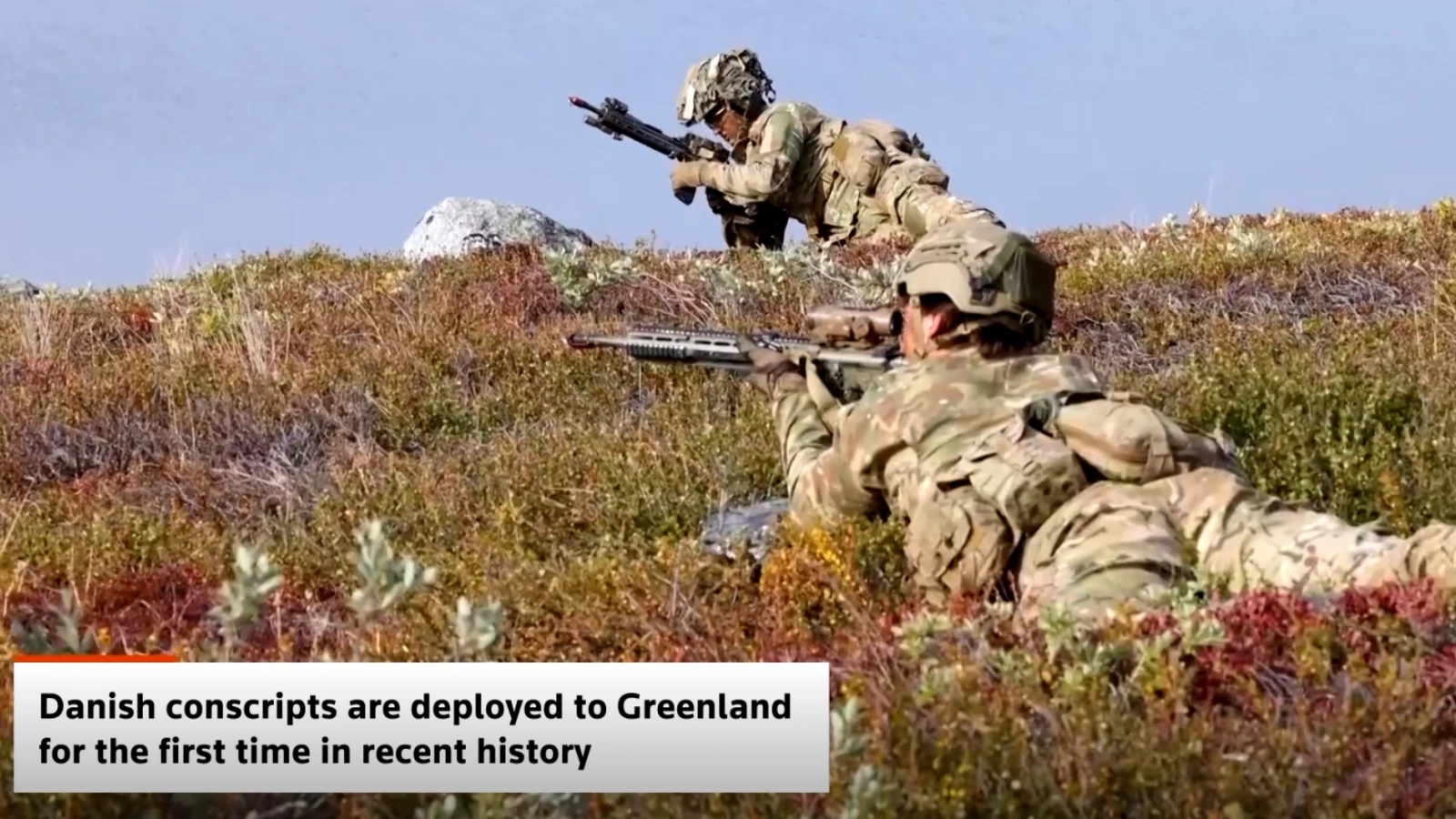
The Danish soldiers are participating in Exercise Arctic Endurance around Kangerlussuaq. The exercise is designed to train troops to operate in Greenland’s difficult terrain and extreme Arctic conditions. Danish Defence says the deployment also provides conscripts with operational experience while allowing them to work alongside Greenlandic personnel.
The move carries added political significance because it follows repeated efforts by U.S. President Donald Trump to acquire Greenland, a semi-autonomous territory within the Kingdom of Denmark. Copenhagen and Greenland have rejected the proposal.
First Conscripts Deployed To Greenland
The deployment represents a change in how Denmark’s expanded conscription system can support military operations.
The first group of extended-service conscripts began arriving in Greenland in August after completing initial military training. Danish Defence said the soldiers are serving at Kangerlussuaq and Nuuk and are taking part in operational duties connected with Arctic Endurance.
Denmark introduced an expanded 11-month conscription model in 2026. The program combines several months of basic military training with a period of operational service. Around 1,600 young people began the new 11-month service in August, with the system designed to provide the Danish military with additional trained personnel.
Danish Defence has said conscripts can perform operational duties after their basic training, including assignments in Greenland and other NATO-related activities. Deployments outside Denmark are based on voluntary participation under the current system.
Arctic Training Has A Practical Military Purpose
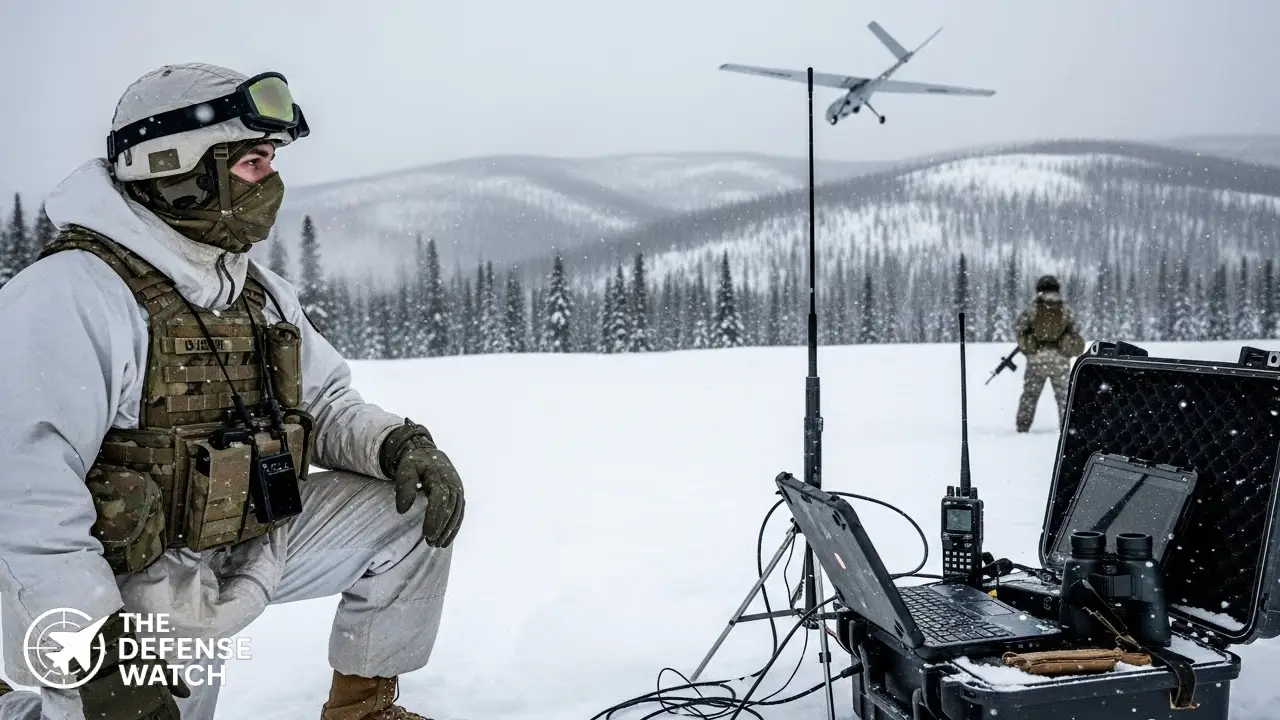
Greenland presents a demanding operating environment for military forces. Much of the terrain around Kangerlussuaq consists of exposed rock, open expanses and steep hills, creating challenges for movement, concealment, navigation and communications.
Danish Defence said the conscripts are learning how to move through the terrain, identify positions, estimate distances and use the environment effectively. Those skills are important for forces expected to operate in remote areas where weather, distance and limited infrastructure can complicate military operations.
The Danish deployment is therefore more than a symbolic presence. It also provides an opportunity to develop Arctic-specific experience among a larger pool of personnel.
Danish Defence has indicated that more conscripts could participate in activities in Greenland in the future, suggesting that Arctic training may become a more regular component of Denmark’s expanded military service model.
NATO Expands Its Arctic Presence
The Danish move comes as NATO increases its attention to the Arctic and High North.
NATO launched Arctic Sentry in February 2026 as a multi-domain military activity intended to strengthen the Alliance’s posture in the region. The initiative brings together allied exercises, troops and capabilities and is coordinated through NATO’s command structure, including Joint Force Command Norfolk.
The Alliance has identified the Arctic as increasingly important to collective defense. Seven of the eight Arctic states are NATO members, and the addition of Finland and Sweden has strengthened the Alliance’s position across the northern region.
Greenland is particularly important because of its location between North America and Europe. Its position provides strategic relevance for Arctic surveillance, maritime access, air operations and reinforcement routes across the North Atlantic.
NATO has also increased surveillance activity in the region. NATO AWACS aircraft conducted surveillance flights supporting Arctic Sentry in March, contributing to improved situational awareness across the northern flank.
Denmark Plans A Broader Arctic Defense Buildup
The deployment of Denmark conscripts Greenland is part of a wider effort by Copenhagen to strengthen its Arctic defense posture.
Reuters reported that Denmark has pledged billions of dollars toward Arctic defense after acknowledging years of underinvestment in the region. The effort reflects the growing importance of Greenland and the wider Arctic to Denmark’s national defense planning.
The increased focus also comes as Russia maintains a major military presence in the Arctic and as China expands its economic and strategic activity in the region, including cooperation with Russia. Moscow has criticized NATO’s increased Arctic activity as a security threat.
For Denmark, the challenge is both territorial and operational. Greenland is geographically vast, sparsely populated and separated from Denmark by thousands of miles. Maintaining a credible military presence requires personnel who can operate in extreme conditions as well as aircraft, ships, surveillance systems, communications infrastructure and logistics support.
Arctic Shield Adds To Regional Military Activity
The conscript deployment is also taking place alongside broader allied exercises.
Danish Defence said Exercise Arctic Shield 2026 will take place in southern Greenland and around Kangerlussuaq from Sept. 7 to 18. About 400 soldiers, sailors and airmen from 10 NATO nations are expected to participate. The exercise will cover land, maritime and air activities under Arctic conditions.
Arctic Shield is part of the wider Arctic Sentry framework. Denmark’s Home Guard also plans to participate with more than 160 volunteers from Denmark, Sweden and Norway.
The combination of national deployments and multinational exercises shows how Arctic defense is increasingly being treated as a collective NATO requirement rather than solely a Danish responsibility.
What The Deployment Means For Arctic Security
The arrival of Danish conscripts does not represent a major increase in combat power by itself. Its significance lies in the broader direction of Denmark’s defense policy.
Copenhagen is building a larger pool of personnel with Arctic operating experience while increasing exercises with NATO partners. At the same time, NATO is coordinating more activity across the High North.
For Greenland, the developments reinforce Denmark’s stated commitment to maintaining sovereignty and security in the territory. For NATO, they support efforts to improve readiness in a region where military activity, strategic competition and critical lines of communication are becoming increasingly important.
The deployment also demonstrates how Denmark’s new conscription system is being connected to the country’s wider defense requirements. Rather than limiting conscripts to basic training, the expanded 11-month model is designed to provide personnel with additional operational experience.
As Arctic security becomes a larger part of NATO planning, Greenland is likely to remain a central focus of Danish defense policy. The current deployment provides an early indication of how Copenhagen is adapting its forces to that changing environment.