Executive Summary:
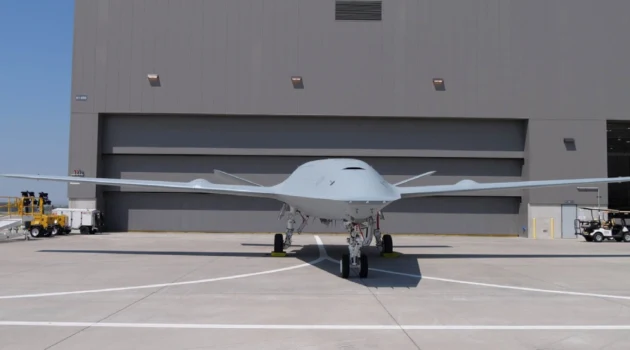
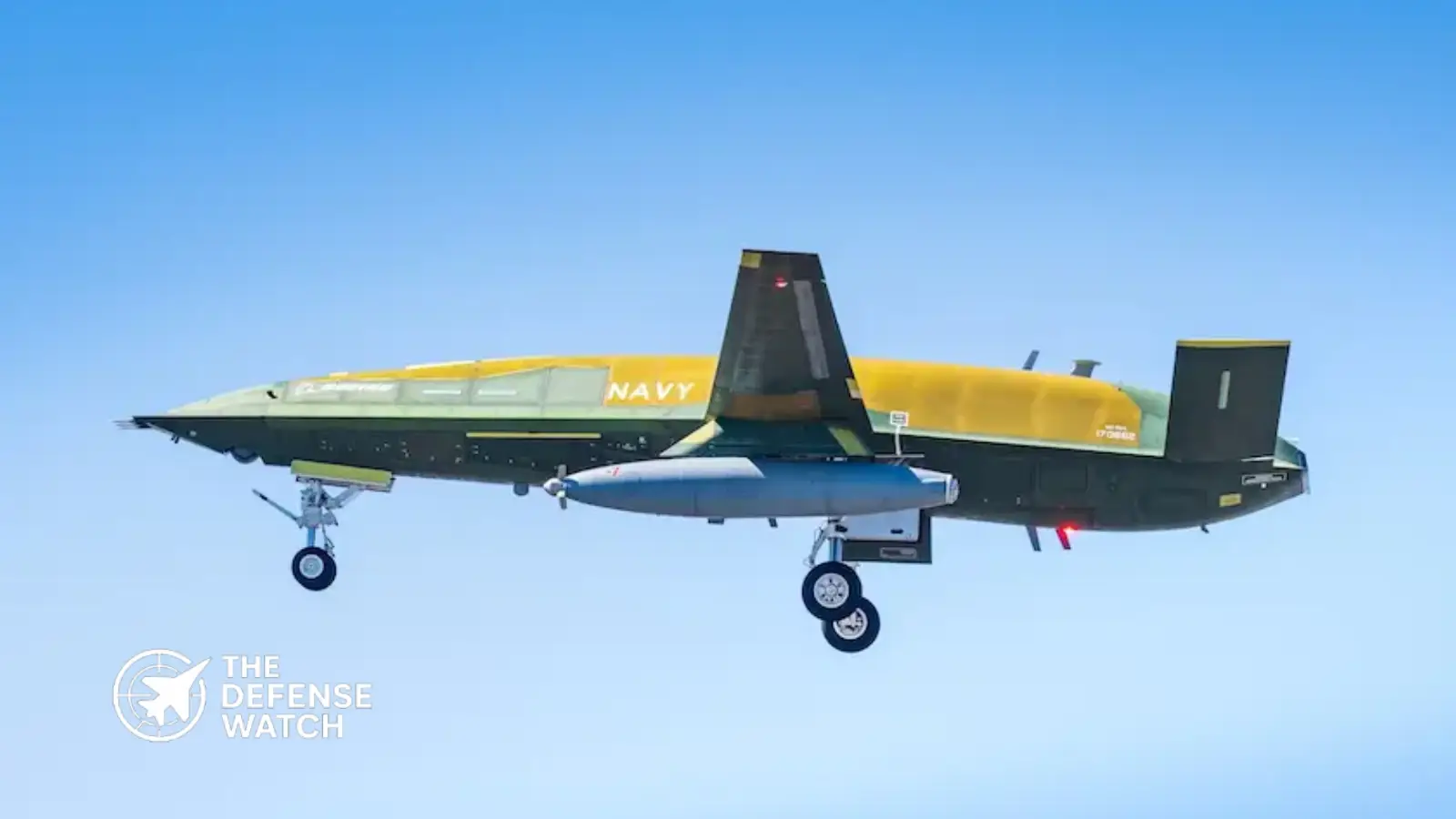
The U.S. Navy has authorized low-rate initial production of the Boeing MQ-25A Stingray following key flight testing milestones. The carrier-based unmanned aircraft is designed to extend the operational range of naval fighter aircraft and reduce strain on manned tanker missions aboard aircraft carriers.
U.S. Navy Advances MQ-25A Stingray Program
The Boeing MQ-25A Stingray program has reached a major milestone after the U.S. Navy approved the unmanned aerial refueling aircraft for low-rate initial production. The decision follows a series of developmental and flight test achievements that move the Navy closer to fielding its first operational carrier-based unmanned tanker aircraft.
Developed by Boeing for the United States Navy, the MQ-25A Stingray is intended to provide aerial refueling support to carrier air wings while extending the operational range of aircraft such as the F/A-18 Super Hornet and the F-35C Lightning II.
The approval for low-rate production marks a transition from development and testing into the early manufacturing phase, allowing the Navy to begin building operational aircraft while continuing evaluation activities.
Carrier Aviation Focus Shifts Toward Range And Endurance
The MQ-25A Stingray addresses one of the most persistent operational challenges facing modern carrier aviation: combat range.
For years, the U.S. Navy has relied heavily on Super Hornets configured as buddy tankers to refuel other aircraft during missions. While effective, that approach reduces the number of fighters available for strike and air defense missions.
The MQ-25A is designed to assume much of that refueling workload. By transferring aerial refueling duties to an unmanned platform, the Navy expects to free additional manned fighters for frontline combat operations.
This shift is particularly important in the Indo-Pacific theater, where long operational distances are increasingly shaping U.S. naval planning. Analysts have frequently noted that carrier air wings require greater reach to operate effectively in contested environments against near-peer adversaries.
The Stingray is expected to provide carrier aircraft with significantly extended mission endurance, improving flexibility for strike, reconnaissance, and maritime security operations.
Flight Testing Supported Production Approval
The production clearance follows extensive testing activities involving Boeing test aircraft and Navy integration teams.
The MQ-25A program previously completed several major milestones, including its first flight, aerial refueling demonstrations, and carrier deck handling tests aboard U.S. Navy aircraft carriers. The aircraft successfully refueled Navy tactical aircraft during testing campaigns, validating one of the program’s core operational requirements.
Testing also focused on integrating the unmanned aircraft into carrier flight deck operations, which remain among the most demanding aviation environments in the world.
Unlike land-based UAV operations, carrier aviation requires precise launch, recovery, taxiing, and deck coordination procedures within limited space and under high operational tempo conditions. The MQ-25A program therefore serves as both a capability platform and a broader stepping stone for future carrier-based autonomous systems.
Boeing Expands Its Role In Naval Unmanned Aviation
For Boeing, the MQ-25A Stingray represents a strategically important defense program as the company continues expanding its unmanned systems portfolio.
The aircraft was selected by the Navy under the Carrier-Based Aerial-Refueling System competition, beating rival industry proposals. Since then, Boeing has continued refining the platform through testing and systems integration work.
The low-rate production authorization enables Boeing to begin manufacturing aircraft intended for operational fleet introduction while supporting continued program maturation.
The program also reinforces growing Pentagon interest in unmanned and semi-autonomous systems across air, land, and maritime domains. Defense planners increasingly view unmanned aircraft as critical force multipliers capable of extending operational reach while reducing risk to pilots in contested environments.
MQ-25A Could Shape Future Carrier Air Wings
The MQ-25A Stingray is more than a refueling aircraft. Defense analysts widely view the program as an early step toward broader integration of autonomous systems aboard U.S. Navy aircraft carriers.
Future naval unmanned aircraft could eventually perform intelligence gathering, electronic warfare, surveillance, strike missions, or logistics support alongside manned aircraft.
By proving that unmanned systems can safely integrate into carrier operations, the MQ-25A program may help establish the operational framework for next-generation naval aviation concepts.
The Navy has consistently emphasized that future carrier air wings will likely combine crewed and uncrewed platforms operating together across long distances and highly contested operational theaters.
As geopolitical competition intensifies in the Indo-Pacific and other strategic regions, extending carrier reach and preserving manned fighter capacity remain central priorities for U.S. naval planners.