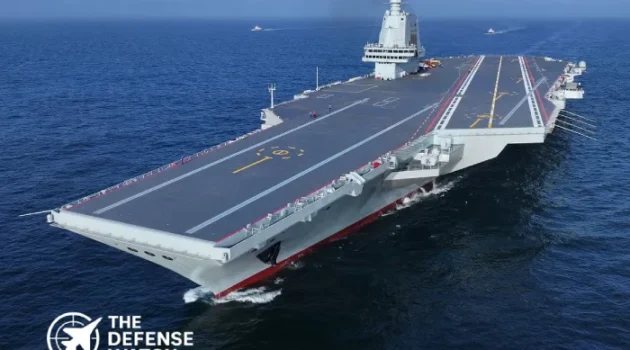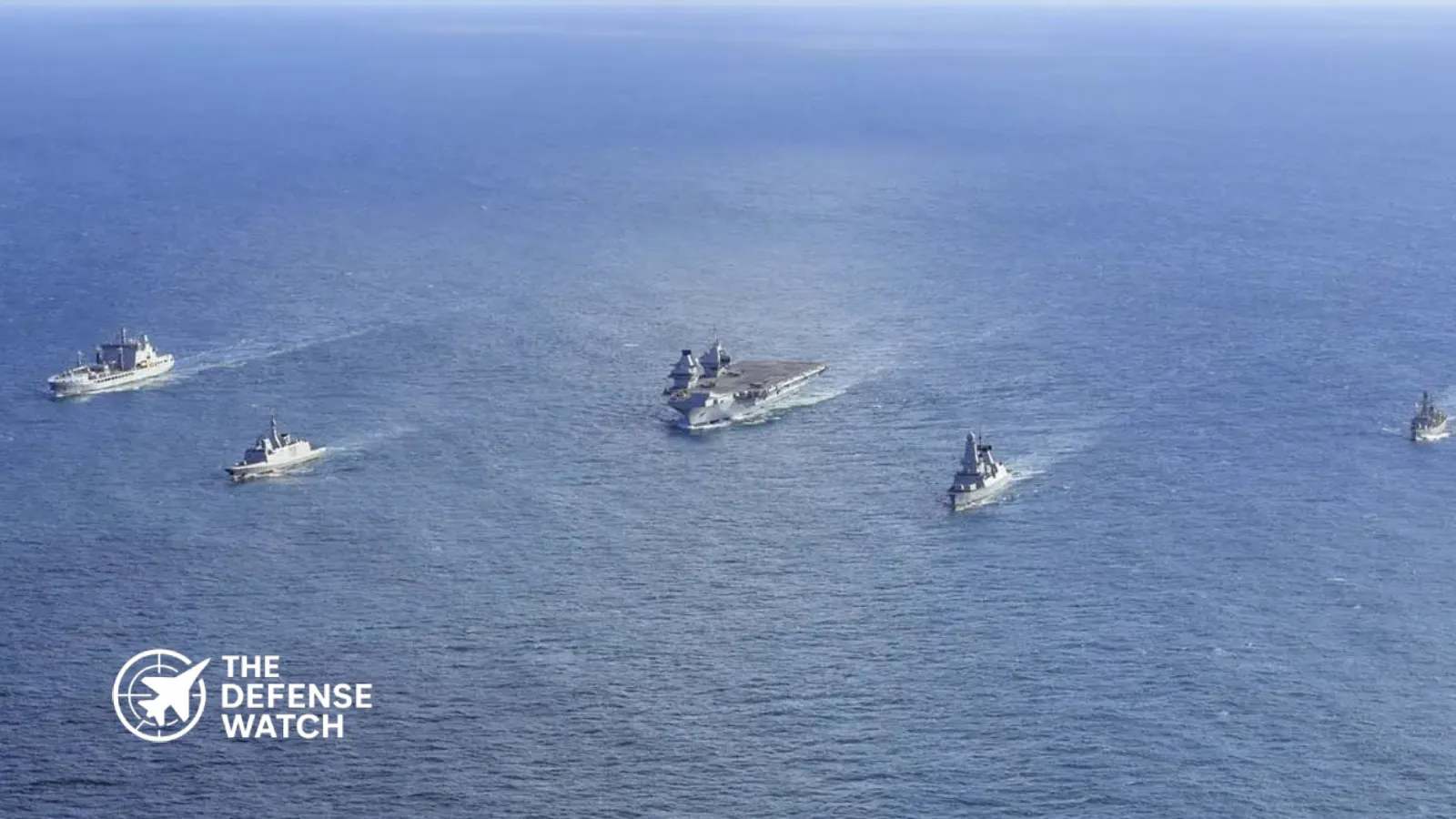
The Royal Navy’s flagship carrier has completed a three month NATO deployment that combined Arctic air policing, multinational exercises, and extended range F-35B operations across the High North.
Executive Summary:
The UK Carrier Strike Group has completed the first phase of Operation Firecrest after three months of NATO operations in the Arctic and North Atlantic. The deployment featured carrier launched F-35B air policing missions, multinational exercises, and enhanced allied interoperability aimed at strengthening NATO’s Northern Flank.
UK Carrier Strike Group Completes First Phase Of NATO Arctic Deployment
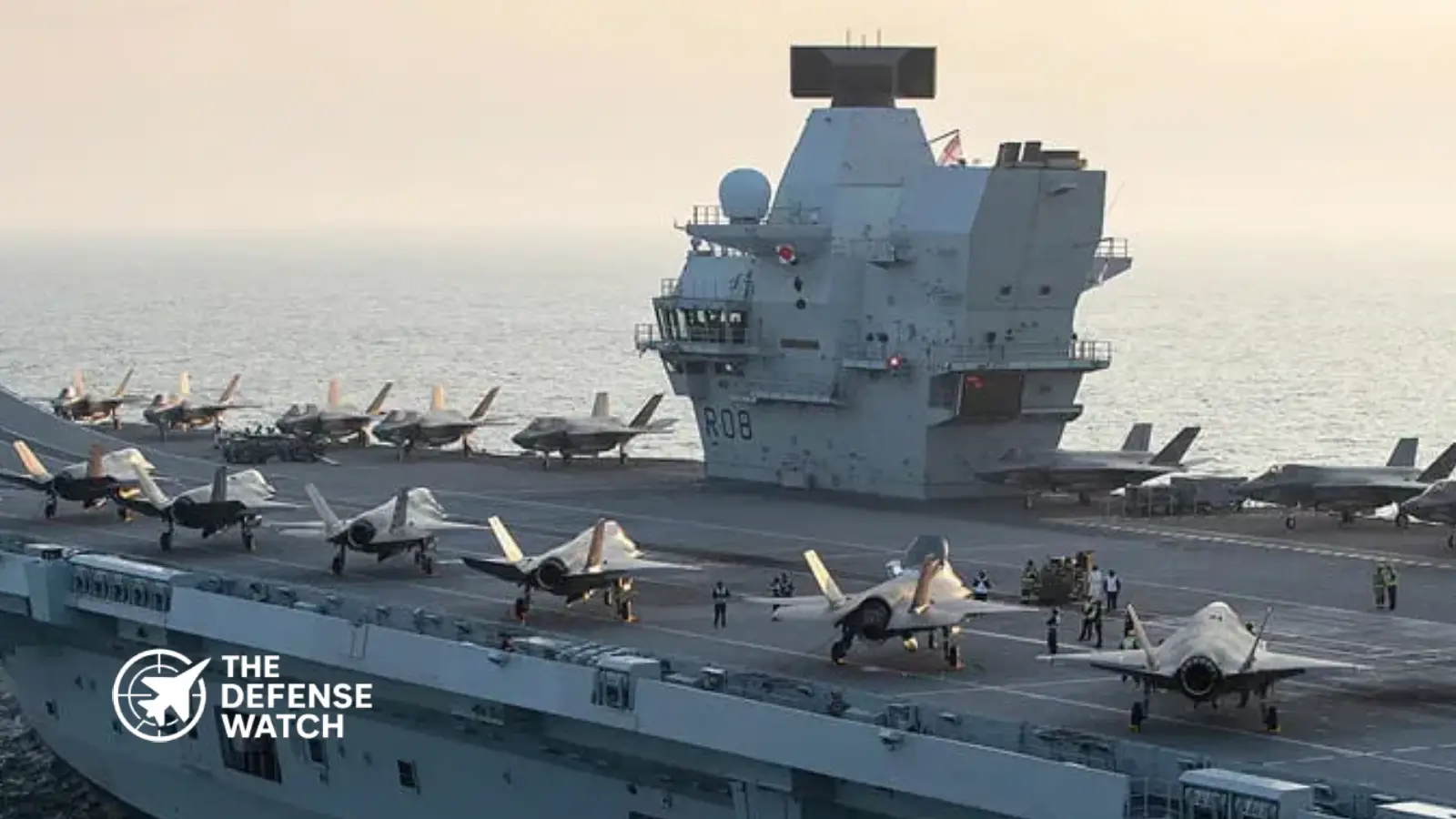
The UK Carrier Strike Group has concluded the opening phase of its 2026 deployment to the Arctic and North Atlantic, marking the end of a three month mission focused on NATO deterrence, regional security, and multinational interoperability. Led by the aircraft carrier HMS Prince of Wales, the task group will return briefly to Portsmouth before resuming Operation Firecrest later this year in northern European waters.
The strike group included HMS Prince of Wales, destroyer HMS Duncan, support tanker RFA Tidespring, embarked F-35B Lightning II fighters, Merlin and Wildcat helicopters, and uncrewed autonomous systems. According to the Royal Navy, the deployment demonstrated the UK’s ability to operate a carrier centered force in demanding Arctic conditions alongside NATO allies.
Exercise Neptune Strike Concludes Initial Deployment
The deployment ended with Exercise Neptune Strike, a large NATO exercise involving forces from ten allied nations across the air, maritime, and land domains.
The exercise emphasized long range strike operations, integrated command and control, and joint planning across multiple operational environments. British F-35B fighters conducted extended range sorties with support from RAF Voyager and Italian KC,767 aerial refueling aircraft, allowing missions to reach areas including Poland while operating from HMS Prince of Wales.
Royal Navy escorts and embarked helicopters simultaneously participated in anti surface and anti submarine warfare activities, highlighting the carrier group’s ability to conduct multi domain operations.
Arctic Air Policing Marks Operational Milestone
One of the most significant achievements during the deployment was the UK’s contribution to NATO’s Arctic Sentry Enhanced Vigilance Activity.
Carrier launched F-35B fighters carried out NATO Air Policing missions over Iceland and the Arctic, intercepting and monitoring Russian military aircraft operating near allied airspace. According to the Royal Navy and UK Ministry of Defence, this marked the first time NATO air policing missions have been conducted by fighter aircraft launched from a European aircraft carrier.
Earlier in July, Royal Navy F-35Bs were scrambled after a Russian Tu,142 maritime patrol aircraft approached the carrier group in the Norwegian Sea during ongoing NATO operations. The aircraft was escorted while the task group continued its mission.
Broader NATO Cooperation
Beyond Arctic air policing, the UK Carrier Strike Group participated in several multinational activities, including Exercise Ramstein Flag, Dynamic Mongoose, and Joint Expeditionary Force Exercise Tamber Shield.
Throughout the deployment, the carrier group operated with 19 NATO and Joint Expeditionary Force partners, strengthening interoperability across allied naval, air, and maritime forces. The mission also supported NATO Joint Force Command Norfolk’s efforts to improve coordinated operations across the strategically important North Atlantic and High North.
Why The Deployment Matters
The completion of the first phase of Operation Firecrest reflects several broader trends in NATO’s evolving defense posture.
First, it demonstrates the growing integration of carrier aviation into alliance air defense missions. Carrier based F-35Bs traditionally support expeditionary strike operations, but their use in standing NATO air policing expands the operational flexibility of allied naval aviation.
Second, the deployment highlights the increasing strategic importance of the Arctic and North Atlantic. These regions remain vital for transatlantic reinforcement, undersea infrastructure protection, and monitoring military activity as Russia maintains a significant military presence across the High North. NATO has responded by increasing exercises, surveillance, and multinational deployments across the region.
Finally, the mission reinforces the UK’s role as one of NATO’s primary carrier operating nations. Regular multinational deployments provide opportunities to validate command structures, logistics, aerial refueling, and interoperability before potential crisis situations arise.
Rather than representing a standalone operation, Operation Firecrest forms part of NATO’s broader effort to maintain readiness and credible deterrence across Europe’s northern approaches through routine, integrated military activity.
What’s Next
HMS Prince of Wales and HMS Duncan are expected to undergo maintenance and provide leave for their crews before the second phase of Operation Firecrest begins later this year.
The next deployment phase will continue operations in northern European waters, building on lessons learned during the Arctic mission while supporting ongoing NATO maritime security and collective defense objectives.
(adsbygoogle = window.adsbygoogle || []).push({});Executive Summary:
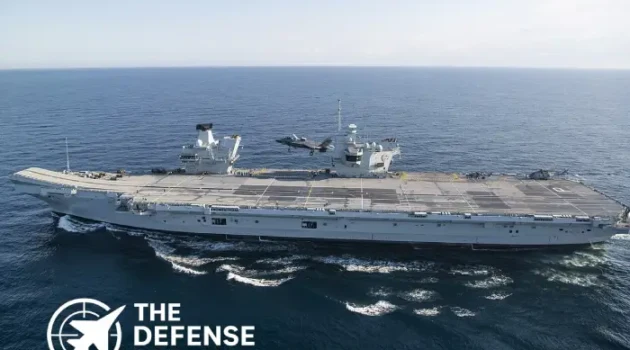
The United Kingdom Carrier Strike Group, led by HMS Prince of Wales, is operating under NATO command as part of the alliance’s Arctic Sentry mission. The deployment enhances NATO’s maritime presence in the Arctic while improving allied readiness in a region of growing strategic importance.
UK Carrier Strike Group Strengthens NATO Presence In The Arctic
The UK Carrier Strike Group has entered a new phase of operations after being placed under NATO operational command as part of Arctic Sentry, the alliance’s enhanced vigilance activity focused on the Arctic and High North. The move underscores NATO’s increasing emphasis on northern defense as military competition intensifies across the region.
Led by HMS Prince of Wales, the Royal Navy’s flagship aircraft carrier, the task group is supporting NATO’s Joint Force Command Norfolk during a series of operations designed to improve allied coordination, surveillance, deterrence, and maritime security throughout the Arctic.
The deployment represents one of the United Kingdom’s most significant naval contributions to NATO’s northern posture in recent years.
atOptions = { ‘key’ : ‘e7d18db8b7513fb2a224cf4c3f18bbf0’, ‘format’ : ‘iframe’, ‘height’ : 90, ‘width’ : 728, ‘params’ : {} };Carrier Strike Group Brings Fifth Generation Airpower
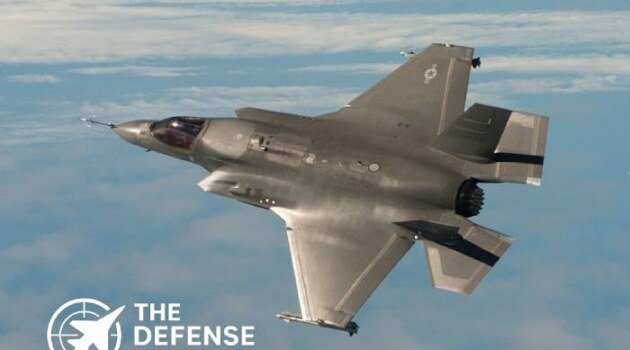
At the center of the deployment is HMS Prince of Wales, carrying Britain’s carrier-based fifth generation combat capability through F-35B Lightning II fighters from 809 Naval Air Squadron and Royal Air Force 617 Squadron.
The strike group also includes escorts, support vessels, helicopters, and maritime surveillance assets capable of conducting air defense, anti-submarine warfare, strike missions, and intelligence gathering in one of the world’s most demanding operating environments.
Operating under NATO command allows allied naval and air forces to coordinate through a unified operational structure, improving interoperability across multiple national fleets.
What Arctic Sentry Means For NATO
Arctic Sentry was launched by NATO in February 2026 as a multi-domain operational framework that combines allied exercises, maritime patrols, air operations, and land activities under a single command structure led by Joint Force Command Norfolk.
Rather than creating a single exercise, Arctic Sentry synchronizes existing allied activities across the Arctic and High North into a coordinated operational approach.
According to NATO, the initiative responds to increasing military activity by Russia in the Arctic, while also addressing China’s growing strategic interest in the region. The alliance says the effort improves situational awareness, operational planning, and collective defense across NATO’s northern flank.
(adsbygoogle = window.adsbygoogle || []).push({});Why The Arctic Matters
The Arctic has become increasingly important for global security.
Melting sea ice is gradually opening new shipping routes while exposing natural resources and expanding access to previously inaccessible waters. At the same time, the region contains critical sea lines of communication linking North America and Europe.
Russia has continued modernizing military infrastructure across its Arctic territories, including airfields, naval facilities, and surveillance capabilities, while NATO has responded by increasing exercises and strengthening cooperation among Arctic allies.
For NATO, maintaining freedom of navigation and protecting reinforcement routes through the North Atlantic remain central strategic objectives.
Analysis: A Shift Toward Persistent Northern Operations
While the deployment itself does not represent a permanent increase in NATO forces, it reflects a broader transition toward sustained allied operations in northern waters.
Placing the UK Carrier Strike Group under NATO command demonstrates the alliance’s growing preference for integrated multinational operations rather than nationally directed deployments operating alongside one another.
From an operational perspective, carrier strike groups provide flexible airpower, command and control, anti-submarine capabilities, and long-range surveillance without relying on fixed regional bases. These attributes are particularly valuable in the Arctic, where infrastructure is limited and weather conditions complicate military operations.
The deployment also highlights Britain’s continued role as one of NATO’s primary maritime powers. By contributing its largest naval formation to alliance command, London reinforces its commitment to collective defense while improving interoperability with U.S., Norwegian, Canadian, Danish, Dutch, and other allied forces operating across the High North.
For NATO, Arctic Sentry is as much about improving command integration as it is about demonstrating presence. Coordinated operations enable faster decision making, more effective intelligence sharing, and greater readiness should security conditions deteriorate.
Looking Ahead
The UK Carrier Strike Group is expected to continue participating in additional Arctic Sentry activities alongside allied naval and air forces throughout the coming weeks.
NATO has indicated that Arctic Sentry will continue evolving as a long-term framework for coordinating operations across the Arctic and High North, complementing other regional initiatives designed to strengthen deterrence and collective defense.
As geopolitical competition in the Arctic continues to increase, deployments such as this are likely to become a more regular feature of NATO’s operational posture.
Executive Summary:
China’s Liaoning carrier group has returned from a more than 40-day deployment across the Western Pacific and South China Sea, conducting combat-oriented training and joint exercises with an amphibious assault ship group. The deployment highlights Beijing’s continued effort to strengthen long-range naval power projection and integrated maritime operations.
China Liaoning Carrier Group Completes Extended Far-Sea Training Mission
The Liaoning carrier group has concluded a major far-sea training deployment that Chinese state media says was designed to enhance combat readiness, joint operations, and long-range maritime capabilities.
According to Chinese state broadcaster CCTV, the carrier strike group returned to port after spending more than 40 days operating in the South China Sea, the Western Pacific, and other regional waters. The deployment began on May 19 and included a series of combat-oriented exercises involving carrier aviation, reconnaissance operations, search-and-rescue missions, and integrated naval maneuvers.
Chinese military officials stated that the exercises were intended to validate operational concepts, improve command effectiveness, and strengthen the carrier group’s ability to conduct real-world missions in distant maritime regions.
Beijing Highlights Response To Japanese Monitoring Activities
Chinese media also reported that Japanese ships and aircraft closely monitored the carrier group’s activities throughout the deployment.
According to CCTV, the Liaoning formation maintained a high operational alert level, launched carrier-based fighter aircraft on combat sorties, adjusted formations when required, and responded professionally to what Beijing described as repeated close-range surveillance and harassment activities.
Japan has routinely tracked Chinese naval movements in the Western Pacific, particularly aircraft carrier operations near strategic sea lanes and areas surrounding the Ryukyu island chain.
The latest deployment underscores the increasingly regular interaction between Chinese naval forces and regional militaries as Beijing expands the operating range of its carrier fleet.
First Publicly Reported Carrier And Amphibious Assault Ship Integration
One of the most significant aspects of the exercise was a joint drill involving the Liaoning carrier group and a formation centered on the Type 075 amphibious assault ship Anhui.
Chinese military analyst Wang Yunfei described the event as the first publicly disclosed far-sea training exercise involving both a Chinese aircraft carrier group and an amphibious assault ship group operating together.
The exercise reportedly focused on system-of-systems integration, including command coordination, intelligence sharing, communications links, and tactical cooperation between the two formations.
From a military modernization perspective, this development may be among the most important outcomes of the deployment.
Aircraft carriers provide air superiority, long-range strike options, and fleet defense. Amphibious assault ships enable expeditionary operations, helicopter assaults, and rapid force deployment. Integrating both platforms creates a more flexible force capable of conducting a wider range of operations across greater distances.
Growing Focus On Long-Range Power Projection
The Liaoning deployment reflects a broader trend within the People’s Liberation Army Navy (PLAN): moving beyond coastal defense toward sustained operations in the far seas.
China’s naval modernization efforts over the past decade have focused on expanding blue-water capabilities through new aircraft carriers, advanced destroyers, replenishment ships, and amphibious platforms.
The joint training between Liaoning and Anhui suggests Beijing is increasingly focused on developing integrated task forces capable of conducting complex operations far from the Chinese mainland.
While China has traditionally emphasized regional defense, these developments indicate a growing emphasis on operational reach, maritime security missions, and potential expeditionary capabilities.
Carrier Aviation Demonstrates Expanded Endurance
Footage released by CCTV showed J-15T carrier-based fighter aircraft conducting day and night flight operations, including aerial refueling with YY-20 tanker aircraft.
According to Chinese analysts, these activities demonstrate improvements in all-weather carrier aviation operations and extended mission endurance. Aerial refueling significantly increases operational range and allows aircraft to remain on station longer during maritime missions.
The deployment also appeared to include the new Type 054B frigate Luohe, marking what may be the vessel’s first major far-sea operational mission since entering service. Chinese observers argue that the addition of the Type 054B enhances the carrier group’s air defense, anti-submarine warfare, and escort capabilities.
Strategic Implications For The Indo-Pacific
The latest Liaoning carrier group deployment comes amid increasing military competition across the Indo-Pacific.
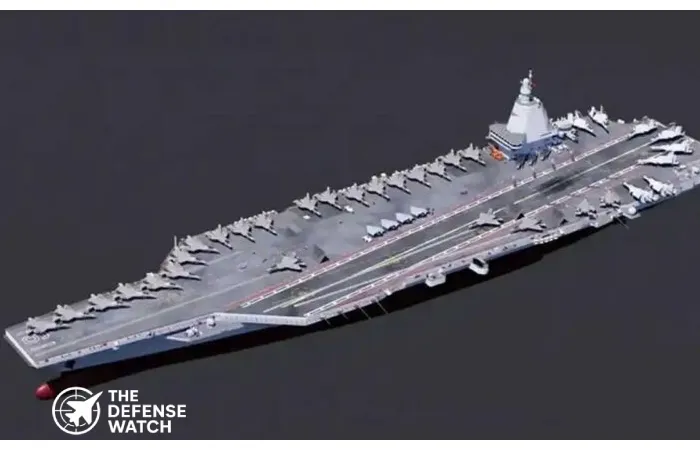
China’s carrier fleet currently includes the Liaoning, Shandong, and Fujian aircraft carriers, with the latter expected to achieve full operational capability in the coming years. The PLAN’s growing emphasis on carrier operations reflects Beijing’s ambition to field a modern blue-water navy capable of operating across the Western Pacific and beyond.
The integration of carrier strike groups with amphibious assault forces represents a notable evolution in Chinese naval doctrine. As these exercises become more frequent, regional militaries will likely continue monitoring how Beijing develops its long-range maritime power projection capabilities.
Executive Summary:
The U.S. Navy has authorized low-rate initial production of the Boeing MQ-25A Stingray following key flight testing milestones. The carrier-based unmanned aircraft is designed to extend the operational range of naval fighter aircraft and reduce strain on manned tanker missions aboard aircraft carriers.
U.S. Navy Advances MQ-25A Stingray Program
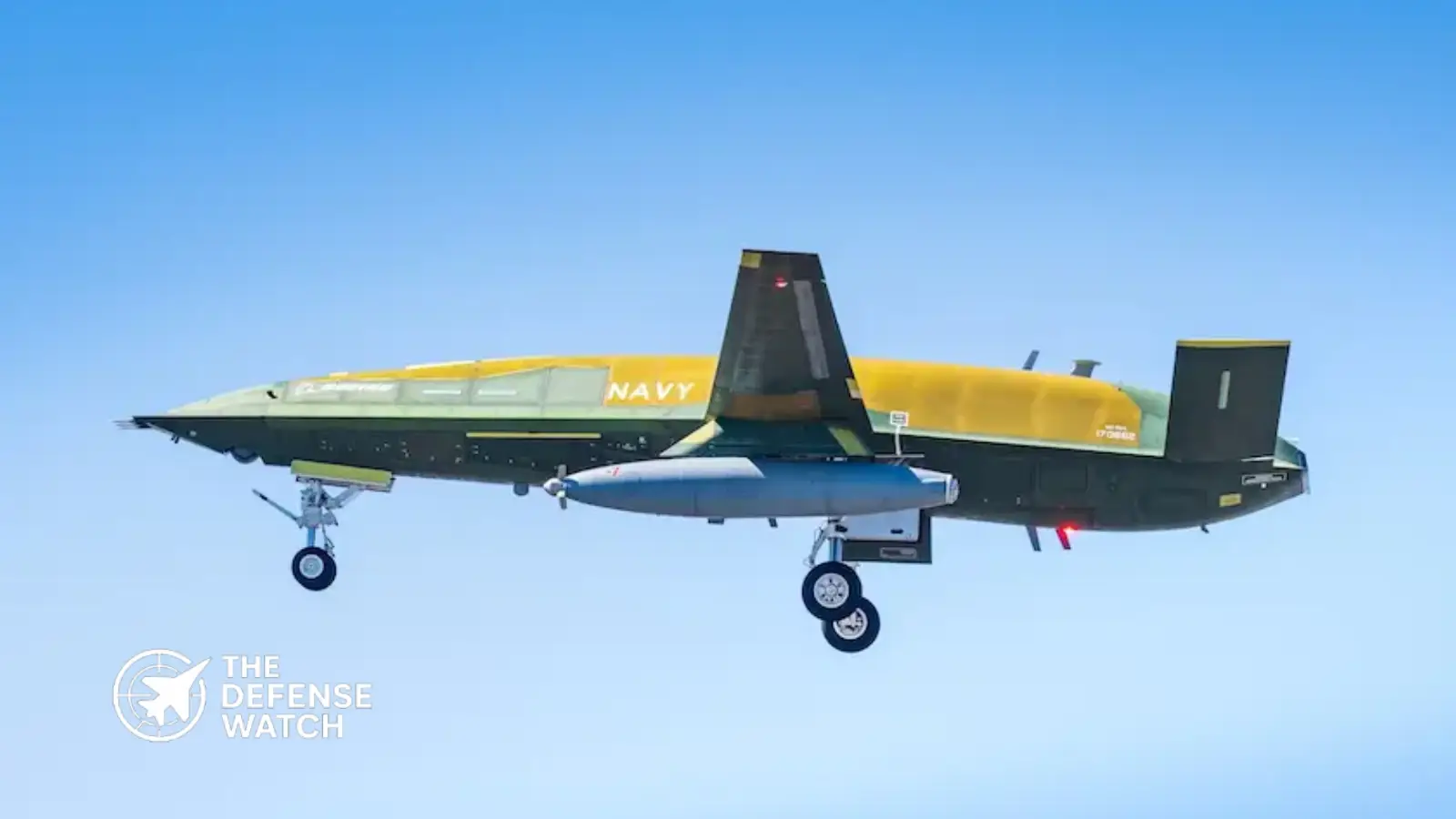
The Boeing MQ-25A Stingray program has reached a major milestone after the U.S. Navy approved the unmanned aerial refueling aircraft for low-rate initial production. The decision follows a series of developmental and flight test achievements that move the Navy closer to fielding its first operational carrier-based unmanned tanker aircraft.
Developed by Boeing for the United States Navy, the MQ-25A Stingray is intended to provide aerial refueling support to carrier air wings while extending the operational range of aircraft such as the F/A-18 Super Hornet and the F-35C Lightning II.
The approval for low-rate production marks a transition from development and testing into the early manufacturing phase, allowing the Navy to begin building operational aircraft while continuing evaluation activities.
Carrier Aviation Focus Shifts Toward Range And Endurance
The MQ-25A Stingray addresses one of the most persistent operational challenges facing modern carrier aviation: combat range.
For years, the U.S. Navy has relied heavily on Super Hornets configured as buddy tankers to refuel other aircraft during missions. While effective, that approach reduces the number of fighters available for strike and air defense missions.
The MQ-25A is designed to assume much of that refueling workload. By transferring aerial refueling duties to an unmanned platform, the Navy expects to free additional manned fighters for frontline combat operations.
This shift is particularly important in the Indo-Pacific theater, where long operational distances are increasingly shaping U.S. naval planning. Analysts have frequently noted that carrier air wings require greater reach to operate effectively in contested environments against near-peer adversaries.
The Stingray is expected to provide carrier aircraft with significantly extended mission endurance, improving flexibility for strike, reconnaissance, and maritime security operations.
Flight Testing Supported Production Approval
The production clearance follows extensive testing activities involving Boeing test aircraft and Navy integration teams.
The MQ-25A program previously completed several major milestones, including its first flight, aerial refueling demonstrations, and carrier deck handling tests aboard U.S. Navy aircraft carriers. The aircraft successfully refueled Navy tactical aircraft during testing campaigns, validating one of the program’s core operational requirements.
Testing also focused on integrating the unmanned aircraft into carrier flight deck operations, which remain among the most demanding aviation environments in the world.
Unlike land-based UAV operations, carrier aviation requires precise launch, recovery, taxiing, and deck coordination procedures within limited space and under high operational tempo conditions. The MQ-25A program therefore serves as both a capability platform and a broader stepping stone for future carrier-based autonomous systems.
Boeing Expands Its Role In Naval Unmanned Aviation
For Boeing, the MQ-25A Stingray represents a strategically important defense program as the company continues expanding its unmanned systems portfolio.
The aircraft was selected by the Navy under the Carrier-Based Aerial-Refueling System competition, beating rival industry proposals. Since then, Boeing has continued refining the platform through testing and systems integration work.
The low-rate production authorization enables Boeing to begin manufacturing aircraft intended for operational fleet introduction while supporting continued program maturation.
The program also reinforces growing Pentagon interest in unmanned and semi-autonomous systems across air, land, and maritime domains. Defense planners increasingly view unmanned aircraft as critical force multipliers capable of extending operational reach while reducing risk to pilots in contested environments.
MQ-25A Could Shape Future Carrier Air Wings
The MQ-25A Stingray is more than a refueling aircraft. Defense analysts widely view the program as an early step toward broader integration of autonomous systems aboard U.S. Navy aircraft carriers.
Future naval unmanned aircraft could eventually perform intelligence gathering, electronic warfare, surveillance, strike missions, or logistics support alongside manned aircraft.
By proving that unmanned systems can safely integrate into carrier operations, the MQ-25A program may help establish the operational framework for next-generation naval aviation concepts.
The Navy has consistently emphasized that future carrier air wings will likely combine crewed and uncrewed platforms operating together across long distances and highly contested operational theaters.
As geopolitical competition intensifies in the Indo-Pacific and other strategic regions, extending carrier reach and preserving manned fighter capacity remain central priorities for U.S. naval planners.
Executive Summary:
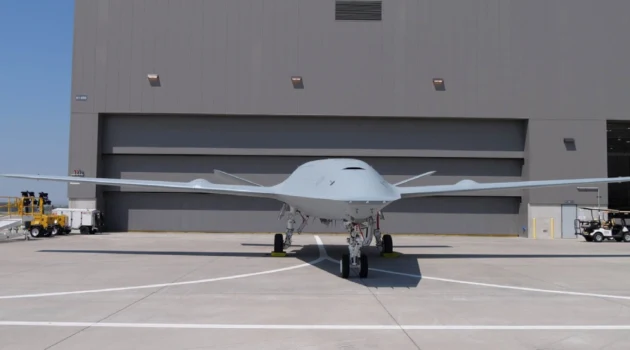
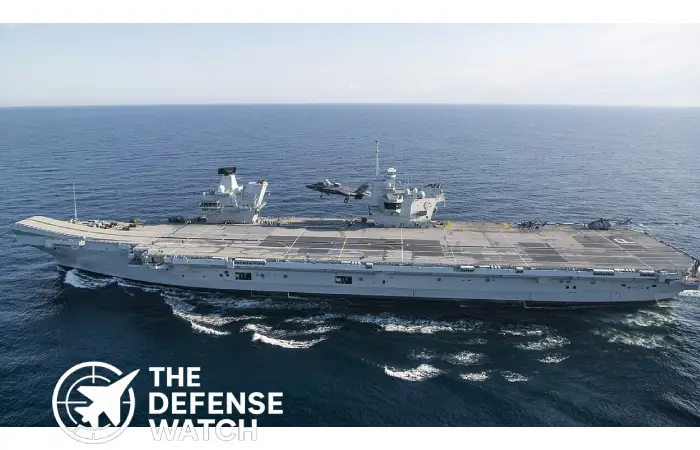
The UK-led HMS Prince of Wales Carrier Strike Group has arrived in Norway as part of NATO operations focused on Arctic and High North maritime security. The deployment reinforces allied naval presence near strategically important northern sea lanes amid increasing regional military activity.
HMS Prince Of Wales Carrier Strike Group Arrives In Norway
The UK HMS Prince of Wales Carrier Strike Group has entered Norwegian waters to support NATO maritime security operations in the High North, underscoring the alliance’s increasing focus on Arctic deterrence and regional naval readiness.
Report, the deployment forms part of a broader NATO effort to maintain freedom of navigation, improve interoperability among allied naval forces, and reinforce collective defense capabilities in northern Europe.
The arrival of the British carrier strike group comes at a time when Arctic and North Atlantic security dynamics continue to evolve. NATO members have expanded military coordination in the region following heightened strategic competition and increased military activity across the High North maritime domain.
Strategic Importance Of Norway And The High North
Norway remains one of NATO’s most strategically important northern flank states due to its proximity to the Arctic Ocean, Barents Sea, and North Atlantic maritime routes. The country regularly hosts allied naval and air operations designed to improve cold-weather warfare readiness and maritime domain awareness.
The deployment of HMS Prince of Wales demonstrates the Royal Navy’s ability to project power into northern waters while operating alongside NATO partners under challenging environmental conditions. Carrier strike operations in the Arctic require extensive coordination involving naval aviation, anti-submarine warfare assets, logistics vessels, and escort warships.
Military analysts increasingly view the High North as a critical operational theater because of expanding shipping routes, undersea infrastructure concerns, and the strategic importance of Arctic access points. NATO has steadily increased surveillance and joint exercises in response to these developments.
Composition Of The Carrier Strike Group
The HMS Prince of Wales Carrier Strike Group includes escort destroyers, frigates, support vessels, and embarked air assets designed to conduct multi-domain operations. The carrier serves as the centerpiece of the deployment and provides NATO with a mobile sea-based airpower platform capable of supporting intelligence, surveillance, reconnaissance, and strike operations.
The British aircraft carrier can operate the Lockheed Martin F-35B Lightning II, which gives the strike group advanced fifth-generation combat aviation capability. The integration of carrier aviation with NATO maritime forces improves the alliance’s ability to conduct coordinated operations across the North Atlantic and Arctic regions.
The deployment also highlights continued UK investment in carrier-enabled expeditionary operations. Since returning to carrier strike capability, the Royal Navy has used HMS Prince of Wales and its sister ship, HMS Queen Elizabeth, to support NATO missions, multinational exercises, and Indo-Pacific deployments.
NATO Maritime Security And Deterrence
NATO’s maritime posture in northern Europe has become increasingly important as allied nations seek to secure critical sea lanes and protect regional infrastructure. The alliance has prioritized anti-submarine warfare, integrated air and missile defense, and maritime surveillance across the North Atlantic.
The presence of the HMS Prince of Wales Carrier Strike Group in Norway contributes to NATO’s layered deterrence strategy by demonstrating rapid deployment capability and sustained multinational naval coordination.
Beyond military signaling, the deployment also supports operational integration among allied navies. Joint operations in the High North allow NATO forces to refine command structures, communications interoperability, and Arctic logistics support under real-world conditions.
The Royal Navy’s participation aligns with broader NATO modernization initiatives focused on readiness, mobility, and forward presence. These missions are increasingly viewed as essential for maintaining stability in strategically contested maritime regions.
Growing Focus On Arctic Security
The Arctic region has gained strategic importance due to climate-driven access changes, expanding economic interests, and evolving geopolitical competition. NATO members have responded by strengthening military cooperation and increasing exercises in northern waters.
Carrier operations in the Arctic environment also provide valuable operational experience for naval aviation units and maritime commanders. Extreme weather, limited daylight periods, and complex sea conditions present unique challenges that directly influence mission planning and force sustainment.
The UK’s deployment to Norway reflects a wider allied effort to maintain credible maritime power projection capabilities across Europe’s northern approaches. It also reinforces NATO’s commitment to collective defense and regional stability in the High North.
Executive Summary:
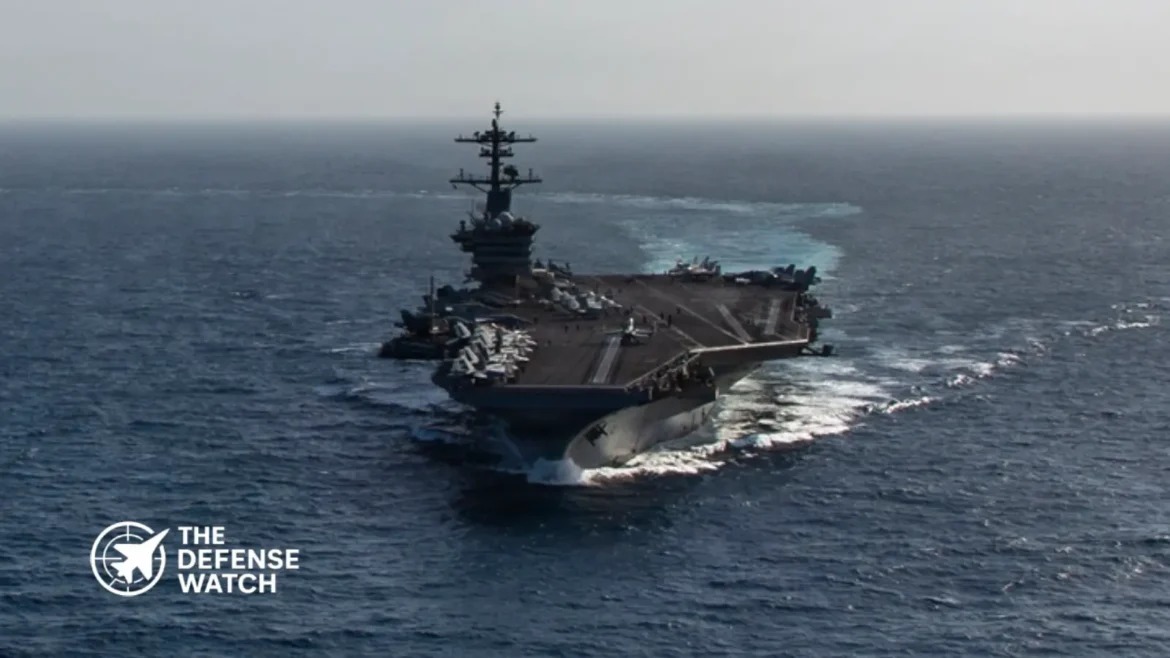
Huntington Ingalls Industries Fleet Support Group has received a $220.6 million U.S. Navy contract modification to provide engineering maintenance support for aircraft carriers and west coast surface ships. The award strengthens fleet readiness efforts as the Navy continues to sustain high operational demands across global deployments.
Huntington Ingalls Secures Major Navy Maintenance Contract
Huntington Ingalls Industries subsidiary Huntington Ingalls Industries Fleet Support Group (HII-FSG) has been awarded a $220,654,563 cost-plus-fixed-fee contract modification by the Naval Sea Systems Command to support maintenance operations for U.S. Navy aircraft carriers and surface combatants.
The modification expands work under a previously awarded indefinite-delivery/indefinite-quantity contract, identified as N00024-21-D-4114. The agreement covers engineering maintenance assist teams supporting overhaul, repair, and maintenance planning activities tied to critical Navy systems and equipment.
According to the Department of Defense contract announcement, the work will support Navy aircraft carriers operating both within and outside the continental United States, including forward-deployed operational areas.
The contract is expected to run through February 2027.
Focus On Aircraft Carrier And Surface Fleet Readiness
The Huntington Ingalls Navy contract highlights the growing importance of sustainment and readiness across the U.S. carrier fleet. While public attention often centers on new shipbuilding programs and next-generation naval weapons, maintenance availability remains one of the most decisive factors affecting operational readiness.
The contract specifically supports engineering maintenance assist teams for both aircraft carriers and west coast Navy surface ships. These teams provide technical expertise during overhaul periods, troubleshoot complex shipboard systems, and assist in long-term maintenance planning.
Aircraft carriers remain among the most maintenance-intensive assets in the U.S. military inventory. Nuclear propulsion systems, catapults, arresting gear, radar suites, combat systems, and aviation support infrastructure require continuous inspection and modernization cycles to maintain deployment readiness.
The Navy has faced persistent challenges in recent years related to delayed maintenance availabilities at public shipyards, workforce shortages, and increasing operational demand in both the Indo-Pacific and Middle East regions. Expanding contractor-based maintenance support helps alleviate pressure on Navy infrastructure while accelerating repair timelines.
Strategic Importance Of Fleet Sustainment
The Huntington Ingalls Navy contract also reflects a broader Pentagon focus on sustainment as a core element of naval strategy.
The U.S. Navy is attempting to balance force expansion goals with the realities of maintaining an aging fleet under elevated deployment tempos. Carrier strike groups continue to operate at high frequency across multiple theaters, including deterrence missions in the Indo-Pacific and maritime security operations in the Red Sea and Persian Gulf.
Engineering support contracts such as this one are increasingly critical because maintenance delays can directly affect force availability. Several Navy vessels in recent years have experienced extended shipyard periods that reduced operational capacity and strained deployment schedules.
By supporting maintenance planning and technical execution, HII-FSG will help the Navy sustain operational tempo while improving long-term fleet readiness.
Huntington Ingalls’ Expanding Role In Naval Sustainment
Huntington Ingalls Industries is already one of the central industrial players supporting the U.S. Navy’s carrier and surface warfare fleet.
The company is best known as the builder of America’s nuclear-powered aircraft carriers through its Newport News Shipbuilding division, the only U.S. shipyard capable of constructing and refueling nuclear aircraft carriers. Beyond shipbuilding, Huntington Ingalls has steadily expanded its sustainment and lifecycle support operations across multiple Navy platforms.
Its Fleet Support Group provides technical services ranging from engineering assistance and maintenance planning to logistics and modernization support.
This latest award reinforces the company’s position within the Navy’s long-term sustainment ecosystem, particularly as the service prioritizes fleet availability amid growing strategic competition with China and continued global maritime commitments.
Contract Structure And Funding Details
The Navy structured the award as a cost-plus-fixed-fee indefinite-delivery/indefinite-quantity modification. Under this model, specific work assignments and funding obligations are issued incrementally through individual task orders.
No funds were obligated at the time of the award announcement, according to the Department of Defense.
This contracting approach gives the Navy flexibility to allocate maintenance support resources based on operational priorities, deployment schedules, and evolving fleet requirements.
Work under the contract will take place aboard Navy aircraft carriers across domestic bases, overseas locations, and forward-deployed operating areas.
Why The Contract Matters
The Huntington Ingalls Navy contract underscores a growing reality for modern naval forces: fleet sustainment is becoming as strategically important as new platform procurement.
As the Navy pushes to maintain a credible global presence against increasingly capable rivals, maintaining carrier strike groups and surface fleets at high readiness levels has become essential to deterrence operations.
Maintenance contracts may receive less public attention than ship launches or weapons acquisitions, but they directly determine how many vessels are available for combat operations at any given time.
For the Navy, improving readiness rates through sustained engineering support could prove just as important as expanding fleet size over the coming decade.
- F-35C enables carrier-based deep strike missions into contested airspace.
- Combines stealth, sensor fusion, and precision-guided munitions.
- Expands U.S. naval reach against integrated air defense systems.
- Operates from aircraft carriers without reliance on regional bases.
- Strengthens deterrence and rapid response in Middle East scenarios.
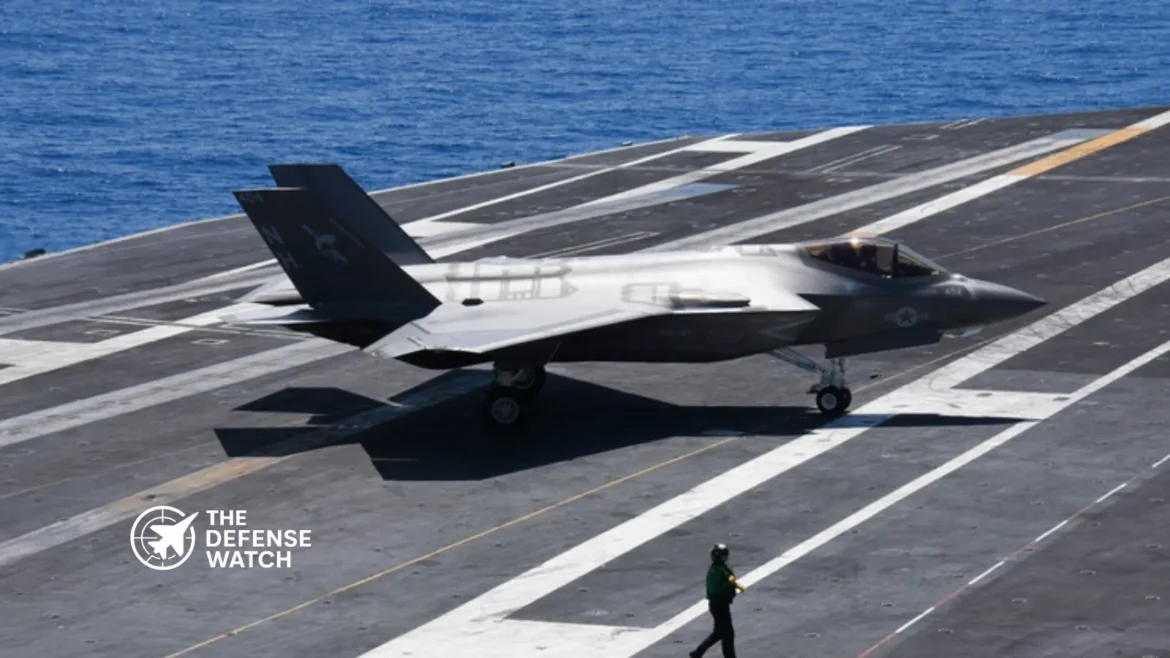
F-35C Carrier-Based Deep Strike Capability Expands U.S. Operational Reach
F-35C carrier-based deep strike capability is reshaping how the U.S. Navy conducts operations against heavily defended targets such as those in Iran. The aircraft combines stealth, advanced sensors, and carrier-based flexibility to penetrate sophisticated air defense networks without relying on forward-deployed airbases.
Recent analysis highlights how the F-35C enhances the ability of carrier strike groups to execute long-range precision strikes in contested environments, particularly in scenarios similar to a hypothetical “Epic Fury” operation targeting Iranian military infrastructure.
The Big Picture
The U.S. military continues to prioritize distributed, survivable strike capabilities that reduce reliance on vulnerable regional bases. Carrier-based aviation plays a central role in this shift.
The F-35C, the carrier variant of the Joint Strike Fighter program led by Lockheed Martin, supports this strategy by enabling stealth operations directly from the sea. This approach aligns with broader U.S. efforts to counter advanced anti-access, area denial (A2/AD) systems deployed by countries such as Iran and China.
Naval aviation now serves not only as a power projection tool but also as a first-day-of-war capability against integrated air defense systems.
What’s Happening
The F-35C carrier-based deep strike capability allows U.S. Navy aircraft carriers to launch stealth fighters capable of penetrating Iranian airspace without early detection.
The aircraft features:
- Low observable design for reduced radar signature
- Advanced sensor fusion integrating radar, infrared, and electronic warfare data
- Internal weapons carriage for stealth strike missions
- Extended range compared to other F-35 variants
Operating from U.S. Navy aircraft carriers positioned in international waters, F-35Cs can conduct precision strikes on high-value targets such as air defense nodes, command centers, and missile launch sites.
This capability reduces the need for land-based aircraft operating from regional partners, which may face political or operational constraints.
Why It Matters
The F-35C introduces a significant shift in how deep strike missions are executed in contested environments.
Traditional strike operations often relied on large formations, electronic warfare support, and suppression of enemy air defenses. The F-35C reduces this burden by combining these functions within a single platform.
Its ability to gather and share real-time battlefield data enhances situational awareness across the entire carrier strike group. This networked capability improves targeting accuracy and reduces mission risk.
In a scenario involving Iran, where layered air defenses include radar systems and surface-to-air missiles, stealth becomes critical for mission success.
Strategic Implications
The F-35C carrier-based deep strike capability strengthens U.S. deterrence by demonstrating the ability to strike high-value targets without warning.
Carrier strike groups equipped with F-35Cs can operate flexibly across the Middle East, reducing predictability and increasing survivability. This mobility complicates adversary planning and forces defensive resource allocation across a wider area.
The system also reinforces the credibility of U.S. commitments to regional allies by ensuring rapid response capability without dependence on host nation infrastructure.
Competitor View
Iran is likely to view the F-35C as a direct challenge to its air defense strategy, which relies on layered systems including domestically developed and imported surface-to-air missile platforms.
The aircraft’s stealth and electronic warfare capabilities could undermine Iran’s ability to detect and intercept incoming threats, particularly during the early stages of a conflict.
Russia and China, both developers of advanced air defense systems, will likely monitor F-35C operational use closely. Lessons learned from potential deployments could inform their own counter-stealth strategies and air defense modernization efforts.
What To Watch Next
Future developments will focus on expanding the operational integration of the F-35C within carrier strike groups.
Key areas include:
- Increased deployment cycles aboard U.S. Navy carriers
- Integration with unmanned systems and carrier-based drones
- Upgrades to software and sensor capabilities under ongoing modernization programs
- Expanded weapons compatibility, including next-generation precision munitions
Operational testing and real-world deployments will continue to validate the aircraft’s effectiveness in contested environments.
Capability Gap
The F-35C addresses a critical gap in penetrating advanced air defense systems from sea-based platforms.
Before its introduction, carrier air wings relied on legacy aircraft such as the F/A-18, which require greater support from electronic warfare assets and tanker aircraft to survive in high-threat environments.
However, limitations remain. The F-35C still depends on aerial refueling for extended missions and carries a limited internal weapons load when operating in stealth configuration. These constraints require careful mission planning and integration with other assets.
The Bottom Line
The F-35C carrier-based deep strike capability gives the U.S. Navy a survivable, flexible tool to penetrate defended airspace and hold high-value targets at risk from the sea.

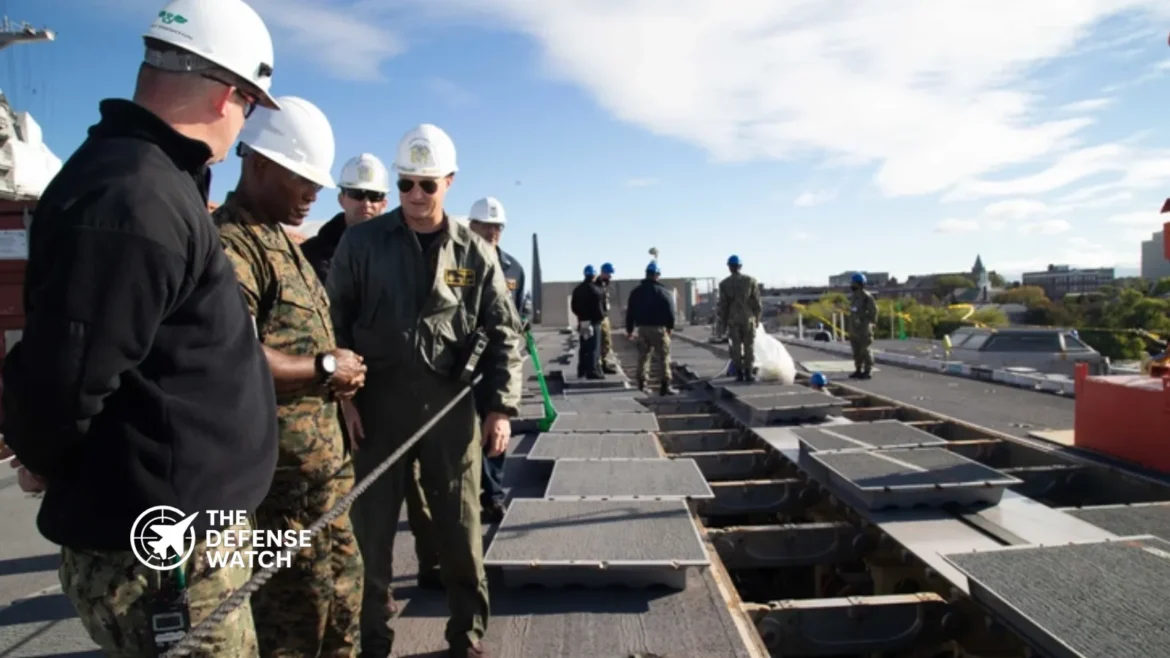
General Atomics has received a 43.3 million contract modification to continue development of the Electromagnetic Aircraft Launch System and Advanced Arresting Gear for the future French aircraft carrier, according to a US Navy contract announcement. The award supports detailed design work through the critical design review phase and establishes a configuration baseline for Frances next generation carrier program.
(adsbygoogle = window.adsbygoogle || []).push({});The work is funded through the Foreign Military Sales program and managed by Naval Air Systems Command at Patuxent River, Maryland. The contract underscores the growing international adoption of US developed carrier launch and recovery technology.
Contract Details and Scope of Work
The modification, identified as P00002, applies to order N0001925F0028 under a previously issued basic ordering agreement. It is structured as a firm fixed price and cost plus fixed fee order and exercises options for continued design and development work.
Under the agreement, General Atomics will advance the French carrier configuration of EMALS and Advanced Arresting Gear through the critical design review. This phase is a major milestone in naval acquisition programs, as it confirms that the system design meets operational requirements and is ready to move toward production planning.
In addition to design maturation, the contract includes procurement of technical data packages to support the established configuration. These data are essential for integration planning, future production decisions, and long term sustainment of the systems.
Work Locations and Schedule
Contracted work will be performed primarily in San Diego, California, accounting for 89 percent of the effort. Additional work will take place at several US Navy and industrial support sites, including Lakehurst, New Jersey at 5.5 percent, Tupelo, Mississippi at 3.5 percent, Boston, Massachusetts at 1 percent, and Patuxent River, Maryland at 1 percent.
(adsbygoogle = window.adsbygoogle || []).push({});The project is scheduled for completion in January 2028, aligning with the broader timeline of Frances future aircraft carrier development. All funds, totaling 43,349,633 dollars, will be obligated at the time of award. None of the funds will expire at the end of the current fiscal year, providing financial stability for the multi year effort.
EMALS and AAG in Carrier Modernization
EMALS and Advanced Arresting Gear represent a major shift away from traditional steam catapults and hydraulic arresting systems. Developed for the US Navy and first deployed aboard the Gerald R Ford class aircraft carriers, EMALS uses electromagnetic energy to launch aircraft with greater control and reduced stress on airframes.
Advanced Arresting Gear complements EMALS by using energy absorbing water turbines and digital controls to recover aircraft more efficiently. Together, the systems are designed to support a wider range of aircraft, including heavier strike fighters and future unmanned platforms.
For France, adoption of EMALS and AAG reflects a decision to align its future carrier with advanced US Navy standards, improving interoperability during allied operations. The future French carrier is expected to replace the nuclear powered Charles de Gaulle and operate next generation naval aircraft well into the mid century.
Strategic and Industrial Significance
The contract highlights General Atomics expanding role as a key supplier of carrier launch and recovery technology beyond the United States. France is currently the only confirmed international customer for EMALS and AAG, making the program a significant example of transatlantic defense cooperation.
(adsbygoogle = window.adsbygoogle || []).push({});From a US perspective, the award reinforces the Foreign Military Sales framework as a tool for strengthening alliances while supporting the domestic defense industrial base. Work spread across multiple US states also reflects the distributed nature of naval aviation support infrastructure.
The order was not competed, consistent with the proprietary nature of EMALS and AAG technology and General Atomics status as the original developer and manufacturer.
Program Oversight and Next Steps
Naval Air Systems Command at Patuxent River serves as the contracting activity and program oversight authority. NAVAIR has long managed carrier aviation launch and recovery systems for the US Navy, including testing and certification at Naval Air Engineering Station Lakehurst.
(adsbygoogle = window.adsbygoogle || []).push({});Completion of the critical design review will mark a key step toward finalizing the French carrier configuration and enabling future production decisions. Subsequent phases are expected to focus on system manufacturing, integration, and testing aligned with the ships construction schedule.

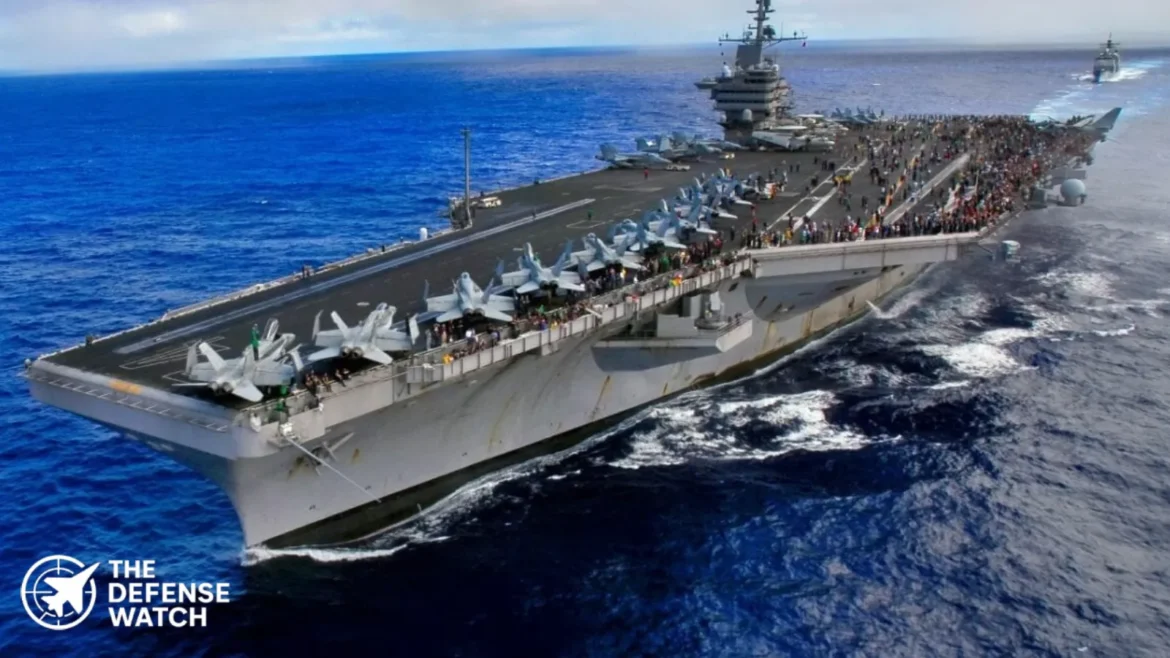
Best Aircraft Carriers in the World 2026, Why It Matters
The best aircraft carriers in the world in 2026 matter because they remain the clearest measure of global naval power. These ships project airpower far from home ports, support allies, deter rivals, and shape crisis response. As competition sharpens in the Indo Pacific, the Atlantic, and the Middle East, carrier capability is no longer about prestige. It is about who can sustain combat power at sea.
How the Ranking Assessment Was Made
The ranking assessment looks at how well each aircraft carrier can perform real world combat and sustained operations in 2026, not just how large or new the ship is. Key factors include the size and capability of the air wing, launch and recovery systems, power generation, survivability, and how often the carrier can generate sorties during high intensity operations. Operational experience also matters. Navies with decades of carrier deployments score higher because training, maintenance, and command integration are proven under stress. Finally, the assessment weighs how each carrier fits into its nation’s wider naval strategy, including escort ships, logistics support, and alliance interoperability. This approach gives a clearer picture of actual combat value rather than paper specifications alone.
What follows is a fresh analysis of the top aircraft carriers shaping naval balance in 2026, written for TheDefenseWatch.com audience.
1. Gerald R. Ford Class, United States
The Gerald R. Ford class remains the benchmark for modern aircraft carriers. These nuclear powered ships are the largest warships ever built and represent a generational leap over the older Nimitz class.
Why It Leads the Ranking
Ford class carriers introduce electromagnetic catapults, advanced arresting gear, and a redesigned flight deck. These changes increase sortie rates while reducing crew workload. The class is built to operate modern aircraft like the F 35C alongside legacy platforms.
Strategic Impact
In 2026, USS Gerald R. Ford and USS John F. Kennedy anchor U.S. carrier strike groups in the Atlantic and Pacific. Their ability to generate sustained air operations gives Washington unmatched reach. No other navy can deploy comparable power at similar scale or tempo.
2. Nimitz Class, United States
Even as newer ships enter service, the Nimitz class remains a core pillar of U.S. naval power. Several of these carriers will remain active into the 2030s.
Still Relevant in 2026
Despite their age, Nimitz class carriers have received major upgrades. Improved radars, combat systems, and air wings keep them combat credible. Their nuclear propulsion allows long deployments without refueling.
Operational Value
Nimitz class carriers continue to shoulder much of the U.S. Navy’s global presence mission. From freedom of navigation patrols to crisis response, these ships remain central to American maritime strategy.
3. Fujian, China
China’s Fujian aircraft carrier marks a turning point for the People’s Liberation Army Navy. It is Beijing’s first carrier designed from the start with electromagnetic catapults.
A Leap Forward for China
Unlike earlier Chinese carriers, Fujian is not based on Soviet era designs. It is larger, more capable, and better suited for high tempo flight operations. This allows China to operate heavier aircraft with greater range and payload.
Regional Consequences
While Fujian does not yet match U.S. carriers in experience or integration, its entry into service signals China’s intent to operate blue water carrier groups. In the Western Pacific, this adds pressure on U.S. and allied naval planners.
4. HMS Queen Elizabeth, United Kingdom
The United Kingdom’s Queen Elizabeth class focuses on flexibility rather than raw size. These carriers operate short takeoff and vertical landing aircraft, primarily the F 35B.
Strength Through Integration
HMS Queen Elizabeth and HMS Prince of Wales are designed to operate closely with NATO allies, especially the United States. U.S. Marine Corps F 35Bs routinely deploy aboard British carriers, creating combined air wings.
Strategic Role
In 2026, British carriers support NATO operations, reinforce presence in the Indo Pacific, and provide London with independent strike options. Their strength lies in coalition warfare rather than solo power projection.
5. Charles de Gaulle, France
France’s Charles de Gaulle remains Europe’s only nuclear powered aircraft carrier. Though smaller than U.S. carriers, it packs significant capability.
Compact but Capable
The ship operates CATOBAR systems, allowing it to launch heavier aircraft than STOVL carriers. Its air wing includes Rafale M fighters with nuclear strike capability.
Global Reach
Charles de Gaulle gives France an independent global strike option. Regular deployments to the Indo Pacific and Middle East underline Paris’s role as a global naval actor.
Comparing Carrier Capabilities in 2026
Size vs Effectiveness
Bigger is not always better, but size still matters. Larger decks allow more aircraft, higher sortie rates, and better sustainment. This remains a U.S. advantage.
Technology and Training
Catapult systems, aircraft integration, and crew experience often matter more than displacement. The U.S. Navy still leads in operational knowledge built over decades.
Numbers Matter
The United States operates more aircraft carriers than the rest of the world combined. Even as rivals improve individual ships, overall capacity remains uneven.
Analysis, What This Ranking Tells Us
The best aircraft carriers in the world in 2026 reflect a shifting but still U.S. led naval order. China’s progress is real and should not be dismissed. However, experience, integration, and logistics remain decisive advantages for the United States and its allies.
European carriers show a different model. They focus on alliance operations and crisis response rather than sustained high intensity conflict alone. This complements U.S. strategy and spreads risk across partners.
For Washington, the message is clear. Maintaining carrier readiness matters as much as building new hulls. For rivals, closing the gap will take more than hardware. It will require decades of training and operational learning.
FAQs
Which country has the best aircraft carriers in 2026?The United States operates the most capable and numerous aircraft carriers in the world in 2026.
Is China close to matching U.S. aircraft carriers?China is improving rapidly, but it still lacks the operational experience and global reach of the U.S. Navy.
Why are aircraft carriers still important?They provide mobile airpower, deterrence, and rapid response without relying on foreign bases.
Do smaller carriers still matter?Yes. British and French carriers play key roles in coalition operations and regional security.

United States Deploys Two Aircraft Carrier Strike Groups to the Western Pacific
The United States Navy has confirmed that two US aircraft carrier strike groups are now operating simultaneously in the Western Pacific. The deployment took place in late 2025 and marks a rare concentration of high value naval power in a region central to growing strategic competition with China. The move is aimed at reinforcing regional deterrence, supporting allies, and ensuring freedom of navigation across critical sea lanes.
According to official US Navy statements, the carrier strike groups are conducting routine operations and scheduled exercises across the Western Pacific, including areas near the Philippine Sea and waters east of Taiwan. US defense officials described the deployment as consistent with long standing US commitments to stability and security in the Indo Pacific region.
Background to the Dual Carrier Deployment
Aircraft carrier strike groups remain the core of US naval power projection. Each group typically includes a nuclear powered aircraft carrier, guided missile cruisers, destroyers, submarines, and a carrier air wing made up of fighter aircraft, electronic warfare platforms, and airborne early warning assets.
The presence of two US aircraft carrier strike groups in the Western Pacific comes amid increased Chinese naval and air activity across the region. Over the past several years, China has expanded its naval capabilities, launched additional aircraft carriers, and increased military exercises near Taiwan and in the South China Sea. These developments have raised concerns among US allies such as Japan, the Philippines, and South Korea.
The US Navy has repeatedly stated that forward deployed naval forces are essential to maintaining a rules based maritime order and preventing miscalculation.
Details of the US Navy Operations
The two US aircraft carrier strike groups are operating under the US Indo Pacific Command area of responsibility. Navy officials confirmed that the carriers are conducting flight operations, joint maritime drills, and integrated training with allied naval forces.
Carrier air wings are flying daily sorties that include air defense training, maritime strike missions, and intelligence surveillance and reconnaissance tasks. Surface escorts are carrying out anti submarine warfare drills and coordinated maneuvers designed to improve readiness in contested maritime environments.
Pentagon officials emphasized that the deployment is not linked to a single event, but rather reflects broader operational planning and force posture decisions. The US Navy regularly deploys carrier strike groups to the Western Pacific, but simultaneous operations by two carriers highlight the scale of current naval activity.
Strategic Signaling Toward China
While US officials avoided direct references to Beijing, the strategic message of the deployment is widely understood. The Western Pacific remains a focal point of US China military competition, particularly around Taiwan and key maritime chokepoints.
China has increased patrols by the Peoples Liberation Army Navy and expanded missile forces designed to hold large surface ships at risk. In response, US Navy doctrine emphasizes distributed operations, joint force integration, and the ability to sustain combat power across vast distances.
The presence of two US aircraft carrier strike groups demonstrates the ability of the United States to rapidly concentrate naval forces despite global commitments in Europe and the Middle East. Defense analysts note that such deployments are intended to reassure allies while complicating any potential adversary planning.
Allied Engagement and Regional Cooperation
US Navy officials confirmed that allied navies are participating in portions of the ongoing operations. Japanese Maritime Self Defense Force units and other regional partners are expected to take part in combined exercises focused on interoperability and maritime domain awareness.
These activities support broader US efforts to strengthen alliances and partnerships across the Asia Pacific. Regular carrier operations allow allied forces to train with US naval aviation and practice coordinated responses to potential crises.
From a policy standpoint, the deployment aligns with the US strategy of integrated deterrence, which combines military presence, alliance cooperation, and diplomatic engagement to prevent conflict.
What Comes Next
The US Navy has not disclosed how long the two aircraft carrier strike groups will remain in the Western Pacific. Historically, such deployments last several weeks to a few months, depending on operational requirements and global force management needs.
As regional security dynamics continue to evolve, the sustained presence of US aircraft carrier strike groups is expected to remain a central element of US naval strategy. Future operations are likely to include additional multinational exercises and port visits aimed at reinforcing regional partnerships.
Newer Posts