(adsbygoogle = window.adsbygoogle || []).push({});Executive Summary:
The United Kingdom Carrier Strike Group, led by HMS Prince of Wales, is operating under NATO command as part of the alliance’s Arctic Sentry mission. The deployment enhances NATO’s maritime presence in the Arctic while improving allied readiness in a region of growing strategic importance.
UK Carrier Strike Group Strengthens NATO Presence In The Arctic
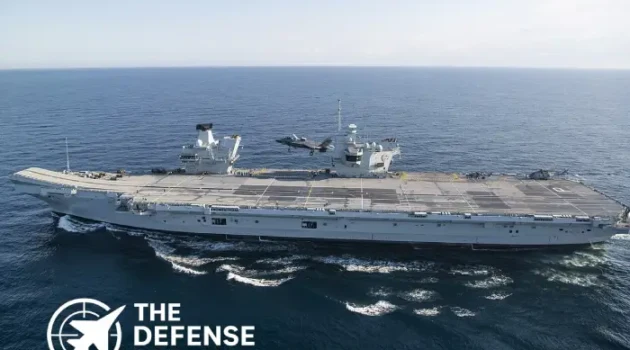
The UK Carrier Strike Group has entered a new phase of operations after being placed under NATO operational command as part of Arctic Sentry, the alliance’s enhanced vigilance activity focused on the Arctic and High North. The move underscores NATO’s increasing emphasis on northern defense as military competition intensifies across the region.
Led by HMS Prince of Wales, the Royal Navy’s flagship aircraft carrier, the task group is supporting NATO’s Joint Force Command Norfolk during a series of operations designed to improve allied coordination, surveillance, deterrence, and maritime security throughout the Arctic.
The deployment represents one of the United Kingdom’s most significant naval contributions to NATO’s northern posture in recent years.
Carrier Strike Group Brings Fifth Generation Airpower
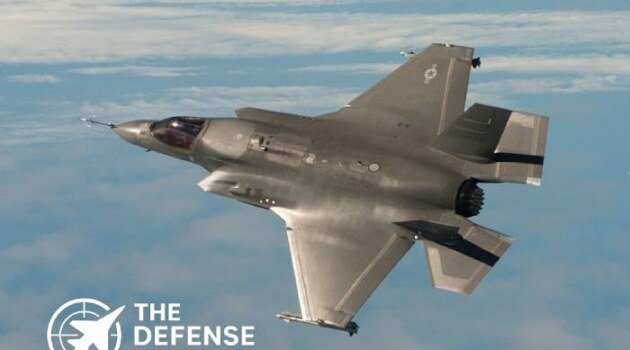
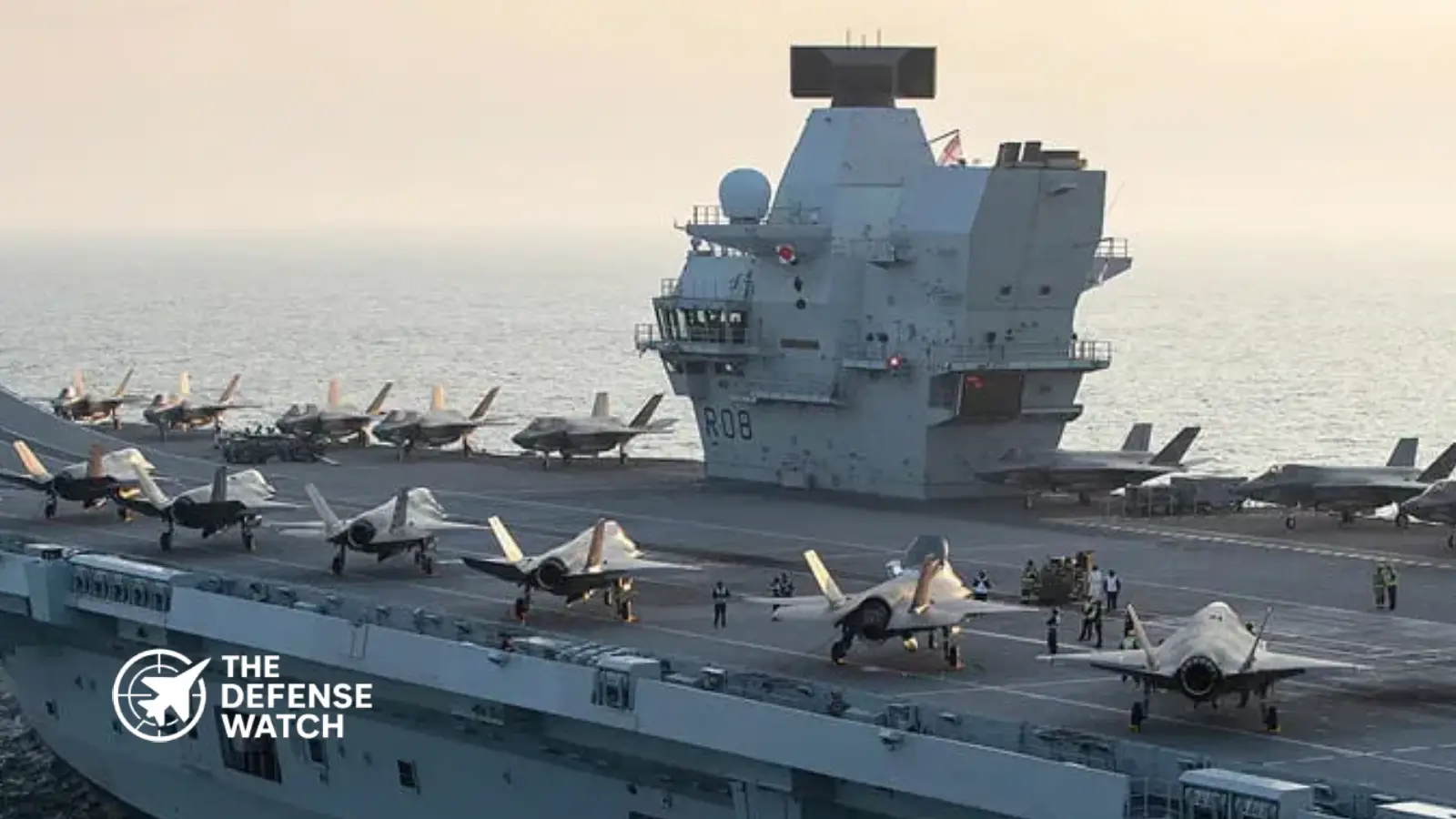
At the center of the deployment is HMS Prince of Wales, carrying Britain’s carrier-based fifth generation combat capability through F-35B Lightning II fighters from 809 Naval Air Squadron and Royal Air Force 617 Squadron.
The strike group also includes escorts, support vessels, helicopters, and maritime surveillance assets capable of conducting air defense, anti-submarine warfare, strike missions, and intelligence gathering in one of the world’s most demanding operating environments.
Operating under NATO command allows allied naval and air forces to coordinate through a unified operational structure, improving interoperability across multiple national fleets.
What Arctic Sentry Means For NATO
Arctic Sentry was launched by NATO in February 2026 as a multi-domain operational framework that combines allied exercises, maritime patrols, air operations, and land activities under a single command structure led by Joint Force Command Norfolk.
Rather than creating a single exercise, Arctic Sentry synchronizes existing allied activities across the Arctic and High North into a coordinated operational approach.
According to NATO, the initiative responds to increasing military activity by Russia in the Arctic, while also addressing China’s growing strategic interest in the region. The alliance says the effort improves situational awareness, operational planning, and collective defense across NATO’s northern flank.
(adsbygoogle = window.adsbygoogle || []).push({});Why The Arctic Matters
The Arctic has become increasingly important for global security.
Melting sea ice is gradually opening new shipping routes while exposing natural resources and expanding access to previously inaccessible waters. At the same time, the region contains critical sea lines of communication linking North America and Europe.
Russia has continued modernizing military infrastructure across its Arctic territories, including airfields, naval facilities, and surveillance capabilities, while NATO has responded by increasing exercises and strengthening cooperation among Arctic allies.
For NATO, maintaining freedom of navigation and protecting reinforcement routes through the North Atlantic remain central strategic objectives.
Analysis: A Shift Toward Persistent Northern Operations
While the deployment itself does not represent a permanent increase in NATO forces, it reflects a broader transition toward sustained allied operations in northern waters.
Placing the UK Carrier Strike Group under NATO command demonstrates the alliance’s growing preference for integrated multinational operations rather than nationally directed deployments operating alongside one another.
From an operational perspective, carrier strike groups provide flexible airpower, command and control, anti-submarine capabilities, and long-range surveillance without relying on fixed regional bases. These attributes are particularly valuable in the Arctic, where infrastructure is limited and weather conditions complicate military operations.
The deployment also highlights Britain’s continued role as one of NATO’s primary maritime powers. By contributing its largest naval formation to alliance command, London reinforces its commitment to collective defense while improving interoperability with U.S., Norwegian, Canadian, Danish, Dutch, and other allied forces operating across the High North.
For NATO, Arctic Sentry is as much about improving command integration as it is about demonstrating presence. Coordinated operations enable faster decision making, more effective intelligence sharing, and greater readiness should security conditions deteriorate.
Looking Ahead
The UK Carrier Strike Group is expected to continue participating in additional Arctic Sentry activities alongside allied naval and air forces throughout the coming weeks.
NATO has indicated that Arctic Sentry will continue evolving as a long-term framework for coordinating operations across the Arctic and High North, complementing other regional initiatives designed to strengthen deterrence and collective defense.
As geopolitical competition in the Arctic continues to increase, deployments such as this are likely to become a more regular feature of NATO’s operational posture.