Executive Summary: Northrop Grumman has reaffirmed the B-2 Spirit’s continuing role in the U.S. strategic deterrent, describing it as the nation’s only operational deep-strike nuclear stealth bomber. As of August 2026, the Air Force maintains 20 B-2 aircraft in its active inventory while preparing the B-21 Raider to progressively replace both the B-2 and B-1B.
B-2 Spirit Remains Central To U.S. Stealth Bomber Operations
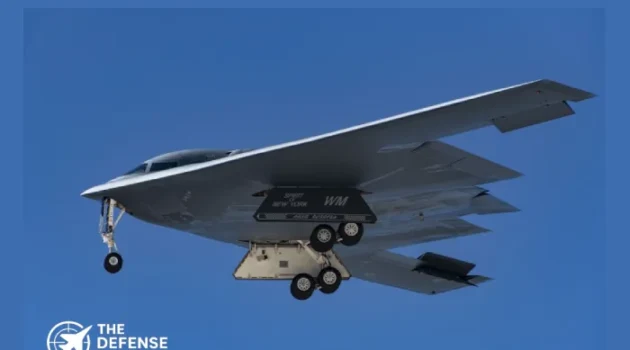
The B-2 Spirit stealth bomber remains the United States’ operational platform for penetrating heavily defended targets with both conventional and nuclear weapons, according to Northrop Grumman and current U.S. Air Force information. Northrop Grumman highlighted the aircraft’s strategic deterrence role on Aug. 14, emphasizing its combination of low observability, long range and heavy weapons capacity.
The statement comes as the Air Force moves through a major transition in its bomber fleet. The B-21 Raider is being developed to replace the B-2 and B-1B and become the backbone of the future bomber force, but the B-2 remains operational while the new aircraft progresses through testing, production and fielding.
That transition is strategically significant because the B-2 is not simply another long-range strike aircraft. Its principal value comes from combining intercontinental reach, a large weapons payload and low observable characteristics in a single platform capable of operating against sophisticated air defenses.
B-2 Combines Stealth, Range And Heavy Payload
The B-2 was designed around the requirement to penetrate advanced air-defense networks rather than rely solely on stand-off weapons.
Its flying-wing configuration, composite construction and specialized coatings contribute to reduced radar, infrared, acoustic, electromagnetic and visual signatures. The Air Force notes that many details of the aircraft’s low-observable technology remain classified.
The aircraft’s publicly released specifications illustrate the scale of the capability:
B-2 Spirit Characteristic U.S. Air Force Data Active inventory 20 aircraft Crew 2 pilots Unrefueled range Approximately 6,000 nautical miles Maximum payload 60,000 pounds Maximum operating altitude 50,000 feet Engines 4 GE F118-GE-100 Engine thrust 17,300 pounds each Maximum takeoff weight 336,500 pounds Speed High subsonic Initial operational capability April 1997 The figures are current in the Air Force’s May 2026 B-2 fact sheet.
The combination is important operationally. A bomber with long range but limited payload would face different planning constraints than the B-2, while a heavily armed aircraft without low observability could have difficulty approaching highly defended targets.
The B-2 was designed to bring these attributes together in one aircraft.
Why The B-2 Still Matters During The B-21 Transition
The Air Force’s bomber modernization strategy is not based on an immediate replacement of every legacy aircraft. Instead, the service is sustaining existing B-1B and B-2 capabilities while gradually introducing the B-21.
Air Force Global Strike Command’s 2026 fact sheet states that the B-21 will replace the B-1B and B-2, with initial capability planned for 2028. Until the Raider is sufficiently fielded, the command intends to balance fleet modernization, sustainment and combat readiness across the existing bomber force.
This creates a period in which the B-2 remains operationally important even as it approaches the end of its planned service life.
The small size of the fleet also makes sustainment particularly important. The Air Force currently lists only 20 B-2 aircraft in the active inventory, including one test aircraft in that total.
For comparison, the B-21 program is intended to establish a substantially larger future stealth bomber fleet. Air Force planning has described the B-21 as a long-range, highly survivable aircraft capable of carrying both conventional and nuclear weapons.
Nuclear Deterrence Adds A Separate Requirement
The B-2’s importance extends beyond conventional long-range strike. It is part of the air component of the U.S. nuclear triad, alongside land-based intercontinental ballistic missiles and ballistic missile submarines.
The nuclear role places additional requirements on aircraft availability, weapon certification, communications, security and command-and-control systems.
The B61-12 modernization program is one example. The National Nuclear Security Administration completed the last production unit of the B61-12 Life Extension Program in December 2024, extending the service life of the B61 family while supporting the U.S. air-delivered nuclear deterrent.
The B61-12 was developed for certification on the B-2A as well as other compatible U.S. aircraft and future platforms. This illustrates why bomber modernization cannot be measured only by the number of new airframes produced. Weapons integration and certification must progress alongside aircraft development.
B-21 Raider Changes The Long-Term Equation
The B-21 is designed to provide the long-term replacement for the B-2 while also taking over the B-1B’s role in the conventional bomber force.
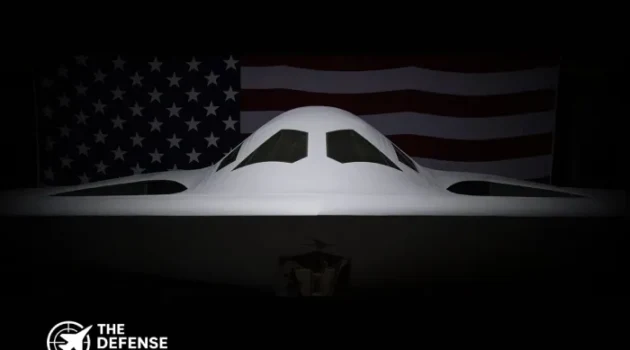
The Air Force has described the Raider as a highly survivable stealth bomber designed for both conventional and nuclear missions. Its planned role extends beyond simply replacing the B-2 on a one-for-one basis, with the aircraft intended to form the backbone of the future bomber fleet.
In February 2026, the Department of the Air Force announced an agreement with Northrop Grumman to expand B-21 production capacity. The initiative uses $4.5 billion in previously authorized funding to increase production capacity and accelerate delivery of the next-generation bomber.
The Air Force also announced in July 2026 that the B-21 will operate with a two-pilot crew. That decision aligns the basic crew requirement of the new bomber with the B-2’s two-person crew while reflecting differences in the Raider’s systems and mission architecture.
Whiteman Air Force Base Is Preparing For The Transition
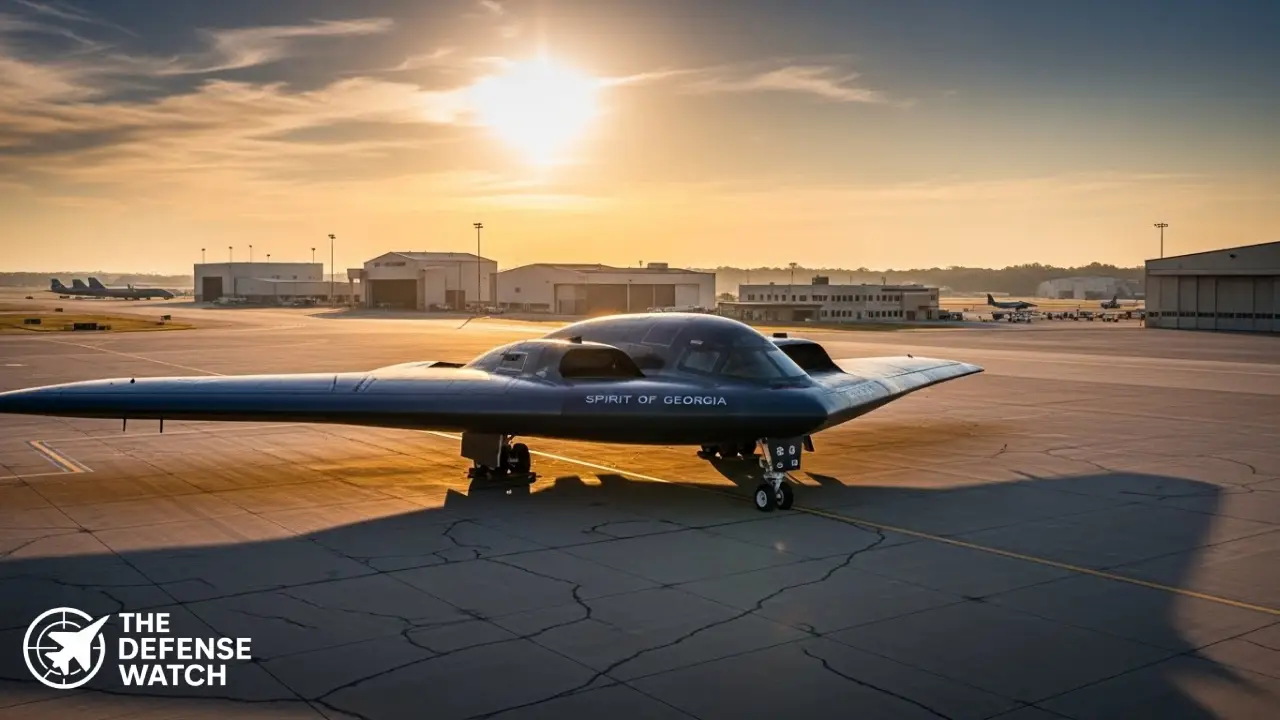
Whiteman Air Force Base in Missouri remains central to the B-2 force and is also being prepared to support the B-21.
The Air Force’s fiscal 2027 military construction documentation identifies Whiteman as the home of the 509th Bomb Wing and states that it will become the second main operating base for the B-21. The planned infrastructure work includes facilities and training equipment needed to support the new bomber.
This creates a complex transition rather than a simple aircraft retirement process.
The Air Force must preserve B-2 readiness while establishing B-21 maintenance, weapons loading, training, infrastructure and operational procedures. The overlap allows the service to introduce the new platform without immediately removing the existing stealth bomber capability.
The Strategic Value Of The B-2 Is Its Mission Set
The B-2’s continuing value is best understood through its mission set rather than its age.
The aircraft entered initial operational capability in April 1997, making it a mature platform by modern military aviation standards. Yet its fundamental design remains relevant because low observable penetration combined with long-range strike is still a demanding requirement in an environment shaped by increasingly capable integrated air-defense systems.
The B-2 therefore serves as a bridge between generations of U.S. long-range strike technology.
Its operational importance also explains why sustaining the aircraft has remained a priority despite the small fleet. Air Force officials have previously identified the challenge of maintaining a 20-aircraft fleet operating under a demanding mission set, highlighting the importance of aircraft availability and sustainment resources.
The B-21 is intended to address many of these long-term challenges through a newer design and a larger planned fleet. Until sufficient numbers of Raiders are available, however, the B-2 remains a critical component of the U.S. bomber force.
What Changes After The B-21 Arrives
The transition to the B-21 will eventually shift the U.S. stealth bomber force from a small fleet centered on the B-2 to a larger force built around a newer aircraft.
That transition should provide greater capacity for sustained global operations while reducing dependence on a very small number of aging B-2 airframes. It will also allow the Air Force to incorporate newer systems and technologies into the bomber fleet from the outset.
The immediate challenge is maintaining credible combat and nuclear deterrence throughout the transition.
For that reason, the B-2’s continued operational status in 2026 is more than a legacy designation. It represents an active bridge between the current U.S. long-range strike architecture and the next generation represented by the B-21 Raider.
Northrop Grumman’s latest characterization of the aircraft therefore underscores an important point about the U.S. bomber modernization effort: the B-2 remains operationally relevant today, even as the Air Force builds the force intended to succeed it.