

Executive Summary:
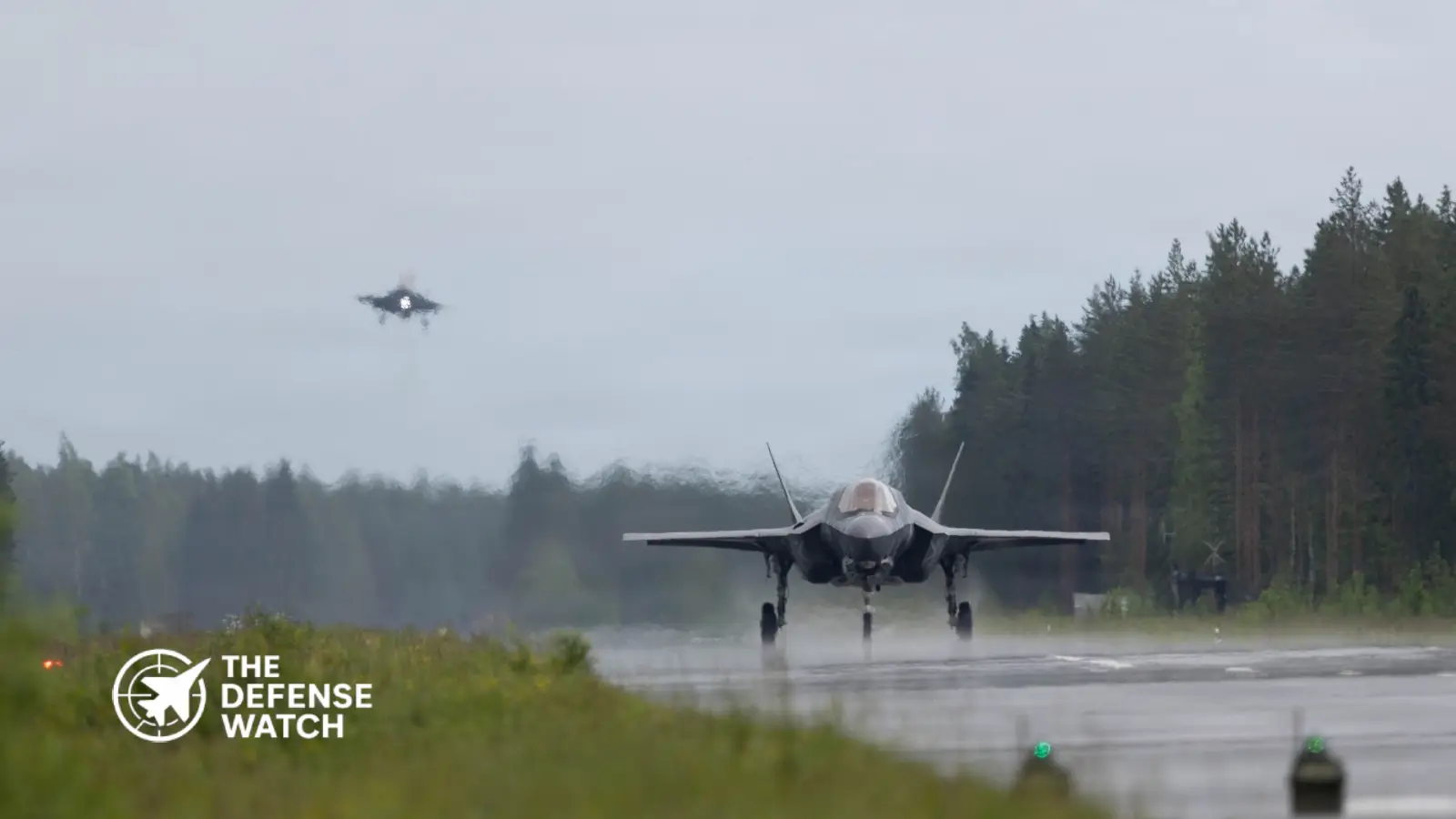
The U.S. Marine Corps has conducted its first-ever F-35B highway landing and takeoff operations in Finland during NATO’s Ramstein Flag 2026 exercise. The event demonstrates NATO’s increasing emphasis on dispersed air operations, enhancing survivability and combat readiness across the alliance’s northern flank near Russia.
U.S. Marine Corps F-35Bs Conduct Historic Highway Operations In Finland
The U.S. Marine Corps F-35B has completed its first highway landing and takeoff operations in Finland, marking a significant milestone in NATO’s evolving approach to dispersed air warfare and operational resilience.
The operations took place from June 8 to 12 near Tervo, Finland, during Exercise Ramstein Flag 2026, NATO’s premier large-scale airpower exercise involving 19 allied nations and more than a dozen operating locations across Europe. According to U.S. Marine Corps Forces Europe and Africa, F-35B Lightning II aircraft assigned to Marine Fighter Attack Squadron 224 (VMFA-224) successfully operated from a Finnish roadway alongside Polish F-16s and Spanish EF-18 Hornets.
The event also marked the first deployment of U.S. Marine Corps F-35Bs to Finland and the first time Marine Corps aircraft conducted highway operations in the Nordic nation.
Ramstein Flag 2026 Highlights NATO’s Distributed Airpower Strategy
The highway operations were designed to test NATO’s ability to sustain combat air operations from dispersed and nontraditional locations rather than relying solely on fixed air bases.
This concept aligns closely with NATO’s adoption of Agile Combat Employment (ACE), a strategy intended to complicate adversary targeting by distributing aircraft across multiple operating sites. By using highways and temporary operating locations, allied air forces can maintain combat effectiveness even if major airfields come under attack.
During the exercise, U.S. Marines from Marine Wing Support Squadron 272 provided forward arming and refueling support, enabling the F-35Bs to conduct realistic expeditionary operations away from traditional infrastructure.
NATO Allied Air Command described Ramstein Flag 2026 as a demonstration of the alliance’s ability to conduct distributed operations across a wide geographic area stretching from northern Norway to southern Europe.
Why Finland’s Highway Network Matters
Finland has long maintained a unique road-base doctrine designed to keep its air force operational during wartime. Sections of highways across the country can be rapidly converted into temporary airstrips, allowing aircraft to disperse and continue operations if conventional air bases become unavailable.
Since joining NATO in 2023, Finland’s dispersed operations model has become increasingly valuable to alliance planning. The country’s extensive experience operating combat aircraft from highways offers a practical framework for NATO’s northern defense posture.
The latest Marine Corps deployment builds on a series of previous allied highway operations in Finland. Norwegian F-35As, U.S. Air Force F-35As, Dutch F-35As, and Italian F-35Bs have all participated in similar exercises over the past several years.
The F-35B’s Unique Role In Dispersed Warfare
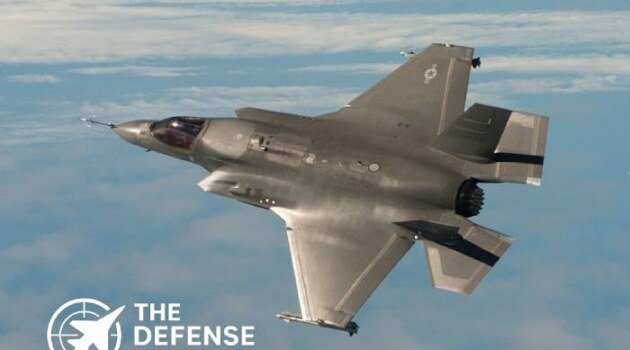
Unlike conventional fighter aircraft, the F-35B incorporates short takeoff and vertical landing (STOVL) capabilities. This allows the aircraft to operate from shorter and less developed surfaces, including highways, expeditionary airfields, and amphibious assault ships.
For the Marine Corps, the ability to deploy fifth-generation stealth fighters from austere locations supports expeditionary warfare concepts that have become central to U.S. military planning. The F-35B combines advanced stealth characteristics, sensor fusion, electronic warfare systems, and networked battlefield awareness while maintaining the flexibility to operate far from major bases.
The Marine Corps plans to operate more than 200 F-35B aircraft by the end of 2026, making the platform the backbone of its future tactical aviation force.
Strategic Implications For NATO’s Northern Flank
The significance of the Finnish highway operations extends beyond a training milestone.
As Russia continues to invest heavily in long-range precision strike capabilities, NATO air forces are increasingly focused on reducing dependence on fixed airfields that could become targets during a conflict. Dispersed operations force adversaries to monitor and potentially strike a much larger network of locations, complicating operational planning and increasing uncertainty.
The participation of U.S. Marine Corps F-35Bs demonstrates how NATO is integrating advanced fifth-generation aircraft into distributed operating concepts across Europe. The exercise also underscores growing interoperability among alliance members and the increasing importance of Finland as a key contributor to NATO’s northern defense architecture.
Analysis
The first U.S. Marine Corps F-35B highway operations in Finland represent more than a symbolic aviation achievement. They reflect a broader shift in NATO air doctrine toward survivability, mobility, and operational flexibility in contested environments.
Finland’s established road-base network provides NATO with a proven model for maintaining airpower under wartime conditions, while the F-35B’s STOVL capability offers unique advantages for dispersed operations. As alliance exercises increasingly emphasize distributed combat operations, highway-based deployments are likely to become a routine element of NATO airpower planning rather than an exception.
For the United States Marine Corps, the successful deployment validates expeditionary aviation concepts that could prove critical in future high-intensity conflicts where traditional airfields may face sustained missile and drone threats.
British forces are testing new drone warfare tactics just miles from Russia as NATO adapts lessons from Ukraine’s battlefield.
(adsbygoogle = window.adsbygoogle || []).push({});Executive Summary:
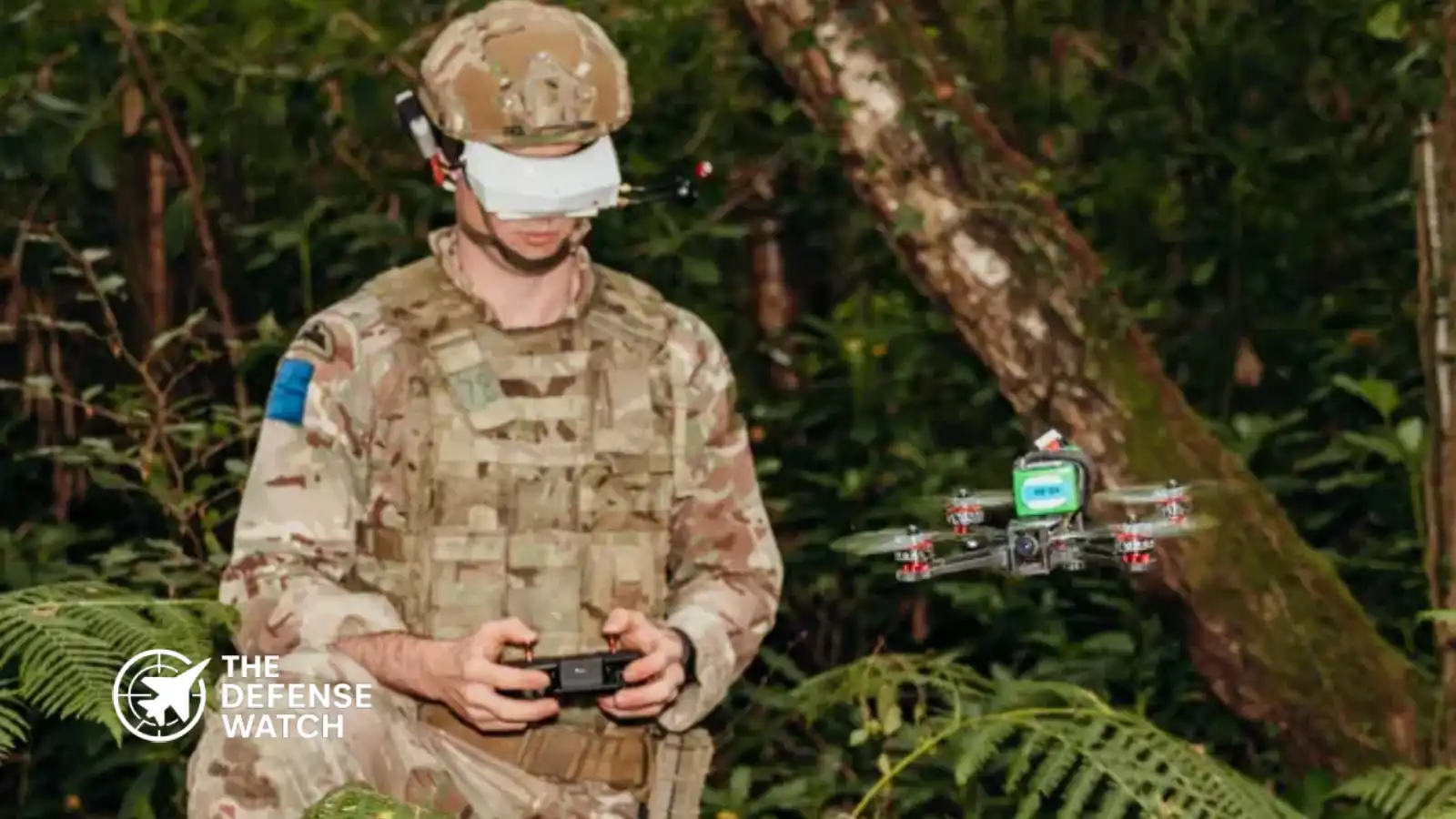
British Army troops have tested reconnaissance and strike drones during a major NATO exercise in Finland near the Russian border. The drills reflect growing efforts by the United Kingdom and its allies to integrate lessons from the Ukraine war into future combat operations. The exercise highlights the increasing role of autonomous systems and digital battlefield networks in modern warfare.
British Army Combat Drones Tested Near Russian Border
The British Army combat drones capability took center stage during a major multinational exercise in Finland, where British troops trained alongside NATO allies less than 70 kilometers (43 miles) from the Russian border.
According to reports from UK defense sources, approximately 4,500 troops from NATO member nations, including the United Kingdom, Finland, France, Hungary, and the United States, participated in Exercise Northern Star. British forces from 3rd Battalion, The Rifles (3 RIFLES), employed reconnaissance drones and loitering munitions designed to identify and engage targets while keeping soldiers outside direct enemy fire.
The exercise forms part of broader NATO efforts to improve readiness in northern Europe amid continued concerns over regional security and Russian military activity. British defense officials have previously noted an increase in Russian military operations in northern approaches and Arctic regions.
(adsbygoogle = window.adsbygoogle || []).push({});Drones and Digital Networks Reshape Infantry Operations
A key feature of the exercise was the integration of unmanned aerial systems with digital command-and-control networks.
British troops operated the Ghost reconnaissance drone alongside the Bolt loitering munition. These systems were connected through digital battlefield management tools that enabled soldiers to receive real-time intelligence feeds and rapidly share targeting information across units.
The approach mirrors lessons emerging from the war in Ukraine, where drones have become central to intelligence gathering, target acquisition, precision strikes, and battlefield surveillance. Ukrainian forces have used drones extensively to disrupt logistics networks, strike military infrastructure, and improve battlefield awareness.
For NATO militaries, the challenge is no longer simply acquiring drones. The focus has shifted toward integrating drones into broader combat formations and ensuring information gathered by unmanned systems can be rapidly distributed across the force.
(adsbygoogle = window.adsbygoogle || []).push({});Lessons From Ukraine Continue To Drive Military Modernization
The British Army’s recent drone initiatives demonstrate how rapidly battlefield requirements are evolving.
Over the past year, the United Kingdom has accelerated experimentation with autonomous systems, AI-enabled drones, drone swarms, and integrated reconnaissance-strike formations. Recent British Army exercises have included launching surveillance and strike drones from moving armored vehicles, testing allied drone swarm interoperability, and deploying AI-powered drones for explosive hazard detection.
These efforts align with the Ministry of Defence’s wider modernization strategy, which includes increased investment in autonomous technologies and unmanned systems. The UK government has stated its intention to significantly expand funding for autonomous military capabilities during the current parliamentary term.
Analysis: Why The Exercise Matters
The significance of this exercise extends beyond the deployment of individual drones.
The conflict in Ukraine has demonstrated that relatively inexpensive unmanned systems can deliver outsized battlefield effects against armored vehicles, logistics hubs, and critical infrastructure. Military planners across NATO increasingly view drones as an essential component of future combat operations rather than a supporting capability.
For the British Army, the exercise also reflects a broader shift toward distributed operations, faster targeting cycles, and digitally connected formations. By combining reconnaissance drones, loitering munitions, and real-time data sharing, commanders aim to identify threats and engage targets more rapidly than traditional infantry formations.
The location of the exercise is equally noteworthy. Finland joined NATO in 2023 and possesses one of the alliance’s longest borders with Russia. Training in Finnish terrain provides British troops with experience operating in conditions that closely resemble potential northern European conflict environments.
As NATO continues strengthening its northern flank, exercises such as Northern Star offer a practical venue for testing emerging technologies and refining tactics that may define future warfare.
(adsbygoogle = window.adsbygoogle || []).push({});Growing NATO Focus On Drone Warfare
The British Army combat drones program represents part of a broader alliance-wide effort to adapt to a rapidly changing battlefield.
Across NATO, military organizations are investing in autonomous systems, electronic warfare integration, AI-enabled targeting, and drone swarm technologies. Recent British-led experiments have focused on enabling allied drone systems to exchange data seamlessly across multinational formations, improving interoperability during coalition operations.
The growing emphasis on drone warfare reflects a wider recognition that future conflicts will likely feature persistent surveillance, rapid targeting, and increasingly autonomous systems operating alongside traditional ground forces.
For the United Kingdom, testing these capabilities near NATO’s eastern frontier provides valuable operational experience while demonstrating continued commitment to alliance deterrence and collective defense.
Executive Summary:
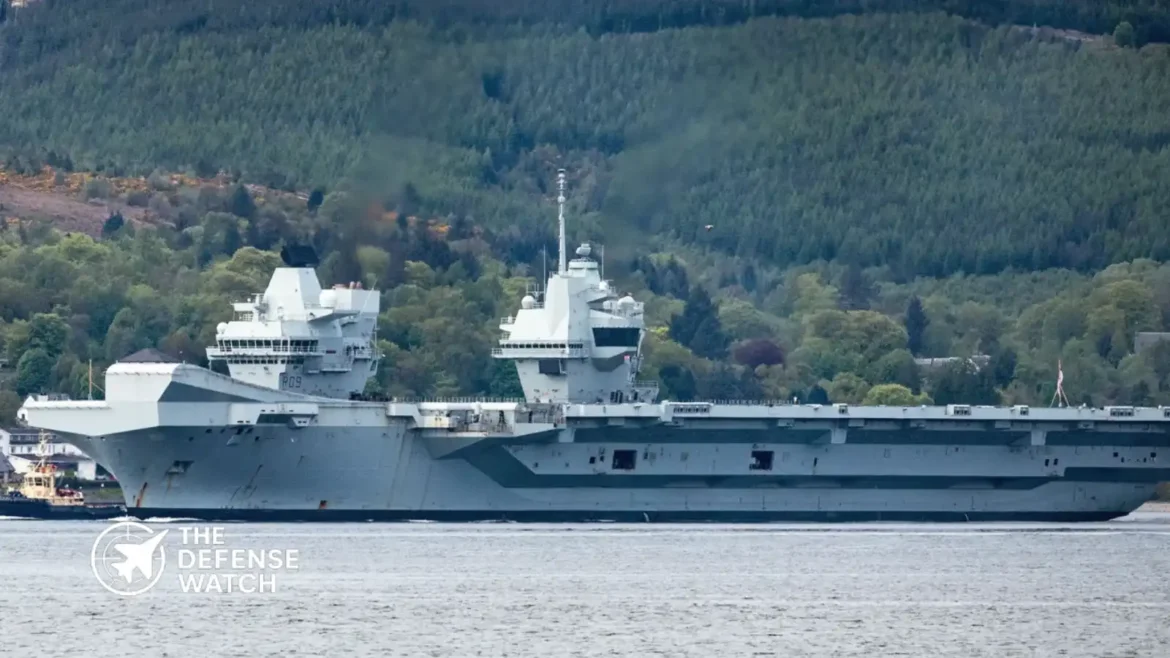
The Royal Navy High North exercises feature HMS Prince of Wales leading a multinational carrier strike group in Arctic conditions. The deployment highlights NATO coordination and the UK’s focus on operating in contested northern waters.
Royal Navy High North Exercises Highlight Arctic Focus
The Royal Navy High North exercises have entered a new phase with HMS Prince of Wales leading a UK-led carrier strike group into northern waters, underscoring a renewed emphasis on Arctic and sub-Arctic operations.
The deployment brings together a mix of British, allied, and partner naval assets operating in challenging cold-weather conditions. According to defense reporting from Navy Lookout, the exercise aims to validate the UK’s ability to sustain carrier strike operations in the High North, a region gaining strategic importance due to increased military activity and climate-driven accessibility.
The presence of Royal Navy assets in the region aligns with broader NATO efforts to strengthen deterrence and interoperability near Russia’s northern maritime approaches.
Carrier Strike Group Operations In Harsh Conditions
At the center of the Royal Navy High North exercises is the UK Carrier Strike Group built around HMS Prince of Wales. The force includes escorts such as destroyers and frigates, support ships, and embarked air wings operating from the carrier deck.
Aircraft operations in cold and unpredictable weather conditions are a key focus. The deployment tests sortie generation rates, deck handling, and maintenance cycles under Arctic stressors, which differ significantly from operations in temperate or tropical environments.
These exercises also evaluate logistics chains, including fuel, munitions, and resupply in remote regions where infrastructure is limited. Sustaining a carrier strike group in such conditions requires coordination across naval, air, and support elements, often involving allied contributions.
NATO Integration And Strategic Messaging
The Royal Navy High North exercises are not conducted in isolation. Allied participation reflects NATO’s ongoing push to reinforce collective defense in northern Europe. Nations including Norway and other regional partners regularly integrate into these operations, providing local expertise and additional capabilities.
From a strategic standpoint, the deployment signals NATO’s ability to operate in proximity to Russian Northern Fleet activity. The High North remains a critical theater due to its proximity to key sea lines of communication and strategic deterrence assets, including submarine-based nuclear forces.
While the exercise is framed as defensive and routine, its timing and scale carry clear signaling value. It demonstrates readiness and reinforces alliance cohesion in a region where competition is intensifying.
Expanding UK Carrier Strike Doctrine
The Royal Navy High North exercises also reflect the evolution of the UK’s carrier strike doctrine. Since the reintroduction of carrier capability with the Queen Elizabeth-class, the UK has focused on global deployments, including the Indo-Pacific.
Operating in the High North adds another layer to this doctrine. Arctic-capable carrier operations require adjustments in training, equipment, and operational planning. Cold weather affects everything from aircraft performance to sensor reliability and crew endurance.
By deploying HMS Prince of Wales in these conditions, the Royal Navy is building a more flexible and resilient carrier force capable of operating across a wider range of environments. This adaptability is increasingly important as geopolitical competition expands into previously less contested regions.
Operational Challenges And Lessons Learned
Conducting Royal Navy High North exercises presents several challenges. Ice conditions, limited daylight during certain periods, and rapidly changing weather patterns complicate navigation and flight operations.
Communication systems and sensors must also function reliably in extreme cold, while crews require specialized training to operate safely. These factors make Arctic exercises a critical testing ground for both equipment and personnel.
The lessons learned from these deployments are likely to inform future procurement and modernization efforts. Enhancements in cold-weather gear, ship systems, and aircraft modifications could emerge as priorities as the UK refines its Arctic posture.
Broader Implications For Maritime Security
The Royal Navy High North exercises highlight a broader shift in maritime security dynamics. As melting ice opens new routes and access points, the Arctic is becoming more accessible to commercial and military activity.
This trend is driving increased interest from major powers, including Russia and NATO members. The UK’s participation in High North operations reflects a recognition that future maritime competition will extend into these.
For the United States and its allies, maintaining a credible presence in the High North is essential for ensuring freedom of navigation and monitoring strategic movements. The integration of UK carrier strike capabilities into this framework adds depth to NATO’s overall posture.
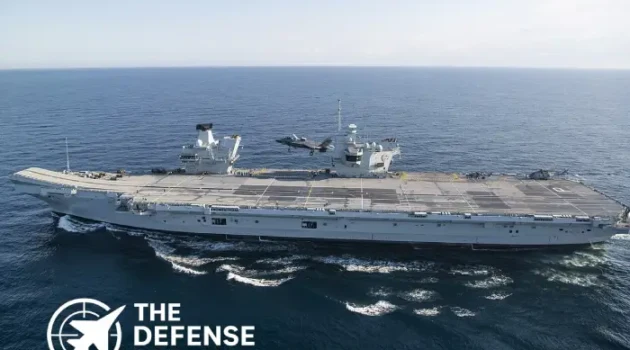
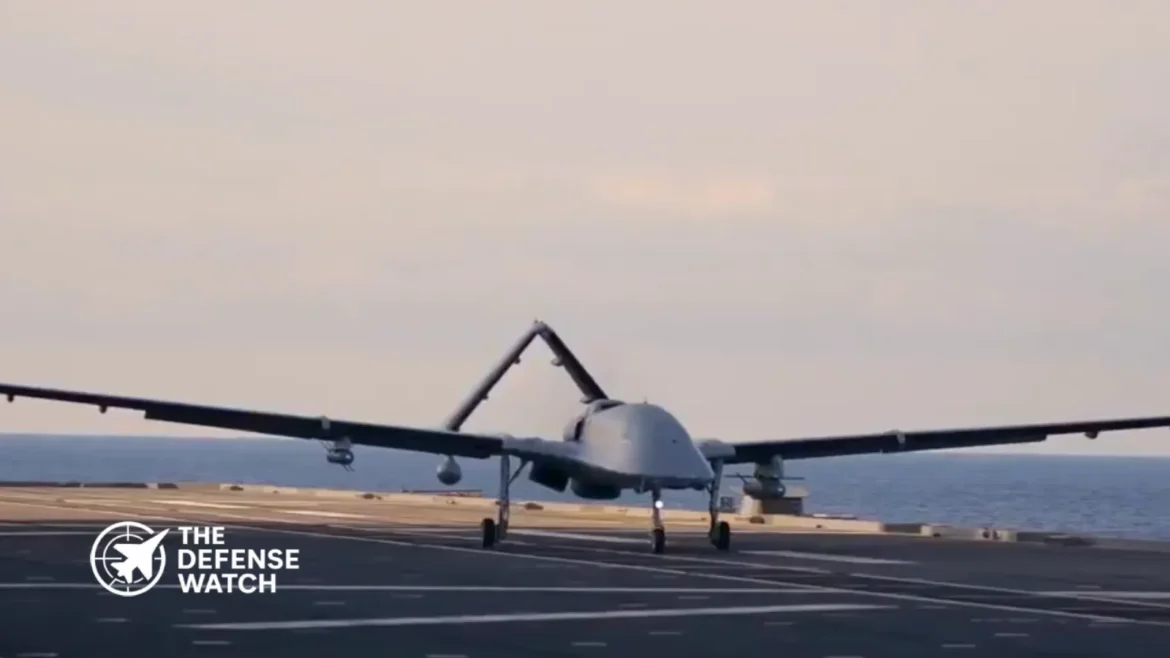
The Bayraktar TB3 UCAV will take part in live fire drills as Türkiye joins NATO allies for Steadfast Dart 2026 in the Baltic Sea on February 17 and 18. The event marks the first known operational deployment of Türkiyes carrier capable unmanned combat aircraft in a high profile NATO exercise environment, underscoring Ankaras growing focus on naval aviation and unmanned systems integration.
(adsbygoogle = window.adsbygoogle || []).push({});Türkiye Brings Bayraktar TB3 To NATO Steadfast Dart 2026
NATO Steadfast Dart 2026 is a large scale alliance exercise designed to test rapid deployment and joint operations across air land and maritime domains. Türkiyes participation with the Bayraktar TB3 UCAV introduces a new capability into the exercise mix, particularly in the naval unmanned aviation space.
The drills in the Baltic Sea will include live fire scenarios, according to Turkish defense sources, allowing NATO partners to observe the TB3s strike and targeting performance in a maritime operating environment. The exercise is expected to involve multiple NATO navies and air forces, focusing on interoperability and readiness in Northern European waters.
Bayraktar TB3 Designed For Naval Operations
Developed by Baykar, the Bayraktar TB3 is Türkiyes first unmanned combat aircraft designed specifically for ship based operations. Unlike earlier Turkish drones, the TB3 is optimized to operate from short runways, including amphibious assault ships such as TCG Anadolu.
The UCAV is capable of fully autonomous takeoffs and landings, a key requirement for sustained naval operations where deck space and launch windows are limited. Its foldable wing design allows efficient storage inside ship hangars, increasing sortie generation rates during deployments.
According to publicly released specifications, the Bayraktar TB3 has a range exceeding 1100 kilometers and an endurance of up to 32 hours. Its maximum speed is listed at around 300 kilometers per hour, placing it in the medium altitude long endurance category.
(adsbygoogle = window.adsbygoogle || []).push({});Weapons And Sensors
The Bayraktar TB3 UCAV can carry up to six smart munitions, including laser guided bombs and precision missiles developed by Turkish defense firms. This payload capacity allows the drone to perform strike, close air support, and maritime interdiction missions.
The aircraft is equipped with advanced electro optical and infrared targeting systems, enabling day and night operations and precision engagement of surface targets. These sensor systems also support intelligence, surveillance, and reconnaissance missions, a core role for UCAVs in modern naval task groups.
Turkish officials have previously highlighted the TB3s ability to operate independently or as part of a networked force, sharing targeting data with other platforms. While detailed tactics for Steadfast Dart 2026 have not been disclosed, the live fire drills are expected to showcase this integrated approach.
Strategic Significance For NATO And Türkiye
The deployment of the Bayraktar TB3 in the Baltic Sea carries both operational and political significance. For Türkiye, it demonstrates the maturity of its indigenous drone industry and its ability to field carrier capable unmanned aircraft within NATO frameworks.
(adsbygoogle = window.adsbygoogle || []).push({});For the alliance, the exercise provides a real world opportunity to evaluate how ship based UCAVs can support maritime operations in contested environments. The Baltic Sea has become an increasingly active theater for NATO exercises due to regional security concerns and the need to reinforce deterrence.
Defense analysts note that unmanned systems are playing a growing role in NATO planning, particularly for surveillance and precision strike missions. Türkiyes contribution with the Bayraktar TB3 adds a naval dimension to this trend.
Broader Context Of Turkish Defense Modernization
The Bayraktar TB3 program is part of a wider Turkish effort to expand domestic defense production and reduce reliance on foreign suppliers. Alongside the TB3, Türkiye is investing in unmanned surface vessels, electronic warfare systems, and next generation combat aircraft.
TCG Anadolu, originally designed to operate crewed fixed wing aircraft, has become a testbed for unmanned naval aviation following changes to Türkiyes fighter procurement plans. The integration of the TB3 reflects a shift toward drone centric maritime air power.
(adsbygoogle = window.adsbygoogle || []).push({});What Comes Next
Following Steadfast Dart 2026, Turkish defense officials are expected to continue testing the Bayraktar TB3 in joint and national exercises. Future milestones may include expanded weapons testing, increased operational tempo from TCG Anadolu, and potential export interest from allied navies.
For now, the Baltic Sea drills will serve as a key proof point for Türkiyes carrier capable UCAV concept within a NATO operational setting.
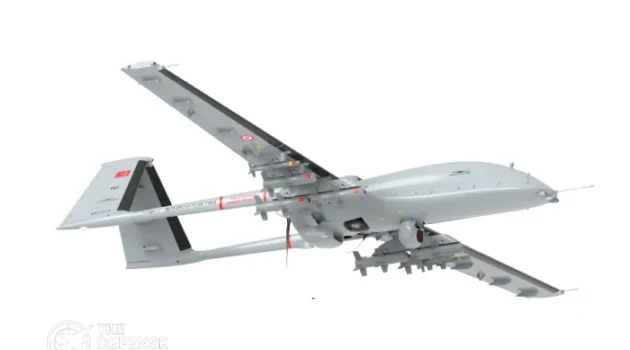


UK Commandos Sharpen Arctic Warfare Skills
Royal Marines have significantly ramped up Arctic operations in Northern Norway as approximately 1,500 UK commandos prepare for Exercise Cold Response 2026, the largest military exercise planned in Norway this year. The deployment represents a major expansion of UK commitment to NATO’s northern flank following the December 2025 Lunna House Agreement between the United Kingdom and Norway.
(adsbygoogle = window.adsbygoogle || []).push({});The two-month training period focuses on extreme cold weather warfare skills, specialized Arctic tactics, and integration of advanced technology including drones and snowmobiles. The deployment underscores UK commitment to Arctic security amid increased Russian naval activity in the North Atlantic region.
Lunna House Agreement: Foundation for Enhanced Cooperation
The current deployment stems from the Lunna House Agreement signed December 4, 2025, by UK Defense Secretary John Healey and Norwegian Defense Minister Tore O. Sandvik. This historic defense pact establishes year-round Royal Marine operations in Norway, expanding beyond traditional winter-only deployments.

Named after the Shetland Islands headquarters used by Norwegian resistance forces during World War II, the agreement creates deeper military integration between the two NATO founding members. The pact addresses growing security concerns over a 30% increase in Russian vessels detected in UK waters over the past two years, according to UK government data.
Key provisions include development of an interchangeable fleet of at least 13 Type 26 anti-submarine warfare frigates, participation in Norwegian programs for uncrewed mine hunting and undersea warfare systems, and adoption of Norwegian naval strike missiles by the Royal Navy. The £10 billion warship deal supports over 4,000 British jobs while strengthening NATO capabilities in the strategically vital Greenland-Iceland-UK gap.
Training Operations: Preparing for Arctic Combat
UK Commando Force operations are centered at Camp Viking, established in 2023 near Øverbygd, approximately 40 miles south of Tromsø. The facility serves as a permanent operations hub for British forces training in Arctic conditions.
“The UK Commando Force is stepping up readiness to war-fight alongside our allies in the High North,” stated Lieutenant Colonel Chris Armstrong, Commanding Officer of 30 Commando Information Exploitation Group. “As NATO’s cold-weather specialists, we are ruthlessly focussed on mission rehearsals with our closest partners. Fusing intelligence, bold commando tactics, and cutting-edge technology – we remain poised for operations.”
The current training regimen includes operations across Norway’s challenging terrain of coastlines, mountains, and fjords. Royal Marines are working alongside Norwegian forces and Dutch marines to develop interoperability and refine joint operating procedures in sub-zero conditions.

Commando Helicopter Force has also deployed Wildcat and Merlin helicopters from Yeovilton to Royal Norwegian Air Force Base Bardufoss as part of Operation Clockwork, an annual Arctic helicopter training exercise. Located approximately 20 miles west of Camp Viking, Bardufoss provides critical aviation support for Arctic operations.
Exercise Cold Response 2026: NATO’s Arctic Showcase
The Royal Marines will participate in Exercise Cold Response 2026, scheduled for March 9-19, 2026. The Norwegian-led exercise will involve approximately 25,000 personnel from 14 nations including the United States, Canada, Germany, France, Italy, the Netherlands, Spain, Denmark, Belgium, Sweden, Finland, and Turkey.
According to the Norwegian Armed Forces, Cold Response 2026 serves as a multi-domain operation coordinating military effects across land, maritime, air, cyber, and space domains. The exercise aims to demonstrate NATO cohesion, strengthen allied defense capabilities, and reassure populations by showcasing the alliance’s ability to defend its northern flank.
The United States is deploying approximately 4,000 personnel, including 3,000 Marines from II Marine Expeditionary Force based at Camp Lejeune, North Carolina. U.S. participation includes P-8 Poseidon maritime patrol aircraft, F-35A Lightning II fighters, and special operations forces.
(adsbygoogle = window.adsbygoogle || []).push({});Exercise activities will occur primarily in Nordland, Troms, and western Finnmark in Norway, with additional operations extending into northern Finland. The drill emphasizes rapid reinforcement capabilities, with forces training to quickly deploy across the Atlantic and integrate with Norwegian defense plans.
Strategic Context: Countering Russian Arctic Activity
The enhanced UK-Norway military cooperation comes amid growing concerns over Russian military presence in the Arctic region. NATO officials have repeatedly expressed concern about increased Russian submarine activity and potential threats to critical undersea infrastructure including communication cables and energy pipelines.
In October 2024, Admiral Rob Bauer, Chairman of the NATO Military Committee, stated: “NATO will defend its interests in the Arctic. We have a responsibility to protect all our Allies, including the seven here in this region.”
The Royal Marines deployment aligns with broader NATO efforts to strengthen deterrence and defense capabilities in the High North. Finland and Sweden’s accession to NATO in 2023 significantly enhanced the alliance’s Arctic posture by adding two nations with extensive cold-weather military expertise.
Norway’s strategic location along Russia’s northwestern border and control of critical maritime chokepoints makes the country essential to NATO’s northern defense architecture. The Barents Sea region has seen increased Russian naval activity, including submarine patrols and surface vessel operations.
Technological Modernization: Advanced Capabilities
The UK Commando Force has undergone six years of modernization incorporating artificial intelligence-enabled targeting systems, multi-domain fire capabilities, and uncrewed surface vessels. These technological enhancements aim to provide NATO with qualitative advantages in the Arctic theater.

The Lunna House Agreement accelerates adoption of autonomous systems for Arctic operations. Both nations will lead NATO efforts to integrate uncrewed platforms for mine hunting, undersea warfare, and surface patrol missions. Norwegian offshore support vessels will serve as motherships for autonomous systems, extending operational reach in harsh Arctic waters.
Royal Marines are also testing advanced cold-weather equipment including all-terrain vehicles, specialized communication systems, and improved survival gear designed for extended operations in sub-zero temperatures. The training incorporates lessons learned from five decades of Arctic operations, building institutional knowledge critical for success in extreme environments.
Allied Integration: Multinational Arctic Cooperation
Beyond UK-Norway bilateral cooperation, Exercise Cold Response 2026 emphasizes broader allied integration. Dutch marines are training alongside British and Norwegian forces, reflecting the Netherlands’ commitment to Arctic security despite its southern European geography.
(adsbygoogle = window.adsbygoogle || []).push({});The exercise provides critical opportunities for forces from warmer climates to gain Arctic experience. Italian, Spanish, and Turkish forces will operate in conditions vastly different from their home territories, building alliance-wide cold-weather competencies.
Major General Daniel L. Shipley, Commander of U.S. Marine Corps Forces Europe and Africa, emphasized the exercise’s importance: “Exercises like Cold Response 26 are crucial for ensuring Norway’s readiness and resilience, as well as demonstrating burden sharing across the Alliance. This exercise isn’t just about preparing for today’s threats; it’s about building the capabilities and strengthening the capacity necessary to deter future aggression and safeguard our shared interests.”
Historical Context: Decades of Arctic Partnership
UK-Norway Arctic military cooperation dates back over 50 years. British Royal Marines have conducted annual winter training in Norway since the early Cold War, building deep institutional relationships with Norwegian forces.
The relationship gained renewed urgency following Russia’s 2014 invasion of Ukraine and subsequent 2022 full-scale invasion. These events refocused NATO attention on territorial defense and rapid reinforcement of frontline allies.
The Lunna House Agreement represents the most significant expansion of UK-Norway military cooperation since the early Cold War period. By establishing year-round Royal Marine presence, the agreement ensures British forces maintain continuous readiness for Arctic operations rather than requiring annual reset periods.
Future Outlook: Sustained Arctic Commitment
The current Royal Marines deployment establishes a template for sustained UK presence in Norway’s Arctic regions. Beyond Exercise Cold Response 2026, British forces will continue year-round training across all seasons, developing capabilities for operations in variable Arctic conditions.
Norwegian Defense Minister Tore O. Sandvik emphasized the significance of expanded British presence: “Royal Marines have a long tradition of practicing winter operations with naval and amphibious forces in Inner Troms, Northern Norway. In the future, they will train in Norway during the other seasons as well. By being more present in Norway, the Royal Marines will be more closely integrated into the defense of Norway, and they will be able to come to our aid quickly if a crisis or war situation should arise.”
(adsbygoogle = window.adsbygoogle || []).push({});The Type 26 frigate program will further strengthen bilateral naval cooperation over the coming decade as vessels enter service. Shared logistics, maintenance facilities, and crew exchange programs will create unprecedented integration between the Royal Navy and Royal Norwegian Navy.
Analysis: Implications for NATO Arctic Strategy
The Royal Marines deployment and Exercise Cold Response 2026 signal NATO’s commitment to Arctic security amid evolving geopolitical dynamics. The alliance faces multiple challenges including climate change opening new maritime routes, increased commercial activity, and competition for Arctic resources.
Russia maintains significant military infrastructure in its Arctic regions including nuclear submarine bases, airfields, and coastal defense systems. Moscow’s Arctic capabilities present challenges for NATO maritime operations and require sustained allied presence to ensure freedom of navigation and credible deterrence.
(adsbygoogle = window.adsbygoogle || []).push({});The UK-Norway partnership model may serve as a template for other bilateral defense arrangements within NATO. By establishing deep integration at the national level, allies can achieve operational synergies beyond what alliance-wide structures alone provide.
Conclusion
Royal Marines Arctic training ahead of Exercise Cold Response 2026 demonstrates UK commitment to NATO’s northern flank and partnership with Norway. The deployment, enabled by the Lunna House Agreement, establishes year-round British presence in the High North and enhances alliance capabilities for Arctic operations.
As 25,000 NATO personnel prepare for the March exercise, the training underscores allied unity in defending European security. For the 1,500 Royal Marines currently operating in Norway’s extreme conditions, the deployment represents both continuation of a decades-long partnership and adaptation to evolving strategic challenges in one of the world’s most demanding operational environments.

Exercise Point Blank 26 Advances NATO Airpower Integration
Exercise Point Blank 26 brought the Royal Air Force and the United States Air Force together across multiple locations in England to strengthen NATO airpower readiness and operational integration. The large scale training activity focused on tactical proficiency, airpower mobility, and agile combat employment, reflecting how allied air forces expect to operate in a high intensity conflict environment.
The exercise combined fast jet operations, aerial refueling, and airfield support exchanges. It emphasized interoperability between US and UK forces and the ability to rapidly generate combat power from dispersed locations.
Allied Air Forces Train for High Tempo Operations
Exercise Point Blank 26 centered on improving how allied air forces deploy, sustain, and fight together under realistic conditions. RAF and US Air Force personnel operated side by side, sharing procedures for flight operations, maintenance, logistics, and command and control.
A key objective was refining airpower mobility. Tanker aircraft from both nations conducted joint refueling missions to support fighter operations, allowing combat aircraft to extend range and remain on station longer. These missions are essential for sustaining operations in contested environments where access to forward bases may be limited.

Airfield operations were another major focus. Ground crews exchanged best practices on aircraft servicing, rapid turnarounds, and base defense. These skills support NATO concepts that rely on flexibility, speed, and resilience rather than fixed infrastructure.
Agile Combat Employment at the Core
Agile combat employment was a central theme throughout Exercise Point Blank 26. This concept involves operating aircraft from multiple locations, often with smaller teams and limited support, to complicate adversary targeting and maintain combat effectiveness.
RAF and US Air Force units practiced deploying aircraft and personnel across different airfields in England. This included setting up temporary operating locations and sustaining flight operations with reduced footprints.
According to NATO doctrine, agile combat employment is critical for modern air campaigns. It allows allied forces to survive and fight even when traditional bases are under threat from long range missiles, cyber attacks, or electronic warfare.
Exercise Point Blank 26 provided a realistic environment to test these methods in a combined setting, ensuring that US and UK forces can execute them together if required.
F 35 Lightning II Operations Highlight Interoperability
The F 35 Lightning II played a visible role during Exercise Point Blank 26, underscoring its importance to NATO airpower. Both the RAF and US Air Force operate the fifth generation fighter, making it a cornerstone of allied combat aviation.
Training events included F 35 takeoff and recovery operations supported by allied tanker aircraft and shared airfield infrastructure. These activities demonstrated how the aircraft integrates into joint force operations and how allied support elements enable its deployment.

The F 35 brings advanced sensors, data sharing, and stealth characteristics that enhance situational awareness across the force. Exercises like Point Blank 26 allow operators and support crews to refine how these capabilities are employed in coalition scenarios.
Strengthening NATO Readiness and Deterrence
Exercise Point Blank 26 reflects a broader NATO effort to improve readiness and deterrence amid a more contested security environment. Regular combined exercises ensure that allied forces can respond quickly and cohesively to emerging threats.
The United Kingdom remains a key hub for US airpower in Europe, and exercises hosted on British soil reinforce the long standing defense partnership between the two nations. Training together also reduces friction during real world operations by aligning procedures, communications, and expectations.
By focusing on realistic scenarios and modern operational concepts, Exercise Point Blank 26 supports NATO goals of credible deterrence and collective defense.
Strategic Context
Airpower remains a central element of NATO military strategy. The ability to deploy fighters, tankers, and support forces rapidly across the alliance underpins both deterrence and crisis response.
Exercises like Point Blank 26 are not symbolic. They are practical tests of how forces would operate during a real contingency. The emphasis on agile combat employment and joint logistics reflects lessons learned from recent conflicts and evolving threat assessments.
As NATO continues to adapt to new challenges, combined training between the RAF and US Air Force will remain a critical pillar of alliance readiness.
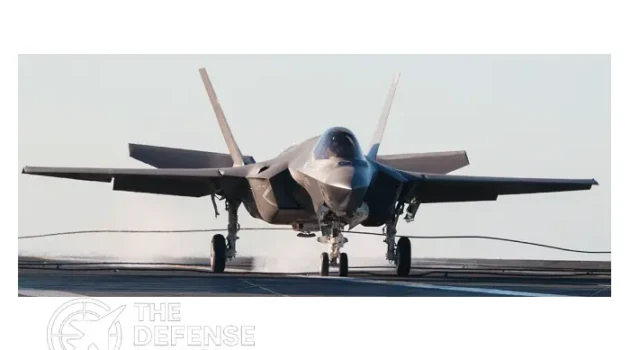

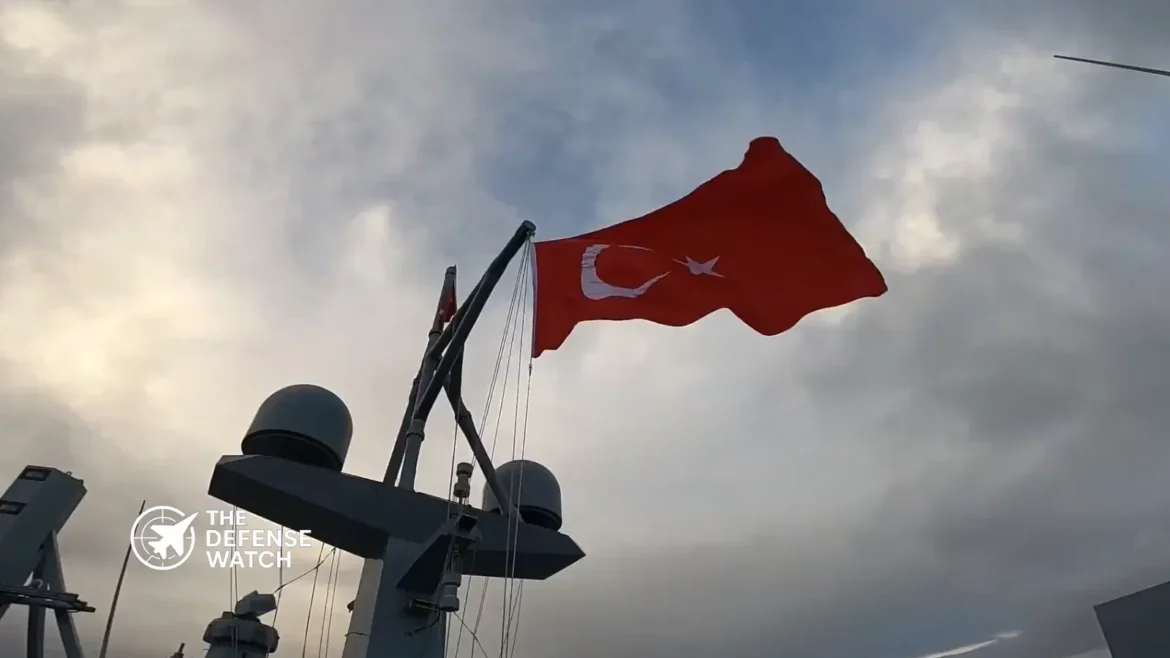
Türkiye Maritime Task Force Deploys for Steadfast Dart 2026
The Türkiye Maritime Task Force has begun its long range deployment from home waters toward the Baltic Sea as part of NATO Exercise Steadfast Dart 2026, underscoring Ankara’s role within the Allied Reaction Force and its commitment to collective defense.
(adsbygoogle = window.adsbygoogle || []).push({});The transit, conducted under the Anadolu Turkish Maritime Task Force framework, marks a significant naval movement from the Eastern Mediterranean into Northern European waters at a time of heightened focus on NATO readiness and rapid reinforcement capabilities.
According to official Turkish Ministry of National Defense statements, the deployment is designed to demonstrate alliance cohesion, interoperability, and credible deterrence across multiple maritime theaters.
NATO Steadfast Dart 2026 and the Allied Reaction Force
Steadfast Dart 2026 is one of NATO’s flagship high readiness exercises, intended to test the activation, deployment, and sustainment of the Allied Reaction Force across land, air, maritime, cyber, and space domains.
The exercise builds on NATO’s post Madrid force posture reforms, which replaced the NATO Response Force with the more scalable and rapidly employable Allied Reaction Force. This structure enables NATO to respond to emerging crises with tailored force packages rather than a single standing formation.
Türkiye’s participation through a forward deployed maritime task force reflects its dual role as both a regional naval power and a key contributor to NATO’s southern and eastern flanks.
NATO officials have consistently emphasized that Steadfast Dart is not directed at any specific adversary, but rather focused on readiness, mobility, and command integration under Article Five scenarios.
Composition and Role of the Anadolu Maritime Task Force
While Ankara has not released a full public order of battle for the task force, Anadolu Maritime Task Force deployments typically include a mix of frigates, auxiliary support vessels, and embarked naval aviation elements.
Turkish Navy surface combatants frequently involved in NATO exercises include the Barbaros class and Gabya class frigates, both upgraded with modern combat management systems, advanced sensors, and NATO standard data links.
These vessels are designed for air defense, antisubmarine warfare, maritime security operations, and command and control roles, making them well suited for Allied Reaction Force integration.
The deployment also provides an opportunity for Turkish crews to operate in colder water environments and congested Northern European sea lanes, conditions that differ significantly from the Mediterranean and Aegean operating areas.
Strategic Significance of the Baltic Sea Transit
The movement of a Turkish naval task force from the Eastern Mediterranean to the Baltic Sea carries both operational and strategic weight. It highlights NATO’s ability to shift forces rapidly across internal lines of communication, reinforcing deterrence through visible presence and mobility.
The Baltic Sea remains a critical focus area for NATO, particularly following Finland and Sweden’s accession to the alliance. Maritime operations in the region now involve a broader range of Allied navies and require tighter coordination across air, surface, and undersea domains.
Türkiye’s participation signals alliance solidarity and demonstrates that NATO’s collective defense commitments extend beyond immediate regional boundaries.
Defense analysts note that such deployments also support burden sharing by ensuring that no single group of allies carries the full weight of forward presence missions.
Türkiye’s Broader Naval Modernization Context
The Steadfast Dart 2026 deployment comes amid an ongoing period of modernization for the Turkish Navy. Ankara continues to invest in indigenous shipbuilding programs, advanced sensors, and network centric warfare capabilities.
(adsbygoogle = window.adsbygoogle || []).push({});Key initiatives include the MILGEM program, which has delivered Ada class corvettes and Istanbul class frigates, as well as future plans for air defense destroyers under the TF two thousand program.
These efforts aim to enhance Türkiye’s ability to operate independently while remaining fully interoperable with NATO partners. Participation in large scale alliance exercises provides critical validation of these capabilities in real world operational settings.
Allied Interoperability and Operational Testing
Exercises like Steadfast Dart serve as practical tests of command structures, logistics chains, and digital connectivity across allied forces. Maritime components are particularly important, as naval forces often provide the first visible signal of alliance response during crises.
The Turkish Maritime Task Force is expected to conduct joint maneuvers, communications drills, and maritime security operations alongside allied navies from Northern Europe and North America.
Such activities help identify gaps in procedures, equipment compatibility, and sustainment planning, allowing NATO to refine its response posture ahead of real world contingencies.
Outlook
As Steadfast Dart 2026 unfolds, the presence of the Türkiye Maritime Task Force in the Baltic Sea will remain a visible indicator of NATO’s evolving force structure and multinational integration.
For Ankara, the deployment reinforces its position as a capable maritime contributor across multiple theaters, while for NATO, it underscores the alliance’s emphasis on speed, flexibility, and collective deterrence in an increasingly complex security environment.