Executive Summary:
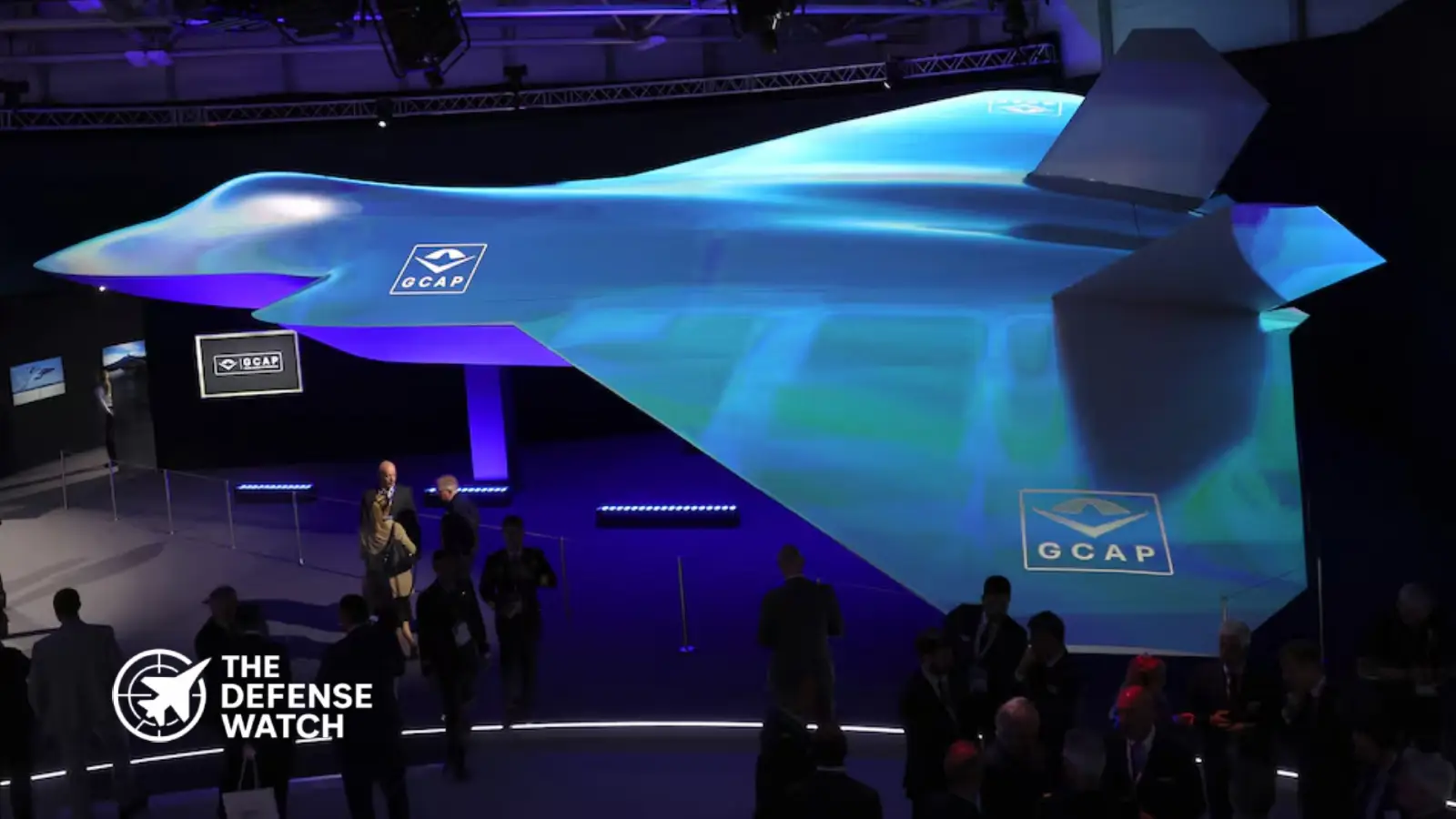
Italy has signaled that additional countries could join the Global Combat Air Programme (GCAP), the multinational effort to develop a next generation fighter aircraft by 2035. Canadian interest appears to be the most advanced, while Germany and Saudi Arabia have also been mentioned as potential future participants. Expansion could spread development costs and strengthen the program’s industrial base.
GCAP Fighter Program Gains New International Interest
The GCAP fighter program could soon attract additional international partners as Italy pushes for broader participation in one of the world’s most ambitious military aviation projects.
Speaking in Rome on June 23, Italian Defense Minister Guido Crosetto said several countries have expressed interest in the Global Combat Air Programme, which is jointly led by the United Kingdom, Italy, and Japan. According to Crosetto, Canada currently appears to be the most interested nation, initially seeking observer status within the program.
Crosetto added that Italy would also welcome participation from Germany, Saudi Arabia, or other interested nations, arguing that a larger partnership would increase industrial cooperation while reducing financial burdens on existing members.
What Is The Global Combat Air Programme?
The Global Combat Air Programme (GCAP) was launched in 2022 through a partnership between the United Kingdom, Italy, and Japan. The initiative aims to deliver a sixth generation fighter aircraft by 2035, integrating advanced sensors, networking technologies, artificial intelligence, and unmanned teaming capabilities.
The industrial team behind the aircraft includes:
- BAE Systems
- Leonardo
- Mitsubishi Heavy Industries through the Japan Aircraft Industrial Enhancement Corporation (JAIEC) consortium.
Program partners intend to field the aircraft by 2035, positioning it as a successor to current fourth and fifth generation combat aircraft.
Germany Emerges As A Potential Partner
Interest in Germany joining GCAP has intensified following the collapse of the rival Future Combat Air System (FCAS) effort involving Germany, France, and Spain.
Earlier this month, Germany and France reportedly agreed to abandon the long troubled FCAS project after failing to resolve industrial disagreements among participating companies.
Leonardo CEO Lorenzo Mariani recently described Germany as a particularly valuable potential partner because of its industrial expertise and manufacturing capabilities. He noted that German participation could strengthen the program’s long term prospects, although integrating a new full partner at this stage could require adjustments to existing agreements.
Analysis: Why Germany Matters
Germany’s potential involvement carries significance beyond additional funding.
The country remains one of Europe’s largest defense markets and possesses a substantial aerospace industrial base. Bringing Germany into GCAP could increase production scale, improve export opportunities, and strengthen European defense cooperation at a time when many NATO members are accelerating military modernization.
However, adding a major new partner could also complicate governance, workshare arrangements, and development timelines. Current members have already spent years negotiating industrial responsibilities and technology sharing frameworks. Any expansion would need to balance new contributions against existing commitments.
Rising Costs Drive Interest In Expansion
Cost sharing remains one of the strongest arguments for expanding the program.
In February 2026, Italy’s parliament approved approximately €8.77 billion for the initial phases of GCAP. Updated estimates indicate early phase costs have risen significantly compared with original projections, reflecting increasing technology development, testing, and design requirements.
For participating governments, attracting additional partners could help distribute these costs across a broader group of nations while expanding the program’s industrial and technological resources.
Canada’s Observer Role Could Be First Step
Among prospective participants, Canada appears to be the closest to formal involvement.
Italian officials identified Canada as the most interested country at present, potentially joining initially as an observer. Such a role would allow Ottawa to evaluate the program while gaining insight into technology development and future procurement options.
Canadian participation would also align with broader efforts by Ottawa to diversify defense partnerships and strengthen cooperation with key allies beyond traditional procurement channels.
Strategic Implications
The growing interest surrounding the GCAP fighter program highlights a wider trend across allied nations: the rising cost and complexity of developing next generation combat aircraft increasingly require multinational collaboration.
Unlike previous fighter programs that were often led by a single nation, sixth generation systems demand investments in artificial intelligence, advanced propulsion, secure networking, electronic warfare, and autonomous capabilities. These requirements make international partnerships more attractive and, in many cases, financially necessary.
If additional countries ultimately join GCAP, the program could emerge as one of the largest multinational aerospace initiatives outside the United States, strengthening its position in the increasingly competitive future combat aircraft market.