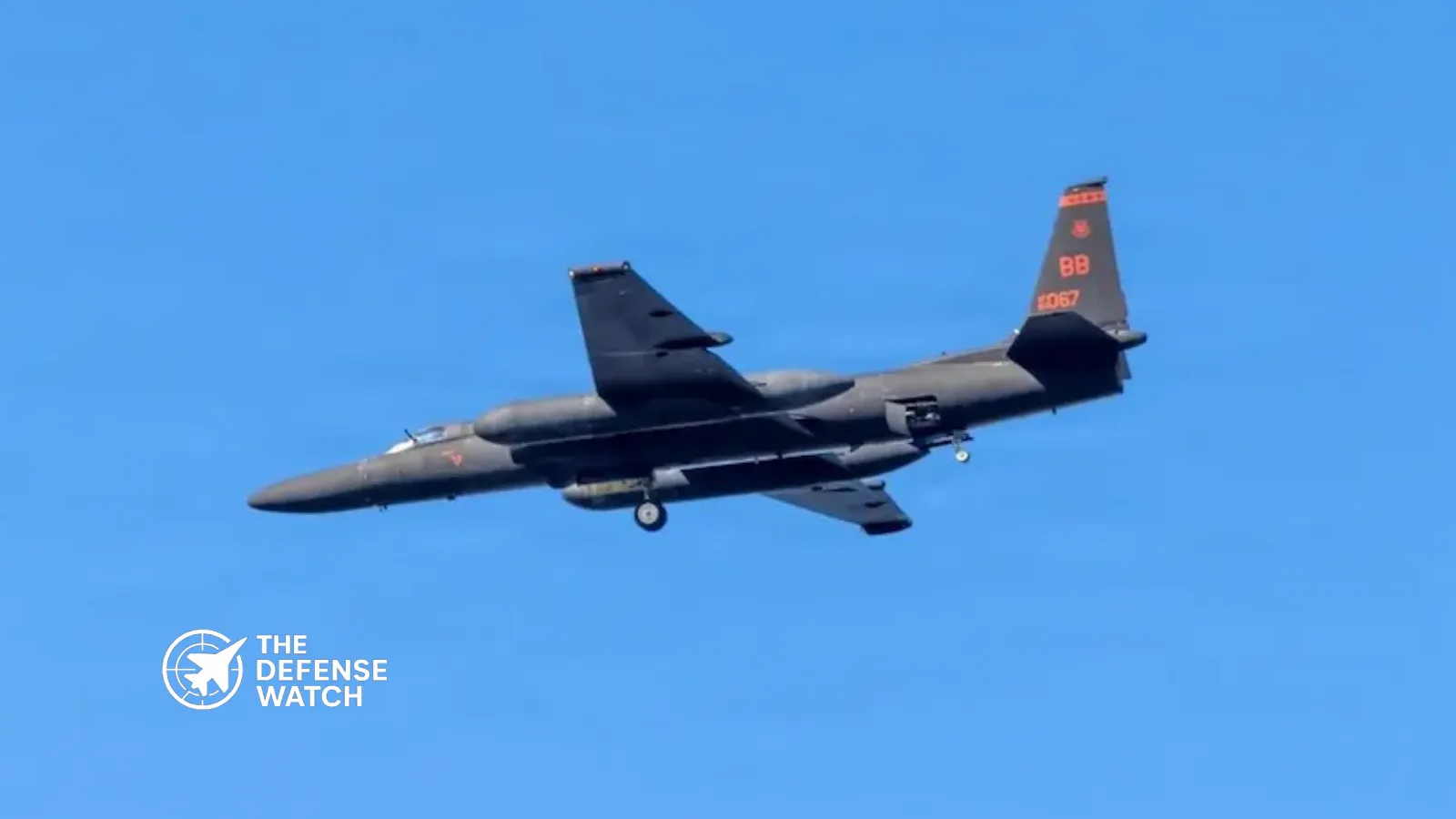
Air Force Evaluates High-Altitude Intelligence Platform Combat Readiness
The U.S. Air Force recently completed the Dragon Shield exercise at Beale Air Force Base, California, designed to evaluate the U-2 Dragon Lady intelligence aircraft launch readiness under contested operational conditions. The training evolution focused on validating rapid deployment capabilities and operational resilience of America’s premier high-altitude reconnaissance platform amid increasingly complex global threat environments.
According to official statements from Beale Air Force Base, the Dragon Shield exercise Beale AFB tested the 9th Reconnaissance Wing’s ability to generate sorties quickly while operating under simulated combat pressures. The drill incorporated realistic scenario-based training that mirrors potential peer adversary challenges, emphasizing the strategic importance of maintaining intelligence, surveillance, and reconnaissance (ISR) superiority.
The exercise represents a critical component of broader Air Force efforts to ensure U-2 spy plane rapid deployment capabilities remain responsive to national security requirements in an era of great power competition.
Exercise Objectives and Operational Focus
Dragon Shield concentrated on several key readiness metrics essential for maintaining the U-2’s operational effectiveness. The exercise evaluated maintenance crews’ ability to prepare aircraft for flight under compressed timelines, pilot readiness to execute missions with minimal notice, and support personnel’s capacity to sustain operations during extended periods.
The U-2 Dragon Lady intelligence aircraft continues serving as an irreplaceable asset for high-altitude reconnaissance missions, operating at altitudes exceeding 70,000 feet. This capability provides commanders with persistent surveillance options unavailable from satellite or lower-altitude platforms, particularly in denied or contested airspace where adversaries employ sophisticated air defense systems.
Training scenarios during Dragon Shield simulated contested environment military exercises conditions, requiring aircrews and support teams to maintain operational tempo while responding to simulated threats. These realistic training conditions better prepare personnel for actual combat operations where launch windows may be limited and adversary actions unpredictable.
U-2 Program Strategic Relevance
The Air Force’s investment in U-2 readiness training reflects the platform’s continued strategic value despite decades of service. First introduced in the 1950s, the U-2 has undergone continuous modernization, incorporating advanced sensor packages, secure communications systems, and updated avionics that maintain its relevance in 21st-century warfare.
(adsbygoogle = window.adsbygoogle || []).push({});Recent upgrades have integrated the U-2 into broader joint all-domain operations concepts, enabling the aircraft to serve as a node in networked battle management systems. This transformation positions the Dragon Lady as more than a traditional reconnaissance platform, expanding its role to include communications relay, electronic warfare support, and data fusion capabilities.
The Air Force reconnaissance readiness training conducted during Dragon Shield ensures crews can leverage these enhanced capabilities effectively under pressure. Maintaining proficiency with complex systems while executing time-critical launches requires regular, realistic training that exercises the full spectrum of operational demands.
9th Reconnaissance Wing Capabilities
Beale Air Force Base serves as home to the 9th Reconnaissance Wing, which operates the Air Force’s entire U-2 fleet. The wing maintains global ISR responsibilities, deploying aircraft to forward operating locations worldwide to support combatant commander requirements across multiple theaters simultaneously.
Dragon Shield tested the wing’s ability to surge operations, transitioning from steady-state peacetime operations to wartime launch tempos. This capability proves essential during crisis situations when intelligence collection requirements spike dramatically, demanding rapid platform availability and sustained sortie generation.
Exercise planners incorporated lessons learned from recent operational deployments, ensuring training scenarios reflected current threat environments. This iterative approach to readiness training helps maintain the 9th Reconnaissance Wing’s position as a premier ISR organization within the Air Force.
Contested Environment Operations Focus
The emphasis on contested environment military exercises during Dragon Shield acknowledges the changing character of modern warfare. Potential adversaries have invested heavily in anti-access/area denial (A2/AD) capabilities designed to complicate or prevent U.S. military operations in key regions.
While the U-2’s extreme operating altitude provides inherent protection against many threats, effective operations in contested spaces require comprehensive preparation. This includes rapid launch capabilities that minimize ground vulnerability, robust communications under jamming conditions, and coordinated defensive measures.
Training under simulated contested conditions exposes personnel to decision-making pressures and operational friction they would encounter during actual combat. This experiential learning proves far more effective than theoretical instruction alone, building the muscle memory and crisis management skills necessary for success.
Implications for Global ISR Operations
The successful completion of Dragon Shield demonstrates the Air Force’s commitment to maintaining U-2 operational readiness despite the platform’s age. While newer systems like the RQ-4 Global Hawk provide complementary capabilities, the U-2’s unique combination of altitude, sensor payload capacity, and operational flexibility ensures its continued relevance.
The exercise outcomes will inform future training requirements and readiness standards across the reconnaissance community. Lessons learned regarding equipment reliability, crew performance under pressure, and support system effectiveness will shape ongoing modernization efforts and operational planning.
As geopolitical tensions persist across multiple regions, the ability to rapidly deploy high-altitude intelligence assets becomes increasingly valuable. Dragon Shield validated that the Air Force maintains this critical capability, providing national decision-makers with confidence in available ISR options during crisis situations.
Future Outlook for U-2 Operations
The Air Force plans to operate the U-2 well into the 2030s, with ongoing modernization programs ensuring the platform remains technologically current. These upgrades include advanced sensors, improved communications systems, and integration with emerging technologies like artificial intelligence for automated data processing.
Continued readiness exercises like Dragon Shield will remain essential for maintaining operational proficiency as the U-2 fleet ages. Regular, realistic training ensures that both experienced personnel and new aircrew members maintain the high skill levels required for effective high-altitude reconnaissance operations.
The exercise also reinforces the strategic importance of Beale Air Force Base as a center of excellence for reconnaissance operations. The installation’s infrastructure, specialized maintenance capabilities, and institutional knowledge base make it uniquely suited to support the demanding U-2 mission set.
Conclusion
The Dragon Shield exercise at Beale Air Force Base successfully validated U.S. Air Force capabilities to rapidly deploy U-2 Dragon Lady intelligence aircraft under contested operational conditions. This readiness demonstration ensures America maintains responsive, high-altitude reconnaissance options essential for informed decision-making during international crises.
By testing launch procedures, maintenance capabilities, and crew readiness under realistic combat scenarios, the 9th Reconnaissance Wing confirmed its ability to meet national security requirements across the full spectrum of potential operations. As global competition intensifies, this proven readiness provides critical intelligence capabilities supporting U.S. strategic interests worldwide.