Executive Summary:
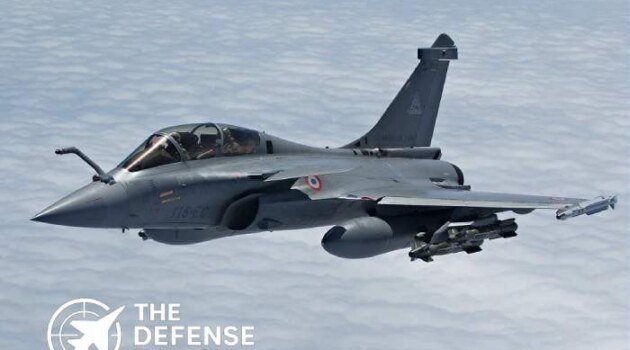
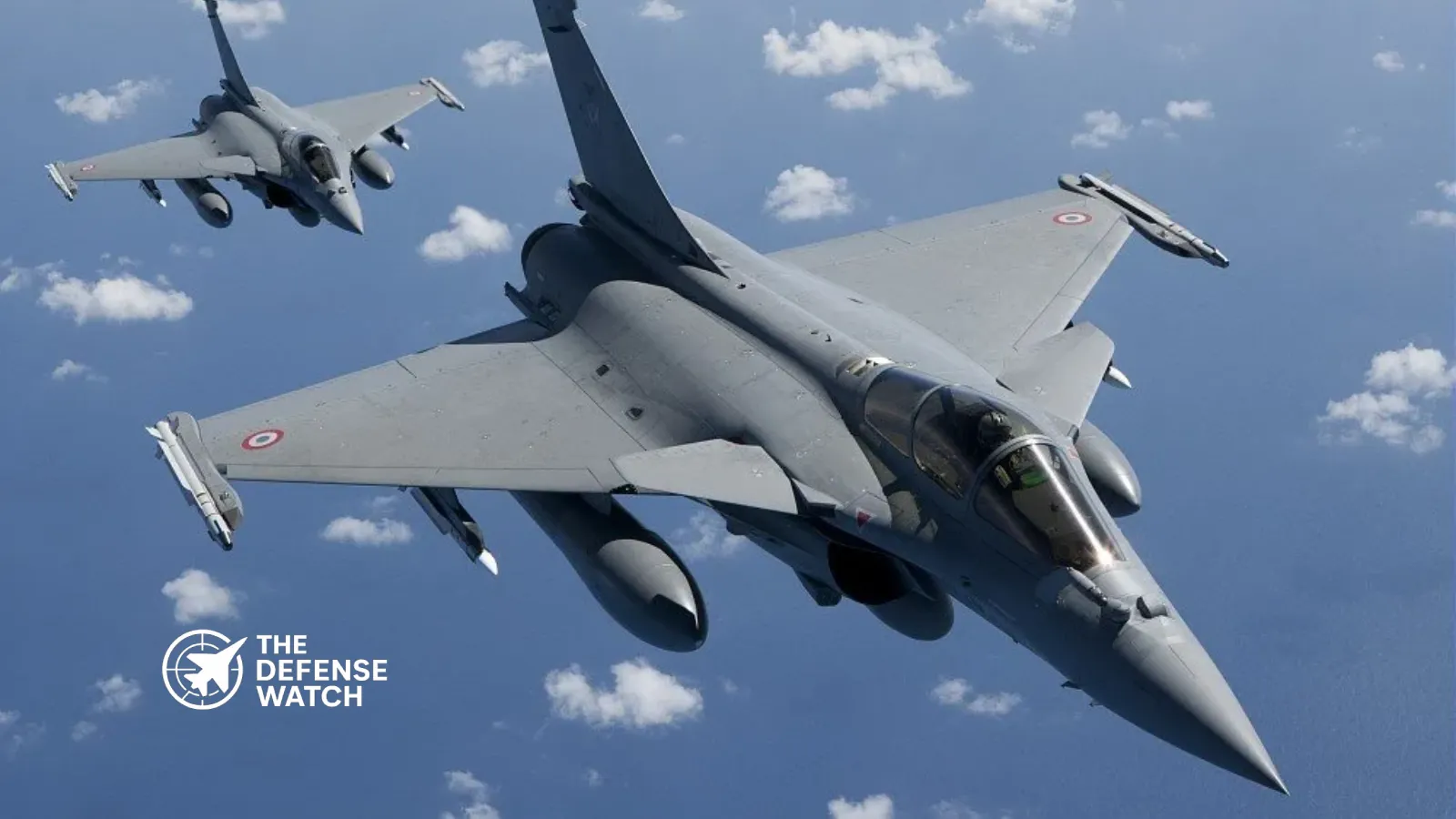
A French Air and Space Force Rafale fighter operating under NATO’s Baltic Air Policing mission shot down an unidentified drone that entered Latvian airspace on June 8, marking the first live drone engagement by French fighters during the mission. The incident underscores NATO’s growing focus on countering aerial threats and electronic warfare along its northeastern border.
French Rafale Shoots Down Drone During NATO Baltic Air Policing Mission
A French Rafale drone interception over Latvia has marked a significant operational milestone for NATO’s Baltic Air Policing mission, demonstrating the alliance’s ability to rapidly respond to emerging aerial threats on its eastern flank.
According to the French Ministry of the Armed Forces, two French Rafale C fighters launched from Šiauliai Air Base in Lithuania on June 8 following an Alpha Scramble order issued by NATO’s Combined Air Operations Centre (CAOC) in Uedem, Germany. During the mission, one of the fighters destroyed an unauthorized drone flying over Latvian airspace.
French officials described the event as the first live drone shootdown conducted by French fighters during NATO’s Baltic Air Policing mission. The deployment includes four Rafale fighters and approximately 100 French personnel assigned to Lithuania between April and August 2026.
Latvia Links Incident To Russian Electronic Warfare
Latvia’s National Armed Forces confirmed that NATO aircraft intercepted the drone after it entered Latvian airspace over the Latgale region.
Officials stated the aircraft entered Latvian airspace as a consequence of Russian electromagnetic warfare, although authorities did not publicly identify the drone’s origin or model. Air threat warnings issued for several municipalities in eastern Latvia were lifted after the engagement.
The incident occurred amid increasing reports of drones unintentionally crossing into NATO territory as electronic warfare activity intensifies near the alliance’s eastern border.
NATO Demonstrates Rapid Air Defense Response
The engagement highlights how Baltic Air Policing has evolved beyond traditional interceptions of military aircraft.
Originally established in 2004 to protect the airspace of Estonia, Latvia, and Lithuania, the NATO mission increasingly faces challenges posed by drones, electronic warfare, cruise missiles, and other low altitude threats.
The French Rafales responded under NATO command after receiving orders from the Combined Air Operations Centre, illustrating the alliance’s integrated command structure and ability to coordinate multinational air defense assets within minutes.
Baltic Air Policing French Deployment
Capability Details Aircraft 4 Rafale C fighters Operating Base Šiauliai Air Base, Lithuania Deployment Period April 1 to August 1, 2026 Personnel Around 100 French Air and Space Force personnel NATO Command CAOC Uedem, Germany Mission Baltic Air Policing Source: French Ministry of the Armed Forces.
Why The Incident Matters
Although only a single drone was destroyed, the operational significance extends beyond the immediate engagement.
Russia’s ongoing war against Ukraine has transformed drones from tactical reconnaissance platforms into routine weapons capable of crossing national borders intentionally or unintentionally through navigation failures, GPS spoofing, or electronic warfare.
For NATO, every unauthorized aerial object entering alliance airspace requires rapid identification and, when necessary, immediate neutralization to protect civilian populations and military infrastructure.
This incident also demonstrates that Baltic Air Policing has shifted from a mission focused largely on intercepting Russian military aircraft to one increasingly tasked with responding to complex, low altitude drone threats.
Counter Drone Missions Becoming A Core NATO Requirement
The growing frequency of drone incursions has exposed capability gaps across Europe.
Small unmanned aircraft are more difficult to detect than conventional military aircraft because they fly lower, present smaller radar signatures, and can be affected by electronic warfare.
For NATO air forces, successful counter drone operations increasingly depend upon:
- Integrated radar networks
- Electronic surveillance systems
- Rapid command and control
- Fighter aircraft capable of immediate interception
- Ground based air defense coordination
The Latvian incident demonstrates that these systems are becoming increasingly integrated across NATO’s eastern flank.
Strategic Implications For European Air Defense
The shootdown also reflects the broader evolution of European air defense following repeated drone incidents near NATO borders.
Several Baltic states have sought stronger integrated air and missile defense capabilities after multiple drone incursions over the past two years. Electronic warfare has emerged as an additional challenge because GPS jamming and spoofing can redirect unmanned aircraft away from their intended routes, creating hazards for neighboring countries even when those aircraft were never intended to enter NATO territory.
From a strategic perspective, the French Rafale engagement signals that NATO is increasingly willing to respond decisively to unidentified aerial threats entering alliance airspace, regardless of whether they originate from deliberate incursions, navigation failures, or electronic interference.
For France, the operation also demonstrates the Rafale’s expanding operational role beyond conventional air superiority and strike missions. The aircraft is now regularly employed within NATO’s integrated air defense architecture, including real world counter drone operations.