(adsbygoogle = window.adsbygoogle || []).push({});Executive Summary:
Switzerland has signed a contract with KNDS for 32 AGM Artillery Gun Module systems mounted on Piranha IV 10×10 vehicles, replacing its aging M109 artillery fleet. The procurement is a key step in modernizing the Swiss Army’s indirect fire capability with greater mobility, automation, precision, and survivability.
Switzerland Advances Artillery Modernization With AGM Artillery System
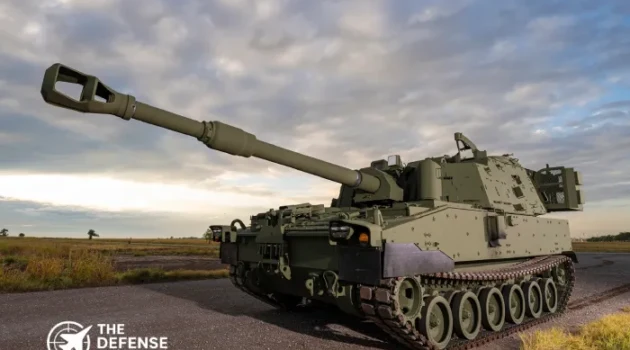
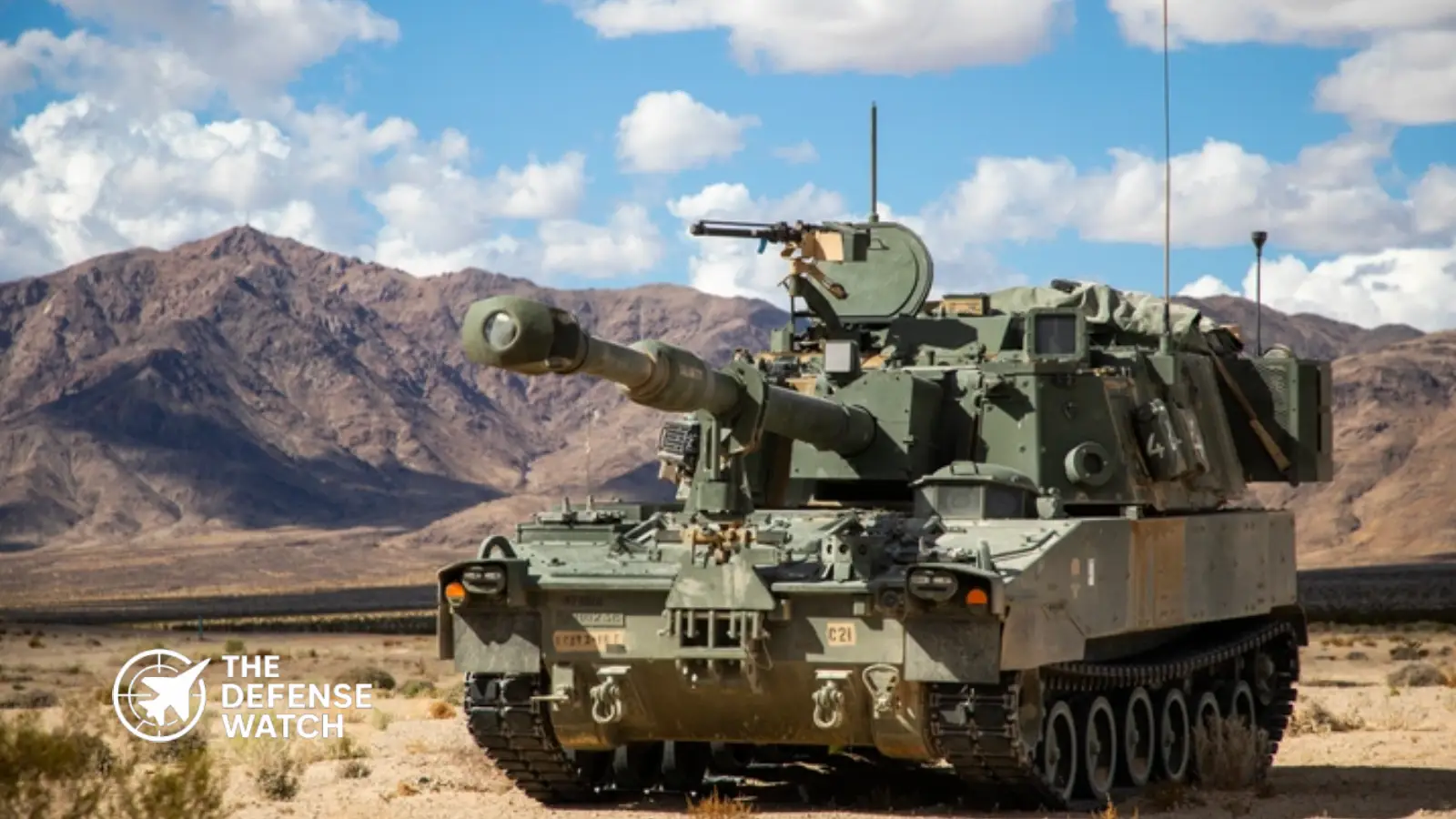
Switzerland’s AGM artillery system procurement marks one of the country’s most significant land warfare modernization efforts in recent years. The Swiss Federal Office for Defence Procurement (armasuisse) has signed a contract with KNDS Deutschland for the acquisition of 32 AGM Artillery Gun Module systems integrated onto the Piranha IV 10×10 wheeled platform. The new capability will replace the Swiss Army’s M109 self-propelled howitzers, many of which trace their origins to the 1960s.
The contract also includes a prototype vehicle, ammunition handling equipment, logistics support packages, training systems, spare parts, technical documentation, and newly developed ammunition loading containers. Deliveries of production systems are expected to begin in 2031 following prototype qualification activities planned for 2027 and 2028.
Why Switzerland Selected The AGM On Piranha IV
The AGM artillery system was selected following a multi-year evaluation process that included mobility trials in Switzerland, field testing, and logistical assessments abroad. Swiss authorities formally selected the system in late 2024 before advancing the acquisition through the Armed Forces Dispatch 2025 program.
The system combines KNDS’s automated AGM turret with the Piranha IV carrier vehicle produced by GDELS-Mowag, a long-established Swiss defense manufacturer. The combination offers high mobility while retaining the firepower of a modern 155mm/L52 artillery system.
According to KNDS, the AGM features a fully automated loading system and can conduct artillery missions while on the move. The system is designed to support rapid “shoot-and-scoot” tactics, allowing crews to fire and relocate quickly to reduce exposure to enemy counter-battery fire.
(adsbygoogle = window.adsbygoogle || []).push({});Replacing A Cold War-Era Capability
The retirement of the M109 fleet reflects a broader trend among European militaries seeking longer-range, more mobile, and digitally connected artillery systems.
Switzerland’s current M109 artillery platforms have served for decades and are approaching the end of their operational lifespan. The AGM artillery system introduces significant advances in automation, networked command and control, protection, and precision engagement capabilities. Swiss defense officials have stated that the new platform will improve operational responsiveness while extending engagement ranges through the use of modern ammunition types.
The procurement also includes an initial stock of modern projectiles and fuzes intended to improve target effects and increase artillery reach compared with existing Swiss inventory.
Strategic Importance For Switzerland And Europe
Beyond military modernization, the program carries industrial and strategic significance.
Swiss authorities have emphasized that selecting the Piranha IV platform supports domestic industrial participation while aligning with the country’s defense procurement strategy, which encourages closer cooperation with European defense suppliers. The acquisition combines European industrial collaboration with the preservation of key defense manufacturing capabilities inside Switzerland.
The contract also strengthens KNDS’s position in the growing market for wheeled self-propelled artillery systems. The company already supplies advanced artillery platforms to several European and international operators, and Switzerland’s decision adds another customer for the AGM-based family of systems.
(adsbygoogle = window.adsbygoogle || []).push({});Analysis: A Shift Toward Mobility And Survivability
The Switzerland AGM artillery system acquisition highlights how modern artillery requirements have evolved beyond simple range and firepower.
Current operational lessons from conflicts in Europe and elsewhere have underscored the importance of rapid displacement, digital targeting, reduced crew workload, and improved survivability against drones and counter-battery systems. The AGM on Piranha IV directly addresses these requirements through automation and wheeled mobility.
For Switzerland, a country whose defense planning prioritizes rapid response and territorial defense, the ability to reposition artillery quickly across road networks while maintaining long-range fire support provides a significant operational advantage. The platform’s automation also reduces crew requirements, helping address manpower efficiency challenges common across many European armed forces.
The procurement therefore represents more than a replacement program. It reflects a broader transformation of Swiss indirect fire doctrine toward faster, more networked, and more survivable artillery operations.