

Executive Summary:
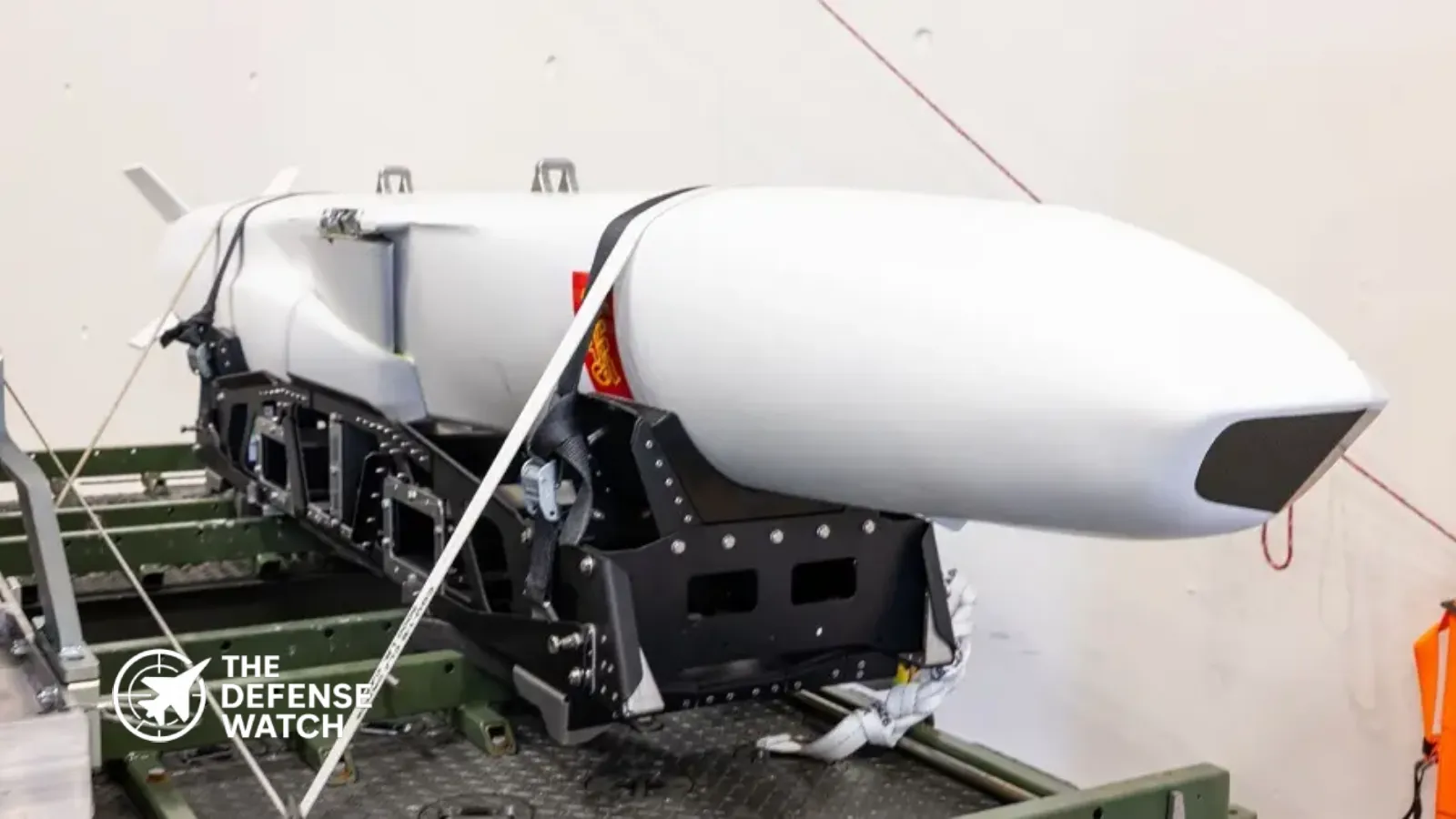
Kongsberg has secured an approximately $100 million contract to deliver additional Joint Strike Missiles (JSM) to the U.S. Air Force. Deliveries will continue through June 2030, expanding the USAF’s inventory of stealth compatible precision strike weapons designed for the F-35A Lightning II.
Kongsberg Wins New U.S. Air Force Joint Strike Missile Contract
Kongsberg has received another Joint Strike Missile (JSM) production contract from the U.S. Air Force, reinforcing the growing role of the Norwegian-developed weapon in America’s fifth generation air combat capability. The company announced the agreement on July 16, stating the contract is valued at approximately $100 million, with deliveries scheduled for completion by the end of June 2030.
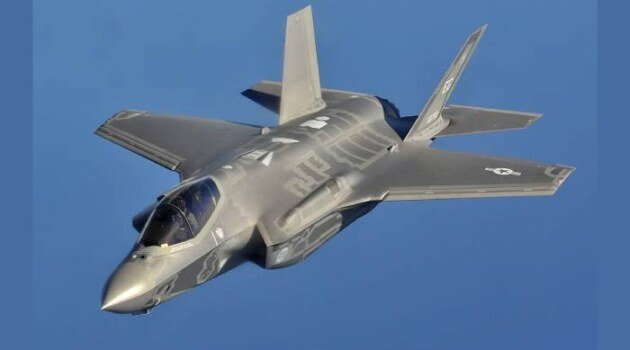
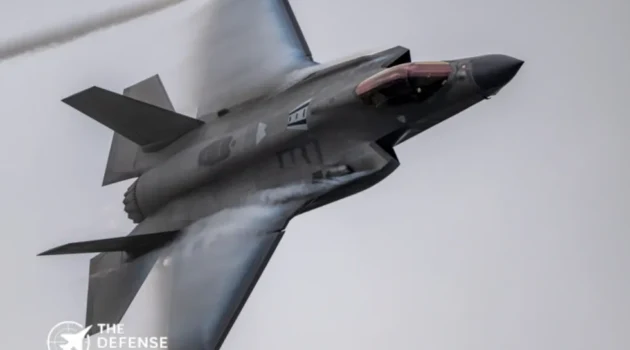
The award represents the latest step in the Air Force’s continuing procurement of the JSM as it expands operational strike options for the F-35A Lightning II fleet. The missile is specifically engineered to fit inside the aircraft’s internal weapons bay, allowing the fighter to preserve its low observable characteristics while carrying a long range precision weapon.
A Missile Designed Around The F-35
Unlike many legacy air launched weapons that require external carriage, the Joint Strike Missile was designed from the outset to integrate with the F-35’s internal weapons bays.
This capability enables the aircraft to maintain its stealth profile during missions while retaining the ability to strike heavily defended land and maritime targets at stand off ranges.
According to Kongsberg, the missile incorporates:
Capability Details Platform F-35A Lightning II Mission Land attack and anti-surface warfare Length Approximately 4 meters Weight Approximately 416 kg Range More than 350 km Guidance Passive sensors, GPS/INS, terrain following, autonomous target recognition Flight Profile High subsonic with terminal maneuver capability The JSM is derived from the combat proven Naval Strike Missile (NSM) family but incorporates significant modifications for air launch operations, including redesigned aerodynamics, internal carriage compatibility, and advanced mission planning capabilities.
Contract Continues A Growing U.S. Procurement Program
The latest award follows several previous U.S. Air Force contracts for JSM production.
In 2024, the Air Force signed an initial undefinitized contract action valued at up to $141 million for the first production lot. Subsequent production awards have steadily expanded procurement as the missile progresses toward broader operational fielding across the USAF F-35A fleet.
Although Kongsberg has not disclosed the number of missiles included in the newest order, the contract extends production through mid 2030, providing longer term manufacturing stability while supporting continued fleet integration.
Strategic Importance For U.S. Air Power
The significance of the contract extends well beyond its dollar value.
Modern air operations increasingly depend on weapons that allow aircraft to engage high value targets without entering heavily defended airspace. As integrated air defense systems continue to improve worldwide, stand off precision weapons have become central to U.S. operational planning.
The Joint Strike Missile addresses this requirement by combining several important attributes:
- Internal carriage for stealth aircraft
- Long range precision engagement
- Capability against both maritime and land targets
- Autonomous navigation and target recognition
- Reduced radar signature throughout flight
For the U.S. Air Force, these characteristics provide commanders with greater flexibility during operations in highly contested environments, particularly across the Indo-Pacific and other regions where advanced air defenses present increasing challenges.
Expanding International User Base
The missile’s international adoption also strengthens interoperability among F-35 operators.
According to Kongsberg, the Joint Strike Missile has now been selected by:
- United States
- Australia
- Canada
- Germany
- Japan
- Norway
A growing common inventory allows allied air forces to simplify logistics, training, mission planning, and coalition operations while benefiting from shared sustainment and future upgrades.
Why The New Contract Matters
From a broader modernization perspective, the contract highlights several important defense trends.
First, the United States continues investing in precision stand off munitions capable of operating alongside fifth generation aircraft rather than relying solely on legacy weapons adapted for stealth platforms.
Second, the award reflects the increasingly multinational nature of advanced weapons procurement. The JSM originated in Norway but has become an important capability for multiple allied F-35 operators, demonstrating how collaborative defense development can accelerate capability delivery.
Finally, extending deliveries through 2030 provides industry with greater production predictability at a time when NATO members and Indo-Pacific allies are expanding purchases of precision guided munitions amid rising global demand.
While the contract itself is relatively modest compared with major aircraft procurement programs, it contributes directly to sustaining the long range strike inventory that underpins future F-35 operations for both the United States and allied air forces.

- ► Kongsberg awarded NOK 410 million contract by NDMA to upgrade Skjold-Class corvettes radar and sensors.
- ► Program focuses on enhancing situational awareness, detection range, and maritime combat effectiveness.
- ► Upgrades extend operational life of Norway high-speed coastal combat vessels.
- ► Contract supports Norway broader naval modernization and Arctic security strategy.
- ► Strengthens Kongsberg role as key supplier to Norwegian defense forces.
Kongsberg Secures Skjold-Class Corvettes Radar Upgrade To Boost Norway Coastal Defense
The Skjold-Class Corvettes radar upgrade is moving forward after Kongsberg signed a NOK 410 million contract with the Norwegian Defence Materiel Agency, marking a significant step in Norway naval modernization plan.
(adsbygoogle = window.adsbygoogle || []).push({});Under the agreement, Kongsberg will modernize radar and sensor systems aboard the Royal Norwegian Navy Skjold-Class corvettes. The contract, valued at approximately NOK 410 million, aims to enhance detection capabilities, improve situational awareness, and ensure the vessels remain operationally relevant in increasingly complex maritime environments.
According to the announcement, the work will focus on upgrading critical surveillance and sensor components to strengthen combat performance and extend service life.
Modernizing A Unique High-Speed Combat Platform
The Skjold-Class corvettes are among the fastest operational combat vessels in the world. Built for coastal operations, they combine stealth features, air-cushion technology, and advanced missile systems. Their role is centered on rapid response and sea denial in Norway coastal waters.
Improving radar and sensor performance directly enhances these missions. Modern naval warfare places heavy emphasis on early detection, electronic resilience, and networked operations. Upgraded sensors increase the ships ability to detect surface and aerial threats at greater ranges while improving target tracking and fire control integration.
This Skjold-Class Corvettes radar upgrade aligns with broader trends across NATO fleets, where legacy platforms are being modernized to counter advanced anti-ship missiles, drones, and electronic warfare threats.
Strengthening Norway Arctic And Coastal Posture
Norway strategic geography, including its long coastline and proximity to the High North, demands strong maritime domain awareness. The Royal Norwegian Navy relies on fast, agile vessels like the Skjold-Class to monitor and defend coastal approaches.
(adsbygoogle = window.adsbygoogle || []).push({});Upgrading radar and sensors enhances maritime surveillance in contested environments. It also improves interoperability with allied naval and air assets operating in the North Atlantic and Arctic regions.
The contract reflects Norway commitment to maintaining credible deterrence through incremental modernization rather than wholesale fleet replacement. As defense budgets rise across Europe, many nations are extending platform lifespans while integrating more capable electronics.
Kongsberg Expands Domestic Industrial Role
Kongsberg has long served as a core supplier to Norway defense establishment, providing missile systems, combat management systems, and maritime technologies. This new Skjold-Class Corvettes radar upgrade reinforces its role as a domestic industrial anchor for naval capabilities.
By keeping upgrades within national industry, Norway sustains sovereign control over sensitive technologies and ensures long-term supportability. That approach is increasingly important in a security environment marked by supply chain risks and geopolitical uncertainty.
(adsbygoogle = window.adsbygoogle || []).push({});The NOK 410 million contract also underscores steady investment in maintenance and modernization rather than headline-grabbing procurement programs. Incremental improvements often deliver substantial operational gains at lower cost and risk.
Operational Impact And Future Outlook
While detailed technical specifications were not publicly disclosed, radar and sensor upgrades typically involve improved signal processing, enhanced electronic counter-countermeasures, and integration with modern command and control networks.
For the Skjold-Class fleet, this means improved reaction time against fast-moving threats and better integration with Norway joint force structure. In practical terms, commanders gain clearer maritime pictures, stronger threat discrimination, and more reliable targeting data.
(adsbygoogle = window.adsbygoogle || []).push({});The Skjold-Class Corvettes radar upgrade therefore supports both national defense requirements and allied commitments. Norway plays a key role in NATO northern flank operations, and credible coastal combatants contribute to regional stability.
As naval warfare becomes more sensor-driven, investments in detection and electronic resilience can be as decisive as new hulls or weapons. This contract signals that Norway recognizes that shift.
Poland orders Kongsberg counter drone batteries
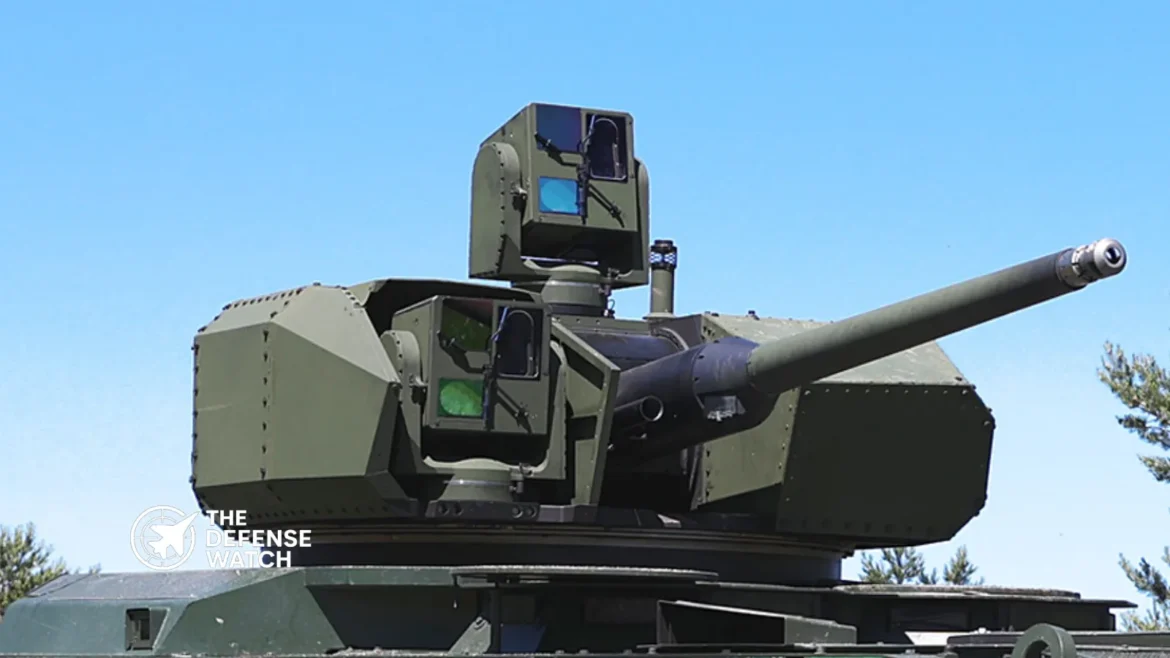
Poland counter drone systems took a major step forward as Warsaw confirmed an order for 18 counter drone batteries from Norwegian defense firm Kongsberg in a deal valued at around 1.5 billion dollars. The agreement marks one of Poland’s largest investments to date in dedicated counter unmanned aerial systems and reflects growing concern across NATO over the battlefield impact of drones.
The contract was reported by Army Recognition and aligns with Poland’s broader air and missile defense modernization effort, which has accelerated since Russia’s invasion of Ukraine. Polish officials have repeatedly cited lessons from the war, where low cost drones have proven effective against armored vehicles, artillery, and logistics hubs.
According to available details, the new systems will be used to protect critical military units and infrastructure against a wide range of unmanned threats, including small reconnaissance drones and loitering munitions.
What Poland is buying
The deal covers 18 complete counter drone batteries built around Kongsberg technology. While full technical specifications have not been publicly released, Kongsberg is best known for its integrated air defense and sensor fusion capabilities.
The batteries are expected to combine radar, electro optical sensors, command and control elements, and effectors designed to detect, track, identify, and neutralize hostile drones. Such layered architectures are now considered essential as adversaries increasingly deploy swarms and low observable unmanned systems.
Kongsberg has extensive experience in air defense through programs such as NASAMS, which is already in service with Poland. Analysts note that interoperability with existing Polish and NATO systems was likely a key factor in the selection.
Strengthening Poland air defense modernization
Poland air defense modernization has become a top national priority. In recent years, Warsaw has committed tens of billions of dollars to new tanks, artillery, combat aircraft, missile defenses, and air surveillance assets.
Counter drone systems fill a critical gap between traditional short range air defense and electronic warfare. Conventional missiles are often too expensive to use against small drones, while electronic jamming alone may not be effective against autonomous or hardened systems.
By investing in dedicated counter UAS batteries, Poland aims to improve force protection for maneuver units and fixed sites, particularly along NATO’s eastern flank.
NATO context and regional impact
The acquisition also has clear NATO implications. Poland sits at the center of alliance efforts to reinforce deterrence in Central and Eastern Europe. Counter drone defenses are increasingly viewed as a shared requirement, especially after extensive drone use observed in Ukraine, the Middle East, and the Red Sea region.
Norway, Poland, and several other NATO members already cooperate closely on air defense and command and control standards. The use of Kongsberg systems supports common architectures and simplifies joint operations and training.
Defense officials in multiple allied countries have warned that drones are no longer a niche threat but a core feature of modern conflict, capable of overwhelming legacy defenses if left unaddressed.
Industrial and strategic considerations
Beyond capability, the deal underscores Poland’s willingness to source key systems from trusted European partners. While Warsaw has also turned to the United States and South Korea for major procurements, cooperation with Norwegian industry strengthens Europe’s defense industrial base.
Kongsberg has steadily expanded its footprint across Europe and North America, positioning itself as a leading supplier of networked air defense and counter drone solutions. The Polish contract further reinforces that role.
The agreement may also include training, logistics support, and long term maintenance, ensuring sustained readiness over the coming years.
Why counter drone systems matter now
The rapid spread of unmanned systems has reshaped military planning. Commercial components, rapid innovation cycles, and low unit costs allow even non state actors to field effective drone capabilities.
In Ukraine, drones have been used for targeting, strike missions, and psychological pressure. Similar trends have been observed in conflicts involving Israel, Iran backed groups, and Russian forces.
As a result, counter drone systems are now seen as essential as armored vehicles or artillery, particularly for protecting headquarters, air bases, ammunition depots, and frontline units.
What comes next
Deliveries and integration timelines have not yet been publicly disclosed. However, Polish defense officials have signaled urgency in fielding new counter UAS capabilities as quickly as possible.
The Kongsberg systems are expected to be integrated into Poland’s broader air defense command network, enabling shared situational awareness and coordinated responses to aerial threats.
As NATO continues to adapt to drone driven warfare, Poland’s investment is likely to be closely watched by other allied nations considering similar acquisitions.

Kongsberg Maritime has joined the prequalification stage of Norway’s competition to design and conceptually develop a new fleet of standardised vessels for the Royal Norwegian Navy under the P1118 programme, according to the company and defence sources.
Kongsberg Joins P1118 Prequalification
Kongsberg Maritime confirmed its participation in the P1118 national competition led by the Norwegian Defence Materiel Agency, which covers design and early concept work for as many as 28 standardised vessels intended to form a future common platform across the Royal Norwegian Navy.
Per Håvard Siljan Hjukse, Executive Vice President at Kongsberg Maritime, said the company is entering with its full product portfolio, spanning ship design and integrated systems for advanced naval vessels.
The bid comes as Kongsberg prepares to spin off its maritime business as an independent entity and list it on the Oslo Stock Exchange in April 2026, a move the firm says strengthens its long-term commitment to defence and naval customers.
P1118 Programme Aims and Scope
The P1118 programme is meant to establish a standardised class of vessels for the Royal Norwegian Navy capable of fulfilling various roles, potentially reducing logistical and maintenance complexity while enabling fleet flexibility. Up to 28 ships could be developed under the initiative.
Norway’s broader naval modernisation effort has been underway amid plans to replace older combatants and support craft, part of a long-term defence investment. Previous reporting notes Norway’s work on future frigates and maritime strategy to strengthen naval capability.
Kongsberg’s Industrial Position
Kongsberg Maritime highlights decades of ship design experience, including designs for more than 1,000 vessels and naval systems integration for allied surface combatant programmes such as the Type 26 frigates under construction for the UK, Canada, Australia, and Norway.
The company also points to mature solutions for naval and coast guard vessels, with technology installed on thousands of ships globally, as a foundation for its P1118 bid.
With the maritime business becoming a publicly traded independent company, Kongsberg is projecting increased focus on leveraging its systems and ship design capabilities into expanded naval work.
Strategic and Industrial Impacts
Norway’s drive to a standardised vessel class aligns with broader defence industrial goals, including maintaining sovereign design and build capacity in shipbuilding and integrating technologies suited to varied missions. Industry observers note this approach can strengthen export potential for Norway’s maritime sector.
This development follows other collaborative moves in the region and among allied producers. Earlier reports highlighted cooperation between Kongsberg and international firms such as BAE Systems, which may shape cross-border maritime work, though those relate to different vessel programmes.
What Comes Next
The P1118 prequalification is an early step in what is expected to be a multi-stage competition to select a lead designer and concept partner for the new vessel class. Final selections and contracts are likely months away as Norway balances capability requirements with industrial participation. Scheduled ship deliveries and future timelines have not yet been published by the Norwegian Defence Materiel Agency.