

Executive Summary:
The United States and Iran are reviewing a proposed framework aimed at ending months of conflict in the Gulf region. While President Donald Trump signaled optimism about a rapid breakthrough, major disagreements over Iran’s nuclear activities and maritime control in the Strait of Hormuz remain unresolved.
Trump Iran Peace Proposal Signals Possible Diplomatic Breakthrough
The Trump Iran peace proposal has emerged as the most significant diplomatic development since fighting escalated earlier this year across the Gulf region. U.S. President Donald Trump said negotiations with Tehran had progressed rapidly over the past 24 hours, raising expectations that a temporary agreement could soon be reached.
According to Reuters, the proposed framework centers on a short memorandum intended to formally halt hostilities while opening a broader negotiation process between Washington and Tehran. The discussions are reportedly being mediated through Pakistan, which has served as the primary communication channel between both sides.
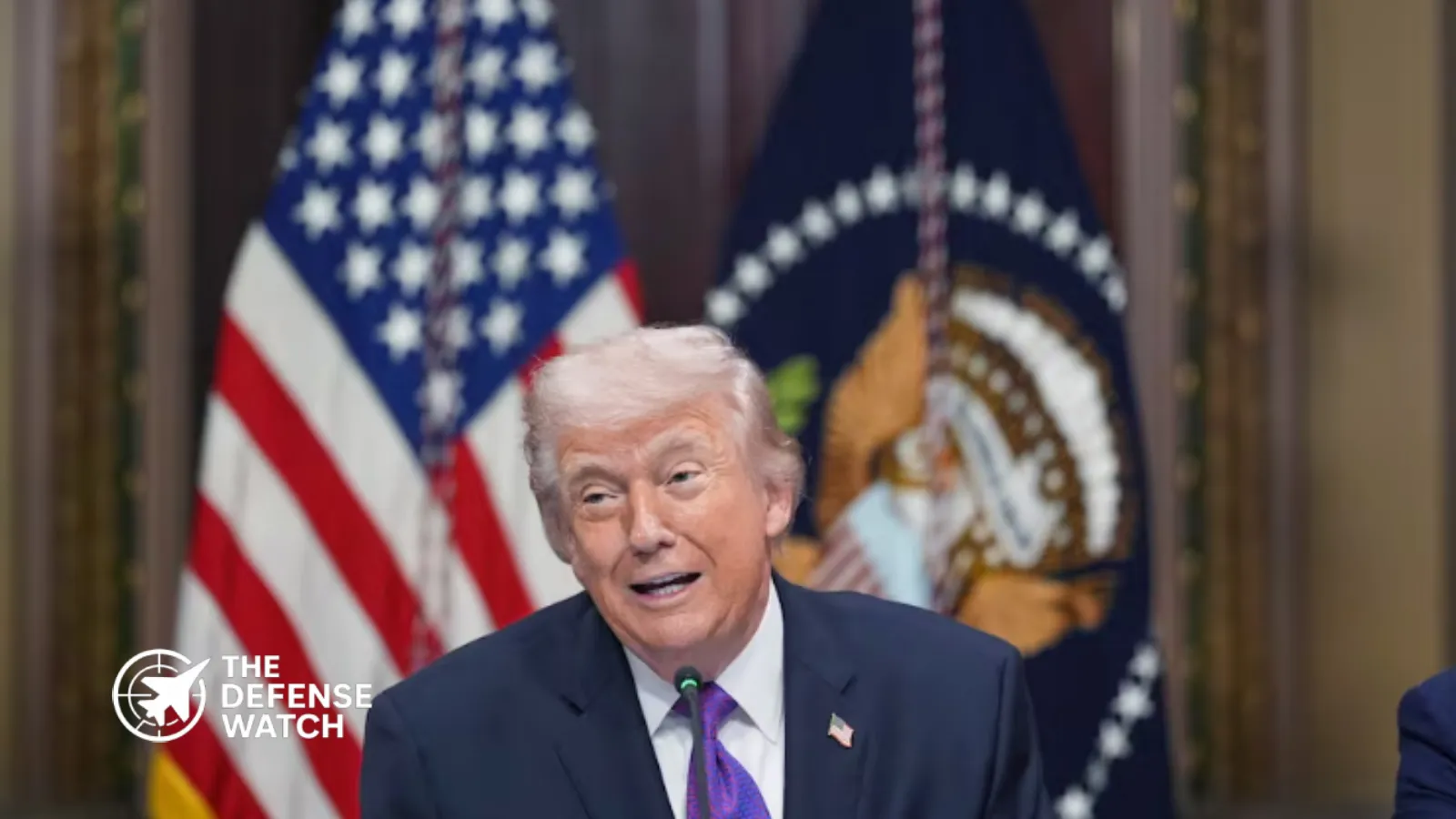
Trump told reporters at the White House that “very good talks” had taken place and suggested the conflict could “be over quickly.” Iranian officials, however, publicly downplayed the optimism coming from Washington, describing parts of the proposal as unrealistic and heavily weighted toward U.S. demands.
Key Issues Still Divide Washington And Tehran
Despite renewed diplomacy, the Trump Iran peace proposal leaves several critical issues unresolved.
Sources familiar with the negotiations said the preliminary framework does not directly address longstanding U.S. demands concerning Iran’s ballistic missile program, regional proxy networks, or Tehran’s stockpile of near weapons grade uranium.
The Strait of Hormuz remains another major sticking point. Iran’s control and blockade activities around the strategic waterway have disrupted global shipping and energy markets for weeks. Before the conflict, the strait handled roughly one fifth of global oil and gas shipments, making the crisis one of the most economically significant maritime confrontations in recent years.
The current framework reportedly proposes a phased process. The first stage would formally halt military operations. The second would focus on restoring commercial navigation through the Strait of Hormuz. A final stage would launch a 30 day negotiation period aimed at securing a broader political and security agreement.
Iranian lawmakers have already expressed skepticism. Ebrahim Rezaei, spokesperson for Iran’s parliamentary national security committee, described the proposal as “more of an American wish list than a reality.”
Global Markets React To Signs Of De-Escalation
Financial markets reacted immediately to reports of possible progress.
Brent crude prices fell sharply after news emerged that Washington and Tehran were nearing a temporary arrangement. Investors interpreted the talks as a sign that oil shipments through the Gulf could eventually stabilize. Global equity markets also moved higher on expectations that wider regional escalation might be avoided.
The market response highlights how deeply the conflict has affected international trade and energy security. Military activity around the Strait of Hormuz has disrupted shipping routes, increased insurance costs for commercial vessels, and intensified concerns about long term supply instability across Asia and Europe.
From a strategic perspective, the crisis has reinforced the vulnerability of global energy infrastructure to regional military confrontation. Even limited maritime disruptions in the Gulf continue to generate immediate effects on oil pricing, naval deployments, and international trade flows.
U.S. Military Pressure Continues Alongside Diplomacy
Although diplomacy has accelerated, U.S. military operations in the region have not fully stopped.
Reuters reported that American naval forces continue enforcing maritime restrictions around Iranian shipping activity. U.S. Central Command also reportedly disabled an Iranian flagged tanker accused of violating blockade conditions.
At the same time, reports indicate that Trump paused a planned naval mission intended to reopen the Strait of Hormuz by force, citing progress in negotiations.
This dual track strategy, combining military pressure with diplomatic outreach, reflects a broader U.S. effort to maintain leverage during negotiations while avoiding a prolonged regional war.
Regional dynamics also remain fragile. Israeli strikes against Hezbollah targets in Beirut and continued tensions involving Gulf states underscore how quickly the conflict could expand again if talks collapse.
Strategic Analysis
The Trump Iran peace proposal appears designed less as a final settlement and more as a mechanism to freeze escalation while broader negotiations continue.
For Washington, a temporary agreement could reduce pressure on global energy markets and prevent deeper U.S. military involvement in another prolonged Middle East conflict. For Tehran, even a limited framework may provide economic breathing room while preserving core strategic capabilities.
However, the absence of binding commitments on Iran’s missile arsenal, proxy forces, and uranium stockpiles suggests the hardest issues remain unresolved. That raises the possibility that any near term agreement may only postpone future confrontation rather than permanently resolve it.
The negotiations also illustrate the growing role of regional intermediaries such as Pakistan in high risk geopolitical mediation. Islamabad’s involvement has become increasingly important as traditional diplomatic channels between Washington and Tehran remain politically constrained.
