• Home
  • About
  • Defense Systems
  • Manufacturer
  • Comparisons
  • Compare 
  • Tools
TheDefenseWatch.com
  • Aerospace & Aviation
  • Military & Ordnance
  • Naval & Maritime
  • Cyber & Space Defense
  • Policy & Strategy
  • Global News
  • Tools Library
    • Smart Calculator
    • Drone Flight Time Calculator
    • Drone Range Calculator
    • Counter-Drone Jammer Effective Range Calculator
    • Counter-Battery Radar Detection Calculator
    • Artillery Fire Correction Calculator
    • Thermal Camera Detection Range Calculator
    • Missile Range & Time-of-Flight Calculator
    • Radar Detection Range Calculator
    • FPV Strike Drone Payload vs Range Calculator
    • Loitering Munition Endurance Calculator
    • Sniper Ballistic Drop & Windage Calculator
    • Bullet Drop Calculator
    • U.S. Army Combat Fitness Test (ACFT) Calculator
    • Military Pension Calculator
    • Military Retirement Calculator
    • Military Pension Calculator
    • Large Number Calculator
Font ResizerAa

TheDefenseWatch.com

The Defense Watch | U.S. & Global Defense News, Analysis & Military Updates

Search
  • Home
  • About
  • Defense Systems
  • Manufacturer
  • Comparisons
  • Compare 
  • Tools

Stay Updated

Get the latest update

Subscribe

Explore

  • Drone
  • Fighter Jets & Military Aircraft
  • Hypersonic Weapons
  • Aircraft Carriers
  • Strategic History & Missions
  • Tools Library
Home » UAE Air Defenses Intercept Second Wave Of Iranian Missiles, No Casualties Reported
Middle East Defense & Security

UAE Air Defenses Intercept Second Wave Of Iranian Missiles, No Casualties Reported

Kaleem Sheikh | Regional Defense Correspondent
Last updated: February 28, 2026 8:56 am
Kaleem Sheikh | Regional Defense Correspondent
Share
5 Min Read
UAE air defenses intercept Iranian missiles
SHARE
■ KEY FACTS AT A GLANCE
  • ► UAE air defenses intercepted a second wave of Iranian missiles targeting the country.
  • ► No casualties or structural damage were reported, according to the Ministry of Defense.
  • ► Missile debris fell in multiple Abu Dhabi districts including Saadiyat Island and Khalifa City.
  • ► Authorities remain on high alert and reaffirmed full readiness against further threats.
  • ► The UAE called the attack a violation of sovereignty and reserved the right to respond.

UAE Air Defenses Intercept Iranian Missiles In Second Wave Attack

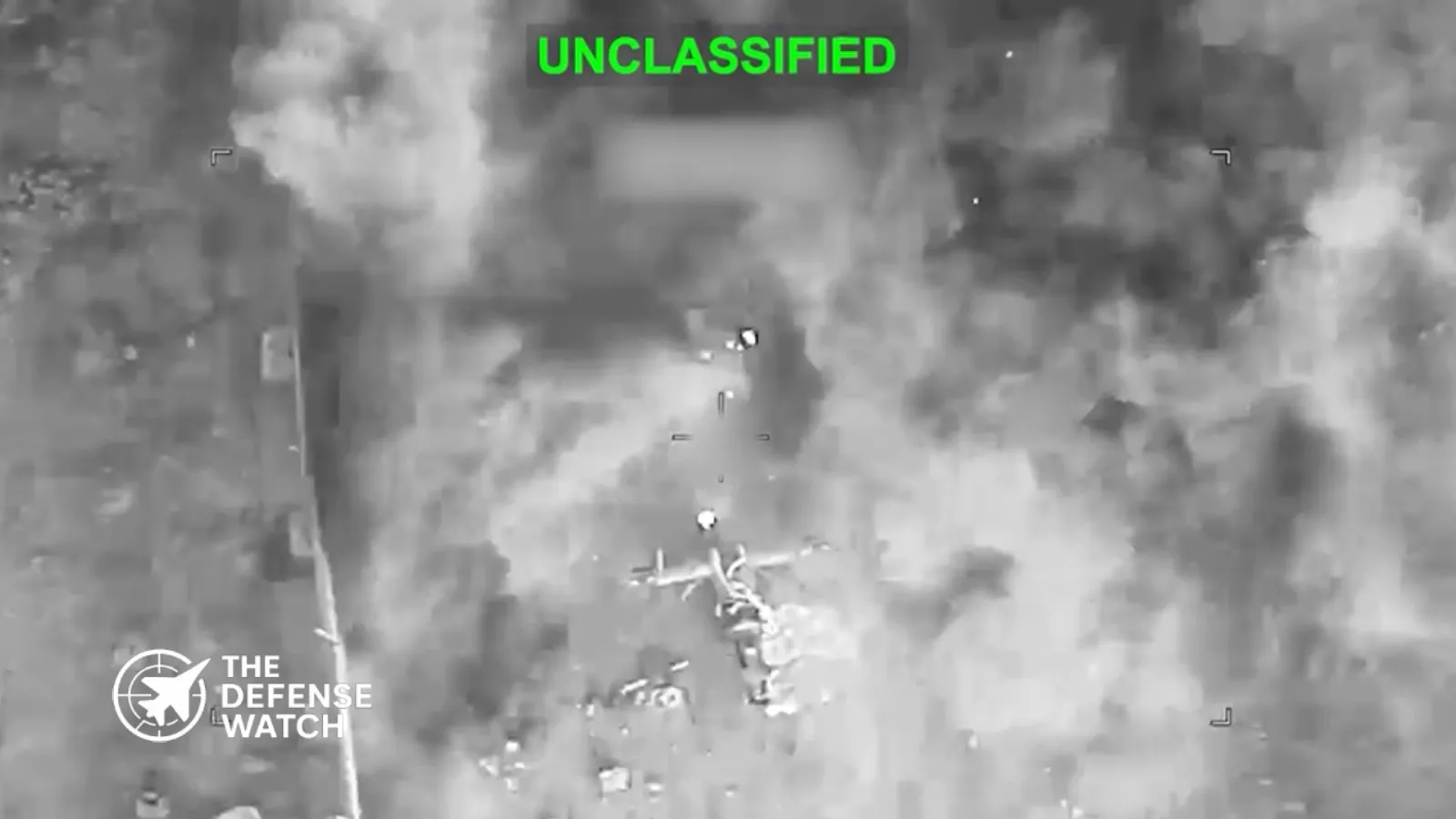
UAE air defenses intercept Iranian missiles for the second time in what officials described as a new wave of attacks targeting the country, according to a statement released by the UAE Ministry of Defense.

Contents
  • UAE Air Defenses Intercept Iranian Missiles In Second Wave Attack
    • Operational Readiness And Defensive Posture
    • Strategic Context
    • Information Control And Public Messaging
    • Broader Implications For Regional Missile Defense

The ministry said the incoming missiles were successfully destroyed before reaching their intended targets. Authorities confirmed there were no casualties and no reported structural damage.

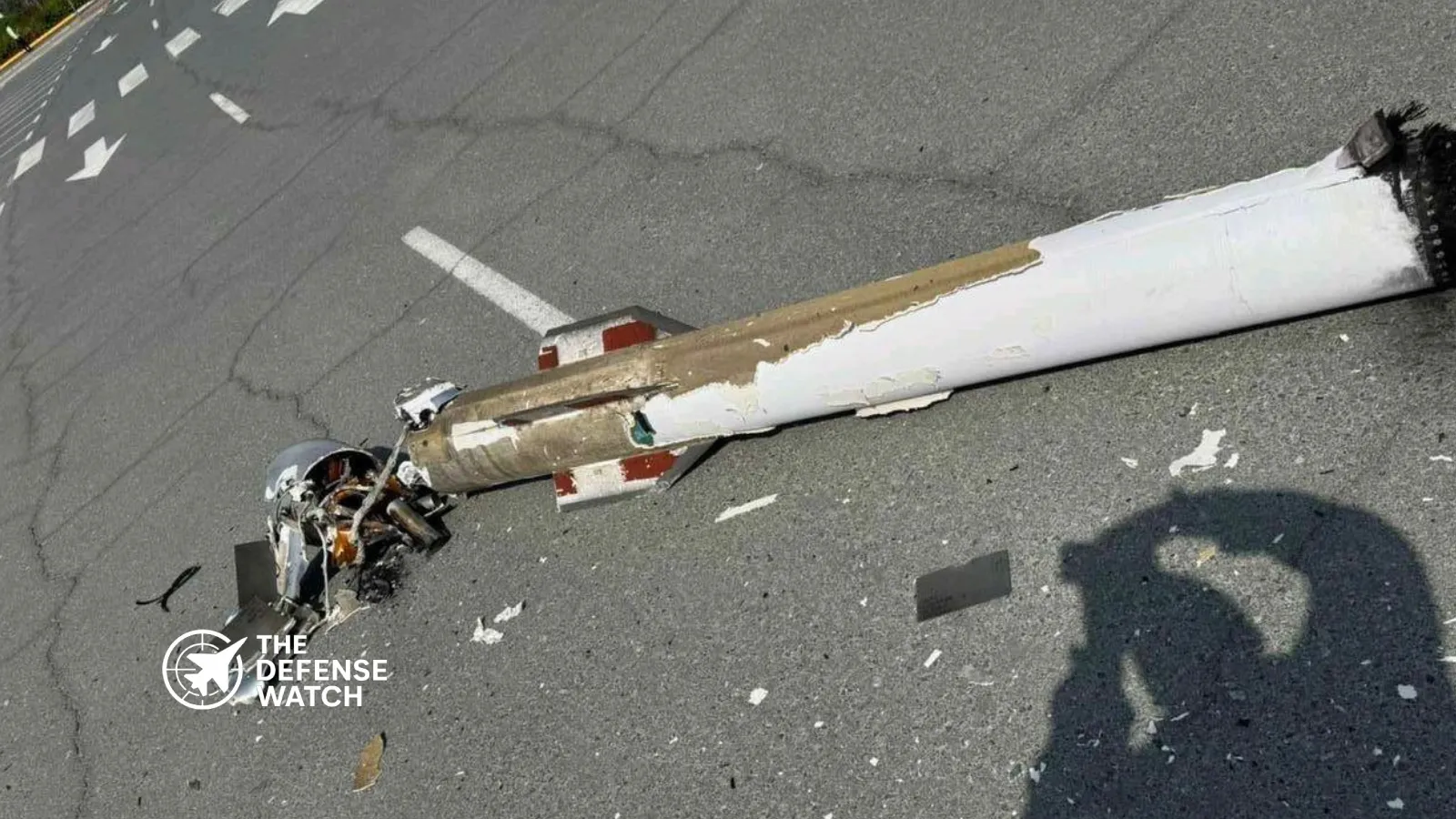
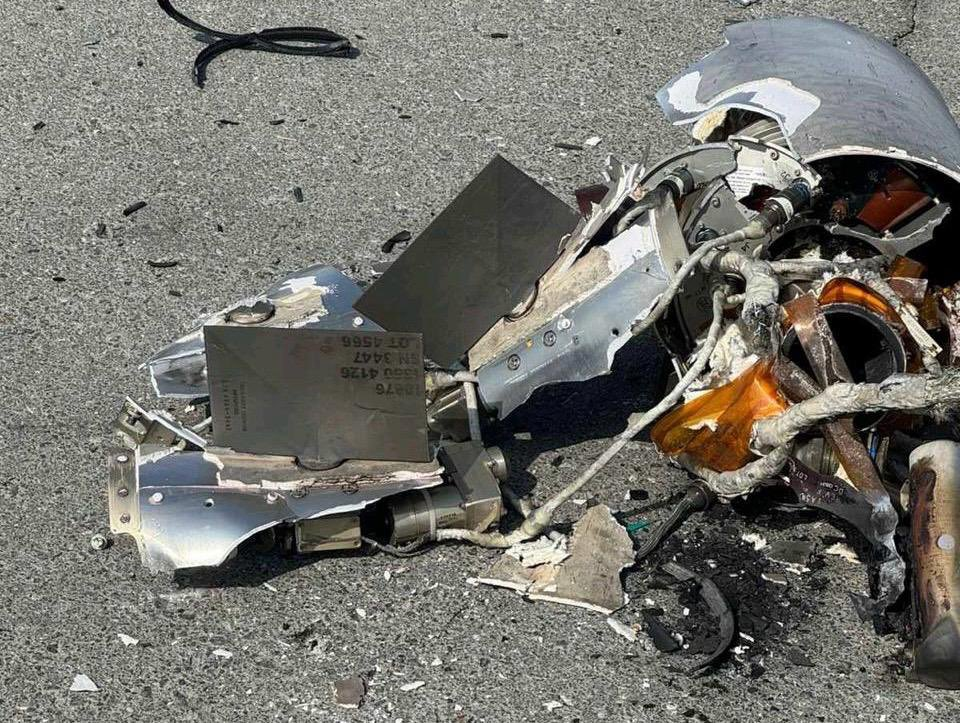
Fragments from the intercepted missiles fell across several areas of Abu Dhabi, including Saadiyat Island, Khalifa City, Bani Yas, Mohammed bin Zayed City, and Al Falah. Officials stressed that no injuries were recorded in those districts.

Operational Readiness And Defensive Posture

The UAE Ministry of Defense stated that the armed forces remain on high alert and are fully prepared to counter any additional threats. The ministry emphasized that protecting citizens, residents, and visitors remains its top priority.
- Advertisement -
UAE air defenses intercept Iranian missiles

While the specific air defense systems used were not publicly identified, the UAE operates a layered missile defense architecture that includes systems such as Terminal High Altitude Area Defense and Patriot surface to air missile batteries, according to previous disclosures by the U.S. Department of Defense and regional security reporting.

The rapid interception of a second wave suggests sustained operational readiness and integrated command and control capabilities. In recent years, the UAE has invested heavily in advanced radar coverage, early warning networks, and interceptor systems designed to counter ballistic and cruise missile threats.

Strategic Context

This latest Iranian missile attack on the UAE underscores ongoing volatility in the Gulf security environment. The UAE described the targeting as a flagrant violation of national sovereignty and international law, adding that it reserves the right to take necessary measures to protect its territory.

Tehran has not immediately commented in official state media channels at the time of writing. Regional tensions have fluctuated amid broader disputes involving maritime security, proxy networks, and missile proliferation across the Middle East.

The effectiveness of UAE air defenses intercepting Iranian missiles in successive engagements may carry strategic weight beyond immediate force protection. Gulf states have increasingly prioritized missile defense interoperability with the United States and regional partners.

UAE air defenses intercept Iranian missiles

According to the U.S. Defense Security Cooperation Agency, the UAE remains one of Washington’s closest security partners in the region, with ongoing cooperation in integrated air and missile defense.

Information Control And Public Messaging

The ministry urged the public to rely only on official sources for updates and avoid spreading unverified information. This reflects standard crisis communication practices aimed at limiting misinformation during high tempo security incidents.

The confirmation of zero casualties is significant in maintaining domestic stability and investor confidence, particularly in Abu Dhabi, which hosts critical infrastructure, energy facilities, and financial centers.

- Advertisement -

Broader Implications For Regional Missile Defense

The repeated interception highlights the growing role of missile defense systems in modern regional conflict dynamics. Gulf Cooperation Council states have accelerated procurement of advanced interceptors in response to expanding ballistic missile inventories across the region.

The UAE air defenses intercept Iranian missiles capability demonstrates the operational value of layered defense networks designed to engage threats at multiple altitudes and ranges.

At the same time, sustained exchanges of this nature risk escalation if diplomatic channels fail to contain the crisis. Defense analysts note that missile defense success can deter immediate damage, but it does not eliminate the underlying strategic competition driving such attacks.

For now, Emirati authorities report that the security situation remains under control.

TAGGED:Abu Dhabi SecurityIranian MissilesMiddle East tensionsMissile InterceptionUAE Air Defense
Share This Article
Facebook Copy Link Print
ByKaleem Sheikh | Regional Defense Correspondent
Follow:
Kaleem Sheikh is a regional defense correspondent at TheDefenseWatch.com covering defense and security developments across Asia and the Middle East, including military operations, procurement, and regional security issues.
Leave a Comment

Leave a Reply Cancel reply

Your email address will not be published. Required fields are marked *

Latest Defense Systems

  • Voyager Tanker Voyager Tanker
  • YU-20 Tanker YU-20 Tanker
  • China KJ-500 Aircraft China KJ-500 Aircraft
  • SPY-6 Radar SPY-6 Radar
  • Boeing VC-25B Presidential Aircraft Boeing VC-25B Presidential Aircraft
  • SM-3 Block IB Missile SM-3 Block IB Missile
  • USS Abraham Lincoln Aircraft Carrier USS Abraham Lincoln Aircraft Carrier
  • M142 HIMARS M142 HIMARS
  • Terrex S5 Infantry Vehicle Terrex S5 Infantry Vehicle

Recent Compares

  • Tejas vs Gripen: Key Differences and Capabilities Tejas vs Gripen: Key Differences and Capabilities View Comparison →
  • Tejas vs MiG-21 Bison: How India Replaced Its Iconic Supersonic Fighter Tejas vs MiG-21 Bison: How India Replaced Its Iconic Supersonic Fighter View Comparison →
  • F-35 vs F-16: Stealth, Sensors and Combat Roles F-35 vs F-16: Stealth, Sensors and Combat Roles View Comparison →
  • Tejas Fighter Jet vs F-16 Fighting Falcon: Capability Compared Tejas Fighter Jet vs F-16 Fighting Falcon: Capability Compared View Comparison →
  • Rafale Fighter Jet vs F-16 Fighting Falcon : Which Fighter Has the Edge? Rafale Fighter Jet vs F-16 Fighting Falcon : Which Fighter Has the Edge? View Comparison →
  • Su-57 Fighter Jet vs J-20 Fighter Jet: Stealth and Air Combat Compared Su-57 Fighter Jet vs J-20 Fighter Jet: Stealth and Air Combat Compared View Comparison →
  • Mirage 2000 vs Tejas Mk1A: Legacy Combat Power vs Indigenous Modernization Mirage 2000 vs Tejas Mk1A: Legacy Combat Power vs Indigenous Modernization View Comparison →
  • Rafale Fighter Jet vs F-22 Raptor: Which Air Dominance Fighter Has the Edge? Rafale Fighter Jet vs F-22 Raptor: Which Air Dominance Fighter Has the Edge? View Comparison →
  • Tejas Fighter Jet vs. Rafale Fighter Jet: India’s Indigenous Fighter Meets France’s Proven Multirole Combat Aircraft Tejas Fighter Jet vs. Rafale Fighter Jet: India’s Indigenous Fighter Meets France’s Proven Multirole Combat Aircraft View Comparison →
  • F-22 Raptor vs. F-35 Joint Strike Fighter: Which Fifth Generation Fighter Has the Edge? F-22 Raptor vs. F-35 Joint Strike Fighter: Which Fifth Generation Fighter Has the Edge? View Comparison →

Recent Posts

  • RAF Voyager Completes 14 Missions During Saudi Arabia Deployment
  • L3Harris Wins $250 Million GMLRS Rocket Motor Contract
  • L3Harris Wins $55 Million U.S. Army Contract for NOVA Night-Vision Goggles
  • Lockheed Martin Outlines Layered Air Defense Plans, Debuts PAC-3 Edge
  • China-Egypt Air Drills Highlight J-16, KJ-500 Teaming Against Rafale Fighters

You Might Also Like

IRGC speedboats patrol the Strait of Hormuz near Hormuz Island as a tanker navigates Iran-designated shipping corridors, May 2026.
Middle East Defense & Security

Iran Moves To Institutionalize Hormuz Control As Global Shipping Crisis Deepens

September 7, 2026
Skynex 35mm air defense Qatar
Middle East Defense & Security

Qatar Unveils Rheinmetall Skynex 35mm Air Defense at DIMDEX 2026 to Counter Drone and Missile Threats

September 16, 2026
U.S. Iran conflict
Middle East Defense & Security

United States Moves To Sustain Strikes As Iran Expands Retaliatory Attacks Across The Gulf

September 7, 2026
Hezbollah rocket barrage triggers air raid sirens across northern Israeli cities as security forces assess damage.
Middle East Defense & Security

Israel Moves To Expand Lebanon Operations As Hezbollah Rockets Strike Northern Cities

May 31, 2026

Logo

Copyright © 2026 TheDefenseWatch.com

Helpful Links

  • Home
  • About Us
  • Privacy Policy
  • Terms of Use / Disclaimer
  • U.S. Privacy Notice – CCPA Compliance

Defense Systems

  • Defense Systems
  • Comparisons 
  • Manufacturer
  • Tactical Calculators

Popuplar

Which 5 Air Forces Possess the Costliest Fighter Jet Fleets in the World
Evolving Strategic Value: Carrier Strike Groups in the Indo-Pacific’s Future Security Architecture
Autonomous Weapon Systems Spark U.S. Ethics Debate Amid Rapid Military AI Integration

We report on developments involving military forces, governments, defense companies, research organizations, and security institutions around the world. 

Welcome Back!

Sign in to your account

Username or Email Address
Password

Lost your password?