

Executive Summary:
Shield AI has been selected to integrate its Hivemind autonomy software into the LUCAS one way attack drone program. The effort highlights growing demand for AI enabled autonomous strike systems capable of operating in contested environments with limited communications and electronic warfare threats.The partnership reflects a broader defense industry shift toward scalable, lower cost autonomous combat drones designed for modern high intensity conflicts.
Shield AI Expands Autonomous Warfare Role With LUCAS Drone Integration
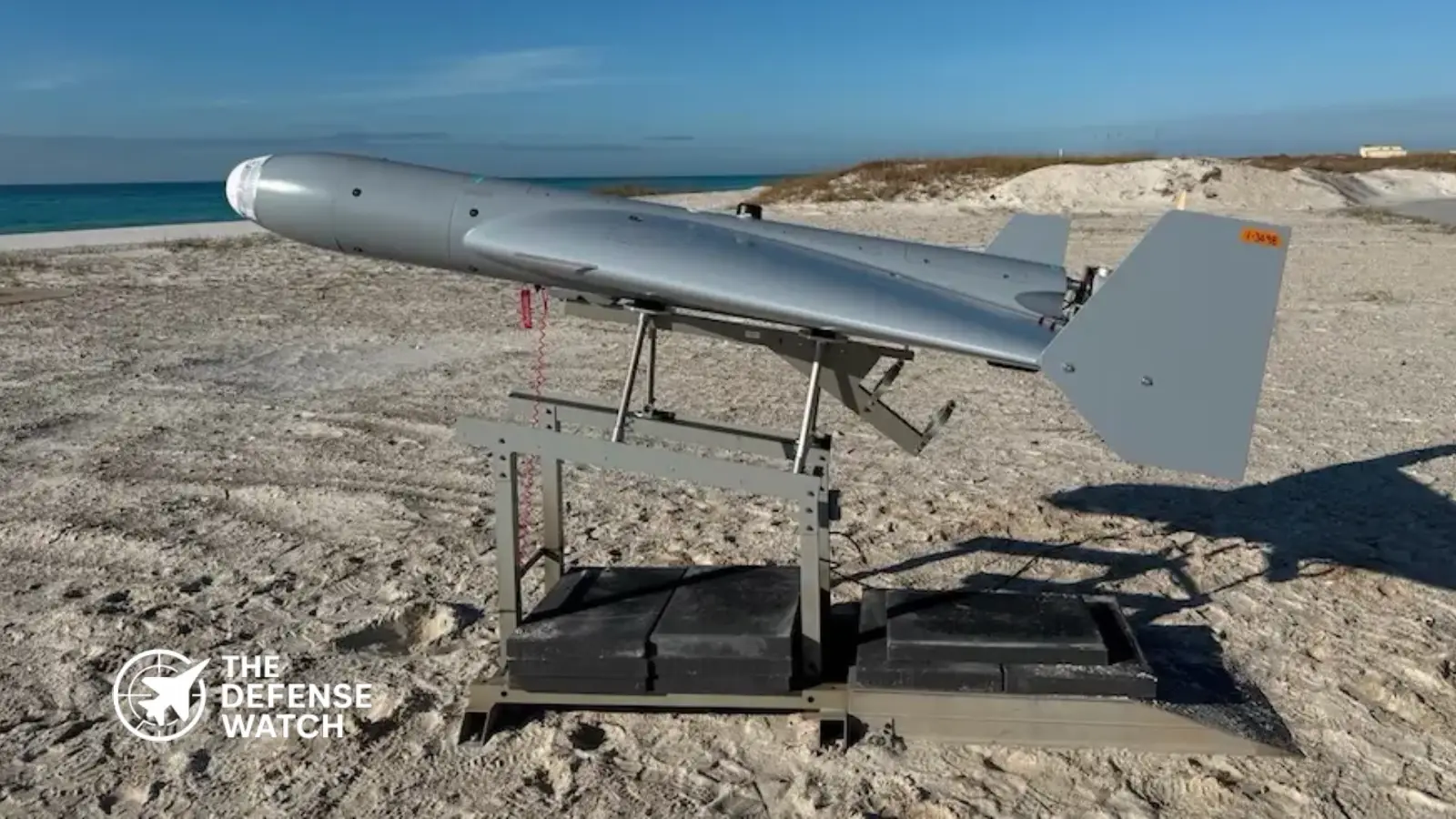
Shield AI will integrate its Hivemind autonomy software into the LUCAS one way attack drone program under a newly announced partnership aimed at advancing autonomous strike capabilities for future combat operations.
The agreement centers on combining Shield AI’s AI driven autonomy stack with the LUCAS unmanned aerial platform, a one way attack drone designed for long range strike and contested battlefield operations. The move reflects accelerating military interest in autonomous systems that can operate with reduced reliance on GPS, datalinks, or continuous operator control.
According to the announcement, Hivemind will provide autonomous flight and mission execution capabilities intended to improve survivability and operational flexibility in electronic warfare environments. The software has previously been integrated across multiple unmanned systems and is positioned as a scalable autonomy architecture for military aviation platforms.
The LUCAS drone program enters the market as defense planners increasingly prioritize lower cost precision strike systems capable of mass deployment. One way attack drones have emerged as a significant operational factor in conflicts ranging from Eastern Europe to the Middle East, where loitering munitions and autonomous strike UAVs are reshaping battlefield tactics.
Hivemind Software Targets Contested Battlefield Operations
Shield AI’s Hivemind autonomy software is designed to enable unmanned systems to navigate and execute missions in denied or degraded environments without continuous human oversight.
The company has emphasized autonomous decision making, onboard navigation, and adaptive flight behavior as core elements of the system. These capabilities are increasingly viewed as critical as modern militaries prepare for conflicts involving GPS jamming, cyber disruption, and dense electronic warfare conditions.
The integration into the LUCAS attack drone program also reflects a wider trend toward software defined combat systems. Rather than building fully proprietary platforms from scratch, defense companies are increasingly pairing modular autonomy software with existing airframes to accelerate deployment timelines and reduce procurement costs.
That approach mirrors broader Pentagon and allied defense initiatives focused on rapidly fielding autonomous capabilities through open architecture systems and scalable software integration.
One Way Attack Drones Continue To Gain Strategic Importance
The rise of one way attack drones has transformed operational planning across multiple theaters. These systems provide militaries with relatively low cost strike options capable of targeting air defense systems, logistics hubs, armored vehicles, and critical infrastructure.
Unlike traditional cruise missiles, many one way attack drones can loiter over target areas, adapt to changing battlefield conditions, and overwhelm defenses through coordinated swarm style tactics.
The LUCAS program enters a rapidly expanding sector that includes systems developed by the United States, Iran, Russia, Israel, and China. Recent conflicts have demonstrated that inexpensive autonomous drones can impose disproportionate operational and economic costs on conventional military forces.
For Western defense companies, the growing demand for autonomous systems has also intensified competition in AI enabled warfare technologies. Firms developing advanced autonomy software increasingly view interoperability and rapid integration as key differentiators in future procurement programs.
Strategic Implications For U.S. And Allied Defense Planning
The Shield AI and LUCAS collaboration highlights how autonomy software is becoming a central component of future military modernization strategies.
U.S. and allied defense planners are increasingly investing in autonomous combat systems that can support distributed operations, reduce risk to personnel, and sustain operations in heavily contested airspace. Autonomous drones are also viewed as essential force multipliers in scenarios involving peer adversaries with advanced integrated air defense networks.
The integration of Hivemind into a one way attack drone platform aligns with broader Pentagon efforts to accelerate adoption of AI enabled systems under initiatives focused on autonomous warfare, collaborative combat aircraft, and next generation unmanned operations.
At the same time, the growing deployment of autonomous strike drones continues to raise strategic and operational questions regarding escalation management, command authority, and battlefield decision making. Defense analysts note that autonomy will likely remain a defining issue in future military doctrine and procurement planning.
Growing Demand For AI Enabled Combat Drones
The partnership further reinforces the defense sector’s shift toward AI enabled combat drones as militaries seek scalable strike capabilities that can be produced more rapidly than traditional high end missile systems.
Industry demand is increasingly centered on platforms capable of balancing affordability, survivability, and operational autonomy. Autonomous drones are now viewed not only as tactical battlefield assets, but also as strategic tools for deterrence, saturation attacks, and long range precision engagement.
As autonomous warfare technologies mature, software providers such as Shield AI are positioning themselves as critical enablers of next generation military operations, particularly in environments where traditional communications and navigation systems may be disrupted or denied.
