(adsbygoogle = window.adsbygoogle || []).push({});Executive Summary:
The Czech Republic has become the first international customer for Lockheed Martin’s Advanced Center for Experimentation and Simulation (ACES) platform. The system will be delivered in partnership with Czech company VR Group and is designed to support military training, operational testing, wargaming, and multidomain force integration. The move highlights Prague’s broader modernization efforts as it prepares for future F-35 operations and deeper NATO interoperability.
Czech Republic Becomes First Customer For Lockheed Martin ACES Simulation Center
The Lockheed Martin ACES simulation center has secured its first customer, with the Czech Republic becoming the inaugural operator of the advanced modeling, experimentation, and military training platform.
According to information disclosed by Lockheed Martin officials during a defense industry event in Brussels on June 5, the company will work alongside Czech defense technology firm VR Group to provide the Advanced Center for Experimentation and Simulation (ACES) system, along with technical support and training services.
The announcement marks a significant milestone for both Lockheed Martin and the Czech Republic as European militaries increasingly invest in advanced digital training environments to prepare for complex, multidomain operations.
What Is The ACES Platform?
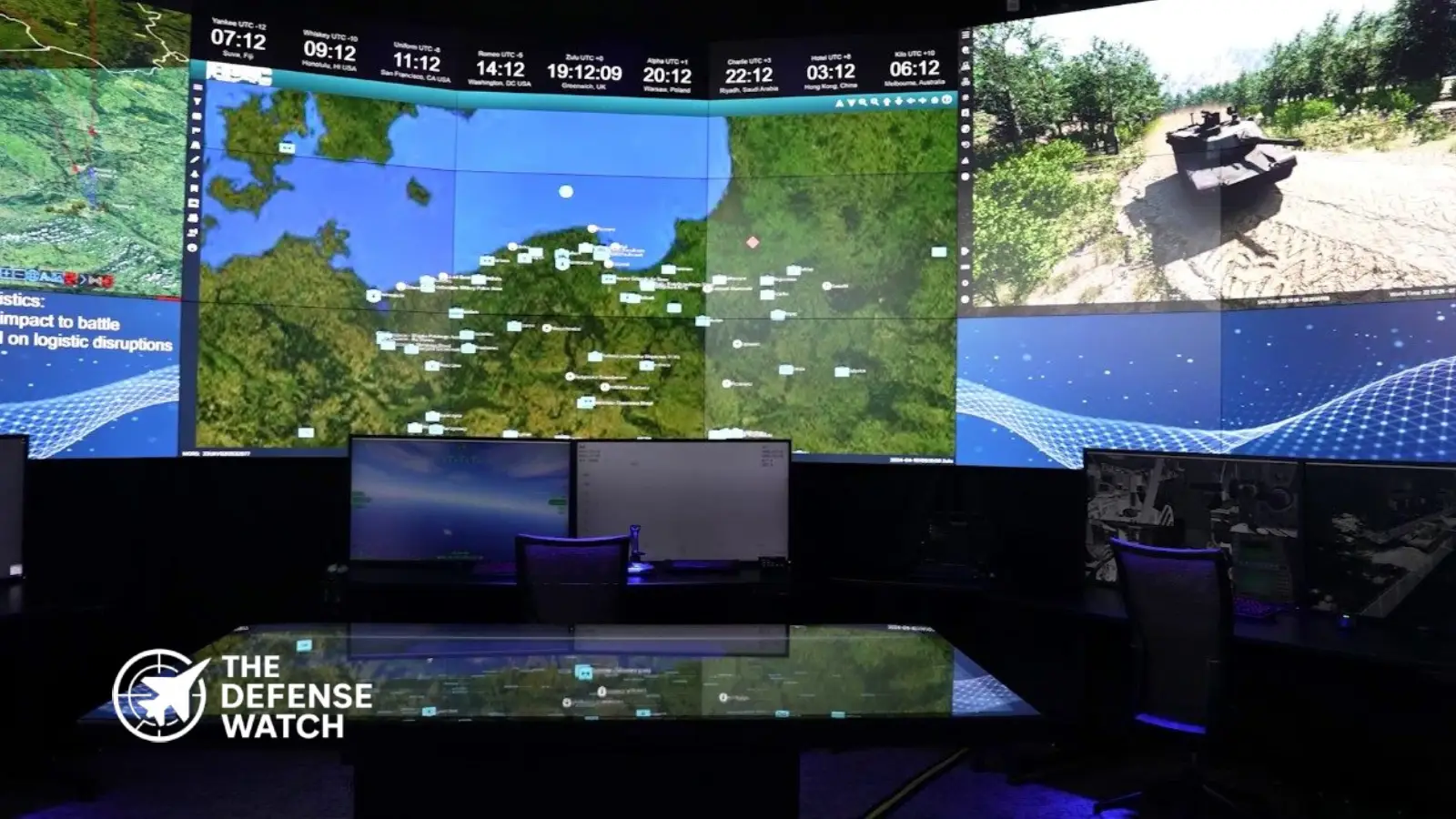
ACES is designed to help military organizations model, simulate, analyze, and test operational concepts in highly realistic virtual environments. According to Lockheed Martin, the platform enables commanders and planners to evaluate tactics, force structures, technologies, logistics networks, and operational plans before deploying them in the real world.
The system provides detailed simulation of terrain, communications networks, supply chains, and battlefield conditions, allowing military organizations to conduct experimentation and training at scale. Company officials also highlighted the integration of advanced artificial intelligence technologies capable of rapidly generating complex scenarios that previously required weeks of preparation.
The ACES platform forms part of Lockheed Martin’s broader portfolio of simulation and training products intended to support modern military readiness across land, air, maritime, space, and cyber domains.
(adsbygoogle = window.adsbygoogle || []).push({});Czech Partnership Built Around VR Group
The Czech implementation of the ACES simulation center will be supported by VR Group, a Czech company specializing in military simulation technologies.
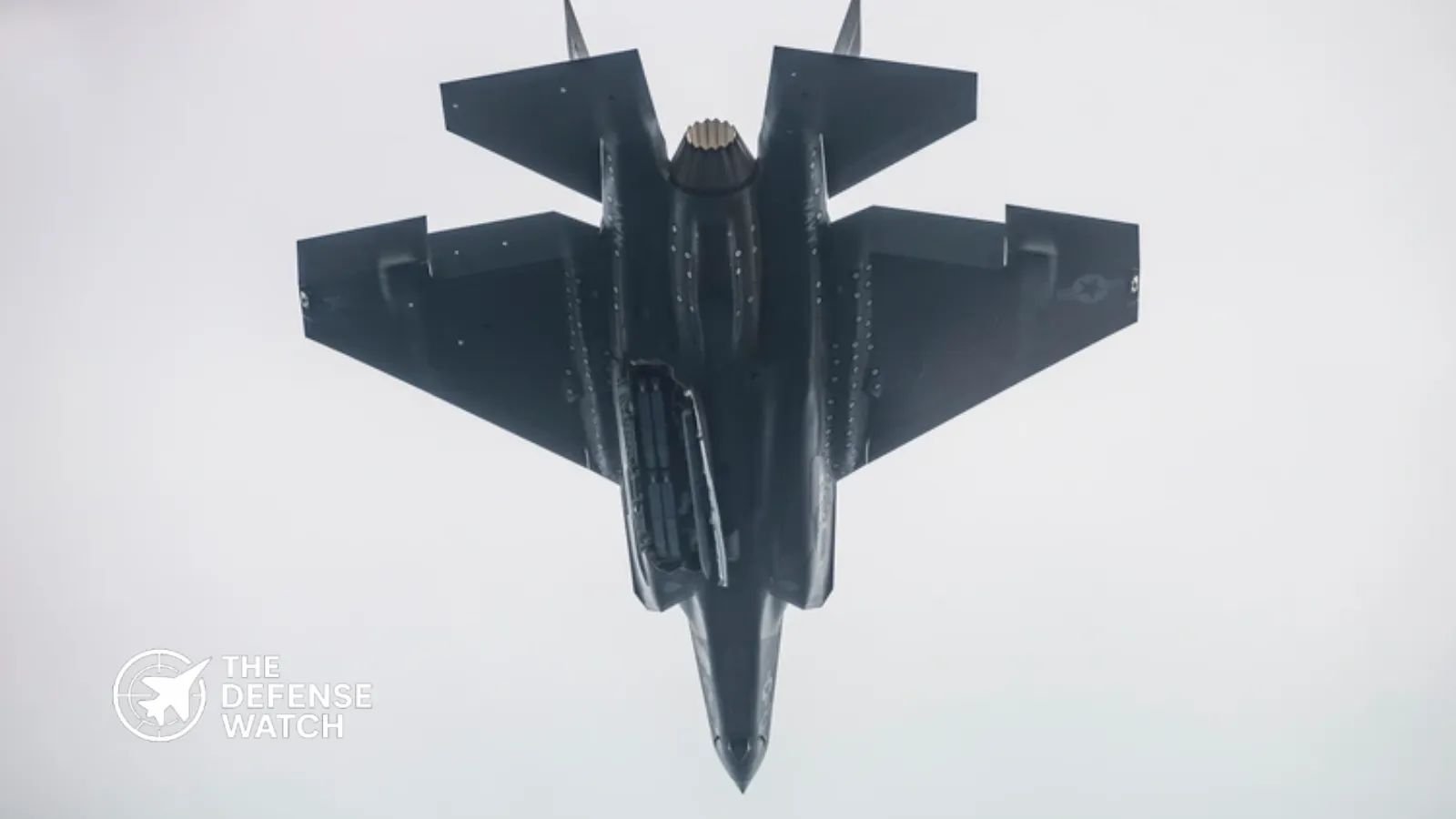
The partnership aligns with ongoing industrial cooperation initiatives linked to the Czech Republic’s acquisition of 24 F-35A fighter aircraft. Earlier agreements between Lockheed Martin and Czech industry included plans to establish a multidomain simulation and experimentation center in Brno, providing advanced capabilities for wargaming, concept development, and operational experimentation.
Lockheed Martin has previously stated that the project would include software, training, technical assistance, and knowledge transfer designed to strengthen Czech defense capabilities and support long term military modernization efforts.
Why The Move Matters
The Czech Republic’s decision to become the first ACES customer reflects a broader trend across NATO and Europe toward digital transformation of military training and operational planning.
Modern armed forces increasingly face challenges that span multiple domains, including air, land, maritime, cyber, and space. Traditional training systems often operate separately, making it difficult to evaluate how different capabilities interact during large-scale operations.
(adsbygoogle = window.adsbygoogle || []).push({});Advanced simulation environments such as the Lockheed Martin ACES simulation center seek to address that challenge by providing a unified digital battlespace where commanders can test concepts, evaluate readiness, and examine operational risks before committing resources.
For Prague, the capability arrives at a time when the country is investing heavily in defense modernization, including the integration of F-35 fighters, enhanced NATO interoperability, and expanded participation in alliance operations. The ability to conduct sophisticated experimentation and force-level simulations could help accelerate training and operational readiness while reducing costs associated with live exercises.
Potential Expansion Across Europe
Lockheed Martin indicated that additional European customers may soon follow.
Company officials noted that discussions are underway with Sweden regarding potential adoption of the ACES platform to support integrated military training and simulation efforts. The company also stated that ACES is included within Portugal’s F-35-related planning framework and could support the integration of the aircraft into Portuguese military operations.
The company has also identified opportunities to support upgrades to existing military training facilities in the United Kingdom and Germany.
These developments suggest growing interest among NATO members in advanced synthetic training environments as governments seek cost effective ways to improve readiness while preparing for increasingly complex security challenges.
Analysis: A Strategic Investment Beyond Training
While the ACES announcement may appear to be a training contract, its strategic significance extends much further.
Simulation and experimentation platforms are becoming central tools for defense planning, acquisition decisions, force design, and operational development. They allow military organizations to test emerging technologies, evaluate doctrine, and identify capability gaps before investing billions of dollars in equipment or infrastructure.
For the Czech Republic, becoming the first customer positions the country as an early adopter of next-generation military simulation capabilities. It also strengthens domestic defense industry participation through VR Group while supporting the broader modernization framework tied to the country’s future F-35 fleet.
As NATO members continue adapting to evolving security challenges across Europe, advanced digital experimentation environments are likely to become increasingly important components of military readiness and force development strategies.