Executive Summary:
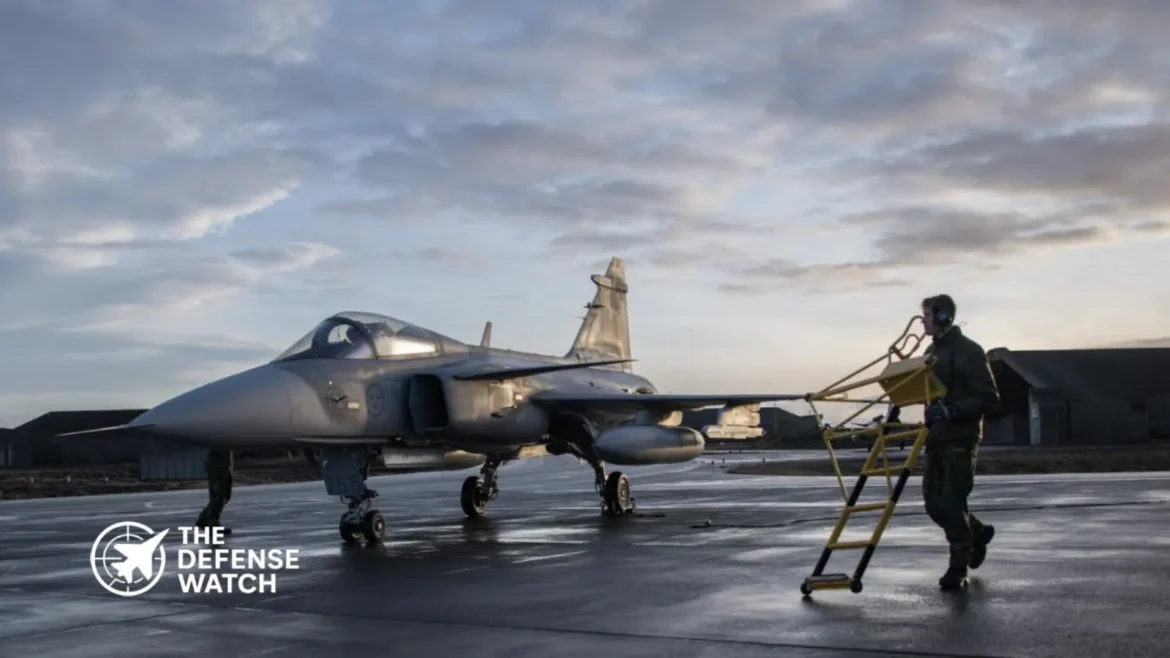
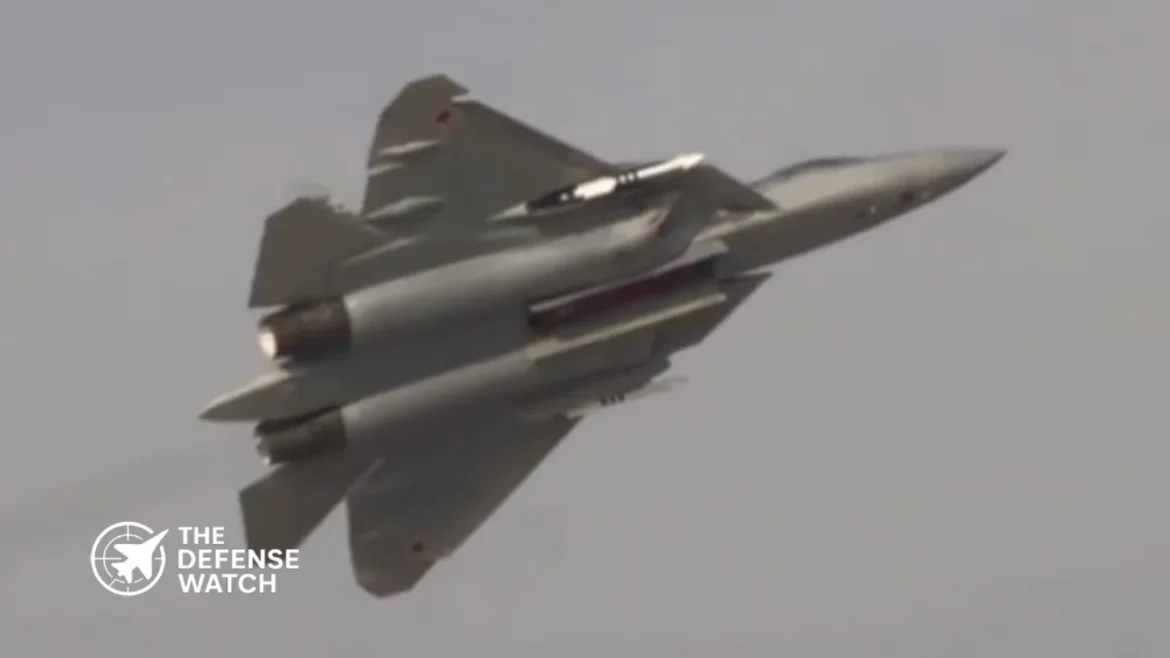
India has confirmed it is not pursuing the procurement of Russia’s Su-57E fifth-generation fighter in the near term. Instead, New Delhi is prioritizing upgrades for its Su-30MKI fleet, additional Rafale fighters, and development of the indigenous Advanced Medium Combat Aircraft (AMCA), reflecting a long-term strategy focused on capability enhancement and domestic defense production.
India Prioritizes Su-30MKI Modernization Over Su-57E Fighter Purchase
India’s decision to postpone any potential acquisition of Russia’s Su-57E fighter jet signals a significant shift in its fighter modernization roadmap. Rather than introducing another foreign combat aircraft into its inventory, New Delhi is concentrating on upgrading its existing fleet while accelerating indigenous aerospace development.
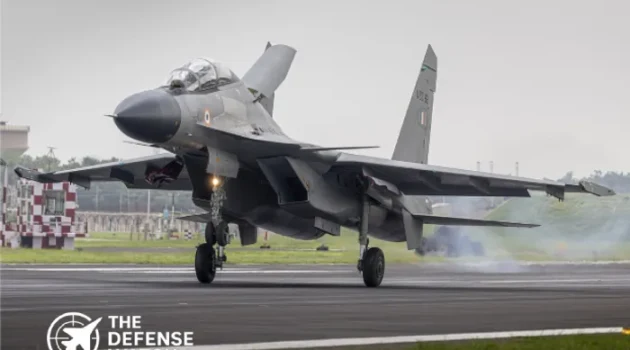
The announcement came from India’s Defense Ministry Secretary Rajesh Kumar Singh, who confirmed that the government is not considering the purchase of a new Sukhoi model at this stage. Instead, the Ministry’s immediate focus is on modernizing approximately 260 Su-30MKI multirole fighters currently serving with the Indian Air Force (IAF).
The move aligns with India’s broader modernization strategy, which emphasizes extending the operational life of proven platforms while investing in domestic defense manufacturing.
India Focuses On Upgrading Its Largest Fighter Fleet
The Su-30MKI remains the backbone of the Indian Air Force, accounting for a substantial portion of its frontline combat capability. Originally developed jointly by Russia and India, the aircraft has undergone continuous upgrades since entering service.
The planned modernization program is expected to introduce improvements across multiple areas, including:
- Advanced mission computers
- Modern active electronically scanned array (AESA) radar technology
- Enhanced electronic warfare systems
- Improved long-range weapons integration
- Updated cockpit avionics
- Expanded network-centric warfare capabilities
By upgrading the existing fleet instead of purchasing an entirely new fighter platform, India can improve operational capability while reducing logistical complexity and controlling long-term sustainment costs.
Defense planners have increasingly emphasized maximizing the effectiveness of aircraft already in service, particularly as regional security dynamics continue to evolve.
Su-57E Purchase Not Under Consideration
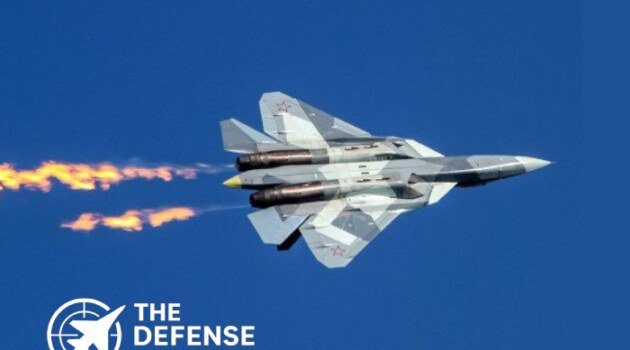
Russia has actively promoted the export version of its fifth-generation Su-57E fighter to international customers, with India frequently mentioned as a potential buyer because of its longstanding defense relationship with Moscow.
However, Rajesh Kumar Singh stated that India is not evaluating a new Sukhoi aircraft at present.
The statement effectively removes the Su-57E from India’s near-term procurement agenda, although it does not necessarily rule out future discussions should operational requirements change.
The announcement also reflects India’s preference to balance foreign acquisitions with indigenous defense development rather than expanding dependence on another imported combat aircraft.
Rafale Fleet Expansion Remains A Priority
While ruling out the Su-57E for now, India continues to strengthen its fighter inventory through additional procurement of the French-built Rafale.
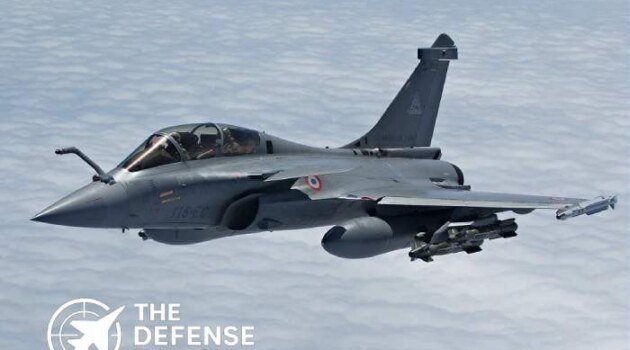
The Indian Air Force already operates Rafale fighters, and New Delhi has approved further acquisitions to expand advanced combat capabilities while addressing squadron strength requirements.
The Rafale offers modern sensors, advanced electronic warfare capabilities, precision strike weapons, and interoperability with India’s existing Western-origin systems.
Combined with upgraded Su-30MKIs, additional Rafales provide the IAF with a capable mix of heavy and multirole fighters during the transition toward future indigenous platforms.
AMCA Represents India’s Long-Term Vision
India’s long-term fighter modernization strategy increasingly centers on the Advanced Medium Combat Aircraft (AMCA) program.
The AMCA is India’s indigenous fifth-generation fighter project, designed to incorporate low observable characteristics, advanced sensors, internal weapons carriage, and modern network-centric capabilities.
Unlike purchasing another foreign fifth-generation aircraft, investing in AMCA supports India’s broader objectives under its domestic defense manufacturing initiatives by strengthening the national aerospace industry and reducing future dependence on overseas suppliers.
Although the AMCA remains under development, it represents the centerpiece of India’s next-generation combat aviation plans.
Analysis: Modernization Over Fleet Expansion
India’s latest position highlights an increasingly pragmatic procurement strategy.
Rather than introducing another complex fighter type into service, the government appears focused on maximizing existing investments while preparing for domestically produced next-generation aircraft.
Upgrading approximately 260 Su-30MKIs provides a substantial capability increase across the Air Force without requiring the infrastructure, training, maintenance, and supply chain associated with operating an entirely new fleet.
At the same time, additional Rafales help address immediate operational needs while the AMCA progresses through development.
This balanced approach allows India to maintain combat readiness in the near term while supporting longer-term industrial and technological goals.
From a force planning perspective, the decision also simplifies logistics by concentrating resources on aircraft already integrated into the Indian Air Force rather than introducing another high-end platform.
As regional air forces continue to modernize, India’s strategy suggests that enhancing existing capabilities and accelerating indigenous aerospace development remain higher priorities than pursuing a near-term purchase of the Russian Su-57E.

Executive Summary:
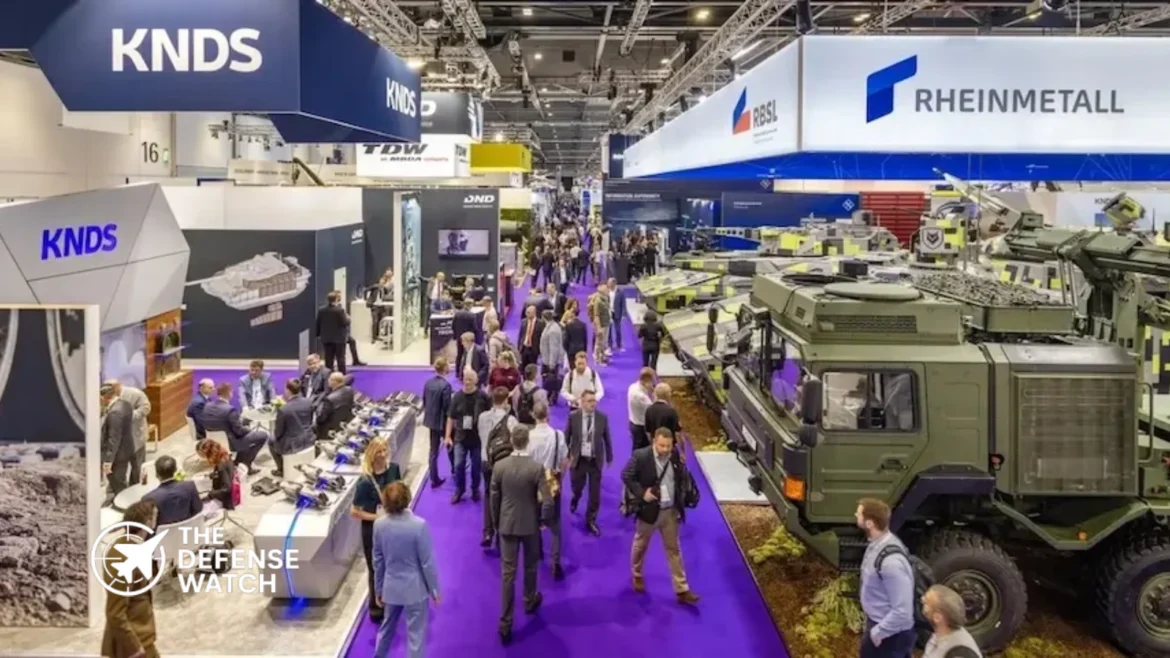
The European Union’s member states increased combined defense spending to €418 billion in 2025, marking a 20% annual increase, according to the European Defence Agency. The trend reflects Europe’s sustained effort to strengthen military readiness, expand industrial capacity, and improve collective defense capabilities, with spending projected to approach €547 billion by 2029 if current growth continues.EU Defense Spending Climbs To Record Levels
EU defense spending reached €418 billion in 2025, representing approximately 2.2% of the European Union’s combined GDP, according to newly released data from the European Defence Agency (EDA). The increase marks the eleventh consecutive year of higher military expenditure across the EU’s 27 member states.
The EDA projects spending will continue rising to approximately €454 billion in 2026, with current trends indicating total defense expenditure could approach €547 billion by 2029. Officials say the increase reflects sustained efforts to strengthen military readiness amid a changing European security environment.
Investment Shifts Toward Equipment And Research
The latest figures show that growth is not limited to overall defense budgets.
Defense equipment procurement climbed to €115 billion in 2025, while investment spending accounted for more than 32% of total defense expenditure, exceeding the EDA’s collective benchmark. Collaborative procurement represented roughly 24% of equipment purchases among participating countries.
Research and development spending also continued to expand, reaching €17 billion in 2025 and projected to increase to €20 billion in 2026. According to the agency, defense investment is expected to account for 36% of total military expenditure next year.
Most Member States Now Meet NATO’s 2 Percent Benchmark
The report notes that 23 of the EU’s 27 member states spent at least 2% of GDP on defense during 2025, a significant increase from previous years. The figures illustrate how European governments have continued raising military budgets following several years of heightened security concerns across the continent.
EDA Chief Executive André Denk said member states are making unprecedented investments that, together with broader EU initiatives under the Defense Readiness 2030 framework, are intended to strengthen defense capabilities, industrial production, readiness, and resilience.
Analysis: More Spending Does Not Automatically Mean More Capability
While the record increase demonstrates political commitment, the effectiveness of EU defense spending will depend on how efficiently governments translate larger budgets into deployable military capability.
Europe has historically faced challenges in fragmented procurement, multiple weapons platforms, and overlapping national programs. Although collaborative procurement has improved, it still accounts for less than one quarter of total equipment purchases, indicating significant room for greater coordination.
Industrial production capacity will also become increasingly important. Expanding ammunition output, missile production, air defense manufacturing, and defense electronics requires long term investment beyond annual budget increases. Simply allocating additional funding does not immediately translate into operational capability if supply chains and manufacturing capacity remain constrained.
For NATO and U.S. defense planners, Europe’s higher spending could gradually strengthen burden sharing across the alliance. Increased European procurement may improve readiness while creating additional opportunities for joint industrial programs involving both European and American defense companies.
The continued emphasis on research and development is equally significant. Higher R&D investment supports emerging technologies including autonomous systems, advanced sensors, cyber defense, electronic warfare, and next generation air and missile defense capabilities that are expected to shape future military modernization.
Looking Ahead
The projected rise toward nearly €547 billion by 2029 suggests Europe’s defense buildup remains a multi year effort rather than a short term response. Whether these investments ultimately deliver stronger collective military capability will depend on sustained political commitment, coordinated procurement, and continued expansion of the European defense industrial base.
(adsbygoogle = window.adsbygoogle || []).push({});Executive Summary:
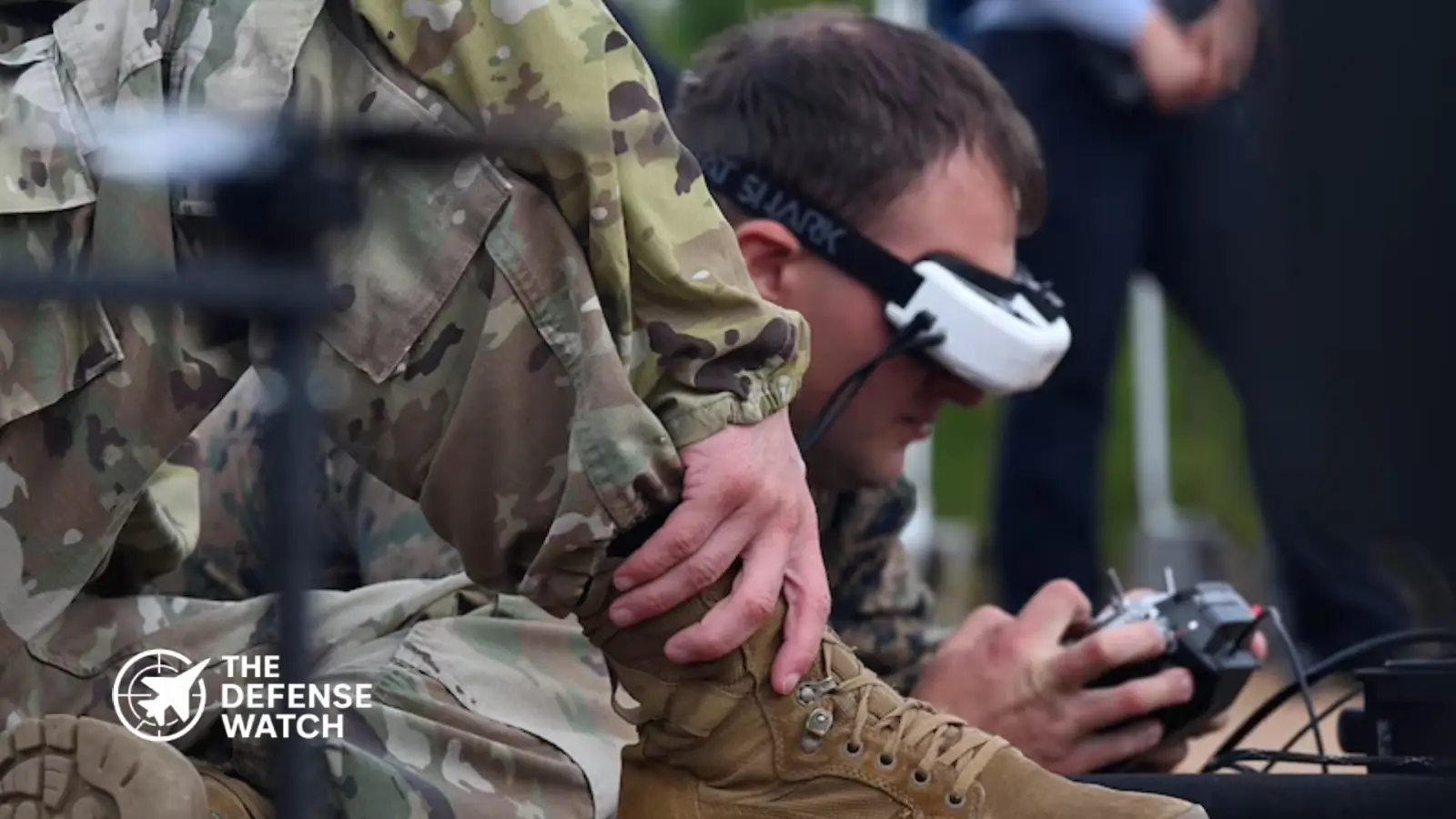
The Pentagon’s Drone Dominance Program has entered its second competitive phase after completing qualification trials involving 49 companies and 79 unmanned aerial systems. The initiative aims to rapidly field more than 200,000 AI-enabled attack drones by 2027 while expanding domestic production and reducing procurement costs.Pentagon Expands Drone Dominance Program To Accelerate AI Attack Drone Fielding
The Drone Dominance Program is rapidly becoming one of the U.S. Department of Defense’s most ambitious efforts to transform battlefield drone warfare. Following the completion of Gauntlet Phase II qualification events at Camp Grayling, Michigan, defense officials confirmed the first operational orders have been placed and thousands of additional systems are moving into military inventories.
The program is a $1.1 billion, two-year initiative designed to accelerate the procurement, integration, and operational deployment of low-cost, high-performance unmanned aerial systems manufactured in the United States. The effort aligns with President Donald Trump’s Executive Order 14307, which directed the department to rapidly expand access to affordable and expendable drone capabilities.
Officials say the initiative seeks to provide combat units with large numbers of one-way attack drones capable of operating in increasingly contested environments while strengthening the U.S. defense industrial base.
Gauntlet Phase II Tests 79 Drone Systems
The latest qualification event brought together 49 companies and 79 unique drone platforms. Each participant fielded 20 drones to complete a series of demanding operational scenarios.
Testing focused on mission profiles increasingly relevant to modern conflicts, including:
- Long-range strike operations
- Close-quarters tactical engagements
- Precision attack missions
- Battlefield survivability assessments
- Rapid deployment scenarios
The event reflects a broader shift within the Pentagon toward challenge-based acquisition models. Rather than relying on traditional procurement cycles that can take years, the Drone Dominance Program is structured around recurring six-month competitive evaluations designed to identify the most effective technologies and move them rapidly into production.
According to the Defense Innovation Unit (DIU), selected systems emerging from each phase are fast-tracked for large-scale procurement and fielding.
First Orders Underway As Production Scales
Defense officials reported that the first batch of approved drones has already been accepted for service use. Nearly 2,000 additional systems have been shipped to military branches, with thousands more currently being produced to meet upcoming delivery requirements.
The procurement pace is expected to accelerate significantly.
Following a successful first phase that resulted in the acquisition of 30,000 drones, officials announced plans to order another 60,000 systems in September.
According to DIU Deputy Director Travis Metz, future purchases will continue to be driven by competitive testing events while encouraging supply chain relocation and manufacturing growth within the United States.
The long-term objective is even more ambitious. Program managers intend to scale production from 30,000 units per phase to as many as 150,000 units while reducing average costs from roughly $5,000 per drone to approximately $3,000.
Why The Program Matters
The Drone Dominance Program highlights how lessons from recent conflicts are reshaping military procurement priorities.
Modern battlefields have demonstrated the effectiveness of low-cost unmanned systems against significantly more expensive platforms and defenses. Attritable drones can conduct reconnaissance, strike missions, electronic warfare support, and target acquisition at a fraction of the cost of traditional weapons systems.
For U.S. planners, quantity has become nearly as important as capability.
The Pentagon’s approach reflects growing concern that adversaries are rapidly increasing both drone production capacity and operational sophistication. Officials argue that maintaining technological superiority requires faster procurement timelines, greater manufacturing capacity, and continuous competition among commercial innovators.
Unlike many legacy acquisition programs, the Drone Dominance Program emphasizes commercial technology adaptation, rapid testing, and production scalability rather than lengthy development cycles.
This approach mirrors broader defense modernization efforts aimed at shortening the gap between technological innovation and battlefield deployment.
Gauntlet II To Expand Operational Challenges
The next major milestone, known as Gauntlet II, is scheduled to begin later this summer.
Requirements will become substantially more demanding.
Participating companies will be required to field 120 drones instead of 20, testing both production capacity and operational reliability. Evaluations will also expand into:
- Night operations
- Urban combat environments
- Confined operational spaces
- More complex tactical scenarios
These additions are intended to better replicate conditions likely to be encountered in future conflicts and provide military planners with a clearer understanding of which systems can perform effectively at scale.
Path Toward 200,000 AI-Enabled Drones
By 2027, the Drone Dominance Program aims to field more than 200,000 lethal, AI-enabled drones across the U.S. military.
The program’s scale makes it one of the largest efforts currently underway to integrate autonomous and semi-autonomous unmanned systems into frontline military operations. Combined with domestic manufacturing incentives and recurring competitive evaluations, the initiative represents a significant shift in how the Pentagon acquires emerging technologies.
If production targets are achieved, the effort could substantially increase the availability of low-cost precision strike capabilities while providing a stronger industrial foundation for future drone development.
Analysis: A New Acquisition Model For Drone Warfare
Beyond the procurement numbers, the Drone Dominance Program may prove most significant for its acquisition strategy.
Traditional defense programs often require years of development, testing, and contracting before reaching operational units. The Pentagon is increasingly experimenting with faster, competition-driven models that leverage commercial innovation cycles measured in months rather than decades.
The public leaderboard concept, recurring gauntlet competitions, and rapid production decisions create strong incentives for manufacturers to continuously improve performance while reducing costs.
For defense planners, this model addresses two critical challenges simultaneously: keeping pace with rapidly evolving drone technologies and ensuring sufficient production capacity during periods of heightened geopolitical competition.
As drone warfare continues to evolve, the success or failure of the Drone Dominance Program could influence how future autonomous systems, loitering munitions, and AI-enabled military technologies are acquired across the U.S. armed forces.
(adsbygoogle = window.adsbygoogle || []).push({});Executive Summary:
The Czech Republic has become the first international customer for Lockheed Martin’s Advanced Center for Experimentation and Simulation (ACES) platform. The system will be delivered in partnership with Czech company VR Group and is designed to support military training, operational testing, wargaming, and multidomain force integration. The move highlights Prague’s broader modernization efforts as it prepares for future F-35 operations and deeper NATO interoperability.
Czech Republic Becomes First Customer For Lockheed Martin ACES Simulation Center
The Lockheed Martin ACES simulation center has secured its first customer, with the Czech Republic becoming the inaugural operator of the advanced modeling, experimentation, and military training platform.
According to information disclosed by Lockheed Martin officials during a defense industry event in Brussels on June 5, the company will work alongside Czech defense technology firm VR Group to provide the Advanced Center for Experimentation and Simulation (ACES) system, along with technical support and training services.
The announcement marks a significant milestone for both Lockheed Martin and the Czech Republic as European militaries increasingly invest in advanced digital training environments to prepare for complex, multidomain operations.
What Is The ACES Platform?
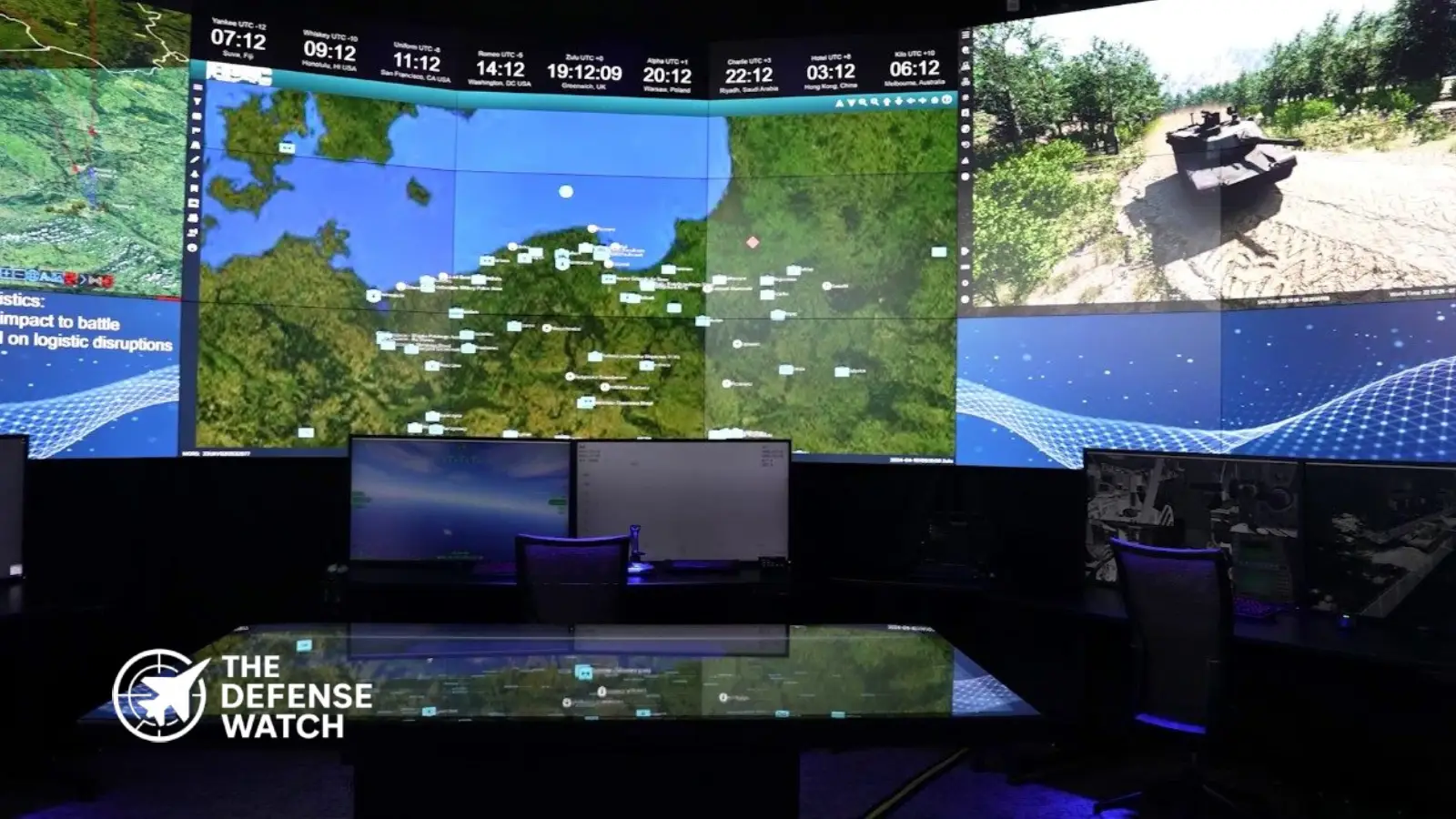
ACES is designed to help military organizations model, simulate, analyze, and test operational concepts in highly realistic virtual environments. According to Lockheed Martin, the platform enables commanders and planners to evaluate tactics, force structures, technologies, logistics networks, and operational plans before deploying them in the real world.
The system provides detailed simulation of terrain, communications networks, supply chains, and battlefield conditions, allowing military organizations to conduct experimentation and training at scale. Company officials also highlighted the integration of advanced artificial intelligence technologies capable of rapidly generating complex scenarios that previously required weeks of preparation.
The ACES platform forms part of Lockheed Martin’s broader portfolio of simulation and training products intended to support modern military readiness across land, air, maritime, space, and cyber domains.
(adsbygoogle = window.adsbygoogle || []).push({});Czech Partnership Built Around VR Group
The Czech implementation of the ACES simulation center will be supported by VR Group, a Czech company specializing in military simulation technologies.
The partnership aligns with ongoing industrial cooperation initiatives linked to the Czech Republic’s acquisition of 24 F-35A fighter aircraft. Earlier agreements between Lockheed Martin and Czech industry included plans to establish a multidomain simulation and experimentation center in Brno, providing advanced capabilities for wargaming, concept development, and operational experimentation.
Lockheed Martin has previously stated that the project would include software, training, technical assistance, and knowledge transfer designed to strengthen Czech defense capabilities and support long term military modernization efforts.
Why The Move Matters
The Czech Republic’s decision to become the first ACES customer reflects a broader trend across NATO and Europe toward digital transformation of military training and operational planning.
Modern armed forces increasingly face challenges that span multiple domains, including air, land, maritime, cyber, and space. Traditional training systems often operate separately, making it difficult to evaluate how different capabilities interact during large-scale operations.
(adsbygoogle = window.adsbygoogle || []).push({});Advanced simulation environments such as the Lockheed Martin ACES simulation center seek to address that challenge by providing a unified digital battlespace where commanders can test concepts, evaluate readiness, and examine operational risks before committing resources.
For Prague, the capability arrives at a time when the country is investing heavily in defense modernization, including the integration of F-35 fighters, enhanced NATO interoperability, and expanded participation in alliance operations. The ability to conduct sophisticated experimentation and force-level simulations could help accelerate training and operational readiness while reducing costs associated with live exercises.
Potential Expansion Across Europe
Lockheed Martin indicated that additional European customers may soon follow.
Company officials noted that discussions are underway with Sweden regarding potential adoption of the ACES platform to support integrated military training and simulation efforts. The company also stated that ACES is included within Portugal’s F-35-related planning framework and could support the integration of the aircraft into Portuguese military operations.
The company has also identified opportunities to support upgrades to existing military training facilities in the United Kingdom and Germany.
These developments suggest growing interest among NATO members in advanced synthetic training environments as governments seek cost effective ways to improve readiness while preparing for increasingly complex security challenges.
Analysis: A Strategic Investment Beyond Training
While the ACES announcement may appear to be a training contract, its strategic significance extends much further.
Simulation and experimentation platforms are becoming central tools for defense planning, acquisition decisions, force design, and operational development. They allow military organizations to test emerging technologies, evaluate doctrine, and identify capability gaps before investing billions of dollars in equipment or infrastructure.
For the Czech Republic, becoming the first customer positions the country as an early adopter of next-generation military simulation capabilities. It also strengthens domestic defense industry participation through VR Group while supporting the broader modernization framework tied to the country’s future F-35 fleet.
As NATO members continue adapting to evolving security challenges across Europe, advanced digital experimentation environments are likely to become increasingly important components of military readiness and force development strategies.
(adsbygoogle = window.adsbygoogle || []).push({});Executive Summary:
Canada is evaluating a major expansion of its future combat air fleet, potentially combining Lockheed Martin F-35 stealth fighters with Saab Gripen aircraft. The review reflects Ottawa’s effort to balance military capability, Arctic security requirements, industrial benefits, and long-term defense autonomy.
Canada Fighter Fleet Review Signals Major Strategic Shift
Canada fighter fleet modernization plans are entering a critical phase as Ottawa examines options that could significantly expand the Royal Canadian Air Force’s future combat aviation inventory.
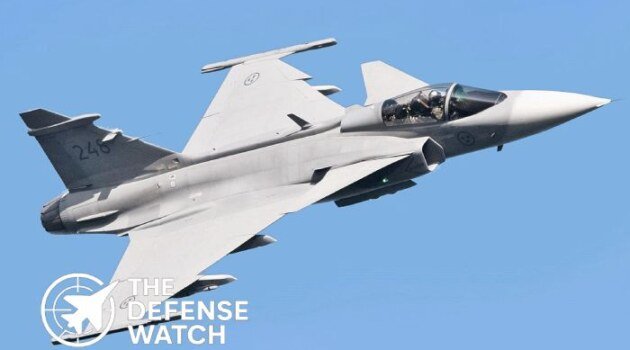
According to Canadian media sources, government officials are evaluating a mixed-fleet approach that could combine U.S.-built F-35A Lightning II stealth fighters with Swedish Saab Gripen E aircraft. The proposal would represent one of the most significant changes to Canadian airpower planning in decades.
The review comes as Canada seeks to replace its aging CF-18 Hornet fleet while strengthening its ability to support both North American Aerospace Defense Command (NORAD) and NATO operations. At the same time, policymakers are increasingly weighing industrial and supply-chain considerations alongside traditional military requirements.
Mixed Fleet Concept Could Expand Total Aircraft Numbers
Recent reports indicate that Canadian officials are studying options that could result in a force of approximately 140 fighter aircraft, substantially larger than the original plan centered on 88 F-35s. Under some scenarios being discussed, Canada could retain between 72 and 88 F-35 fighters while also adding as many as 72 Gripen aircraft assembled in Canada.
Other reports suggest Ottawa has also examined a smaller mixed fleet model involving roughly 30 F-35As and approximately 60 Gripen aircraft. No final government decision has been announced.
The expanded fleet concept would allow Canada to maintain advanced fifth-generation capabilities while increasing overall fighter numbers for homeland defense, Arctic patrols, and expeditionary missions.
(adsbygoogle = window.adsbygoogle || []).push({});Why Ottawa Is Reassessing Its Fighter Procurement Strategy
The review extends beyond aircraft performance.
Canadian policymakers are increasingly focused on defense industrial resilience, technology transfer opportunities, and reducing dependence on a single foreign supplier. Recent tensions in trade and defense relations between Ottawa and Washington have added political attention to the issue.
Prime Minister Mark Carney’s broader defense industrial strategy emphasizes greater domestic participation in major military programs. A Gripen acquisition could potentially include local assembly, maintenance, software development, and long-term industrial partnerships within Canada’s aerospace sector.
This trend became more visible following Canada’s decision to pursue Saab’s GlobalEye airborne early warning aircraft rather than Boeing’s E-7 Wedgetail. Analysts view that decision as evidence that industrial participation and sovereign capability are becoming increasingly important factors in Canadian defense procurement.
F-35 Versus Gripen: Different Strengths For Different Missions
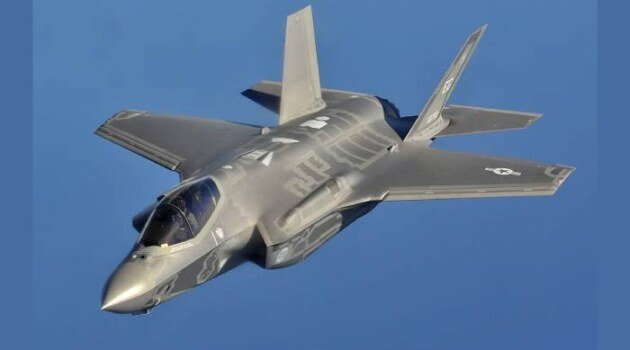
The Lockheed Martin F-35A remains one of the world’s most advanced combat aircraft, offering stealth characteristics, sensor fusion, network-centric warfare capabilities, and interoperability with key NATO allies.
For NORAD and coalition operations, the F-35 provides capabilities that many defense planners consider essential for future high-threat environments. Canada has participated in the Joint Strike Fighter program for years, and Canadian companies remain integrated into the broader F-35 industrial ecosystem.
The Saab Gripen E, meanwhile, offers a different value proposition. The aircraft is designed for lower operating costs, rapid turnaround times, dispersed operations, and high availability. Saab has also emphasized extensive technology transfer and domestic production opportunities for Canada.
A mixed fleet would potentially allow Canada to combine the F-35’s advanced combat capabilities with the Gripen’s affordability and industrial advantages.
(adsbygoogle = window.adsbygoogle || []).push({});Analysis: What This Means For Canada’s Future Airpower
The fighter review highlights a broader evolution in defense procurement across many Western nations.
Military capability remains the primary requirement, but governments are increasingly evaluating whether major acquisitions can also strengthen domestic industries, create skilled jobs, and reduce supply-chain vulnerabilities.
For Canada, geography remains a defining factor. The country must defend vast Arctic and northern regions while contributing to NATO operations abroad. A larger fighter fleet could improve operational flexibility, increase aircraft availability, and provide greater resilience during extended crises.
However, operating two fighter types would also introduce additional training, maintenance, logistics, and sustainment costs. Historically, air forces often favor fleet commonality to simplify long-term operations.
The final decision will therefore reflect more than a simple aircraft competition. It will serve as a test of how Canada balances military effectiveness, alliance commitments, industrial policy, and national sovereignty in an increasingly complex security environment.
(adsbygoogle = window.adsbygoogle || []).push({});Looking Ahead
Canadian officials have not announced a final decision on the future composition of the Royal Canadian Air Force fighter fleet. However, ongoing discussions involving both the F-35 and Gripen indicate that Ottawa is considering options far beyond its original procurement framework.
Whatever path is chosen, the outcome will shape Canadian airpower, aerospace industry development, and defense partnerships for decades to come.
(adsbygoogle = window.adsbygoogle || []).push({});Executive Summary:
Tycho.AI, an MIT spin-off based in Cambridge, Massachusetts, is pitching the Pentagon on the Halley, a compact tail-sitting VTOL drone interceptor designed to replicate the low-cost, high-effectiveness model of Ukrainian counter-UAS systems. The electrically powered platform reaches speeds of 174 knots and uses AI-enabled Voyager autonomy for GPS-denied operations. This development addresses growing US military demand for economical solutions to counter proliferating one-way attack drones like the Iranian Shahed.
Tycho.AI is positioning its Halley interceptor to bring battle-proven, Ukraine-style drone defense capabilities to the US market. As drone warfare dominates modern conflicts, the startup aims to deliver a more affordable alternative to existing high-cost counter-UAS platforms.
The system targets a key vulnerability exposed in both Ukraine and recent Middle East operations: the unsustainable expense of using advanced missiles against cheap loitering munitions and one-way attack drones.
Ukraine’s Counter-Drone Innovation Drives Global Interest
Ukraine’s four-year conflict with Russia has reshaped air defense priorities. According to the Ukrainian Ministry of Defense, drones account for as many as 80% of military strikes and a similar share of battlefield casualties.
To conserve expensive Western-supplied missiles, Ukrainian forces and industry developed low-cost interceptors such as the Wild Hornets Sting and SkyFall P1-Sun. These systems, often costing under $5,000, achieve speeds in the hundreds of kilometers per hour and effectively engage threats like the Shahed-136/Geran-2, which cost around $35,000.
This approach contrasts sharply with traditional US systems like Raytheon’s Coyote or Anduril’s Roadrunner, which, while effective, carry price tags in the hundreds of thousands of dollars due to larger platforms and more complex propulsion.
(adsbygoogle = window.adsbygoogle || []).push({});Halley: Design and Performance Specifications
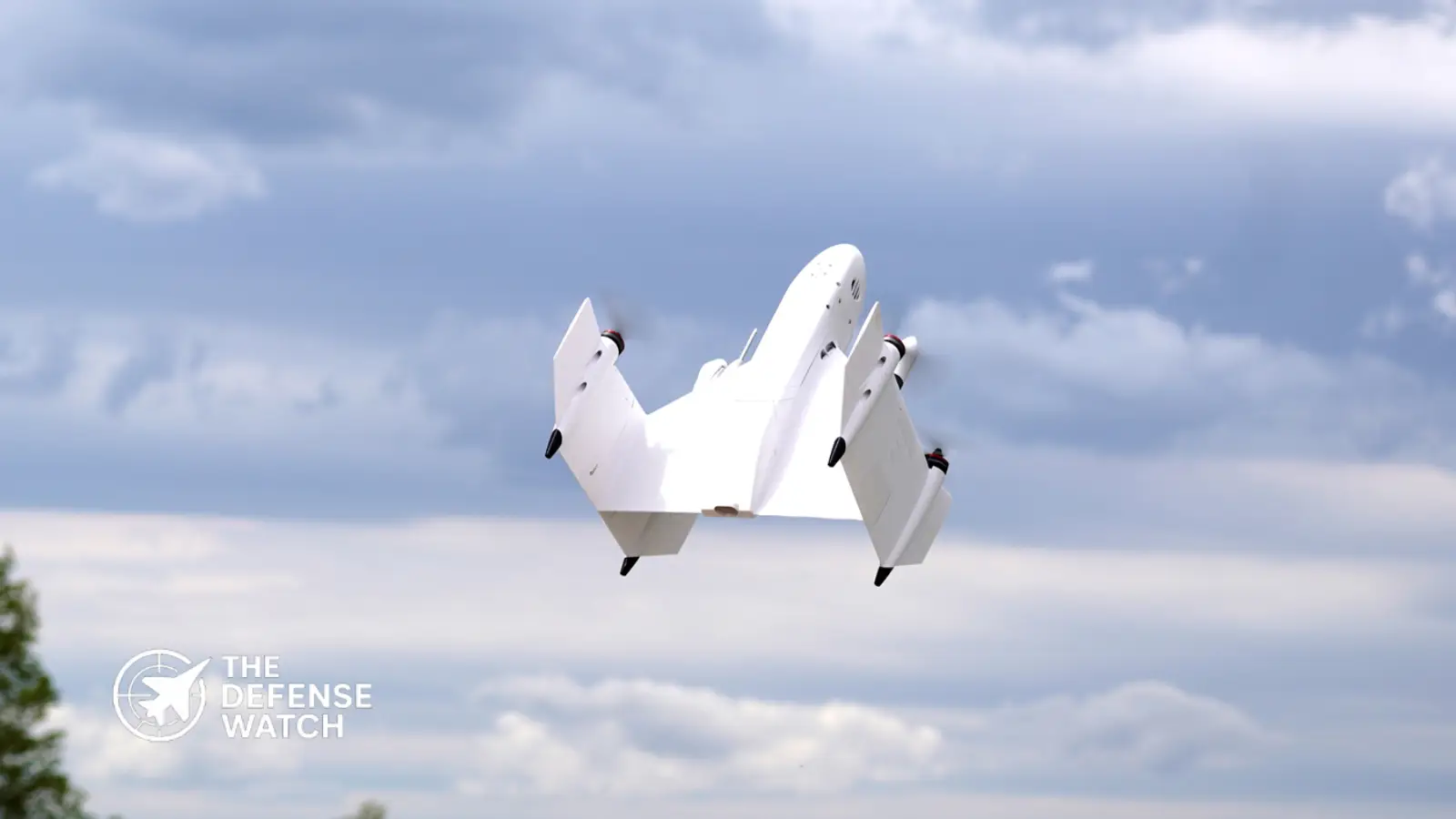
Tycho.AI’s Halley is a tail-sitting, electrically powered VTOL interceptor featuring a fixed-wing delta configuration with two large winglets and four rotors. The design combines vertical takeoff and landing convenience with efficient forward flight.
Key performance parameters include:
- Maximum speed: 174 knots (322 km/h)
- Range: Approximately 50 km (27 nm) in current configuration
- Endurance: 20 minutes on battery, with improvements targeting extended performance
- Service ceiling: 10,000 feet
Phillip Pitsky, senior vice-president of growth at Tycho.AI, described the system as “an FPV drone that can go extremely fast and be extremely agile, but also with a very stable flight system.”
The company is currently in low-rate initial production and accepting orders, with options for customization in cameras, motors, and payloads. Neither the Halley platform nor its Voyager guidance software is export-restricted.
Voyager AI: Enabling Autonomous Operations
Central to Halley’s effectiveness is Tycho.AI’s Voyager system — an AI-enabled visual navigation solution that supports operations without GPS. The tablet-based interface integrates threat data from existing counter-UAS sensors to autonomously guide the interceptor.
Early testing employed remote FPV-style control, but future trials will demonstrate fully autonomous target engagement. Operators will simply designate threats for interception, with Halley handling launch and terminal guidance independently.
(adsbygoogle = window.adsbygoogle || []).push({});This autonomy addresses contested electromagnetic environments where jamming and spoofing degrade traditional navigation.
Strategic Context and Pentagon Demand
US interest in low-cost interceptors has intensified amid threats from Iranian Shahed-style drones targeting bases and assets in the Middle East. High-cost missile engagements against low-value targets strain budgets and inventories, mirroring challenges faced by Ukrainian forces.
Tycho.AI reports the “main demand signal” from the Pentagon centers on ground-launched counter-UAS applications against such threats. Discussions also explore air-launched variants, potentially deployable from aircraft dispensers for forward positioning against incoming drone waves.
US Special Operations Command is anticipated as the launch customer, with Tycho expecting its first full-scale contract award in the coming months.
Analysis: Closing the Cost-Effectiveness Gap
The emergence of platforms like Halley represents a necessary evolution in US counter-UAS strategy. Traditional kinetic interceptors excel in high-end threats but prove economically inefficient against massed, low-cost drone swarms. Ukraine’s experience demonstrates that sustainable defense requires matching the attacker’s production economics.
Tycho.AI’s approach leverages commercial-off-the-shelf elements and academic roots at MIT to accelerate development while maintaining military-grade performance. The fixed-wing VTOL design offers operational flexibility over pure multi-rotor FPV systems, potentially improving range and speed without sacrificing agility.
(adsbygoogle = window.adsbygoogle || []).push({});However, challenges remain. Battery technology limits endurance, though the company is addressing this. Integration with broader US air defense networks, including command-and-control systems, will determine real-world effectiveness. Scalability to high-rate production will be critical if the system is to counter potential peer-level drone campaigns.
Compared to competitors, Halley’s emphasis on affordability and autonomy positions it well for both domestic adoption and allied export markets facing similar asymmetric threats. Success could influence broader DoD procurement toward attritable, mass-producible systems.
This aligns with ongoing US military modernization efforts emphasizing resilience in contested environments and cost-per-kill metrics.
Broader Implications for US Defense Modernization
The Tycho.AI initiative fits into a larger pattern of incorporating lessons from Ukraine into American capabilities. From electronic warfare to attritable munitions, the conflict serves as a real-world laboratory for next-generation systems.
For the US, adopting lower-cost interceptors could preserve high-value missile stocks for strategic threats while providing layered defense options against tactical drone incursions.
(adsbygoogle = window.adsbygoogle || []).push({});Executive Summary:
L3Harris Technologies has introduced the MC-3000I Mobile Command Intercom, a decentralized communications system designed for tactical vehicles and mobile command platforms. The company says the platform improves secure voice coordination, reduces system complexity and lowers size, weight and power requirements for military operators. The launch reflects growing demand for resilient battlefield communications across dispersed operational environments.L3Harris MC-3000I Targets Modern Tactical Communications Requirements
The L3Harris MC-3000I Mobile Command Intercom is designed to address one of the most persistent operational challenges facing modern military forces: maintaining secure, reliable and intelligible communications inside tactical vehicles operating in complex combat environments.
Announced by L3Harris Technologies, the MC-3000I uses a decentralized network architecture intended to eliminate single points of failure while supporting integrated communications across mobile command and tactical platforms. The company says the system is optimized for smaller military vehicles where size, weight and power constraints remain a critical procurement factor.
As military operations increasingly rely on distributed formations, mobile command nodes and network-centric warfare concepts, defense organizations are placing greater emphasis on resilient communications systems capable of linking multiple radio networks and command elements simultaneously.
Josh Bates, Senior Manager for Product Management at L3Harris, described the MC-3000I as a fully networked intercom system designed to reduce vulnerabilities while lowering overall system SWaP requirements.

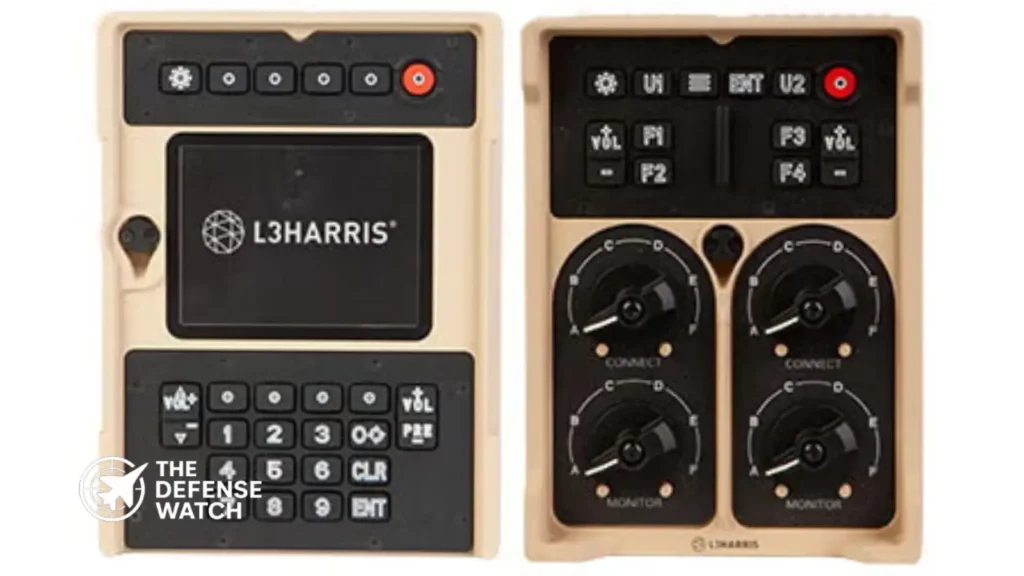
Image Source : L3Harris According to the company, the intercom supports integration with L3Harris Falcon II, Falcon III and Falcon IV tactical radios, while also allowing interoperability with additional tactical radio platforms. That flexibility is likely to appeal to armed forces operating mixed communications architectures or legacy systems undergoing modernization.
(adsbygoogle = window.adsbygoogle || []).push({});Decentralized Architecture Reduces Operational Vulnerabilities
One of the defining features of the MC-3000I is its decentralized system design. Traditional vehicular intercom systems often rely on centralized control units, creating potential operational risks if a single component fails or becomes damaged during combat operations.
L3Harris says the MC-3000I distributes system functionality across the network, improving survivability and operational continuity during high-intensity missions. That approach aligns with broader military modernization priorities emphasizing redundancy, resilience and degraded-environment operations.
The growing focus on electronic warfare threats has also increased demand for communications systems capable of operating reliably under contested conditions. NATO and allied militaries have repeatedly highlighted battlefield communications resilience as a key requirement following observations from recent conflicts in Eastern Europe and the Middle East.
The MC-3000I appears positioned to support those evolving requirements by combining voice clarity, network integration and simplified deployment into a compact vehicle-ready package.
Vehicle Crews Receive Flexible Control Options
The system includes two separate crew-station configurations tailored to different operational demands.
The keypad-display variant supports advanced call management, conferencing functions and radio controls for command-oriented missions requiring more complex communications coordination.
Meanwhile, the rotary-dial configuration focuses on rapid and simplified operation for crews operating in high-tempo combat environments where speed and ease of use are critical.
(adsbygoogle = window.adsbygoogle || []).push({});L3Harris also incorporated night-vision-compatible interfaces and blackout modes to support low-signature operations, an increasingly important requirement for special operations units and frontline maneuver forces.
Inside armored vehicles and tactical transports, excessive noise and confined operating conditions can significantly degrade voice communications. The company says the MC-3000I is specifically engineered to improve intelligibility under those conditions, helping crews maintain situational awareness during operations.
Simplified Fleet Integration Supports Modernization Programs
The MC-3000I also introduces a Configuration Programming Application (CPA) that enables operators to manage intercom and radio configurations through a unified interface.
That capability may reduce training demands and simplify lifecycle management for large fleets operating across multiple vehicle types. Remote configuration and control features additionally support distributed force operations where maintaining standardized communications settings becomes increasingly important.
The modular design allows defense organizations to deploy the same communications architecture across light tactical vehicles, command posts and larger mobile formations without significant redesign requirements.
This standardization trend has become increasingly visible across military procurement programs as armed forces seek to reduce sustainment costs while accelerating modernization timelines.
The system has reportedly been tested against military environmental and operational standards for land and maritime deployments. L3Harris says full-rate production and deliveries are scheduled to begin during the third quarter of 2026.
Growing Demand For Tactical Communications Modernization
The launch of the MC-3000I comes amid broader global investment in battlefield networking and tactical communications modernization.
Military planners are increasingly prioritizing interoperable communications systems capable of supporting joint and coalition operations across dispersed theaters. Modern command-and-control concepts depend heavily on reliable information sharing between mobile units, unmanned systems and command centers.
(adsbygoogle = window.adsbygoogle || []).push({});Vehicle intercom systems, while less visible than major weapons platforms, play a critical role in enabling those operations. Communications failures inside tactical formations can directly affect command responsiveness, operational coordination and mission survivability.
For defense contractors, the tactical communications market remains a major growth area as governments continue investing in digital modernization, electronic warfare resilience and integrated battlefield networking.
L3Harris has remained a major supplier in that segment through its tactical radio portfolio, secure communications technologies and integrated battlefield networking solutions. The MC-3000I expands the company’s position within the mobile command and vehicle communications sector at a time when armed forces are increasingly seeking scalable and interoperable solutions.
Executive Summary:
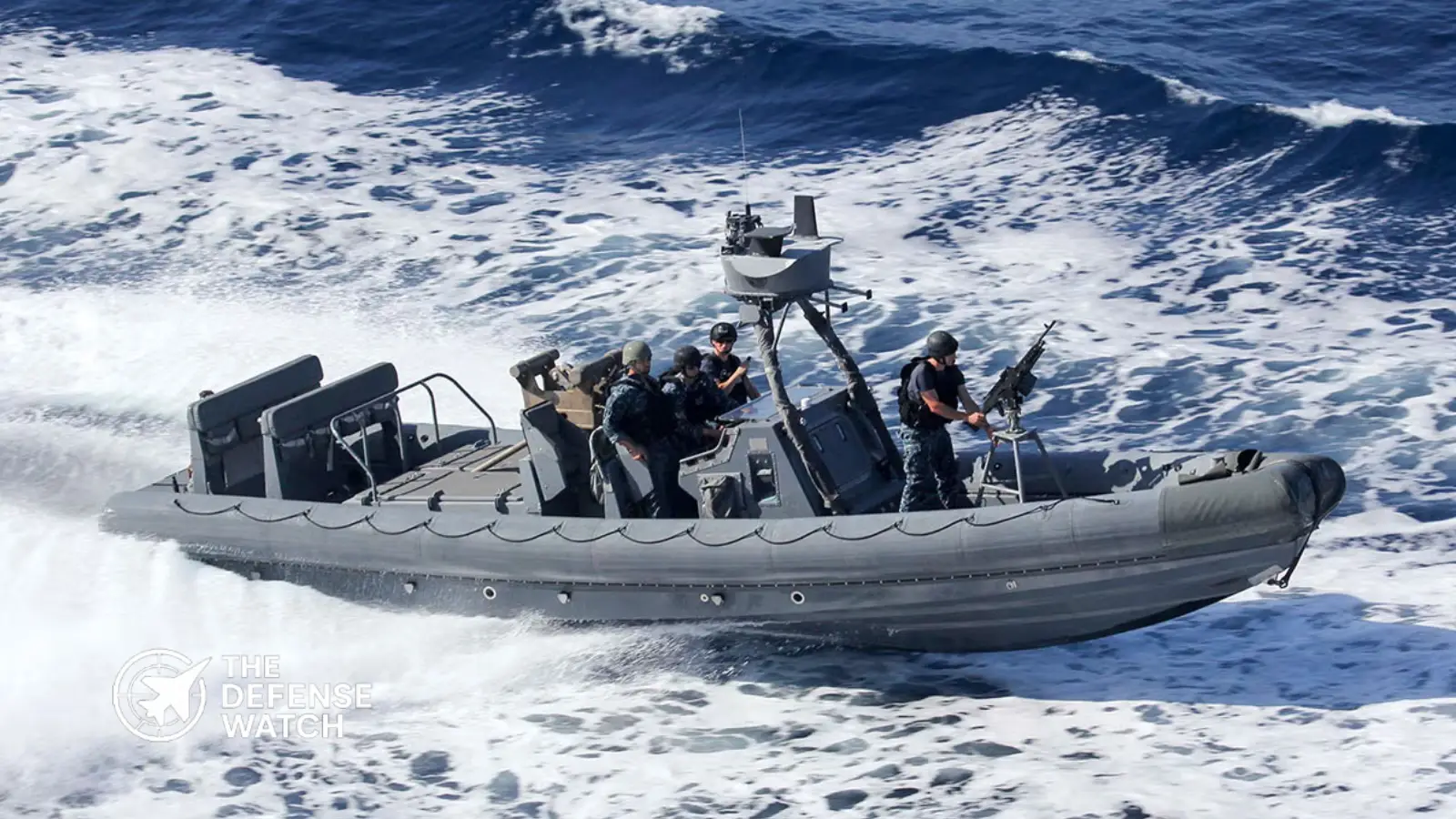
The U.S. Navy’s Naval Information Warfare Center Pacific has awarded a $349.4 million multi award contract to nine defense firms supporting unmanned maritime systems programs. The contract covers engineering, integration, testing, logistics, and operational support work tied to the Navy’s expanding autonomous maritime capabilities through 2034.U.S. Navy Expands Unmanned Maritime Systems Support With $349M Contract
The U.S. Navy’s Naval Information Warfare Center Pacific (NIWC Pacific) has awarded a $349.4 million indefinite delivery/indefinite quantity (IDIQ) contract to nine defense companies to support the development and sustainment of unmanned maritime systems.
The contract, announced by the U.S. Department of Defense, includes cost-plus-fixed-fee and cost-no-fee task orders supporting a broad range of technical and operational requirements tied to autonomous naval platforms and maritime technologies.
The award reflects the Navy’s continued investment in unmanned maritime systems as the service expands autonomous capabilities across surface and undersea missions. These systems are increasingly viewed as critical force multipliers for surveillance, intelligence gathering, mine countermeasures, electronic warfare, logistics, and distributed maritime operations.
The nine selected contractors are:
- Abbott On Call Inc.
- Astrion Group LLC
- HII Mission Technologies Corp.
- ManTech Advanced Systems International Inc.
- Naval Systems Inc.
- Peraton Inc.
- Prescient Edge Corp.
- Science Applications International Corp.
- Serco Inc.
According to the Navy, the work will include specification and design activities, fabrication, development, integration, assembly, installation, testing, evaluation, fielding, operations, maintenance, training, logistics, documentation, configuration management, and program management support.
The majority of the work, approximately 90%, will be conducted in San Diego, with the remaining 10% taking place outside the continental United States.
The ordering period runs from May 12, 2026, through May 13, 2034.
Growing Importance Of Autonomous Naval Capabilities
The unmanned maritime systems contract comes as the U.S. Navy accelerates efforts to integrate autonomous platforms into future fleet operations.
In recent years, the Navy has expanded experimentation and procurement efforts involving unmanned surface vessels (USVs) and unmanned underwater vehicles (UUVs). These systems are designed to support distributed maritime operations, reduce operational risk to sailors, and extend surveillance and strike reach in contested environments.
Programs linked to autonomous maritime operations have gained increasing strategic importance amid rising naval competition in the Indo Pacific region. The Pentagon has repeatedly emphasized the role of autonomous and AI enabled systems in maintaining maritime deterrence and operational flexibility against near peer competitors.
The NIWC Pacific contract supports this broader modernization effort by ensuring long term engineering, integration, and sustainment capacity for emerging unmanned technologies.
Multi Award Structure Supports Long Term Competition
The IDIQ structure allows all nine companies to compete for individual task orders throughout the contract’s duration. Navy officials stated that no funds were obligated at the time of award, with funding tied to future task order issuance.
The contract was competitively procured under Request for Proposal N6600126R0018 through the U.S. government’s SAM.gov and Procurement Integrated Enterprise Environment solicitation systems.
According to the Navy, 21 proposals were submitted, with nine companies ultimately selected for award.
The contract underscores how the Department of Defense increasingly relies on multi vendor acquisition strategies to maintain flexibility, encourage competition, and accelerate technology delivery timelines in fast evolving operational sectors such as autonomous warfare and maritime systems integration.
Strategic Implications For Naval Modernization
The latest unmanned maritime systems contract highlights the Navy’s focus on scalable autonomous capabilities as part of long term fleet modernization plans.
Autonomous maritime platforms are expected to play a larger operational role across intelligence collection, anti submarine warfare, mine countermeasure missions, and logistics support. Analysts also view unmanned systems as essential to enabling distributed operations in highly contested maritime environments where survivability and persistent presence are critical.
By extending technical and operational support contracts through 2034, the Navy is positioning itself to sustain ongoing experimentation while transitioning selected unmanned systems into operational fleet use.
The award also reflects continued demand for specialized defense industry expertise in systems integration, software support, testing, cybersecurity, and lifecycle sustainment for autonomous naval technologies.
Executive Summary:
German defense company Rheinmetall will present a broad portfolio of land, air, and naval defense systems at BSDA 2026 in Bucharest, Romania. The showcase reflects growing Eastern European demand for advanced military capabilities amid regional security concerns and NATO modernization prioritiesRheinmetall BSDA 2026 Showcase Highlights Expanding European Defense Demand
German defense manufacturer Rheinmetall is set to showcase a wide range of land, air, and naval defense systems during the Black Sea Defense and Aerospace exhibition (BSDA) 2026 in Bucharest, Romania. The event comes as Eastern European NATO members continue accelerating defense modernization programs in response to evolving regional security challenges.
According to the company, Rheinmetall plans to display integrated military technologies spanning armored combat vehicles, air defense systems, ammunition solutions, naval capabilities, and digital battlefield technologies. The exhibition serves as a strategic platform for the company to strengthen partnerships across Central and Eastern Europe.
BSDA has become one of the region’s most important defense exhibitions, drawing military officials, procurement agencies, and industry leaders from across NATO and partner nations.
Focus On Integrated Land Combat And Air Defense
A central part of the Rheinmetall BSDA 2026 presentation will focus on integrated land warfare systems and layered air defense capabilities. The company has expanded its portfolio significantly in recent years as European governments increase procurement spending following Russia’s invasion of Ukraine.
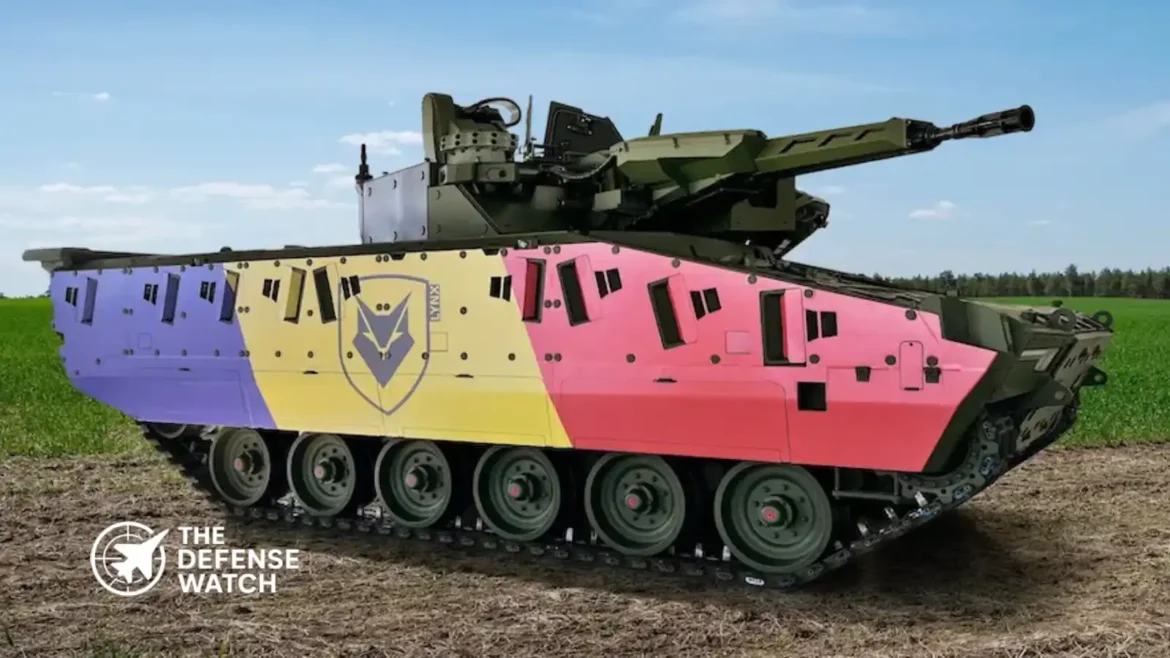
Among the systems expected to attract attention are Rheinmetall’s armored vehicle solutions, including infantry fighting vehicles and air defense platforms designed for mobile battlefield operations. The company has also heavily invested in short-range and medium-range air defense systems capable of countering drones, cruise missiles, and low-flying aircraft.
The emphasis on air defense reflects a broader shift within NATO militaries. The war in Ukraine has demonstrated the operational importance of layered air defense networks and the growing threat posed by loitering munitions and unmanned aerial systems.
Romania, which borders the Black Sea region and shares strategic concerns related to regional instability, has accelerated military procurement programs in recent years. Bucharest has expanded investments in missile defense, armored mobility, and NATO interoperability as part of wider alliance modernization efforts.
Naval And Ammunition Capabilities Also In Focus
Rheinmetall’s presence at BSDA 2026 will also include naval defense technologies and advanced ammunition systems. The company continues to position itself as a major supplier for European armed forces seeking increased domestic and regional production capacity.
Demand for artillery ammunition and air defense munitions has surged across Europe since 2022, placing pressure on defense industrial supply chains. Rheinmetall has responded by expanding manufacturing investments across multiple European sites to increase output capacity.
The company’s naval technologies portfolio includes remotely operated systems, maritime protection solutions, and naval weapon integration technologies intended for modern surface combatants and coastal defense operations.
Industry analysts view this diversification strategy as part of Rheinmetall’s broader effort to become a central supplier for Europe’s long-term rearmament and defense industrial expansion.
Romania Emerging As Regional Defense Hub
The Rheinmetall BSDA 2026 appearance also underscores Romania’s growing importance within NATO’s eastern flank. The country has become an increasingly important regional defense market due to its strategic Black Sea location and expanding military investment plans.
Romania has pursued modernization across multiple branches of its armed forces, including armored vehicles, missile defense systems, fighter aircraft infrastructure, and naval security capabilities.
Defense exhibitions such as BSDA provide Western defense firms an opportunity to deepen industrial cooperation with regional governments while supporting NATO interoperability goals.
The event is expected to feature participation from numerous European and international defense companies competing for future contracts tied to Eastern European military modernization programs.
Strategic Analysis
Rheinmetall’s BSDA 2026 showcase reflects more than a standard defense exhibition presence. It illustrates how European defense companies are repositioning themselves around sustained high-demand procurement cycles driven by regional security concerns and alliance readiness requirements.
The company’s focus on integrated systems, particularly mobile air defense and ammunition production, aligns directly with operational lessons emerging from modern high-intensity warfare in Ukraine. NATO militaries are increasingly prioritizing survivability, layered defense, logistics resilience, and scalable production capacity.
Romania’s growing role is equally significant. Positioned along NATO’s eastern flank and near the Black Sea theater, the country is becoming a critical node for alliance deterrence posture and defense industrial cooperation.
For Rheinmetall, maintaining visibility in Eastern European markets may prove strategically important as European governments seek long-term suppliers capable of supporting both national stockpile replenishment and future modernization initiatives.
Executive Summary:
Vietnam’s Viettel has unveiled a broad range of domestically developed military technologies, including UAVs, radar systems, electronic warfare platforms, and command networks. The showcase highlights Vietnam’s effort to strengthen defense self reliance, modernize its armed forces, and expand its role in the regional defense market.Viettel Defense Industry Expands With Advanced Military Technologies
Vietnam’s Viettel defense industry is accelerating its push into advanced military technologies as the state owned telecommunications and defense group showcased a growing portfolio of indigenous systems designed for modern warfare requirements.
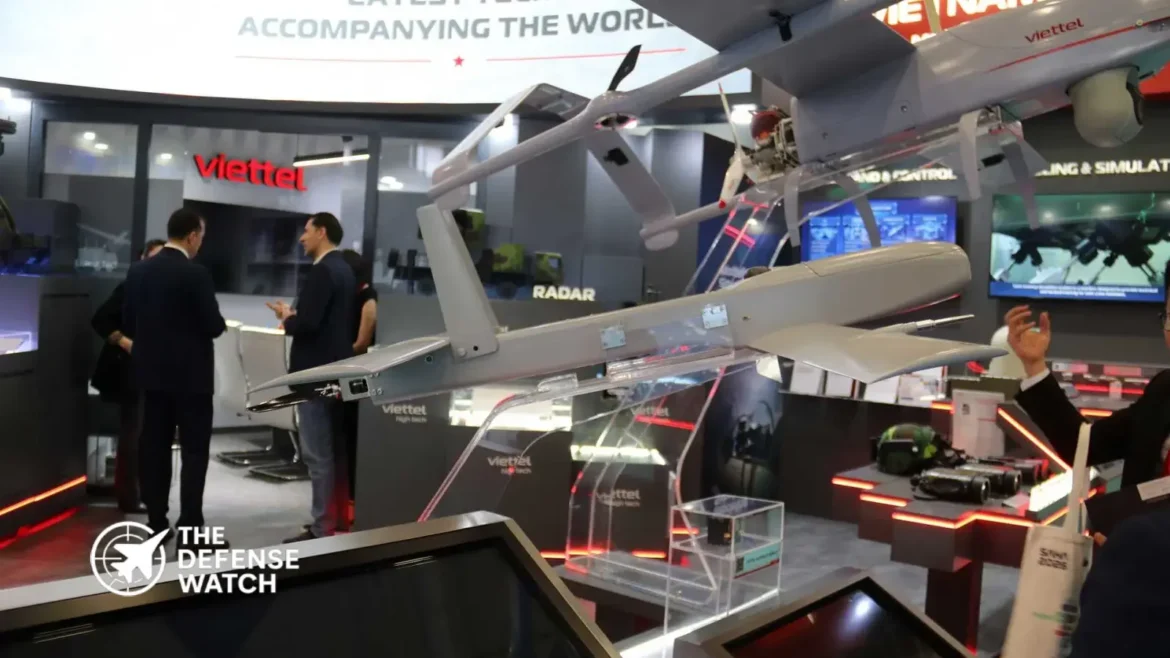
Viettel introduced a wide range of products spanning unmanned aerial systems, electronic warfare, radar technologies, communications infrastructure, and battlefield command systems.
The event underscored Vietnam’s broader defense modernization strategy, which increasingly emphasizes domestic production capabilities and reduced dependence on foreign military suppliers. Vietnam has spent the past decade expanding investments in indigenous defense research as regional security competition intensifies across the Indo Pacific.
Focus On Indigenous Defense Production
The Viettel defense industry has become one of the central pillars of Vietnam’s military industrial base. Originally known for telecommunications, Viettel Group has steadily expanded into defense electronics, cyber capabilities, surveillance systems, and autonomous platforms.
Among the systems displayed were tactical and operational UAVs designed for reconnaissance, surveillance, and target acquisition missions. Several platforms appeared optimized for intelligence gathering and battlefield awareness, areas that have become increasingly important following lessons observed in recent conflicts in Eastern Europe and the Middle East.
Vietnam’s investment in drone technologies reflects a wider regional trend as Asian militaries prioritize unmanned systems capable of operating in contested environments at lower operational costs than traditional aircraft.
The company also presented advanced radar systems intended for air surveillance, coastal monitoring, and counter drone operations. These systems are expected to support Vietnam’s layered defense architecture, particularly in maritime areas where Hanoi continues to strengthen monitoring capabilities.
Electronic Warfare And Networked Battlefield Systems
Another major focus of the showcase involved electronic warfare and secure communications technologies. Viettel displayed systems designed to detect, jam, and disrupt hostile signals while protecting friendly communications networks.
Electronic warfare has emerged as a critical domain in modern military operations, especially as armed forces become more reliant on drones, precision guided weapons, and digital command systems. Vietnam’s effort to build domestic expertise in this field indicates a long term strategy aimed at improving operational resilience during high intensity conflict scenarios.
The company also highlighted integrated command and control platforms capable of linking battlefield sensors, reconnaissance assets, and operational headquarters into a unified network. Such systems are increasingly viewed as essential for multi domain operations and rapid decision making.
Vietnamese defense planners appear focused on creating a more network centric military force capable of responding quickly to regional contingencies.
Regional Security Environment Drives Modernization
Vietnam’s defense modernization efforts are unfolding amid growing strategic competition in the South China Sea and broader Indo Pacific region. Hanoi has consistently sought to balance military modernization with a policy of strategic autonomy.
While Vietnam continues defense cooperation with countries including the United States, India, South Korea, and Russia, the expansion of the Viettel defense industry demonstrates a parallel effort to build long term domestic production capacity.
The development of indigenous systems could also help Vietnam avoid supply chain disruptions and export restrictions that often affect internationally sourced military equipment.
In recent years, Vietnam has expanded procurement and development programs involving coastal defense systems, surveillance networks, missile capabilities, and naval modernization initiatives. Indigenous electronics and sensor technologies are expected to play a larger role in supporting those programs.
Potential Export Opportunities
The growing sophistication of Viettel military products may also support Vietnam’s ambitions in the global defense export market. Southeast Asian defense manufacturers are increasingly attempting to compete in lower cost segments of the international arms market, particularly in unmanned systems and military electronics.
Countries seeking affordable surveillance drones, tactical communications systems, and radar technologies could become potential customers for Vietnamese products in the coming years.
However, Vietnam’s defense export sector still faces significant competition from established suppliers in China, Turkey, Israel, South Korea, and Europe. Sustained investment in research, manufacturing quality, and operational testing will likely determine whether Vietnamese systems can achieve broader international adoption.
Strategic Implications For Southeast Asia
The continued expansion of the Viettel defense industry reflects a broader trend across Southeast Asia, where governments are investing heavily in local defense manufacturing capabilities.
For Vietnam, indigenous production provides strategic flexibility while supporting military readiness in an increasingly contested security environment. The emphasis on drones, radar networks, and electronic warfare systems aligns closely with lessons emerging from current global conflicts, where low cost autonomous systems and electronic dominance are reshaping battlefield operations.
Vietnam’s approach also mirrors wider efforts among middle powers to reduce reliance on foreign suppliers while developing technology sectors that can support both civilian and military applications.
As regional security pressures continue to evolve, Vietnam’s defense industry modernization efforts are expected to remain a key component of Hanoi’s long term national security strategy.
Newer Posts