

Executive Summary:
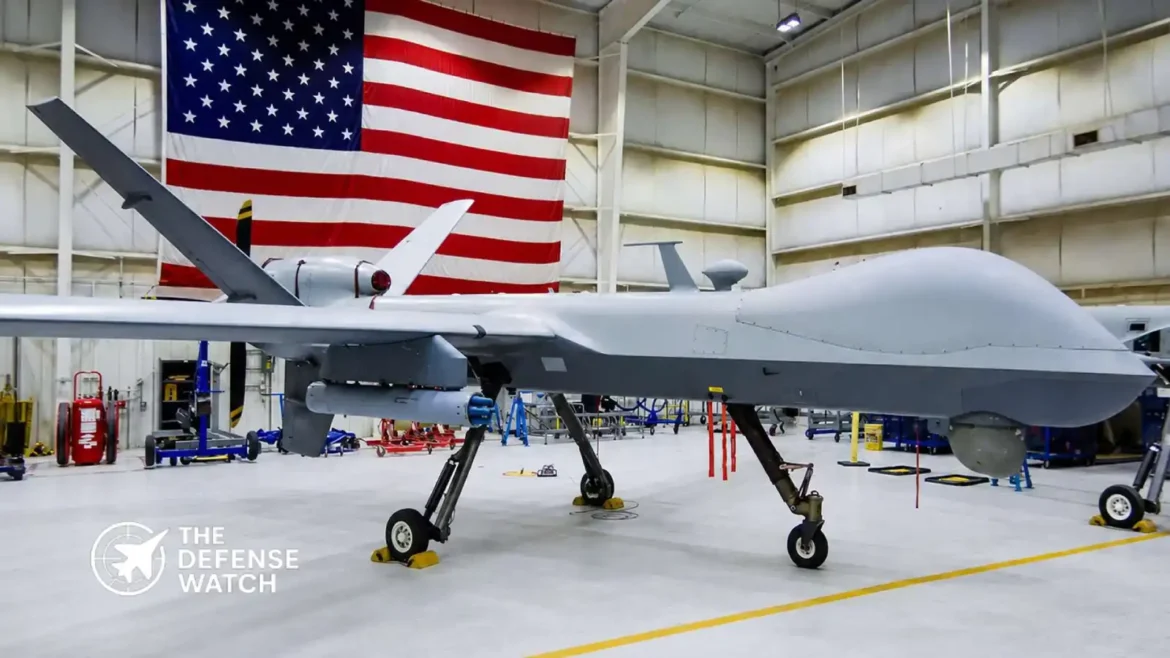
The U.S. Air Force is integrating APKWS laser-guided rockets onto the MQ-9 Reaper to improve counter drone operations against low-cost aerial threats. The move reflects growing Pentagon efforts to develop affordable and scalable air defense options amid the rapid expansion of unmanned systems on modern battlefields.
The U.S. Air Force is moving to expand the combat role of the MQ-9 Reaper by integrating Advanced Precision Kill Weapon System (APKWS) rockets for counter drone missions.
The effort highlights a broader shift in U.S. military planning as the Pentagon searches for cost-effective methods to defeat increasingly common unmanned aerial threats. Low-cost drones have become a major operational challenge in conflicts across the Middle East, Eastern Europe, and the Indo-Pacific, forcing militaries to reconsider traditional air defense strategies.
The MQ-9 Reaper, produced by General Atomics Aeronautical Systems, has historically been used for intelligence, surveillance, reconnaissance, and precision strike missions. By adding APKWS-guided rockets, the platform could gain a new role as an aerial counter drone interceptor.
The APKWS system, developed by BAE Systems, converts standard 70mm Hydra rockets into laser-guided precision munitions. The weapon is already widely used by U.S. military aircraft because it provides a lower-cost alternative to larger air-to-air or air-to-ground missiles.
Why The APKWS Matters For Counter Drone Warfare
The growing use of inexpensive one-way attack drones and commercial UAVs has created a major cost imbalance for Western militaries. In many cases, expensive interceptor missiles are being used to destroy relatively cheap drones.
That imbalance has become particularly visible in the Red Sea, Ukraine, and other contested regions where drone saturation attacks are increasingly common. The U.S. military and allied forces have accelerated efforts to field affordable intercept solutions that can operate at scale.
The APKWS offers several operational advantages in that environment:
- Lower cost compared to traditional missiles
- Precision engagement capability
- Compatibility with multiple aircraft platforms
- Reduced collateral damage risk
- Rapid integration on existing systems
Integrating the weapon onto the MQ-9 Reaper could provide a persistent airborne counter drone capability that remains on station for extended periods while engaging multiple low-cost threats.
The Air Force’s interest in this capability also reflects lessons learned from recent operational environments where drones have evolved from niche battlefield tools into central components of modern warfare.
MQ-9 Reaper Continues Mission Evolution
The MQ-9 Reaper has undergone significant modernization over the past decade. Originally optimized for counterterrorism operations, the platform is increasingly being adapted for contested operational environments involving near-peer competitors.
Recent upgrades have focused on:
- Enhanced survivability
- Expanded sensor packages
- Multi-domain integration
- Maritime surveillance
- Electronic warfare support
- Autonomous mission capabilities
The addition of APKWS rockets fits within that broader modernization path.
The Reaper’s endurance remains one of its biggest operational strengths. Unlike manned fighter aircraft that may require frequent refueling or rotation, the MQ-9 can remain airborne for long durations, making it suitable for persistent surveillance and defensive patrol missions.
Defense analysts have increasingly pointed to the value of layered counter drone architectures that combine electronic warfare, directed energy systems, kinetic interceptors, and airborne response platforms. Arming MQ-9 aircraft with APKWS rockets could provide the Air Force with a flexible middle layer between high-end missile defense systems and ground-based counter UAV tools.
Operational And Strategic Implications
The integration effort also signals how unmanned aircraft themselves are becoming part of the counter unmanned systems ecosystem.
Traditionally, drones were viewed primarily as reconnaissance or strike assets. However, the rapid proliferation of UAV threats has pushed militaries to adapt existing platforms for defensive missions as well.
For the United States and allied forces, the challenge is no longer simply deploying drones, but defending against large numbers of them in contested airspace.
The APKWS-equipped MQ-9 could potentially support several operational missions, including:
- Base defense patrols
- Maritime convoy protection
- Border security operations
- Forward force protection
- Counter swarm interception
The approach may also reduce operational strain on high-value fighter aircraft and missile defense systems currently tasked with drone interception duties.
At the same time, integrating low-cost precision weapons into unmanned platforms reflects a wider Pentagon emphasis on affordability and scalability. As drone warfare expands globally, military planners are increasingly focused on ensuring that defensive systems can sustain prolonged operations without exhausting expensive missile inventories.
Broader Pentagon Counter Drone Push
The MQ-9 APKWS integration effort comes amid wider Department of Defense investments in counter unmanned aerial system technologies.
The Pentagon has accelerated testing of:
- Directed energy weapons
- Electronic attack systems
- Autonomous interceptors
- AI-enabled tracking systems
- Mobile air defense platforms
The U.S. military has repeatedly emphasized that future conflicts are expected to involve large numbers of autonomous and semi-autonomous aerial systems operating simultaneously across multiple domains.
As a result, the need for scalable and affordable counter drone solutions has become a major defense priority.
The MQ-9 Reaper’s evolving mission profile demonstrates how existing aircraft are being adapted to meet those emerging operational demands without requiring entirely new platforms.

US Army Deploys VAMPIRE Counter Drone System At Balikatan 2026
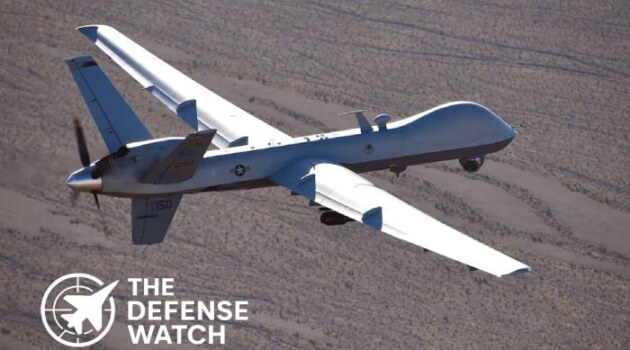
The US Army VAMPIRE counter drone system has been deployed for the first time during Exercise Balikatan 2026 in the Philippines, marking a notable step in expanding U.S. counter unmanned aerial system capabilities in the Indo Pacific.
The deployment highlights how rapidly evolving drone threats are reshaping operational priorities, especially in contested environments where low cost unmanned systems are increasingly used for surveillance and attack missions.
- The US Army deployed the VAMPIRE counter drone system for the first time at Balikatan 2026 in the Philippines.
- VAMPIRE uses laser guided rockets to engage drones and low altitude aerial threats.
- The system is mounted on light tactical vehicles, enabling rapid deployment in dispersed environments.
- The deployment reflects increasing focus on counter drone capabilities in the Indo Pacific theater.
- Balikatan 2026 is one of the largest joint US Philippines military exercises, emphasizing interoperability.
Balikatan, one of the largest annual joint exercises between the United States and the Philippines, provides a realistic environment to test emerging technologies under operational conditions. The introduction of the US Army VAMPIRE counter drone system into this setting signals a shift toward more agile and deployable air defense solutions.
A Mobile And Scalable Counter Drone Capability
The VAMPIRE system, developed by L3Harris Technologies, is designed as a lightweight, vehicle mounted counter drone platform. It integrates a laser targeting system with Advanced Precision Kill Weapon System rockets, allowing operators to engage small unmanned aerial systems with precision.
Unlike traditional air defense systems, VAMPIRE is built for rapid deployment and ease of integration. It can be mounted on a wide range of light tactical vehicles without major modifications. This flexibility makes it suitable for distributed operations, a key component of modern U.S. military doctrine.
From an operational perspective, the US Army VAMPIRE counter drone system fills a critical gap between small arms fire and larger, more expensive missile systems. Drones, particularly commercial off the shelf variants, present a cost asymmetry problem. Using high end interceptors against low cost drones is not sustainable in prolonged conflicts. VAMPIRE offers a more balanced approach.
Strategic Context In The Indo Pacific
The decision to deploy the US Army VAMPIRE counter drone system in the Philippines is closely tied to the broader strategic environment in the Indo Pacific. The region has seen a steady increase in drone usage for surveillance, maritime domain awareness, and potential strike roles.
By integrating VAMPIRE into Balikatan 2026, U.S. and Philippine forces are testing how such systems can operate in archipelagic terrain, where dispersed units must rely on mobile and self contained defenses.
This deployment also aligns with ongoing U.S. efforts to strengthen alliance interoperability. Systems like VAMPIRE can be shared, adapted, or co deployed with partner forces, making them valuable in coalition operations.
Lessons From Recent Conflicts
Recent conflicts, particularly in Eastern Europe and the Middle East, have demonstrated the growing importance of counter drone systems. Small drones have been used extensively for reconnaissance, targeting, and direct attacks on personnel and infrastructure.
The US Army VAMPIRE counter drone system reflects lessons learned from these conflicts. Its emphasis on mobility, precision, and cost effectiveness addresses key operational challenges observed in real world combat scenarios.
Importantly, the system’s use of laser guided rockets allows for accurate targeting while minimizing collateral damage. This is critical in densely populated or complex environments, where traditional air defense solutions may be less suitable.
Operational Impact And Future Outlook
The introduction of the US Army VAMPIRE counter drone system at Balikatan 2026 is more than a technical demonstration. It represents a broader shift in how the U.S. military approaches air defense at the tactical level.
Instead of relying solely on layered, high end systems, there is increasing emphasis on scalable solutions that can be deployed at the unit level. This approach enhances survivability and operational flexibility.
Looking ahead, the continued integration of systems like VAMPIRE into joint exercises will likely accelerate their adoption across different theaters. As drone threats continue to evolve, the demand for adaptable countermeasures is expected to grow.
- ► United Kingdom joins European initiative focused on low cost air defence weapons.
- ► Effort aims to counter mass drone attacks and cheaper cruise missile threats.
- ► Focus on scalable, affordable interceptors rather than high cost missile systems.
- ► Supports NATO wide efforts to strengthen layered air and missile defense.
- ► Reflects lessons from Ukraine conflict on cost imbalance in modern air warfare.
UK Low Cost Air Defence Weapons Initiative Gains Momentum
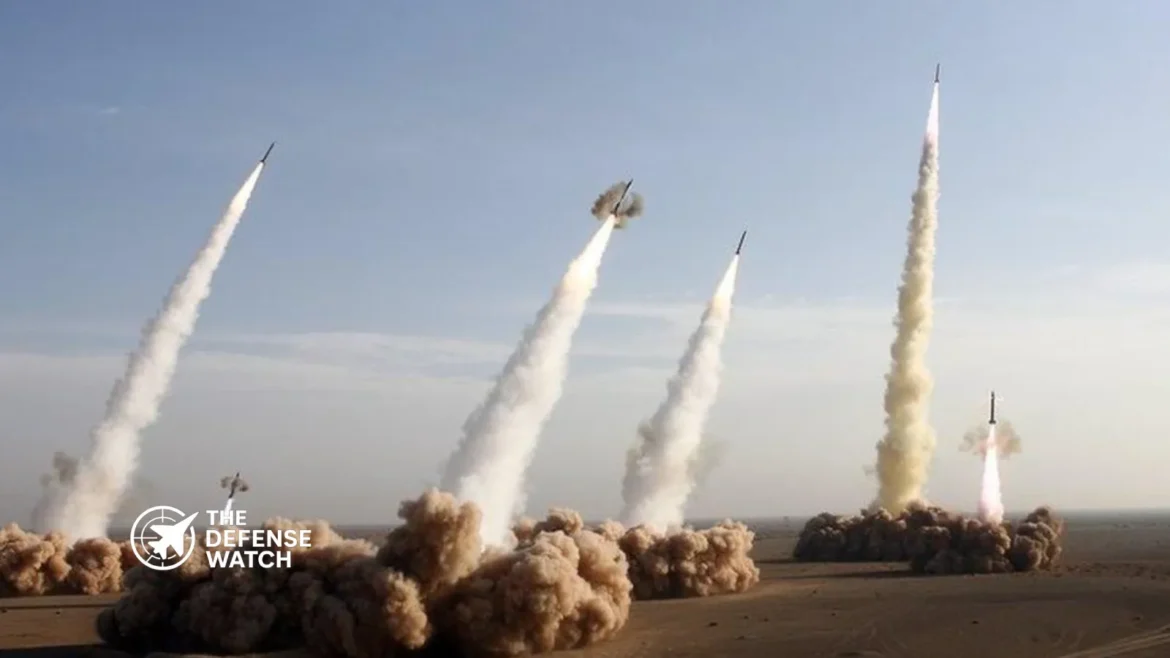
The UK low cost air defence weapons initiative is moving forward as London joins a wider European effort to develop affordable interceptors against drones and missile threats.
(adsbygoogle = window.adsbygoogle || []).push({});The United Kingdom has aligned itself with a European push to accelerate development of lower cost air defense systems designed to counter mass drone swarms and saturation attacks. The move reflects growing concern across NATO about the rising use of inexpensive unmanned systems in modern conflicts.
European governments are increasingly focused on closing what defense planners describe as a cost imbalance. In recent conflicts, including the war in Ukraine, relatively cheap drones and loitering munitions have forced defenders to rely on high cost surface to air missiles to intercept them. That exchange ratio is not sustainable over time.
The UK decision signals recognition that future air defense architecture must include scalable and affordable options.
Lessons From Ukraine Drive Policy Shift
The conflict in Ukraine has reshaped air and missile defense thinking across Europe. Both Russia and Ukraine have used large numbers of drones and cruise missiles in repeated strikes against infrastructure and military targets.
Intercepting a low cost drone with a multi million dollar missile presents an obvious economic challenge. Senior NATO officials have repeatedly warned that allies need more cost effective intercept solutions to handle persistent drone campaigns.
(adsbygoogle = window.adsbygoogle || []).push({});The UK low cost air defence weapons effort is directly tied to these lessons. Rather than relying solely on advanced systems such as long range missile batteries, the focus is on adding cheaper interceptors and complementary technologies that can engage slower, smaller aerial threats.
This does not replace high end systems. Instead, it reinforces a layered defense model.
Strengthening NATO’s Layered Air Defense
NATO’s integrated air and missile defense concept depends on multiple layers. High altitude ballistic missile defense, medium range systems, and short range air defense must work together.
The European initiative aims to strengthen the lower and middle tiers of that structure. These layers are critical for countering drones, loitering munitions, and certain cruise missiles.
The UK low cost air defence weapons participation suggests closer coordination with European partners on procurement and industrial development. Shared development could reduce unit costs, increase production capacity, and improve interoperability across allied forces.
(adsbygoogle = window.adsbygoogle || []).push({});Interoperability remains central. NATO air defense systems rely on shared data links and integrated command and control networks. Any new system must plug into existing architecture.
Industrial And Strategic Implications
For the United Kingdom, joining this push carries both military and industrial significance.
The UK defense sector has deep experience in missile development and air defense technologies. Expanding into affordable intercept solutions offers opportunities for domestic industry while supporting broader alliance needs.
It also aligns with ongoing UK modernization plans. London has committed to strengthening homeland defense and supporting NATO’s eastern flank. Affordable air defense capabilities could be deployed to protect bases, critical infrastructure, and expeditionary forces.
(adsbygoogle = window.adsbygoogle || []).push({});From a strategic standpoint, this move reflects a wider European reassessment of air defense priorities. For years, many European states reduced short range air defense inventories after the Cold War. The return of high intensity conflict in Europe has reversed that trend.
Addressing The Cost Imbalance
At its core, the UK low cost air defence weapons initiative seeks to solve a simple problem. Modern warfare has made it easier and cheaper to launch aerial attacks than to stop them.
Commercially derived drones can be adapted for military use at relatively low cost. State actors can also produce cruise missiles at scale. Defenders must respond without exhausting high value missile stocks.
Affordable interceptors, rapid production lines, and complementary systems such as electronic warfare and directed energy weapons are now central to air defense planning.
(adsbygoogle = window.adsbygoogle || []).push({});The UK’s decision to join this European effort signals that London sees the issue as long term rather than temporary.
Broader European Security Context
The initiative comes amid heightened security concerns across Europe. NATO members have increased defense spending and accelerated procurement programs since 2022.
European Union efforts such as joint procurement frameworks and collaborative defense projects have aimed to streamline acquisitions and reduce duplication. Although the UK is no longer an EU member, it continues to cooperate closely with European partners on defense.
Participation in a shared low cost air defense initiative strengthens that cooperation. It also reinforces NATO’s collective deterrence posture.
Outlook
Details on specific systems, funding levels, or timelines remain limited in public reporting. However, the policy direction is clear.
(adsbygoogle = window.adsbygoogle || []).push({});The UK low cost air defence weapons effort reflects a shift toward sustainable air defense models built around layered, affordable, and scalable capabilities.
If successfully implemented, it could help address one of the most pressing operational challenges facing NATO forces today: defending against large numbers of relatively cheap aerial threats without depleting strategic missile inventories.
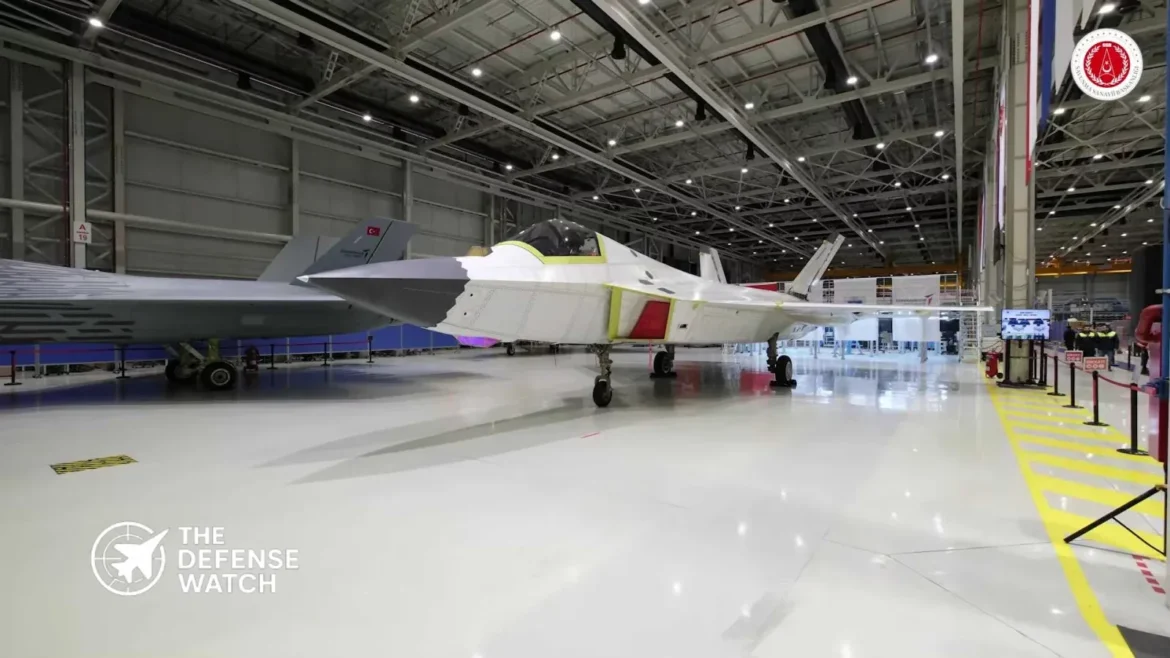
- ► Türkiye has unveiled its second KAAN fighter prototype to refine stealth capabilities before mass production.
- ► The prototype focuses on low-observable design elements including radar cross-section reduction.
- ► First prototype completed initial flight tests in 2025; the second prototype introduces updated stealth features.
- ► Türkiye aims to integrate the KAAN fighter into its Air Force fleet once development is complete.
- ► The program is part of Türkiye’s broader initiative to strengthen domestic aerospace and defense capabilities.
Türkiye Advances KAAN Fighter Stealth Ahead Of Mass Production
Türkiye has officially unveiled the second prototype of its indigenous KAAN fighter, signaling a significant step in the nation’s efforts to produce a next-generation stealth combat aircraft. The new prototype focuses on advanced low-observable technologies designed to reduce radar cross-section and enhance survivability in contested environments, according to Turkish defense sources.
The first KAAN prototype, which completed initial flight testing in 2025, provided critical insights into aerodynamics and systems integration. This second aircraft incorporates refinements to stealth shaping, radar-absorbing materials, and internal weapon bay configurations.
Turkish Aerospace Industries (TAI) leads the program, coordinating with domestic suppliers to integrate avionics, flight control systems, and mission-critical sensors. Officials emphasize that the KAAN project represents a milestone in Turkey’s strategic goal of achieving self-reliance in fighter aircraft production.
Program Goals And Timeline
The KAAN fighter is designed to serve as a multirole platform, capable of air superiority and strike missions. Mass production is targeted for later in the decade following completion of prototype testing and certification. Defense experts note that incorporating stealth elements from the early stages of development can shorten integration timelines and reduce future modifications.
Domestic Innovation And Global Ambitions
Türkiye’s push for indigenous aircraft development aligns with broader defense industry initiatives aimed at reducing reliance on foreign suppliers. The KAAN program also positions Ankara to participate in regional aerospace markets while advancing technological expertise in high-performance fighter jets.
TAI has stated that ongoing testing will evaluate radar cross-section reduction, sensor fusion, and internal weapons carriage. Flight trials for the second prototype are expected to continue throughout 2026, with performance data feeding into final design adjustments before production.
Strategic Implications
The KAAN fighter program enhances Türkiye’s operational independence and strengthens its ability to respond to regional threats. Analysts suggest that an operational KAAN fleet could complement existing F-16 assets, providing advanced stealth capabilities for air defense and strike operations.
By advancing stealth technology domestically, Türkiye can also inform future export opportunities while reinforcing the capabilities of its defense industrial base.

- ► Germany is evaluating the Polish-made Piorun MANPADS to strengthen short-range air defense.
- ► The system is designed to engage drones, helicopters, and low-flying aircraft.
- ► Piorun is produced by Poland’s defense industry and has seen operational use in Ukraine.
- ► Berlin is seeking layered air defense solutions to counter evolving aerial threats.
- ► The move reflects broader European efforts to close short-range air defense gaps.
Germany Evaluates Piorun MANPADS To Strengthen Short-Range Air Defense
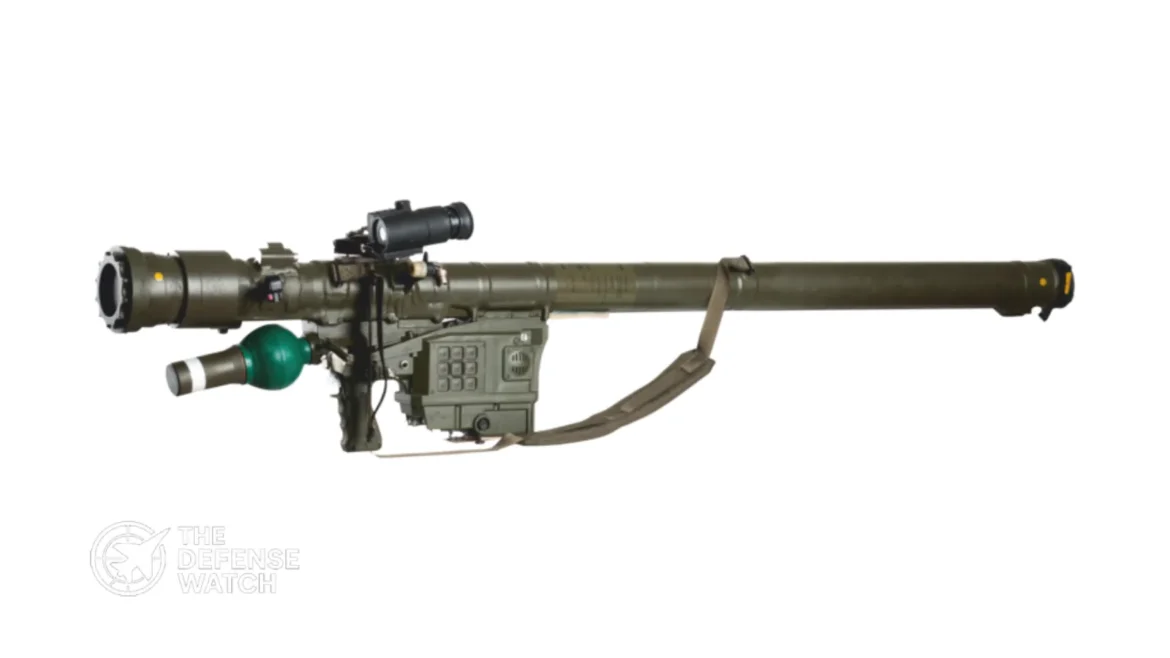
Germany is considering the acquisition of the Piorun MANPADS to enhance its short-range air defense capabilities against drones and other low-altitude threats.
(adsbygoogle = window.adsbygoogle || []).push({});Berlin is examining the Polish-developed system as part of broader efforts to modernize ground-based air defense. The potential procurement comes as European militaries reassess force protection requirements in light of recent conflicts and the growing use of unmanned aerial systems on the battlefield.
Addressing Low-Altitude Drone Threats
The Piorun MANPADS, developed by Mesko, is a shoulder-fired, infrared-guided surface-to-air missile system designed to engage low-flying aircraft, helicopters, and unmanned aerial vehicles.
German defense planners have increasingly emphasized the need for effective counter drone measures. Small and medium sized drones, often operating at low altitude and low speed, present detection and engagement challenges for traditional air defense systems optimized for higher performance targets.
By adding the Piorun MANPADS to its inventory, Germany would bolster its very short-range air defense layer. This tier is critical for protecting forward deployed forces, critical infrastructure, and maneuver units from sudden aerial threats.
Operational Experience In Ukraine
The Piorun MANPADS has gained attention following its operational use in Ukraine. Polish authorities and Ukrainian officials have credited the system with successful engagements against various aerial targets, including helicopters and unmanned platforms.
While Germany has not formally announced a contract, the evaluation reflects confidence in the system’s performance under combat conditions. Real-world data from Ukraine has influenced procurement decisions across Europe, particularly in the area of short-range air defense.
Germany’s Broader Air Defense Strategy
Germany is undertaking a comprehensive review of its air defense architecture. In recent years, Berlin has committed to strengthening layered air and missile defense through national initiatives and multinational cooperation.
The potential Piorun MANPADS acquisition would complement higher-tier systems such as the IRIS-T SLM, which provides medium-range air defense coverage. Together, such systems form a layered structure designed to address threats ranging from drones to cruise missiles.
(adsbygoogle = window.adsbygoogle || []).push({});German officials have repeatedly stressed the importance of closing capability gaps in short-range air defense, particularly for ground forces. The evolving threat environment, marked by the widespread use of loitering munitions and small drones, has accelerated this effort.
Strengthening European Defense Cooperation
A possible German purchase of the Piorun MANPADS would also underscore growing defense cooperation within Europe. Poland has expanded its defense industrial footprint in recent years, positioning itself as a supplier of land and air defense systems to allied nations.
For Berlin, sourcing the Piorun MANPADS from a European partner aligns with broader efforts to reinforce regional defense industrial resilience and interoperability among NATO members.
As discussions continue, the Piorun MANPADS remains a prominent option in Germany’s effort to enhance short-range protection against emerging aerial threats.