

Table of Contents
The U.S. Army has undergone rapid modernization in recent years, investing heavily in advanced weapons, next-generation combat vehicles, and precision-strike systems. These efforts reflect the Pentagon’s focus on great-power competition, countering near-peer rivals such as China and Russia. In 2025, five weapons stand out as central to the Army’s capability to dominate the future battlefield.
This overview highlights the top 5 U.S. Army weapons that define modern warfare, illustrating how each system strengthens deterrence and operational effectiveness.
1. Next Generation Squad Weapon (NGSW)
The Army’s Next Generation Squad Weapon program is reshaping infantry firepower. The XM7 rifle and XM250 automatic rifle, chambered in 6.8mm, are set to replace the long-serving M4 carbine and M249 SAW. With improved lethality, range, and penetration against modern body armor, the NGSW offers a decisive edge in close and mid-range combat.
Crucially, the program integrates advanced optics and fire control systems, providing soldiers with AI-enabled targeting, ballistic computation, and low-light engagement capabilities.
2. M1A2 SEPv3 Abrams Main Battle Tank
The M1 Abrams tank remains the backbone of the U.S. Army’s armored force. The latest M1A2 SEPv3 variant enhances survivability, communications, and lethality. It features upgraded armor, improved ammunition data links, and advanced electronic systems designed to withstand electronic warfare threats.
Although the Army is pursuing the AbramsX concept tank, SEPv3 ensures that the current fleet remains combat-relevant until next-generation designs are fielded.
3. HIMARS Rocket Artillery System
The High Mobility Artillery Rocket System (HIMARS) has become one of the most recognizable symbols of U.S. precision strike power, especially after its success in Ukraine. HIMARS provides highly mobile, long-range fires with GPS-guided rockets and ATACMS missiles.
Its effectiveness lies in “shoot-and-scoot” tactics, allowing forces to strike targets deep behind enemy lines and relocate before counterfire. The Army is further enhancing HIMARS with the Precision Strike Missile (PrSM), extending range beyond 500 kilometers.
4. Patriot Missile Defense System
Air and missile defense remains a top priority, and the Patriot missile system continues to serve as the Army’s primary shield against enemy missiles, aircraft, and drones. Constantly upgraded, the system now incorporates improved radar, advanced interceptors, and better interoperability with allied forces.
The Patriot’s proven effectiveness in protecting forward-deployed forces ensures its role remains vital amid growing missile threats from adversaries.
5. Future Vertical Lift (FVL) – FLRAA and FARA
The Future Vertical Lift program is transforming Army aviation. The Future Long-Range Assault Aircraft (FLRAA) and Future Attack Reconnaissance Aircraft (FARA) aim to replace aging Black Hawks and Kiowas with next-generation rotorcraft.
Featuring greater range, speed, and survivability, these platforms will redefine air mobility and reconnaissance. FLRAA, developed by Bell Textron, is expected to enter service in the early 2030s, while FARA remains under evaluation.
Analysis: Defining the Future Battlefield
The top five weapons represent the Army’s strategy to balance lethality, mobility, and survivability across domains. From squad-level rifles to long-range fires and advanced missile defense, these capabilities are designed to counter both conventional and hybrid threats.
Analysts note that integration across systems—networked sensors, AI-driven targeting, and joint-domain interoperability—will be the defining factor in how effectively the Army can apply these weapons in real-world conflict.
The modernization push also highlights a shift from counterinsurgency operations toward high-intensity conflict preparedness, reflecting the Pentagon’s focus on China as the pacing threat.
Source: U.S. Army Modernization Strategy
FAQs
The XM7 rifle under the Next Generation Squad Weapon program is set to replace the M4 carbine.
HIMARS provides long-range precision fires and mobility, making it difficult for enemies to target after launches.
The M1A2 SEPv3 will remain in service for the foreseeable future, while AbramsX concepts are being explored for the next generation.
FVL aims to replace legacy helicopters with faster, more survivable aircraft optimized for joint operations.
Yes. The Patriot system is constantly upgraded and remains a cornerstone of U.S. and allied missile defense.
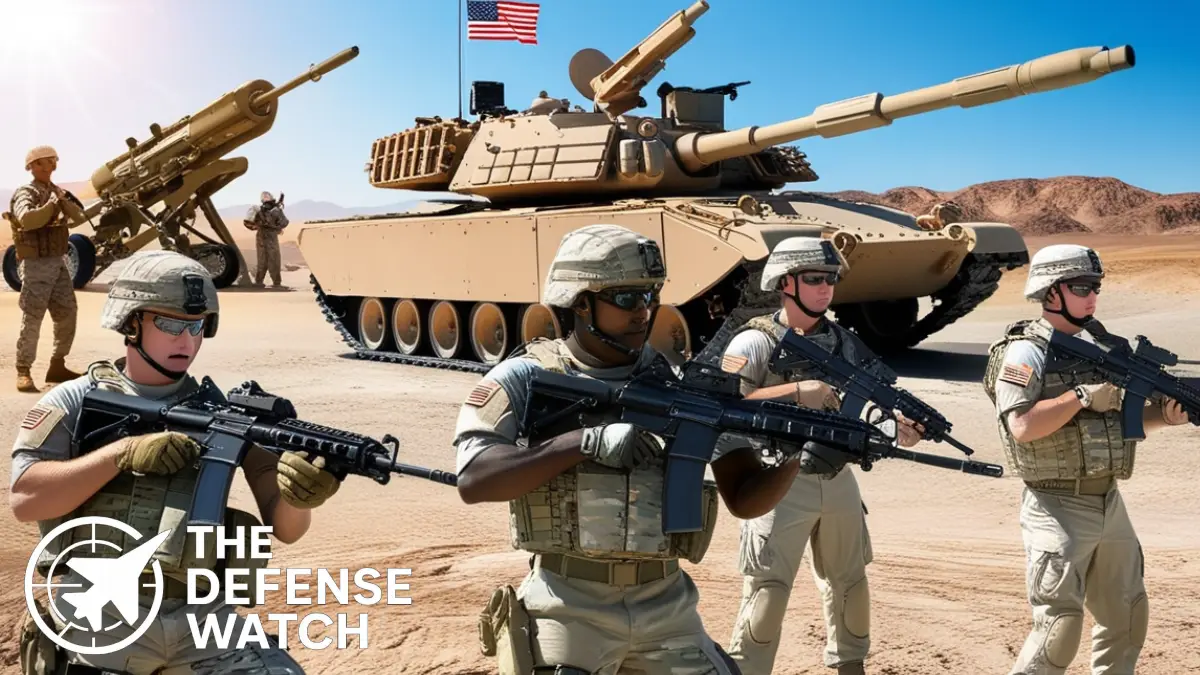
Note: The images are AI-generated.

60 comments
[…] to replace aging KC-135 Stratotankers and KC-10 Extenders, the Pegasus brings modern avionics, defensive systems, and multi-role […]
[…] Defensive Systems […]
[…] Asif Ali Zardari hailed the test as “a milestone in Pakistan’s defense system,” stressing that the missile’s indigenous development reflects scientific self-reliance. […]
[…] U.S. Response: The Pentagon is developing Glide Phase Interceptors (GPI) for future Aegis platforms. […]
[…] too low for early-warning satellites to track effectively, yet too high for traditional air defense systems to […]
[…] internal Army memos have flagged risks in battlefield communication platforms, for example raising “very high risk” flags over data access and software vulnerabilities in […]
[…] defense webs—even across national boundaries. In theater defense networks (e.g. Guam Defense System), IBCS could serve as the connective command layer across joint, multi-domain sensors and […]
[…] initiative reflects a more practical, systems-level approach: embed or link AI agents into defense systems under strong governance, rather than isolate models in disconnected […]
[…] links, EW capability and integration into a wider networked force. The F-22 exemplifies that shift. Future platforms (for example, the F‑35 Lightning II and sixth-generation systems) will further push these […]
[…] If successful, the Airlander 10 could mark the return of the airship — not as a relic of the past, but as a critical asset in the future of modern warfare. […]
[…] modern combat scenarios — especially in the Indo-Pacific and littoral zones — mobility and survivability are […]
[…] of Defense reported in its daily briefing that in addition to the two drones in Bashkortostan, defense systems destroyed another 83 drones over seven other Russian regions overnight. No official comment was […]
[…] Air Defense) system is currently being tested to counter multiple drone threats simultaneously. The Army envisions deploying these systems across forward bases and combat brigades to provide layered air defense against swarm […]
[…] & U.S…. Key Features of Boeing’s Sixth-Gen F-47 Fighter Jet That Define Next-Gen… Top 5 U.S. Army Weapons That Define Modern Warfare in 2025 China vs. U.S. Naval Expansion: Who Holds the Edge in the… First Flight of Air Force’s […]
[…] Means for… Global Hypersonic Arms Race Intensifies: China, India, Japan, Russia & U.S…. Top 5 U.S. Army Weapons That Define Modern Warfare in 2025 USCYBERCOM FY 2025 Priorities: Strengthening Infrastructure, Training, and Strategic Posture […]
[…] Jet Fleets in… Autonomous Weapon Systems Spark U.S. Ethics Debate Amid Rapid Military AI… Top 5 U.S. Army Weapons That Define Modern Warfare in 2025 Key Features of Boeing’s Sixth-Gen F-47 Fighter Jet That Define Next-Gen… Global Hypersonic […]
[…] Jet Fleets in… Autonomous Weapon Systems Spark U.S. Ethics Debate Amid Rapid Military AI… Top 5 U.S. Army Weapons That Define Modern Warfare in 2025 Key Features of Boeing’s Sixth-Gen F-47 Fighter Jet That Define Next-Gen… Global Hypersonic […]
[…] Uses the A-10 Warthog in… Which 5 Air Forces Possess the Costliest Fighter Jet Fleets in… Top 5 U.S. Army Weapons That Define Modern Warfare in 2025 Autonomous Weapon Systems Spark U.S. Ethics Debate Amid Rapid Military AI… Key Features of […]
[…] Future Security… Which 5 Air Forces Possess the Costliest Fighter Jet Fleets in… Top 5 U.S. Army Weapons That Define Modern Warfare in 2025 6 Fighter Jets With the Most Advanced Radar Systems in Service… Autonomous Weapon Systems […]
[…] Future Security… Which 5 Air Forces Possess the Costliest Fighter Jet Fleets in… Top 5 U.S. Army Weapons That Define Modern Warfare in 2025 6 Fighter Jets With the Most Advanced Radar Systems in Service… Autonomous Weapon Systems […]
[…] Future Security… 6 Fighter Jets With the Most Advanced Radar Systems in Service… Top 5 U.S. Army Weapons That Define Modern Warfare in 2025 Autonomous Weapon Systems Spark U.S. Ethics Debate Amid Rapid Military AI… Why the U.S. Air […]
[…] Future Security… 6 Fighter Jets With the Most Advanced Radar Systems in Service… Top 5 U.S. Army Weapons That Define Modern Warfare in 2025 Autonomous Weapon Systems Spark U.S. Ethics Debate Amid Rapid Military AI… Hypersonic Weapons […]
[…] Evolving Strategic Value: Carrier Strike Groups in the Indo-Pacific’s Future Security… Top 5 U.S. Army Weapons That Define Modern Warfare in 2025 6 Fighter Jets With the Most Advanced Radar Systems in Service… Hypersonic Weapons Race 2025: […]
[…] Evolving Strategic Value: Carrier Strike Groups in the Indo-Pacific’s Future Security… Top 5 U.S. Army Weapons That Define Modern Warfare in 2025 6 Fighter Jets With the Most Advanced Radar Systems in Service… Hypersonic Weapons Race 2025: […]
[…] Evolving Strategic Value: Carrier Strike Groups in the Indo-Pacific’s Future Security… Top 5 U.S. Army Weapons That Define Modern Warfare in 2025 6 Fighter Jets With the Most Advanced Radar Systems in Service… Hypersonic Weapons Race 2025: […]
[…] Fighter Jet Fleets in… 6 Fighter Jets With the Most Advanced Radar Systems in Service… Top 5 U.S. Army Weapons That Define Modern Warfare in 2025 Evolving Strategic Value: Carrier Strike Groups in the Indo-Pacific’s Future Security… […]
[…] Fighter Jet Fleets in… 6 Fighter Jets With the Most Advanced Radar Systems in Service… Top 5 U.S. Army Weapons That Define Modern Warfare in 2025 Evolving Strategic Value: Carrier Strike Groups in the Indo-Pacific’s Future Security… […]
[…] Fighter Jet Fleets in… 6 Fighter Jets With the Most Advanced Radar Systems in Service… Top 5 U.S. Army Weapons That Define Modern Warfare in 2025 Evolving Strategic Value: Carrier Strike Groups in the Indo-Pacific’s Future Security… […]
[…] Fighter Jet Fleets in… 6 Fighter Jets With the Most Advanced Radar Systems in Service… Top 5 U.S. Army Weapons That Define Modern Warfare in 2025 Evolving Strategic Value: Carrier Strike Groups in the Indo-Pacific’s Future Security… […]
[…] Radar Systems in Service… Which 5 Air Forces Possess the Costliest Fighter Jet Fleets in… Top 5 U.S. Army Weapons That Define Modern Warfare in 2025 Evolving Strategic Value: Carrier Strike Groups in the Indo-Pacific’s Future Security… […]
[…] Radar Systems in Service… Which 5 Air Forces Possess the Costliest Fighter Jet Fleets in… Top 5 U.S. Army Weapons That Define Modern Warfare in 2025 Evolving Strategic Value: Carrier Strike Groups in the Indo-Pacific’s Future Security… […]
[…] Fighter Jet Fleets in… 6 Fighter Jets With the Most Advanced Radar Systems in Service… Top 5 U.S. Army Weapons That Define Modern Warfare in 2025 Evolving Strategic Value: Carrier Strike Groups in the Indo-Pacific’s Future Security… […]
[…] Radar Systems in Service… Which 5 Air Forces Possess the Costliest Fighter Jet Fleets in… Top 5 U.S. Army Weapons That Define Modern Warfare in 2025 Evolving Strategic Value: Carrier Strike Groups in the Indo-Pacific’s Future Security… […]
[…] Radar Systems in Service… Which 5 Air Forces Possess the Costliest Fighter Jet Fleets in… Top 5 U.S. Army Weapons That Define Modern Warfare in 2025 Evolving Strategic Value: Carrier Strike Groups in the Indo-Pacific’s Future Security… […]
[…] Radar Systems in Service… Which 5 Air Forces Possess the Costliest Fighter Jet Fleets in… Top 5 U.S. Army Weapons That Define Modern Warfare in 2025 Evolving Strategic Value: Carrier Strike Groups in the Indo-Pacific’s Future Security… […]
[…] Radar Systems in Service… Which 5 Air Forces Possess the Costliest Fighter Jet Fleets in… Top 5 U.S. Army Weapons That Define Modern Warfare in 2025 Evolving Strategic Value: Carrier Strike Groups in the Indo-Pacific’s Future Security… […]
[…] Radar Systems in Service… Which 5 Air Forces Possess the Costliest Fighter Jet Fleets in… Top 5 U.S. Army Weapons That Define Modern Warfare in 2025 Evolving Strategic Value: Carrier Strike Groups in the Indo-Pacific’s Future Security… […]
[…] Radar Systems in Service… Which 5 Air Forces Possess the Costliest Fighter Jet Fleets in… Top 5 U.S. Army Weapons That Define Modern Warfare in 2025 Evolving Strategic Value: Carrier Strike Groups in the Indo-Pacific’s Future Security… […]
[…] Evolving Strategic Value: Carrier Strike Groups in the Indo-Pacific’s Future Security… Top 5 U.S. Army Weapons That Define Modern Warfare in 2025 Which 5 Air Forces Possess the Costliest Fighter Jet Fleets in… Hypersonic Weapons Race 2025: […]
[…] Evolving Strategic Value: Carrier Strike Groups in the Indo-Pacific’s Future Security… Top 5 U.S. Army Weapons That Define Modern Warfare in 2025 Which 5 Air Forces Possess the Costliest Fighter Jet Fleets in… Hypersonic Weapons Race 2025: […]
[…] Evolving Strategic Value: Carrier Strike Groups in the Indo-Pacific’s Future Security… Top 5 U.S. Army Weapons That Define Modern Warfare in 2025 Which 5 Air Forces Possess the Costliest Fighter Jet Fleets in… Hypersonic Weapons Race 2025: […]
[…] Evolving Strategic Value: Carrier Strike Groups in the Indo-Pacific’s Future Security… Top 5 U.S. Army Weapons That Define Modern Warfare in 2025 Which 5 Air Forces Possess the Costliest Fighter Jet Fleets in… Hypersonic Weapons Race 2025: […]
[…] Evolving Strategic Value: Carrier Strike Groups in the Indo-Pacific’s Future Security… Top 5 U.S. Army Weapons That Define Modern Warfare in 2025 Which 5 Air Forces Possess the Costliest Fighter Jet Fleets in… Hypersonic Weapons Race 2025: […]
[…] Future Security… 6 Fighter Jets With the Most Advanced Radar Systems in Service… Top 5 U.S. Army Weapons That Define Modern Warfare in 2025 Which 5 Air Forces Possess the Costliest Fighter Jet Fleets in… Hypersonic Weapons Race 2025: […]
[…] Evolving Strategic Value: Carrier Strike Groups in the Indo-Pacific’s Future Security… Top 5 U.S. Army Weapons That Define Modern Warfare in 2025 Which 5 Air Forces Possess the Costliest Fighter Jet Fleets in… Hypersonic Weapons Race 2025: […]
[…] January 17, 2026 Top Posts 6 Fighter Jets With the Most Advanced Radar Systems in Service… Top 5 U.S. Army Weapons That Define Modern Warfare in 2025 Hypersonic Weapons Race 2025: U.S., Russia, China Vie for Supremacy in… Ranking the World’s […]
[…] January 23, 2026 Top Posts 6 Fighter Jets With the Most Advanced Radar Systems in Service… Top 5 U.S. Army Weapons That Define Modern Warfare in 2025 Top 10 Most Powerful Air Forces in the World in 2025 Ranking the World’s Top 15 Best Fighter […]
[…] Air Forces in the World in 2025 6 Fighter Jets With the Most Advanced Radar Systems in Service… Top 5 U.S. Army Weapons That Define Modern Warfare in 2025 Ranking the World’s Top 15 Best Fighter Jets in 2025: Innovation… Top 10 Most Powerful […]
[…] January 26, 2026 Top Posts Top 10 Most Powerful Air Forces in the World in 2025 Top 5 U.S. Army Weapons That Define Modern Warfare in 2025 Ranking the World’s Top 15 Best Fighter Jets in 2025: Innovation… 6 Fighter Jets With the […]
[…] Jets in 2025: Innovation… 6 Fighter Jets With the Most Advanced Radar Systems in Service… Top 5 U.S. Army Weapons That Define Modern Warfare in 2025 Top 10 Most Powerful Navies in the World : Gauging Maritime… Top 10 Most Advanced Fighter Jets in […]
[…] in the World in 2025 Ranking the World’s Top 15 Best Fighter Jets in 2025: Innovation… Top 5 U.S. Army Weapons That Define Modern Warfare in 2025 6 Fighter Jets With the Most Advanced Radar Systems in Service… Top 10 Most Powerful Navies in […]
[…] Jets in 2025: Innovation… 6 Fighter Jets With the Most Advanced Radar Systems in Service… Top 5 U.S. Army Weapons That Define Modern Warfare in 2025 Top 10 Most Powerful Navies in the World : Gauging Maritime… Top 10 Most Advanced Fighter Jets in […]
[…] Jets in 2025: Innovation… 6 Fighter Jets With the Most Advanced Radar Systems in Service… Top 5 U.S. Army Weapons That Define Modern Warfare in 2025 Top 10 Most Powerful Navies in the World : Gauging Maritime… Top 10 Most Advanced Fighter Jets in […]
[…] in the World in 2025 Ranking the World’s Top 15 Best Fighter Jets in 2025: Innovation… Top 5 U.S. Army Weapons That Define Modern Warfare in 2025 6 Fighter Jets With the Most Advanced Radar Systems in Service… Top 10 Most Advanced Fighter Jets […]
[…] in the World in 2025 Ranking the World’s Top 15 Best Fighter Jets in 2025: Innovation… Top 5 U.S. Army Weapons That Define Modern Warfare in 2025 6 Fighter Jets With the Most Advanced Radar Systems in Service… Top 10 Most Powerful Navies in […]
[…] in the World in 2025 Ranking the World’s Top 15 Best Fighter Jets in 2025: Innovation… Top 5 U.S. Army Weapons That Define Modern Warfare in 2025 6 Fighter Jets With the Most Advanced Radar Systems in Service… Top 10 Most Powerful Navies in […]
[…] in the World in 2025 Ranking the World’s Top 15 Best Fighter Jets in 2025: Innovation… Top 5 U.S. Army Weapons That Define Modern Warfare in 2025 6 Fighter Jets With the Most Advanced Radar Systems in Service… Top 10 Most Powerful Navies in […]
[…] in the World in 2025 Ranking the World’s Top 15 Best Fighter Jets in 2025: Innovation… Top 5 U.S. Army Weapons That Define Modern Warfare in 2025 6 Fighter Jets With the Most Advanced Radar Systems in Service… Top 10 Most Powerful Navies in […]
[…] in the World in 2025 Ranking the World’s Top 15 Best Fighter Jets in 2025: Innovation… Top 5 U.S. Army Weapons That Define Modern Warfare in 2025 Top 10 Most Advanced Fighter Jets in 2026: Global Airpower Ranking… 6 Fighter Jets With the Most […]
[…] Jets in 2025: Innovation… Top 10 Most Advanced Fighter Jets in 2026: Global Airpower Ranking… Top 5 U.S. Army Weapons That Define Modern Warfare in 2025 Top 10 Most Powerful Navies in the World : Gauging Maritime… 6 Fighter Jets With the Most […]