

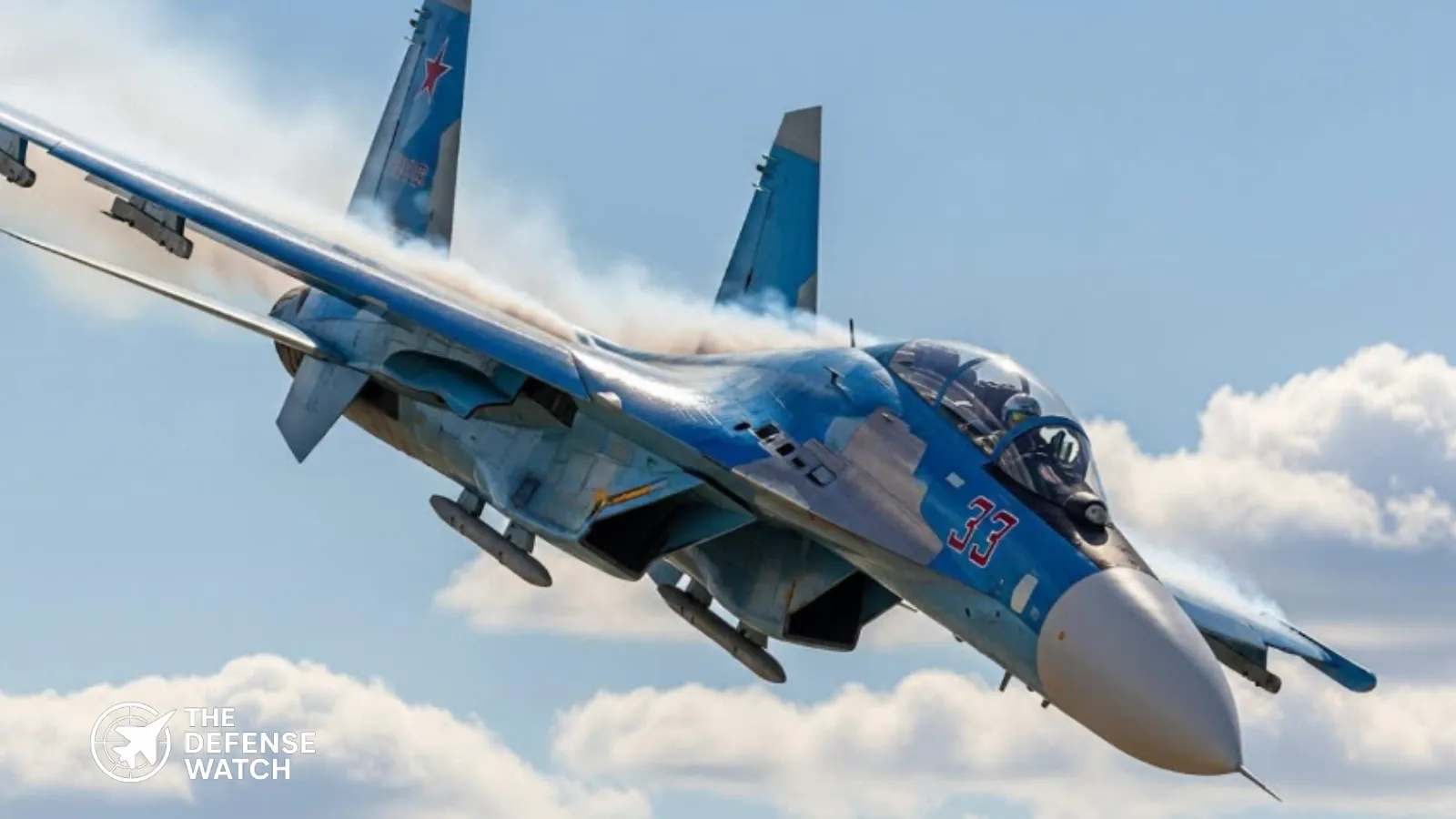
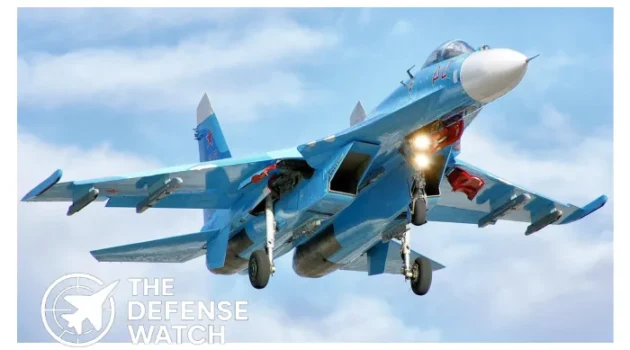
On December 20, Ukraine’s Security Service (SBU) said long-range drones struck two Russian Su-27 fighter jets at the Belbek military airfield in Russian-occupied Crimea. The attack targeted one jet on a taxiway with a full combat load, destroying it, and damaged a second aircraft. The SBU also reported that the airfield’s control tower was hit, potentially affecting flight operations. This was the second known successful strike on Belbek in recent days, following earlier hits on air defense equipment and aircraft on December 18.
Belbek is a key Russian air base near Sevastopol that houses fighter aircraft and air defense assets supporting operations over southern Ukraine and the Black Sea region.
Background on the Belbek Airfield and Its Strategic Role
Belbek airfield has been under Russian control since the 2014 annexation of Crimea. Historically a major Soviet and Ukrainian fighter base, after 2014 it became a core node for Russia’s Black Sea air operations. Su-27 fighters, among other aircraft, operate from the field to support air patrols, air defense, and deterrence missions in the wider region.
Since the full-scale invasion of Ukraine in 2022, Ukrainian forces have repeatedly targeted Russian positions in Crimea, including airfields, radar stations, and air defense systems. Previous strikes at Belbek included hits on MiG-31 interceptors and various radar and surface-to-air missile systems earlier in December. The SBU has increasingly used long-range drones as part of a broader asymmetric campaign to degrade Russian military infrastructure deep inside occupied territory.
Strike Details
SBU Statement
According to the SBU’s Telegram post, long-range drones operated by its Alpha Special Operations Center hit two Su-27 aircraft on the ground at Belbek. One was fully loaded and preparing for a combat sortie when it was destroyed on the taxiway. The combined replacement cost of the two aircraft is estimated at roughly $70 million. The control tower at the base was also struck, which could complicate Russian flight operations.
Tactical Implications
Destroying aircraft on the ground deprives Russian forces of both their airpower and the ability to project it from the Crimean peninsula. Su-27s are heavy air superiority fighters that play multiple roles, including patrols, escort missions, and flexible deployment in contested airspace. Hitting them before they can be airborne reduces their immediate threat to Ukrainian forces and places additional strain on Russia’s logistical and repair chains.
Control tower damage also matters. Even limited damage to infrastructure can disrupt sortie generation rates, hamper coordination of aircraft movements, and force Russian units to divert flights to other airfields. This has effects beyond the loss of individual jets.
Ukrainian Use of Long-Range Drones
Ukraine has increasingly relied on long-range drones for deep strikes against high-value targets inside occupied Crimea and beyond. These unmanned systems allow Kyiv to reach deep into Russian-held territory with lower risk to personnel compared to manned aircraft or traditional missile strikes. Drones have been used to target air defense systems, radar installations, and command and control facilities at multiple locations. Their success reflects both technical advances by Ukrainian developers and a shift in modern conflict toward unmanned systems.
The December 20 attack on Belbek happened just days after a separate operation on December 18 struck Russian radar systems, a Pantsir-S2 air defense system, and a MiG-31 aircraft at the same base. Repeated strikes on the same location suggest a deliberate Ukrainian effort to weaken Russian aerial and air defense capabilities in Crimea over time.
Russian Air Capabilities in Crimea
Russian air assets in Crimea, including Su-27 and Su-30 fighters, provide a significant deterrent against Ukrainian air operations and help enforce airspace control in the Black Sea region. These assets also serve to support ground operations in southern Ukraine and to reinforce defenses against Western aircraft or naval activity in the area. Historically, Belbek has hosted elements of the Russian Air Force’s 38th Fighter Aviation Regiment and other units, reflecting its importance to Moscow’s regional posture.
Losses at Belbek may force Russian commanders to shift assets to alternate bases or accelerate repairs, which can stretch already taxed logistics during ongoing operations.
Expert and Policy Perspective
From a military technology perspective, the Belbek strikes highlight the evolving role of drones in high-intensity conflict. Ukraine’s focus on long-range unmanned systems shows a strategic adaptation to a stronger adversary with advanced air defenses. By using drones, Ukraine increases its reach against fortified targets without risking pilot lives or high-cost manned platforms. It also demonstrates the importance of battlefield innovation and strategic targeting.
Policy analysts note that such attacks may also have broader signaling effects. Strikes inside occupied Crimea, particularly at strategic airfields, show Ukraine’s intent and capacity to contest control of key nodes deep behind frontlines. For Russia, this raises questions about the security of its forward bases and may compel further investment in defensive systems or dispersal of aircraft. For Western supporters, Ukrainian success with drones may influence future aid decisions, including support for drone technology transfer and counter-air capabilities.
What to Watch Next
The immediate impact of the strikes will be on Russian air operations from Belbek and nearby bases. Watch for official Russian military statements, assessment of sortie rates from the base, and any shift of air assets to alternate locations.
Ukraine’s continued development of drone capabilities is another trend to monitor. Future operations might expand the range, payloads, and coordination of unmanned systems, potentially affecting other high-value Russian assets.
Finally, analysts will be watching for broader Russian efforts to harden infrastructure in occupied Crimea and to prevent similar attacks through improved air defenses or camouflage and dispersal measures.


4 comments
[…] has consistently stated that Russian forces rely heavily on massed artillery and rocket fire. Ukrainian officials argue that counterbattery […]
[…] reported use of Starlink-controlled drones marks a notable evolution in Russian unmanned aerial vehicle operations. Traditionally, Shahed drones rely on pre-programmed GPS navigation and […]
[…] of a much larger assault wave consisting of 165 attack drones launched against Ukrainian targets. Russian forces concentrated strikes on critical infrastructure in Odesa, Ukraine’s primary Black Sea port and a vital hub for grain […]
[…] The Giraffe 1X radar is a lightweight, three-dimensional air surveillance radar developed by Saab, optimized for short-range air defense missions. Designed for rapid deployment, the system provides detection, tracking, and classification of a wide range of aerial targets, including helicopters, fixed-wing aircraft, and small unmanned aerial systems. […]