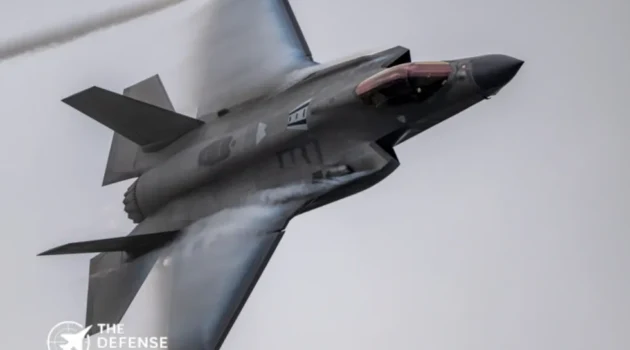
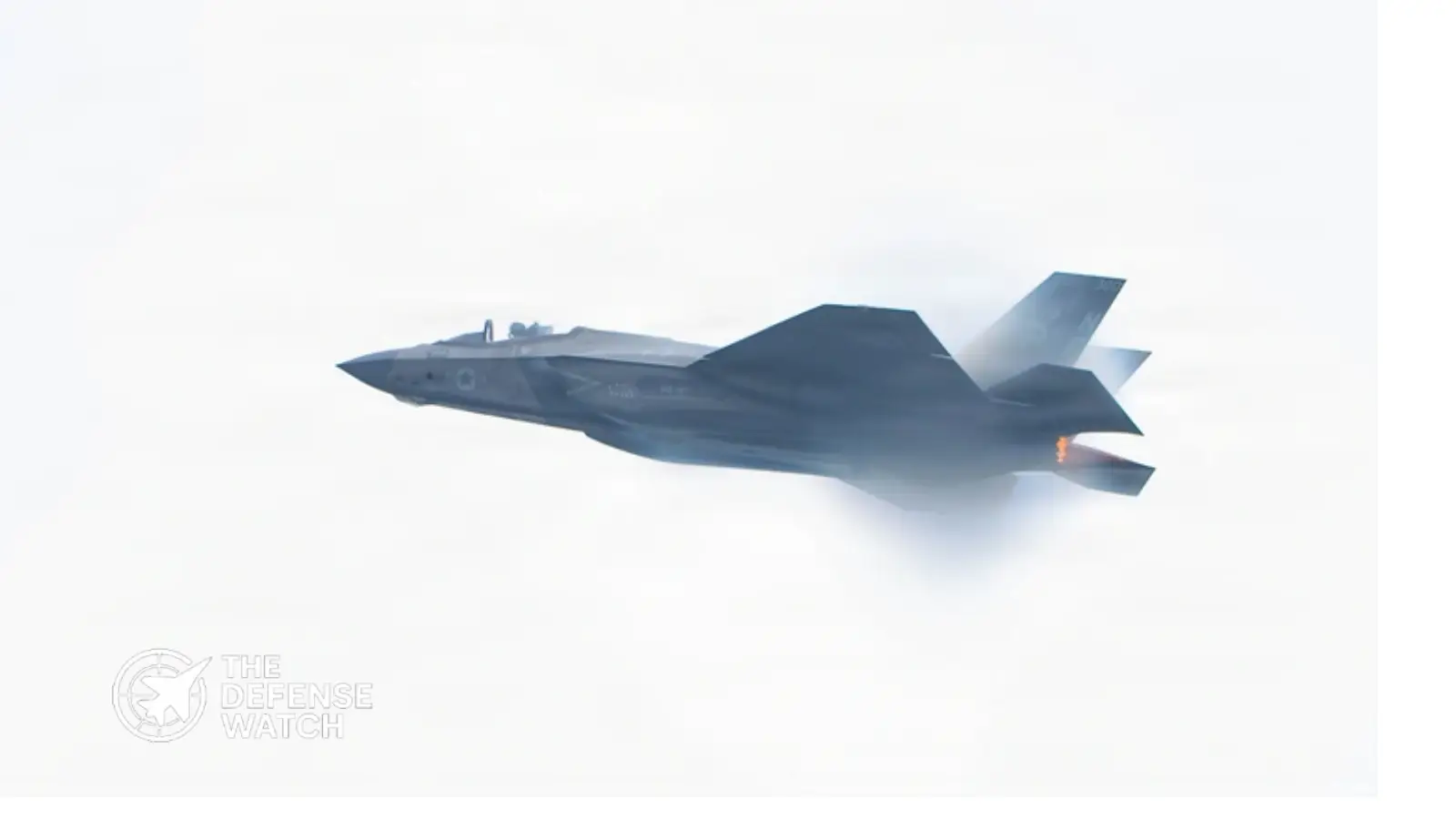
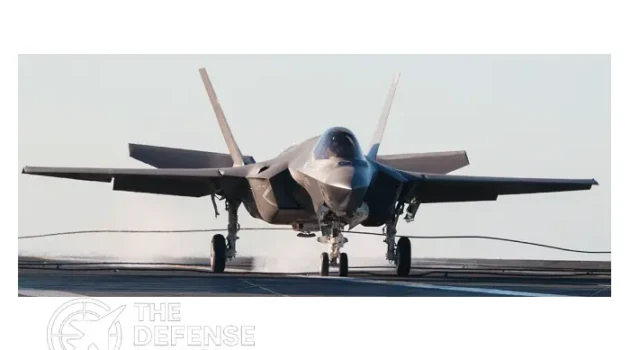
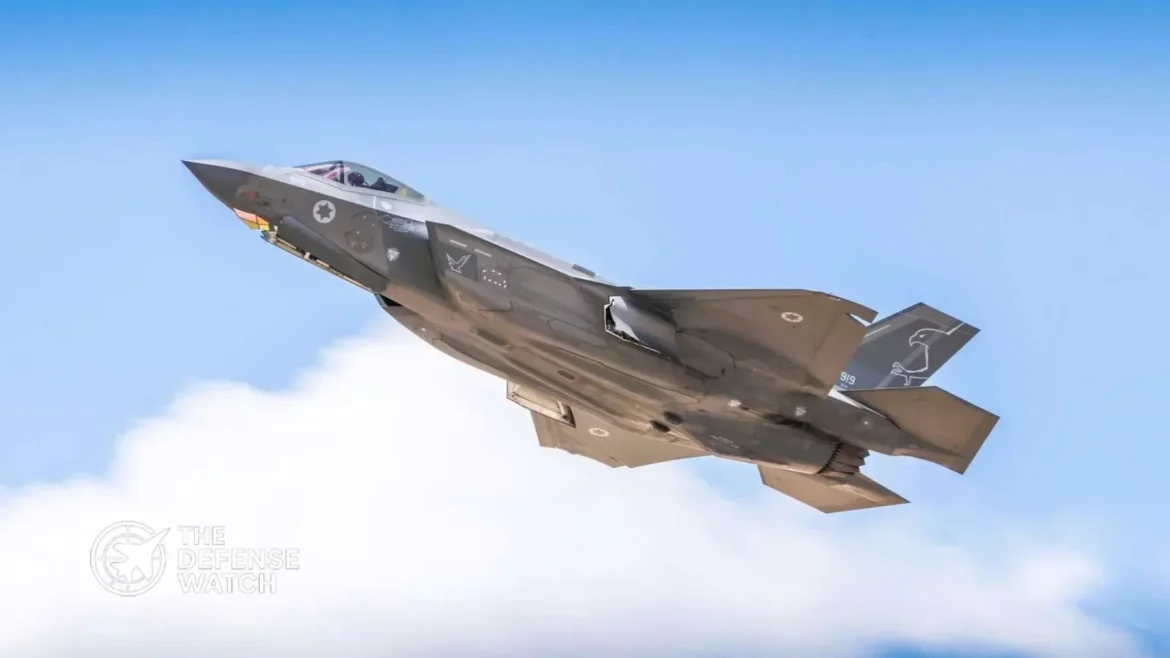
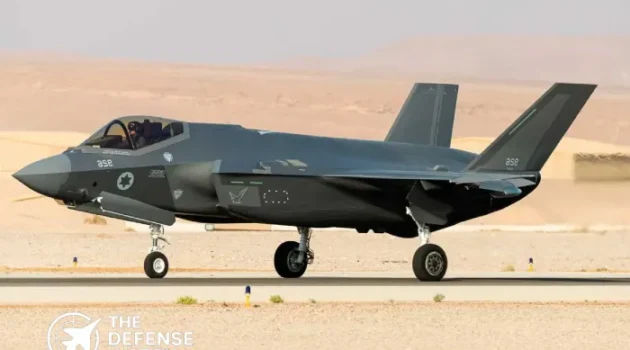
The U.S. Marine Corps has conducted its first-ever F-35B highway landing and takeoff operations in Finland during NATO’s Ramstein Flag 2026 exercise. The event demonstrates NATO’s increasing emphasis on dispersed air operations, enhancing survivability and combat readiness across the alliance’s northern flank near Russia.
U.S. Marine Corps F-35Bs Conduct Historic Highway Operations In Finland
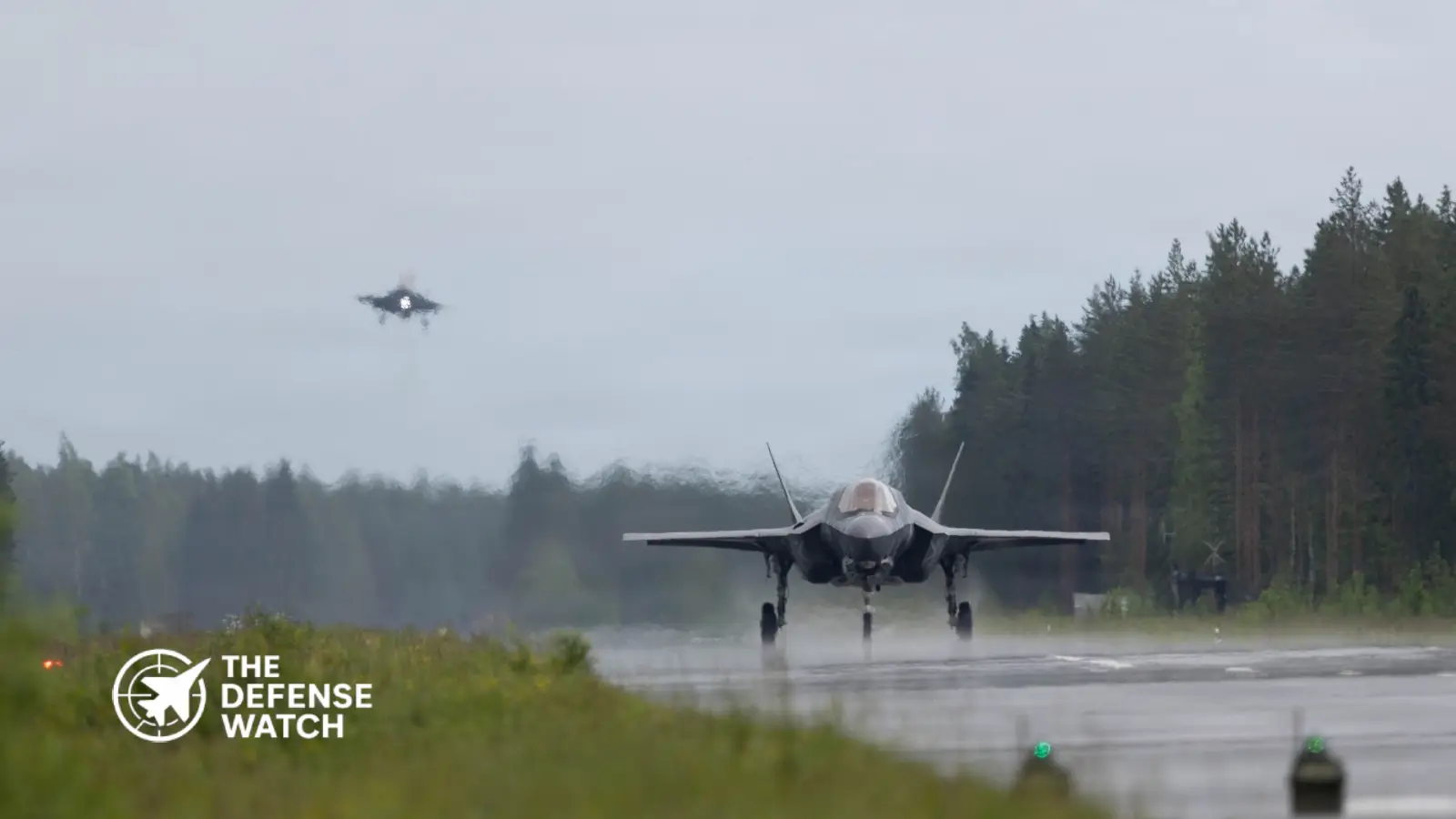
The U.S. Marine Corps F-35B has completed its first highway landing and takeoff operations in Finland, marking a significant milestone in NATO’s evolving approach to dispersed air warfare and operational resilience.
The operations took place from June 8 to 12 near Tervo, Finland, during Exercise Ramstein Flag 2026, NATO’s premier large-scale airpower exercise involving 19 allied nations and more than a dozen operating locations across Europe. According to U.S. Marine Corps Forces Europe and Africa, F-35B Lightning II aircraft assigned to Marine Fighter Attack Squadron 224 (VMFA-224) successfully operated from a Finnish roadway alongside Polish F-16s and Spanish EF-18 Hornets.
The event also marked the first deployment of U.S. Marine Corps F-35Bs to Finland and the first time Marine Corps aircraft conducted highway operations in the Nordic nation.
Ramstein Flag 2026 Highlights NATO’s Distributed Airpower Strategy
The highway operations were designed to test NATO’s ability to sustain combat air operations from dispersed and nontraditional locations rather than relying solely on fixed air bases.
This concept aligns closely with NATO’s adoption of Agile Combat Employment (ACE), a strategy intended to complicate adversary targeting by distributing aircraft across multiple operating sites. By using highways and temporary operating locations, allied air forces can maintain combat effectiveness even if major airfields come under attack.
During the exercise, U.S. Marines from Marine Wing Support Squadron 272 provided forward arming and refueling support, enabling the F-35Bs to conduct realistic expeditionary operations away from traditional infrastructure.
NATO Allied Air Command described Ramstein Flag 2026 as a demonstration of the alliance’s ability to conduct distributed operations across a wide geographic area stretching from northern Norway to southern Europe.
Why Finland’s Highway Network Matters
Finland has long maintained a unique road-base doctrine designed to keep its air force operational during wartime. Sections of highways across the country can be rapidly converted into temporary airstrips, allowing aircraft to disperse and continue operations if conventional air bases become unavailable.
Since joining NATO in 2023, Finland’s dispersed operations model has become increasingly valuable to alliance planning. The country’s extensive experience operating combat aircraft from highways offers a practical framework for NATO’s northern defense posture.
The latest Marine Corps deployment builds on a series of previous allied highway operations in Finland. Norwegian F-35As, U.S. Air Force F-35As, Dutch F-35As, and Italian F-35Bs have all participated in similar exercises over the past several years.
The F-35B’s Unique Role In Dispersed Warfare
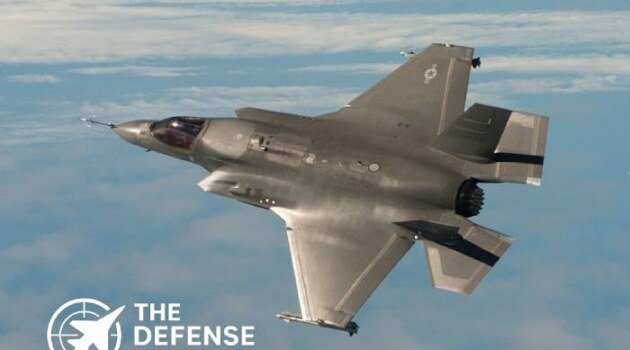
Unlike conventional fighter aircraft, the F-35B incorporates short takeoff and vertical landing (STOVL) capabilities. This allows the aircraft to operate from shorter and less developed surfaces, including highways, expeditionary airfields, and amphibious assault ships.
For the Marine Corps, the ability to deploy fifth-generation stealth fighters from austere locations supports expeditionary warfare concepts that have become central to U.S. military planning. The F-35B combines advanced stealth characteristics, sensor fusion, electronic warfare systems, and networked battlefield awareness while maintaining the flexibility to operate far from major bases.
The Marine Corps plans to operate more than 200 F-35B aircraft by the end of 2026, making the platform the backbone of its future tactical aviation force.
Strategic Implications For NATO’s Northern Flank
The significance of the Finnish highway operations extends beyond a training milestone.
As Russia continues to invest heavily in long-range precision strike capabilities, NATO air forces are increasingly focused on reducing dependence on fixed airfields that could become targets during a conflict. Dispersed operations force adversaries to monitor and potentially strike a much larger network of locations, complicating operational planning and increasing uncertainty.
The participation of U.S. Marine Corps F-35Bs demonstrates how NATO is integrating advanced fifth-generation aircraft into distributed operating concepts across Europe. The exercise also underscores growing interoperability among alliance members and the increasing importance of Finland as a key contributor to NATO’s northern defense architecture.
Analysis
The first U.S. Marine Corps F-35B highway operations in Finland represent more than a symbolic aviation achievement. They reflect a broader shift in NATO air doctrine toward survivability, mobility, and operational flexibility in contested environments.
Finland’s established road-base network provides NATO with a proven model for maintaining airpower under wartime conditions, while the F-35B’s STOVL capability offers unique advantages for dispersed operations. As alliance exercises increasingly emphasize distributed combat operations, highway-based deployments are likely to become a routine element of NATO airpower planning rather than an exception.
For the United States Marine Corps, the successful deployment validates expeditionary aviation concepts that could prove critical in future high-intensity conflicts where traditional airfields may face sustained missile and drone threats.
Russia has renewed its proposal to India for the Su-57 fifth-generation fighter aircraft, with President Vladimir Putin offering unrestricted technology transfer and joint development opportunities. The move comes as India evaluates options to strengthen its future combat aviation capabilities while advancing indigenous aerospace programs.
Russia has revived its long-running proposal to bring India into the Su-57 fifth-generation fighter program, with President Vladimir Putin publicly offering New Delhi access to advanced fighter technologies, joint production opportunities, and future development cooperation. According to statements made during interactions with international media at the St. Petersburg International Economic Forum, Moscow is prepared to pursue the partnership without restrictions on technology sharing.
The offer marks one of the most expansive defense cooperation proposals Russia has made to India in recent years. Putin stated that Russia remains willing to jointly develop and further improve the Su-57 platform alongside India, reviving elements of a partnership that was once envisioned under the Fifth Generation Fighter Aircraft (FGFA) program.
Background: The FGFA Program
India and Russia originally launched the FGFA initiative in 2007 to jointly develop a fighter aircraft based on the Su-57 platform. However, New Delhi eventually withdrew from the program amid concerns regarding development timelines, technology access, costs, and aircraft performance requirements.
Despite India’s exit, Russia continued development independently, eventually bringing the Su-57 into operational service. Putin referenced the earlier collaboration during his remarks, noting that the aircraft could have become a joint Indo-Russian project before Moscow proceeded alone.
The latest proposal appears designed to reopen that discussion under significantly different terms, including broader technology transfer and local manufacturing opportunities.
For India, technology transfer remains a critical factor in major defense acquisitions. Unlike traditional export deals, access to design knowledge, manufacturing processes, and future upgrade pathways can significantly affect long-term operational independence and domestic industrial growth.
Why The Timing Matters
The renewed Russian offer arrives at a critical point for India’s airpower modernization plans.
India continues to pursue its indigenous Advanced Medium Combat Aircraft (AMCA) program, which is intended to deliver a domestically developed fifth-generation fighter in the coming decade. At the same time, the Indian Air Force faces challenges related to squadron strength and the need to maintain technological parity in an increasingly competitive regional environment.
Regional developments are also shaping the conversation. China’s growing inventory of advanced combat aircraft and reports regarding Pakistan’s interest in next-generation fighter capabilities have increased attention on India’s future air combat requirements.
Russia’s proposal appears aimed at positioning the Su-57 as an available near-term option while India continues developing its indigenous programs.
Assessing The Strategic Implications
The significance of the latest offer lies less in the aircraft itself and more in the level of industrial access being proposed.
Historically, defense technology transfers involving advanced combat aircraft have been limited by export controls, intellectual property restrictions, and geopolitical considerations. Russia’s willingness to discuss unrestricted cooperation signals an effort to preserve its long-standing defense relationship with India amid increasing competition from Western suppliers.
For India, any decision involving the Su-57 would likely be evaluated against multiple factors, including operational requirements, industrial benefits, lifecycle costs, interoperability concerns, and the long-term objectives of the AMCA program.
The proposal also highlights a broader trend in global defense markets, where technology access and domestic manufacturing rights increasingly influence procurement decisions as much as platform performance.
The Su-57’s Place In India’s Future Fighter Plans
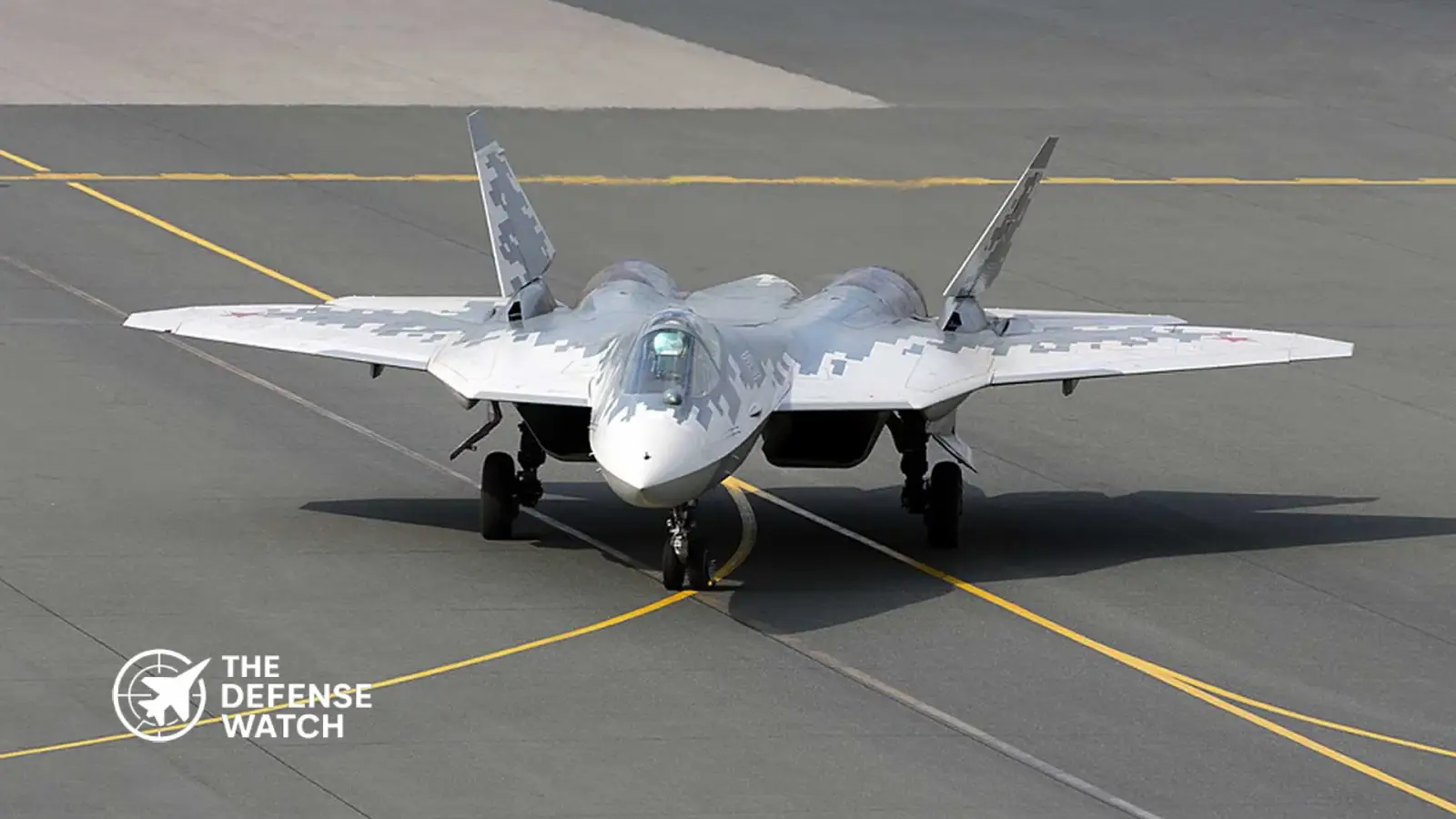
The Su-57 remains Russia’s premier fifth-generation fighter aircraft, featuring low-observable characteristics, advanced avionics, networked warfare capabilities, and multirole mission flexibility. While the aircraft has attracted international interest, India has yet to signal any formal commitment regarding the renewed proposal.
Whether the offer evolves into formal negotiations remains uncertain. However, Putin’s public comments demonstrate Moscow’s determination to keep the Su-57 at the center of discussions about India’s future combat aviation requirements.
Conclusion
Russia’s latest Su-57 proposal represents one of its most ambitious defense cooperation offers to India in years. By combining fighter aircraft access with unrestricted technology transfer, joint production, and future development participation, Moscow is seeking to strengthen a strategic partnership that has historically been a cornerstone of India’s military modernization.
For New Delhi, the decision will ultimately depend on how the offer aligns with its long-term objectives for airpower, defense self-reliance, and indigenous aerospace development.
A newly released thermal image captured near Area 51 appears to show an unidentified aircraft with a configuration unlike any publicly known military aircraft.
While no official confirmation exists, the sighting has renewed interest in the U.S. Air Force’s Next Generation Air Dominance (NGAD) efforts and ongoing classified flight testing at Groom Lake.
Unidentified Aircraft Near Area 51 Draws Attention From Aviation Observers
A potential next-generation fighter aircraft has become the focus of aviation and defense discussions after thermal imagery captured near Area 51 revealed a previously unseen aircraft design.
The image appears to show an aircraft operating near Groom Lake, Nevada, the highly classified test facility commonly known as Area 51. The aircraft was recorded using thermal imaging equipment and exhibits a planform that does not match any publicly acknowledged U.S. military aircraft.
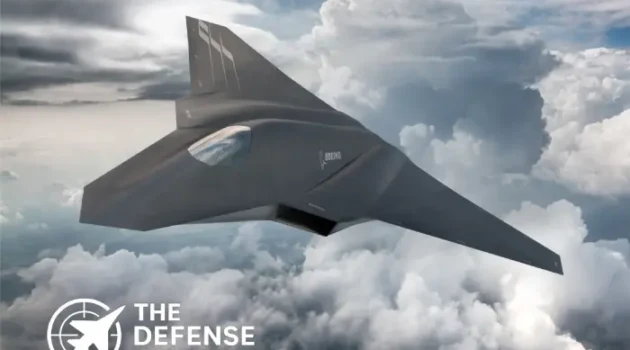
The sighting comes at a time of growing interest in America’s future combat aviation programs, particularly following the U.S. Air Force’s selection of Boeing to develop the F-47 under the Next Generation Air Dominance (NGAD) initiative.
Analysis of the thermal image indicates several unusual design characteristics.
Observers noted what appears to be a cranked-kite wing layout combined with prominent forward canards and a tailless or near-tailless configuration. Such design elements are commonly associated with efforts to reduce radar signatures while improving aerodynamic efficiency and range.
The aircraft’s shape differs significantly from existing operational platforms such as the F-35 Lightning II, F-22 Raptor, and B-21 Raider.
Importantly, no official U.S. government agency has identified the aircraft or confirmed its existence.
The image alone does not provide sufficient evidence to determine whether the platform is a technology demonstrator, experimental aircraft, or part of a classified operational development effort.
Area 51 Remains Central To Advanced U.S. Flight Testing
Area 51 has historically served as the testing ground for some of America’s most significant aerospace programs.
The facility hosted development activities linked to aircraft such as the Lockheed U-2, Lockheed A-12, and Lockheed F-117 Nighthawk before their public disclosure.
Because of that history, sightings of unusual aircraft operating around Groom Lake often attract significant scrutiny from defense analysts and aviation enthusiasts.
Earlier in 2026, another unexplained triangular aircraft, described by observers as “Dorito-shaped,” was reportedly recorded in the same region, further fueling speculation about ongoing classified aviation programs.
The U.S. Air Force has previously disclosed that experimental NGAD demonstrators have already flown, suggesting advanced technologies are undergoing testing well before operational aircraft enter service. However, officials have released very few details regarding the appearance, configuration, or performance characteristics of those demonstrators.
This context makes the latest sighting noteworthy, even if identification remains impossible.
Aviation analysts caution that advanced aerospace programs often rely on multiple prototype and demonstrator aircraft before a final production design emerges. As a result, an aircraft operating near Area 51 may not necessarily represent a future operational fighter in its final form.
That distinction is particularly important as the United States competes with rapidly advancing aerospace programs in countries such as China, where several next-generation combat aircraft concepts have recently emerged in public imagery.
Why The Sighting Matters
Whether the aircraft is linked to NGAD, another classified Air Force initiative, or an experimental technology program, the sighting underscores a broader reality: advanced aerospace development continues largely outside public view.
The United States is investing heavily in future air dominance technologies, including stealth, advanced propulsion, artificial intelligence integration, sensor fusion, and manned-unmanned teaming concepts. Programs supporting those objectives require extensive testing, much of which occurs at secure facilities such as Groom Lake.
The newly released thermal image does not provide definitive answers. However, it offers a rare glimpse into an environment where future generations of military aircraft are often developed years before official acknowledgement.
For now, the aircraft remains unidentified, but its appearance has once again highlighted Area 51’s continuing role at the forefront of American aerospace innovation.
Iran has reportedly recovered wreckage linked to a U.S.-made AGM-158 JASSM-ER stealth cruise missile following recent military activity tied to the ongoing regional conflict. The development is significant because the missile is one of the United States’ premier long range precision strike weapons, designed specifically to evade advanced air defense systems.
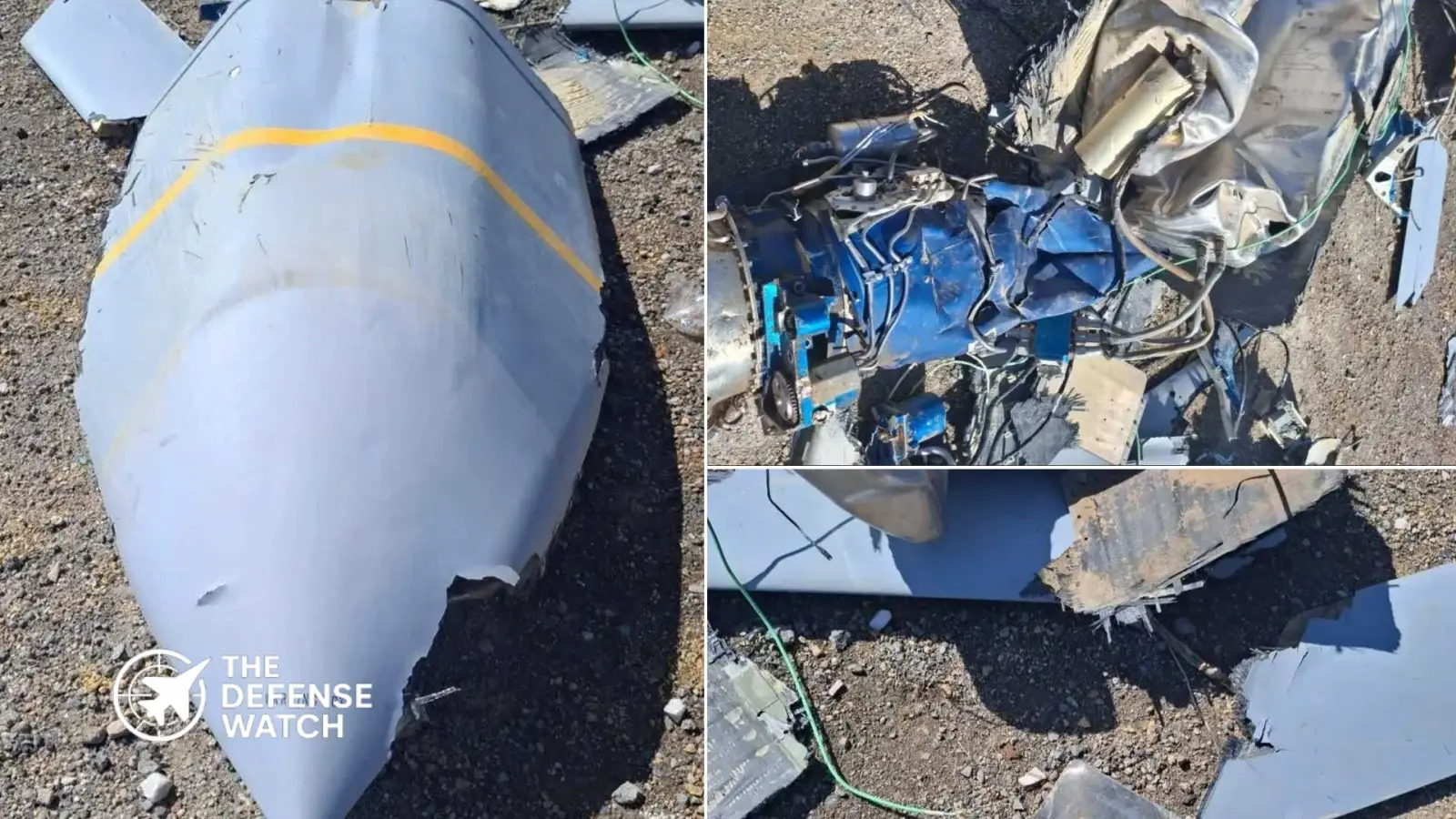
Iranian sources and regional defense media have circulated images and reports claiming that Iranian forces recovered components from a U.S.-manufactured AGM-158 JASSM-ER cruise missile. The reports emerged after recent military exchanges involving U.S., Israeli, and Iranian forces across the Gulf region and surrounding airspace.
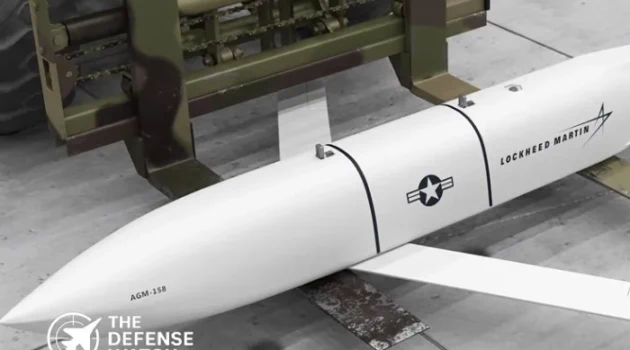
The debris allegedly includes structural and electronic sections consistent with the AGM-158 Joint Air-to-Surface Standoff Missile Extended Range (JASSM-ER), a low observable cruise missile developed by Lockheed Martin for the U.S. military.
The Pentagon has not publicly confirmed the loss of a JASSM-ER missile, nor has it acknowledged Iranian claims surrounding the recovered wreckage. Open-source footage and imagery circulating online remain difficult to independently verify.
Still, the appearance of alleged missile fragments has generated significant discussion within defense analysis circles because the AGM-158 family represents a core element of modern American long range strike capability.
Why The AGM-158 JASSM-ER Matters
The AGM-158 JASSM-ER is among the most advanced conventional air launched cruise missiles currently fielded by the United States. Designed for deep strike operations against heavily defended targets, the weapon combines low observable shaping, autonomous navigation, and long stand off range.
The missile is currently integrated across multiple U.S. Air Force platforms, including the B-1B Lancer, B-52 Stratofortress, F-15E Strike Eagle, and F-35 Lightning II.
The extended range variant reportedly exceeds 500 nautical miles in operational reach, allowing launch aircraft to remain outside many enemy air defense engagement zones. Its stealth profile is intended to reduce radar detection during low altitude penetration missions.
If Iranian forces successfully recovered substantial components from an intact or partially intact JASSM-ER, analysts say the development could provide valuable technical insight into the missile’s design characteristics, materials, guidance architecture, or survivability profile.
That does not necessarily mean sensitive technologies were fully compromised. Modern cruise missiles often contain hardened, encrypted, or intentionally destructive subsystems designed to limit exploitation after impact.
Iranian Air Defense Claims Draw Scrutiny
Iranian media and affiliated channels have increasingly highlighted recent air defense interceptions involving drones, cruise missiles, and unmanned systems during the broader regional confrontation. Iranian state linked reporting has also claimed successful interceptions of foreign reconnaissance drones near the Strait of Hormuz.
Separately, online videos circulating this week purported to show Iranian air defenses intercepting a low observable cruise missile identified by some users as a JASSM variant. However, multiple open-source defense observers questioned whether the object shown in the footage was actually an AGM-158 missile.
The uncertainty highlights a recurring challenge in modern conflict reporting, where imagery, debris analysis, and information operations often emerge simultaneously without independent verification.
Even so, the reports align with a broader trend in which increasingly sophisticated regional air defense networks are attempting to counter Western stealth and stand off strike systems.
Broader Strategic Implications
The reported recovery comes amid heightened military tension across the Middle East following months of strikes, retaliatory operations, and maritime security incidents tied to the Iran crisis.
Recent assessments from regional and Western reporting suggest Iran has retained substantial portions of its missile infrastructure despite sustained pressure and air operations.
For the United States and allied planners, the reported JASSM-ER wreckage recovery reinforces an important operational reality. Even highly survivable stand off weapons are increasingly operating in contested electromagnetic and air defense environments shaped by layered sensors, distributed radar coverage, infrared tracking systems, and mobile interception platforms.
The incident may also intensify interest in next generation low observable strike systems, attritable cruise missiles, electronic warfare support packages, and hypersonic alternatives intended to overcome modern integrated air defense systems.
At the same time, analysts caution against overstating the significance of a single recovered missile fragment. Combat attrition remains expected in high intensity operations, particularly during large scale cruise missile campaigns.
Information Warfare And Perception Battles
The public release of missile wreckage images also carries strategic messaging value.
For Tehran, displaying alleged fragments of advanced U.S. weapons supports domestic and international narratives emphasizing Iranian resilience and defensive capability. Such imagery can also be used to project deterrence by suggesting that even advanced Western stand off weapons remain vulnerable.
For Washington and its allies, maintaining confidence in systems like the JASSM-ER is critical because these weapons underpin modern conventional deterrence strategies across Europe, the Indo-Pacific, and the Middle East.
As a result, the information battle surrounding the reported wreckage recovery may prove almost as important as the physical debris itself.
Executive Summary: The global F-35 fleet is expected to see a temporary decline in aircraft availability as operators address a growing backlog of corrosion repairs. Defense officials say the effort is necessary to improve long-term readiness and sustainment performance for the stealth fighter program.
The F-35 availability rate is expected to decline in the near term as maintenance crews work through a backlog of corrosion-related repairs affecting the stealth fighter fleet. The issue, discussed by defense officials and sustainment leaders, highlights the ongoing challenge of maintaining fifth-generation aircraft designed for high-tempo operations in demanding environments.
The maintenance effort is focused on clearing accumulated corrosion cases that have developed across portions of the multinational F-35 fleet. The temporary reduction in aircraft readiness is expected as more jets are pulled from operational service for inspections and repair work.
The F-35 program remains one of the largest and most complex military aviation programs in the world, with aircraft operated by the United States and multiple allied nations. The platform serves in conventional takeoff, short takeoff and vertical landing, and carrier-based configurations across different branches and partner air forces.
Corrosion Challenges Continue To Affect Advanced Stealth Aircraft
Corrosion has long been a concern for modern military aircraft, particularly stealth platforms operating in maritime and humid environments. The F-35’s low observable coatings, advanced materials, and tightly integrated systems require specialized maintenance processes that can increase repair timelines compared with legacy aircraft.
Naval aviation environments create additional stress on airframes due to salt exposure and high-moisture operating conditions. Carrier-based aircraft, including the F-35C, face particularly demanding sustainment requirements because of continuous exposure to corrosive sea air.
While corrosion repair programs can reduce short-term availability rates, analysts note that delaying such work would likely create larger sustainment problems later in the aircraft’s lifecycle. The current maintenance push appears aimed at preventing deeper structural or systems-related issues from emerging over time.
Sustainment Costs Remain Under Pressure
The F-35 program has faced continued scrutiny over sustainment costs and fleet readiness metrics. Although the aircraft provides advanced sensor fusion, stealth capabilities, and networked warfare functions, operators have consistently pushed for lower maintenance burdens and improved mission capable rates.
The Pentagon and partner nations have invested heavily in improving supply chain efficiency, spare parts availability, and depot-level maintenance capacity. However, the growing size of the global fleet has increased demand on sustainment infrastructure.
Lockheed Martin, prime contractor for the F-35 program, has previously stated that improving aircraft availability remains a key objective. Efforts have included software upgrades, predictive maintenance initiatives, and modifications intended to reduce downtime.
The temporary availability decline linked to corrosion repairs underscores a broader reality facing modern air forces. Advanced combat aircraft require increasingly sophisticated maintenance ecosystems to sustain operational readiness over decades of service.
Operational Impact Expected To Be Temporary
Defense officials reportedly expect the reduction in F-35 availability to be temporary as the maintenance backlog is addressed. Once repair cycles stabilize, fleet readiness levels could improve due to fewer unresolved sustainment issues remaining in the system.
Several allied operators continue expanding their F-35 fleets despite sustainment concerns. Nations across NATO and the Indo-Pacific view the aircraft as a central component of future air combat capability and coalition interoperability.
The F-35 remains heavily deployed in deterrence operations, air policing missions, carrier strike group operations, and joint exercises. Its role in modern military planning means sustainment performance will remain under close observation by defense ministries and lawmakers.
The F-35 availability decline tied to corrosion repairs is significant because readiness rates directly influence force projection and operational planning. Air forces depend on predictable aircraft availability for training, deployments, and contingency operations.
Addressing corrosion issues now may strengthen long-term fleet health, even if it creates temporary operational strain. Defense planners increasingly view sustainment resilience as a critical factor in maintaining combat capability during extended periods of geopolitical tension.
For allied operators, the situation also reinforces the importance of building domestic maintenance and repair infrastructure capable of supporting advanced stealth aircraft independently.
►
Israel’s Ambassador to the U.S., Yechiel Leiter, confirmed the IAF’s F-35I Adir fleet carries stealth-compatible range-extending fuel tanks.
►
The modification preserves the aircraft’s low-observable radar signature — a technically demanding engineering achievement.
►
The Adir can now carry four externally mounted wing missiles in “beast mode” configuration for high-payload strike sorties.
►
Conformal tank designs are reported to push the F-35I’s combat radius beyond 1,700 km — sufficient for round-trip strikes on Iran without aerial refueling.
►
The IAF is the only F-35 operator to have conducted combat strikes using the external wing-carriage design.
►
Israel’s fleet stood at 48 F-35I aircraft as of January 2026, with a total of 75 on order.
►
The U.S. Air Force cited Israeli modifications when requesting FY2026 funds to explore similar F-35 external fuel tank integration.
Israel’s F-35I Adir Gets Stealth Fuel Tanks — What It Means
The Israeli Air Force’s F-35I Adir stealth fuel tank program has moved from long-rumored development into publicly confirmed operational reality. On February 16, 2026, Israel’s Ambassador to the United States, Yechiel Leiter, stated in an interview with the daily Israel Hayom — as reported by The Times of Israel — that the IAF’s Adir fleet has been fitted with range-extending fuel tanks “without compromising stealth.” Simultaneously, the ambassador disclosed that four external wing-mounted missiles have been added to the platform’s arsenal, formalizing the jet’s “beast mode” capability for high-payload strike missions.
The announcement carries substantial strategic weight. It is the first on-the-record confirmation by a senior Israeli official that the classified program — long speculated about in defense circles — has crossed the threshold from development into declared operational use. The timing, coming eight months after Israel’s June 2025 air campaign against Iran (Operation Rising Lion), signals that Israel intends adversaries, allies, and the broader strategic community to factor a more capable, longer-reaching F-35I into their strategic calculations.
“We developed fuel tanks that extend the aircraft’s range without compromising stealth, and we added four missiles on the wings.”— Yechiel Leiter, Israel’s Ambassador to the United States | Israel Hayom / Times of Israel, Feb. 16, 2026
The F-35I Adir: Not Your Standard F-35
To understand why Israel could achieve this modification while no other F-35 operator has, it is essential to understand what the F-35I Adir actually is. The Adir — Hebrew for “Mighty One” — is the only F-35 variant in global service that was contractually authorized for deep, indigenous systems integration by its operator before the first aircraft was delivered.
While every other nation that flies the F-35 operates a platform locked to Lockheed Martin’s standard hardware and software baseline, Israel negotiated a unique arrangement with the U.S. government and the F-35 Joint Program Office. This agreement permitted the Israeli defense industry to integrate national mission computers, electronic warfare suites developed by Elbit Systems, indigenous weapons, domestic data links, proprietary encryption systems, and custom command-and-control interfaces directly into the aircraft’s architecture.
This modular, open-architecture framework made the stealth tank program technically feasible. Because Israel and its defense contractors could work within the aircraft’s mission-system software and structural envelope — in cooperation with Lockheed Martin and the F-35 JPO — designing and certifying conformal fuel tanks that are aerodynamically and electromagnetically compatible with the airframe was a far less restrictive process than for any other operator.
The Stealth-Range Dilemma: How Israel Solved It
External fuel tanks on a stealth aircraft present a well-understood engineering paradox. The F-35’s low-observable profile derives from the careful geometric shaping of every external surface — every panel line, inlet, and contour is optimized to scatter radar energy away from threatening emitters. Attaching conventional pylon-mounted drop tanks immediately creates sharp edges, new radar-reflective volumes, and surface discontinuities that dramatically inflate the aircraft’s radar cross-section.
Israel’s solution, as described by open-source analysis and corroborated by Ambassador Leiter’s remarks, involved designing conformal tanks — installations that follow the curvature and contour of the fuselage rather than hanging below it on pylons. The tanks are reported to be “covered with absorbent materials” and attached using pylons engineered to preserve aerodynamic and electromagnetic signature characteristics, resulting in a cruise-flight range exceeding 2,200 kilometers — sufficient for a round-trip mission from Israeli airbases to targets deep inside Iranian territory without aerial refueling.
RANGE CONTEXT: The F-35A’s standard published combat radius on internal fuel alone is approximately 670 nautical miles (roughly 1,240 km). The Adir’s conformal tank integration is reported to extend unrefueled operational reach beyond 1,700 km — a critical threshold for striking Iran’s nuclear and missile infrastructure and returning safely.
The War Zone (TWZ), citing U.S. Air Force budget documents, confirmed in June 2025 that Israel’s extended-range capability was employed operationally during the Israel-Iran conflict. While precise technical parameters remain classified, the combination of conformal fuel tank geometry, radar-absorbent coatings, and jettison capability provides a credible, operationally viable answer to the stealth-range dilemma that has constrained fifth-generation aircraft globally.
Beast Mode: Four External Missiles and the Firepower Equation
Leiter’s second disclosure — that the F-35I now carries four externally mounted wing missiles — ties the range story to a separately confirmed IAF capability known colloquially as “beast mode.” The F-35 was originally optimized exclusively for internal weapons carriage. Its two internal bays hold precision-guided munitions while maintaining the aircraft’s full stealth profile. But internal volume is inherently limited.
In the year prior to Leiter’s interview, the IAF publicly announced that its Flight Test Center, working alongside Lockheed Martin and the Pentagon’s F-35 program, had developed an external wing-carriage capability. The IAF stated explicitly that the Adir is “the only F-35 to conduct strikes with this design.” Imagery released by the IDF during the June 2025 Iran air campaign confirmed that F-35Is flew combat missions with missiles visibly attached to their wings.
In “beast mode,” the F-35I trades its minimum radar signature for substantially increased firepower. The configuration is most tactically relevant in phases of a campaign where adversary air defenses have been degraded by prior SEAD (Suppression of Enemy Air Defenses) operations — reducing the survivability premium on stealth and making the firepower premium on heavy external ordnance loads more valuable per sortie.
Operational Impact: Tanker Independence and Mission Flexibility
One of the strategic drivers behind Israel’s long-range fuel tank program was a structural vulnerability in the IAF’s aerial refueling capacity. Prior to the June 2025 campaign, Israel operated only seven Boeing KC-707 Re’em tanker aircraft — a number defense analysts modeled as insufficient to sustain the scale of the observed operations. Extended-range F-35Is appear to have provided the additional endurance that made the campaign viable without confirmed external tanker support.
The equation is now shifting further. Israel has contracted the KC-46A Pegasus — the U.S. Air Force’s next-generation aerial refueling platform — to replace its aging Boeing 707-based tankers. But the conformal fuel tank program provides a complementary hedge: it reduces the dependency on tanker rendezvous points, which are themselves high-value targets and operationally complex to orchestrate in contested airspace.
Ambassador Leiter underscored Israel’s depth of experience in his interview, stating that Israeli pilots have logged more F-35 flight hours than all other foreign partner-nation pilots combined. He also relayed that Lockheed Martin’s chief executive described Israeli technical feedback and field-driven innovations as worth “many billions” to the company — an acknowledgment that Adir program modifications represent not just a national capability gain, but a data resource of global relevance to the entire F-35 enterprise.
U.S. Air Force Takes Note: FY2026 Budget Request Follows Israeli Lead
The Adir’s extended-range performance during Operation Rising Lion appears to have directly influenced U.S. Air Force procurement thinking. According to reporting by The War Zone citing U.S. Air Force budget documents, the USAF’s proposed Fiscal Year 2026 budget includes a request for funds to “evaluate feasibility and decompose requirements for integration of External Fuel Tanks to support long-range missions of the F-35.” This represents a reversal of an earlier programmatic decision that had eliminated the requirement for streamlined F-35 drop tanks.
The FY2026 request is particularly notable for the Navy’s carrier-based F-35C, whose existing development of the F/A-XX sixth-generation replacement has been placed on hold — leaving the C-model as the carrier air wing’s primary penetrating strike asset. Extended-range fuel tanks would directly address the F-35C’s combat radius limitations in Indo-Pacific scenarios. The USAF has indicated it will study Israeli modifications to the F-35I Adir as a reference point in the feasibility evaluation.
BROADER IMPACT: The F-35’s external tank challenge is not unique to Israel. Other partner nations operating the F-35 without organic tanker capacity — including several European allies — are watching Israeli developments closely as a potential model for extending their own aircraft’s effective operational reach.
Strategic Implications: Deterrence, Iran, and the Regional Air Balance
Read in the context of Israel’s declared military doctrine and its active conflict with Iran, Leiter’s confirmation is clearly intended to carry a deterrence message. The operational credibility of Israel’s strike option against Iran’s nuclear program has historically been questioned by analysts on the grounds of range and weapons load — arguments that a larger aircraft like the F-15I Ra’am was better suited to the deep-strike mission. Those arguments are substantially weakened by the confirmed extended-range and beast-mode capabilities.
A more capable F-35I Adir — one that can reach central Iran and back without tanker support, carry a meaningful weapons load in either low-observable or high-payload configuration, and exploit its advanced sensor-fusion and electronic warfare systems throughout the mission — reinforces Israel’s capacity for unilateral action. It also reshapes alliance planning with Washington: the more credibly self-sufficient Israel’s strike posture is, the greater its leverage in discussions about U.S. involvement in future escalation scenarios.
For Iran, the strategic calculus is less favorable. The June 2025 air campaign already demonstrated that F-35I Adirs could penetrate Iranian air defenses — including elements of the Russian-origin S-300PMU-2 network — and strike hardened infrastructure. The confirmation that those aircraft now carry significantly more fuel and more weapons, with fewer logistical constraints, means the same capability is not a one-time demonstration but a durable, repeatable operational posture.
Fleet Status and What Comes Next
As of January 18, 2026, the IAF received its 48th F-35I Adir at Nevatim Air Base — adding tail numbers 978, 979, and 983 to its inventory in a single delivery ceremony. Under existing agreements with the United States, Israel is contracted to receive a total of 75 F-35Is, meaning more than a third of the eventual fleet has yet to be delivered. As those aircraft arrive in an already upgraded baseline configuration, Israel’s aggregate strike capacity will grow incrementally.
Technical details of the conformal tank program remain classified. Neither the Israeli government nor Lockheed Martin has released specific data on fuel volume, weight penalty, signature penalty, or integration architecture. External analysts note that some residual signature increase is almost certainly present with any external or conformal installation, and that the tanks would likely be jettisoned before penetrating the densest threat rings. The operational value, however, lies in the transit phase and the flexibility to reach distant targets with reduced reliance on tanker support.
What Ambassador Leiter’s public disclosure does, above all, is remove the capability from the realm of speculation. The F-35I Adir with stealth fuel tanks and external wing missiles is not a development program or a future aspiration — it is, by Israel’s own account, fielded and operationally proven. The Middle East air balance has shifted accordingly, and every actor in the region — and every F-35 operator beyond it — will be recalibrating their assessments in the months ahead.
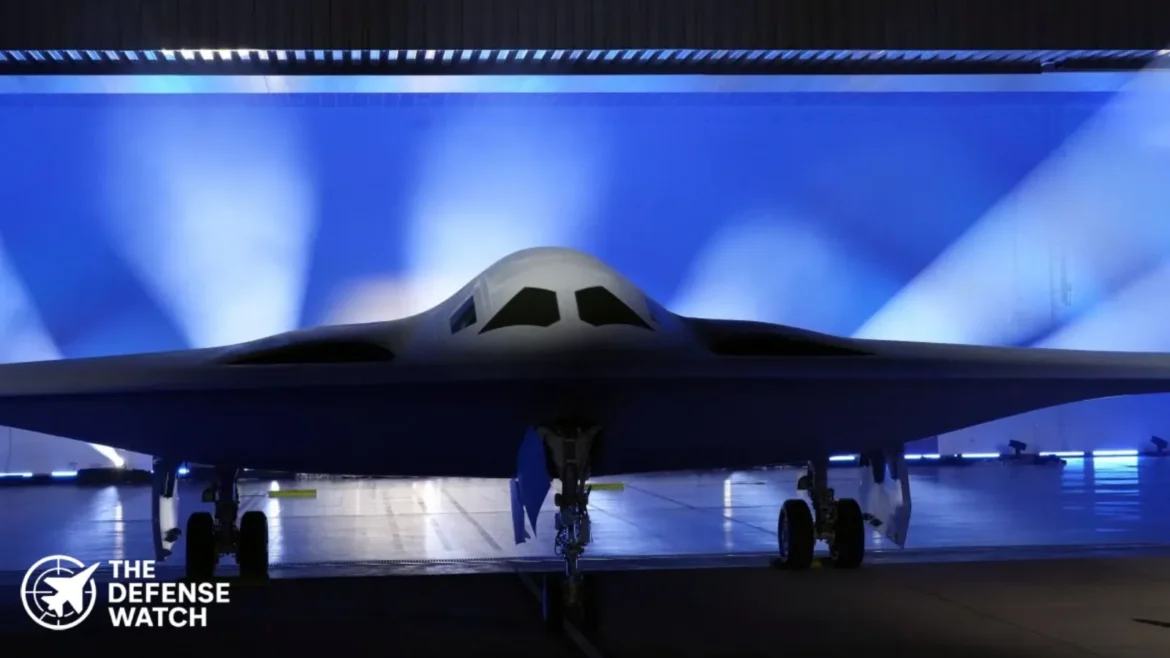
Chinese researchers claim a domestically developed stealth design tool has identified potential design vulnerabilities in the U.S. Air Force’s B-21 Raider bomber, according to a report by the South China Morning Post. The analysis is based on computer modeling rather than classified data and has not been independently verified.
According to the report, the researchers modeled a bomber configuration believed to resemble the B-21 Raider using publicly available imagery and assumptions about stealth design principles. The team said their simulations suggested that some structural features could create localized increases in radar signature, depending on angle and frequency band.
The authors acknowledged the limitations of their work, noting that the actual B-21 bomber remains highly classified. Northrop Grumman and the U.S. Air Force have not released detailed design data, making any external assessment inherently speculative.
U.S. Officials Remain Silent on Chinese Analysis
There has been no response from the U.S. Department of Defense or Northrop Grumman regarding the claims. Defense analysts contacted by SCMP cautioned that modeling based on incomplete information cannot accurately reflect the performance of an operational stealth aircraft.
The B-21 Raider is designed to penetrate advanced air defense systems and is expected to incorporate low-observable features, advanced materials, and electronic warfare capabilities that go beyond external shaping alone.
Broader Context of China–U.S. Stealth Competition
The publication of the PADJ-X study highlights China’s push to advance its own stealth design and simulation tools as competition intensifies between major powers in long-range strike and bomber technology. China is believed to be developing its own next-generation stealth bomber, often referred to as the H-20, though details remain scarce.
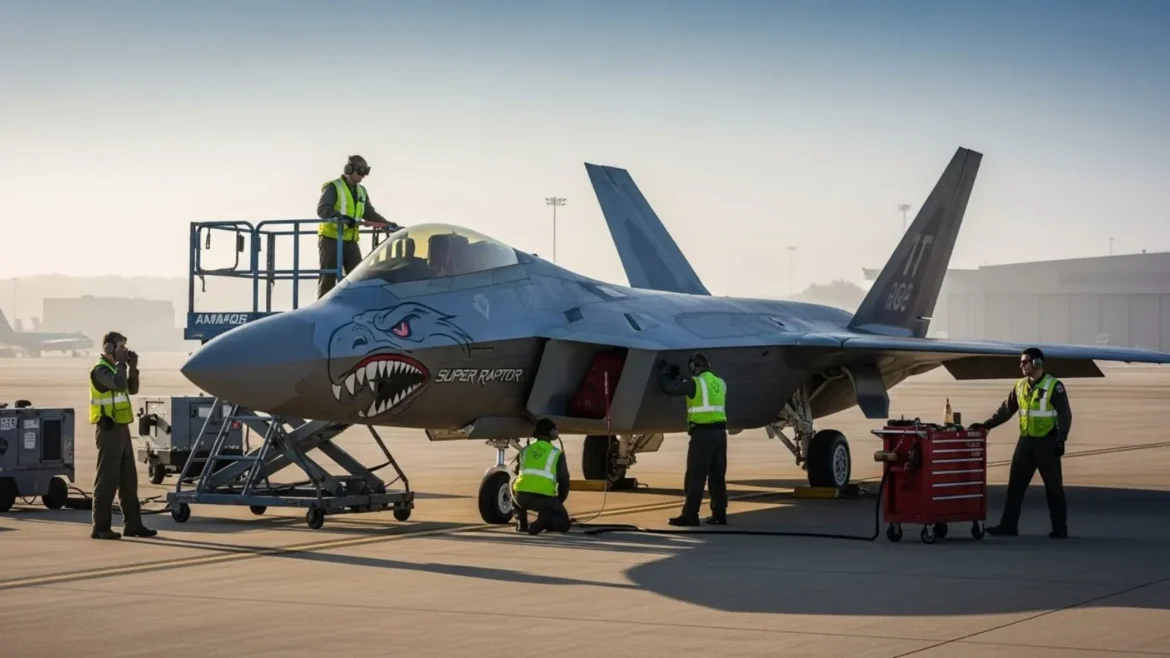
The U.S Air Force is planning a major upgrade to its F-22 fighter, often called the F-22 Super Raptor. This matters because advanced fighters shape the balance of air power among major rivals, especially the United States, China, and Russia. Keeping the F-22 fleet effective into the 2040s helps shorten gaps until next-generation jets arrive and counters the rapid improvement of peer air defenses and aircraft.
What It Is
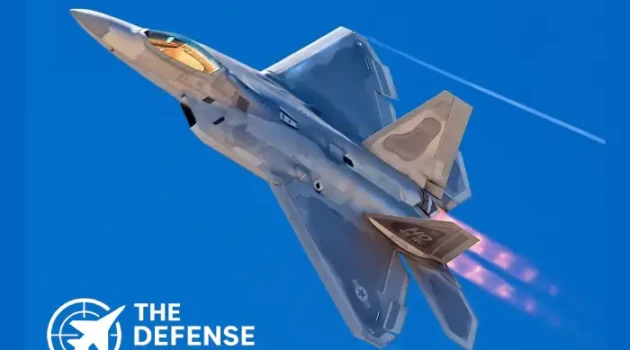
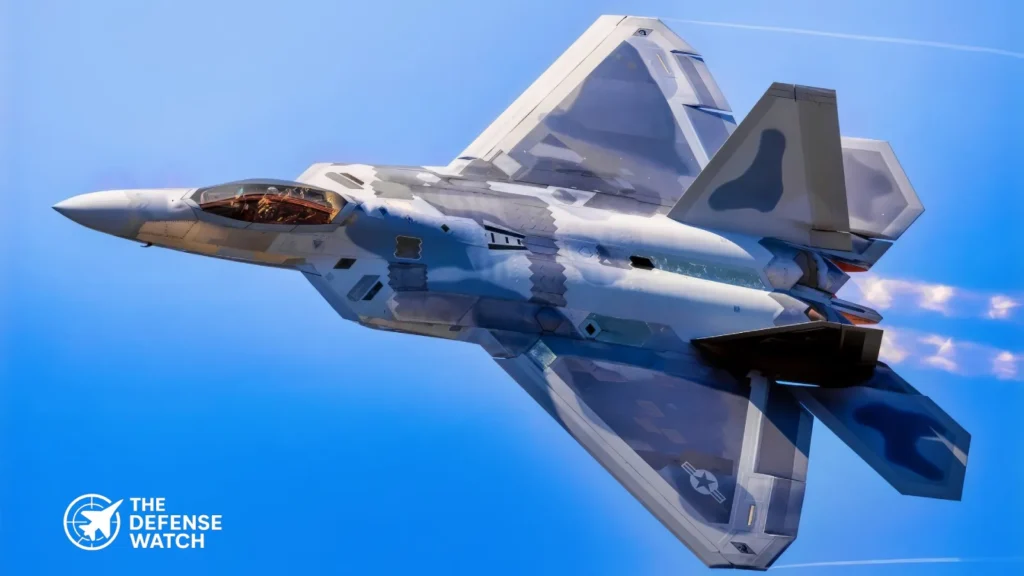
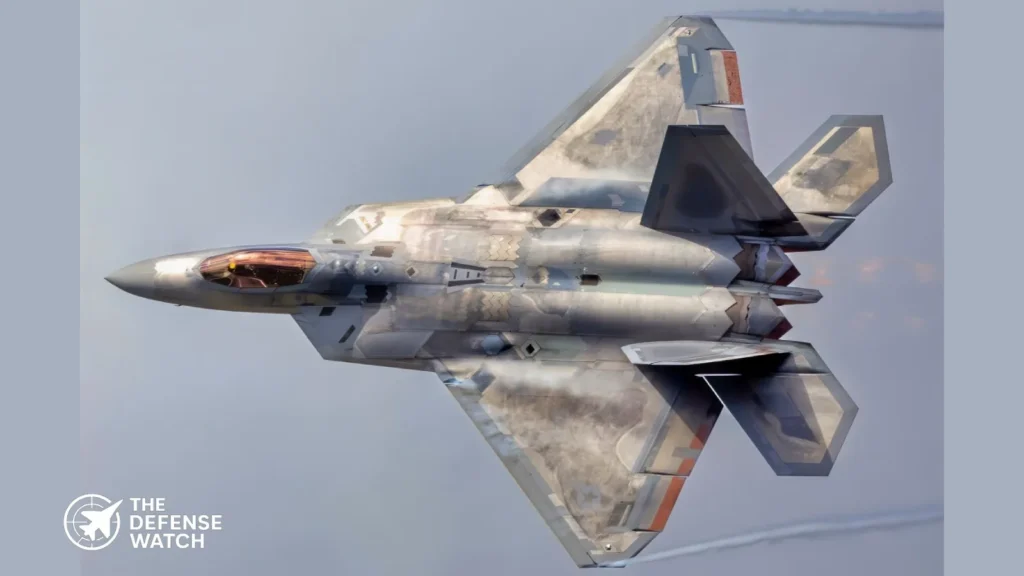
The F-22 Raptor is the Air Force’s flagship stealth air superiority fighter, first deployed in 2005 with sensors, stealth, supercruise, and integrated avionics unmatched when built.
The F-22 Super Raptor is not a new aircraft. It is a set of upgrades to existing F-22s. These upgrades include new sensors, improved radar-absorbent coatings, advanced electronic warfare systems, and modern cockpit avionics drawn in part from future programs.
In simple terms, the F-22 Super Raptor keeps the same airframe but adds tools to fight better in modern battlefields where sensors and defenses are tougher than when the original jets were designed.
Why It Matters
The main reason this upgrade matters is strategic competition with China and Russia. Both countries are fielding advanced fighters and air defense networks that reduce the gap U.S aircraft once enjoyed. Upgrading the F-22 helps keep its advantage in stealth and situational awareness even as adversary systems improve.
Until the next generation of fighters arrives, upgraded F-22s fill a capability gap. The Air Force’s long-term successor programs like the Next Generation Air Dominance (NGAD) fighter or the new F-47 sixth-generation design will not be fielded in large numbers for years.
Some analysts warn investment in older platforms could divert money from future systems. That concern is real but it works both ways. A sudden capability drop between current and future jets would weaken deterrence if competitors see an opening.
Compared to Chinese J-20 or Russian Su-57, the upgraded F-22 is expected to keep an edge in stealth and sensor integration, though exact performance against those jets remains uncertain in open sources. This is a common reality in advanced military systems analysis where some capabilities are classified.
For Washington, extending the F-22’s life and capability helps assure allies and deter rivals. In the Indo-Pacific, China’s air force is expanding in size and quality. Keeping U.S fighters ahead affects how China plans its force posture and investments.
For allies in Europe and Asia, a credible, upgraded U.S stealth force can anchor collective defense plans and reassure partners facing pressure from near-peer militaries.
In the long run, success will depend on how well the upgrades mesh with broader U.S strategy, including new fighters, drones, and air defense suppression tools.
The H-20 stealth bomber is emerging as one of the most closely watched military aircraft programs in the world, as China moves to challenge long-standing US dominance in strategic bomber aviation. Designed as a next-generation, long-range stealth platform, the H-20 is expected to give the People’s Liberation Army Air Force its first true intercontinental strike capability, reshaping regional deterrence and global airpower dynamics.
Although the aircraft has not yet been publicly unveiled, official Chinese statements, defense assessments, and satellite imagery point to a program aimed squarely at matching modern US bomber concepts, particularly the B-21 Raider. The development of the H-20 stealth bomber reflects China’s broader effort to modernize its nuclear and conventional forces while extending its reach beyond the first and second island chains.
Chinese military officials have confirmed that the aircraft will have both conventional and nuclear strike roles. It is expected to replace or supplement older H-6 bombers, which are based on 1950s Soviet designs and lack the survivability needed against modern air defenses.
While detailed specifications remain classified, defense analysts estimate the H-20 could have a combat radius exceeding 8000 kilometers, depending on payload and mission profile. This would allow strikes against targets across the Indo-Pacific without relying on forward basing.
Design and Stealth Characteristics
Stealth is the defining feature of the H-20 stealth bomber. Based on available imagery and official descriptions, the aircraft is likely designed with a smooth blended wing body, minimal vertical surfaces, and edge alignment to reduce radar cross section.
Engines are expected to be buried within the airframe to limit infrared and radar signatures. Air intakes may use serpentine ducts, similar to Western stealth aircraft, to shield engine fan blades from radar exposure.
Unlike earlier Chinese aircraft that relied heavily on foreign technology, the H-20 is believed to incorporate domestically developed stealth materials, avionics, and electronic warfare systems. This signals growing maturity in China’s aerospace industry and stealth design expertise.
Payload and Mission Roles
The H-20 stealth bomber is expected to carry its weapons internally to preserve low observability. Potential payloads include long-range cruise missiles, precision guided conventional munitions, and nuclear weapons.
In addition to strategic strike, the H-20 could support maritime strike missions, targeting aircraft carriers and naval bases. This aligns with China’s focus on anti-access and area denial strategies in the Western Pacific.
Comparison With US Stealth Bombers
The development of the H-20 stealth bomber is often compared with the US B-21 Raider, which is already flying in test programs. Both aircraft are designed as penetrating bombers capable of operating in contested environments.
The B-21 benefits from decades of US experience in stealth operations, sensor fusion, and global strike missions. It is intended to be a multi-domain platform, integrated with space, cyber, and unmanned systems.
The H-20, by contrast, represents China’s first attempt at a true strategic stealth bomber. While it may not match the B-21 in all areas, its introduction would still mark a major leap for Chinese airpower and reduce the gap between the two countries.
Strategic Implications for the Indo-Pacific
The arrival of the H-20 stealth bomber would significantly alter the strategic landscape in the Indo-Pacific region. With extended range and stealth, China could hold targets at risk across Guam, Hawaii, and potentially parts of the continental United States, depending on payload and refueling options.
For US allies such as Japan, Australia, and South Korea, the H-20 adds another layer of complexity to regional defense planning. Air and missile defense systems would need to account for a low observable, long-range bomber threat, not just ballistic missiles.
The bomber also strengthens China’s nuclear triad, alongside land-based missiles and submarine-launched systems. This enhances Beijing’s second-strike credibility and complicates deterrence calculations.
Industrial and Technological Significance
Beyond military impact, the H-20 stealth bomber highlights China’s growing aerospace and defense industrial base. Developing a large stealth bomber requires advanced manufacturing, precision engineering, and complex systems integration.
The program suggests progress in areas such as composite materials, low observable coatings, secure communications, and mission systems. These technologies have spillover effects into other military platforms, including fighters, drones, and future unmanned bombers.
The H-20 also reflects a shift in Chinese defense planning from regional focus to global reach. Strategic aviation is resource-intensive, and its pursuit indicates long-term intent rather than short-term signaling.
Timeline and Program Status
China has not released an official timeline for the H-20 stealth bomber’s first flight or entry into service. However, statements from the People’s Liberation Army and aviation industry officials suggest the aircraft is in advanced development.
Some analysts assess that a first flight could occur before the end of this decade, with initial operational capability following in the early 2030s. These estimates remain speculative and depend on testing progress and engine performance.
Unlike the US, China tends to keep major aviation programs secret until they are close to operational readiness. A public unveiling of the H-20 would likely be a major strategic message.
Analysis: Why the H-20 Matters
The H-20 stealth bomber matters less for what is known today and more for what it represents. It signals China’s ambition to operate at the highest tier of airpower, alongside the United States and, to a lesser extent, Russia.
Even if the H-20 falls short of Western benchmarks in its early versions, it will force changes in US and allied planning. Deterrence is shaped by perception as much as capability, and a credible Chinese stealth bomber alters that perception.
Over time, upgrades in sensors, engines, and weapons could narrow remaining gaps. The H-20 should therefore be seen as a long-term program, not a single aircraft milestone.
FAQS
Is the H-20 stealth bomber operational
No. As of now, the H-20 has not been officially unveiled or declared operational.
Will the H-20 carry nuclear weapons
Chinese officials have stated it will support both nuclear and conventional missions.
How does the H-20 compare to the B-21 Raider
The B-21 is more mature and benefits from US stealth experience, but the H-20 represents a major step forward for China.
What range is expected for the H-20
Estimates suggest a long-range capability exceeding existing Chinese bombers, potentially intercontinental.
Why is the H-20 important for US defense planning
It introduces a stealthy, long-range bomber threat that complicates air and missile defense strategies.
Boeing F-47 Stealth Fighter Jet: Separating Fact from Fiction in Next-Generation Air Dominance
The Boeing F-47 stealth fighter jet has emerged as a topic of significant interest within defense and aerospace communities, yet substantial confusion surrounds this designation. Unlike established platforms such as the F-15, F-16, or F-35, the F-47 designation does not correspond to any officially announced Boeing fighter program in the United States military inventory or development pipeline as of December 2025.
Understanding the distinction between speculative concepts, unofficial designations, and actual defense programs is crucial for accurate defense reporting. This analysis examines the current state of Boeing’s fighter aircraft development, the context of advanced stealth technology, and what the future holds for next-generation air superiority platforms.
The Reality Behind the F-47 Designation
The F 47 fighter jet designation does not appear in official Department of Defense procurement documents, congressional budget justifications, or Boeing’s publicly announced development programs. The U.S. military aircraft designation system, managed by the Department of Defense, follows specific protocols established in 1962 under the tri-service aircraft designation system.
Current Boeing fighter programs include the F-15EX Eagle II, the F/A-18E/F Super Hornet, and the company’s participation in the Next Generation Air Dominance (NGAD) program competition. Boeing has not publicly unveiled any aircraft carrying the F-47 designation, suggesting the term may represent either speculative reporting, conceptual studies, or misinformation circulating within defense enthusiast communities.
Boeing’s Actual Stealth Fighter Development Programs
While Boeing fighter jets F47 may not exist in official capacity, Boeing maintains several legitimate advanced combat aircraft initiatives that incorporate stealth technology and next-generation capabilities.
Next Generation Air Dominance (NGAD) Competition
Boeing is competing for the U.S. Air Force’s NGAD program, which aims to replace the F-22 Raptor with a sixth-generation air superiority fighter. According to reports from Defense News and industry analysts, Boeing has developed and flight-tested demonstrator aircraft as part of this competition, though specific details remain classified.
The NGAD program emphasizes:
Advanced stealth characteristics beyond current fifth-generation platforms
Digital engineering and rapid prototyping capabilities
Extended range and persistence for Pacific theater operations
F/A-XX Navy Fighter Program
Boeing is also competing for the Navy’s F/A-XX program, intended to replace the F/A-18E/F Super Hornet. This carrier-based platform would incorporate f-47 fighter jet stealth technology principles, including reduced radar cross-section, advanced sensors, and enhanced survivability in contested environments.
Advanced Stealth Technology in Modern Fighter Development
Understanding F-47 fighter jet stealth technology requires examining the current state-of-the-art in low-observable design, regardless of specific platform designations.
Fifth and Sixth-Generation Stealth Characteristics
Modern stealth fighters incorporate multiple signature reduction techniques:
Radar Cross-Section (RCS) Reduction: Advanced shaping uses computational fluid dynamics and electromagnetic modeling to deflect radar energy away from source emitters. Materials technology includes radar-absorbent materials (RAM) and radar-absorbent structures (RAS) integrated into airframe components.
Infrared Signature Management: Engine exhaust management through serpentine inlet ducts, exhaust cooling systems, and thermal masking reduce infrared detectability from air-to-air and surface-to-air missile seekers.
Electronic Emissions Control: Advanced electronic warfare systems and low probability of intercept (LPI) radar technology minimize detectable electronic emissions while maintaining situational awareness.
Visual Signature Reduction: Specialized coatings and paint schemes reduce visual detection range, while contrail suppression technologies minimize condensation trail formation at operational altitudes.
Fighter Jet Cost Considerations for Advanced Platforms
The fighter jet cost equation for next-generation stealth platforms presents significant challenges for defense budget planners. Current fifth-generation fighters provide context for future platform expenses.
Cost Analysis Framework
The F-35A Lightning II, the most recent American stealth fighter to enter production, currently costs approximately $80-90 million per unit in Lot 18 production, according to Lockheed Martin’s publicly released figures. The F-22 Raptor program, which ended production in 2011, carried a per-unit cost exceeding $150 million when accounting for development expenses.
Sixth-generation platforms like the NGAD program face projected costs between $250-300 million per aircraft, as reported by Air Force officials in congressional testimony. These elevated costs reflect:
Advanced materials and manufacturing processes
Sophisticated mission systems and sensor fusion
Digital engineering development methodologies
Small initial production quantities
Integration with unmanned teaming aircraft
The total program lifecycle cost, encompassing development, procurement, operations, sustainment, and eventual disposal, typically runs 3-4 times the initial procurement price for modern fighter aircraft.
Boeing’s Fighter Aircraft Heritage and Future Direction
Boeing’s lineage in fighter development extends from the World War II-era P-26 Peashooter through modern platforms. The company absorbed McDonnell Douglas in 1997, inheriting the F-15 Eagle and F/A-18 Hornet programs that continue generating revenue and technological advancement.
Recent Boeing fighter initiatives include:
F-15EX Eagle II: A fourth-generation-plus platform incorporating modern avionics, electronic warfare systems, and weapons integration while leveraging the proven F-15 airframe. The Air Force has ordered 104 aircraft with deliveries extending through the late 2020s.
F/A-18E/F Block III Super Hornet: Advanced variants featuring enhanced range, reduced radar signature, conformal fuel tanks, and upgraded mission systems for the U.S. Navy and international customers.
MQ-28 Ghost Bat: An unmanned combat air vehicle developed for the Royal Australian Air Force, demonstrating Boeing’s capabilities in autonomous systems that would complement crewed fighters in future operations.
Strategic Analysis: The Need for Advanced Air Superiority
The demand for next-generation stealth fighters, whether designated F-47 or another classification, stems from evolving threat environments in contested airspace.
Peer Competitor Developments
China’s J-20 Mighty Dragon and Russia’s Su-57 Felon represent fifth-generation capabilities that challenge American air superiority assumptions held since the 1991 Gulf War. Both platforms incorporate stealth features, advanced radar systems, and long-range weapons that can engage targets at extended distances.
China has accelerated fighter development with reported work on sixth-generation concepts, including the potentially unmanned capabilities demonstrated in recent flight tests. This rapid advancement compresses the timeline for American responses and elevates urgency for NGAD and F/A-XX programs.
Pacific Theater Requirements
The vast distances across the Indo-Pacific theater demand extended range and persistence characteristics that exceed current platform capabilities. Future fighters must operate from dispersed bases, conduct long-duration missions, and maintain air superiority against sophisticated integrated air defense systems (IADS) while supporting joint force operations.
Software Complexity: Modern fighters contain millions of lines of software code managing flight controls, mission systems, sensor fusion, and weapons integration. The F-35 program encountered significant delays attributed to software development challenges, lessons that inform NGAD approaches emphasizing modular, open architecture systems.
Supply Chain Management: Advanced materials, specialized manufacturing processes, and limited supplier bases create vulnerability in fighter production. The defense industrial base requires sustained investment and long-term planning to maintain production capacity.
Testing and Validation: Stealth characteristics require extensive testing in specialized facilities including radar cross-section measurement ranges, anechoic chambers, and electronic warfare simulation environments. Flight testing spans thousands of hours across multiple years before operational deployment.
International Market Considerations
While the Boeing F-47 stealth fighter jet may not exist as a specific export platform, international demand for advanced fighter capabilities continues growing. American allies face similar threat environments requiring fifth and sixth-generation capabilities.
U.S. export policy balances allied defense requirements against technology security concerns. The F-35 program includes numerous international partners, while more sensitive technologies remain restricted to domestic platforms. Future Boeing fighter developments will navigate these same policy considerations.
Conclusion: The Future of American Fighter Aviation
Whether designated F-47 or another classification, Boeing’s future in advanced fighter development remains robust through NGAD and F/A-XX competitions. The company’s engineering capabilities, production infrastructure, and operational support experience position it as a credible competitor for next-generation air dominance platforms.
The confusion surrounding the Boeing F-47 stealth fighter jet designation underscores the need for careful verification in defense reporting. While no such official program currently exists, Boeing’s actual fighter development efforts represent significant advancements in stealth technology, combat capabilities, and air superiority systems that will shape American military aviation for decades to come.
Defense planners face critical decisions balancing capability requirements against fiscal constraints, with fighter jet cost considerations influencing force structure and procurement strategies. The outcome of NGAD and F/A-XX competitions will determine whether Boeing continues as a prime contractor for American fighter aircraft or transitions to a supporting role in future aviation programs.
FAQs
Is the Boeing F-47 stealth fighter jet a real aircraft?
No official U.S. military aircraft carries the F-47 designation. Boeing is developing advanced fighters through the NGAD and F/A-XX programs, but no platform has been publicly designated F-47.
What is Boeing’s current fighter aircraft program?
Boeing produces the F-15EX Eagle II and F/A-18E/F Super Hornet while competing for the sixth-generation NGAD and F/A-XX programs. The company also develops unmanned combat aircraft like the MQ-28 Ghost Bat.
How much would a next-generation stealth fighter cost?
Sixth-generation fighters like those in the NGAD program are projected to cost $250-300 million per aircraft, significantly higher than current fifth-generation platforms due to advanced technology and capabilities.
What stealth technology features would a new Boeing fighter include?
Advanced stealth fighters incorporate radar cross-section reduction, infrared signature management, electronic emissions control, and visual signature reduction through specialized materials and design techniques.
When will Boeing’s next fighter aircraft enter service?
The NGAD program timeline remains classified, though Air Force officials have indicated operational capability requirements in the early 2030s. The F/A-XX program follows a similar timeline for Navy requirements.