Executive Summary:
The U.S. Navy has awarded General Dynamics Electric Boat a $2.3 billion contract modification tied to Virginia-class Block VI submarines. The funding supports long lead material procurement and early manufacturing work aimed at sustaining the Navy’s undersea warfare modernization strategy through the next decade.
General Dynamics Electric Boat Awarded Major Virginia-Class Block VI Contract
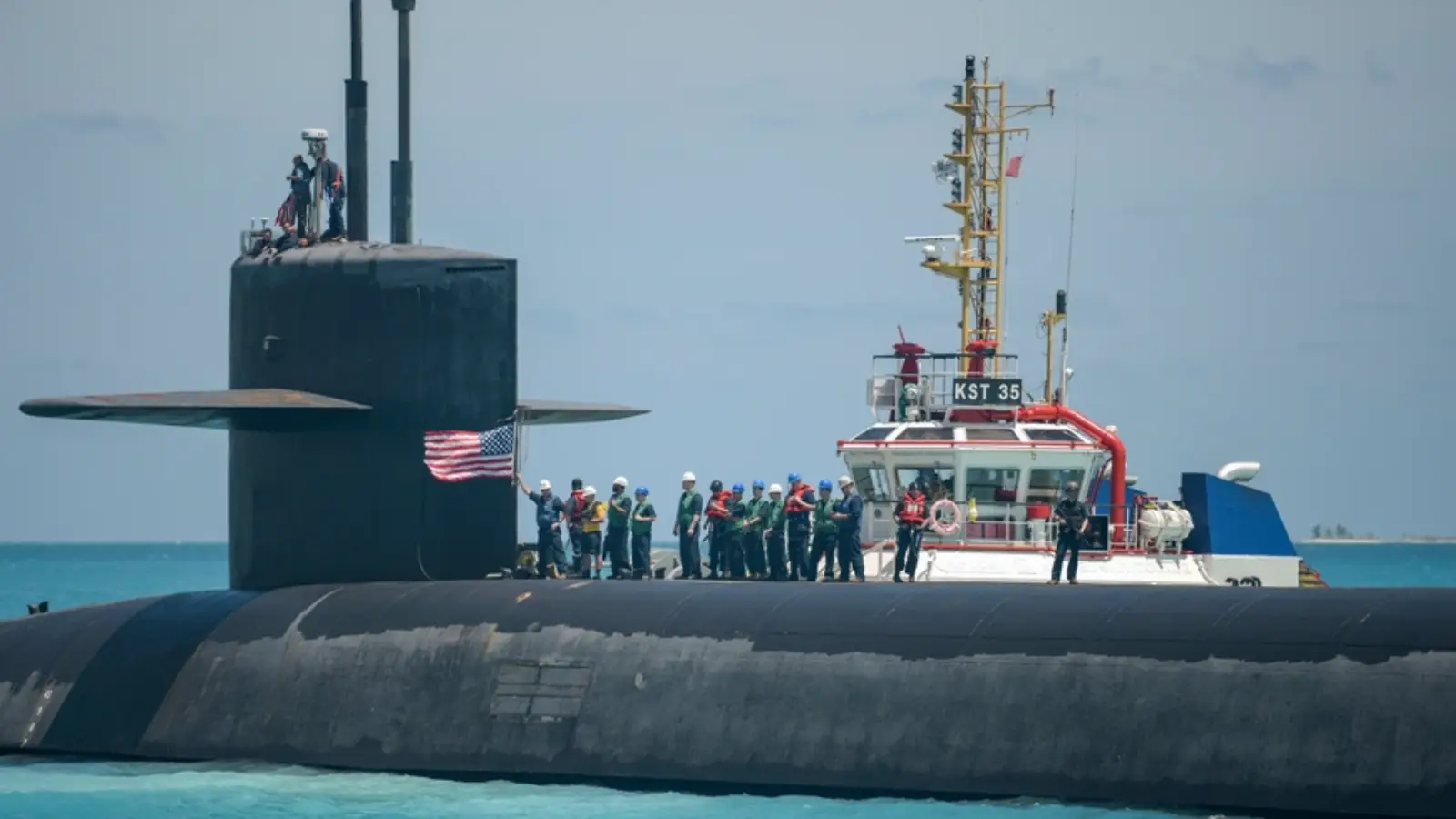
The U.S. Navy has awarded General Dynamics subsidiary General Dynamics Electric Boat a not-to-exceed $2.305 billion undefinitized contract action modification for long lead time materials and early manufacturing efforts linked to future Virginia-class Block VI submarines.
The contract modification expands work under a previously awarded agreement (N00024-24-C-2110) and supports pre-construction activities critical to maintaining production schedules for one of the Navy’s most important undersea warfare platforms.
According to the U.S. Department of Defense announcement, the work is expected to continue through September 2035 and will involve a broad industrial network across the United States.
Long Lead Procurement Signals Continued Submarine Expansion
The Virginia-class Block VI submarines represent the next phase of the U.S. Navy’s nuclear-powered fast attack submarine fleet modernization program. Long lead materials typically include propulsion system components, advanced electronics, specialized steel, missile systems, and nuclear-related manufacturing elements that require years of preparation before full construction begins.
The latest award indicates the Navy is attempting to stabilize submarine production timelines amid increasing operational demand in both the Indo-Pacific and Atlantic theaters.
The Virginia-class submarine fleet remains central to U.S. undersea dominance, intelligence gathering, anti-submarine warfare, strike operations, and special operations support missions. Block VI boats are expected to incorporate survivability improvements, acoustic enhancements, and advanced payload capabilities designed to maintain strategic advantages against near-peer naval competitors.
Broad U.S. Industrial Base Involved
Under the contract, work will be distributed across numerous U.S. states, reflecting the scale and complexity of modern submarine construction.
The largest portion of work, approximately 30%, will be performed in Sunnyvale, California. Additional work locations include Chesapeake, Virginia; Minneapolis, Minnesota; York, Pennsylvania; Tucson, Arizona; Spring Grove, Illinois; Jacksonville, Florida; and Newport News, Virginia, among others.
The contract also highlights the continued importance of America’s submarine industrial base, which has faced workforce shortages, supplier bottlenecks, and production pressures in recent years.
The Navy has repeatedly emphasized that sustaining the submarine supply chain is essential as the service simultaneously pushes forward with Virginia-class procurement and the future Columbia-class ballistic missile submarine program.
Funding Structure And Strategic Importance
The majority of the funding comes from Fiscal Year 2026 Shipbuilding and Conversion Navy accounts, totaling nearly $1.97 billion. An additional $150 million is sourced from Fiscal Year 2025 appropriations.
Importantly, the obligated funds will not expire at the end of the current fiscal year, allowing the Navy and industry partners to maintain continuity across long-duration procurement and manufacturing schedules.
The contract is managed by the Naval Sea Systems Command, the Navy organization responsible for shipbuilding acquisition and lifecycle management.
Virginia-Class Submarines Remain Central To U.S. Naval Strategy
The Virginia-class submarine program continues to play a major role in U.S. naval force planning as Washington increases focus on strategic competition with China and Russia.
Fast attack submarines are viewed as among the most survivable and operationally flexible assets in the U.S. military inventory. Their ability to operate undetected in contested waters makes them critical for intelligence collection, sea denial operations, precision strike missions, and carrier strike group support.
The Block VI program also arrives at a time when the Navy faces pressure to increase submarine fleet readiness while older Los Angeles-class submarines continue retiring faster than replacement boats enter service.
Analysts have repeatedly warned that production delays and industrial capacity constraints could create future capability gaps if procurement rates are not sustained.
By advancing long lead procurement now, the Navy appears focused on reducing future schedule risk while preserving supplier stability throughout the submarine enterprise.
Strategic Analysis
This contract modification reflects more than a routine procurement action. It demonstrates how the U.S. Navy is prioritizing undersea warfare capabilities as maritime competition intensifies globally.
The scale and duration of the agreement suggest continued confidence in the Virginia-class program as the backbone of the Navy’s attack submarine fleet for decades to come.
Equally important, the award reinforces ongoing efforts to strengthen the domestic defense industrial base. With submarine construction dependent on highly specialized suppliers and skilled labor, early funding commitments help industry maintain production continuity and workforce retention.
The decision to move forward with early manufacturing efforts years ahead of final submarine delivery timelines also highlights how modern naval procurement increasingly depends on long-term industrial planning rather than short-cycle acquisition models.
Ferguson Marine Appoints Duncan Anderson Permanent Chair
Ferguson Marine has named shipbuilding veteran Duncan Anderson as permanent Chair of its Board, marking a key leadership shift at the state-owned Port Glasgow shipyard. The announcement follows his stint as interim Chair and aims to strengthen governance and delivery performance at the historic Clyde yard.
The appointment aligns with broader efforts to modernize the business and support its strategic goals, including enhanced operational delivery and securing new contracts.
Seasoned Shipbuilding Leader Takes the Helm
Duncan Anderson is a Chartered Marine Engineer with more than four decades in ship operations and construction. He joined Ferguson Marine as a Non-Executive Director in March 2025 and has served in interim leadership since late 2025.
His career spans deep-sea trading vessels, ro-ro ferries, and offshore support units in shipyards across Europe, the Middle East and Asia. Anderson also led Gulf Marine Services in Abu Dhabi as CEO, growing the business substantially and overseeing a public listing.
Deputy First Minister Kate Forbes highlighted his technical background and practical understanding of shipbuilding as key to steering Ferguson Marine through its current challenges.
Leadership Shift Signals Strategic Intent
Anderson takes over from Andrew Miller, whose three-year term as Chair concluded in late 2025. Miller’s tenure included governance improvements, board strengthening and support for key projects, including defence-linked work.
Graeme Thomson, Ferguson Marine’s CEO, said Anderson’s leadership will reinforce efforts to modernize operations and improve delivery outcomes, while positioning the shipyard for future work.
In his first statement as permanent Chair, Anderson stressed the need to transform the yard into a more competitive, efficient and sustainable business. He added that establishing a clear strategic direction and winning new contracts are top priorities.
Context: Shipyard Performance and Industry Landscape
Ferguson Marine, founded in 1903 and owned by the Scottish Government, is the last remaining commercial shipbuilder on the lower Clyde.
The yard has been under scrutiny in recent years, facing delivery delays and cost challenges on major ferry projects, and ongoing efforts to secure a sustainable future by winning new contracts and strengthening internal systems. (See also related coverage on operational challenges and contract bids at Ferguson Marine.)
What This Means for the Yard’s Future
Appointing a permanent Chair with deep industry experience may help restore confidence among stakeholders and improve Ferguson Marine’s performance trajectory. While challenges remain, leadership stability is a step toward aligning board oversight with strategic delivery objectives.
Mexican Navy Multipurpose Vessel Program Advances With 37 Percent Completion
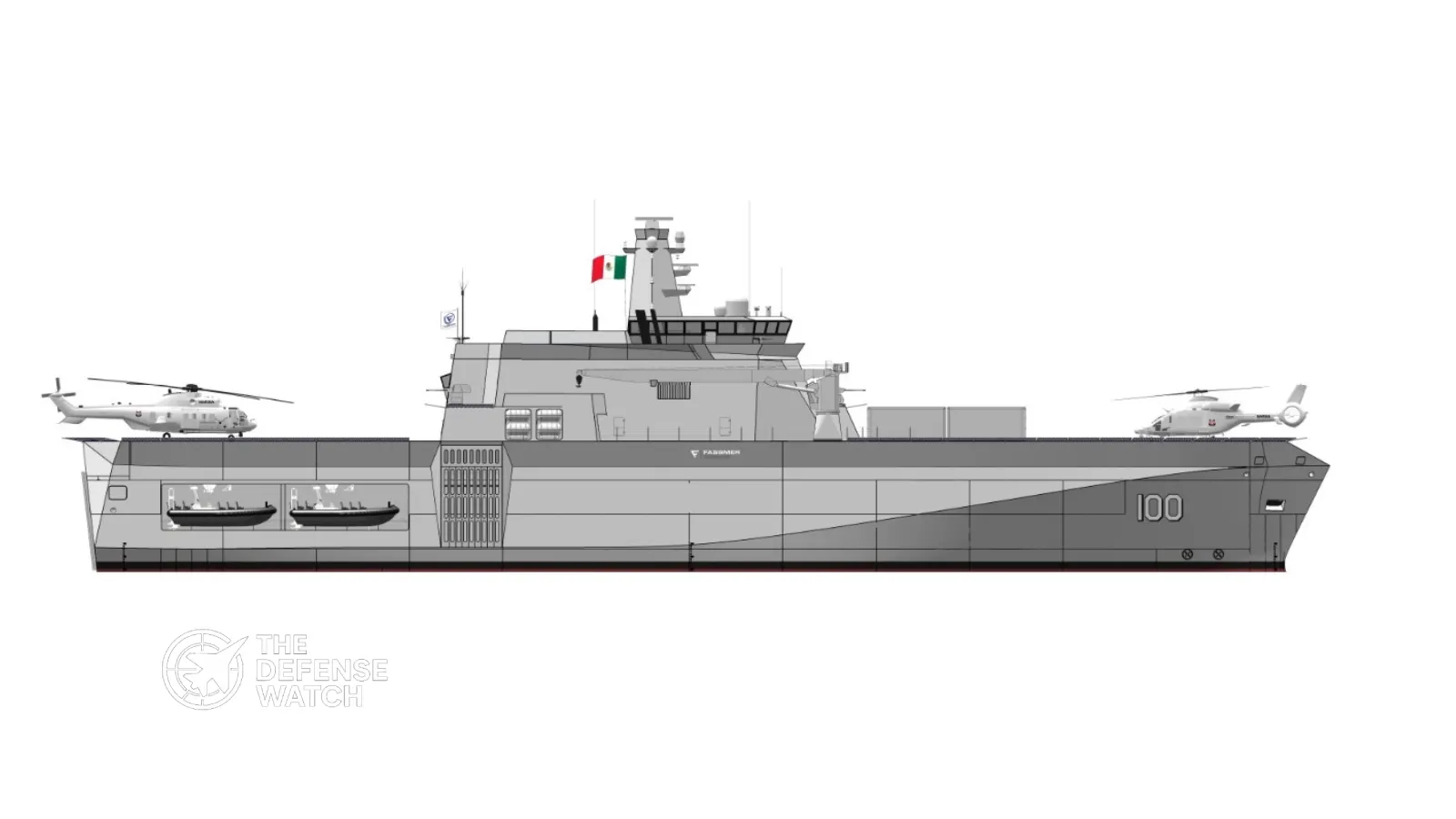
The Mexican Navy Multipurpose Vessel program has reached 37 percent completion of the structural steel acquired in 2024, marking a key milestone in Mexico’s ongoing naval modernization efforts.
The new class of Multipurpose Vessel, or MPV, is designed to support long-range maritime surveillance, humanitarian assistance operations, and emergency response missions under Mexico’s Plan Marina framework.
According to official statements from the SecretarÃa de Marina, construction progress reflects steady advancement in hull assembly and structural integration. The program forms part of a broader effort to strengthen Mexico’s maritime domain awareness and disaster response capacity.
A Modern Design Focused On Multi-Mission Flexibility
The Mexican Navy Multipurpose Vessel is intended as a flexible platform capable of operating across multiple mission sets. These include:
- Extended maritime patrol and surveillance
- Search and rescue operations
- Humanitarian assistance and disaster relief
- Logistical support during national emergencies
The vessel’s design emphasizes endurance and operational range, allowing it to patrol distant maritime zones and support civil authorities during natural disasters. Mexico faces recurring hurricanes, earthquakes, and flooding, which make rapid maritime response a national priority.
Plan Marina, the Navy’s operational doctrine for civil protection and disaster response, has historically played a central role during emergencies. The new MPV class is expected to enhance those capabilities by providing greater lift capacity, improved command and control spaces, and expanded medical and logistical facilities.
Supporting Plan Marina And National Emergency Operations
Plan Marina, formally managed by the SecretarÃa de Marina, coordinates naval assets during domestic crises. The framework enables rapid deployment of ships, aircraft, and personnel to affected areas.
The Mexican Navy Multipurpose Vessel is specifically configured to support this mission. In disaster scenarios, the vessel can transport relief supplies, deploy medical teams, and serve as a floating coordination platform.

Mexico’s geographic exposure to both Atlantic and Pacific storm systems has increased the operational demand on naval forces. Enhanced sealift and surveillance platforms are therefore central to the country’s maritime strategy.
Shipbuilding Progress And Industrial Implications
With 37 percent of the structural steel acquired in 2024 now integrated into the hull, the Mexican Navy Multipurpose Vessel program demonstrates measurable progress in domestic shipbuilding.
Mexico has steadily expanded its naval industrial base in recent years, investing in modern shipyard facilities and local production capacity. By advancing construction internally, the Navy supports national industry while maintaining control over design specifications and operational requirements.
Although detailed technical specifications have not been fully disclosed, the MPV is described as a modern design platform optimized for endurance and versatility. The emphasis on long-range surveillance suggests integration of advanced radar systems and maritime domain awareness technologies.
Strengthening Maritime Domain Awareness
Maritime surveillance remains a priority for Mexico due to:
- Counter-narcotics operations
- Illegal fishing enforcement
- Protection of offshore infrastructure
- Border and exclusive economic zone monitoring
The Mexican Navy Multipurpose Vessel will likely complement existing offshore patrol vessels and logistics ships already in service.
See also: Mexican Navy modernization programs and offshore patrol vessel developments.
By expanding long-range patrol capacity, the Navy improves its ability to maintain presence in distant waters while preserving readiness for humanitarian missions.
Broader Naval Modernization Context
The Mexican Navy has pursued gradual modernization focused on:
- Fleet recapitalization
- Enhanced maritime surveillance
- Improved amphibious and logistical support
- Greater domestic production capability
The introduction of the Multipurpose Vessel class aligns with these objectives. Rather than focusing on high-end combat capabilities, Mexico’s naval strategy emphasizes sovereignty protection, law enforcement, and civil protection roles.
This approach reflects Mexico’s operational environment, where maritime security threats are often asymmetric and humanitarian missions are frequent.
What Comes Next
With structural assembly approaching the halfway mark, the next phases will likely include:
- Superstructure integration
- Systems installation
- Internal compartment fitting
- Sea trials following launch
While no official delivery timeline has been publicly confirmed, steady construction progress suggests the program remains active and funded.
As the Mexican Navy Multipurpose Vessel program advances, it signals continued investment in maritime resilience and domestic shipbuilding capability.
Saab Parallelizes Submarine Production to Meet 2026 Targets
Saab submarine production is being reorganized as the Swedish defense company moves to parallelize workstreams to meet key 2026 delivery milestones, according to Reuters.
The company said the shift is aimed at reducing bottlenecks and improving schedule certainty across its submarine portfolio, which includes the A26 Blekinge-class new-build submarines and the mid-life upgrade of Sweden’s Gotland-class boats. Both programs are central to Sweden’s naval modernization plans and are closely watched by European defense planners.
Saab has faced challenges similar to other naval shipbuilders, including supply chain constraints, workforce availability, and the complexity of integrating advanced combat systems. By running multiple production phases simultaneously rather than sequentially, Saab aims to shorten overall build times while maintaining quality and safety standards.
A26 Program Remains a Priority
The A26 submarine program is designed to deliver next-generation air-independent propulsion submarines optimized for operations in the Baltic Sea and beyond. The boats are expected to provide improved stealth, sensor integration, and special operations support compared to earlier Swedish designs.
Saab stated that parallel production will allow shipyard teams to work on hull sections, systems integration, and testing activities at the same time. This approach is intended to keep the first A26 submarines on track for delivery to the Swedish Navy around 2026.
Gotland-Class Upgrades Continue
In parallel, Saab is completing major upgrades to the Gotland-class submarines, extending their service life and improving combat capability. The Gotland-class is well known internationally, including for its role in U.S. Navy exercises, and remains a key asset for Sweden’s undersea deterrence.
Reuters reported that Saab views the restructured production model as essential to meeting contractual obligations while managing cost and schedule risk. The company emphasized that the changes do not alter program scope or performance requirements.
Broader Implications for European Naval Industry
Saab’s move reflects a wider trend across Europe, where defense manufacturers are under pressure to deliver complex naval platforms faster as regional security concerns grow. Submarine industrial capacity, in particular, has become a strategic issue for NATO and partner nations.
By parallelizing submarine production, Saab is signaling confidence in its shipyard processes while responding to increased demand for reliable delivery timelines.
US Navy to Begin Construction of Trump Class Battleships
The US Navy is set to begin construction of two Trump class battleships following approval within the Pentagon’s long range shipbuilding plan, according to US defense officials and congressional documents released in late December 2025. Early construction work is expected to start in 2026 at major US shipyards, marking the first time in decades that the Navy has pursued a battleship class rather than expanding destroyer or cruiser fleets.
The decision reflects a broader reassessment of surface combatant roles as the Navy faces increasing demands in the Indo Pacific and renewed competition with near peer naval forces. While the ships remain in the early phases of development, officials confirm that the Trump class battleships are intended to provide heavy firepower, extended endurance, and improved survivability in high intensity maritime conflict.
Background and Strategic Context
The US Navy retired its last Iowa class battleships in the 1990s, shifting focus toward carrier strike groups, guided missile destroyers, and submarines. For decades, battleships were viewed as outdated in an era dominated by air power and precision missiles.
That assessment has changed as the Pentagon reviews lessons from recent conflicts and emerging threats. Long range anti ship missiles, hypersonic weapons, and growing naval forces in Asia have placed pressure on existing surface fleets. According to defense planners, the Trump class battleships are designed to operate in contested environments where air superiority cannot be assumed and where sustained surface firepower may be required.
Congressional defense committees have debated the concept for several years, initially funding feasibility studies and concept designs under classified and unclassified programs. The formal decision to begin construction signals a shift from experimentation to execution.
Design and Capabilities Overview
While detailed specifications remain classified, Navy officials have outlined key characteristics of the Trump class battleships. The ships are expected to displace significantly more than existing destroyers, placing them closer in size to historical battleships but with modern systems.
The design reportedly emphasizes layered air and missile defense, advanced radar systems, and a mix of conventional and long range precision strike weapons. Analysts familiar with the program say the ships may carry large caliber naval guns optimized for extended range fires, alongside vertical launch systems capable of firing cruise missiles and hypersonic weapons.
Power generation and survivability are also central to the design. The Navy has emphasized hardened structures, redundancy in propulsion and combat systems, and the ability to absorb damage while remaining operational. These features aim to address concerns that modern surface ships are increasingly vulnerable to saturation attacks.
Budget and Congressional Oversight
Funding for the Trump class battleships is included in the Navy’s future years defense program, with initial construction funds allocated across multiple fiscal years. Defense officials acknowledge that the cost per ship will be substantial, likely exceeding that of existing surface combatants.
Lawmakers remain divided. Supporters argue that the investment is necessary to restore credible surface firepower and deter adversaries. Critics warn that the program could strain shipbuilding budgets already under pressure from submarine and carrier programs.
During recent hearings, Pentagon officials stated that cost controls and phased construction would be used to limit financial risk. The Navy has also emphasized that lessons learned from previous shipbuilding challenges are being applied to avoid delays and cost overruns.
Operational Role in Future Fleet
According to Navy planning documents, Trump class battleships are not intended to replace aircraft carriers or destroyers but to complement them. The ships would likely operate as part of larger task forces, providing heavy strike capabilities and acting as command platforms in certain scenarios.
Defense analysts note that the return of battleships reflects a desire for platforms that can sustain combat operations even under intense missile threat. Unlike lighter surface combatants, the Trump class battleships are designed to remain in forward areas longer, reducing reliance on vulnerable logistics chains.
The Navy has also suggested that the ships could play a role in deterrence missions, naval gunfire support, and protection of critical sea lanes during major conflict.
Expert and Policy Perspectives
Naval experts have described the program as both ambitious and controversial. Some view it as a necessary response to evolving threats, while others question whether large surface ships can survive in future wars dominated by precision strike weapons.
Former naval officers involved in force structure planning say the program reflects a shift toward balancing speed and stealth with endurance and resilience. They argue that survivability and sustained firepower are increasingly valued as potential conflicts grow more complex.
Policy analysts also point out that the Trump class battleships carry symbolic weight, signaling long term US commitment to maintaining naval dominance and industrial capacity in shipbuilding.
What Comes Next
With construction expected to begin in 2026, the next several years will focus on detailed design finalization, supplier contracts, and workforce preparation at selected shipyards. The Navy plans extensive testing and evaluation before the ships enter active service in the 2030s.
Congress is expected to continue close oversight as costs, schedules, and mission requirements evolve. Whether the Trump class battleships become a cornerstone of future naval strategy or remain a limited experiment will depend on performance, affordability, and the broader security environment.
For now, the decision marks a significant milestone in US naval modernization and a rare return to a class of warship long thought to belong to history.
Russia Confirms New Lada-Class Submarines to Begin Construction in 2026
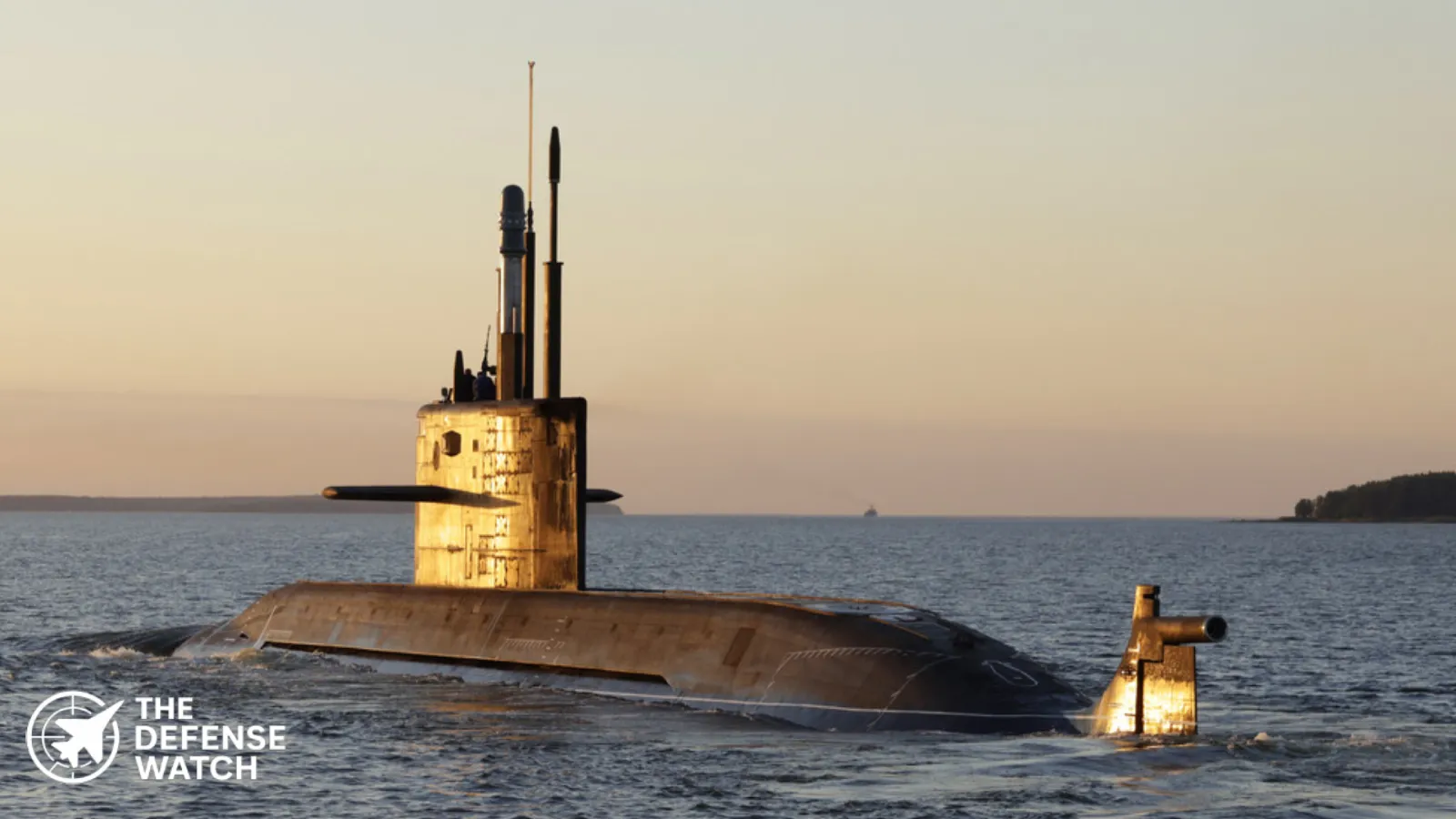
Russia’s Navy has announced plans to lay down two additional Project 677 Lada-class diesel-electric submarines in early 2026 at the Admiralty Shipyards in St. Petersburg, advancing the expansion of its non-nuclear submarine fleet. The confirmation came on December 16, 2025 from Russian Navy Chief Admiral Alexander Moiseyev following the flag-raising ceremony for the recently commissioned submarine Velikiye Luki.
The move signals a continued investment in the Lada-class submarine program, which has been central to Moscow’s effort to modernize its coastal and near-sea undersea forces in the decade since the design’s introduction.
Background on the Lada-Class Submarine Program
The Project 677 Lada-class submarines are a series of fourth-generation diesel-electric attack submarines developed by Russia’s Rubin Central Design Bureau. They were intended to replace older Soviet-era conventional boats with a quieter, more automated platform that could perform anti-surface, anti-submarine, reconnaissance, and sea-lane defense missions.

The program has been slow and uneven in development. The lead vessel, Sankt-Petersburg, faced significant technical challenges and was eventually retired. Kronstadt, the first serial production submarine, was commissioned in early 2024 after years of trials and delays. Velikiye Luki, the third boat, was formally delivered to the Russian Navy in December 2025.
What’s Planned for 2026
According to Moiseyev, the two new submarines will be laid down under the state defense order early in 2026 at St. Petersburg’s Admiralty Shipyards. These units are expected to join others under construction, including Vologda and Yaroslavl, as part of a broader effort to sustain a modern conventional undersea force.
Official statements from the Rubin Central Design Bureau indicate that the Lada-class design incorporates lessons from earlier boats in the series, with improvements in onboard systems and crew accommodations to meet current naval standards for non-nuclear submarines operating in littoral and near-sea environments.
Design, Capabilities, and Armament
Project 677 submarines are roughly 67–72 meters long with a submerged displacement of around 2,700 tons. They operate with a crew of about 35 and can remain at sea for up to 45 days without resupply. The submarines are designed for a maximum submerged speed of about 21 knots and can dive to depths near 300 meters.
While early plans included integrating an air-independent propulsion system to extend underwater endurance, this technology has been delayed and has not yet been fielded on operational boats. As of now, Lada-class units operate with improved diesel-electric propulsion and battery systems.
Armament centers on six 533 millimeter bow torpedo tubes that can fire heavyweight torpedoes, anti-ship cruise missiles, and Kalibr land-attack cruise missiles, giving the submarines a flexible strike and defense profile in regional waters.
Strategic Context and Naval Planning
Russia’s decision to expand production of the Lada-class submarine comes amid ongoing efforts to maintain a balanced undersea fleet. The Russian Navy continues to operate a mix of conventional submarines, including Project 636.3 Improved Kilo-class vessels, which remain numerous due to production delays and technical challenges with the Lada series.
The new Lada-class units are expected to operate in the Baltic and Northern Fleets, where their quieter profile and missile capability will support coastal defense and sea-control missions. The integration of Kalibr cruise missiles gives these submarines a precision-strike capability that extends beyond traditional patrol roles.
Technical and Industrial Notes
The Admiralty Shipyards, part of the United Shipbuilding Corporation, has been the primary builder of Project 677 submarines. The 2026 keel laying aligns with Russia’s plan to sustain serial production of these boats after years of delays.
Despite technical hurdles, including the absence of a fully operational AIP system, the Lada design is seen by Russian planners as an essential component of their conventional submarine strategy. Engineers continue to refine onboard systems and acoustic suppression to improve performance in the face of modern anti-submarine warfare threats.
What’s Next
With the 2026 construction schedule set, the Russian Navy will monitor progress of the new hulls as they take shape alongside existing units. Completion and commissioning timelines will shape the role of the Lada-class platform in future naval planning, particularly in contested littoral zones.
As Russia balances its undersea fleet between conventional and nuclear boats, the performance and deployment of these new submarines will bear on broader naval strategy and regional maritime security dynamics.