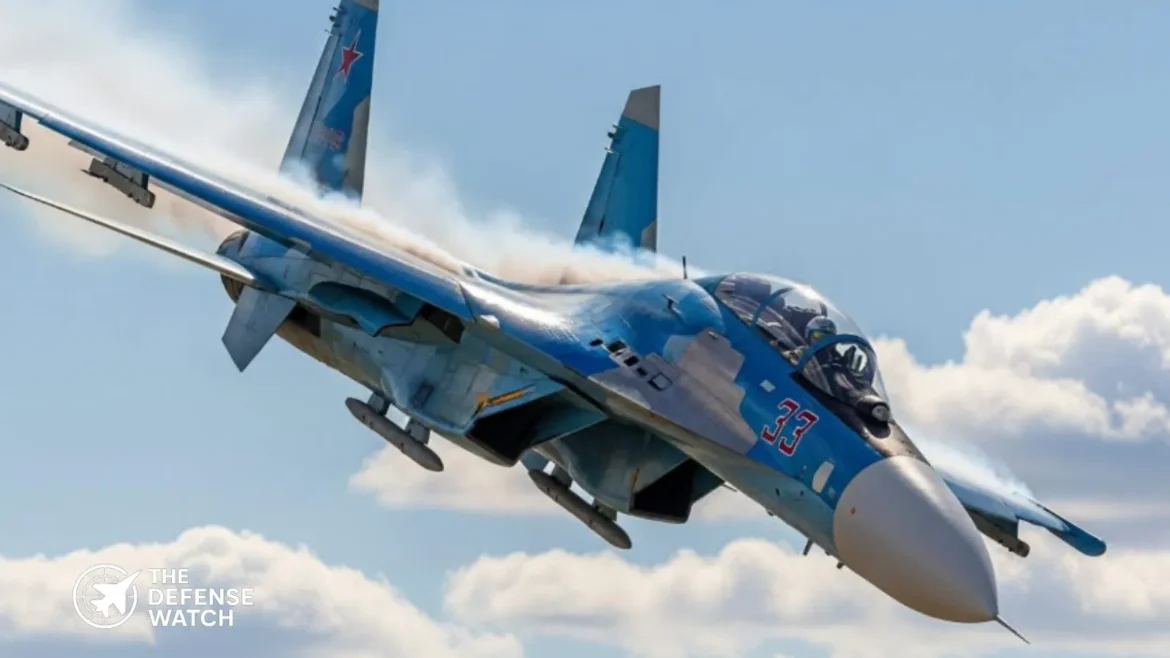
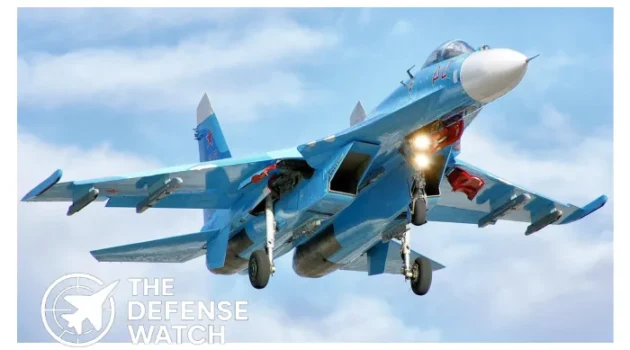
On December 20, Ukraine’s Security Service (SBU) said long-range drones struck two Russian Su-27 fighter jets at the Belbek military airfield in Russian-occupied Crimea. The attack targeted one jet on a taxiway with a full combat load, destroying it, and damaged a second aircraft. The SBU also reported that the airfield’s control tower was hit, potentially affecting flight operations. This was the second known successful strike on Belbek in recent days, following earlier hits on air defense equipment and aircraft on December 18.
Belbek is a key Russian air base near Sevastopol that houses fighter aircraft and air defense assets supporting operations over southern Ukraine and the Black Sea region.
Background on the Belbek Airfield and Its Strategic Role
Belbek airfield has been under Russian control since the 2014 annexation of Crimea. Historically a major Soviet and Ukrainian fighter base, after 2014 it became a core node for Russia’s Black Sea air operations. Su-27 fighters, among other aircraft, operate from the field to support air patrols, air defense, and deterrence missions in the wider region.
Since the full-scale invasion of Ukraine in 2022, Ukrainian forces have repeatedly targeted Russian positions in Crimea, including airfields, radar stations, and air defense systems. Previous strikes at Belbek included hits on MiG-31 interceptors and various radar and surface-to-air missile systems earlier in December. The SBU has increasingly used long-range drones as part of a broader asymmetric campaign to degrade Russian military infrastructure deep inside occupied territory.
Strike Details
SBU Statement
According to the SBU’s Telegram post, long-range drones operated by its Alpha Special Operations Center hit two Su-27 aircraft on the ground at Belbek. One was fully loaded and preparing for a combat sortie when it was destroyed on the taxiway. The combined replacement cost of the two aircraft is estimated at roughly $70 million. The control tower at the base was also struck, which could complicate Russian flight operations.
Tactical Implications
Destroying aircraft on the ground deprives Russian forces of both their airpower and the ability to project it from the Crimean peninsula. Su-27s are heavy air superiority fighters that play multiple roles, including patrols, escort missions, and flexible deployment in contested airspace. Hitting them before they can be airborne reduces their immediate threat to Ukrainian forces and places additional strain on Russia’s logistical and repair chains.
Control tower damage also matters. Even limited damage to infrastructure can disrupt sortie generation rates, hamper coordination of aircraft movements, and force Russian units to divert flights to other airfields. This has effects beyond the loss of individual jets.
Ukrainian Use of Long-Range Drones
Ukraine has increasingly relied on long-range drones for deep strikes against high-value targets inside occupied Crimea and beyond. These unmanned systems allow Kyiv to reach deep into Russian-held territory with lower risk to personnel compared to manned aircraft or traditional missile strikes. Drones have been used to target air defense systems, radar installations, and command and control facilities at multiple locations. Their success reflects both technical advances by Ukrainian developers and a shift in modern conflict toward unmanned systems.
The December 20 attack on Belbek happened just days after a separate operation on December 18 struck Russian radar systems, a Pantsir-S2 air defense system, and a MiG-31 aircraft at the same base. Repeated strikes on the same location suggest a deliberate Ukrainian effort to weaken Russian aerial and air defense capabilities in Crimea over time.
Russian Air Capabilities in Crimea
Russian air assets in Crimea, including Su-27 and Su-30 fighters, provide a significant deterrent against Ukrainian air operations and help enforce airspace control in the Black Sea region. These assets also serve to support ground operations in southern Ukraine and to reinforce defenses against Western aircraft or naval activity in the area. Historically, Belbek has hosted elements of the Russian Air Force’s 38th Fighter Aviation Regiment and other units, reflecting its importance to Moscow’s regional posture.
Losses at Belbek may force Russian commanders to shift assets to alternate bases or accelerate repairs, which can stretch already taxed logistics during ongoing operations.
Expert and Policy Perspective
From a military technology perspective, the Belbek strikes highlight the evolving role of drones in high-intensity conflict. Ukraine’s focus on long-range unmanned systems shows a strategic adaptation to a stronger adversary with advanced air defenses. By using drones, Ukraine increases its reach against fortified targets without risking pilot lives or high-cost manned platforms. It also demonstrates the importance of battlefield innovation and strategic targeting.
Policy analysts note that such attacks may also have broader signaling effects. Strikes inside occupied Crimea, particularly at strategic airfields, show Ukraine’s intent and capacity to contest control of key nodes deep behind frontlines. For Russia, this raises questions about the security of its forward bases and may compel further investment in defensive systems or dispersal of aircraft. For Western supporters, Ukrainian success with drones may influence future aid decisions, including support for drone technology transfer and counter-air capabilities.
What to Watch Next
The immediate impact of the strikes will be on Russian air operations from Belbek and nearby bases. Watch for official Russian military statements, assessment of sortie rates from the base, and any shift of air assets to alternate locations.
Ukraine’s continued development of drone capabilities is another trend to monitor. Future operations might expand the range, payloads, and coordination of unmanned systems, potentially affecting other high-value Russian assets.
Finally, analysts will be watching for broader Russian efforts to harden infrastructure in occupied Crimea and to prevent similar attacks through improved air defenses or camouflage and dispersal measures.

Russia Shoots Down 15 Moscow-Bound Drones, Mayor Says
Russian air defenses shot down 15 drones headed toward Moscow on the evening of December 10, the city’s mayor reported Wednesday, underscoring the growing use of unmanned aerial systems in the Ukraine conflict and Moscow’s ongoing efforts to protect its airspace.
Moscow Mayor Sergei Sobyanin posted on his Telegram channel that the intercepts occurred over a period of just over three hours, with one drone also downed earlier in the afternoon. Emergency crews were sent to deal with debris, but the mayor gave no immediate indication of injuries or damage to property.
Background on Drone Strikes Against Moscow
Attacks employing unmanned aerial vehicles (UAVs) on Russian territory have become more frequent as the war between Russia and Ukraine continues. Both sides have developed and deployed a range of drones, with Ukraine increasingly using them to strike deep inside Russian territory, including near key infrastructure and the capital.
Moscow’s air defenses have previously reported shooting down multiple drones on separate occasions. Incidents in 2025 have included larger waves of UAVs being intercepted, temporary closures of Moscow airports, and claims of Ukrainian drones targeting industrial sites in regions beyond the capital.

The use of drones in this conflict is part of a broader trend of battlefield transformation. Ukraine has expanded its unmanned arsenal to include both aerial and sea drones, aiming to disrupt Russian logistics, oil infrastructure, and military positions. Russia, meanwhile, fields layered air defense networks that include traditional surface-to-air missile systems and electronic warfare units designed to detect and neutralize incoming threats.
Details of the December 10 Intercepts
Sobyanin’s Telegram updates form the primary public account of the December 10 incidents. He stated that:
- Fifteen UAVs were intercepted en route to Moscow over a three-hour period on Wednesday evening and into the night.
- One additional drone was downed earlier in the afternoon.
- Emergency personnel were deployed to examine fallen debris.
- No official report of casualties or specific damage was released at the time.
Russia’s official Defense Ministry did not immediately issue a statement on the intercepts, leaving the mayor’s Telegram posts as the key source of information on the number of drones and how they were handled.
Air Defence Systems and Capabilities
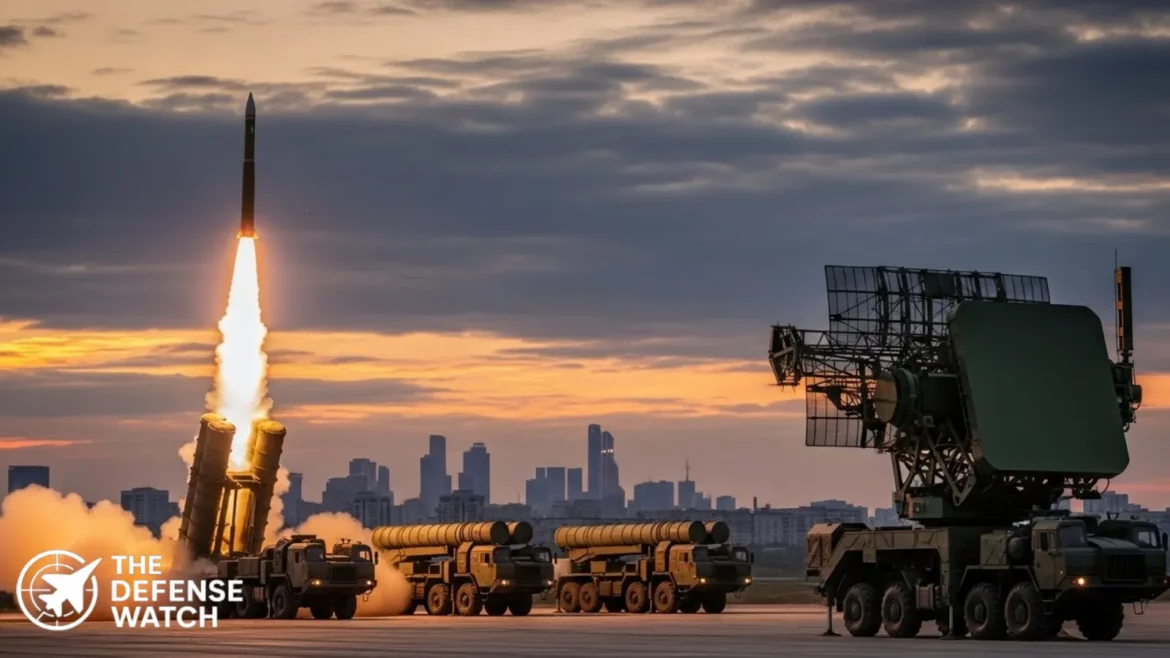
Russia’s air defence network is among the most complex in the world, featuring integrated systems ranging from long-range radar and surface-to-air missiles to short-range point defence weapons and electronic countermeasures. These systems are designed to detect, track, and engage aircraft, cruise missiles, and UAVs at varying ranges and altitudes.
Despite these capabilities, drones pose a unique challenge because of their small radar cross-section, low flight paths, and low heat signatures. Intercepting swarms or multiple UAVs in quick succession strains even robust air defense architectures. Recent claims of hundreds of drones intercepted in single events reflect both the intensity of the threat and the demands on air defense operators.
Expert Perspective
Analysts say the repeated drone engagements near Moscow illustrate several key trends in modern conflict.
First, the growing use of commercially derived drones equipped for military missions points to a sustained asymmetric threat. Ukraine has adapted a variety of commercial and militarised UAV platforms for strikes, reconnaissance, and disruption of Russian logistics and command nodes.
Second, defending dense urban airspace remains complex. Moscow’s air defence units must balance the need to neutralise threats with the risks of debris falling over populated areas, a problem that complicates civilian risk calculations even when intercepts succeed.
Finally, the ongoing use of drones reflects broader strategic pressure. Ukraine’s employment of long-range UAVs serves both tactical and psychological aims, forcing the Kremlin to allocate more resources to homeland defence rather than front-line operations.
Policy and Strategic Implications
For NATO and U.S. defence planners, the Moscow drone incidents reinforce the enduring shift toward unmanned systems in high intensity conflict. The United States and allies are investing in counter-UAV technologies, layered air and missile defence systems, and improved sensor networks to counter similar threats.
In addition, the incidents highlight the importance of resilient civil aviation systems. Temporary airspace closures and airport disruptions in past drone attacks have had economic and social impacts, drawing attention to the need for coordinated civil-military responses to UAV threats.
What to Watch Next
As winter advances, weather could influence the operational patterns of UAV attacks and defence responses. Observers will be looking for:
- Official statements from the Russian Ministry of Defense on the December 10 incidents.
- Any indication of damage, disruption to transport, or shifts in drone attack frequency.
- Advances in counter-UAV systems or changes in Russian air defence doctrine.

On November 4, 2025, regional authorities in the Russian Republic of Sterlitamak, in Bashkortostan, said that a drone attack by Ukrainian forces damaged a petrochemical plant deep inside Russia. According to the governor, the strike caused a partial collapse of a water-treatment structure, but no injuries were reported and the plant remained operational.
Background
The incident marks yet another example of the increasing reach of Ukrainian drone operations targeting industrial and energy infrastructure inside Russia. The plant at Sterlitamak lies roughly 1,500 km from the Ukrainian border, signalling a deep-rear penetration of drone assets. Previous attacks in the Bashkortostan region, such as on the Gazprom Neftekhim Salavat complex in September 2025, illustrate a pattern of strikes against Russia’s petrochemical hubs.
Details of the Strike
According to the statement by Bashkortostan Governor Radiy Khabirov on Telegram, two drones were downed over the region during the operation. He added that the water-treatment facility at the plant partially collapsed but the plant continued normal operations and no personnel were injured.
The facility is operated in Sterlitamak and lies deep in the Ural region.
The Russian Ministry of Defense reported in its daily briefing that in addition to the two drones in Bashkortostan, defense systems destroyed another 83 drones over seven other Russian regions overnight.
No official comment was immediately issued by Ukrainian authorities.The strike fits within a broader campaign by Kyiv to impose pressure on Russia’s war-machine by attacking logistics hubs, fuel and chemical production plants, and other infrastructure assets behind the front lines. These attacks aim to degrade supply chains and raise the cost of the Russian military effort.
Technical and Operational Implications
Long-range drone operations reaching industrial sites in the Urals suggest that Ukrainian forces possess or have deployed UAVs capable of extended range and precision tasks. Hitting a plant approximately 1,500 km from the border requires logistical planning, air-defense suppression and possibly staging nodes or advanced navigation systems.
For Russia, this incident underscores the challenge of defending deep-rear assets. If drone penetrations can reach so far, the expectation of “safe zones” away from the front lines is eroding. Previously, the Bashkortostan region recorded attacks nearer to Ufa and on petrochemical complexes.From an industrial standpoint, while the Sterlitamak plant remained operational, the partial collapse of a water-treatment facility indicates potential longer-term disruptions. Water treatment is essential for petrochemical operations; any sustained damage could impact output, maintenance cycles, or environmental compliance.
Expert or Policy Perspective
Analysts note that this strike could compel Russia to further prioritize air-defense coverage of domestic industrial hubs, possibly diverting systems from front-line areas or logistics channels. Given the recent reports of tens to hundreds of UAVs being intercepted overnight, the attrition rate and cost of Ukrainian drone campaigns may be increasing. See for example data showing drone interception numbers in multiple Russian regions.
From Kyiv’s perspective, deep-strike capability signals not just tactical disruption but strategic messaging. The ability to hit infrastructure deep inside Russia can raise the political cost of continuing the war and increase domestic pressure within Russia over industrial disruptions and defense-resource allocations.
However, there is risk in escalation. Attacks on industrial sites can lead to environmental or civilian spill-over damage, raising legal and diplomatic issues. Moscow has labelled such strikes as terrorism, while Kyiv frames them as legitimate self-defense in response to Russia’s invasion launched in February 2022.
What Comes Next
In the short term, Russia is likely to review its industrial defense posture, potentially increasing air-defense assets or changing operational procedures at major plants. For Ukraine, this strike may serve as a precursor to further long-range drone operations, especially targeting infrastructure that supports Russia’s war logistics.
The broader impact may include supply-chain disruptions for petrochemical products in Russia, higher costs for production, and potentially, higher prices or scarcity in downstream industries. Monitoring will focus on whether the Sterlitamak plant experiences any sustained output changes and whether similar strikes follow in other regions.