Executive Summary:
BAE Systems subsidiary BAE Systems Bofors has completed its acquisition of Swedish precision engineering supplier Aston Harald Mekaniska Verkstad AB. The move is designed to strengthen manufacturing capacity, improve supply chain resilience, and support growing European demand for artillery systems, combat vehicles, and naval guns.
BAE Systems Bofors Expands Swedish Defense Manufacturing Base
BAE Systems Bofors has finalized its acquisition of Aston Harald Mekaniska Verkstad AB, a Swedish supplier specializing in precision mechanics and advanced component machining for the defense and aerospace sectors. The transaction follows a purchase agreement first announced in February 2026 and marks another step in Europe’s broader push to expand defense industrial capacity.
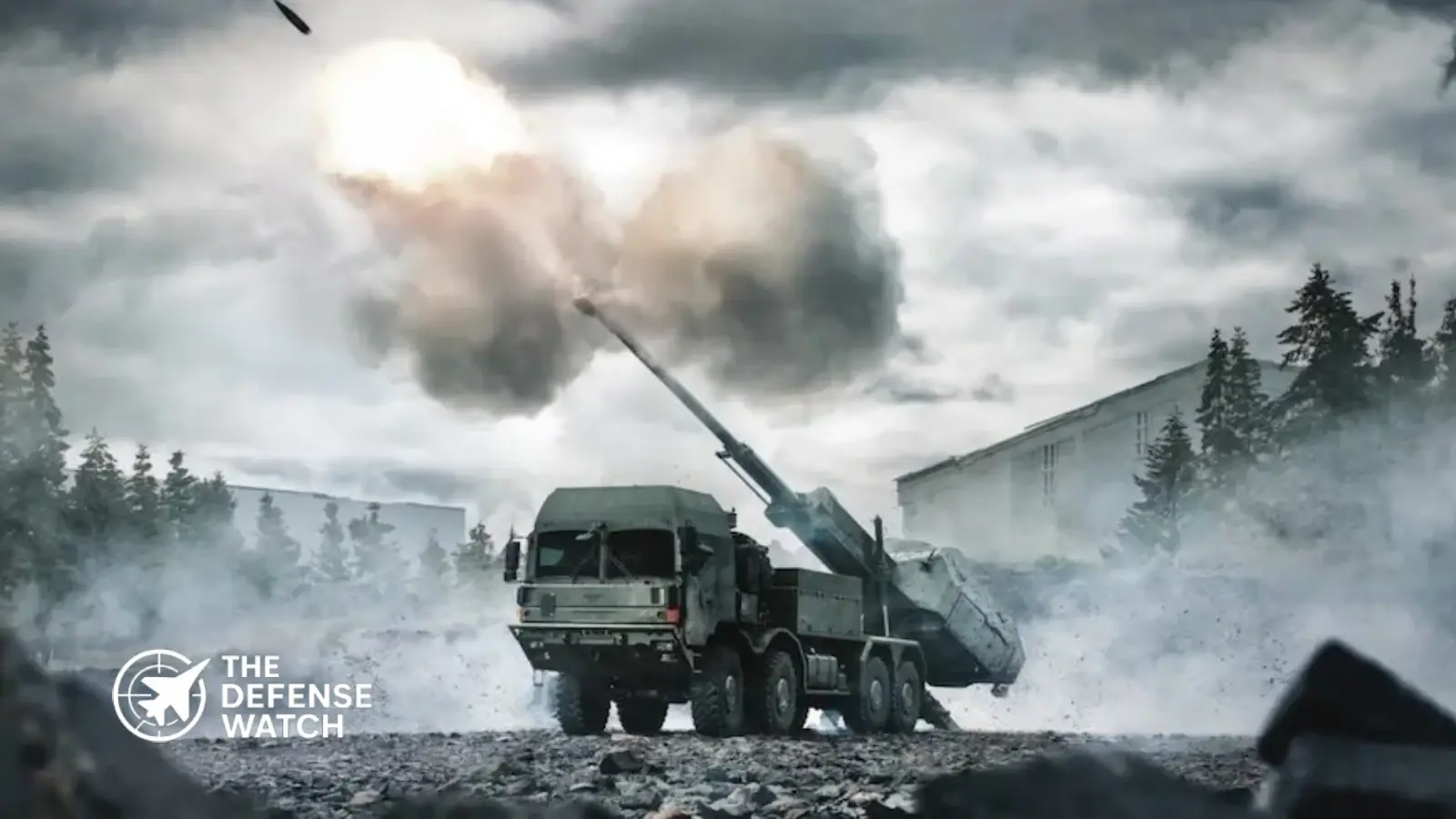
The acquisition directly supports BAE Systems Bofors’ production programs tied to the ARCHER self-propelled artillery system, TRIDON Mk2 air defense platform, Combat Vehicle 9040, and the company’s 40 Mk4 and 57 Mk3 naval gun systems.
Aston Harald, headquartered in Kristinehamn, Sweden, employs around 100 personnel and has served as a long-term supplier to BAE Systems Bofors and other defense manufacturers across Europe.
Why The Acquisition Matters
The acquisition reflects a wider trend across Europe’s defense sector, where manufacturers are moving to secure critical industrial capabilities closer to home as regional military spending continues to rise.
European governments have accelerated procurement programs following Russia’s invasion of Ukraine and growing NATO readiness requirements. This has placed pressure on defense companies to increase output of artillery systems, armored vehicles, air defense platforms, and naval weapons.
By bringing Aston Harald into its industrial structure, BAE Systems Bofors gains tighter control over a key part of its production chain. The company stated the acquisition will improve supply security and delivery reliability for several flagship systems.
This is particularly important for systems such as the ARCHER artillery platform, which has seen increased international demand in recent years. Sweden has continued investing in the system while also supporting Ukrainian military modernization efforts. Additional production pressure is also emerging from broader NATO artillery replenishment programs.
The move also aligns with growing European efforts to reduce supply chain vulnerabilities exposed during recent geopolitical crises, including shortages in defense manufacturing components and long lead times for precision-engineered parts.
Strategic Importance For European Defense Production
The Karlskoga region in Sweden has become one of Northern Europe’s most important defense industrial clusters. Both BAE Systems Bofors and Aston Harald operate within this ecosystem, allowing the companies to integrate manufacturing, engineering, and logistics more efficiently.
From an operational perspective, the acquisition could shorten production timelines for artillery systems and naval weapons while reducing dependence on external subcontractors.
The timing is notable. BAE Systems recently reported strong operational performance and pointed to increasing defense spending across its major markets. Company leadership stated the group remains positioned for sustained medium-term growth driven by rising military modernization requirements.
The acquisition also mirrors broader consolidation trends within the European defense sector. Manufacturers are increasingly pursuing vertical integration strategies to secure production capacity for critical military programs.
For BAE Systems Bofors, this includes maintaining output for:
- ARCHER wheeled self-propelled artillery systems
- TRIDON Mk2 mobile air defense systems
- CV9040 combat vehicle production
- 40 Mk4 naval guns
- 57 Mk3 naval gun systems
Defense Supply Chains Under Pressure
The acquisition highlights how supply chain resilience has become a central issue in modern defense planning.
Across NATO countries, governments are demanding faster delivery timelines and higher ammunition production rates. Defense manufacturers are responding by investing in facilities, expanding supplier networks, and acquiring strategic subcontractors.
European defense firms including Rheinmetall, MBDA, Leonardo, and BAE Systems have all announced production expansion initiatives over the past two years as demand for artillery, missile systems, and armored platforms continues to grow.
Precision machining firms such as Aston Harald play a critical role in this ecosystem because modern defense systems rely on highly specialized components that require strict manufacturing tolerances and secure supply chains.
Industry analysts increasingly view supplier ownership as a way to protect production schedules during periods of elevated military demand.
Outlook For BAE Systems Bofors
BAE Systems Bofors has continued expanding its position in European land systems, naval weapons, and artillery programs.
The company’s ARCHER artillery system remains one of Europe’s most mobile 155mm self-propelled artillery platforms, while the TRIDON Mk2 reflects increasing interest in mobile short-range air defense solutions.
The addition of Aston Harald is unlikely to transform the company overnight, but it strengthens manufacturing depth at a time when defense contractors face mounting pressure to scale production rapidly.
For Sweden and NATO partners, industrial reliability is becoming almost as important as battlefield capability itself.