

What Just Happened
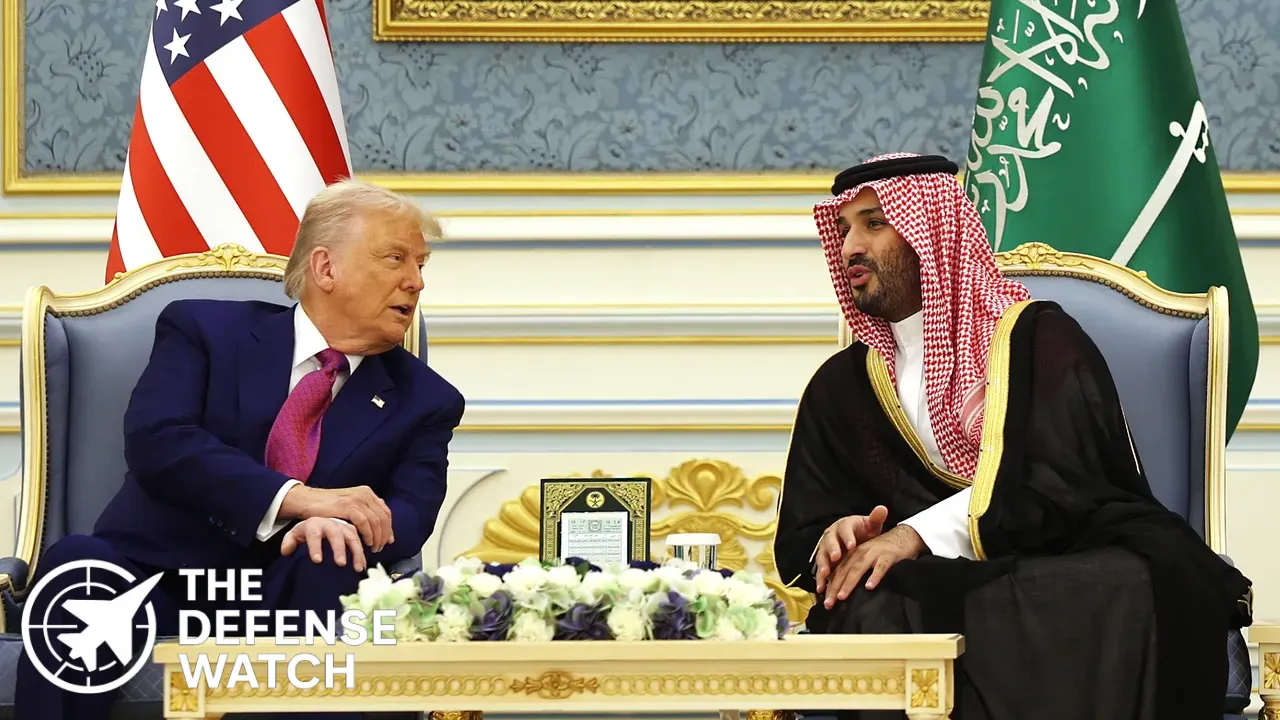
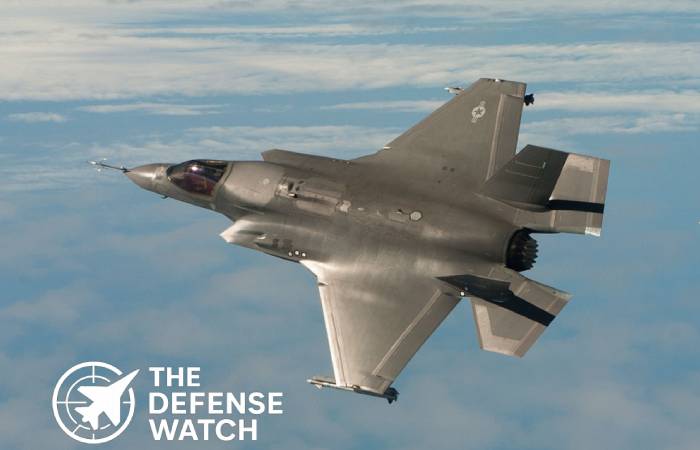
Former U.S. President Donald Trump announced that he plans to sell F-35 fighter jets to Saudi Arabia, marking a potentially historic shift in U.S. defense-export policy. Speaking in the Oval Office on the eve of Crown Prince Mohammed bin Salman’s visit to Washington, Trump said, “We’ll be selling F-35s… they want to buy them, they’ve been a great ally.”
Sources indicate that Saudi Arabia has requested up to 48 F-35A jets, and the deal could be part of a broader $142 billion U.S.–Saudi defense package. According to officials quoted in media reports, the request has already cleared a key review stage within the Pentagon.
Strategic and Political Context
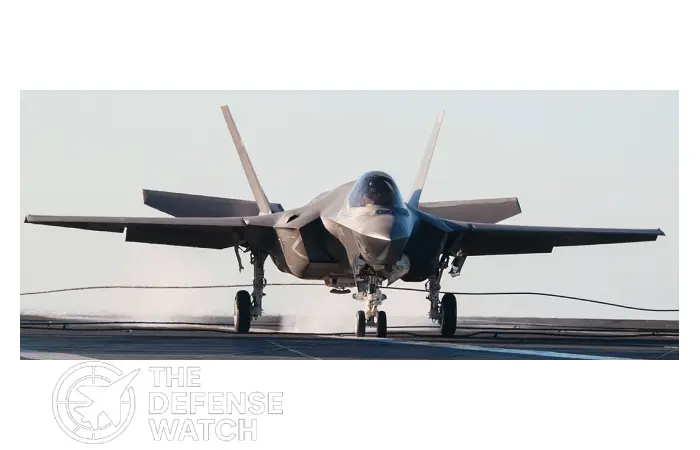
This move would represent a significant break from past U.S. policy. Historically, the F-35 stealth jet has only been exported to a limited number of close U.S. allies — NATO members, Japan, and select partners.
One of the core concerns: maintaining Israel’s “Qualitative Military Edge” (QME). U.S. law requires that Israel retain superior military capability relative to its regional neighbors, and the F-35 is widely considered one of its most advanced systems.
At the same time, some U.S. national security officials are reportedly warning that sharing such advanced technology with Riyadh could pose a risk of technology leakage, particularly to China, given Saudi Arabia’s increasingly close ties with Beijing.
Details of the Proposed Deal
- Jet Model: The Saudi request centers on the F-35A, the conventional take-off and landing variant.
- Quantity: As many as 48 aircraft.
- Strategic Alignment: The jet sale appears tied to a broader defense cooperation pact, possibly akin to a mutual security assurance from the U.S. to Saudi Arabia.
- Congressional Risk: The deal would require congressional notification and could face pushback, particularly given human rights concerns and regional balance issues.
Policy Implications & Risks
Israel’s Military Edge
Israeli officials reportedly lobbied the Trump administration to condition any F-35 sale on further normalization of relations between Saudi Arabia and Israel. While some voices in Israel aren’t fully opposed, they emphasize Washington should extract diplomatic concessions in return to maintain regional stability.
Security & Technology Leakage
Some U.S. intelligence / defense officials have warned that Saudi Arabia’s security relationship with China could allow Beijing to glean sensitive insights into F-35 technology. This concern is heightened by the jet’s stealth, sensor, and software sophistication — key enablers of U.S. air dominance.
Governance & Oversight
- The deal cleared a significant hurdle at the Pentagon, advancing to senior levels.
- But final approval still hinges on White House sign-off, interagency coordination, and congressional review.
- There’s also a question of how the U.S. would structure security guarantees with Riyadh — whether via an executive order, treaty, or defense pact.
Expert & Policy Perspective
From a strategic perspective, this decision by Trump could reflect a broader realignment of U.S.-Gulf defense policy:
- For Riyadh, acquiring F-35s would significantly modernize its air force, closing capability gaps vis-à-vis regional adversaries (like Iran) and flagship U.S. systems.
- For Washington, it could leverage weapons sales to push Riyadh toward diplomatic outcomes — potentially using F-35 access as a diplomatic bargaining chip in Middle East normalization efforts.
- From an arms-control standpoint, the deal raises tough questions. If sold, would the U.S. accept concessions on basing, deployments, or restrictions on where the jets could be flown — especially given Israeli concerns?
- Long-term risk: The possibility of sensitive F-35 tech slipping into Chinese hands could undermine U.S. air dominance and expose stealth/AVIONICS secrets that are not easily safeguarded once systems are fielded in a foreign country.

What to Watch Next
- Congressional Review: Will lawmakers block or condition the sale? Key votes could come on the basis of QME, human rights, or technology security.
- Defense Pact Details: Whether the U.S. grants Riyadh “major non-NATO ally” or “major defense partner” status could reshape long-term cooperation.
- Operational Restrictions: Will the U.S. impose basing or flight-zone constraints to assuage Israeli concerns?
- Tech Safeguards: What measures will be built into the F-35 transfer to prevent leaks — such as encryption, maintenance controls, or off-limits software features?
- Regional Reactions: How will Iran, Israel, and Gulf neighbors respond? Will this sale accelerate normalization or trigger new security alignments?
Bottom Line
Trump’s commitment to sell F-35 stealth jets to Saudi Arabia marks a bold departure from previous U.S. export norms. If executed, it would make Saudi Arabia potentially only the second country in the Middle East — after Israel — to field the world’s most advanced fifth-generation fighter. But the proposal sets off alarm bells in Washington and Jerusalem: preserving Israel’s qualitative military edge, safeguarding advanced U.S. technology from China, and managing Congress’s wariness will all be critical. The deal may hinge not only on jets, but on diplomatic leverage, security guarantees, and geopolitical trade-offs.

2 comments
[…] milestones: the request cleared a major Pentagon hurdle earlier in November 2025. The prospective sale dovetails with Saudi Crown Prince Mohammed bin Salman’s high-profile visit to Washington, during which defense, […]
[…] US and allied military activities. Tehran’s rhetoric points to a posture focused on defense and regional signaling rather than unilateral escalation. Independent diplomatic channels continue to pursue avenues for […]