State Department Clears Major Patriot Missile Sale
The U.S. State Department has approved a potential $9 billion Foreign Military Sale of 730 PAC-3 Missile Segment Enhancement (MSE) interceptors to Saudi Arabia, marking one of the largest air defense transactions in recent years. The Defense Security Cooperation Agency (DSCA) notified Congress of the proposed sale on January 31, according to official notifications.
(adsbygoogle = window.adsbygoogle || []).push({});The comprehensive package includes PAC-3 MSE missiles, associated equipment, technical support, training, logistics services, and classified software documentation. Saudi Arabia requested the advanced interceptors to modernize its integrated air and missile defense architecture against evolving threats in the Gulf region.
Strategic Rationale Behind the Sale
According to DSCA, the proposed sale directly supports U.S. foreign policy objectives by strengthening the defensive capabilities of a major non-NATO ally that contributes to regional stability. The agency stated that enhanced air defense systems will help Saudi Arabia address current and emerging threats while maintaining operational readiness.
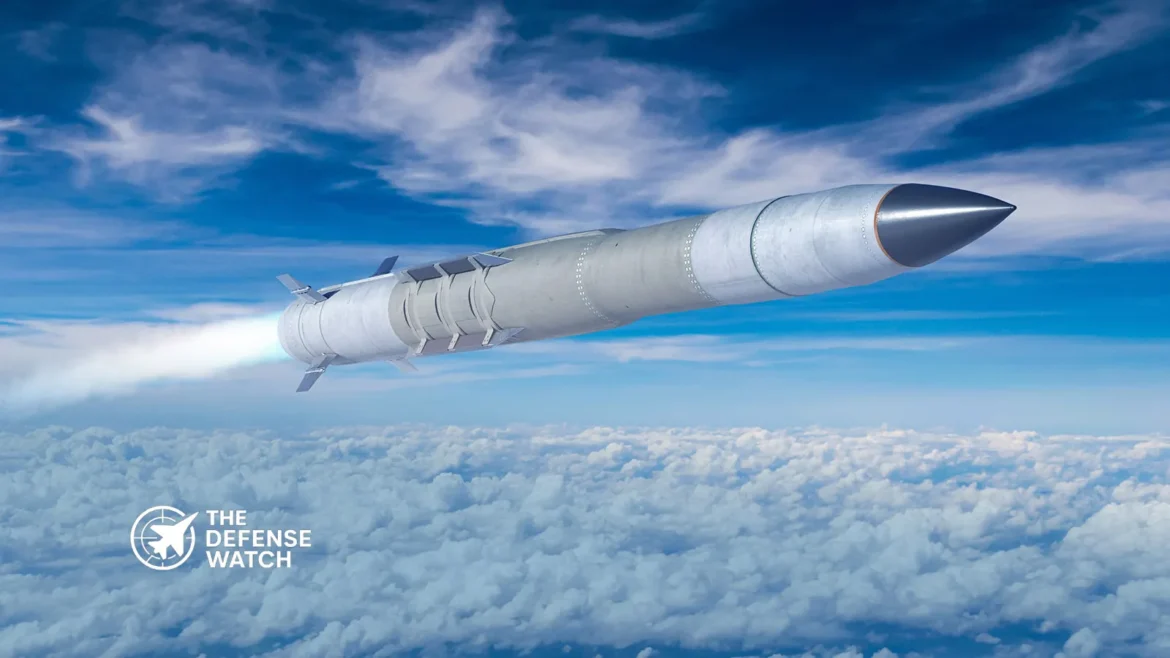
The PAC-3 MSE represents the latest generation of the Patriot missile family, featuring hit-to-kill technology designed to intercept tactical ballistic missiles, cruise missiles, and advanced aircraft threats. The system provides significantly improved range and altitude capabilities compared to earlier Patriot variants.
U.S. officials emphasized that the sale will improve Saudi Arabia’s contribution to integrated air and missile defense operations within the U.S. Central Command area of responsibility. The enhanced capability is expected to protect both Saudi and allied forces operating in the region.
Technical Capabilities and Integration
The PAC-3 MSE employs kinetic energy to destroy incoming threats, eliminating the need for traditional explosive warheads. This hit-to-kill approach provides greater effectiveness against maneuvering targets and reduces collateral damage risks.
Lockheed Martin serves as the prime contractor for PAC-3 MSE production, with Boeing providing critical seeker components. Boeing recently expanded its Huntsville, Alabama facility to increase PAC-3 seeker production capacity by more than 30 percent to meet growing global demand.
The missiles will integrate with Saudi Arabia’s existing Patriot infrastructure, which has been upgraded over multiple decades through previous Foreign Military Sales programs. The Kingdom operates multiple Patriot fire units deployed at strategic locations throughout the country.
Regional Security Context
The approval comes as Gulf states face persistent threats from ballistic missiles, unmanned aerial systems, and cruise missiles. Saudi Arabia has intercepted numerous cross-border attacks in recent years, demonstrating the operational necessity of advanced air defense capabilities.
The DSCA notification stated that the sale will not alter the basic military balance in the region. Officials confirmed that Saudi Arabia possesses the technical capacity and trained personnel to absorb the new systems without difficulty.
Congressional notification marks the beginning of a 30-day review period during which lawmakers can raise objections to the proposed sale. The transaction will only proceed following Congressional approval and completion of final contract negotiations.
Production and Delivery Timeline
While specific delivery schedules were not disclosed in the DSCA notification, PAC-3 MSE production timelines typically extend over several years for large-quantity orders. Lockheed Martin has recently announced capacity expansion initiatives to accelerate interceptor production rates.
The company broke ground on a new production facility designed to increase output of both PAC-3 MSE and Terminal High Altitude Area Defense (THAAD) interceptors. These expansion efforts respond to increased demand from U.S. and allied forces worldwide.
Industry analysts note that the $9 billion package value includes not only the 730 interceptors but also extensive support infrastructure, training programs, spare parts, and multi-year logistics support. The total program cost reflects the comprehensive nature of major Foreign Military Sales.
(adsbygoogle = window.adsbygoogle || []).push({});Allied Air Defense Network
Saudi Arabia’s Patriot modernization aligns with broader regional air defense architecture developments. Multiple Gulf Cooperation Council nations operate Patriot systems, creating an interconnected defensive network across the Arabian Peninsula.
The enhanced capabilities will enable more effective coordination with U.S. forces stationed in the region and support combined air defense operations. Integration with command and control systems allows for rapid threat data sharing across the network.
U.S. Central Command maintains significant air defense assets in the Gulf region, including Patriot batteries, THAAD systems, and naval-based Aegis ballistic missile defense platforms. The Saudi acquisition complements these existing capabilities.
Congressional Review Process
The proposed sale now enters the mandatory Congressional review period, during which the Senate Foreign Relations Committee and House Foreign Affairs Committee will examine the transaction details. Lawmakers typically assess arms sales based on regional security implications, human rights considerations, and strategic alignment with U.S. interests.
Previous Patriot sales to Saudi Arabia have generally received bipartisan Congressional support, reflecting the strategic importance of Gulf security partnerships. However, individual members of Congress may raise specific concerns during the review period.
The State Department must address any Congressional inquiries before final contract implementation can proceed. Once approved, the Defense Security Cooperation Agency will work with Lockheed Martin to establish production schedules and delivery milestones.
(adsbygoogle = window.adsbygoogle || []).push({});Global Patriot Modernization Trend
The Saudi acquisition reflects a global trend toward air defense modernization as nations confront increasingly sophisticated missile threats. Multiple countries have requested PAC-3 MSE upgrades in recent years, including Poland, Romania, Sweden, and Taiwan.
U.S. Army forces are also transitioning their Patriot inventory to the MSE configuration, phasing out older PAC-2 and PAC-3 variants. The Army has emphasized the importance of maintaining common interceptor stocks with key allies to enable interoperability and simplified logistics.
International PAC-3 MSE sales provide important benefits to U.S. defense industrial base sustainment. Larger production runs reduce per-unit costs and help maintain critical manufacturing skills and capacity.


Netanyahu Affirms U.S. Vow to Safeguard Israel’s “Qualitative Military Edge” in Face of Saudi F-35 Sale
Tel Aviv — Prime Minister Benjamin Netanyahu said on Thursday that the United States has reaffirmed its commitment to preserving Israel’s qualitative military edge (QME), despite a high-profile U.S. plan to provide F-35 fighter jets to Saudi Arabia. The assurances, he said, came after direct discussions with U.S. Secretary of State Marco Rubio.
Background: What Is at Stake
For decades, the U.S. has enshrined in its defense policy a doctrine that guarantees Israel maintains a technological and operational edge over regional adversaries. Known as Israel’s qualitative military edge, this principle is codified in American law and has influenced arms sales across the Middle East.
In May 2025, the Trump administration announced a sweeping $142 billion arms package to Saudi Arabia — the centerpiece of which reportedly includes F-35 stealth fighters. That prospect alarms Israeli military officials, who warn that the transfer of advanced fifth-generation jets could erode Israel’s air superiority.
Key Details: Netanyahu’s Reassurances
In an interview on the Telegram channel Abu Ali Express, Netanyahu said that Riyadh “did not get everything it wanted.” He added that following the F-35 plan, he spoke by phone with U.S. Secretary of State Marco Rubio, who reiterated the U.S. pledge to maintain Israel’s defense edge.
According to Netanyahu:
“They didn’t ask us before the sale … but once it happened, I spoke with [Rubio] and made sure of it.”
A spokeswoman for Netanyahu’s office, Shosh Bedrosian, echoed the claim at a press briefing, stating that Washington and Jerusalem have a “long-standing understanding” to guarantee Israel’s qualitative edge. She said:
“That has been true yesterday, … today, … and … tomorrow … and in the future.”
Technical Safeguards: How Israel Maintains Its Advantage
U.S. defense officials and analysts have noted that the Saudi-bound F-35s will likely be less capable than those in Israeli service. According to Reuters, the jets destined for Riyadh will lack several sensitive features such as advanced electronic-warfare packages, radar-jamming systems, and certain integrated weapons.
Moreover, Israel enjoys a special arrangement that allows it to customize its F-35 fleet — locally integrating its own systems, making software modifications, and fielding weapons developed by Israeli defense firms without requiring U.S. re-approval.
Some observers also highlight that one of the most advanced air-to-air missiles in development, the AIM-260 Joint Advanced Tactical Missile, may remain restricted to Israel, thereby preserving its technological superiority.
Military and Strategic Concerns in Israel
Senior Air Force officials in Jerusalem have formally voiced reservations, warning that a Saudi F-35 fleet could undercut Israel’s long-held regional dominance. A classified IAF position paper reportedly argues that similar stealth-capable jets in Saudi hands may erode Israel’s operational freedom in future missions.
Analysts also note that the F-35 sale could complicate Israel’s own fleet expansion. According to the report, if the Saudi order moves forward, it could delay Israel’s delivery schedule for new aircraft.
U.S.-Israeli Diplomatic Dimension
Although the deal has stirred concern in Israel’s military community, Netanyahu has been cautious in his public remarks. He characterized Saudi Arabia as “not a state of confrontation” but stressed that Israel’s reluctance would be far more forceful should a similar sale be proposed to Turkey.
Netanyahu has also emphasized his view on regional normalization, saying he is “cautiously optimistic” about prospects for Saudi-Israeli ties — but reiterated his opposition to a sovereign Palestinian state emerging from any agreement.
Expert & Policy Angle
Legal Safeguards:
Under U.S. law, any arms transfer that might threaten Israel’s qualitative military edge triggers a QME review, requiring assessment by U.S. Congress. Defense analysts have long seen such limits as a controlling factor in Gulf states’ pursuit of the most advanced U.S. platforms.Regional Dynamics:
Some experts suggest that Washington’s move to sell F-35s to Riyadh reflects broader geopolitical ambitions — including further integrating Saudi Arabia into a U.S.-led security architecture in the Middle East. However, keeping the jets technologically inferior is key to avoiding a major shift in regional airpower balance.Israeli Calculus:
By pushing for reassurance from Washington, Netanyahu may also be trying to balance competing priorities: assuring his domestic political base of Israel’s security supremacy while signaling openness to a gradual rapprochement with Saudi Arabia. Analysts note that such a deal could be tied to deeper normalization talks — though Netanyahu has publicly denied granting too many concessions, particularly on Palestinian statehood.What Comes Next
- QME Review: The deal is expected to undergo a formal qualitative military edge assessment in the U.S., potentially slowing or reshaping the sale.
- Congressional Approval: Any major arms sale of this scale will require authorization by the U.S. Congress, where Israel’s strategic concerns could influence votes.
- Normalization Dynamics: Saudi-Israel diplomatic rapprochement remains uncertain. Analysts will watch whether strategic reassurance on military parity becomes part of a broader normalization deal.
- Israeli Modernization: Israel may accelerate its own F-35 orders or push for further upgrades, in part to ensure it retains a clear technological lead.
What Just Happened
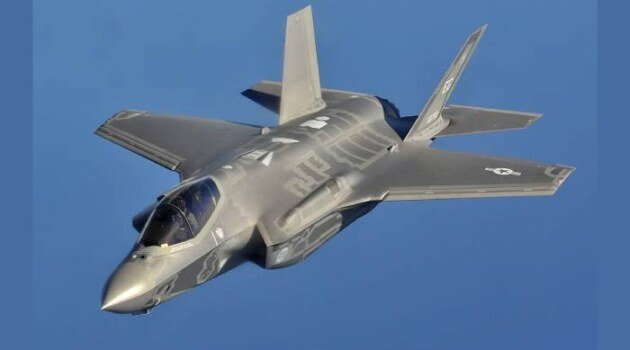
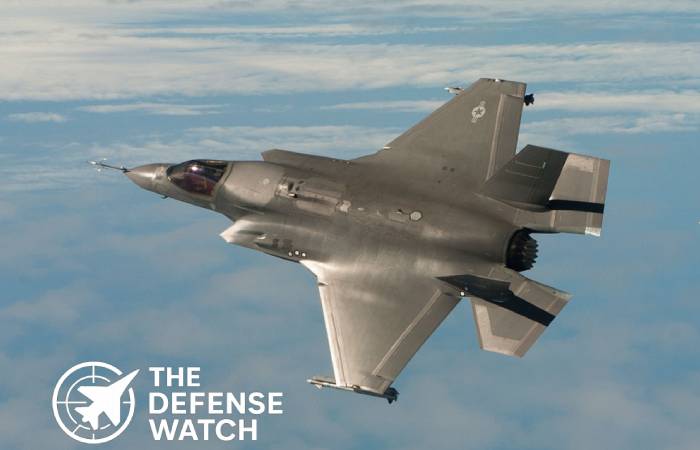
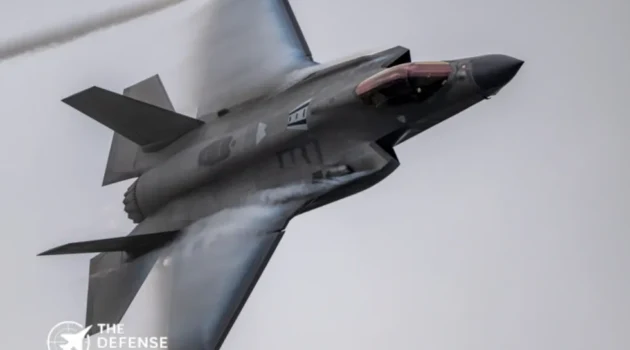
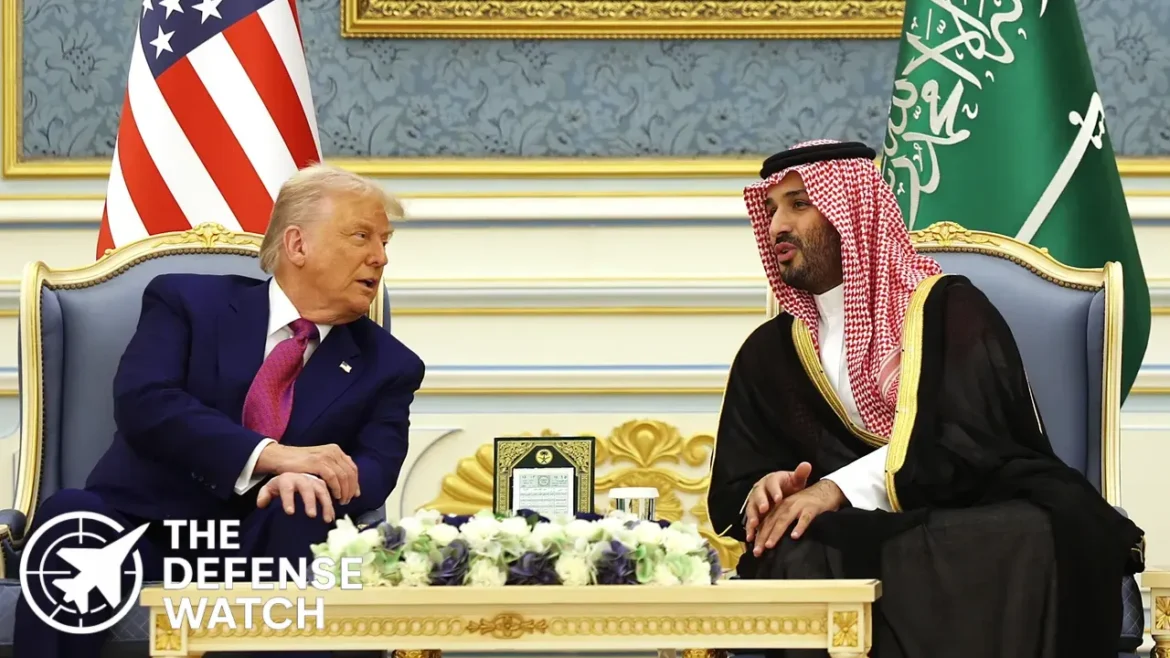
Former U.S. President Donald Trump announced that he plans to sell F-35 fighter jets to Saudi Arabia, marking a potentially historic shift in U.S. defense-export policy. Speaking in the Oval Office on the eve of Crown Prince Mohammed bin Salman’s visit to Washington, Trump said, “We’ll be selling F-35s… they want to buy them, they’ve been a great ally.”
Sources indicate that Saudi Arabia has requested up to 48 F-35A jets, and the deal could be part of a broader $142 billion U.S.–Saudi defense package. According to officials quoted in media reports, the request has already cleared a key review stage within the Pentagon.
Strategic and Political Context
This move would represent a significant break from past U.S. policy. Historically, the F-35 stealth jet has only been exported to a limited number of close U.S. allies — NATO members, Japan, and select partners.
One of the core concerns: maintaining Israel’s “Qualitative Military Edge” (QME). U.S. law requires that Israel retain superior military capability relative to its regional neighbors, and the F-35 is widely considered one of its most advanced systems.
At the same time, some U.S. national security officials are reportedly warning that sharing such advanced technology with Riyadh could pose a risk of technology leakage, particularly to China, given Saudi Arabia’s increasingly close ties with Beijing.
Details of the Proposed Deal
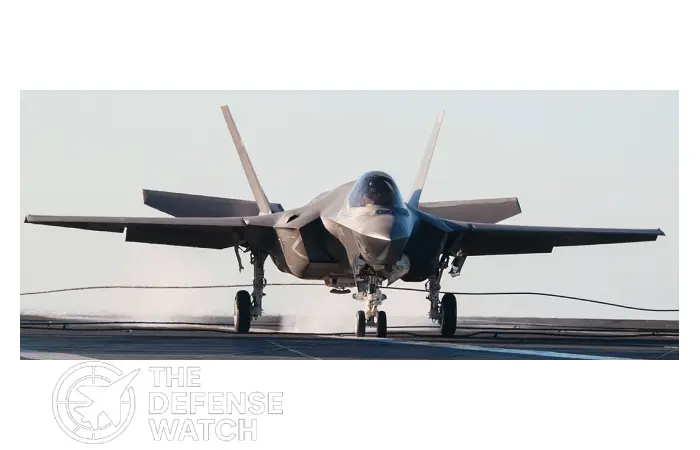
- Jet Model: The Saudi request centers on the F-35A, the conventional take-off and landing variant.
- Quantity: As many as 48 aircraft.
- Strategic Alignment: The jet sale appears tied to a broader defense cooperation pact, possibly akin to a mutual security assurance from the U.S. to Saudi Arabia.
- Congressional Risk: The deal would require congressional notification and could face pushback, particularly given human rights concerns and regional balance issues.
Policy Implications & Risks
Israel’s Military Edge
Israeli officials reportedly lobbied the Trump administration to condition any F-35 sale on further normalization of relations between Saudi Arabia and Israel. While some voices in Israel aren’t fully opposed, they emphasize Washington should extract diplomatic concessions in return to maintain regional stability.
Security & Technology Leakage
Some U.S. intelligence / defense officials have warned that Saudi Arabia’s security relationship with China could allow Beijing to glean sensitive insights into F-35 technology. This concern is heightened by the jet’s stealth, sensor, and software sophistication — key enablers of U.S. air dominance.
Governance & Oversight
- The deal cleared a significant hurdle at the Pentagon, advancing to senior levels.
- But final approval still hinges on White House sign-off, interagency coordination, and congressional review.
- There’s also a question of how the U.S. would structure security guarantees with Riyadh — whether via an executive order, treaty, or defense pact.
Expert & Policy Perspective
From a strategic perspective, this decision by Trump could reflect a broader realignment of U.S.-Gulf defense policy:
- For Riyadh, acquiring F-35s would significantly modernize its air force, closing capability gaps vis-à-vis regional adversaries (like Iran) and flagship U.S. systems.
- For Washington, it could leverage weapons sales to push Riyadh toward diplomatic outcomes — potentially using F-35 access as a diplomatic bargaining chip in Middle East normalization efforts.
- From an arms-control standpoint, the deal raises tough questions. If sold, would the U.S. accept concessions on basing, deployments, or restrictions on where the jets could be flown — especially given Israeli concerns?
- Long-term risk: The possibility of sensitive F-35 tech slipping into Chinese hands could undermine U.S. air dominance and expose stealth/AVIONICS secrets that are not easily safeguarded once systems are fielded in a foreign country.

What to Watch Next
- Congressional Review: Will lawmakers block or condition the sale? Key votes could come on the basis of QME, human rights, or technology security.
- Defense Pact Details: Whether the U.S. grants Riyadh “major non-NATO ally” or “major defense partner” status could reshape long-term cooperation.
- Operational Restrictions: Will the U.S. impose basing or flight-zone constraints to assuage Israeli concerns?
- Tech Safeguards: What measures will be built into the F-35 transfer to prevent leaks — such as encryption, maintenance controls, or off-limits software features?
- Regional Reactions: How will Iran, Israel, and Gulf neighbors respond? Will this sale accelerate normalization or trigger new security alignments?
Bottom Line
Trump’s commitment to sell F-35 stealth jets to Saudi Arabia marks a bold departure from previous U.S. export norms. If executed, it would make Saudi Arabia potentially only the second country in the Middle East — after Israel — to field the world’s most advanced fifth-generation fighter. But the proposal sets off alarm bells in Washington and Jerusalem: preserving Israel’s qualitative military edge, safeguarding advanced U.S. technology from China, and managing Congress’s wariness will all be critical. The deal may hinge not only on jets, but on diplomatic leverage, security guarantees, and geopolitical trade-offs.