(adsbygoogle = window.adsbygoogle || []).push({});Executive Summary:
The Royal Air Force has highlighted the operational benefits of the Advanced Precision Kill Weapon System (APKWS), a low cost precision guided weapon now integrated onto Typhoon fighter aircraft. The capability is designed to provide a more affordable and sustainable method of defeating drones and other emerging threats while preserving inventories of higher end air to air missiles.
The system entered operational service in 2026 following an accelerated testing and deployment effort involving the RAF, UK Ministry of Defence, BAE Systems, and QinetiQ.
RAF Highlights APKWS as Key Counter Drone Capability
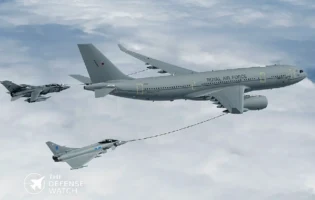
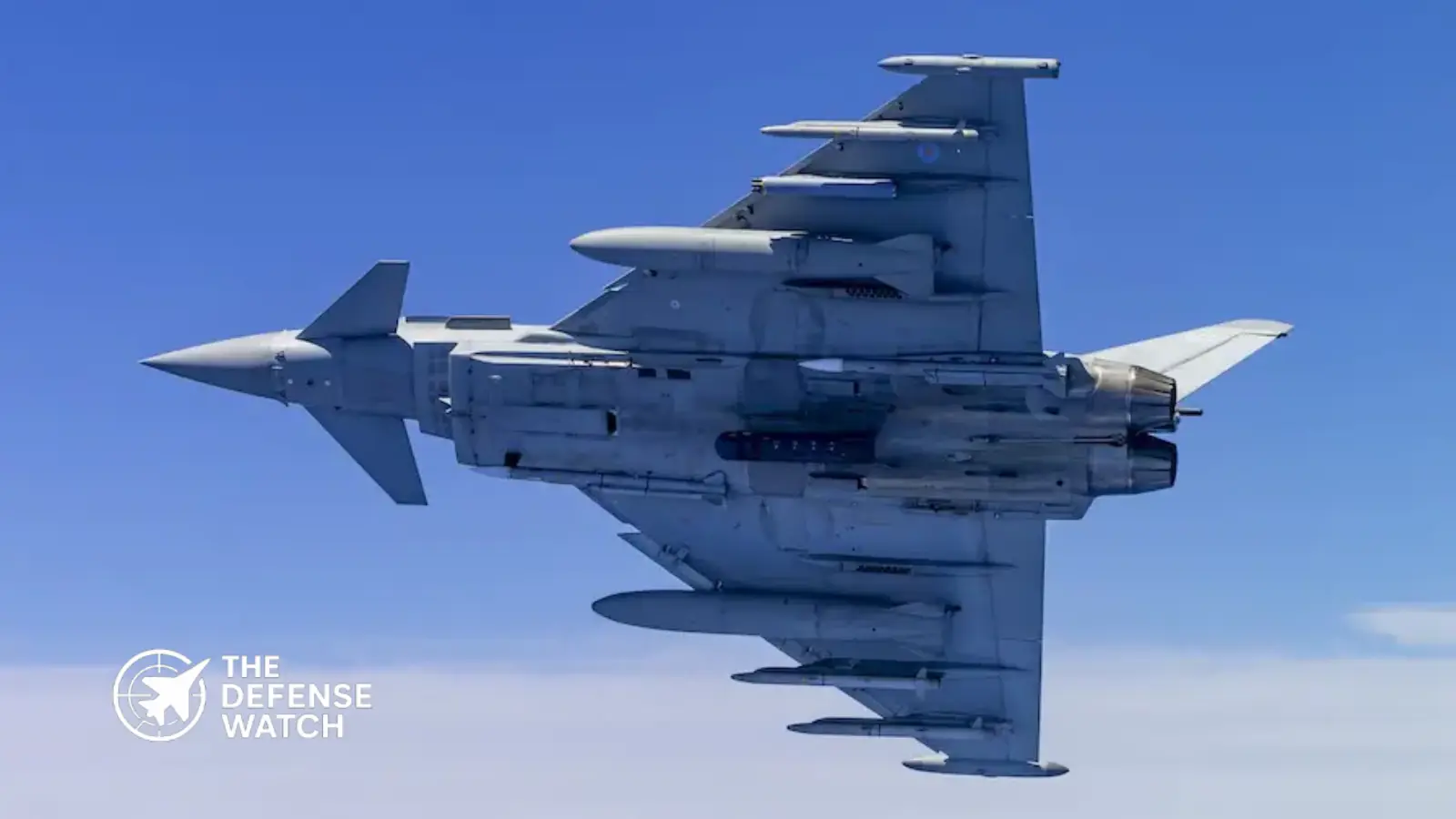
The Royal Air Force has formally showcased the Advanced Precision Kill Weapon System (APKWS) as a new capability for Eurofighter Typhoon pilots, emphasizing its value against uncrewed aerial systems and other modern battlefield threats.
According to the RAF, APKWS provides a highly accurate and flexible engagement option while significantly reducing the cost of intercepting low value aerial targets. The service described the weapon as part of a broader effort to ensure Typhoon remains effective against rapidly evolving threats, particularly the growing use of inexpensive drones in contested environments.
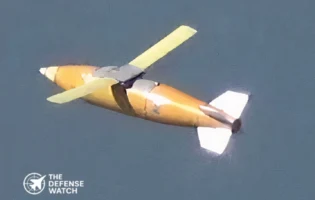
APKWS converts existing 70 mm Hydra rockets into precision guided munitions through the addition of a laser guidance kit. This approach allows air forces to leverage existing rocket inventories while gaining precision strike capability without the expense associated with traditional missile systems.
(adsbygoogle = window.adsbygoogle || []).push({});Rapid Development Moved Capability From Trials to Operations
One of the most notable aspects of the program was the speed of deployment.
The UK Ministry of Defence, working alongside BAE Systems and QinetiQ, moved the system from testing to operational service in less than two months. Initial ground target trials were completed in March 2026, followed by successful air to air engagements against aerial targets during RAF testing in April. By May, Typhoon aircraft assigned to operational missions in the Middle East were carrying APKWS.
The accelerated fielding effort reflects a growing trend among Western militaries to rapidly integrate proven technologies in response to urgent operational requirements rather than relying exclusively on lengthy procurement cycles.
How APKWS Works
APKWS is manufactured by BAE Systems and is already used across multiple military platforms worldwide.
The weapon uses a laser guidance package installed between the rocket motor and warhead. Once launched, guidance fins deploy and steer the rocket toward a laser designated target.
(adsbygoogle = window.adsbygoogle || []).push({});Key Characteristics
Feature Description Base Weapon Hydra 70 rocket Guidance Semi active laser guidance Primary Role Precision strike and counter drone missions Launch Platforms Fighters, helicopters, drones, and other aircraft Integration on Typhoon Uses existing rocket pods and targeting systems Operational Benefit Lower cost alternative to air to air missiles The RAF notes that Typhoon can employ APKWS using existing Litening targeting pods and standard rocket launchers, minimizing aircraft modifications while rapidly expanding combat options.
Why APKWS Matters for Modern Air Warfare
The growing prevalence of inexpensive drones has created a significant challenge for advanced air forces.
In many recent conflicts, militaries have been forced to use costly air to air missiles against relatively cheap unmanned systems. This creates an unfavorable cost exchange ratio and can quickly deplete missile inventories during prolonged operations.
APKWS addresses that problem by providing a precision engagement option that costs substantially less than traditional interceptor missiles. The RAF specifically highlighted the system’s ability to engage drones at a fraction of the cost of existing air defense methods.
This challenge is not unique to the United Kingdom.
The U.S. Air Force is pursuing its own dual mode APKWS developments aimed at countering large numbers of Group 3 drones and other low cost aerial threats. American officials have identified mass drone attacks as an increasingly urgent operational concern across multiple theaters.
(adsbygoogle = window.adsbygoogle || []).push({});Strategic Implications for NATO and Allied Air Forces
The RAF’s APKWS integration highlights a broader shift occurring across NATO air forces.
For decades, Western fighter aircraft were optimized primarily for high end air combat and strike missions. However, recent conflicts in the Middle East and Eastern Europe have demonstrated that large numbers of low cost drones can impose significant operational and financial burdens on defenders.
The introduction of APKWS offers several advantages:
- Preserves inventories of premium air to air missiles such as Meteor and ASRAAM.
- Improves affordability during sustained counter drone campaigns.
- Expands the number of available engagement opportunities per sortie.
- Reduces the risk of overmatching inexpensive threats with costly weapons.
- Enhances operational flexibility for deployed fighter units.
The capability is particularly relevant for RAF Typhoons operating from RAF Akrotiri and other forward locations where drone threats have become increasingly common.
Technical Challenges and Future Growth
While APKWS offers significant advantages, it is not intended to replace advanced air to air missiles.
Laser guided rockets generally have shorter engagement ranges than dedicated air combat weapons and require target designation throughout the engagement process. As a result, APKWS is best suited for slower aerial targets such as drones, loitering munitions, and lightly protected ground targets rather than high performance fighter aircraft.
The RAF has indicated that further development efforts are already underway. New APKWS variants incorporating additional sensing technologies are being evaluated to improve effectiveness against fast moving and multiple targets while maintaining affordability.
This mirrors ongoing U.S. efforts to develop dual mode APKWS configurations that combine laser guidance with additional seekers to enhance counter UAS performance.
(adsbygoogle = window.adsbygoogle || []).push({});Outlook
The Royal Air Force’s adoption of APKWS represents more than a new weapon integration. It reflects a wider shift in military thinking about how advanced air forces confront mass drone threats while managing costs and preserving high end munitions.
As drones continue to proliferate across global battlefields, affordable precision weapons are becoming an increasingly important component of air power. For the RAF, APKWS provides a practical answer to that challenge, giving Typhoon pilots a scalable and operationally relevant tool for modern combat environments.